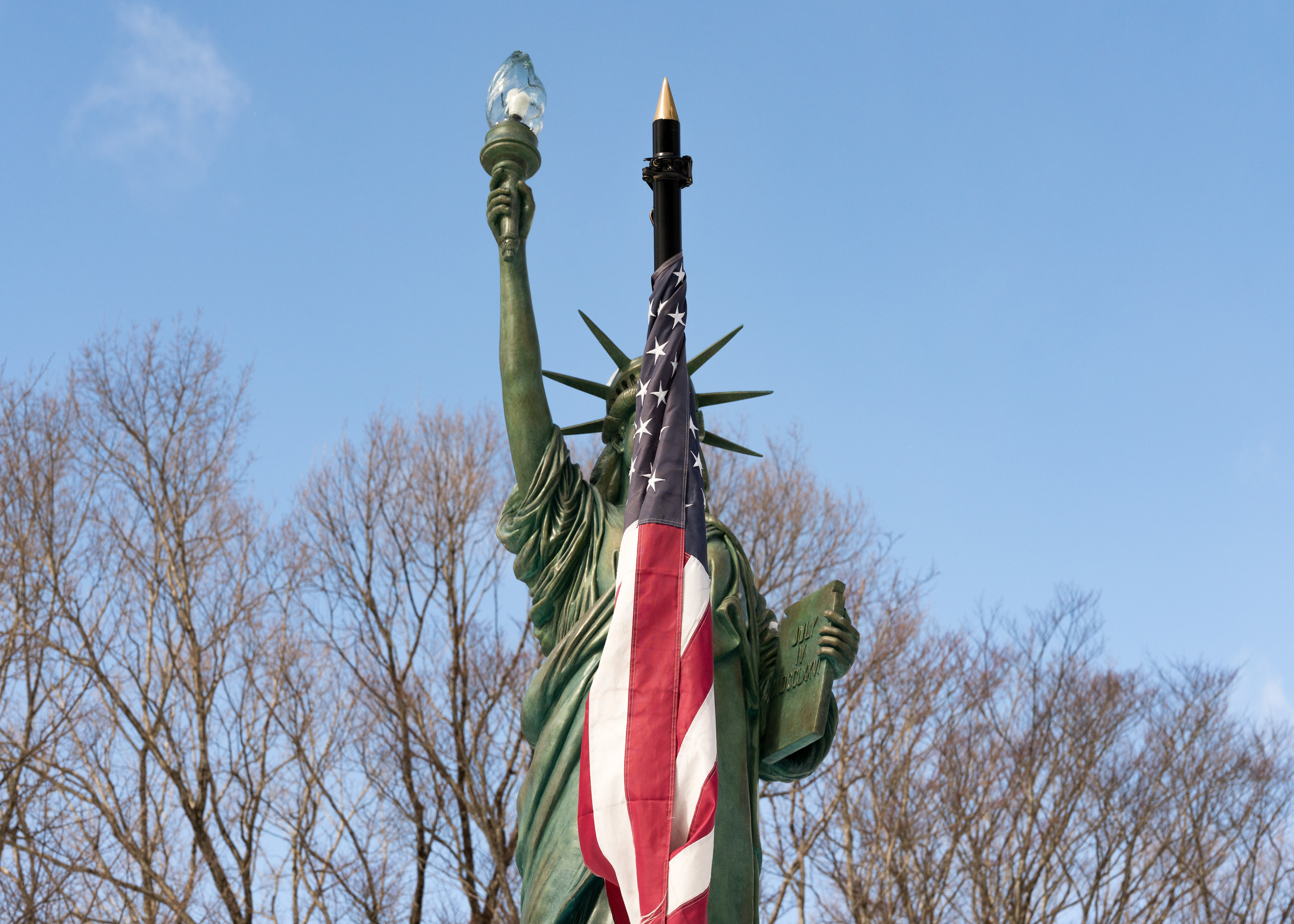
20世紀においてアメリカが世界の覇権を握り、新たな国際秩序を築くなかで、その影響を日本ほど深く受けた国は他にないだろう。日米の特異な関係は、しばしば「不自然な親密さ」とさえ呼ばれてきた。
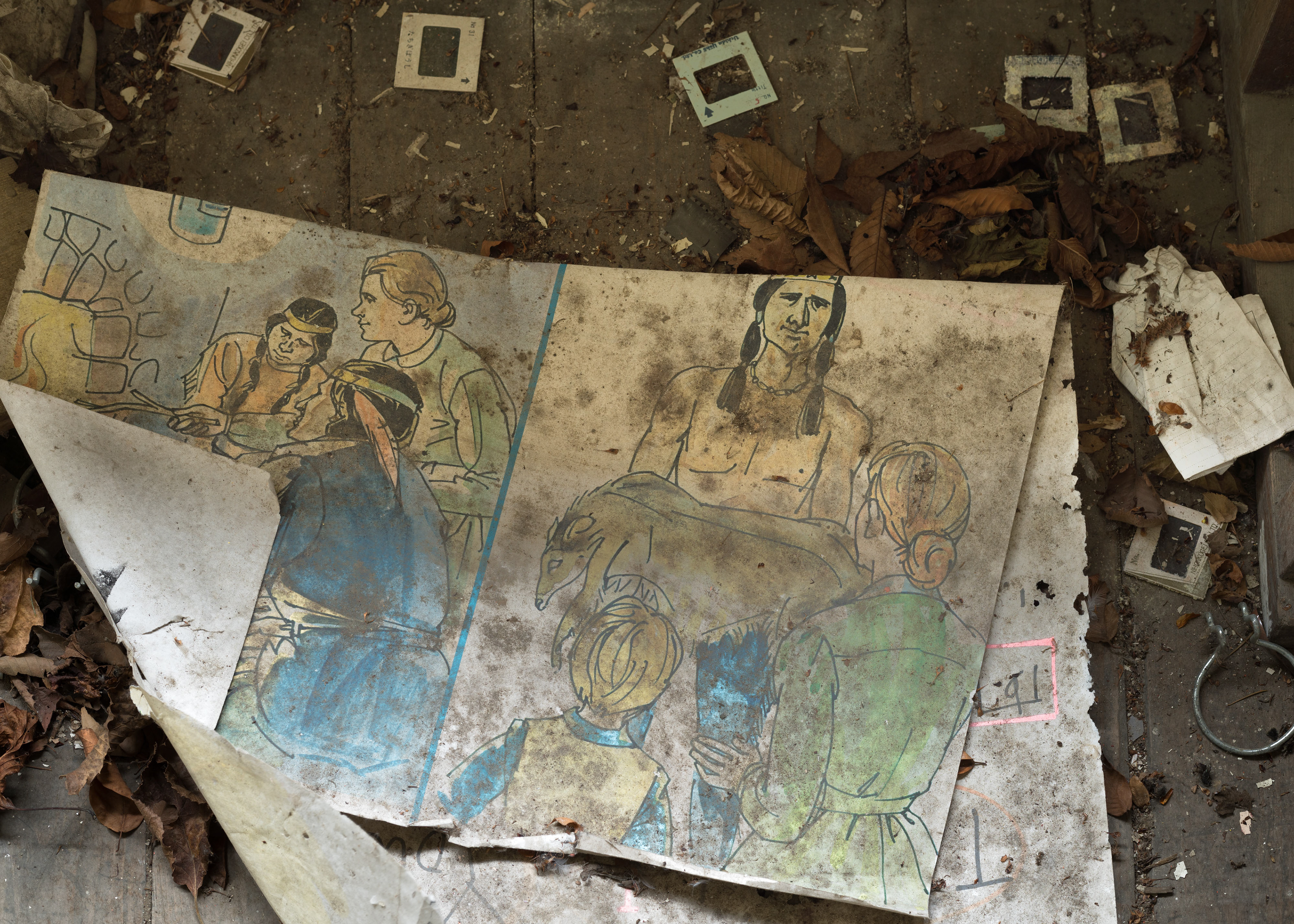
アメリカ合衆国は、入植と東部13州での建国以来、マニフェスト・ディスティニーの名のもとに、フロンティア拡張を国是とし、ネイティブ・アメリカンの土地を収奪し西へ西へと領土を拡張してきた歴史を持つ。やがてそれは太平洋を超えてハワイを併合し、太平洋戦争を経て日本を統治し、戦後の冷戦体制の中で、朝鮮半島、ベトナム、中東へと更なる覇権を拡張させていった。そのような帝国主義的な西漸運動の通過点の一つとして、戦後日本のアメリカ化を捉え返した時、果たして身近な郊外や周縁の風景はどのようなものとしてこの時代の中に浮かび上がるのだろうか?
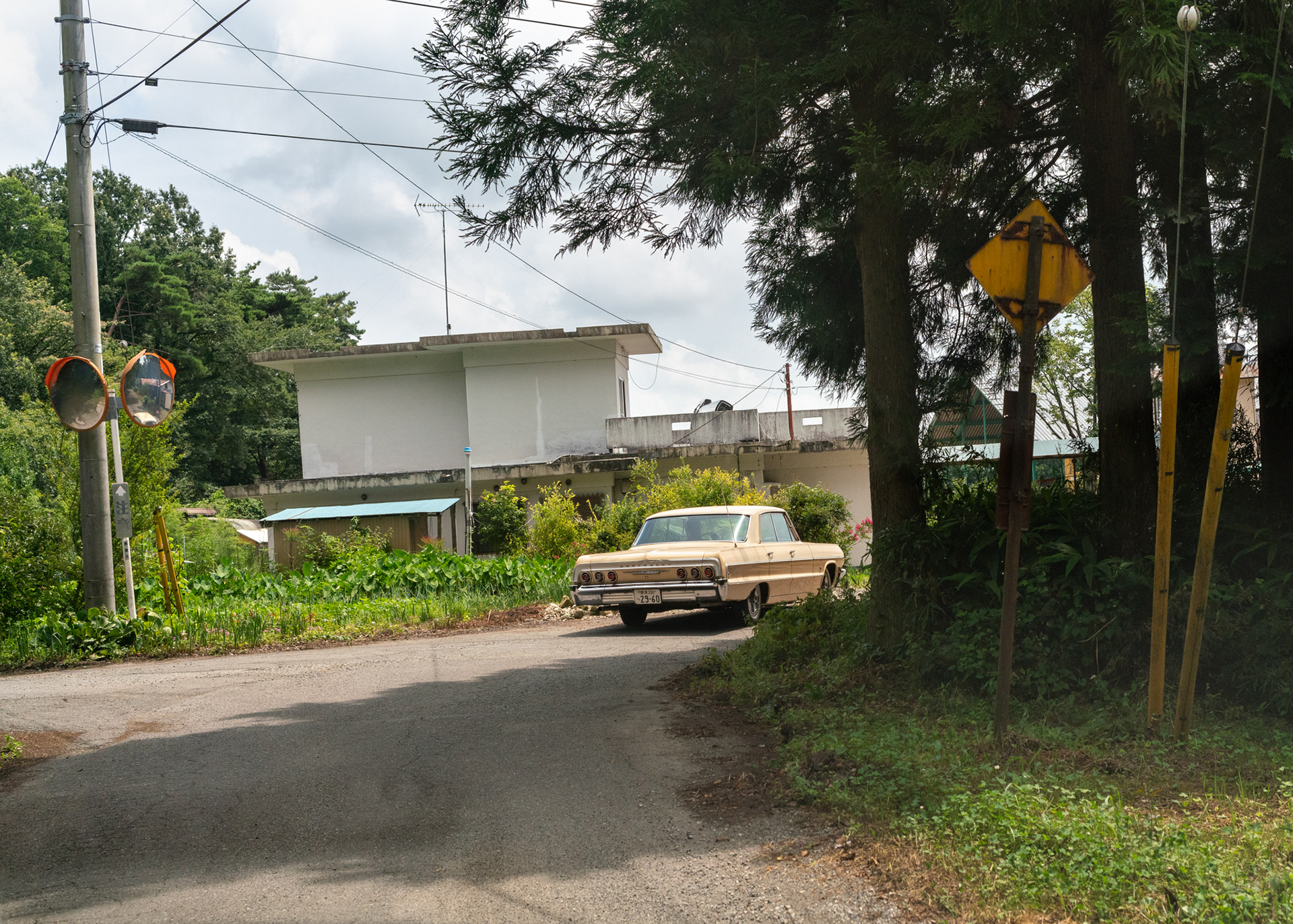
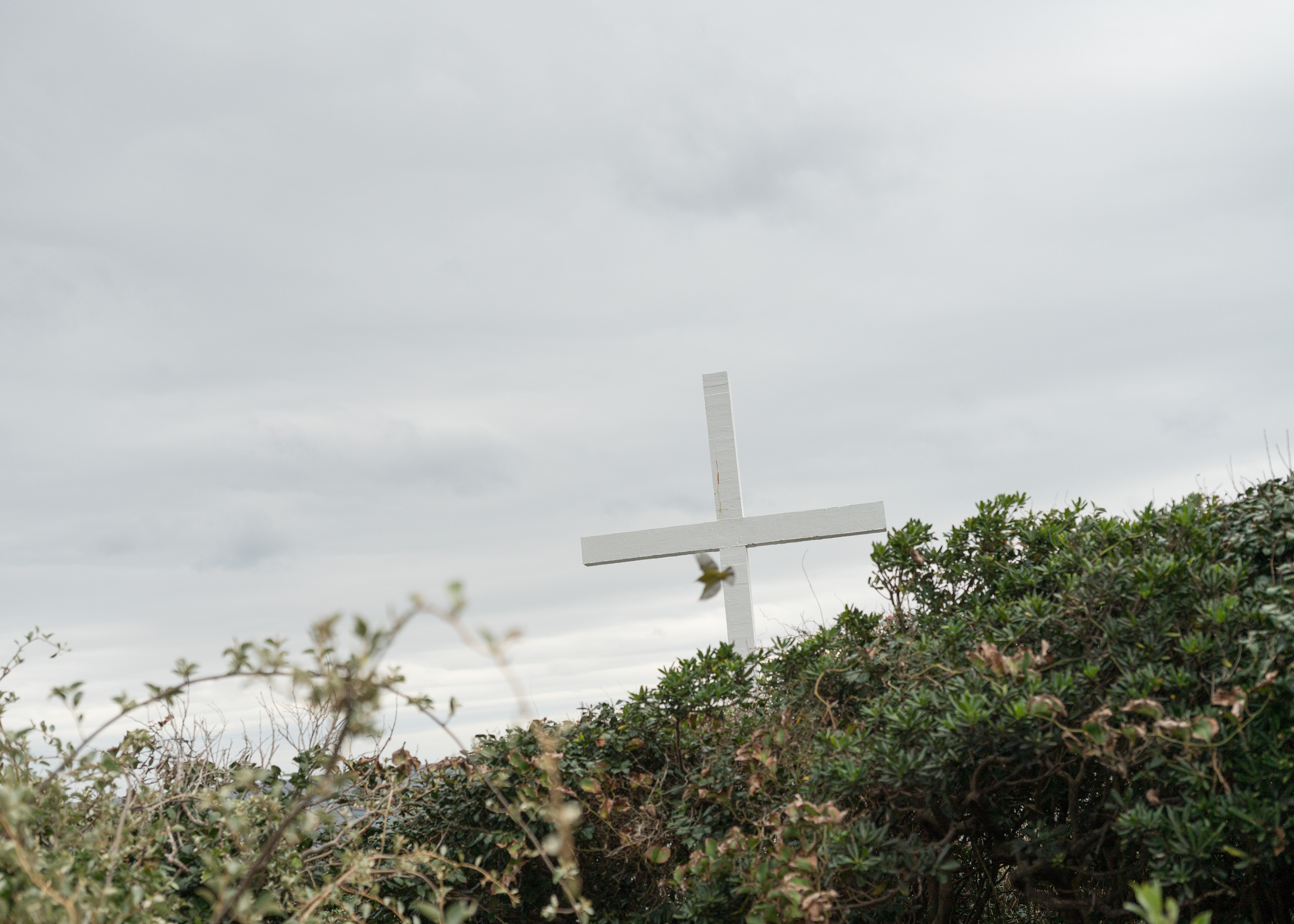
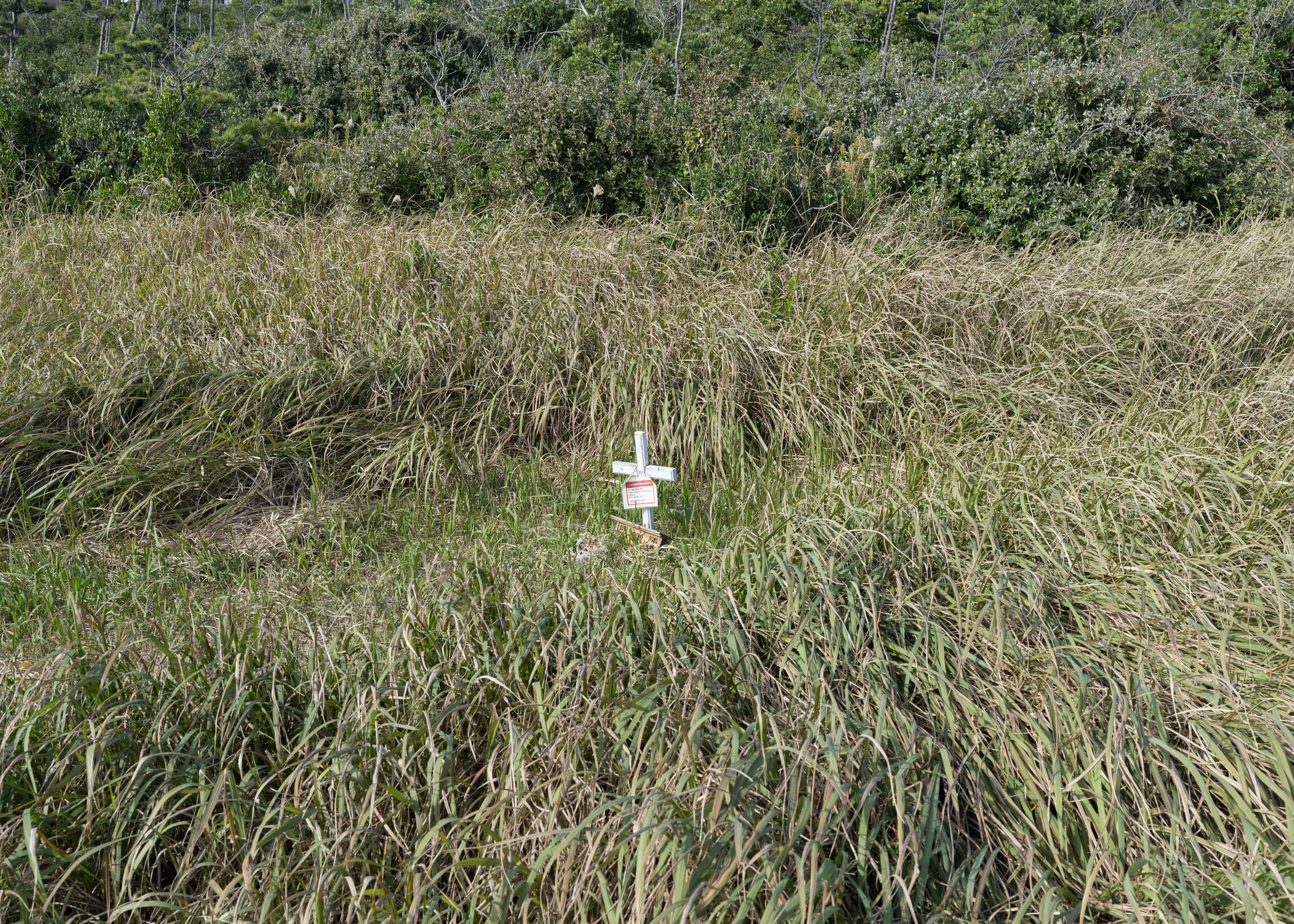
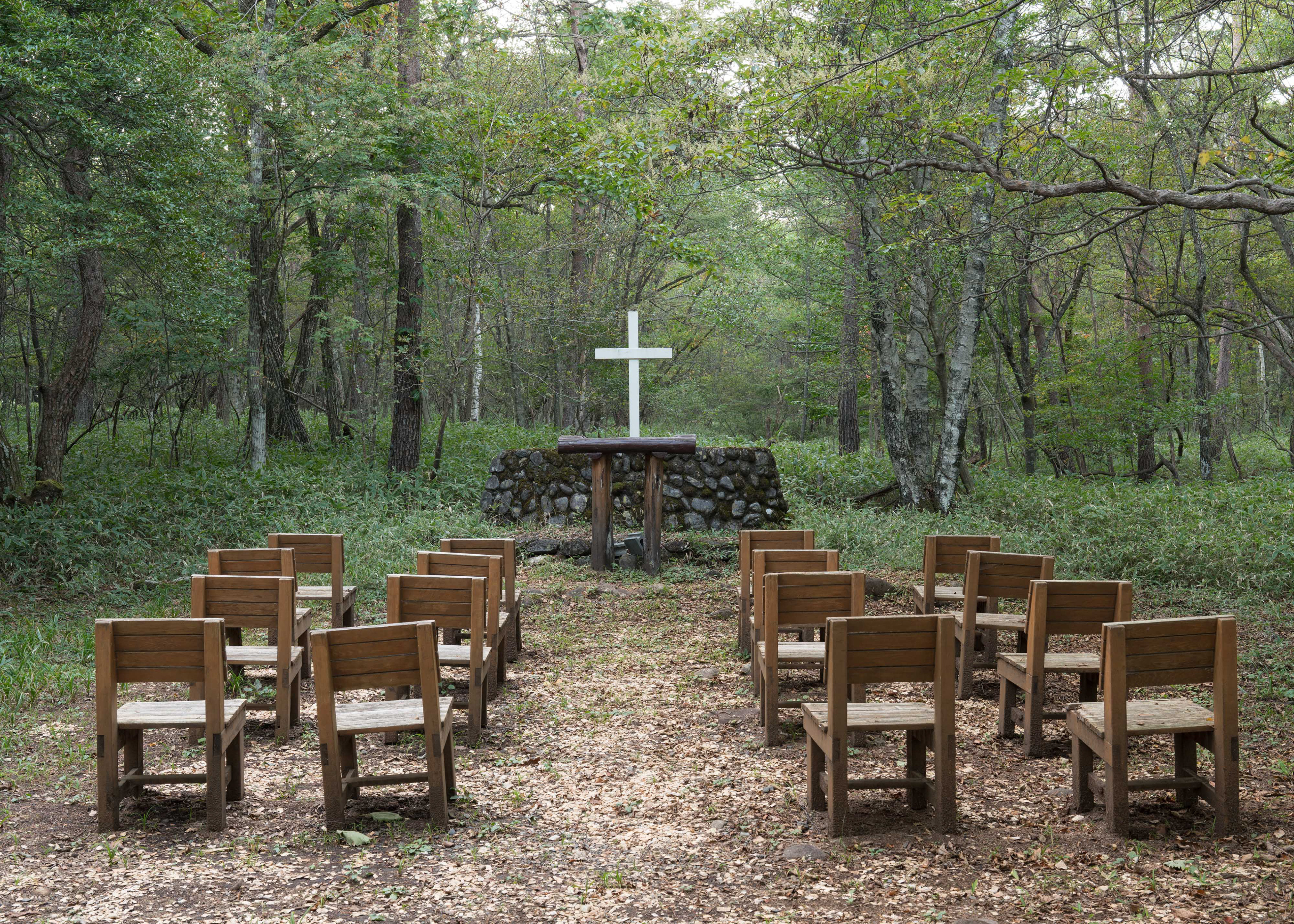
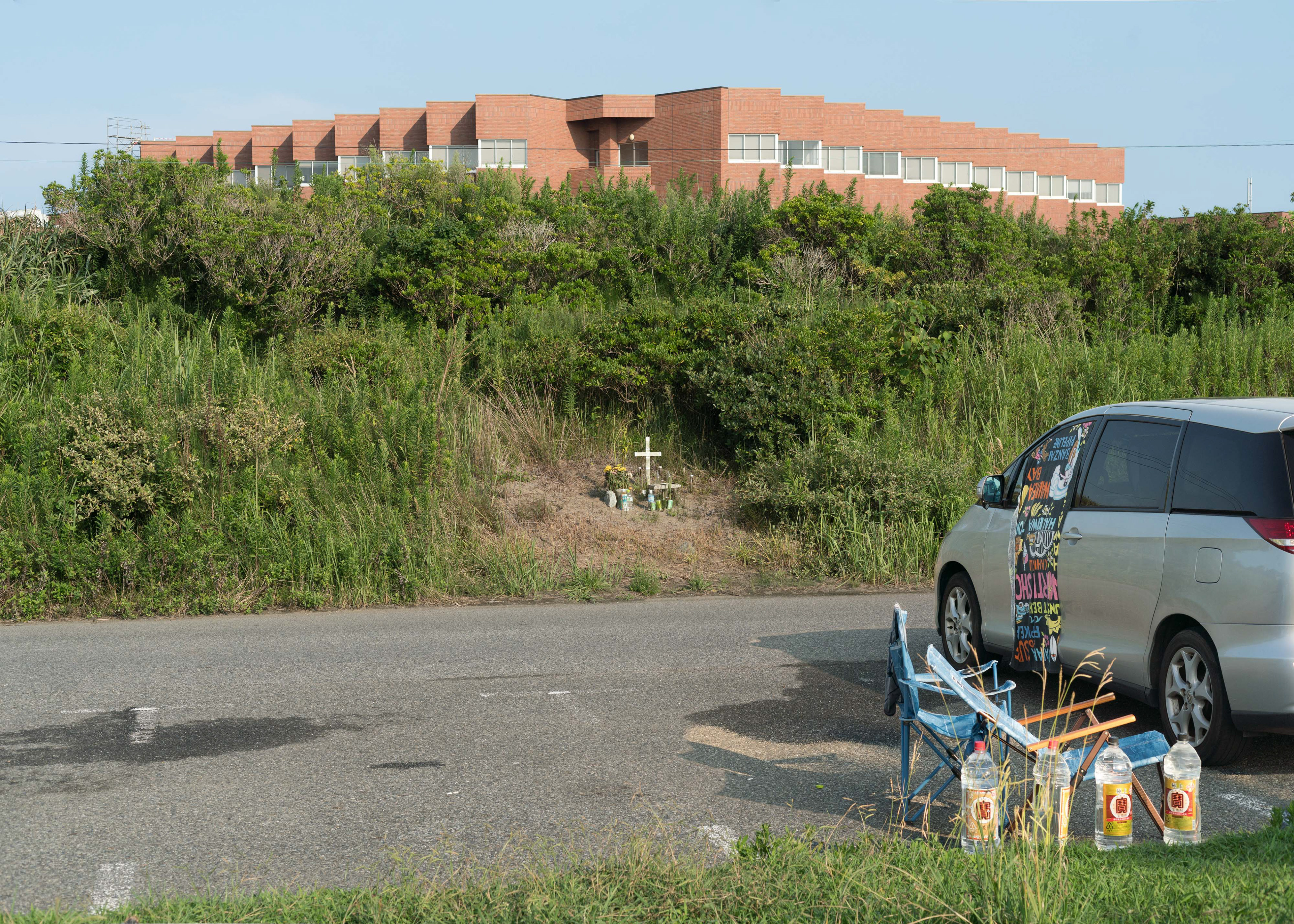
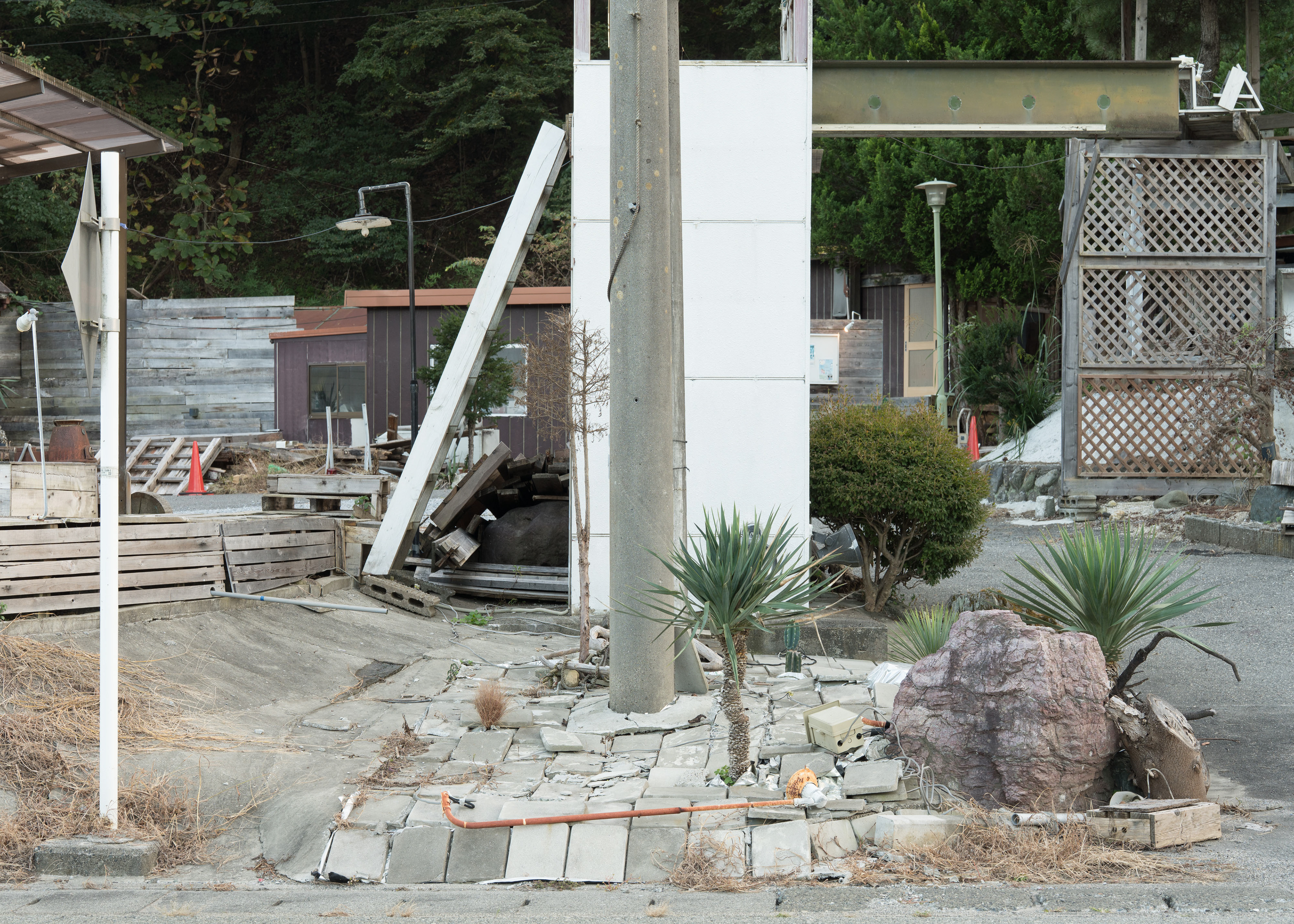
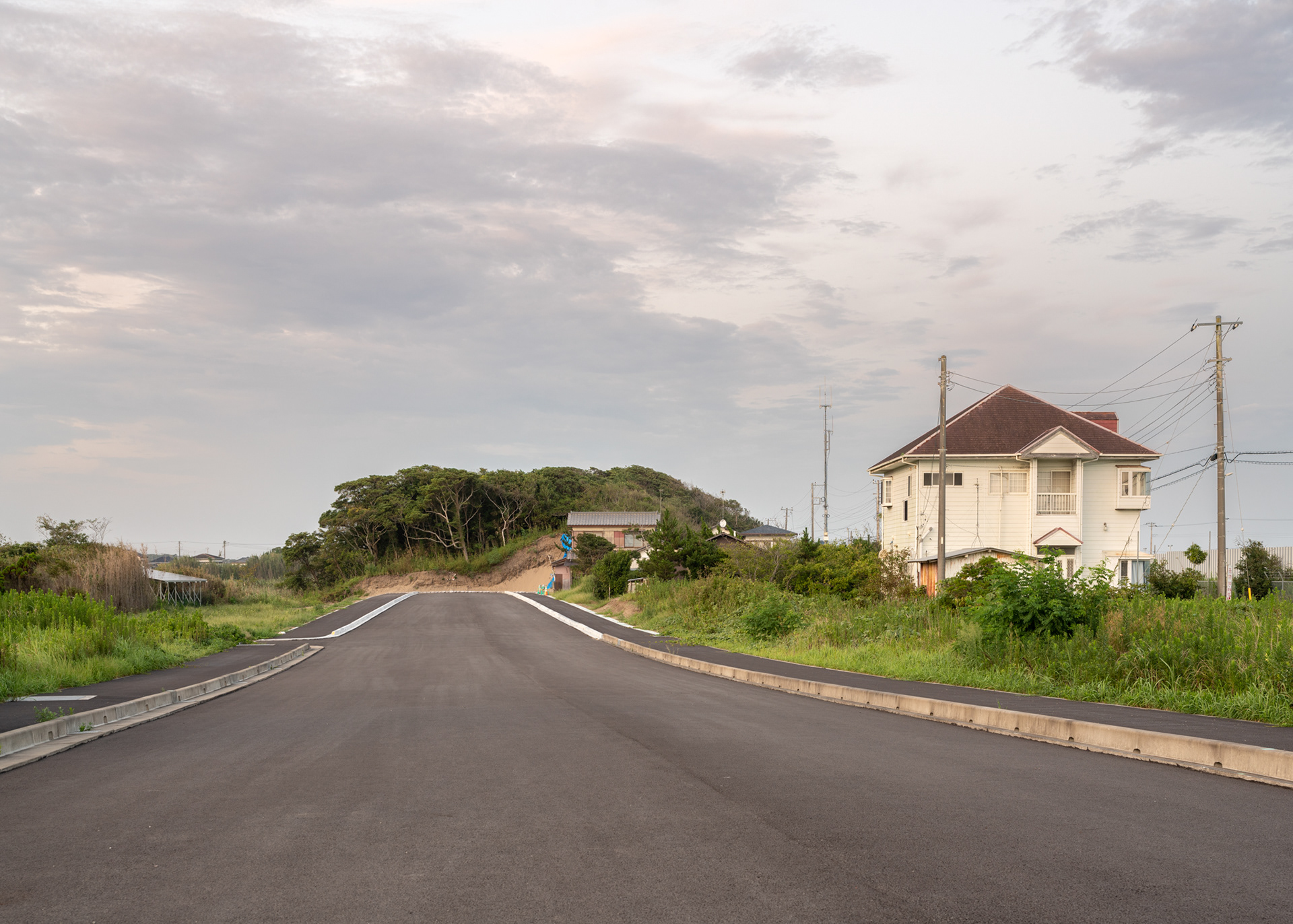
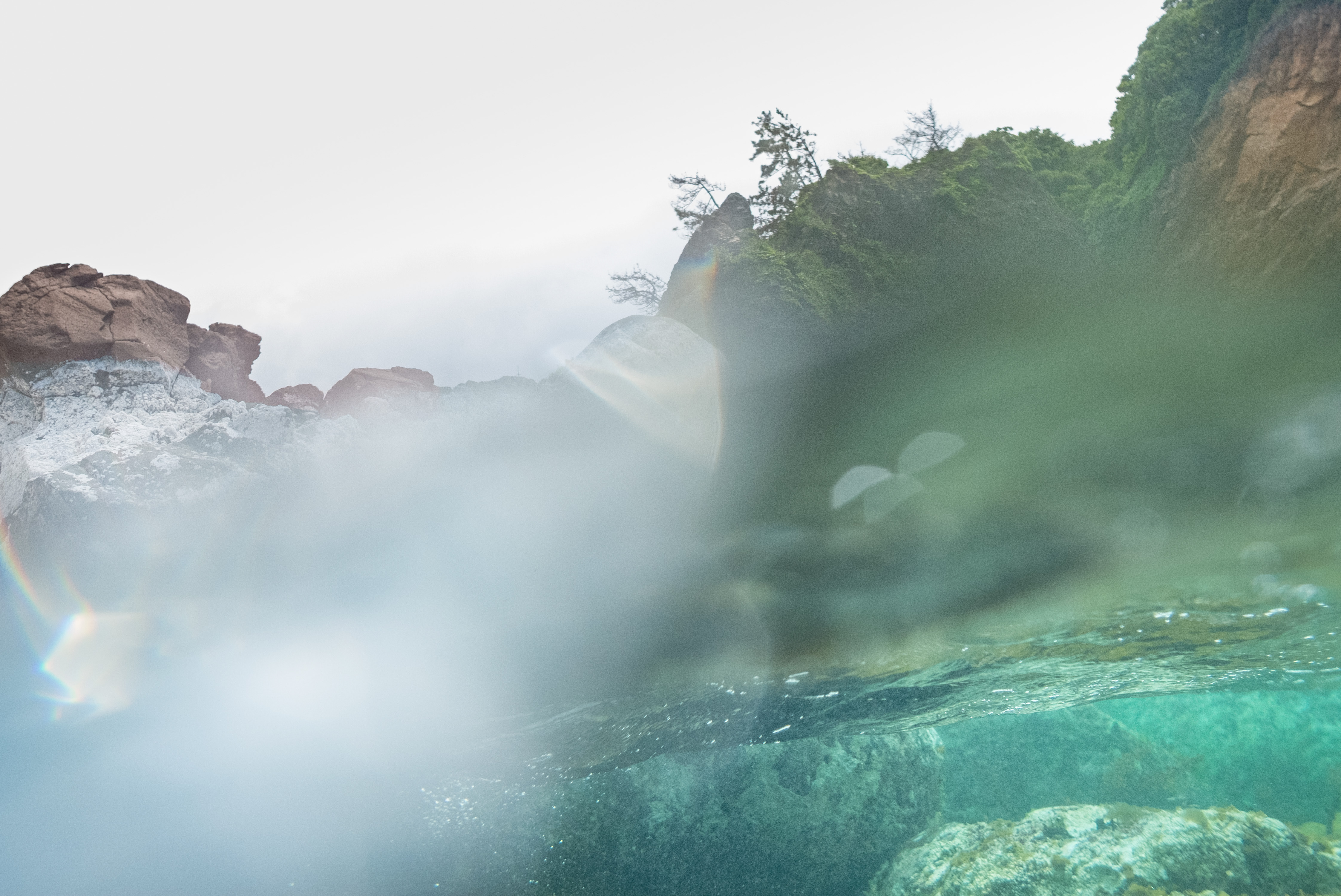
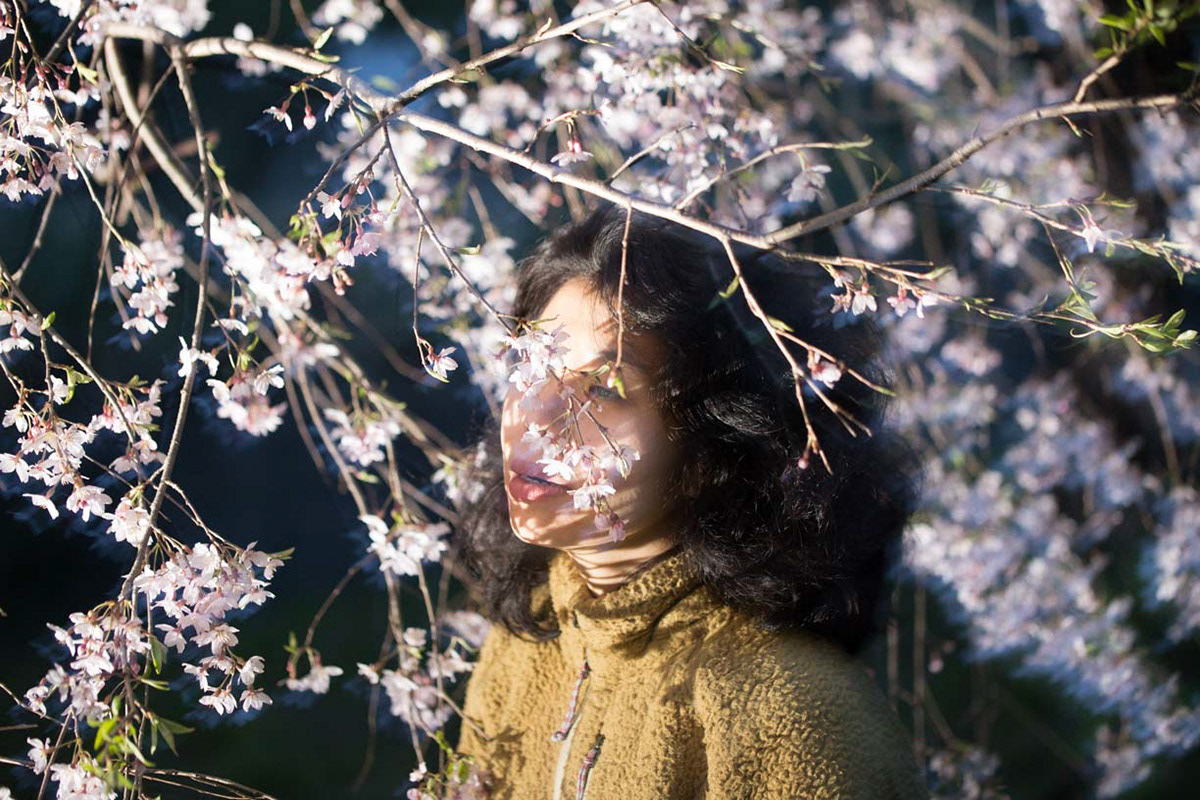
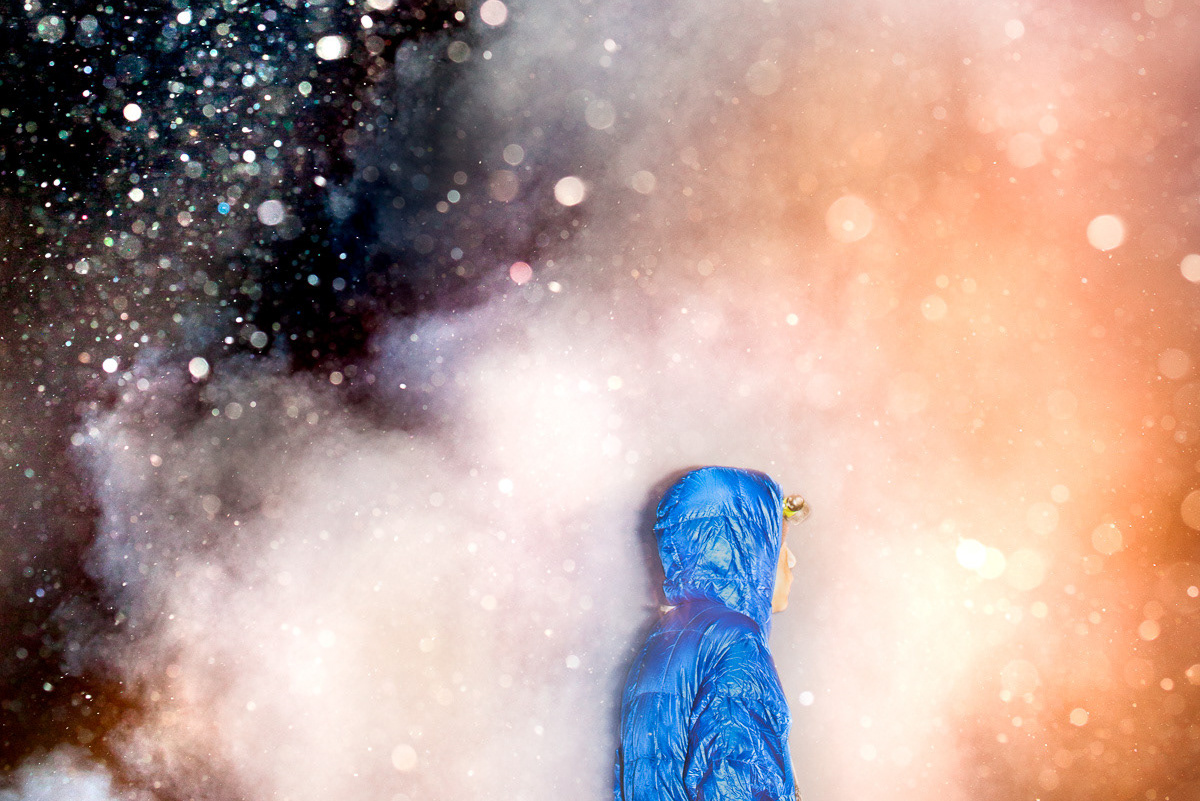
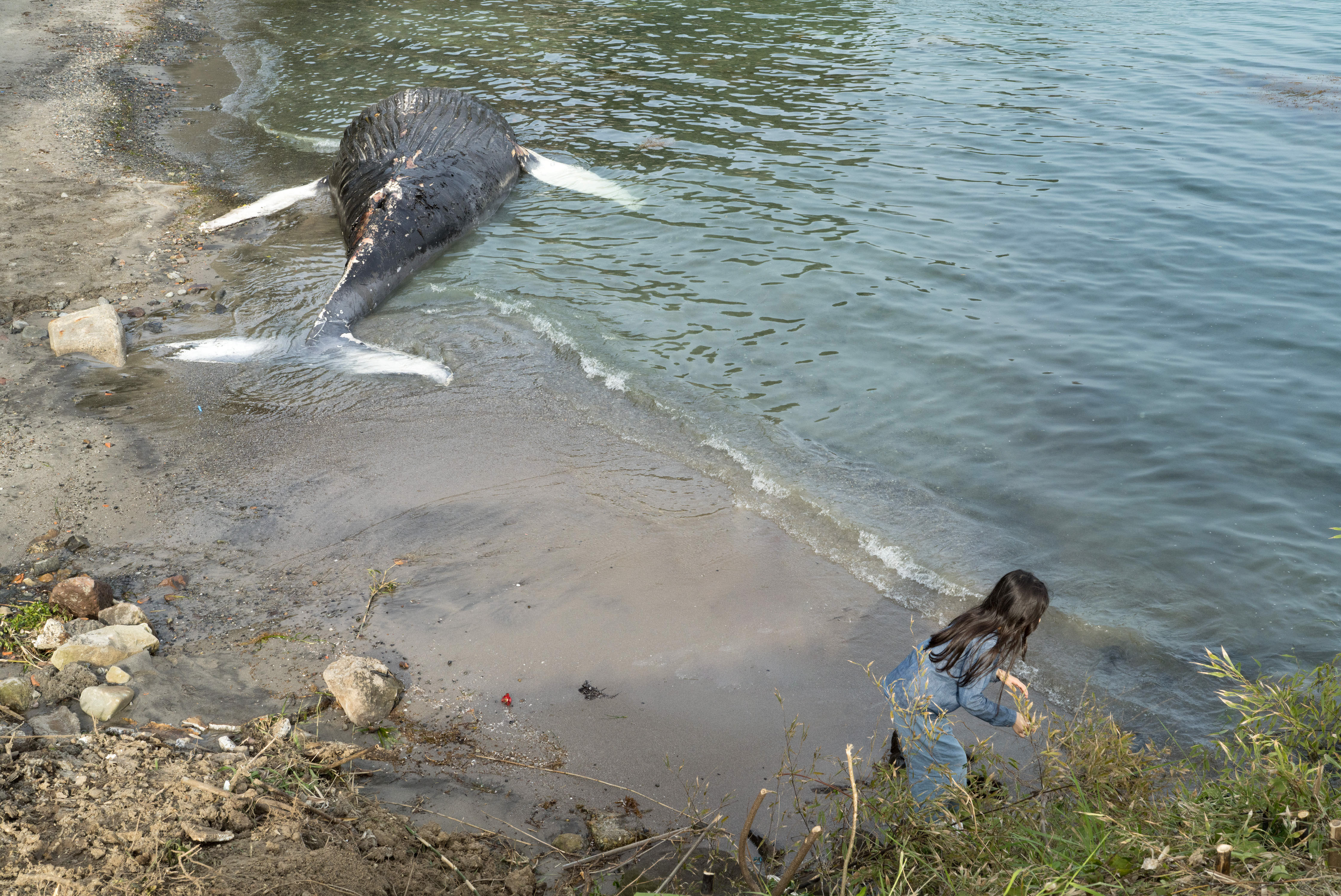
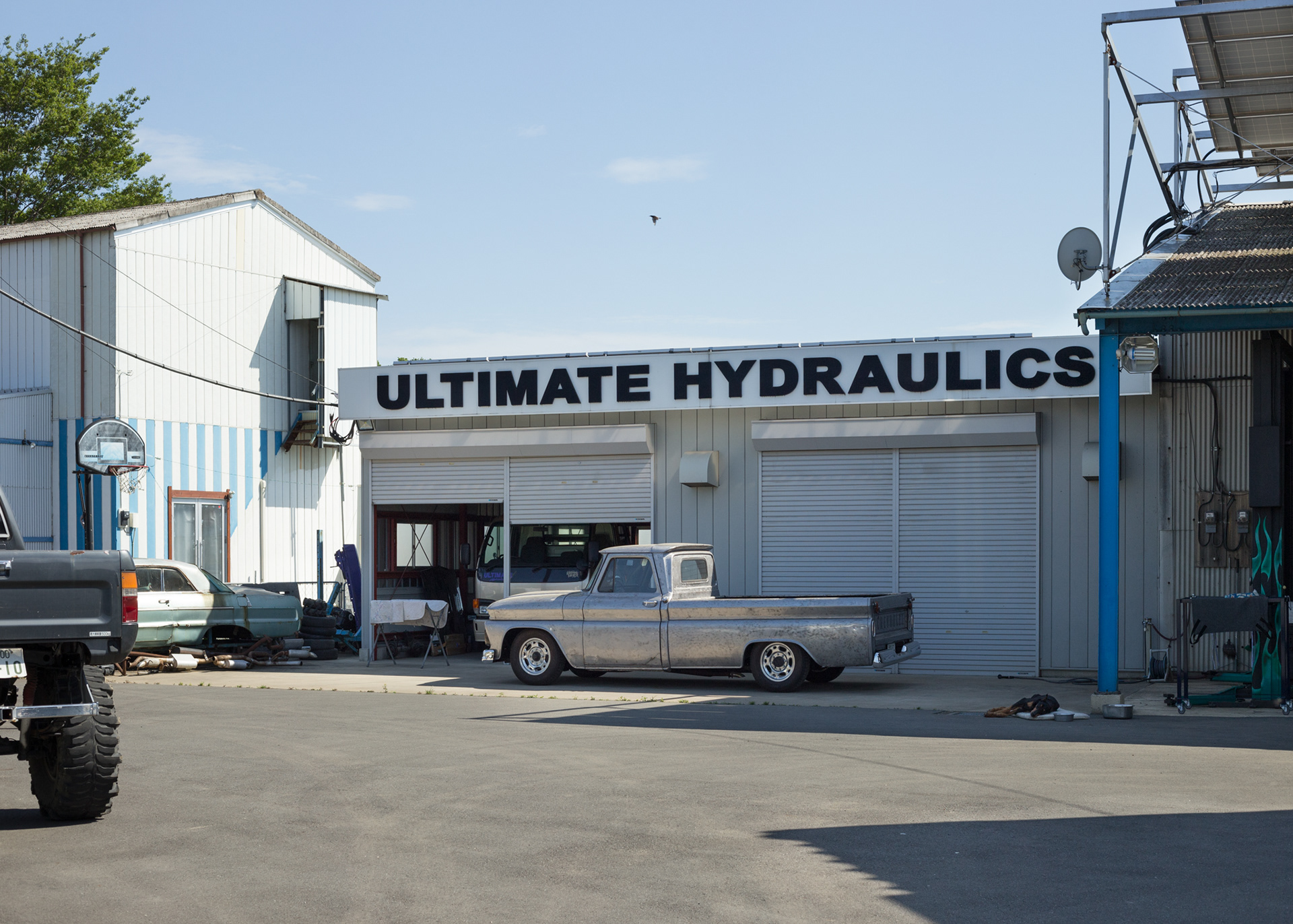
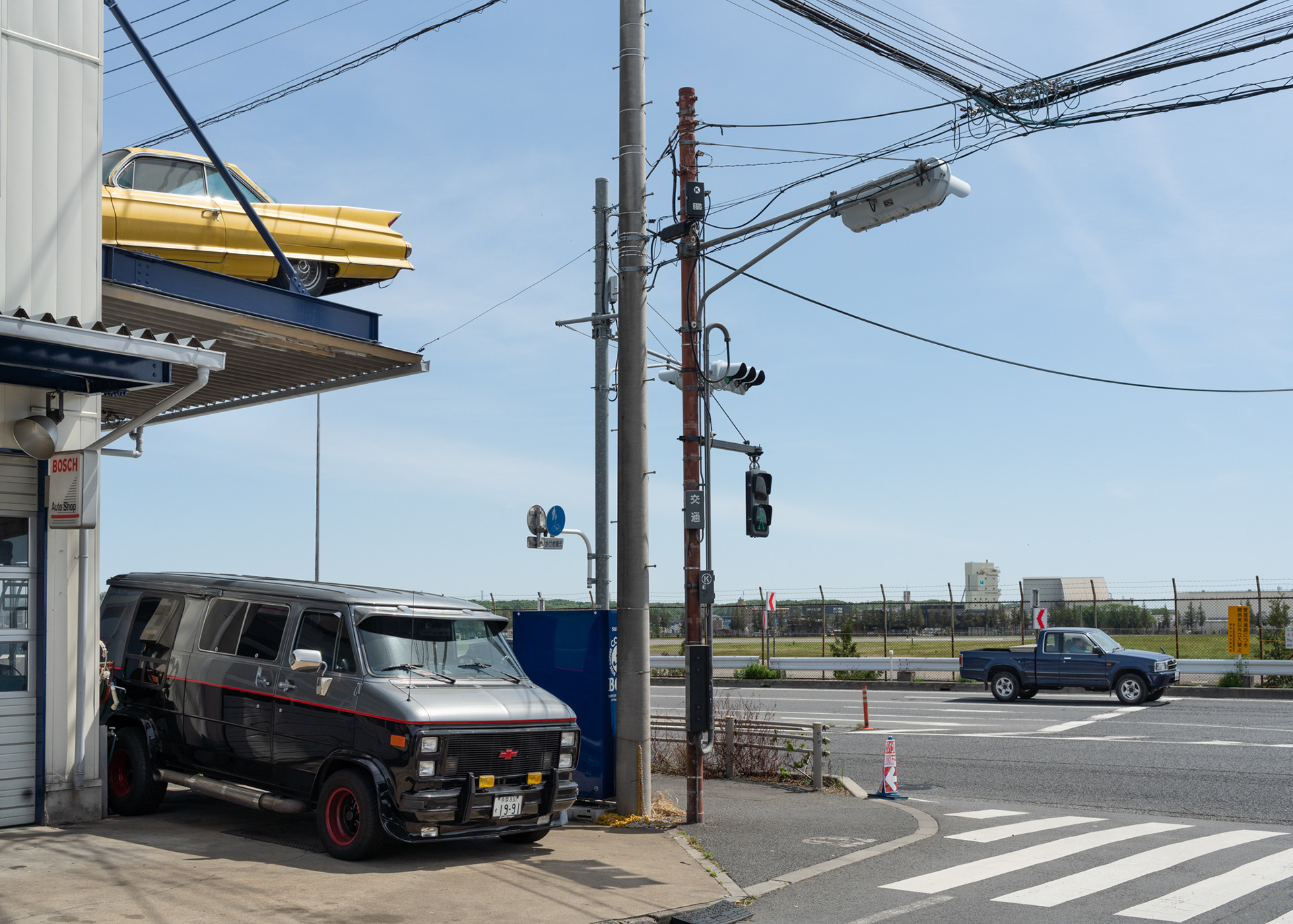
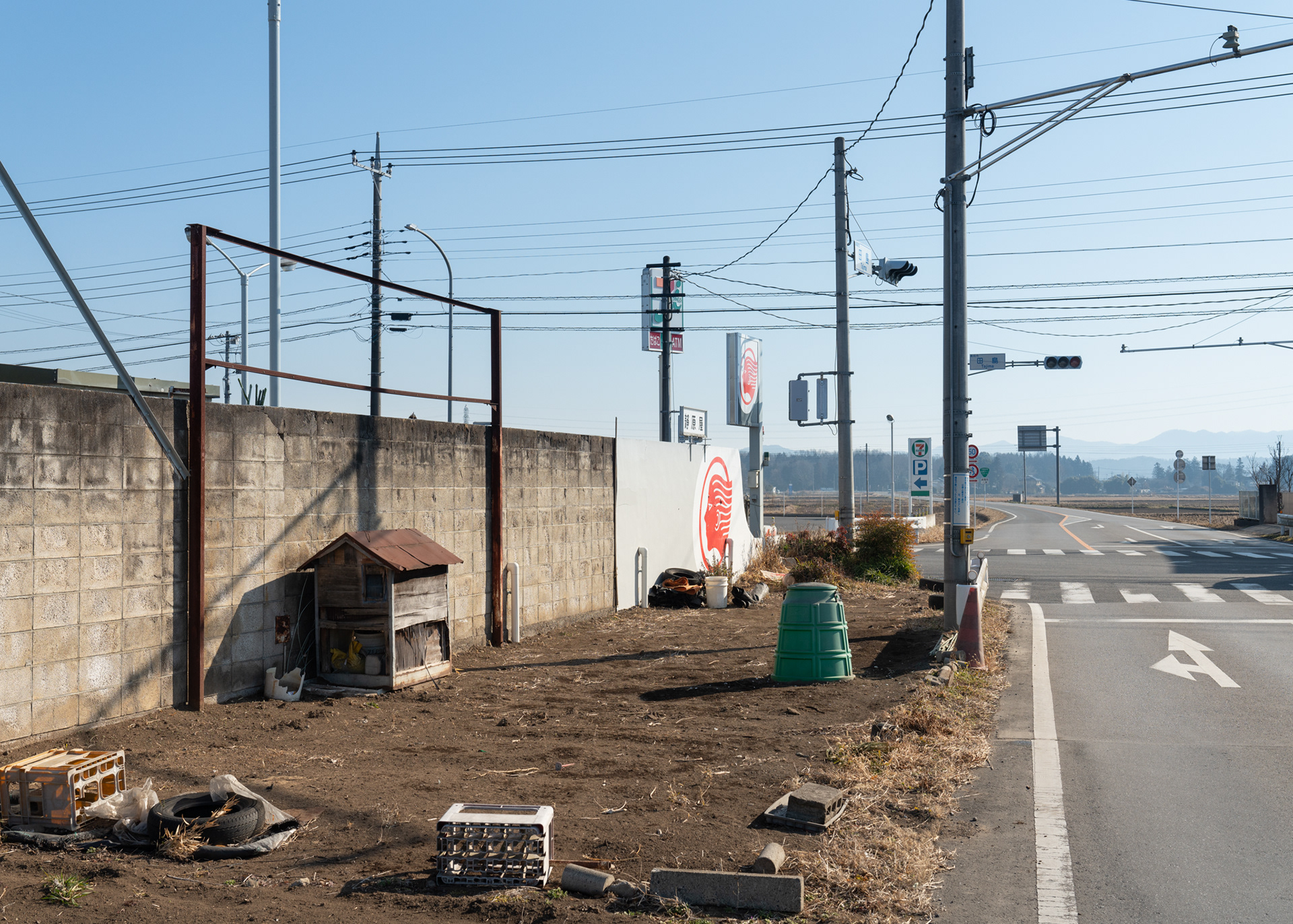
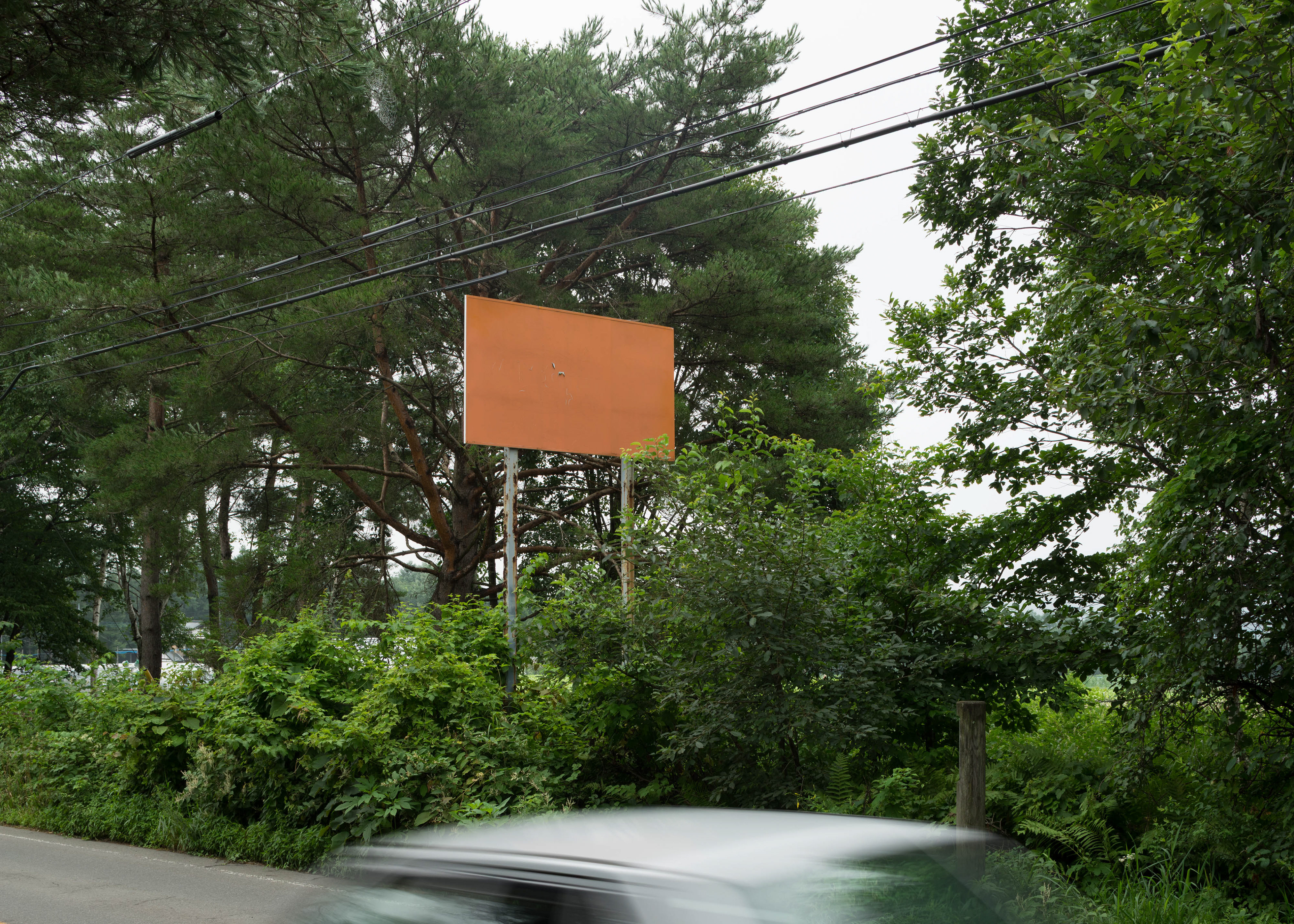
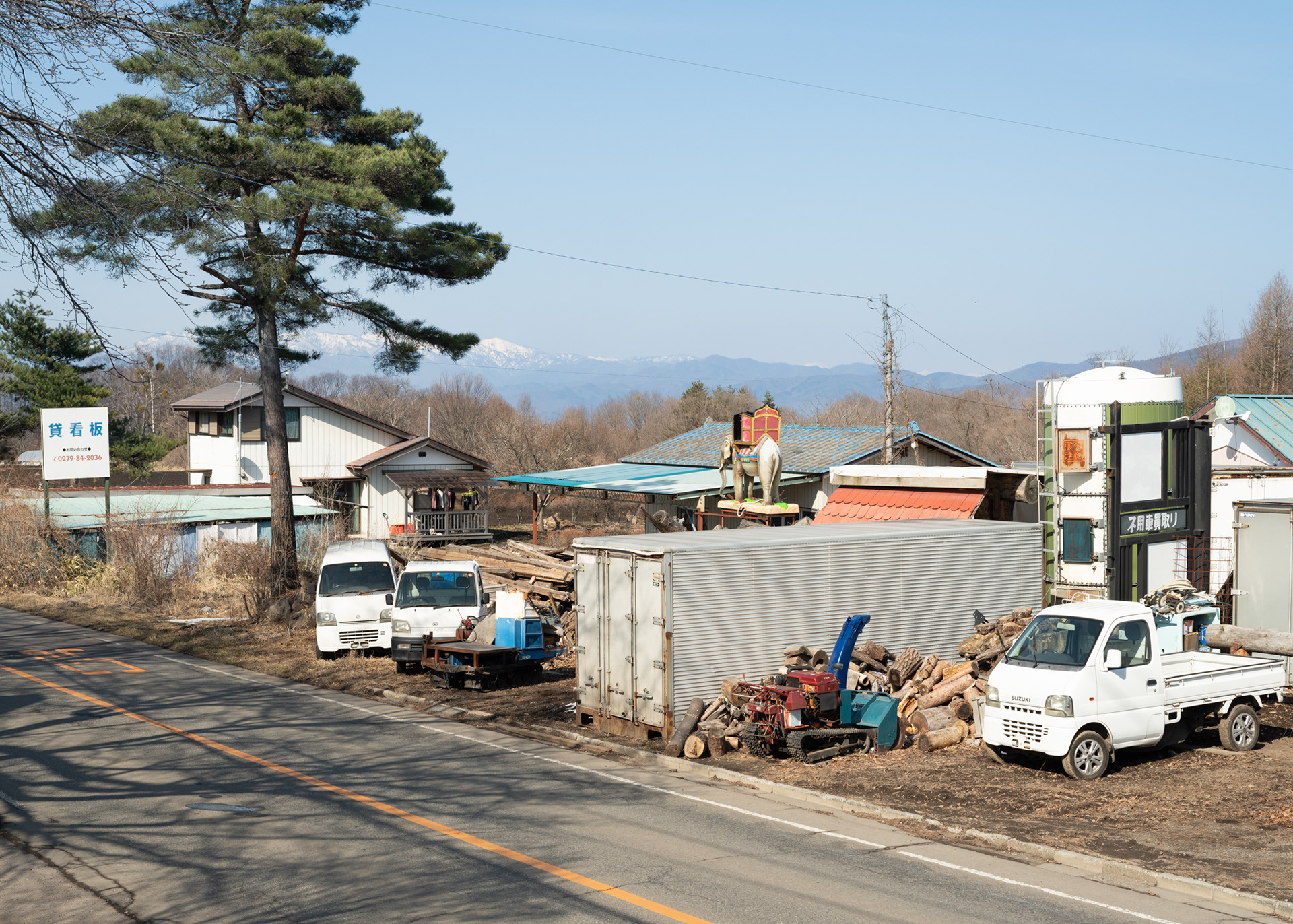
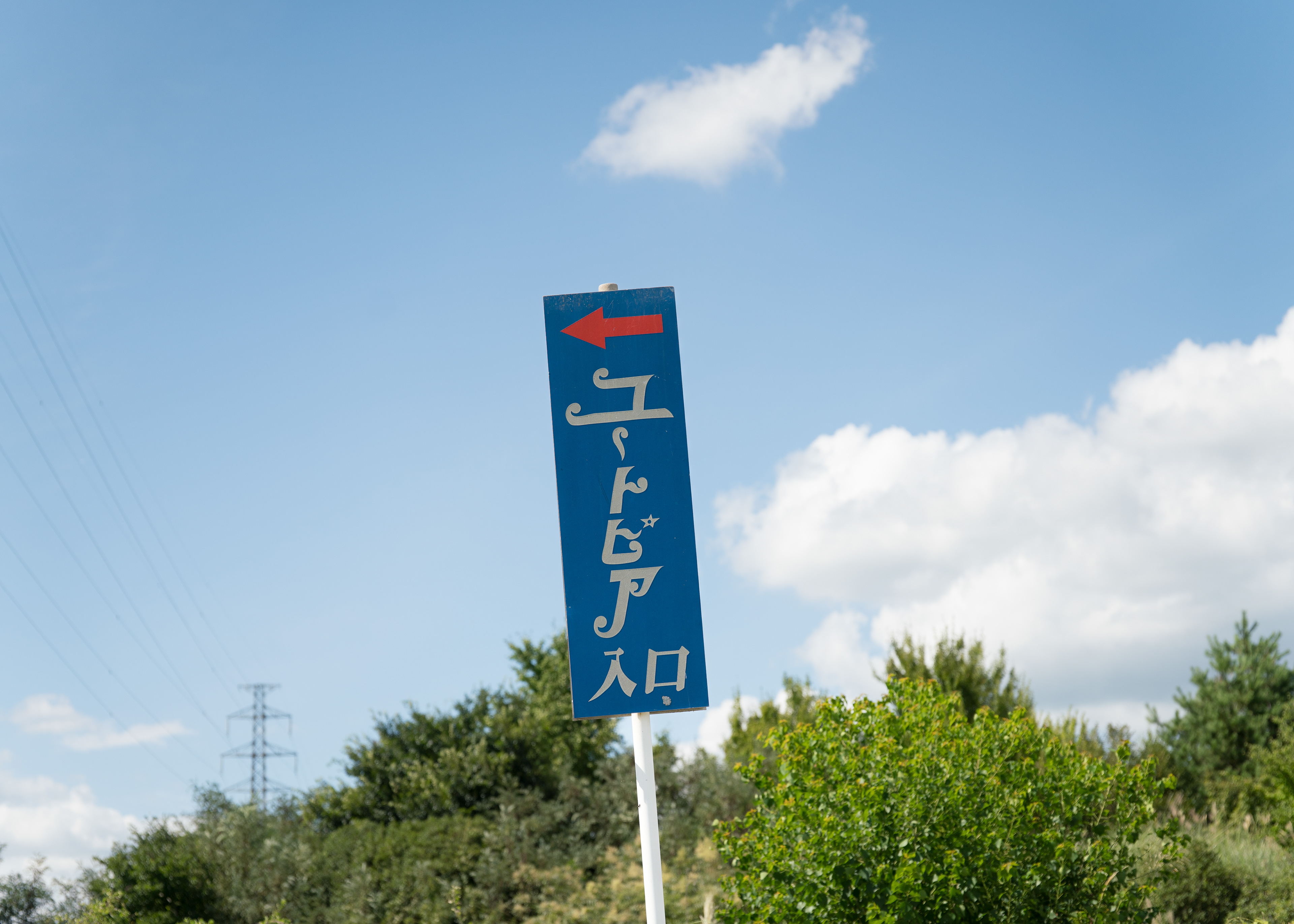
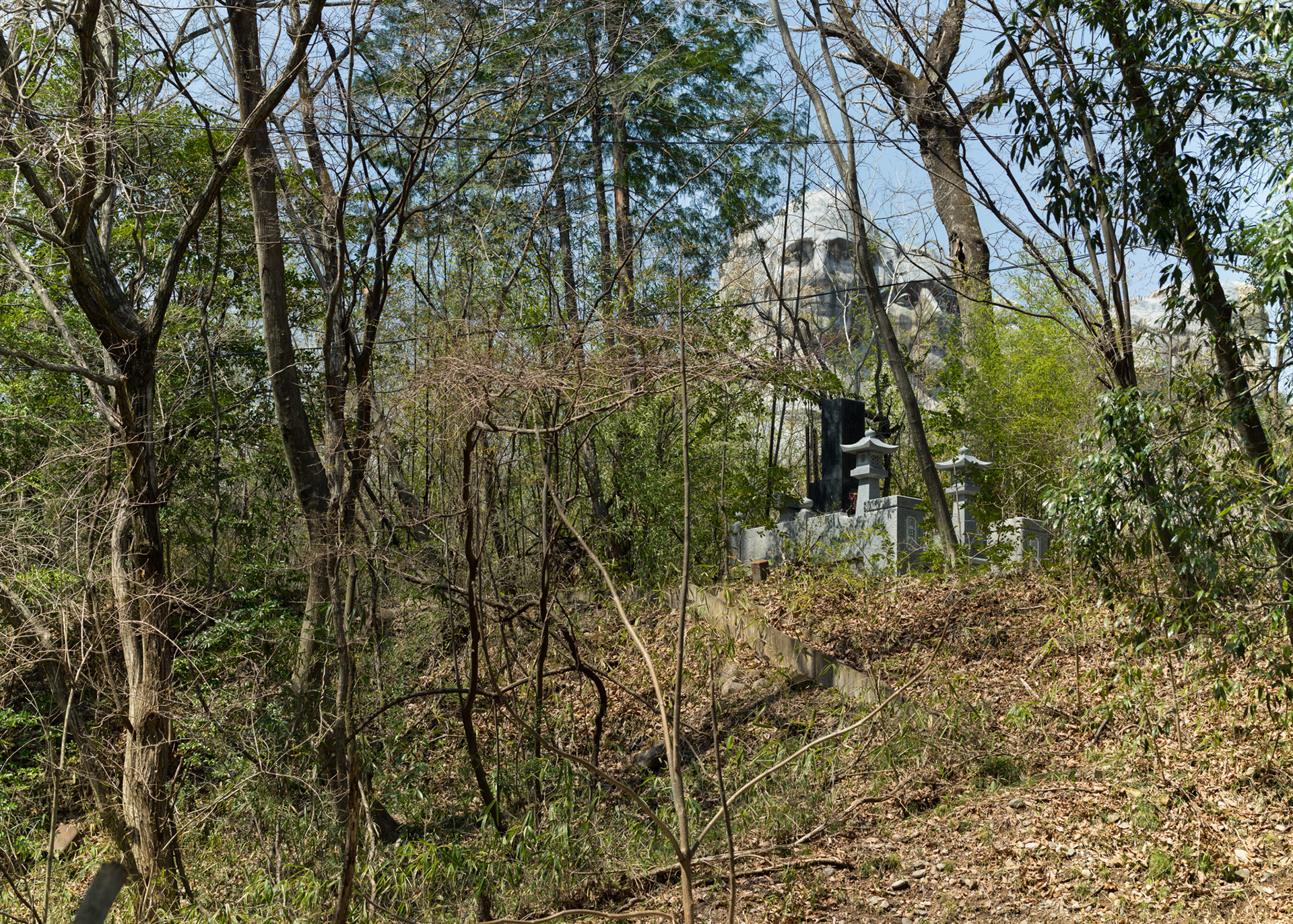
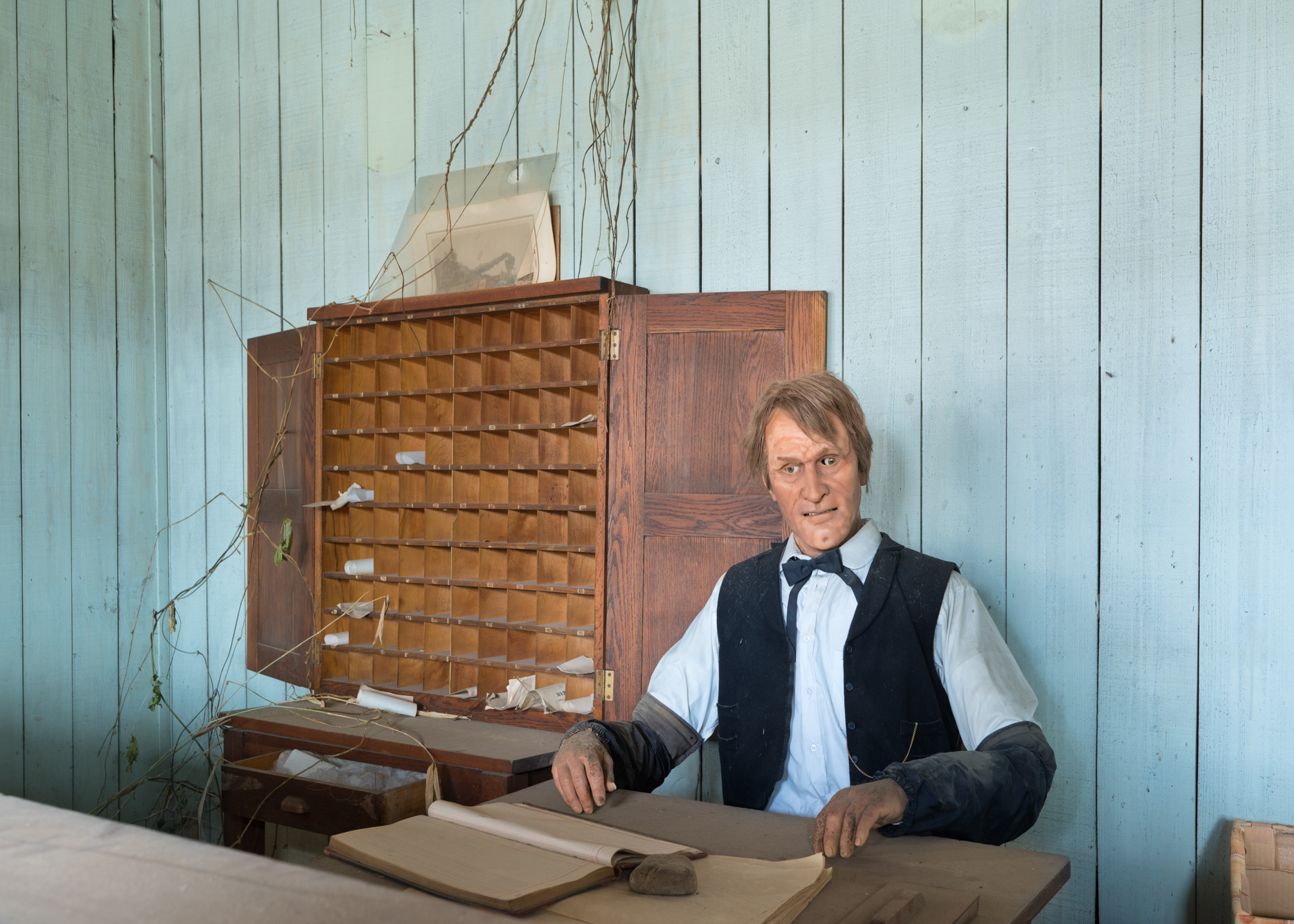
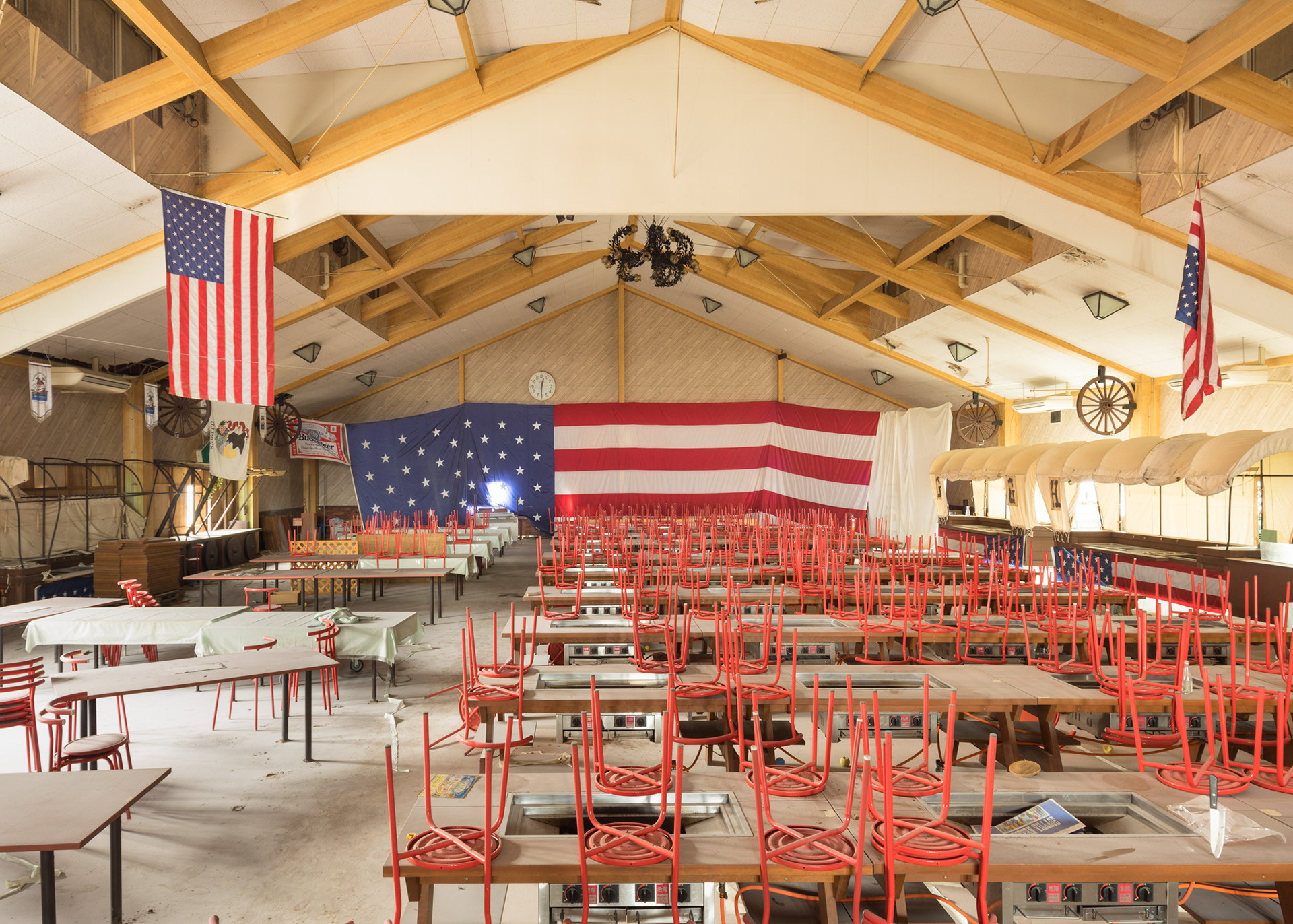
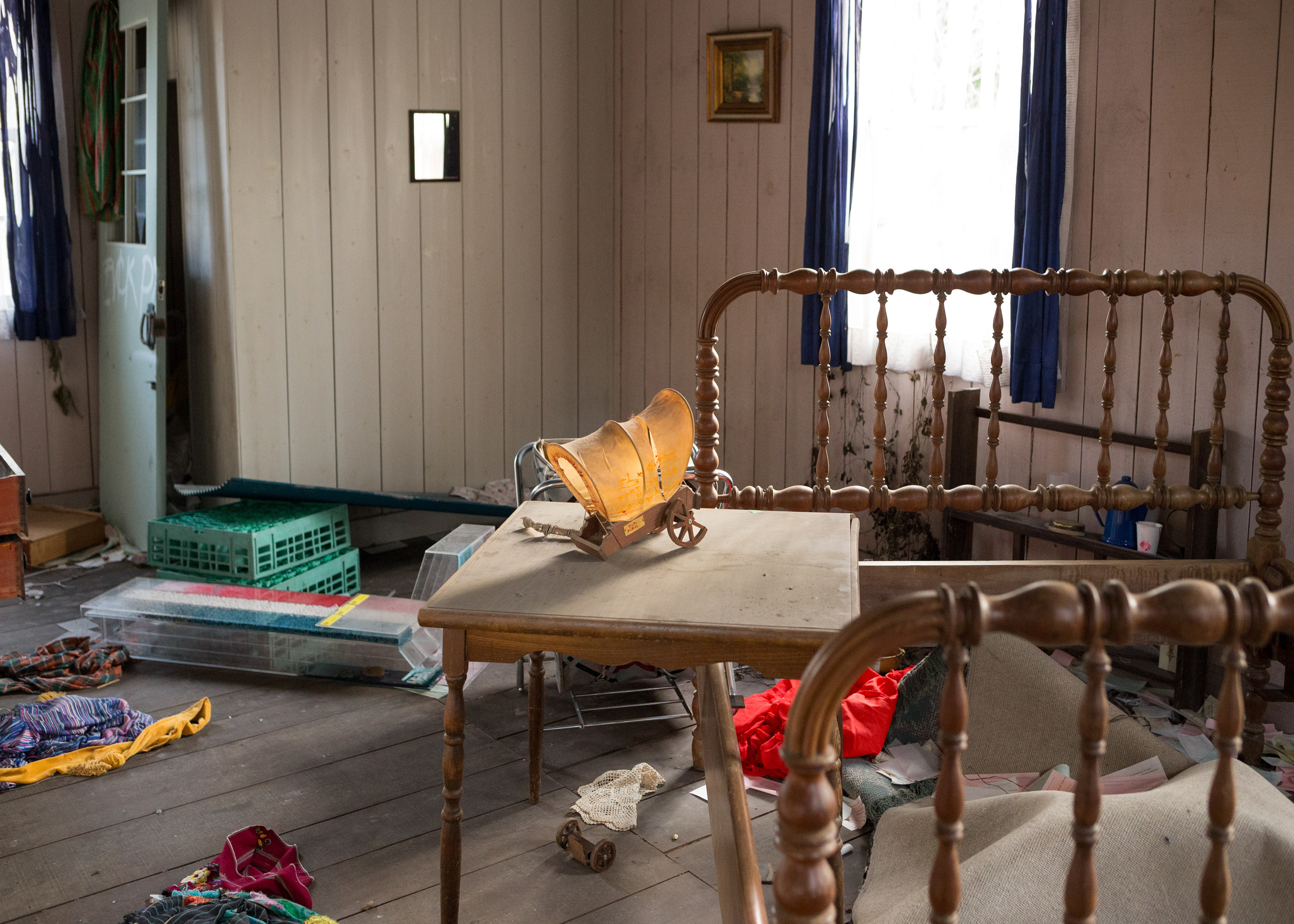
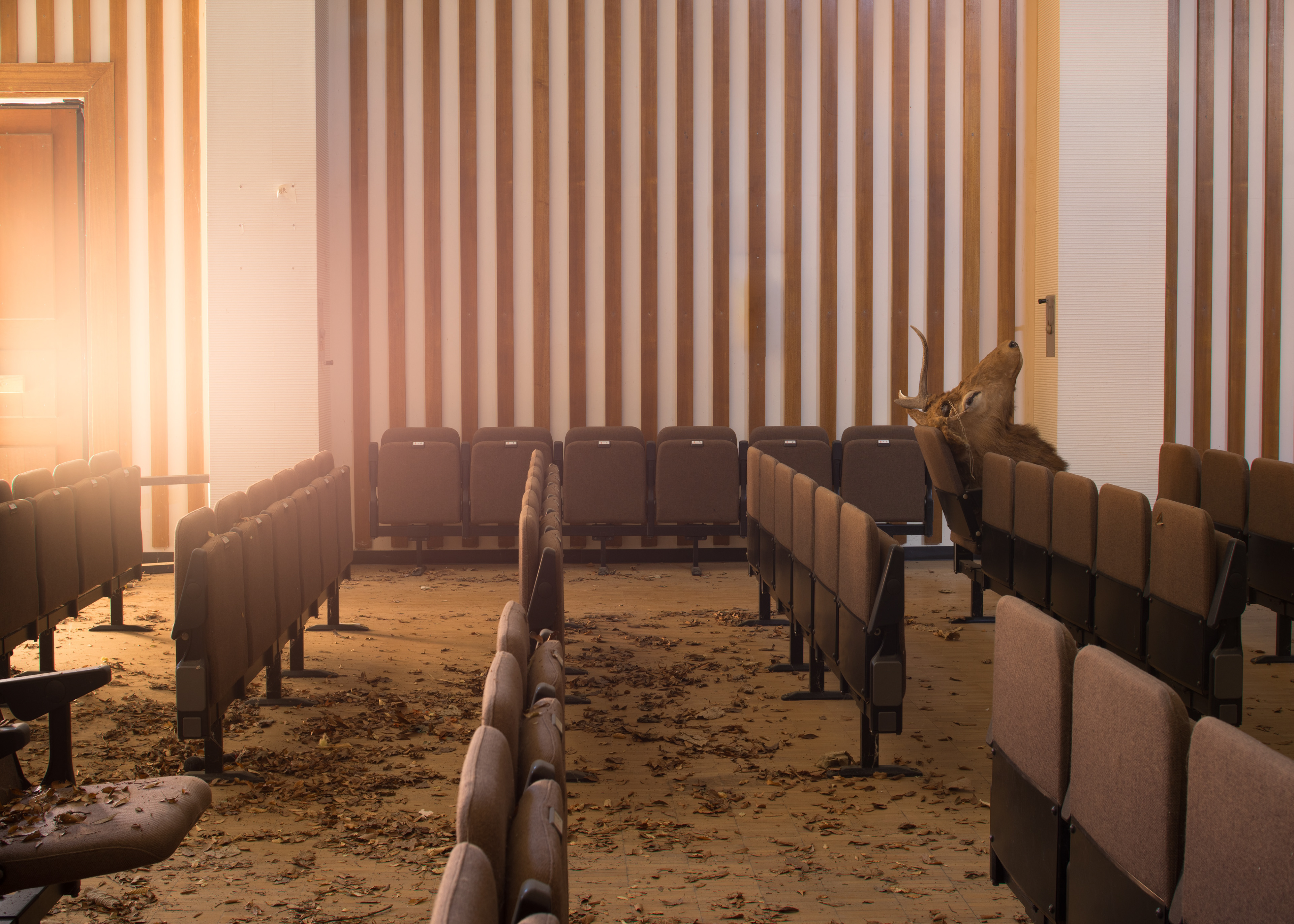
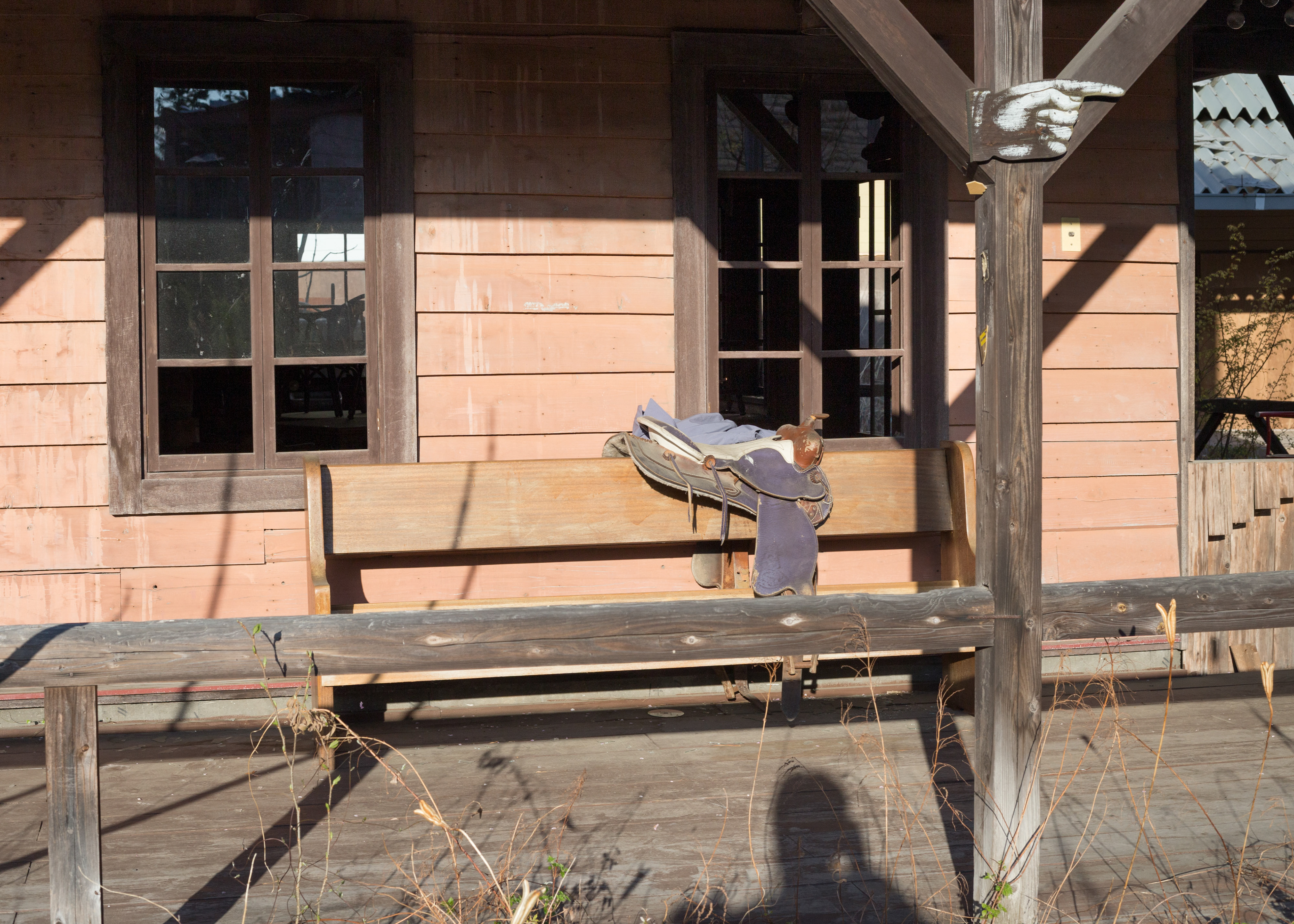
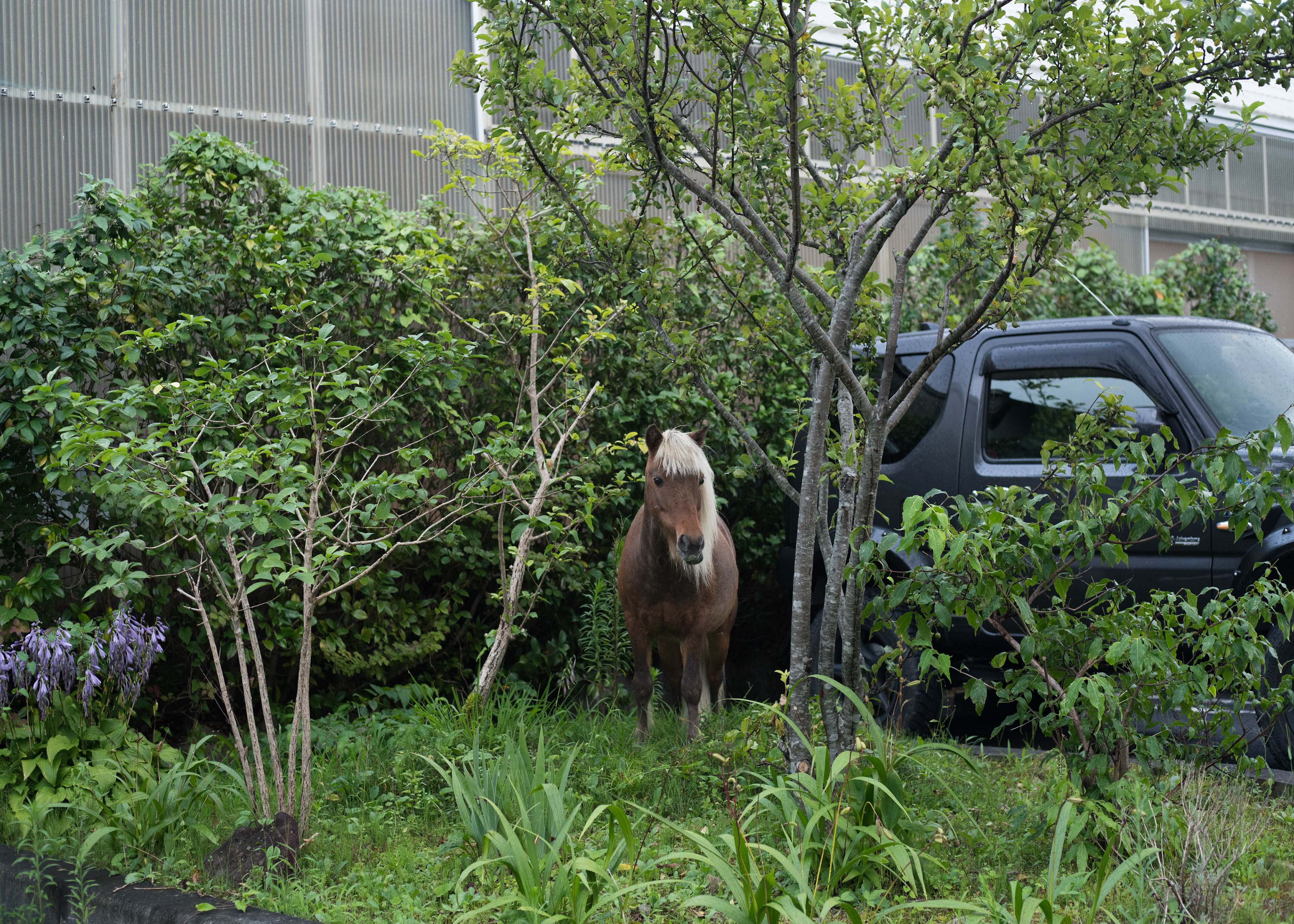
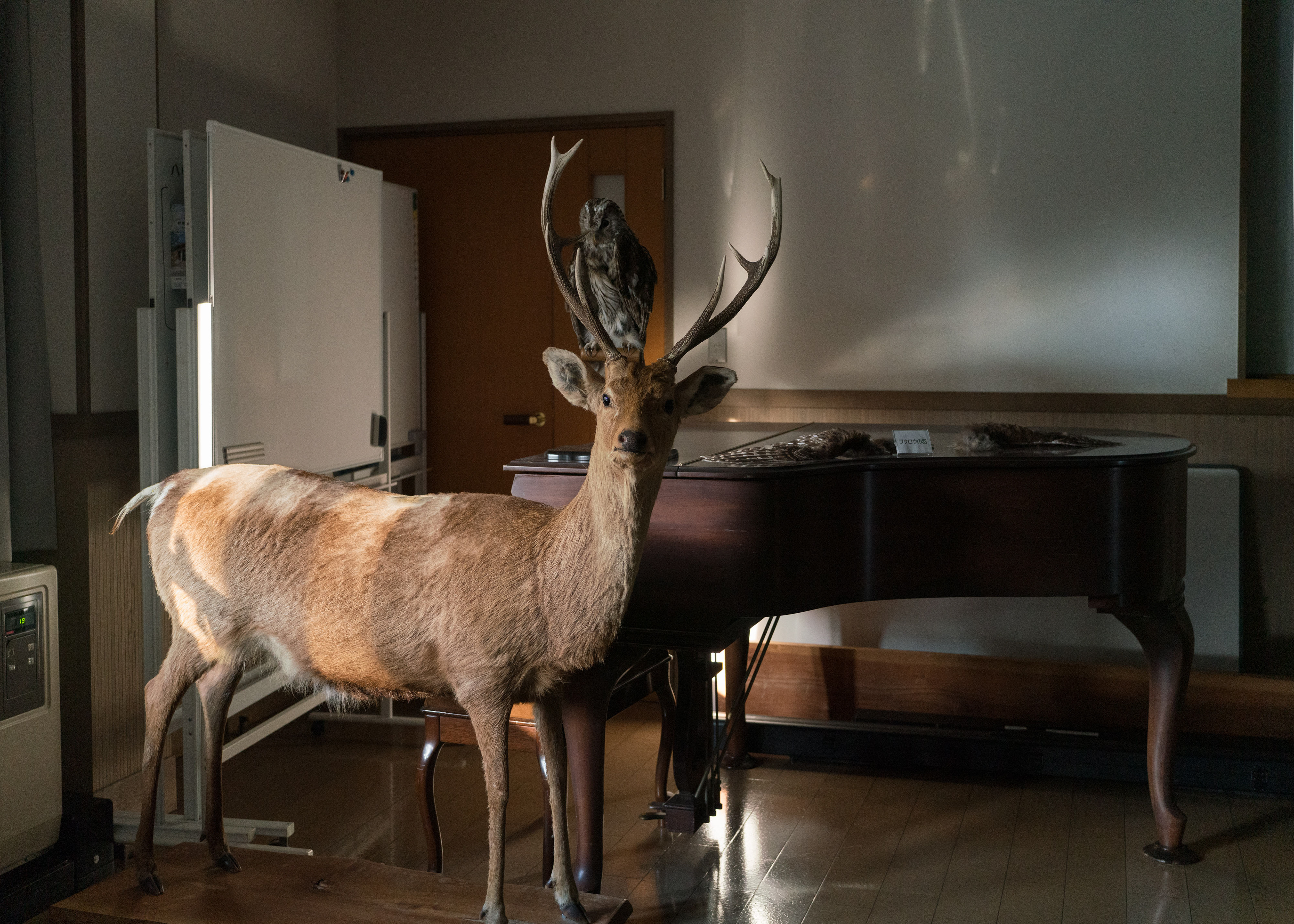
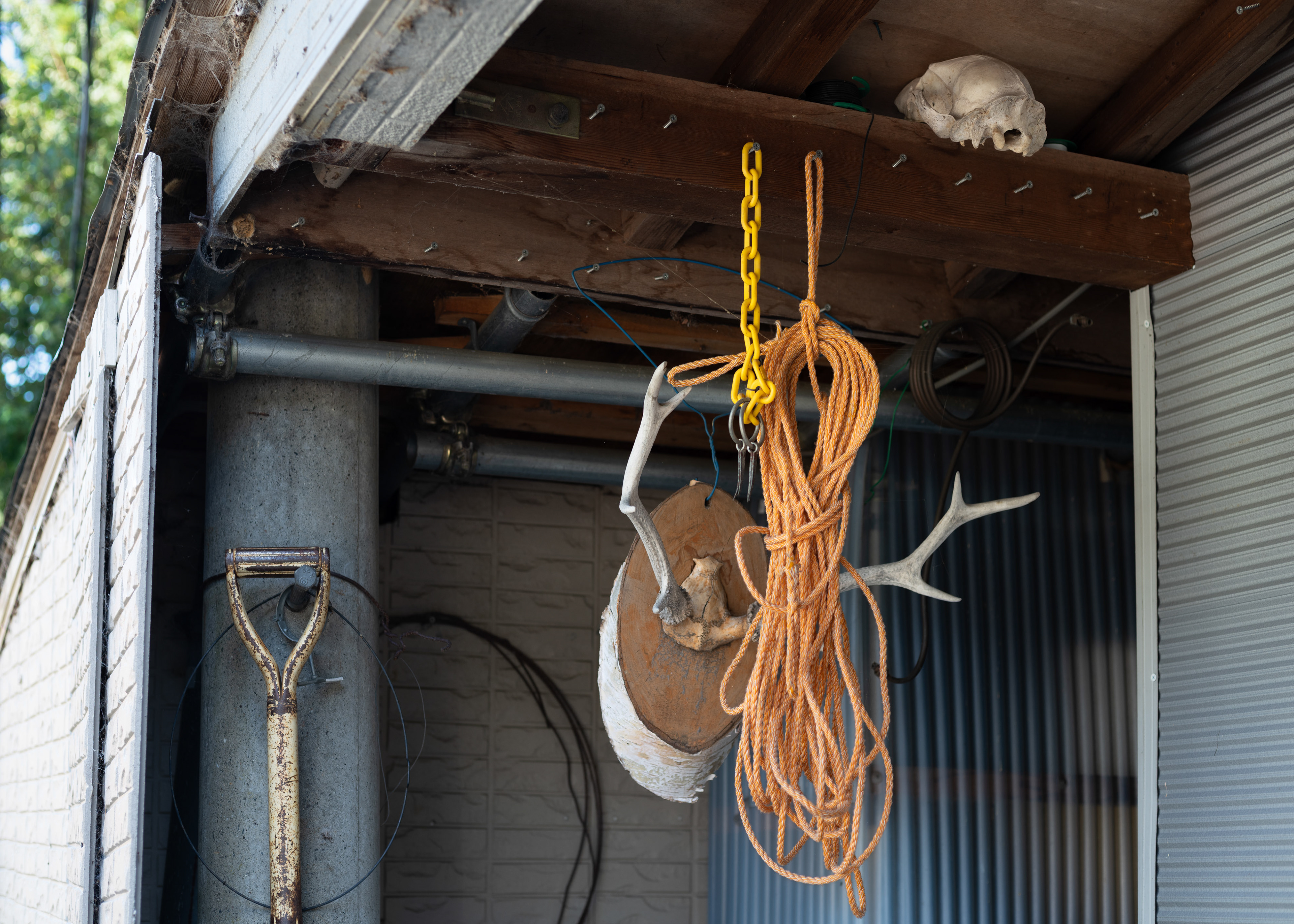
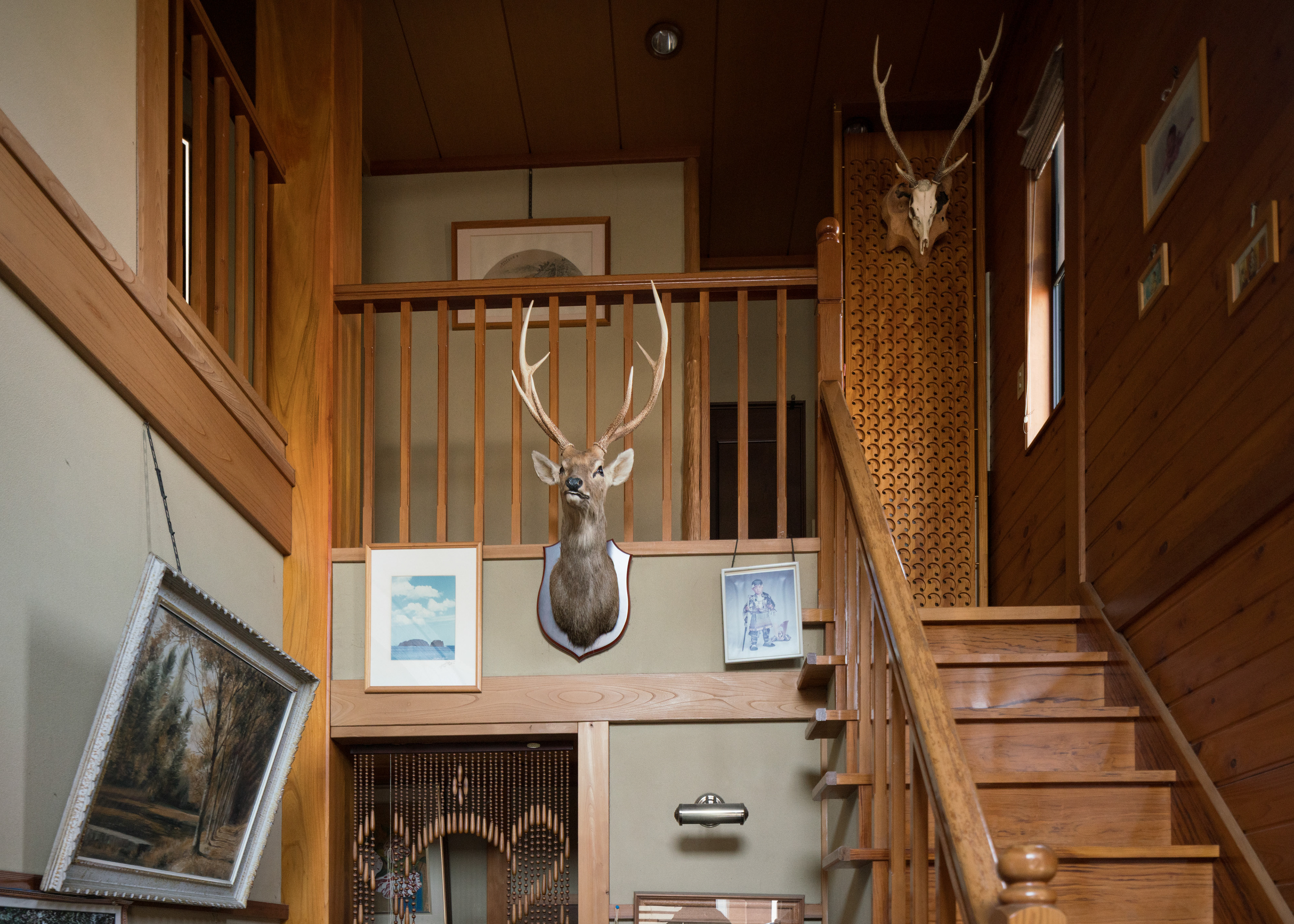
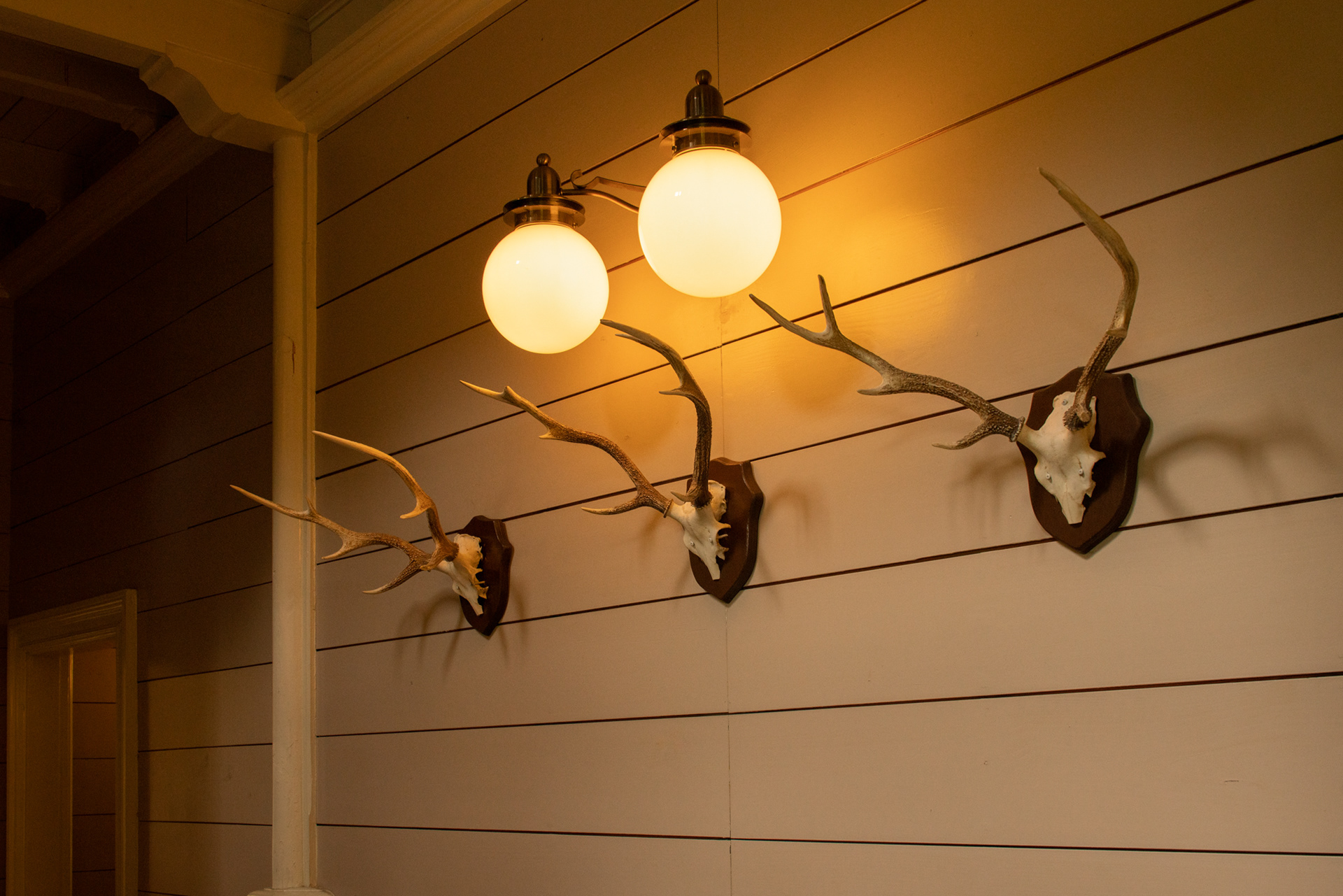
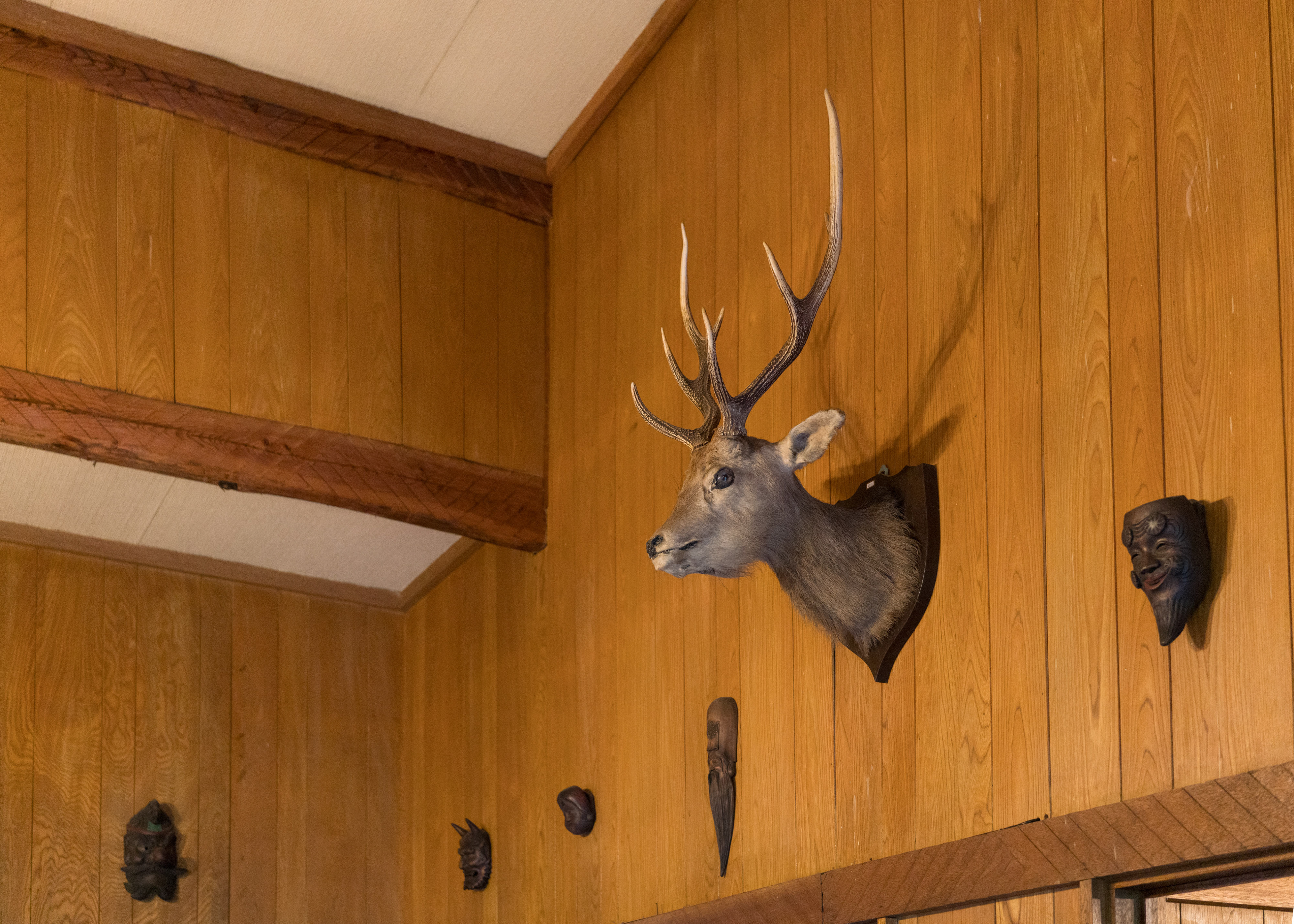
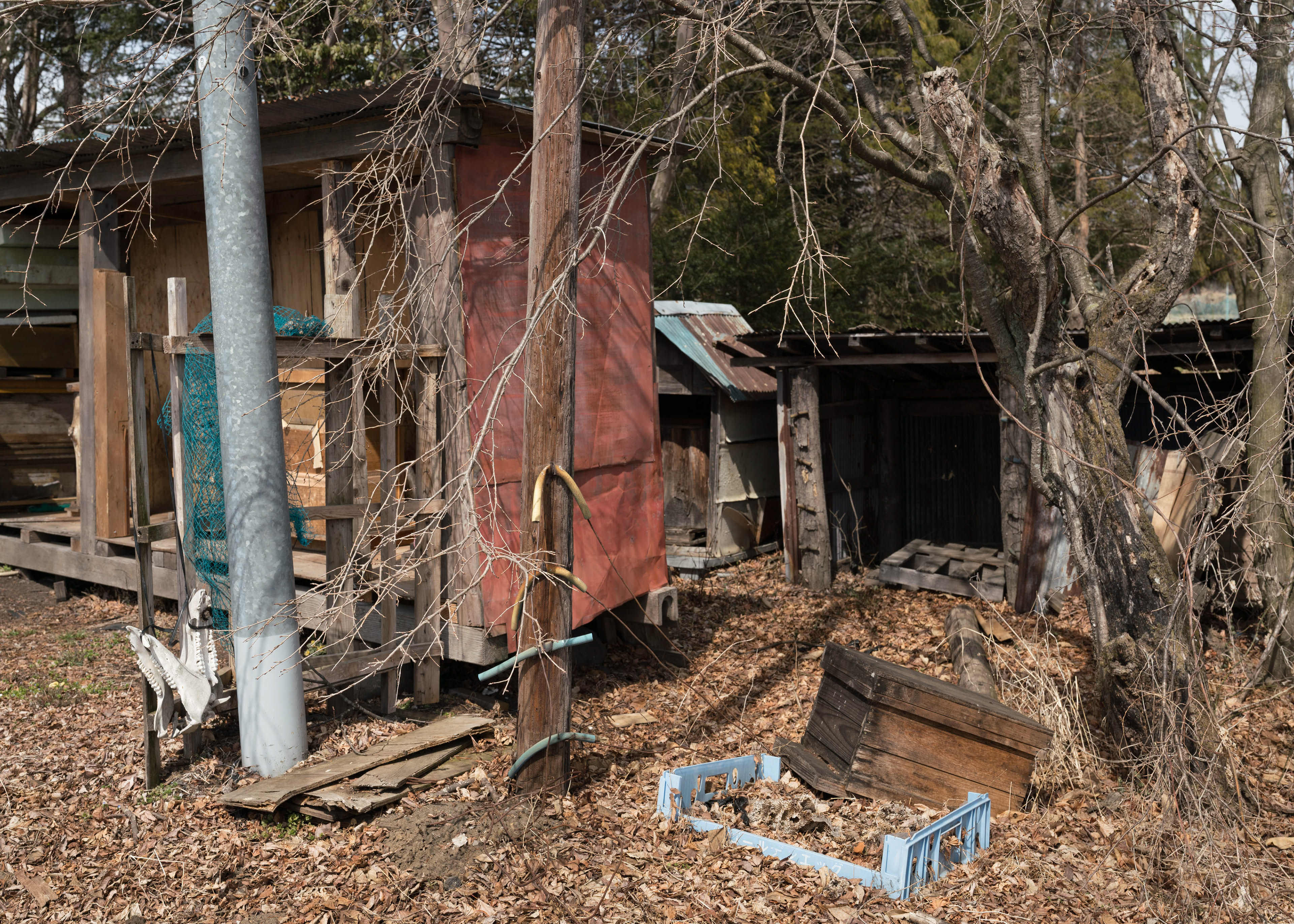
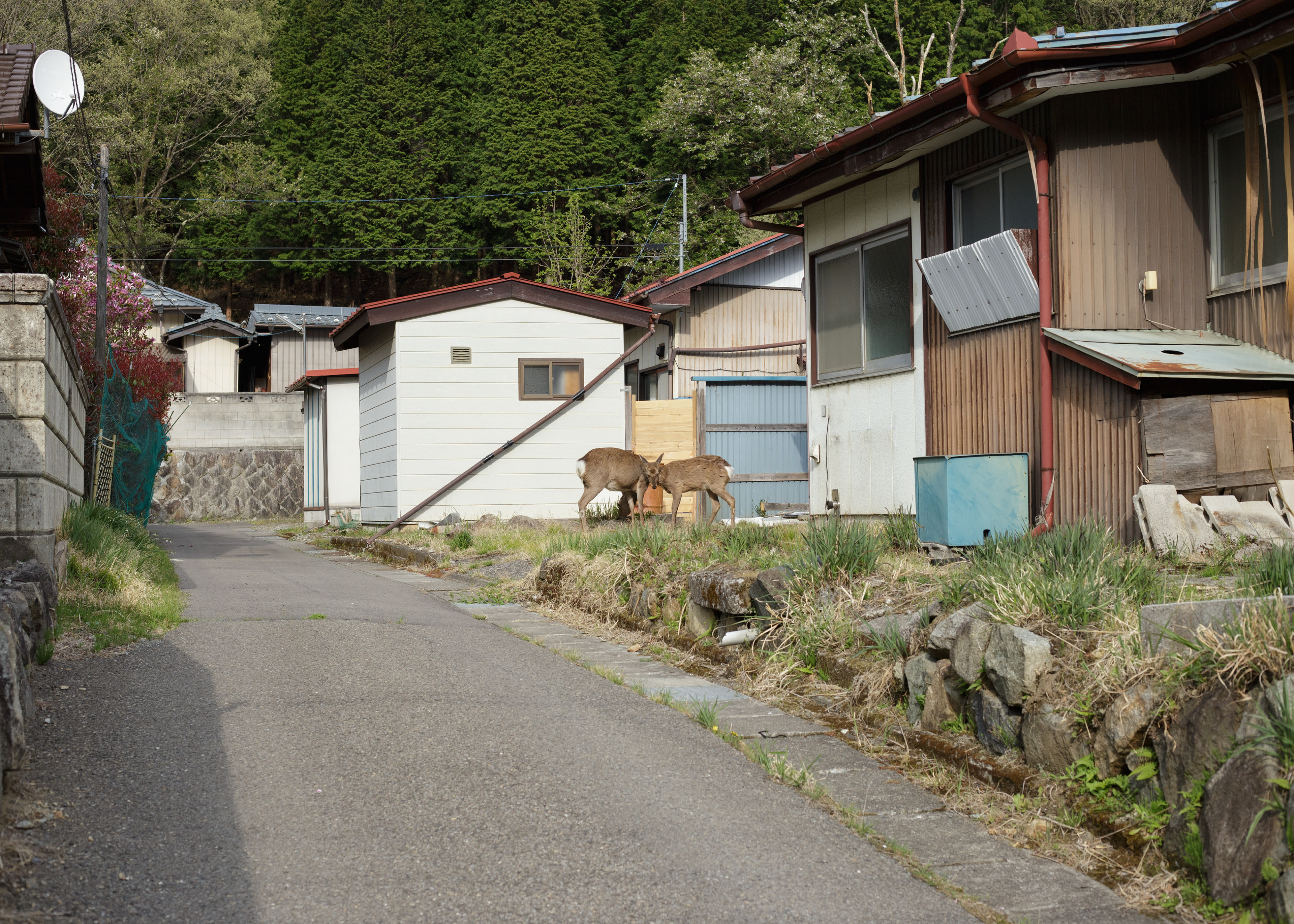
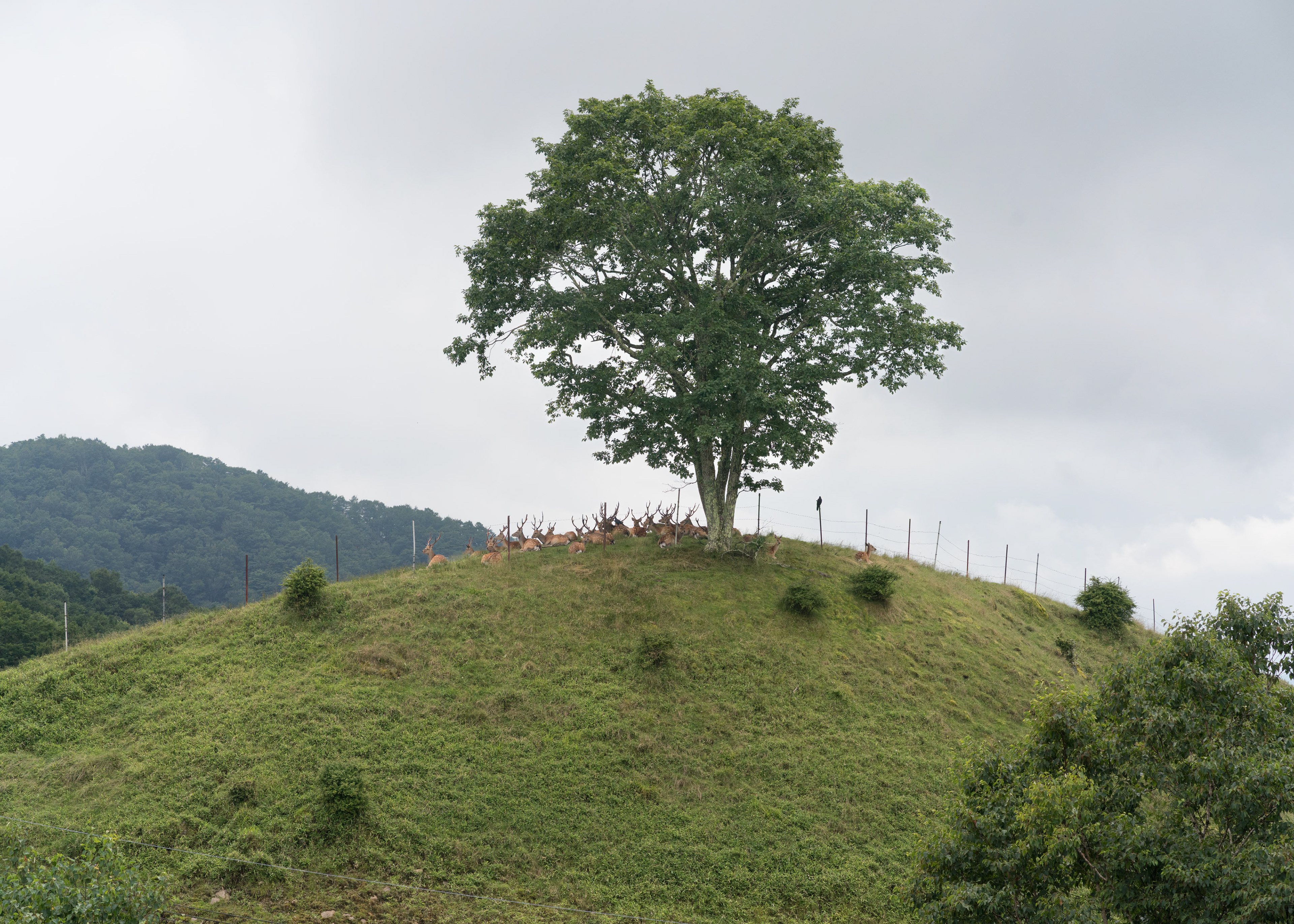
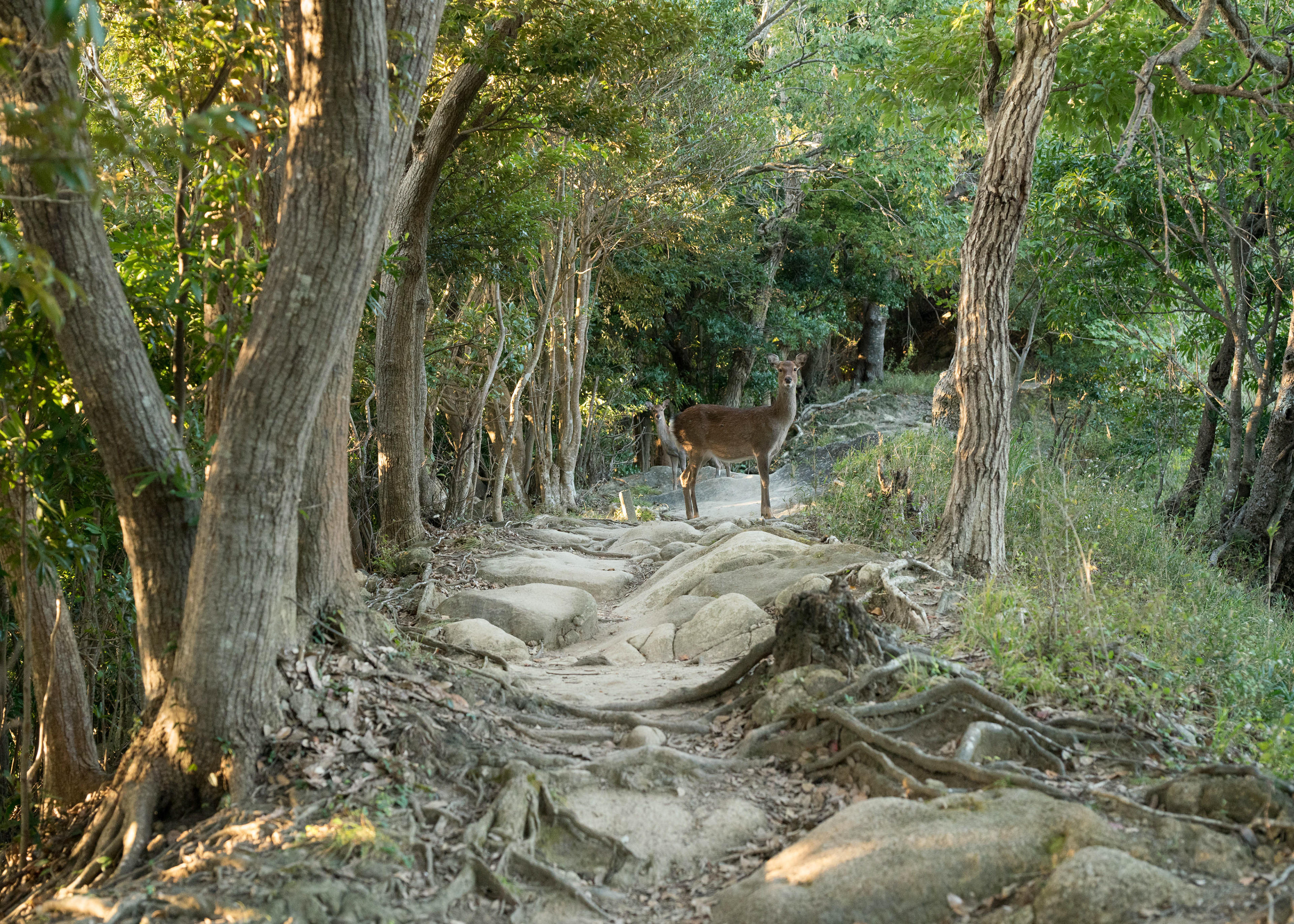
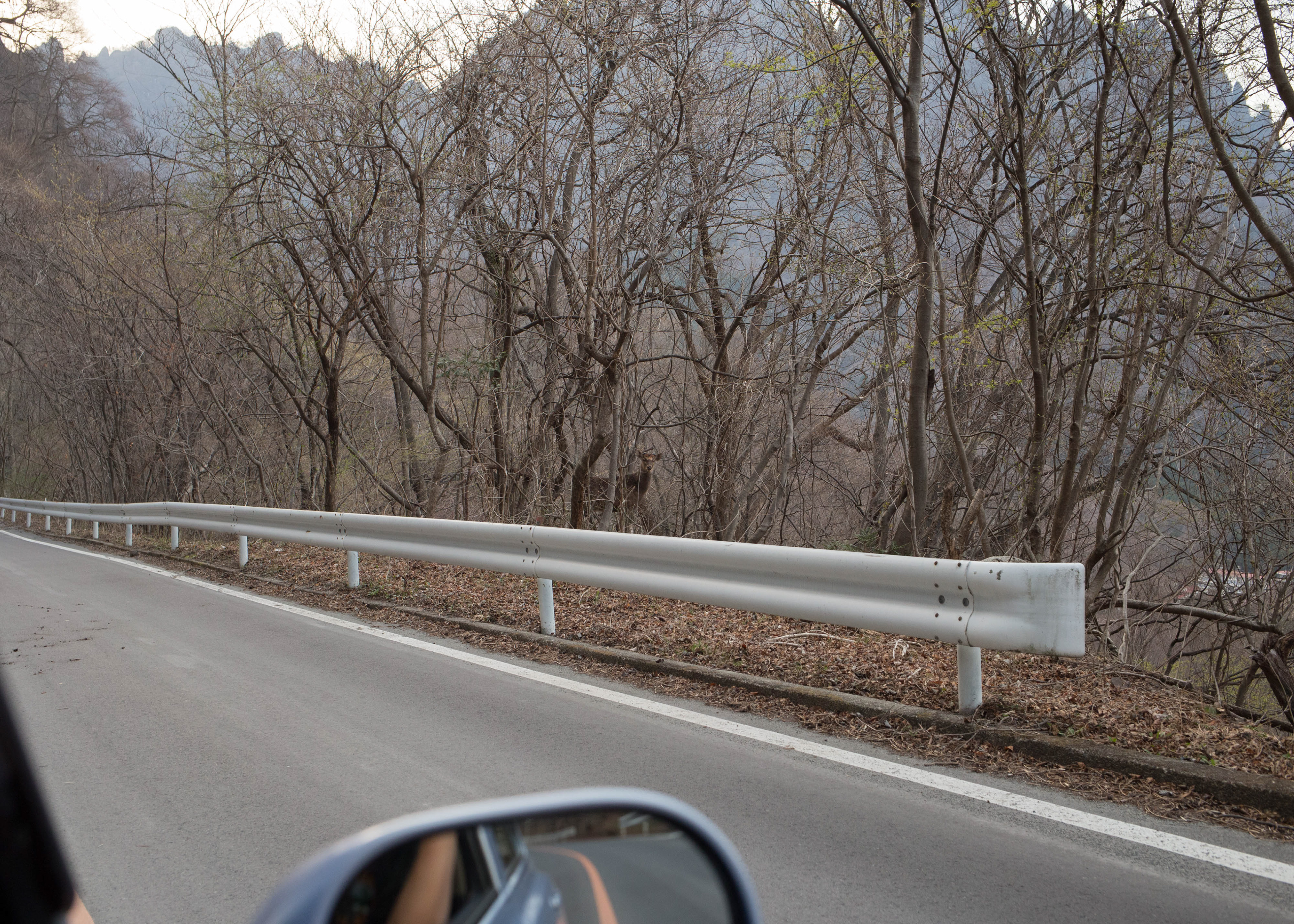
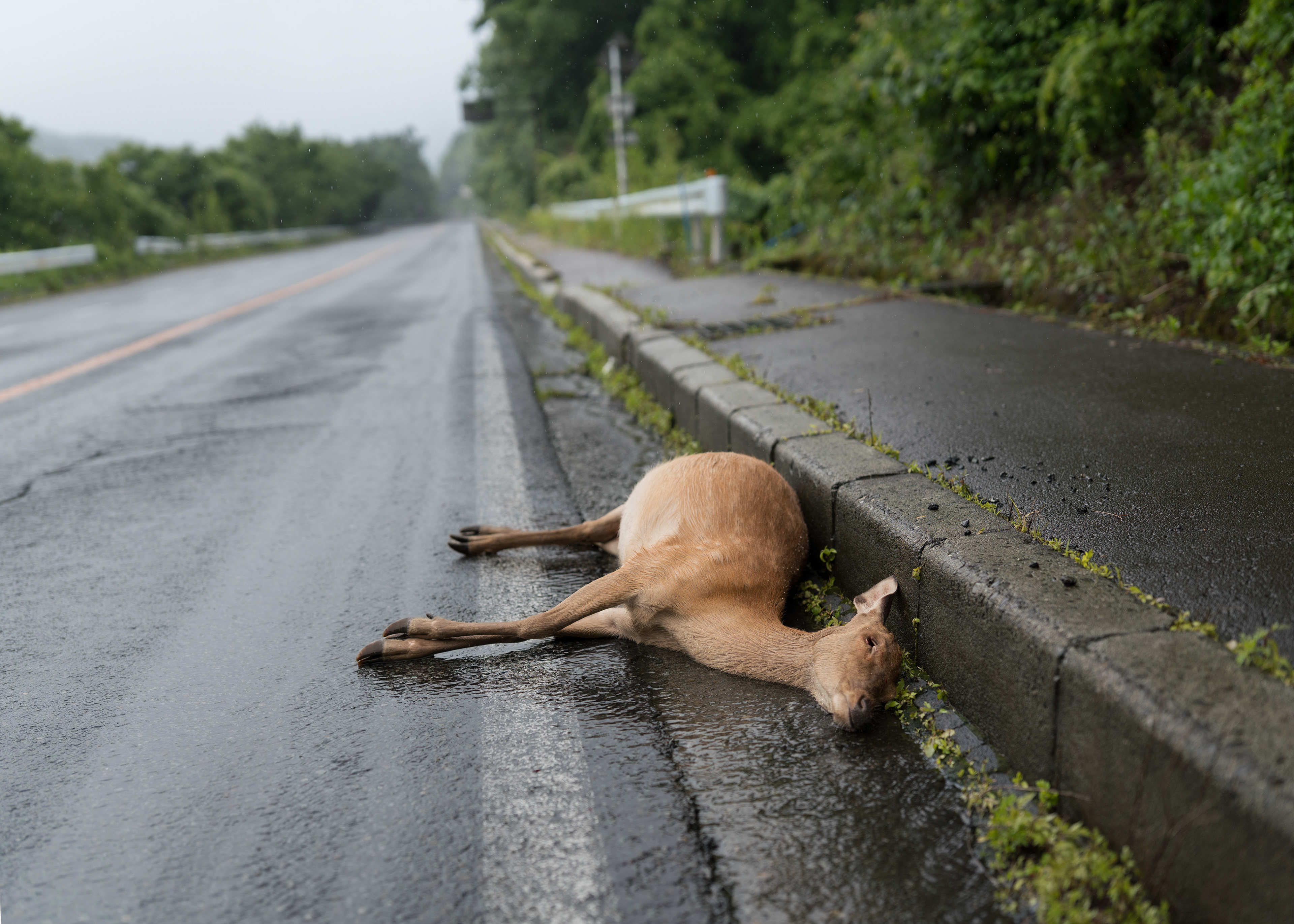
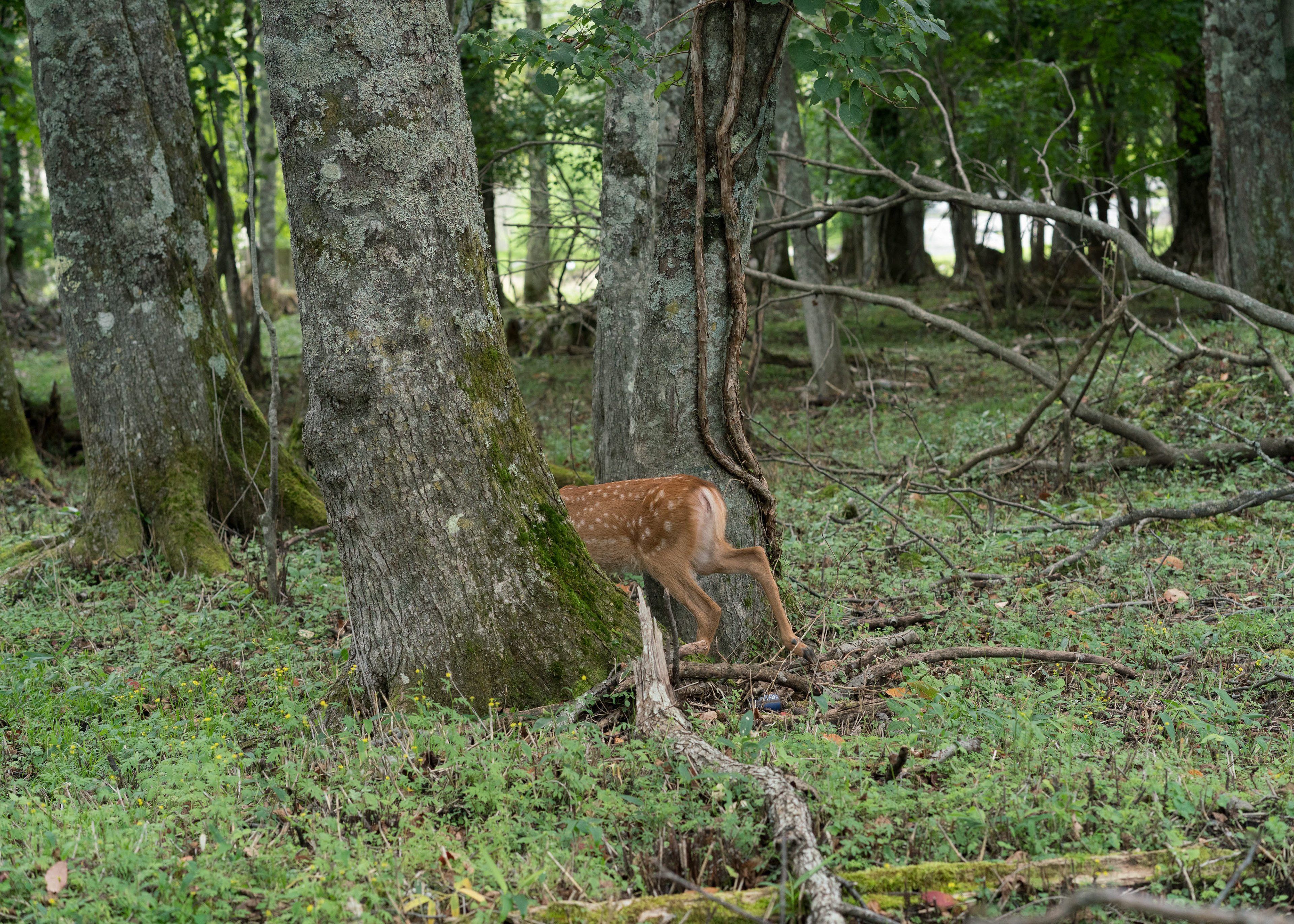
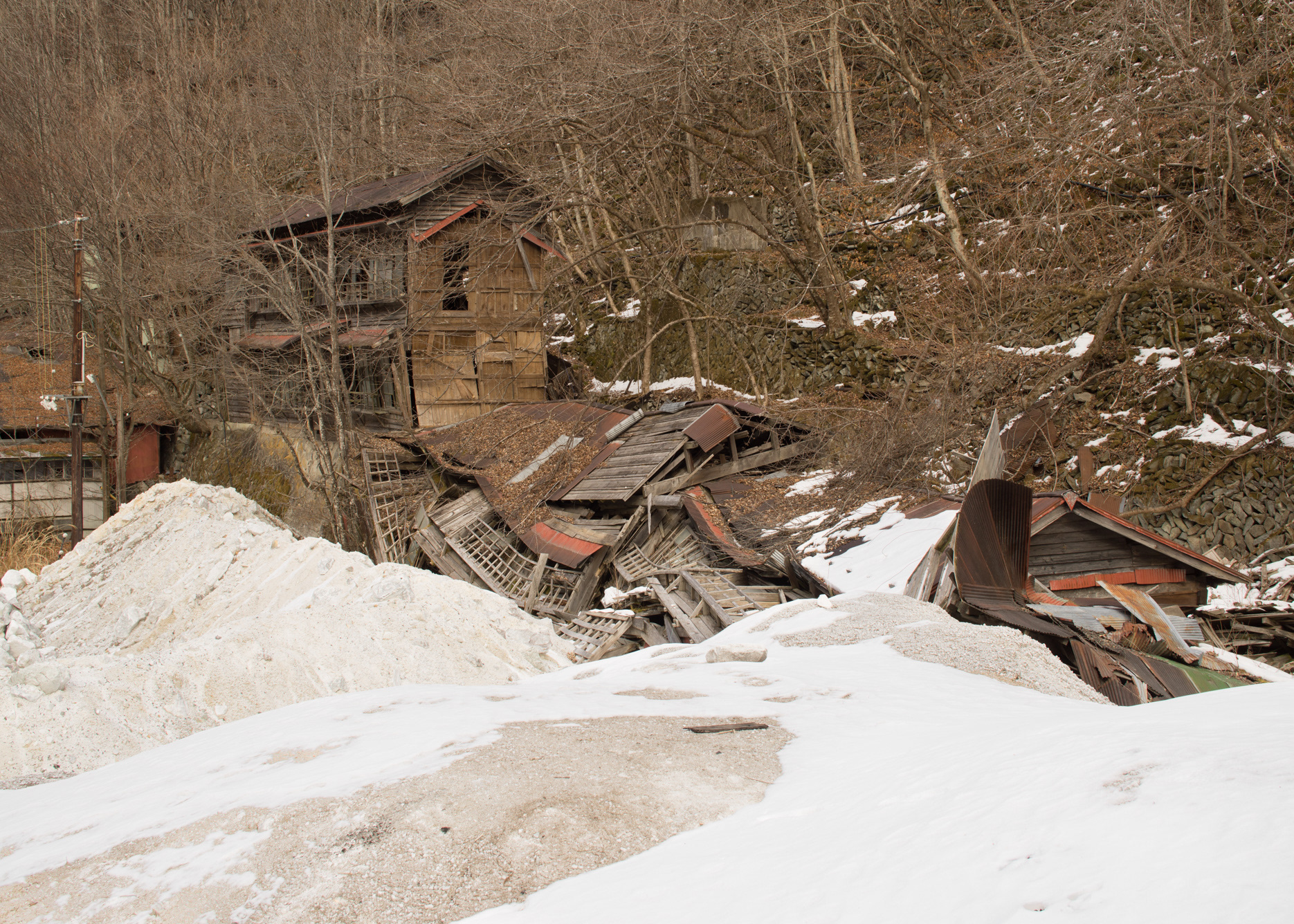
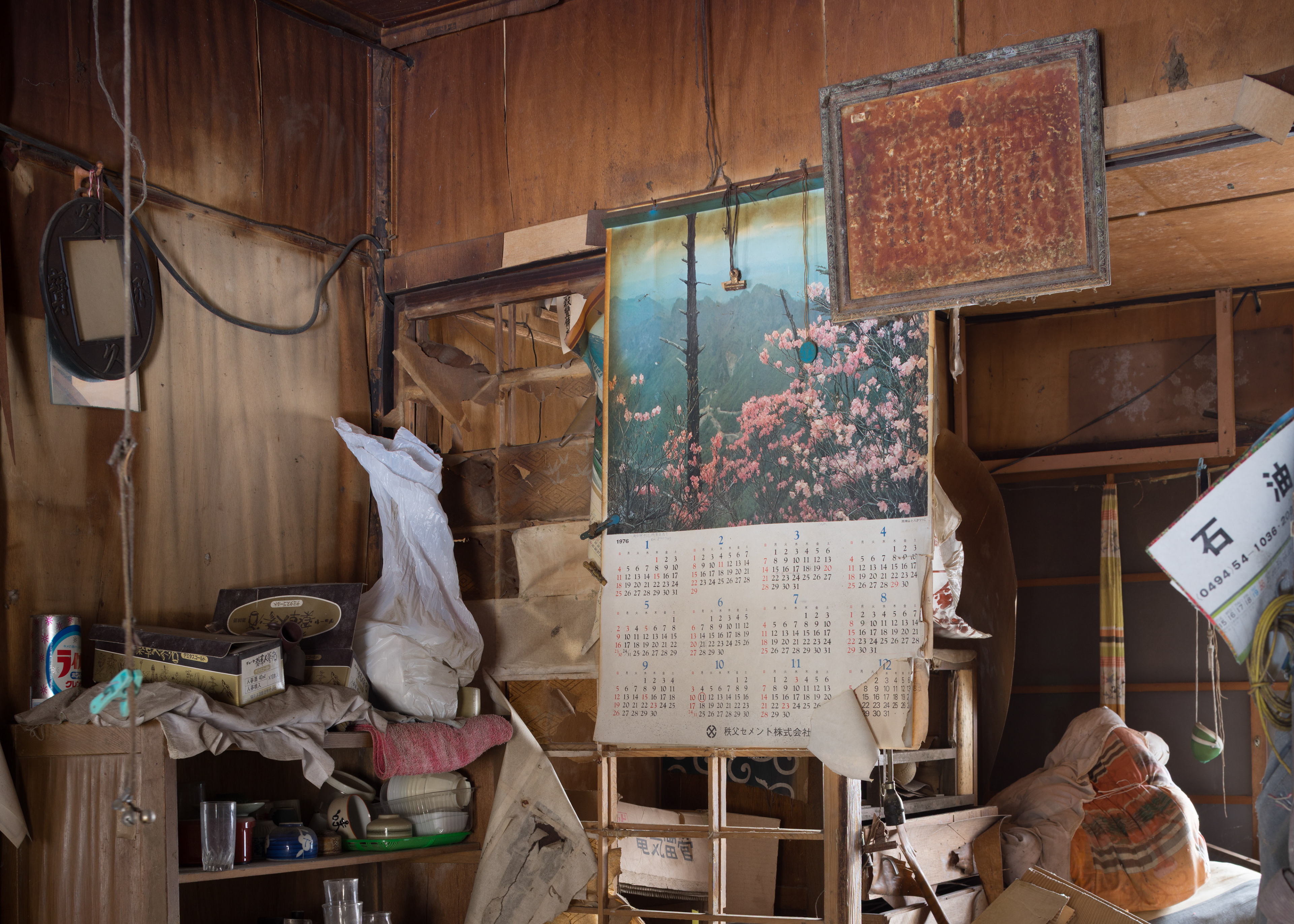
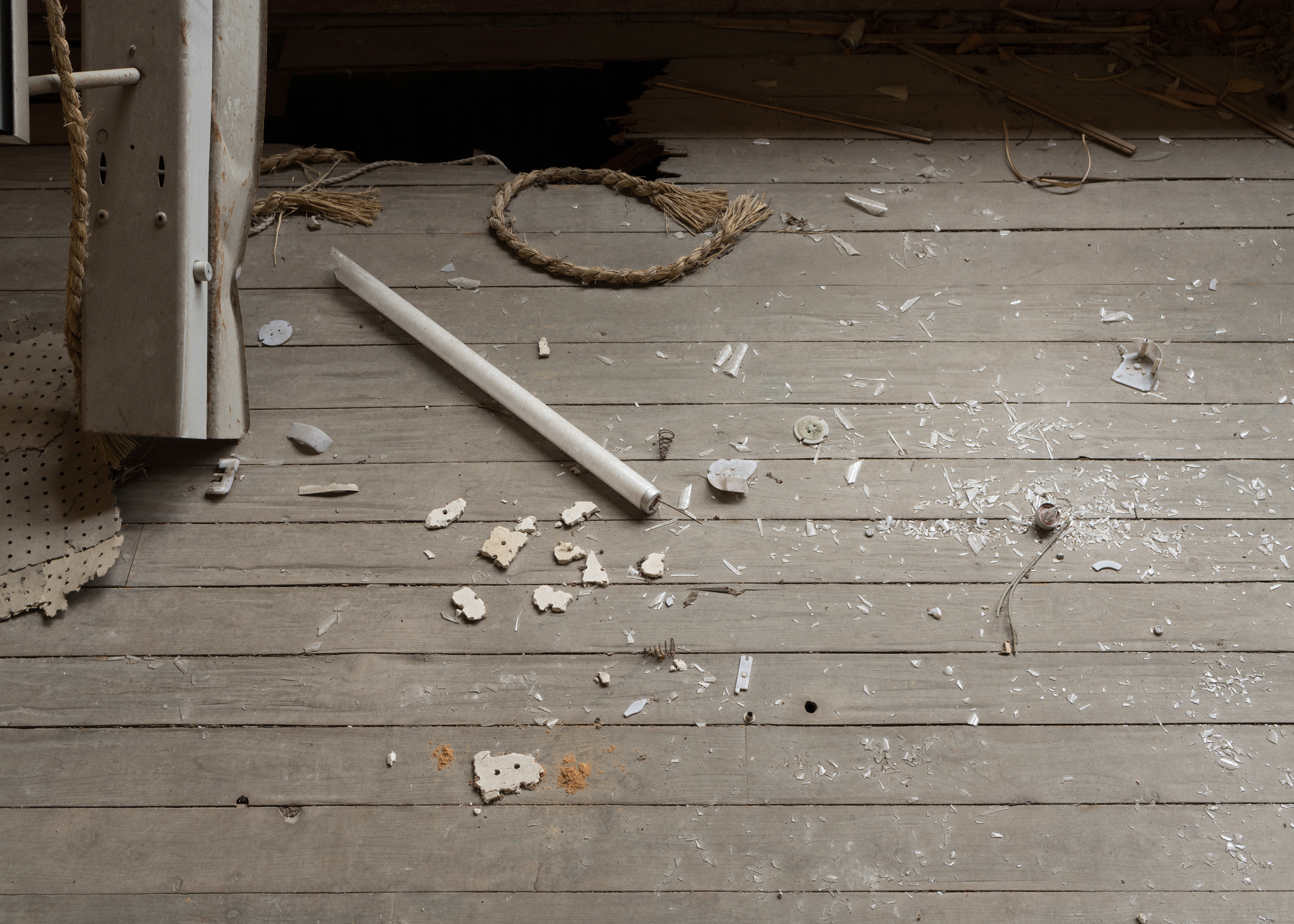
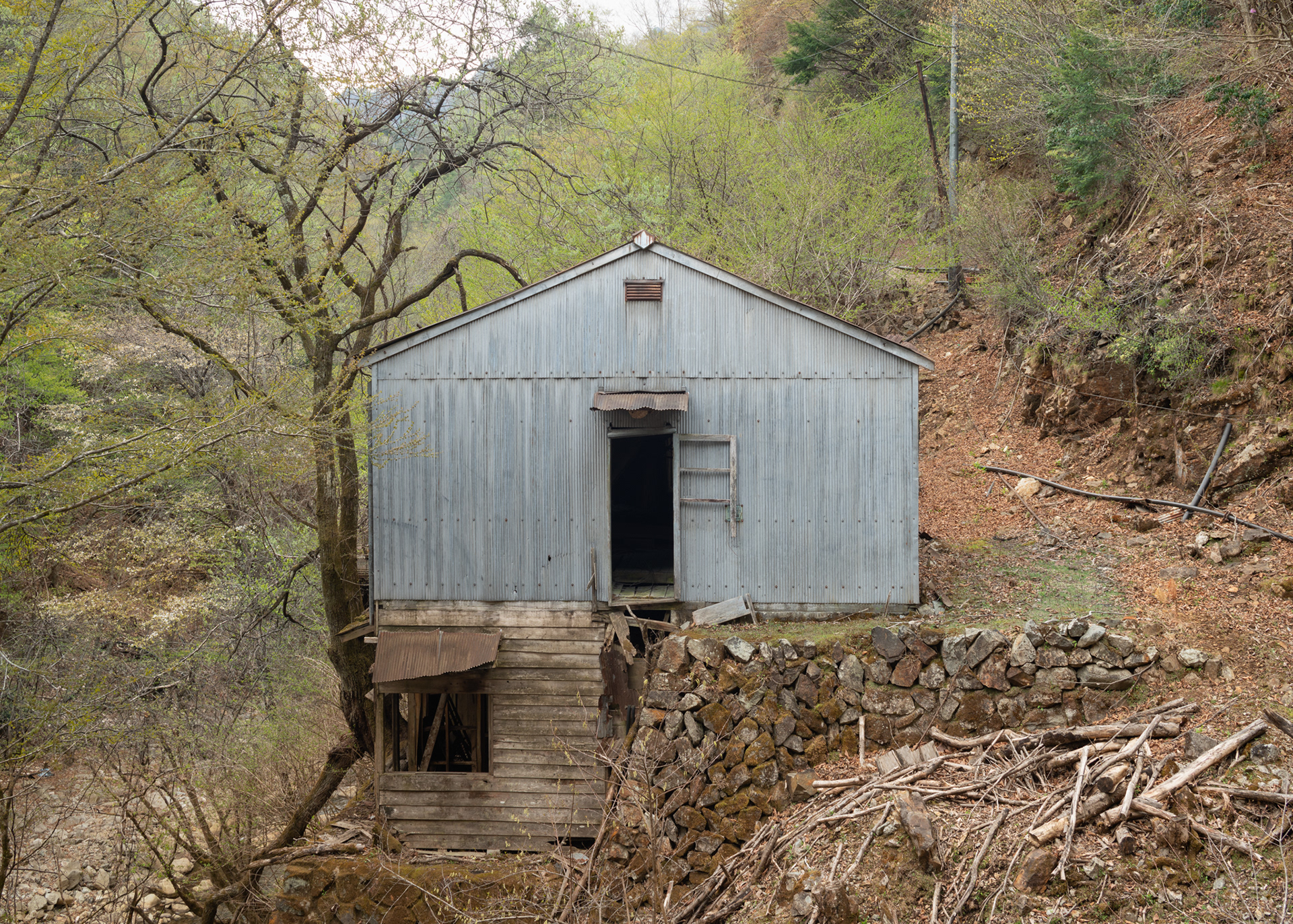
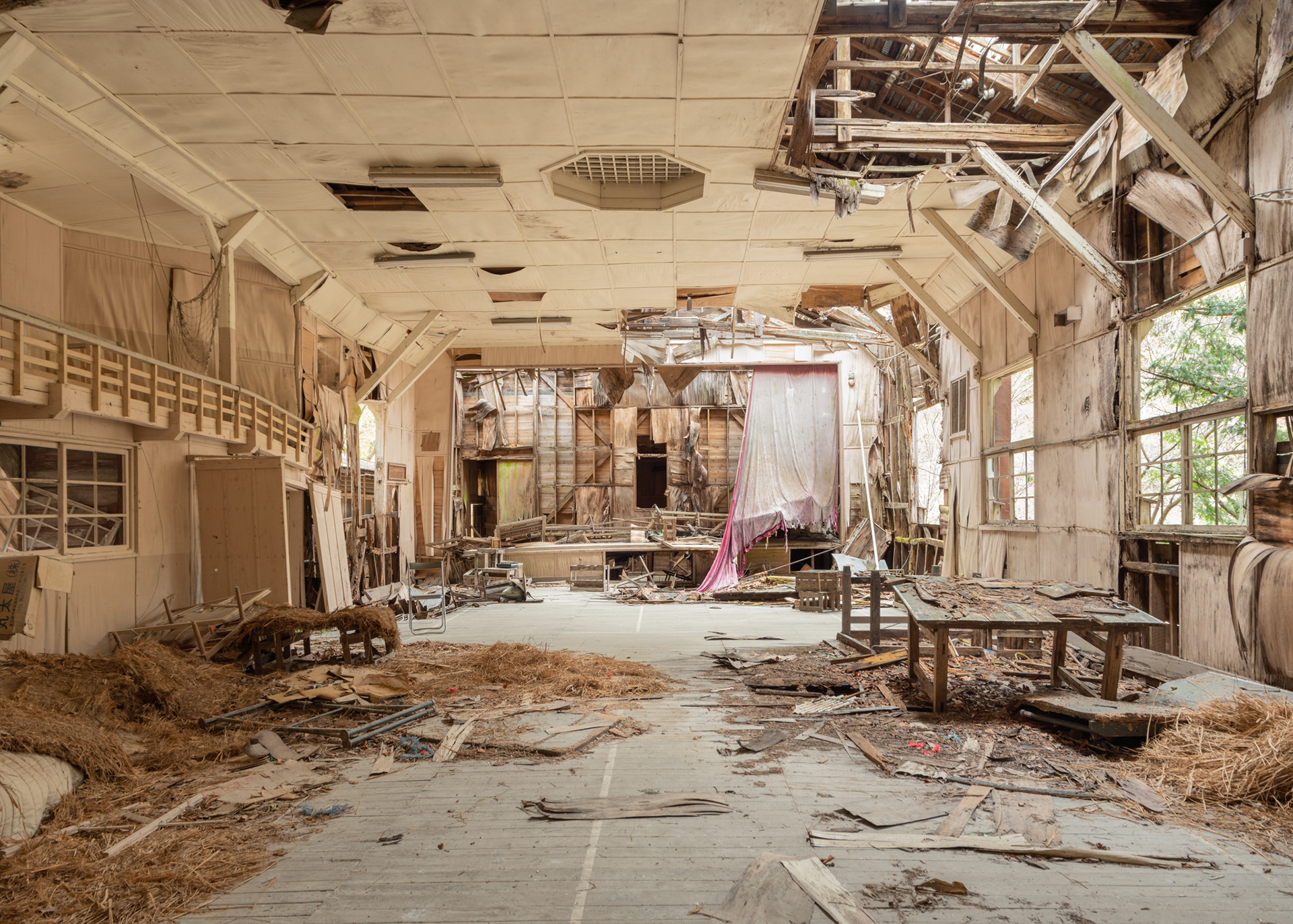
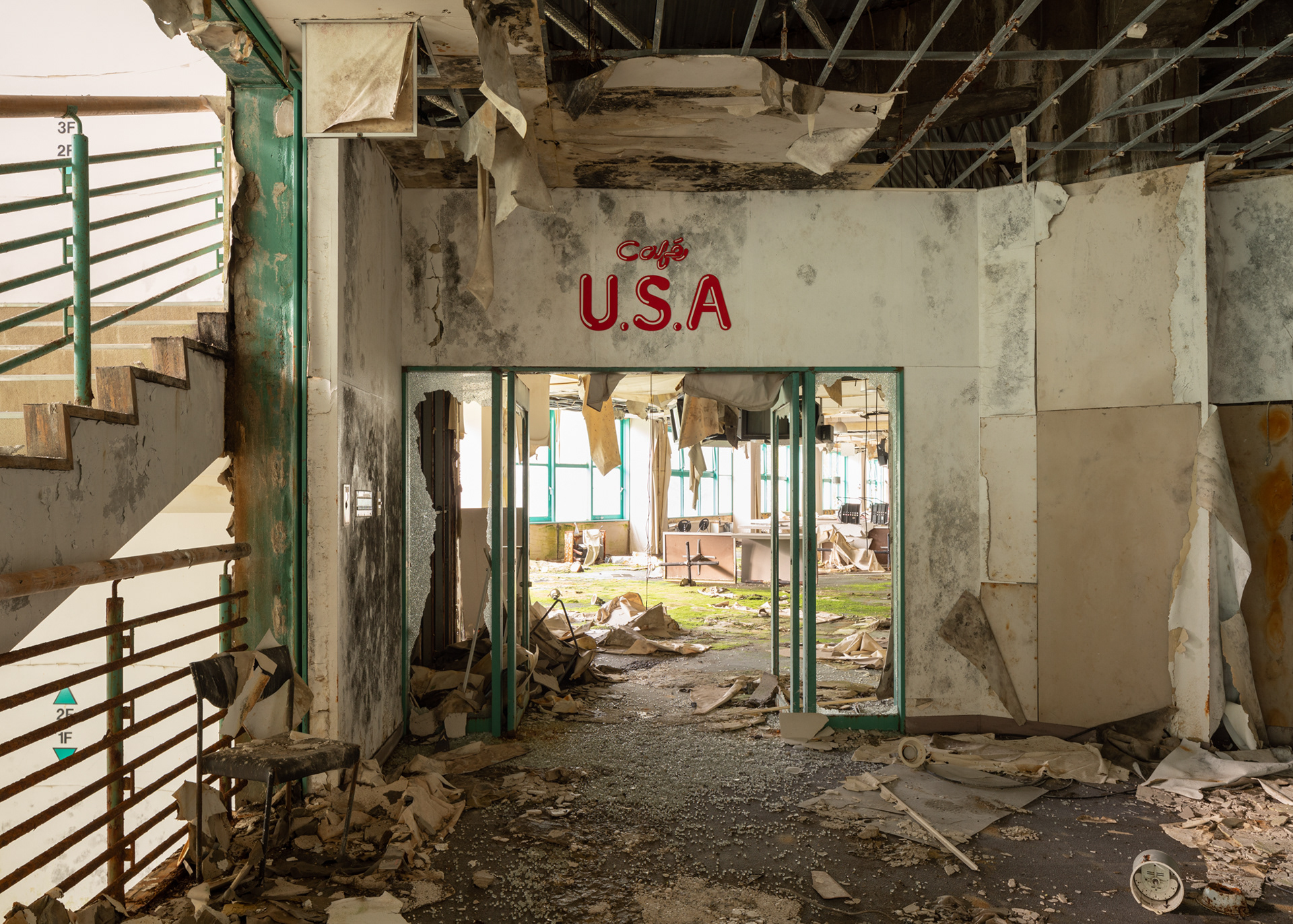
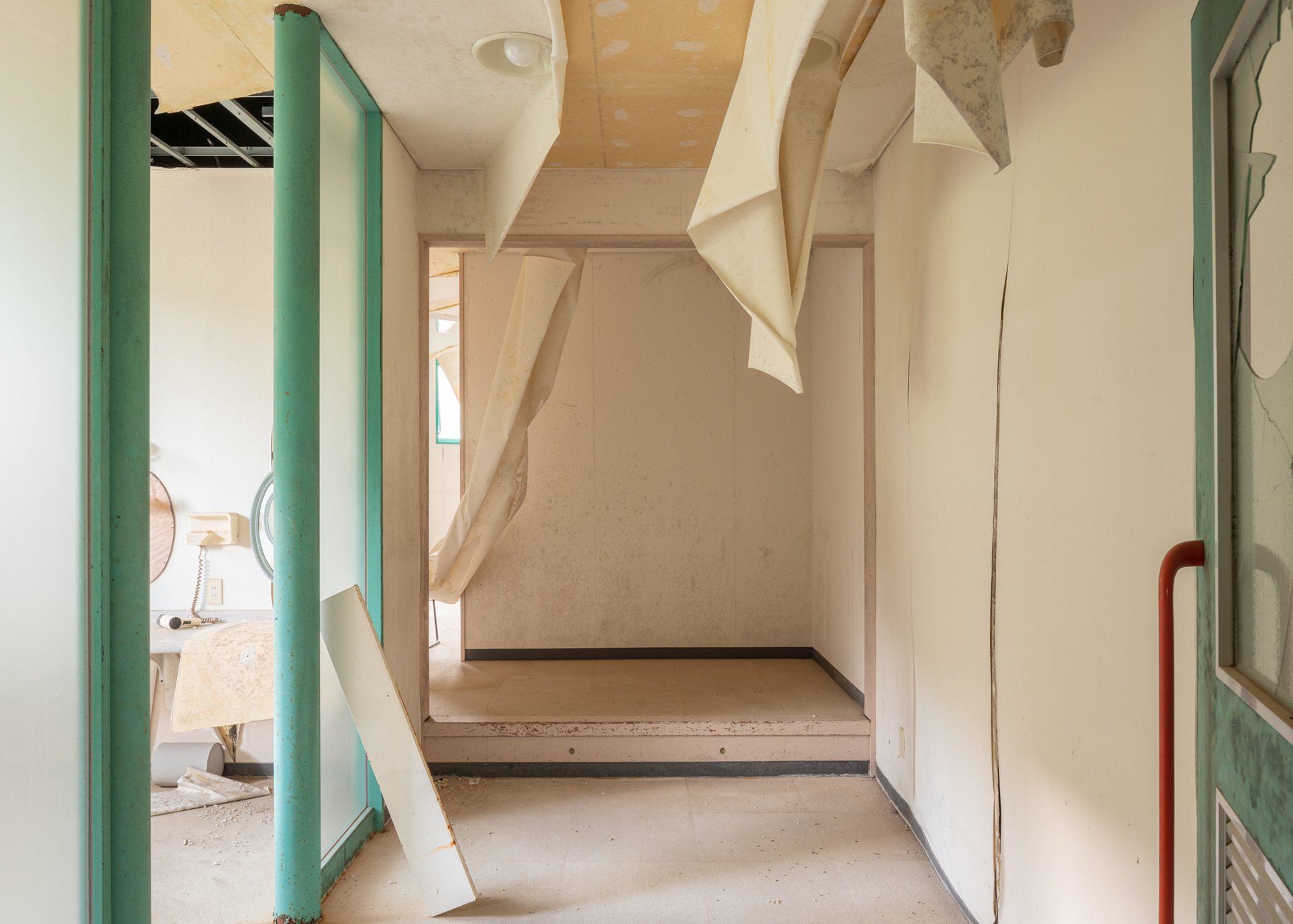
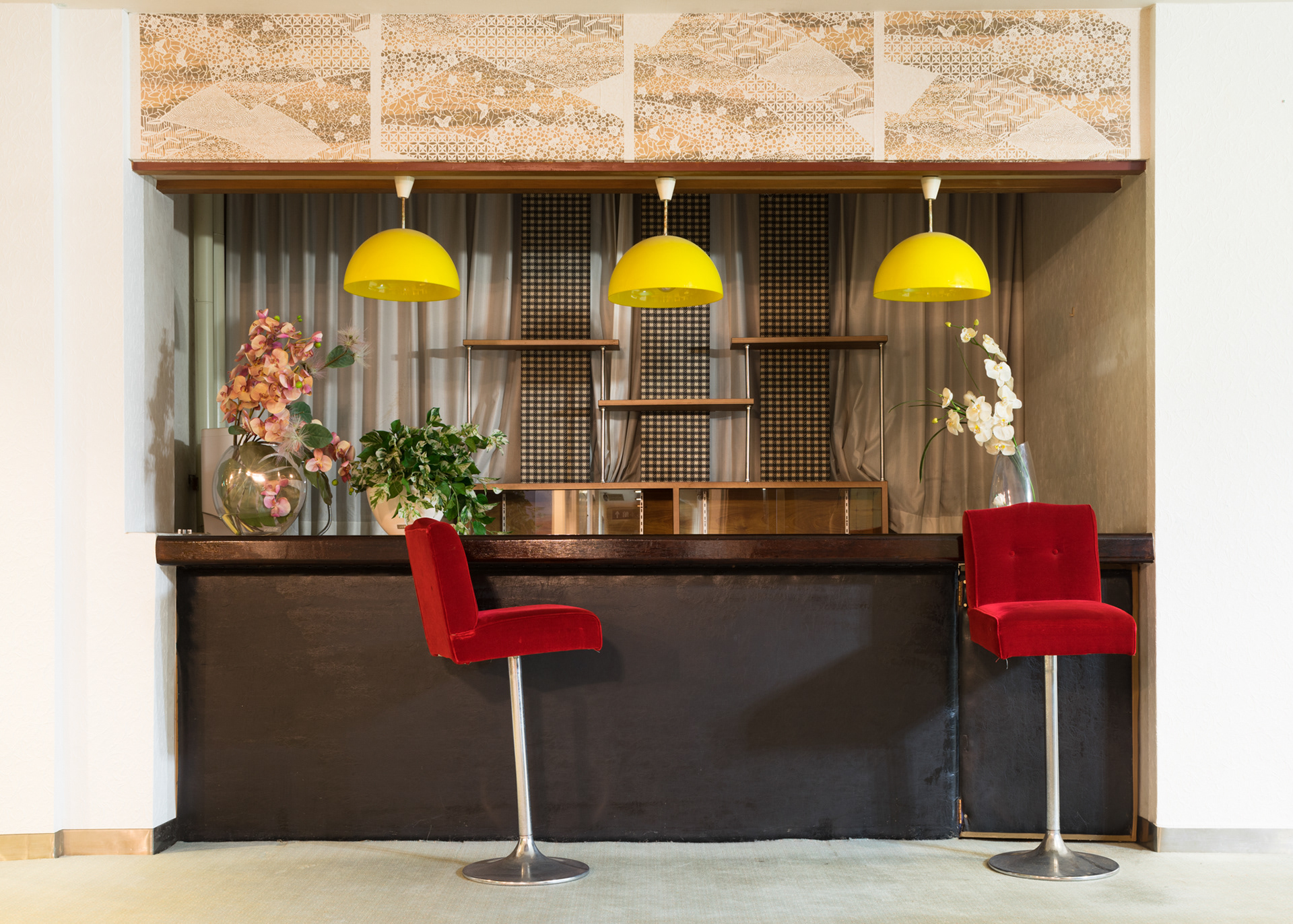
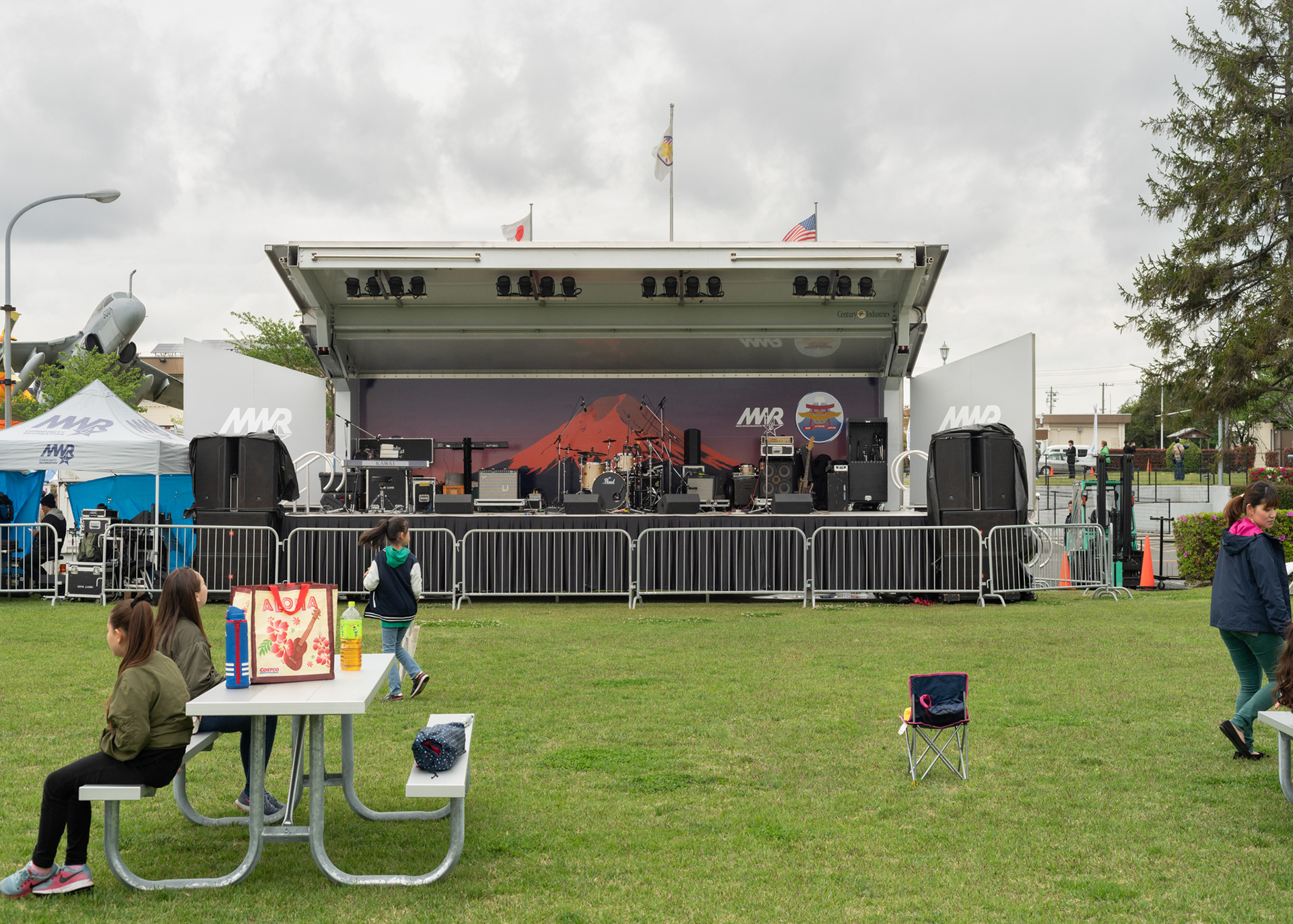
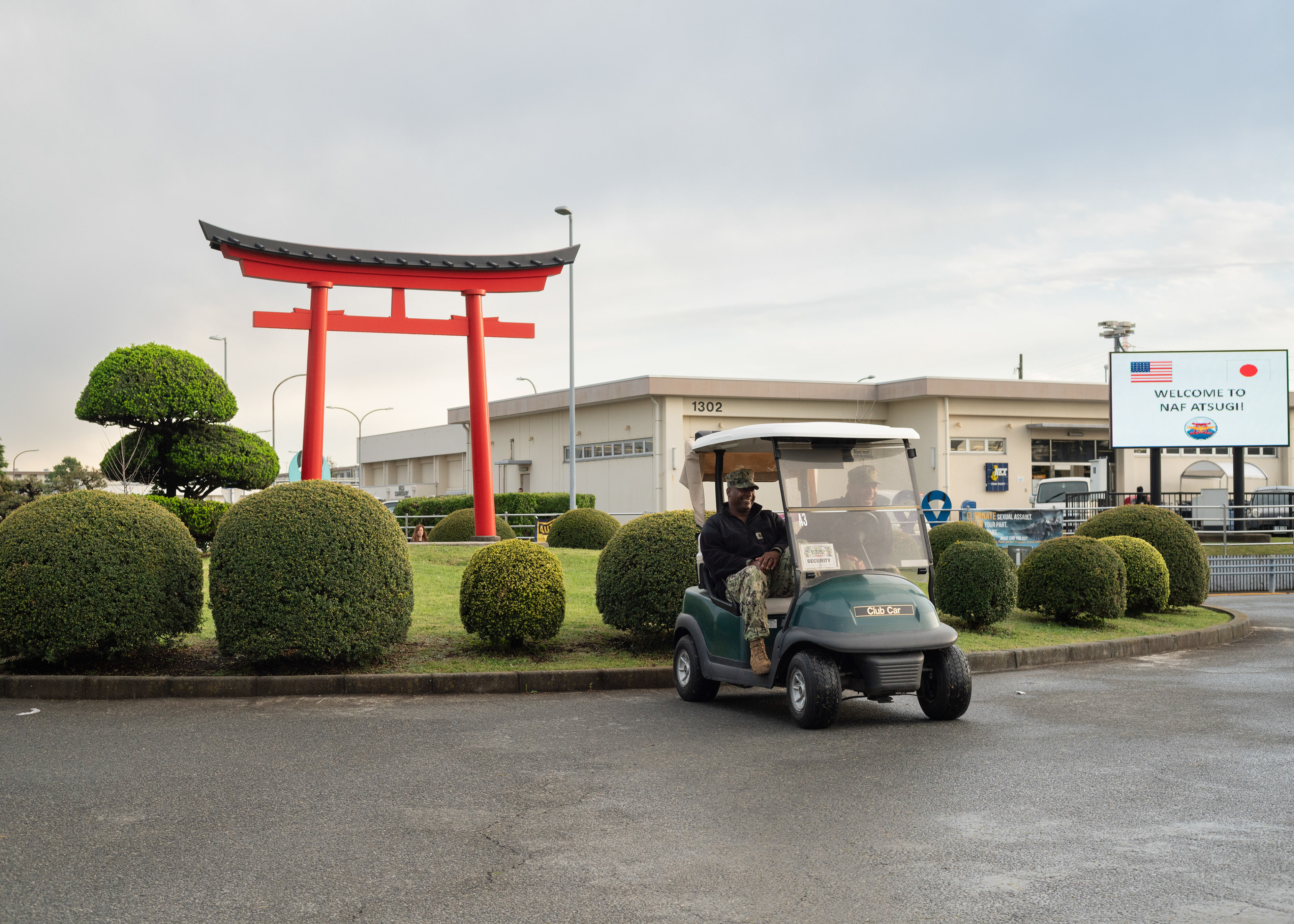
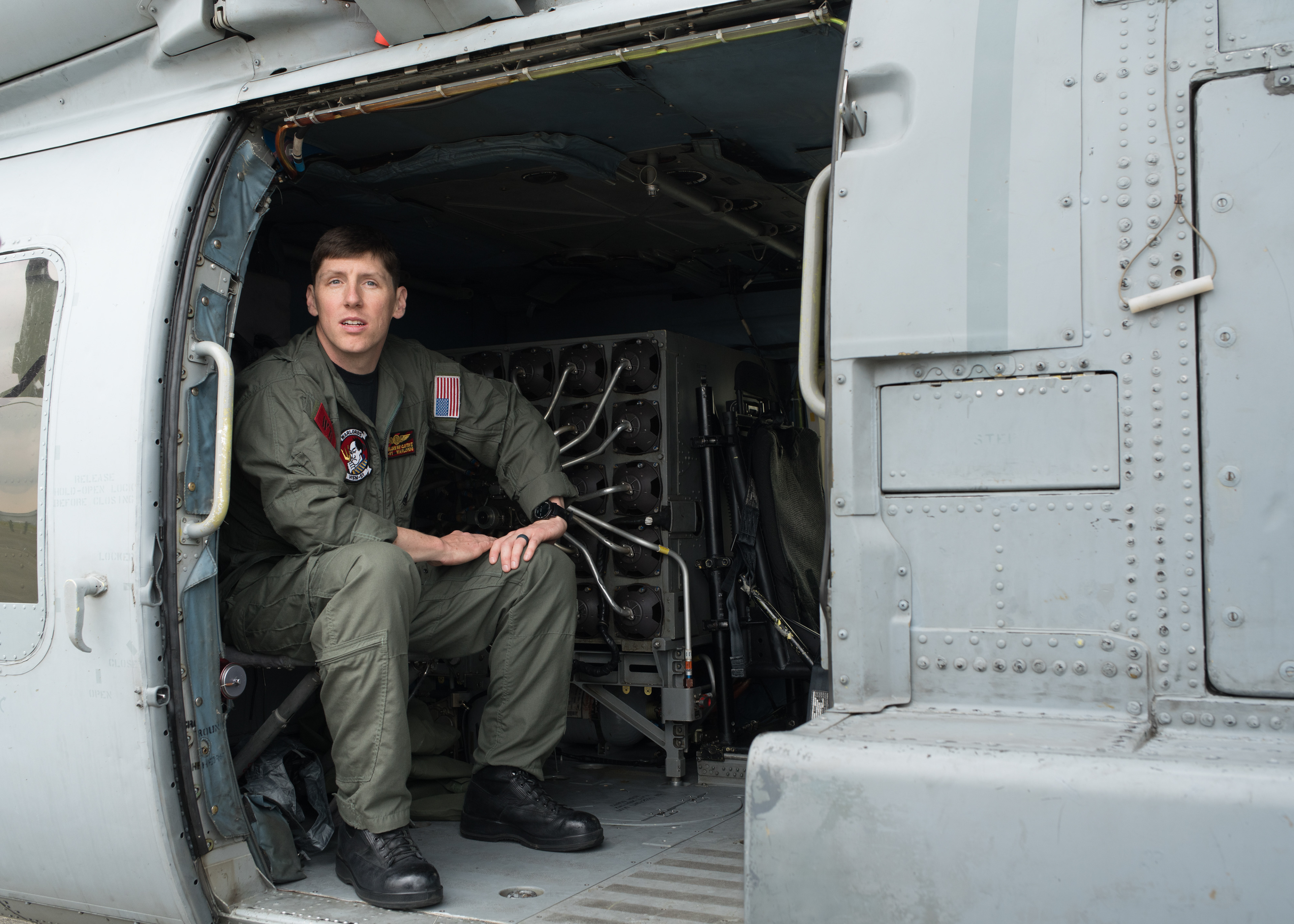
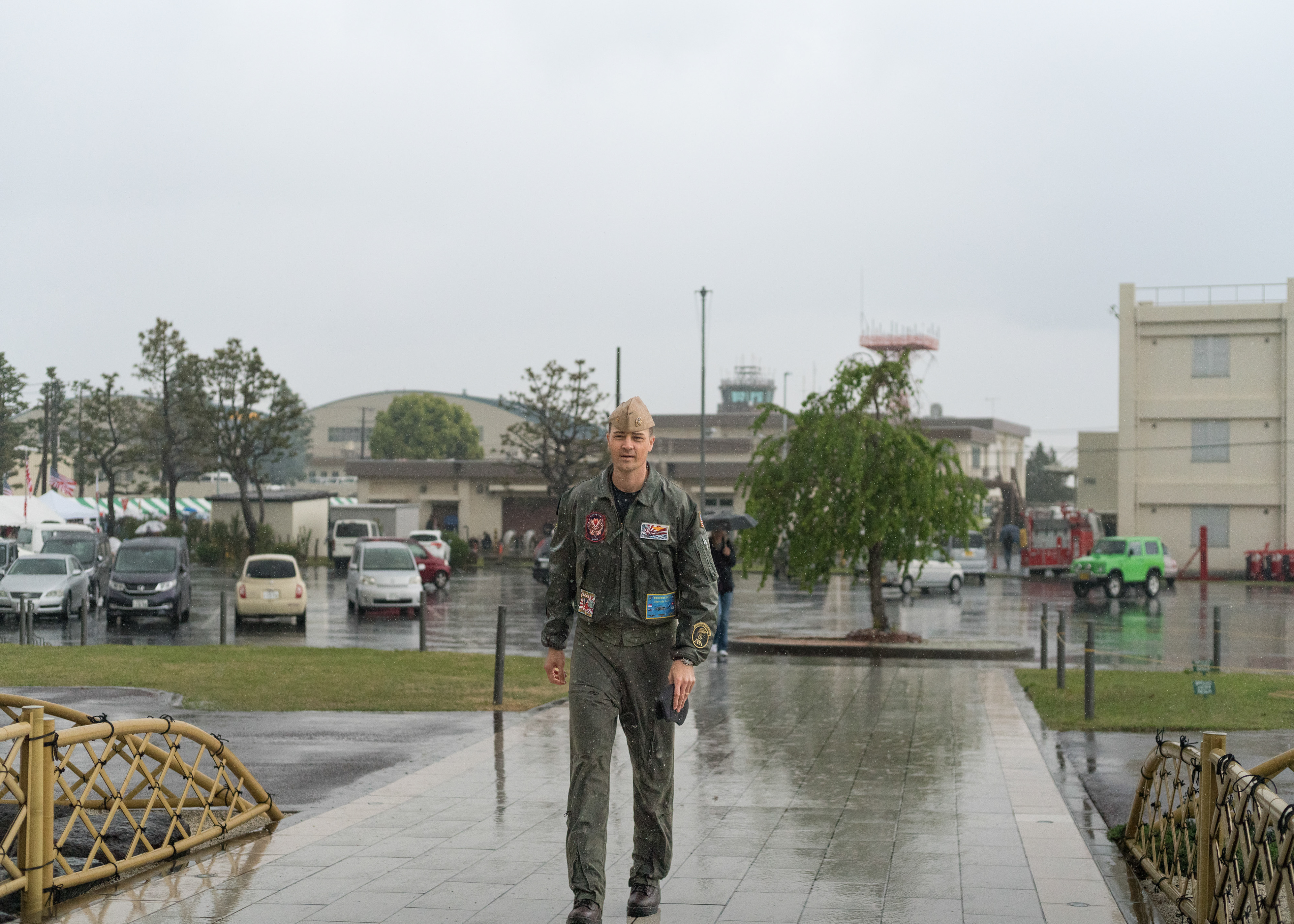
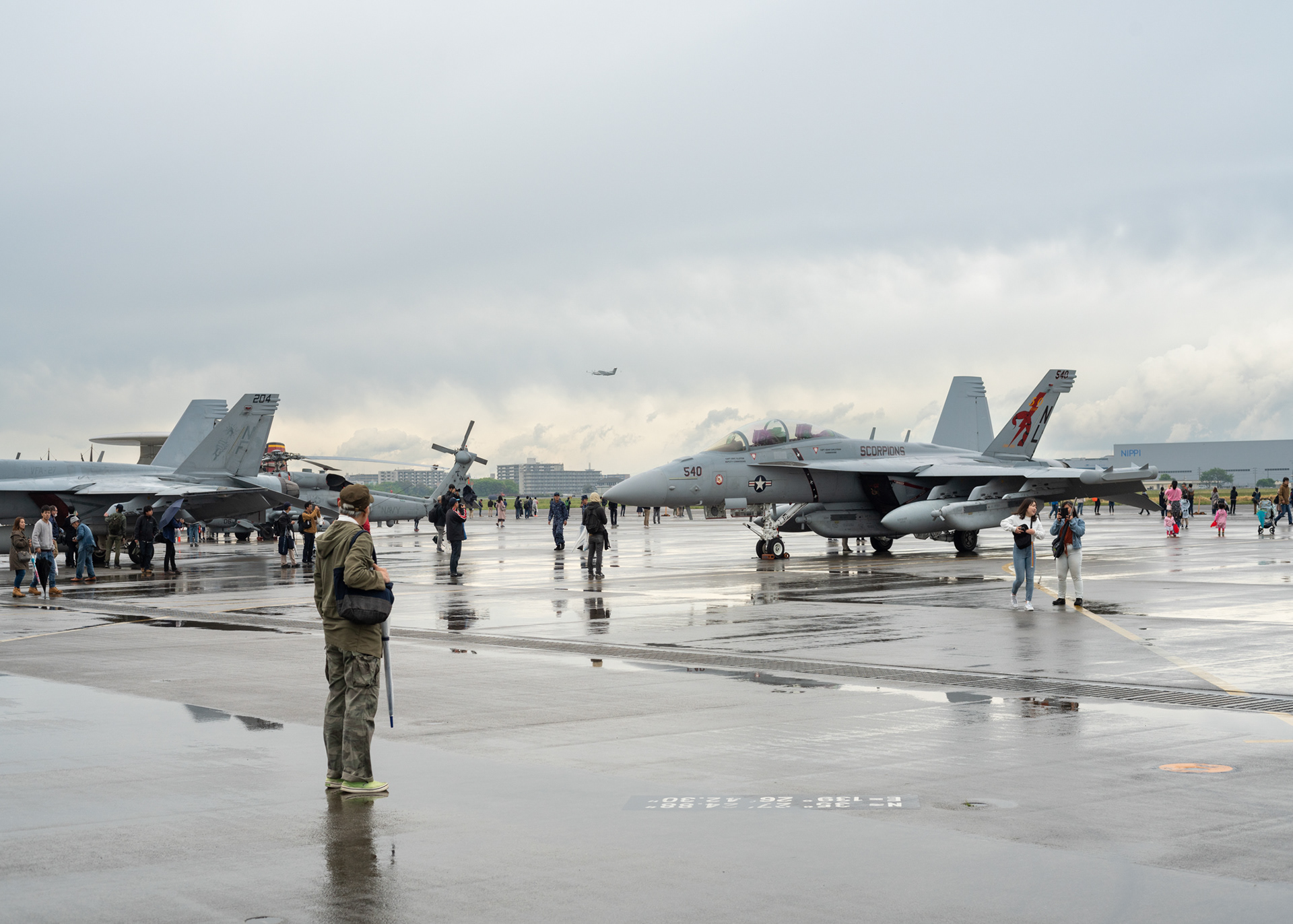
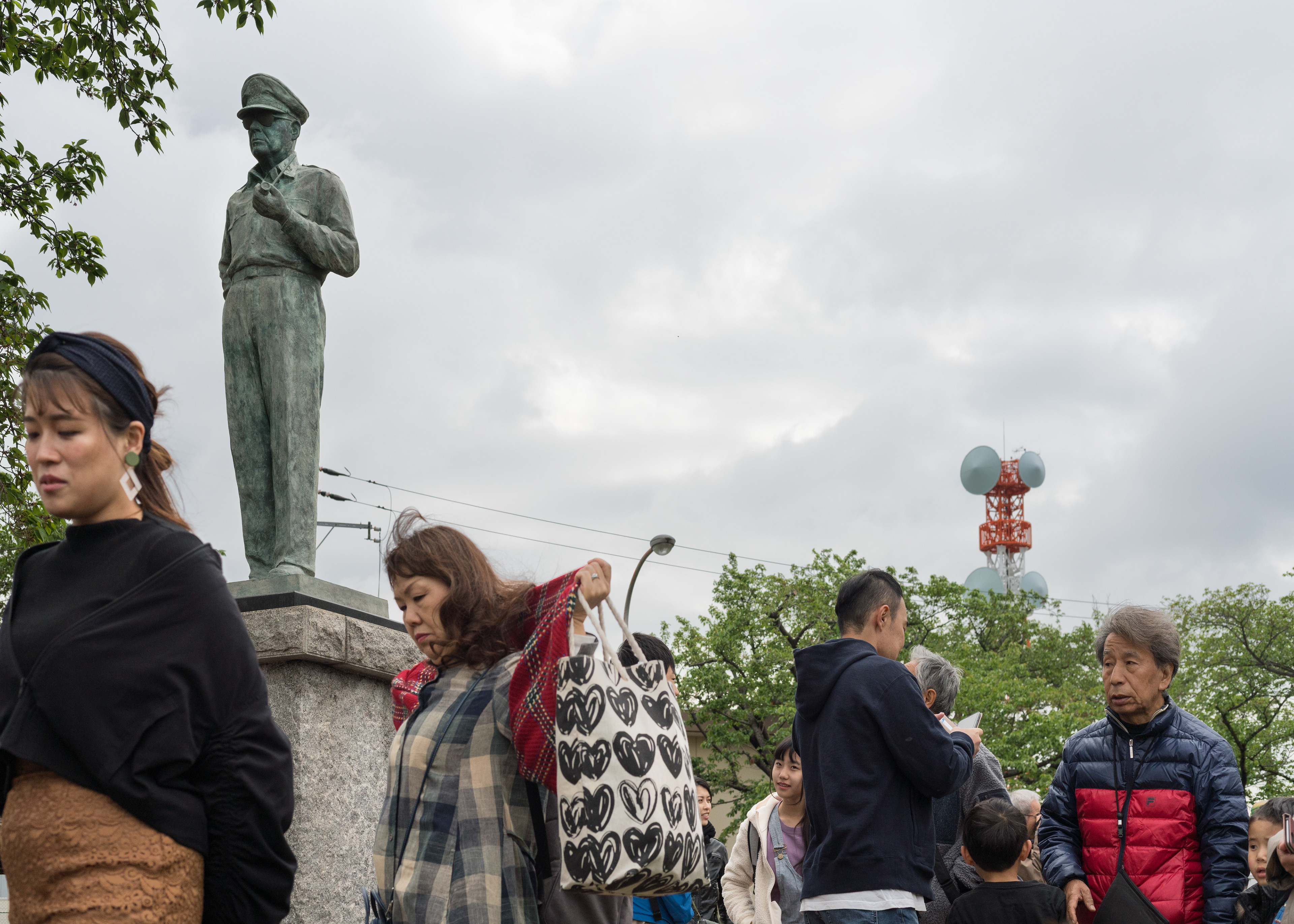
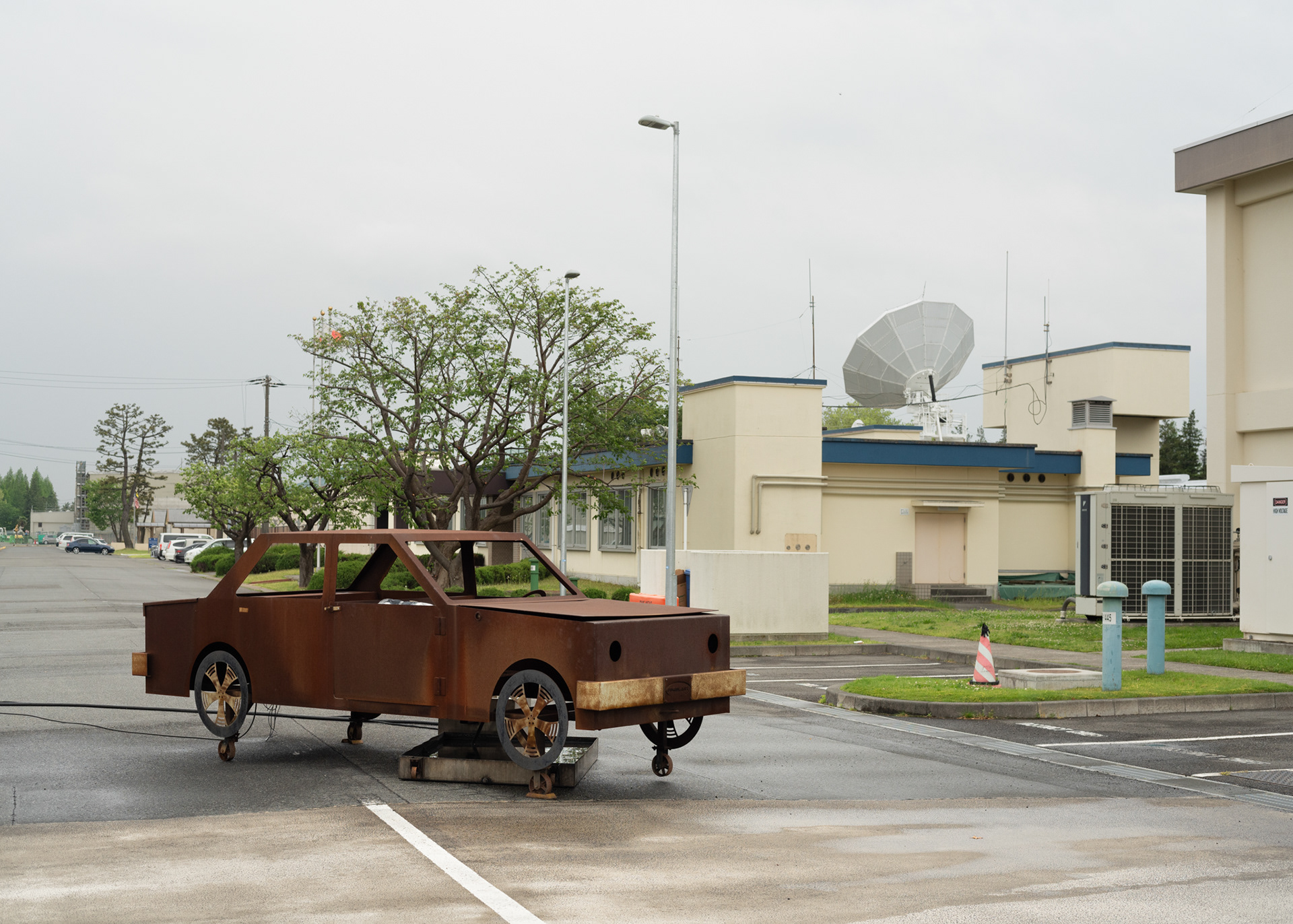
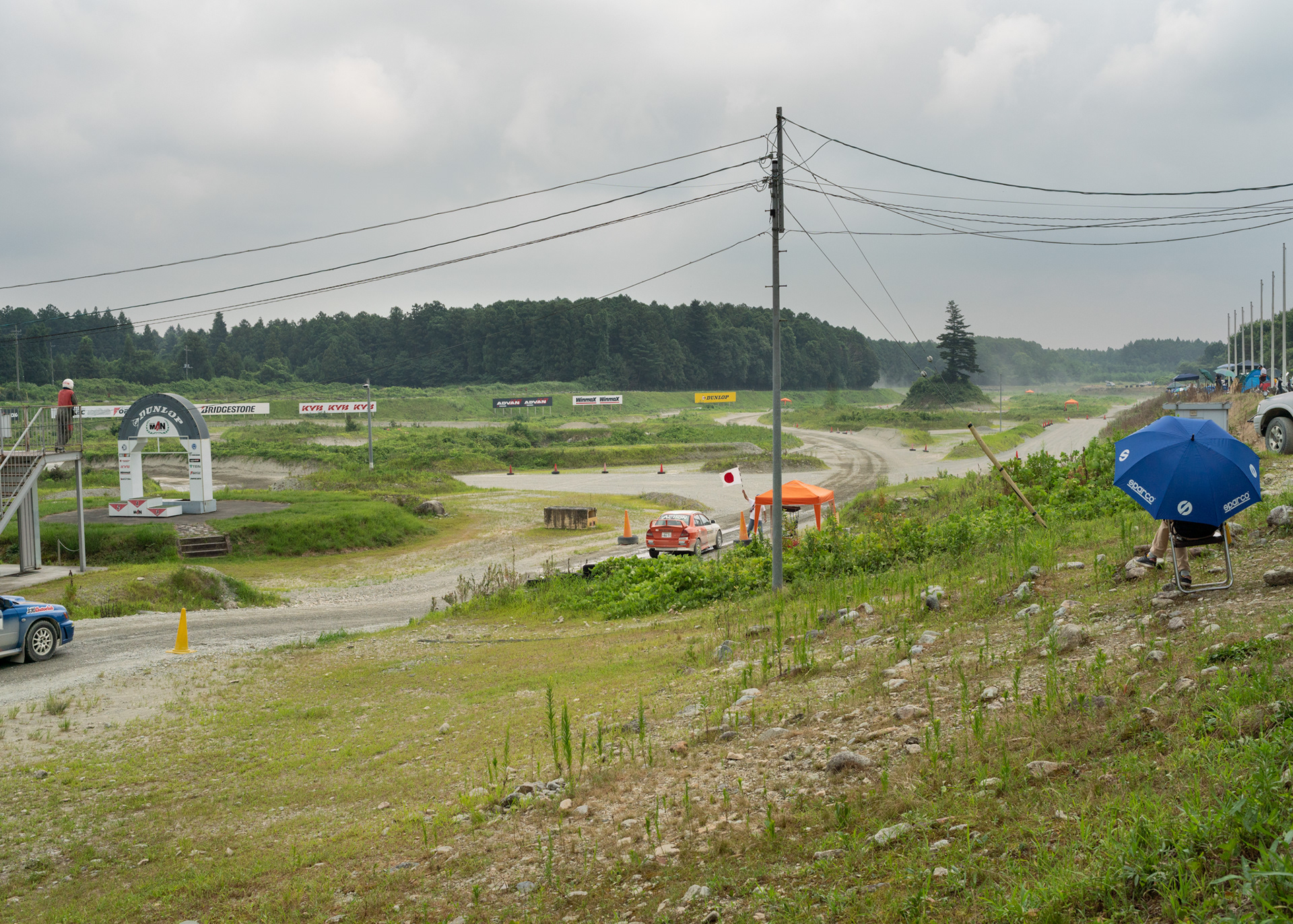
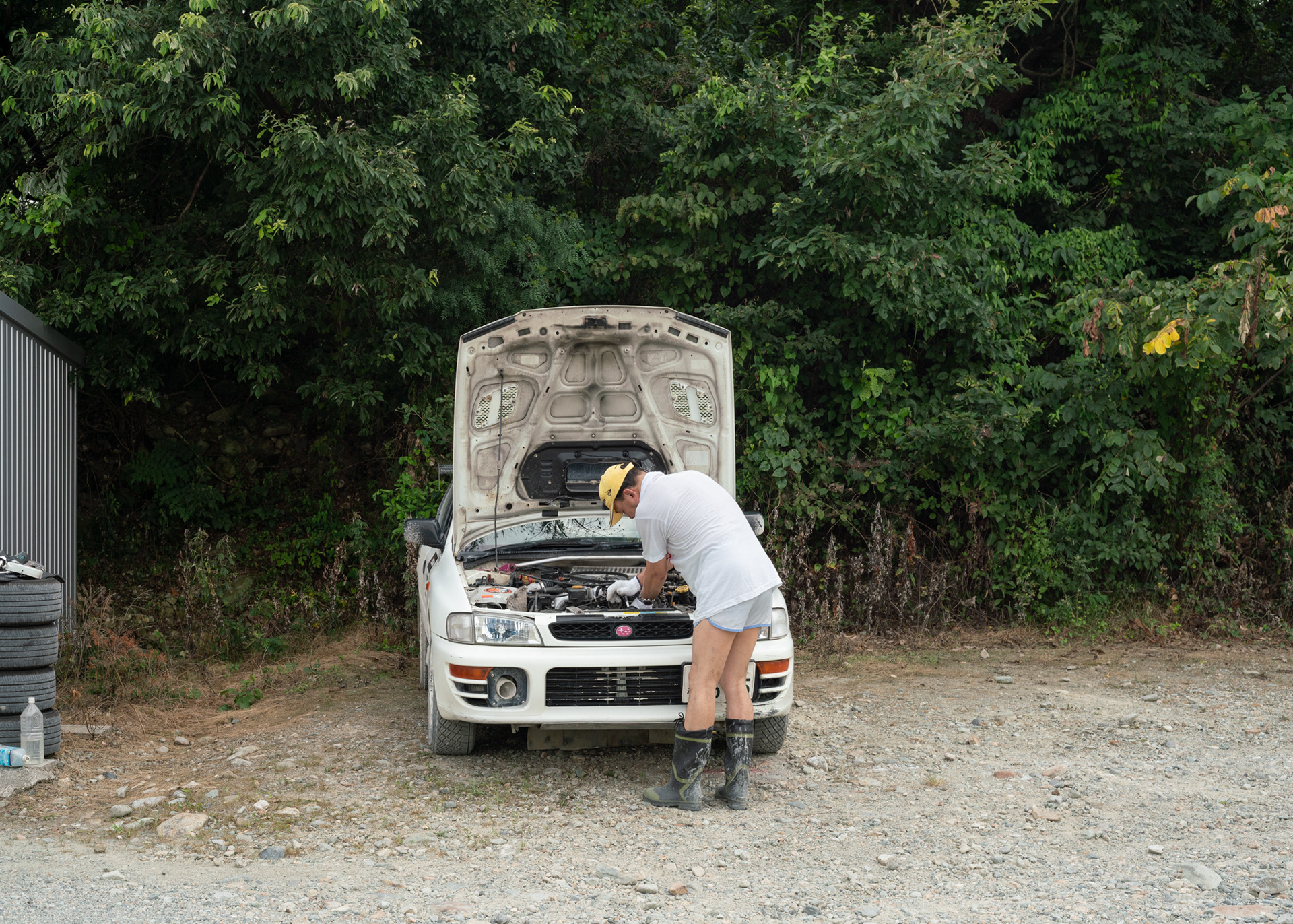
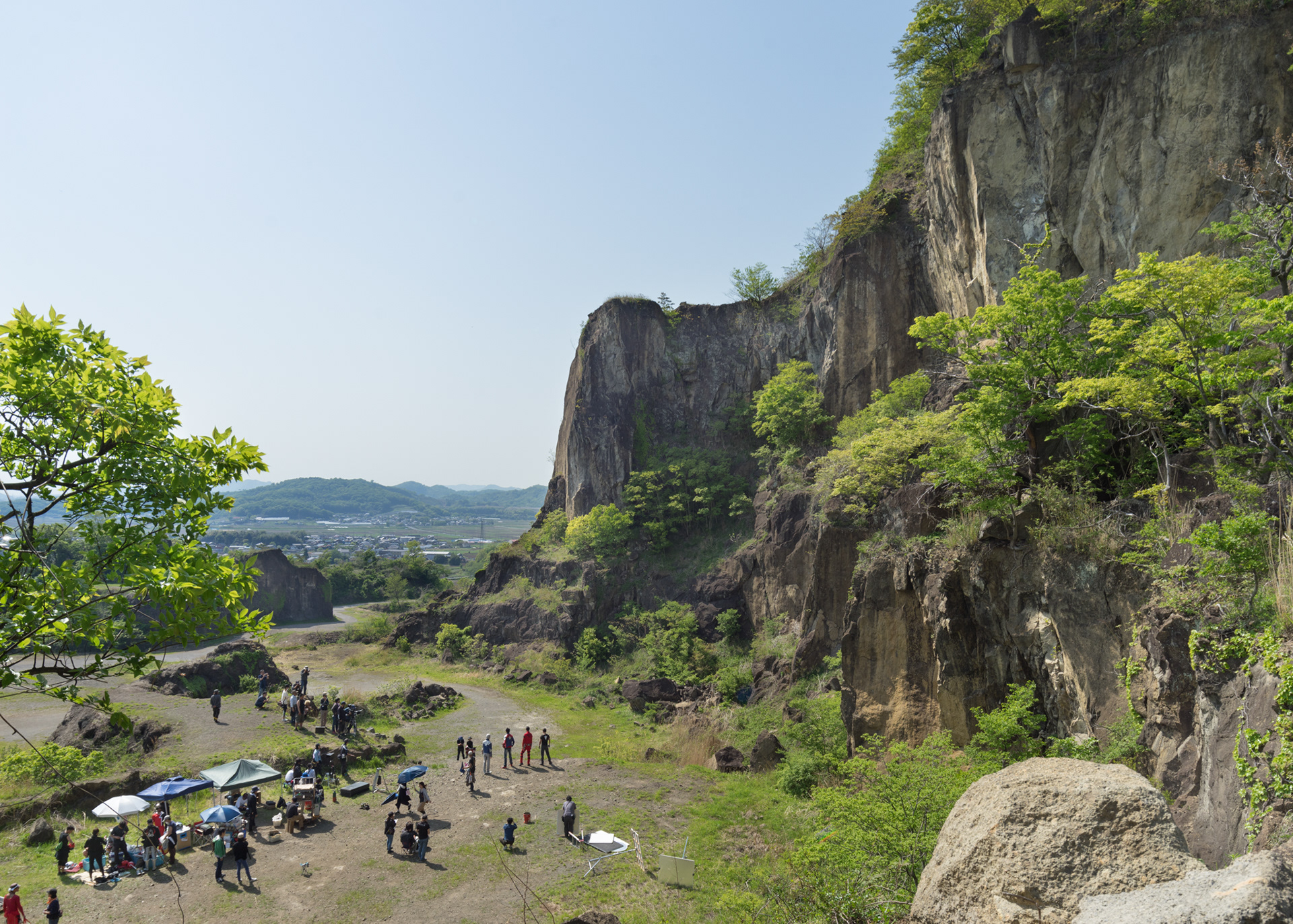
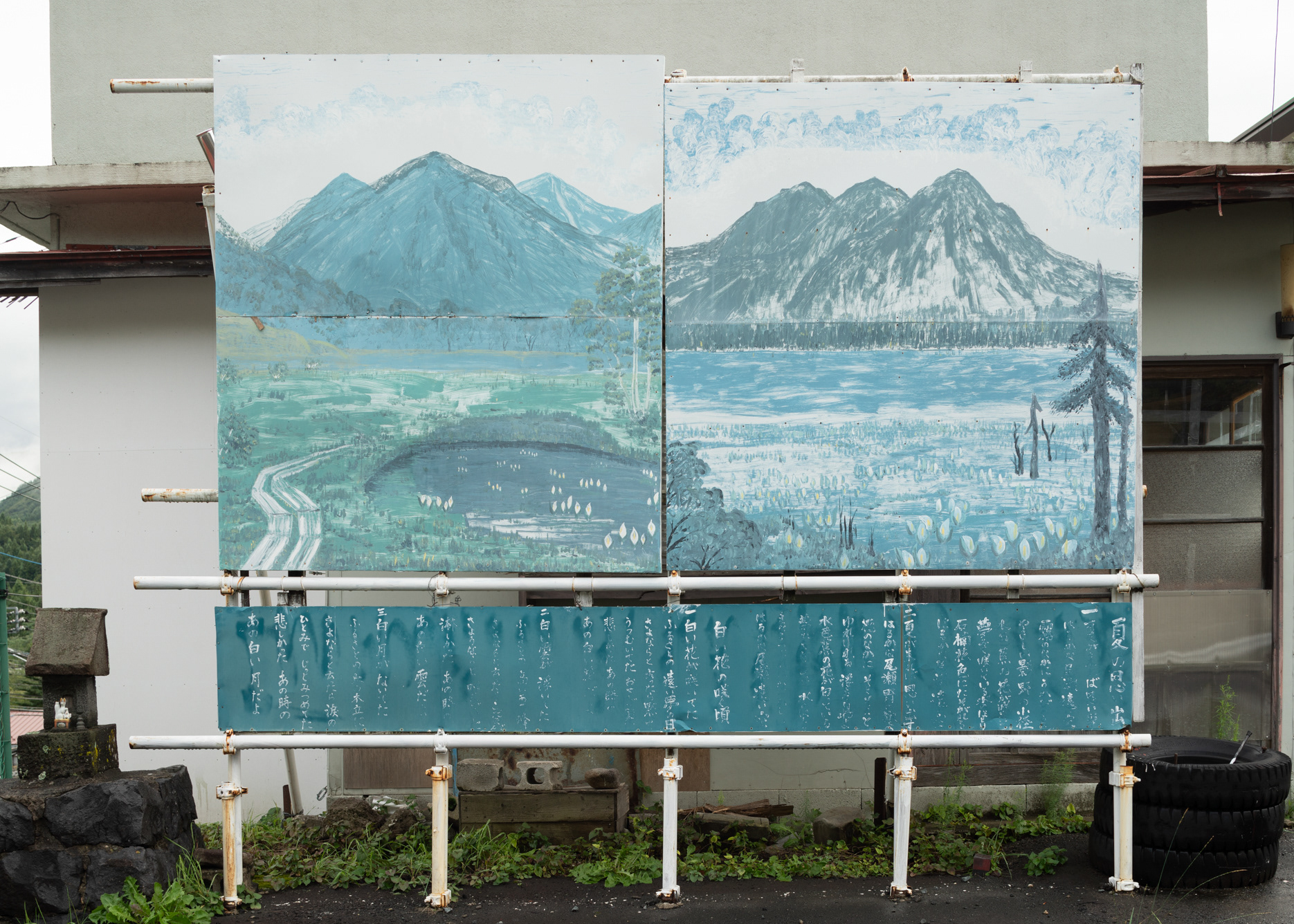
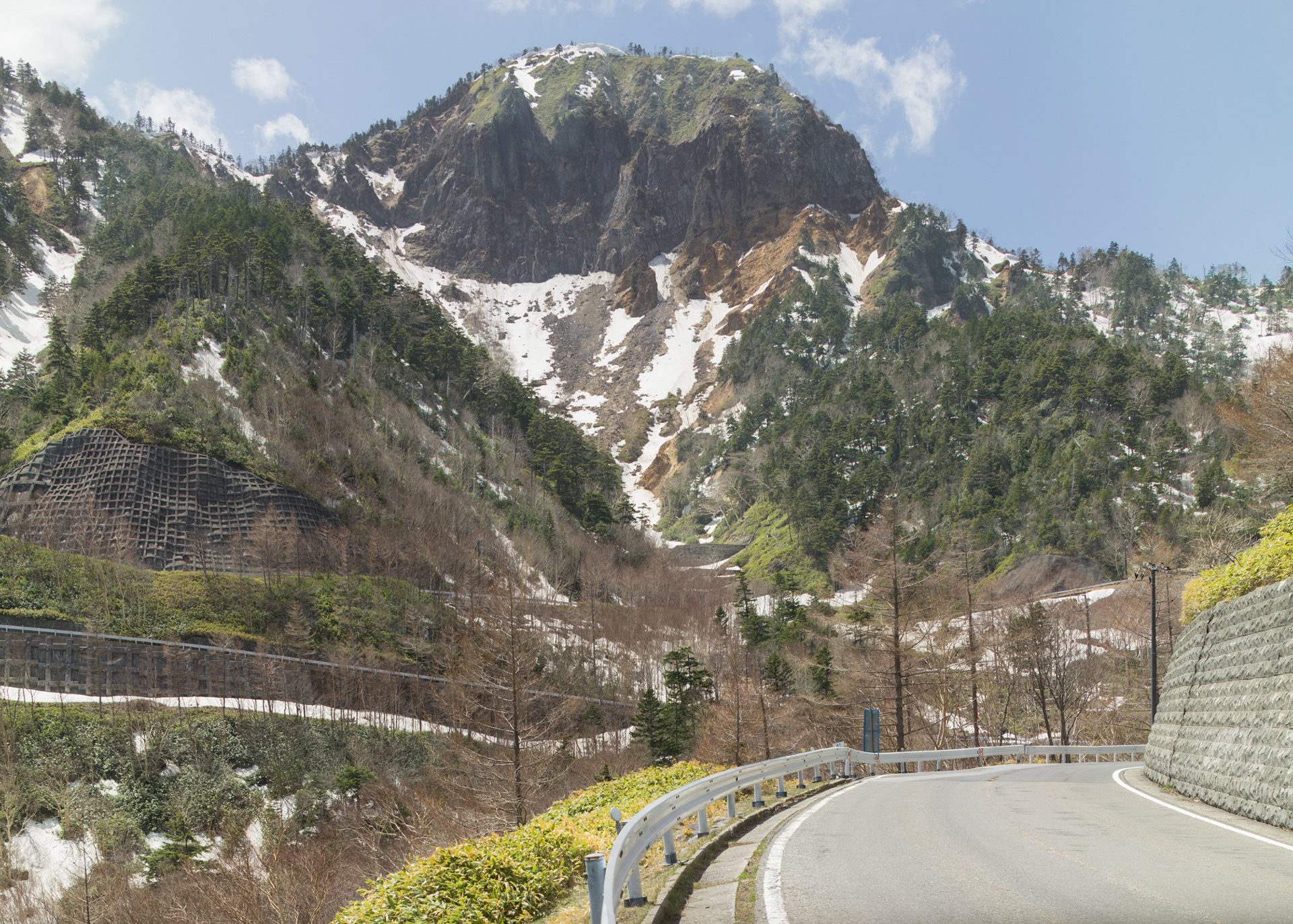
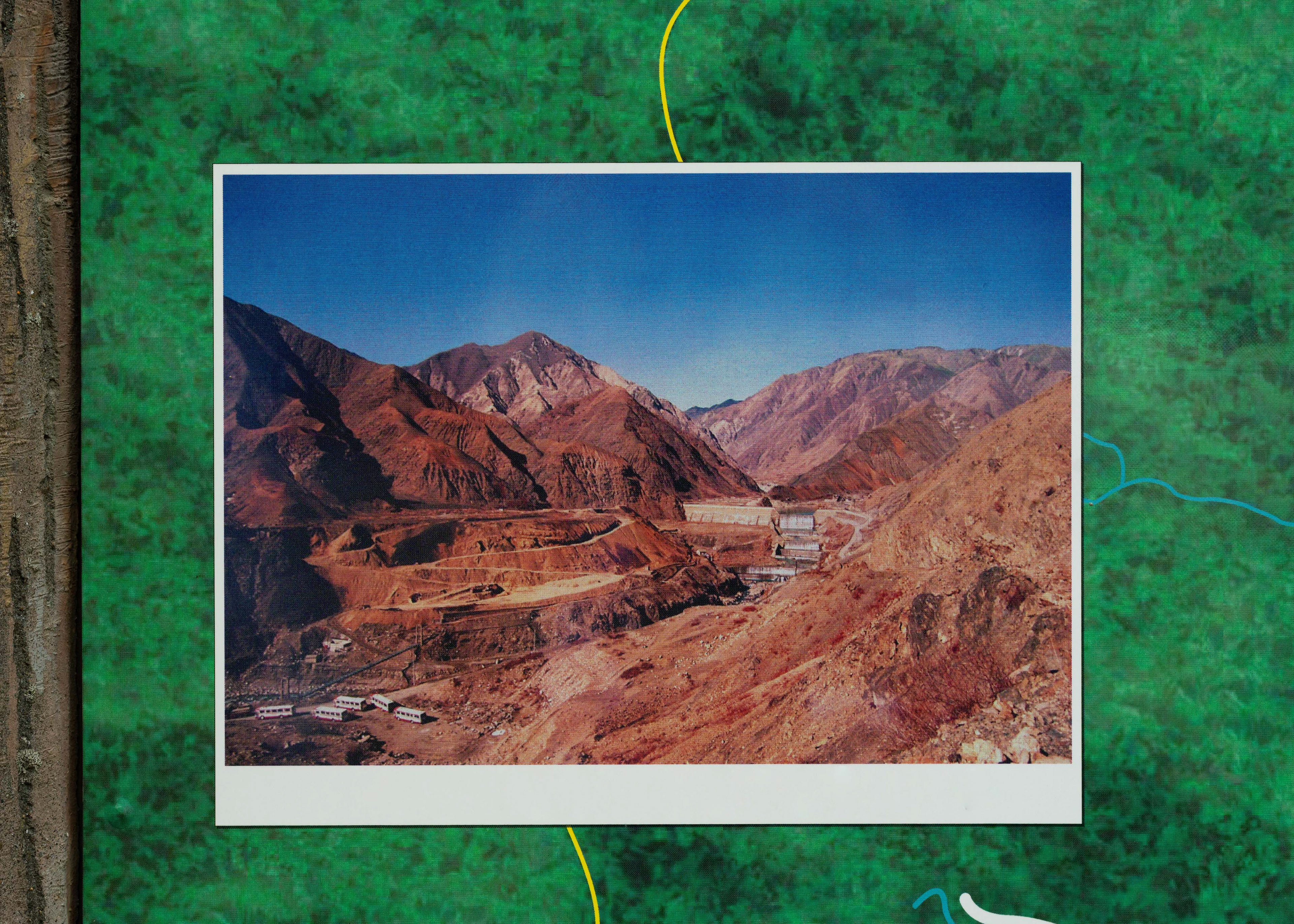
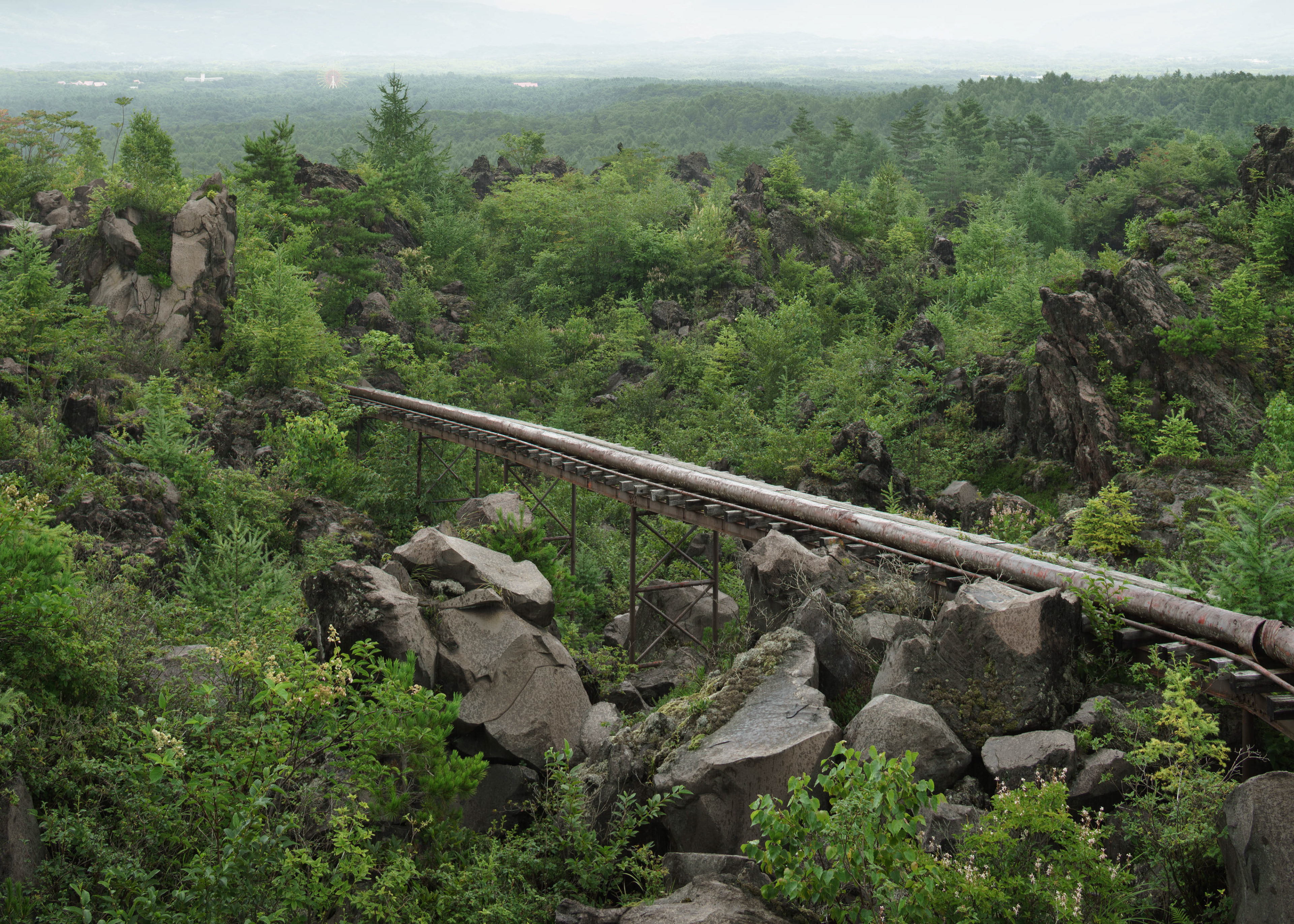
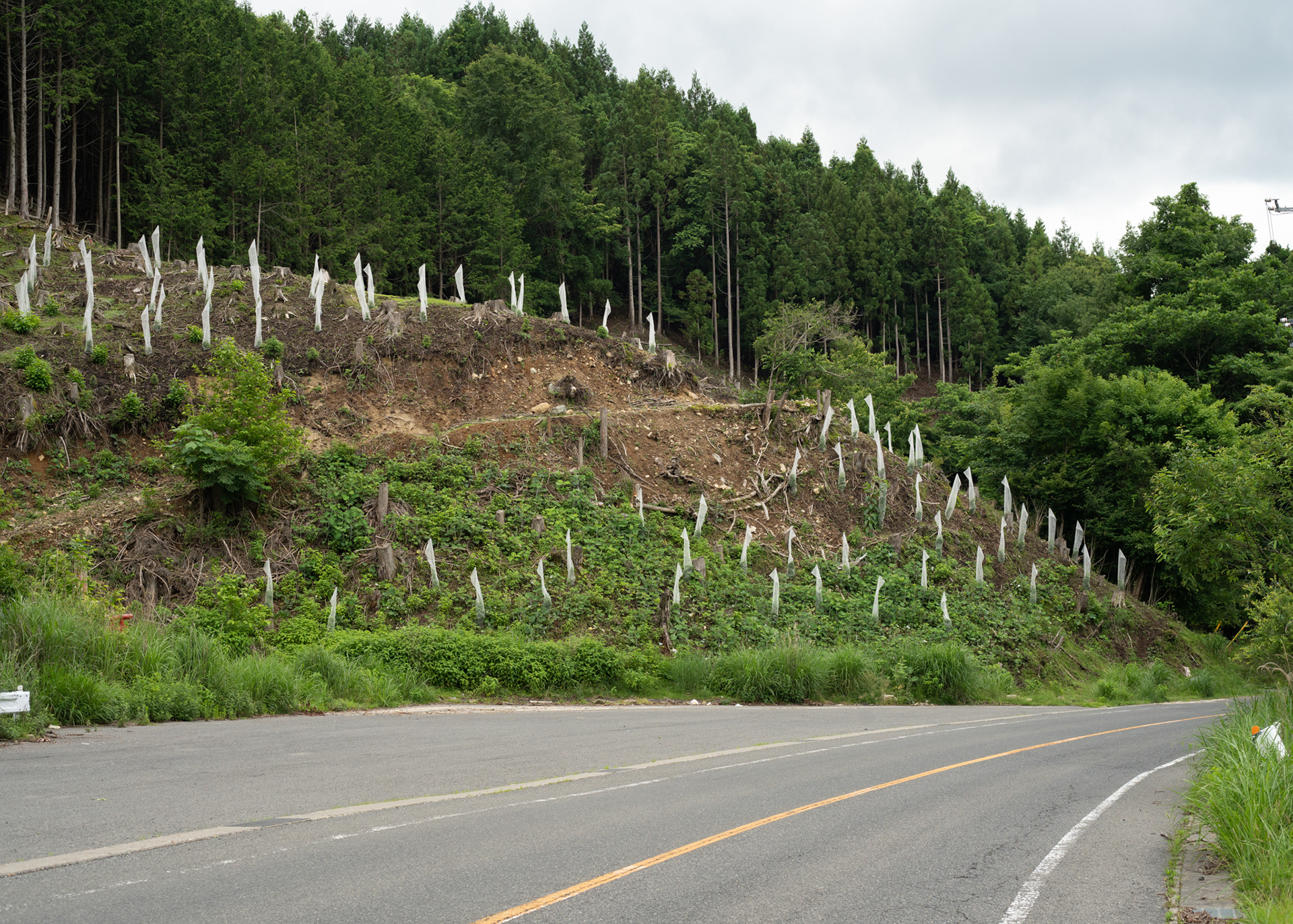
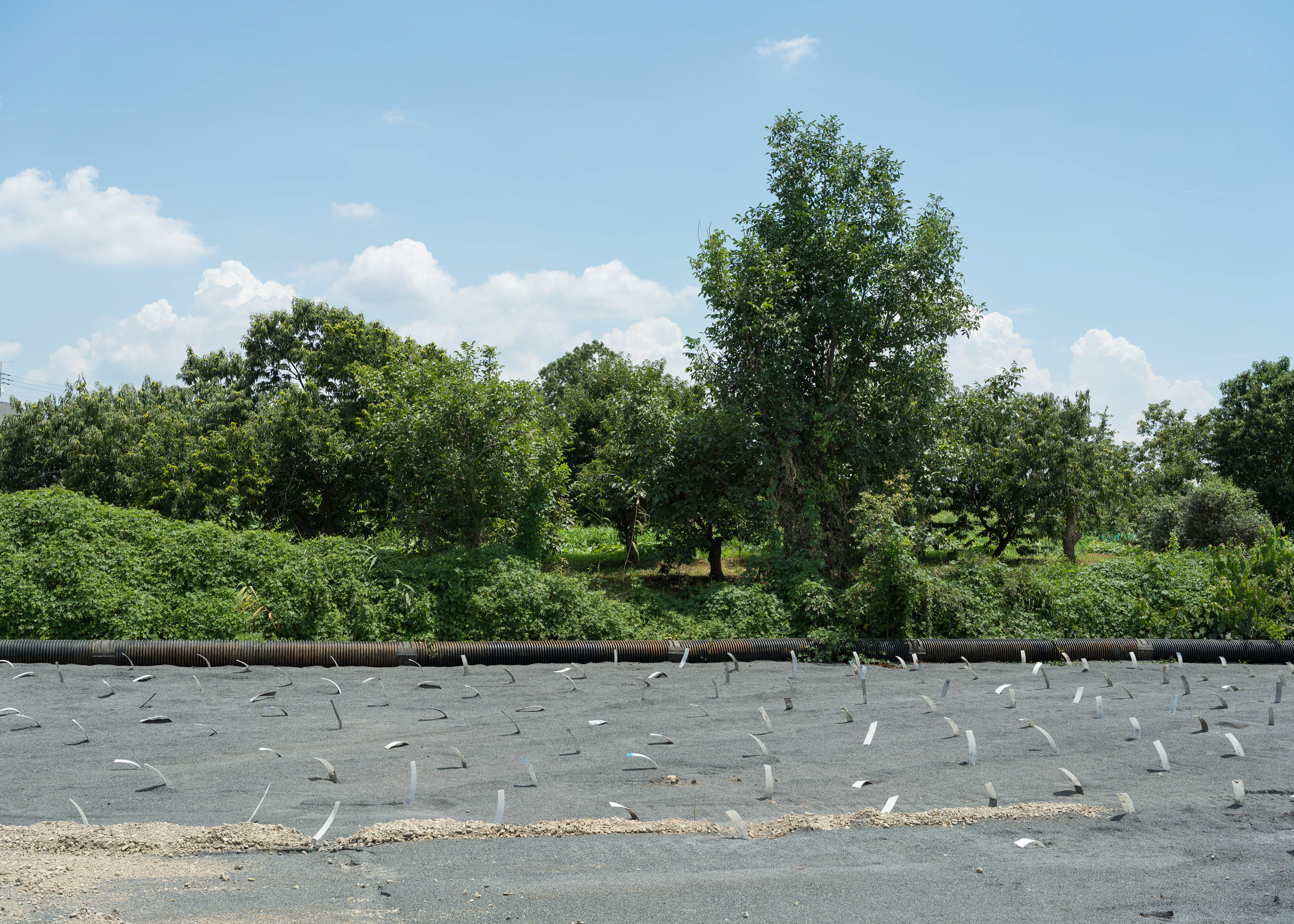
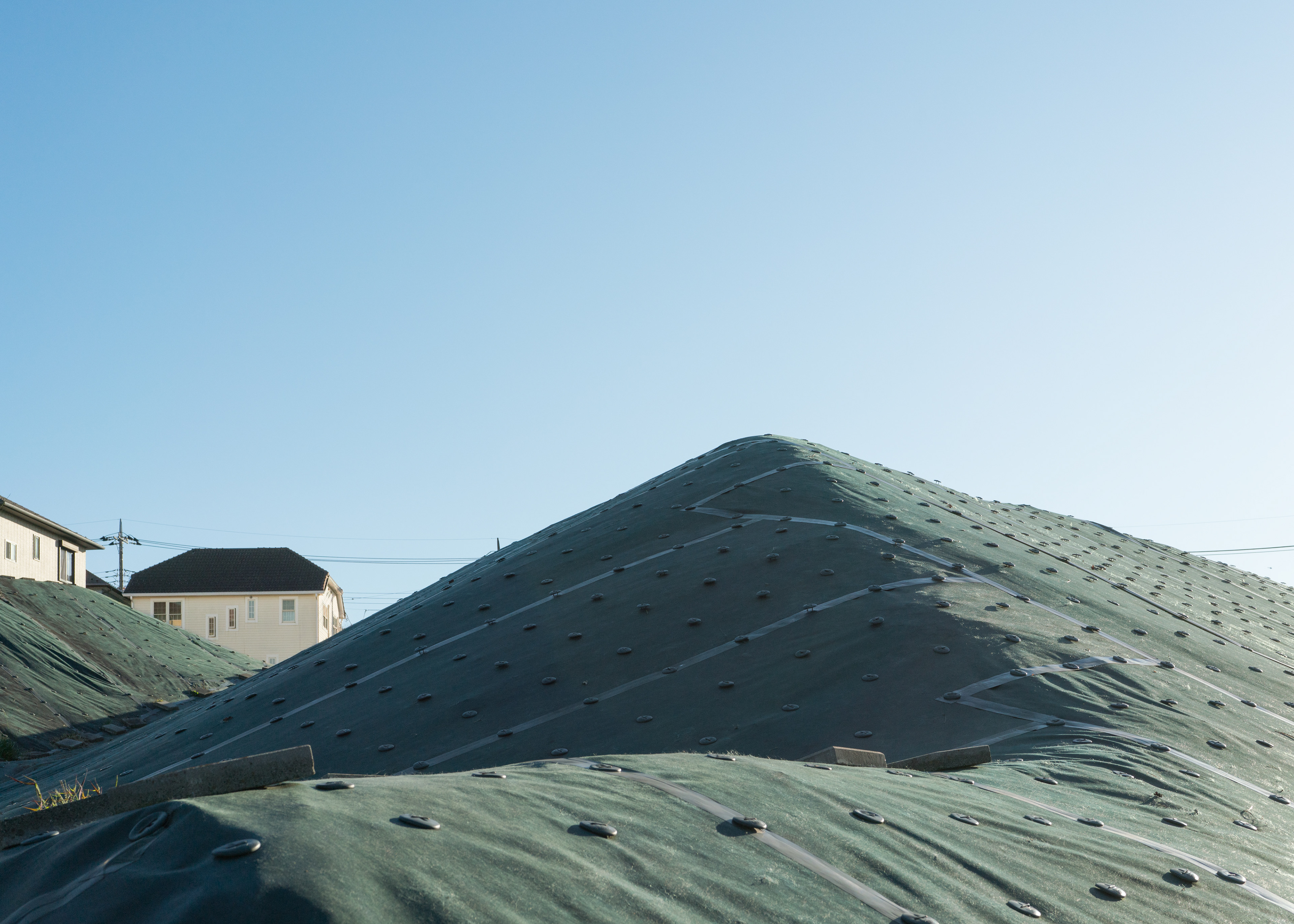
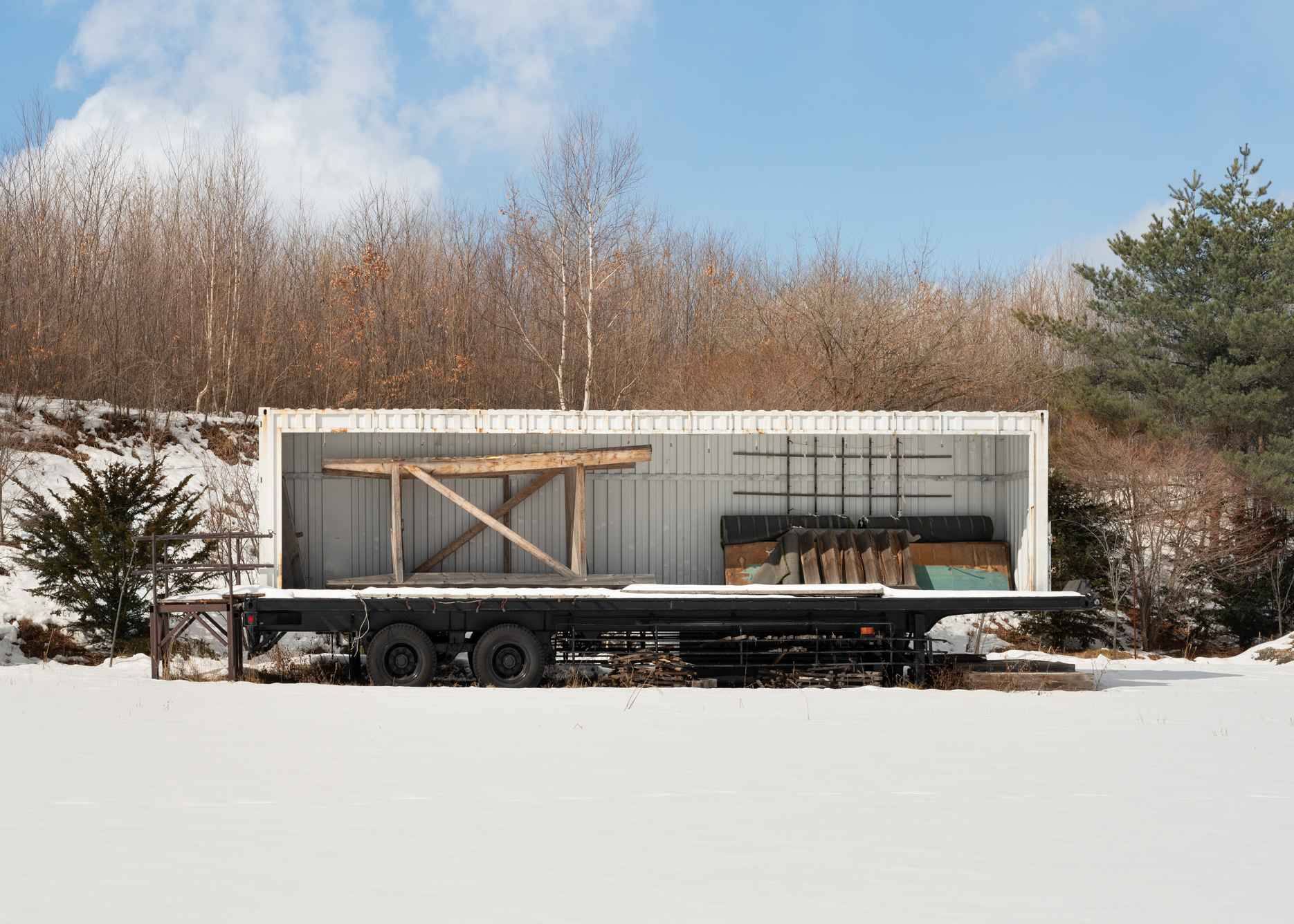
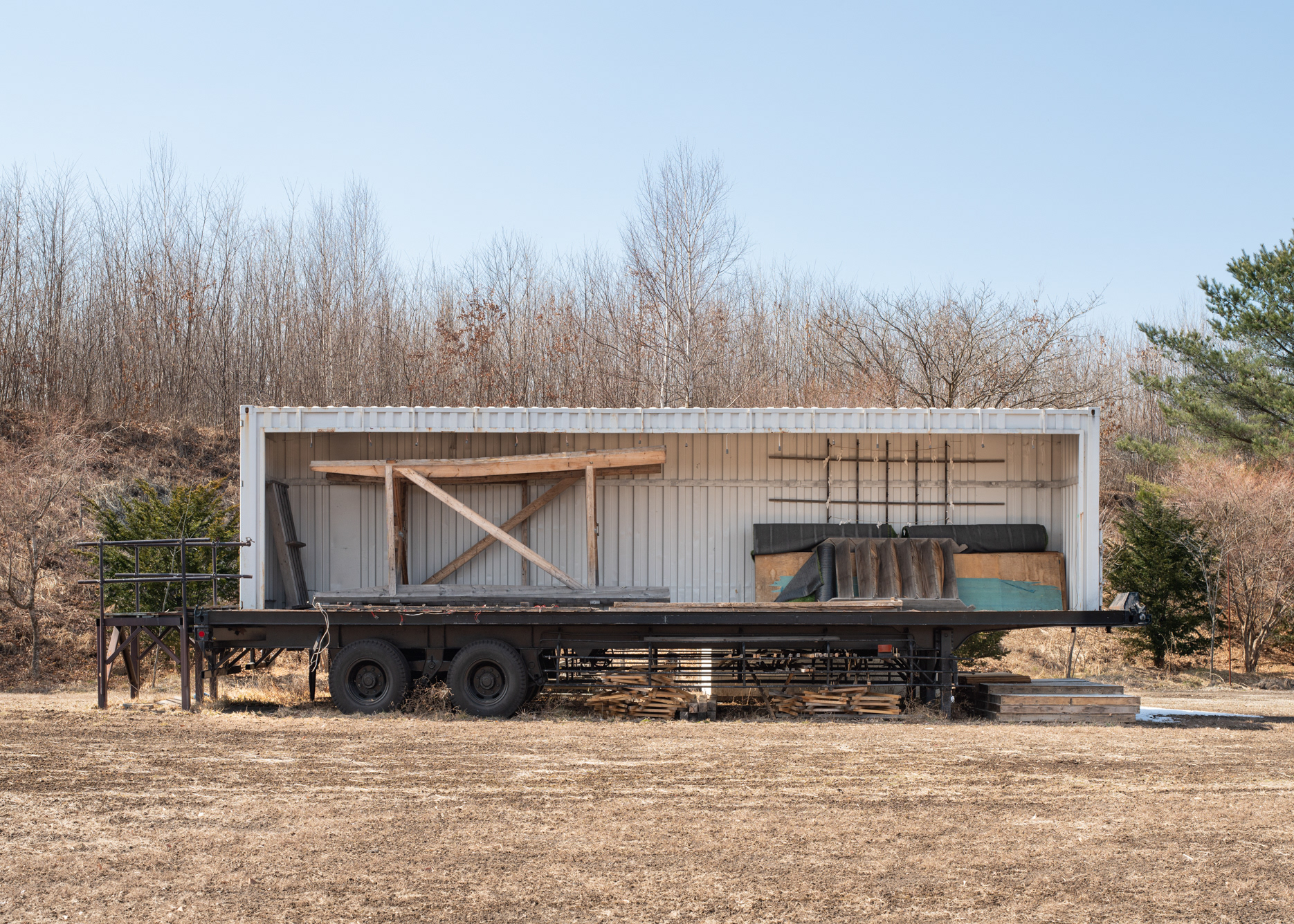
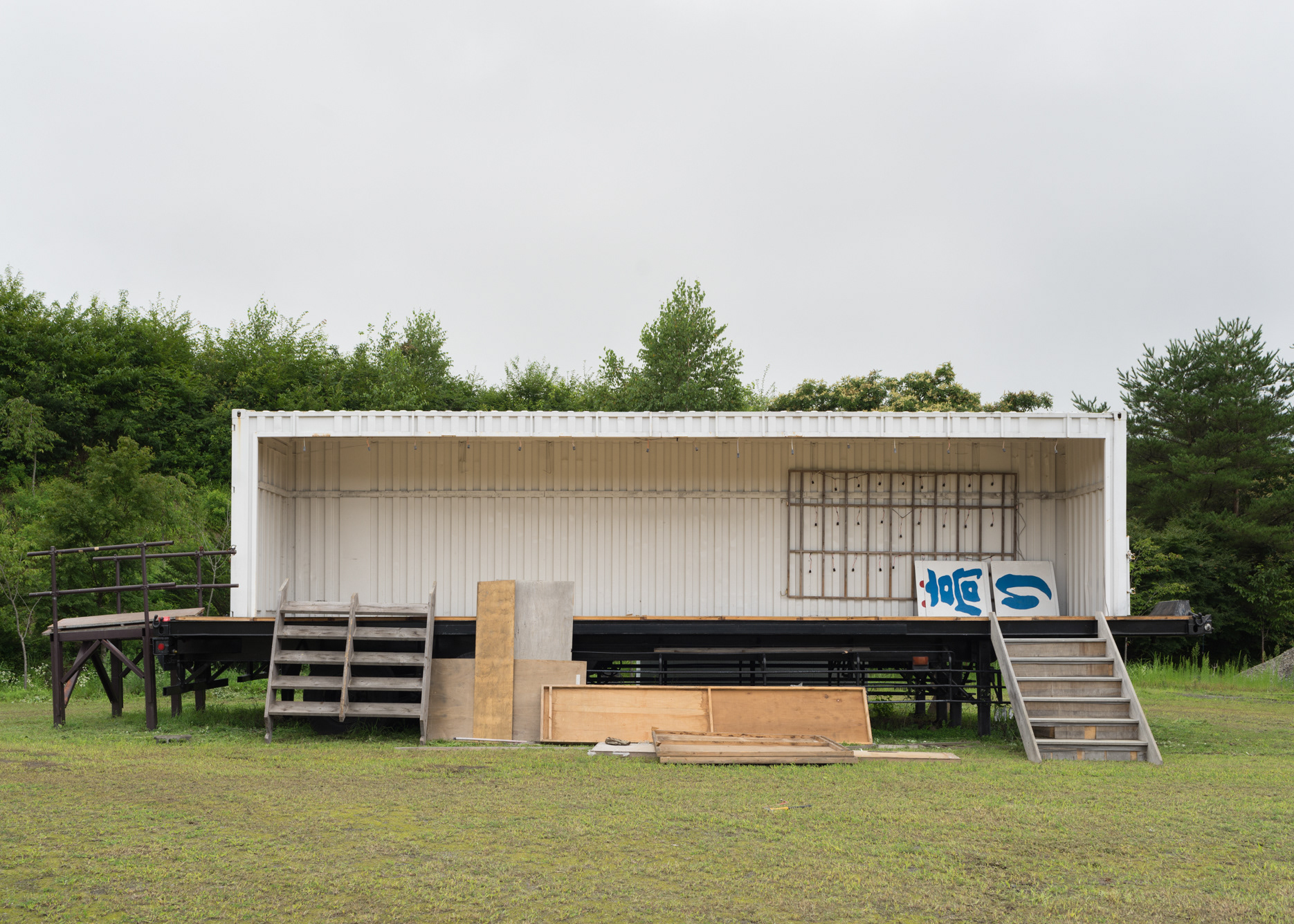
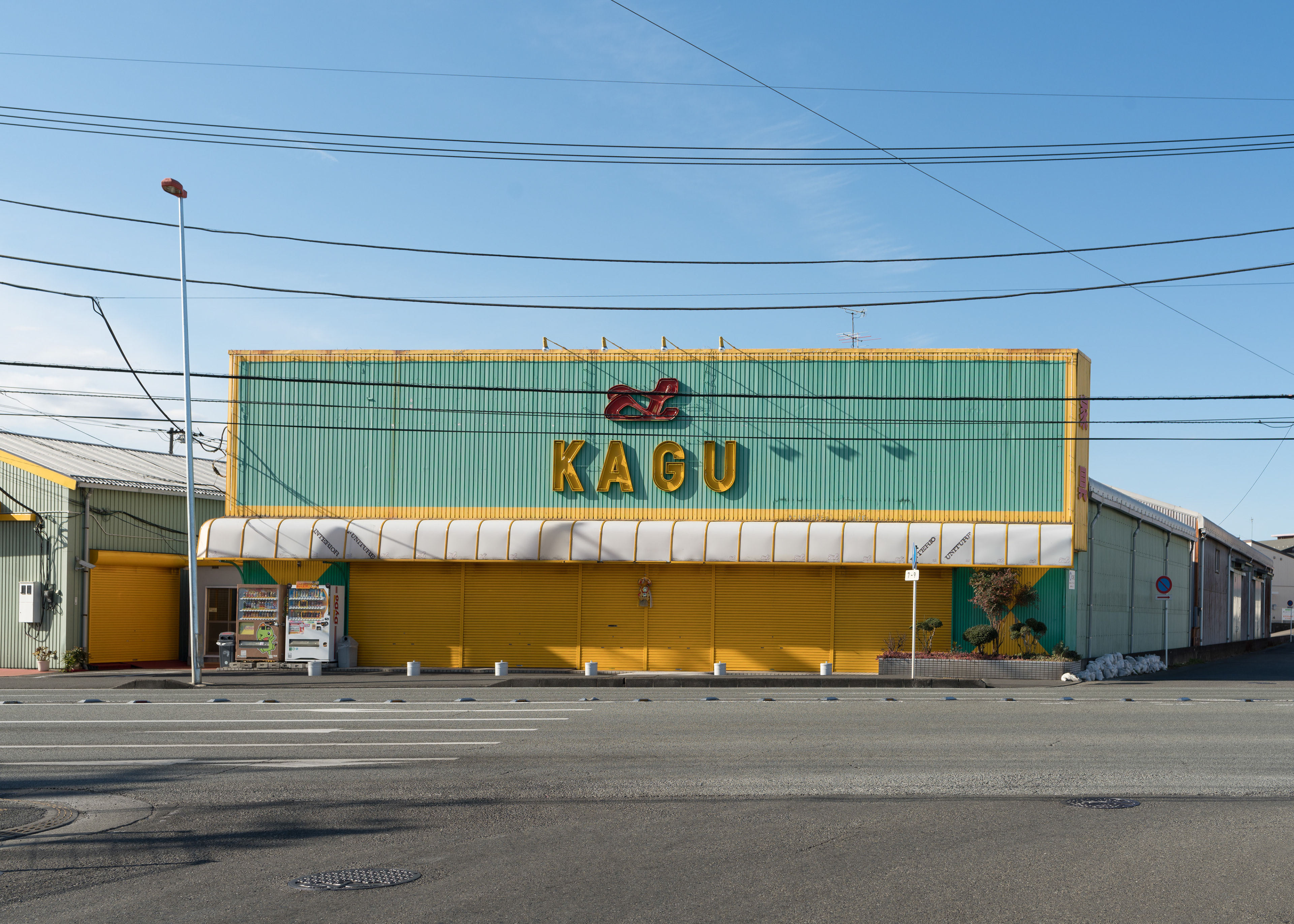
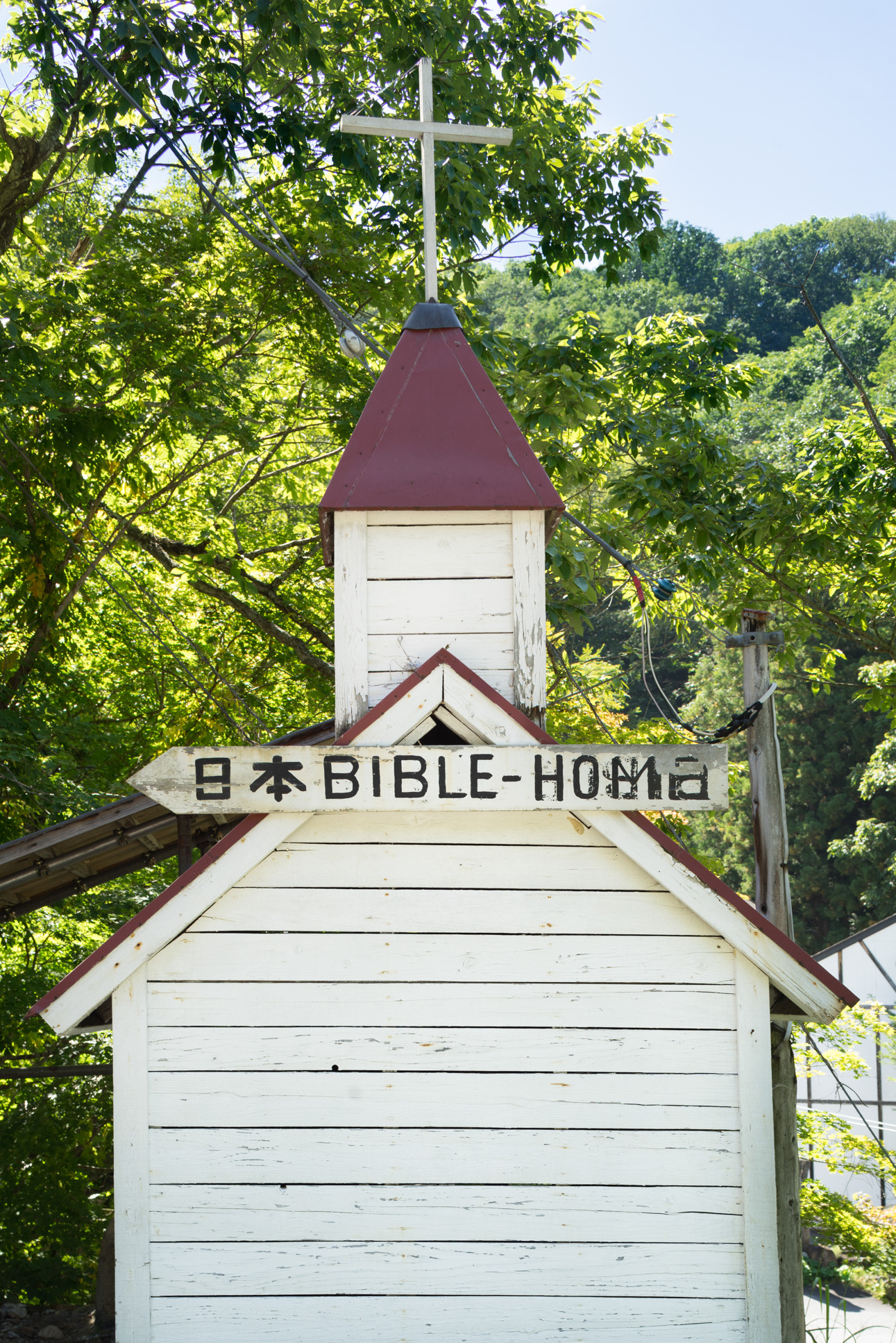
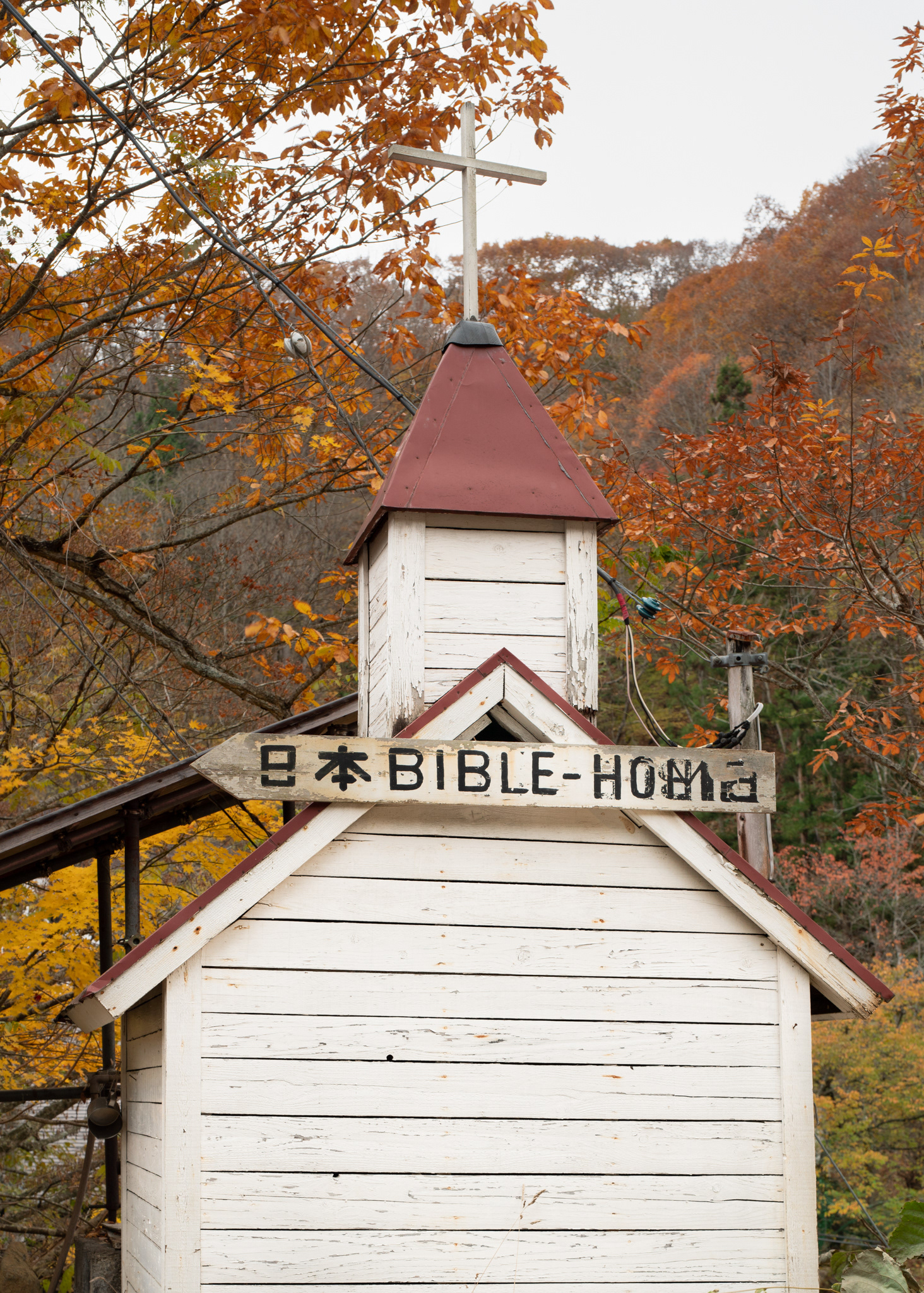
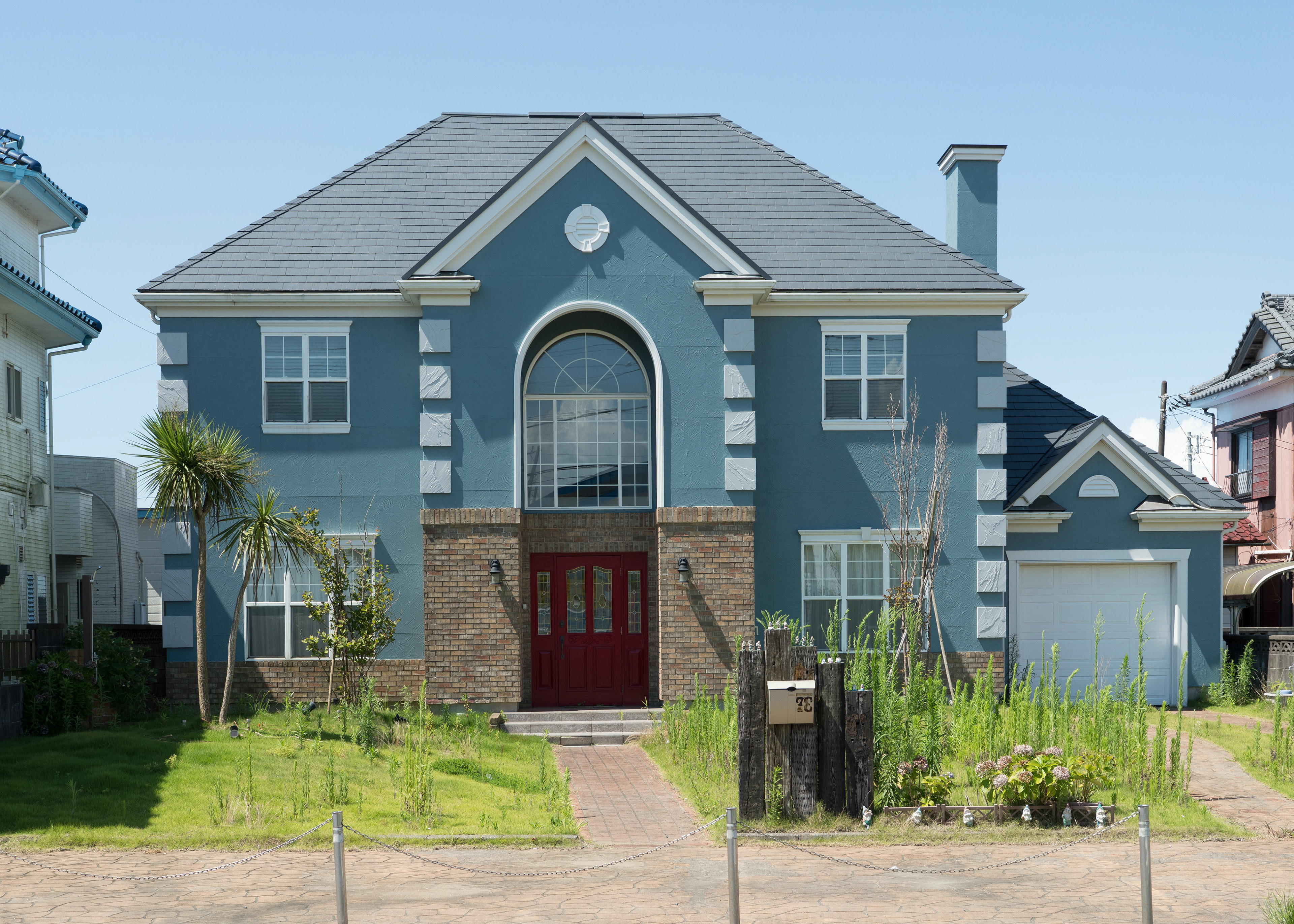
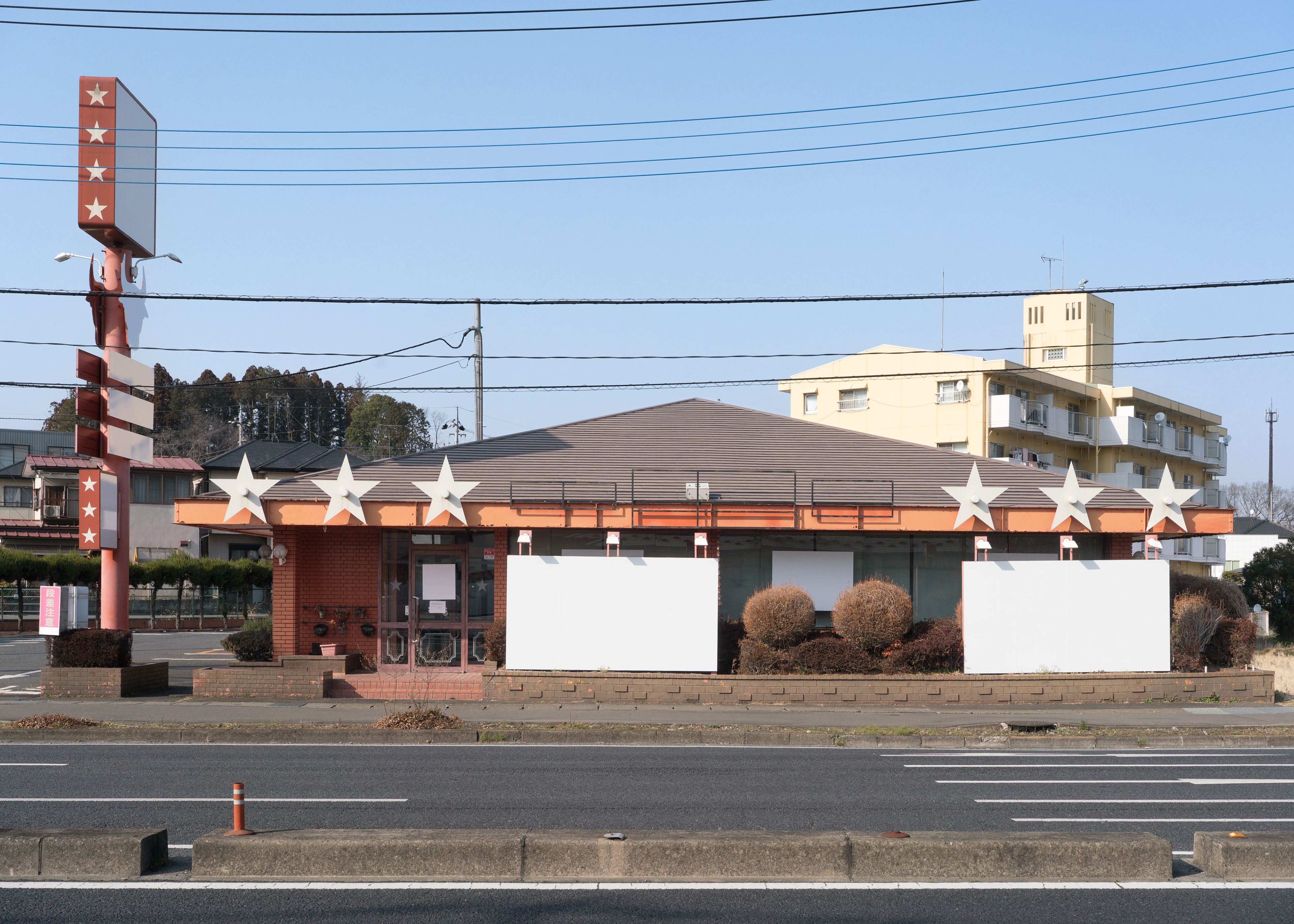
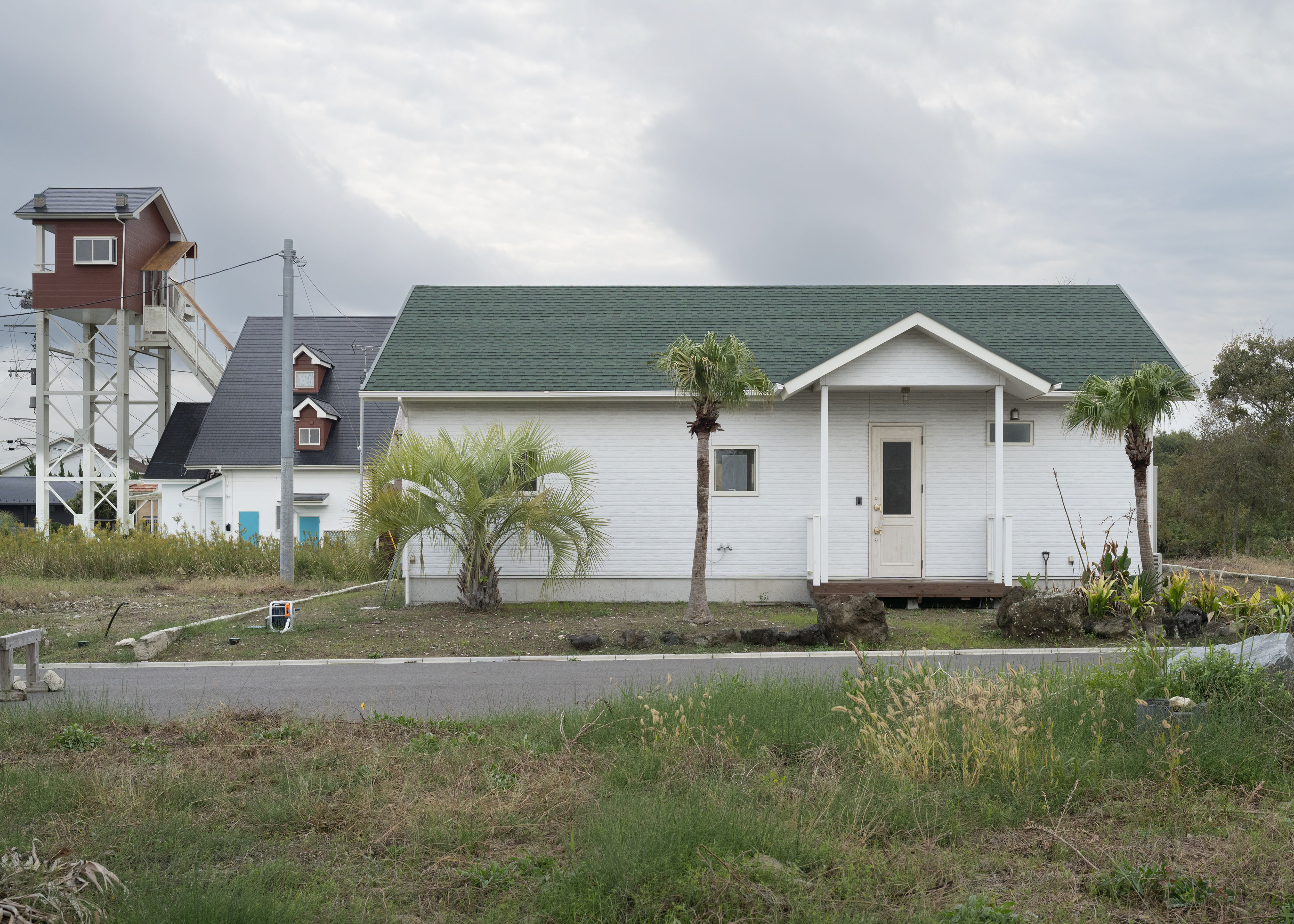
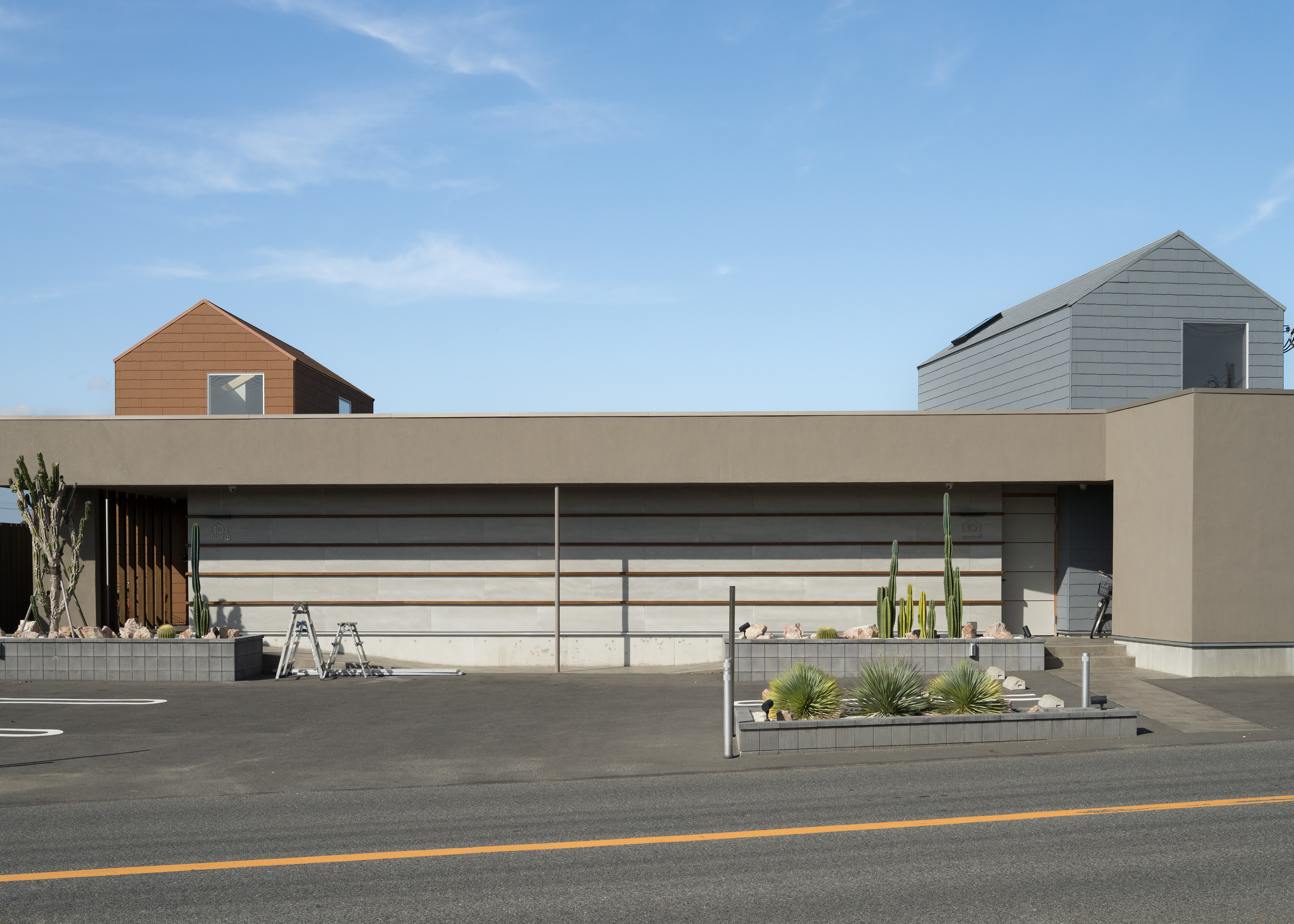
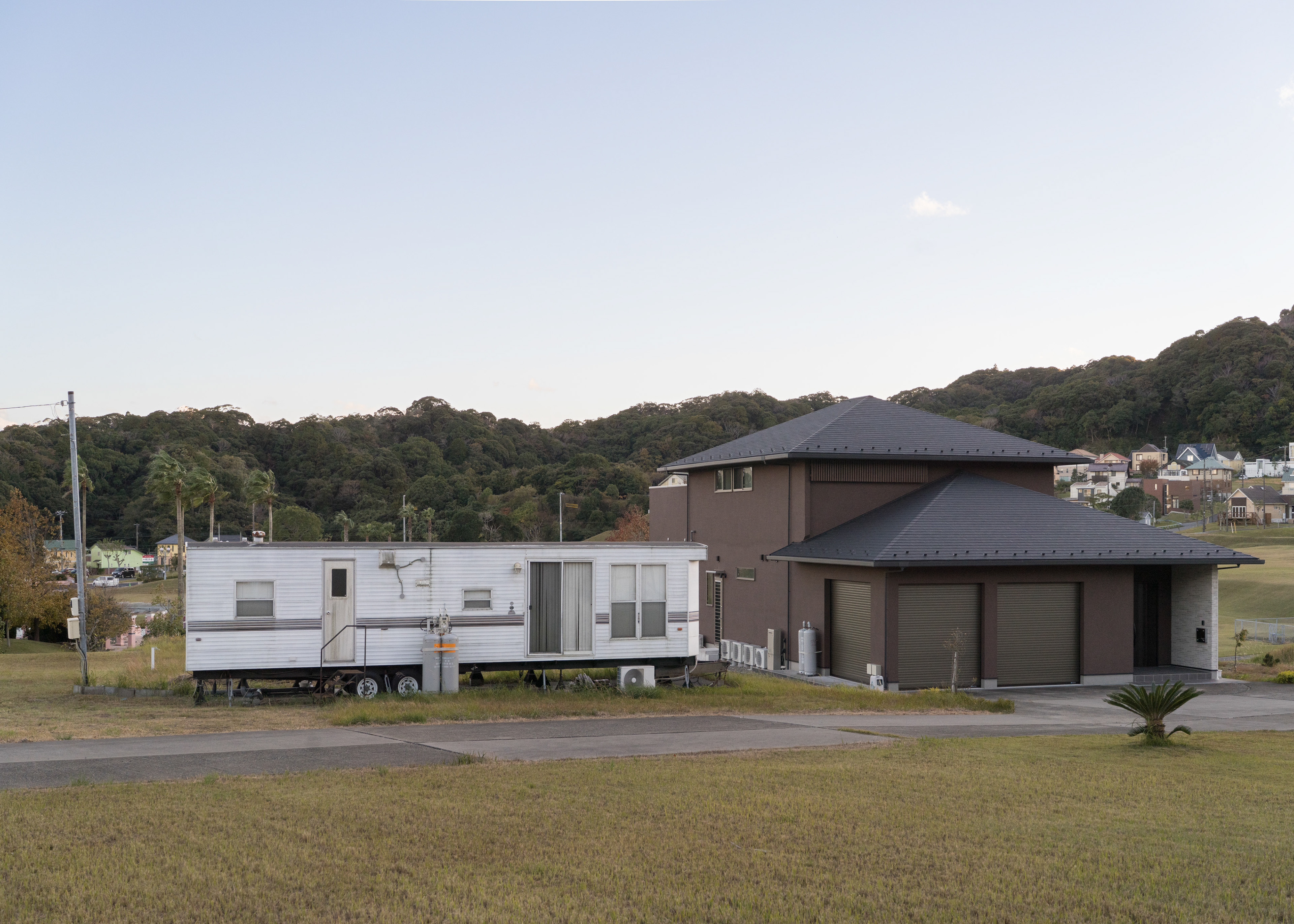
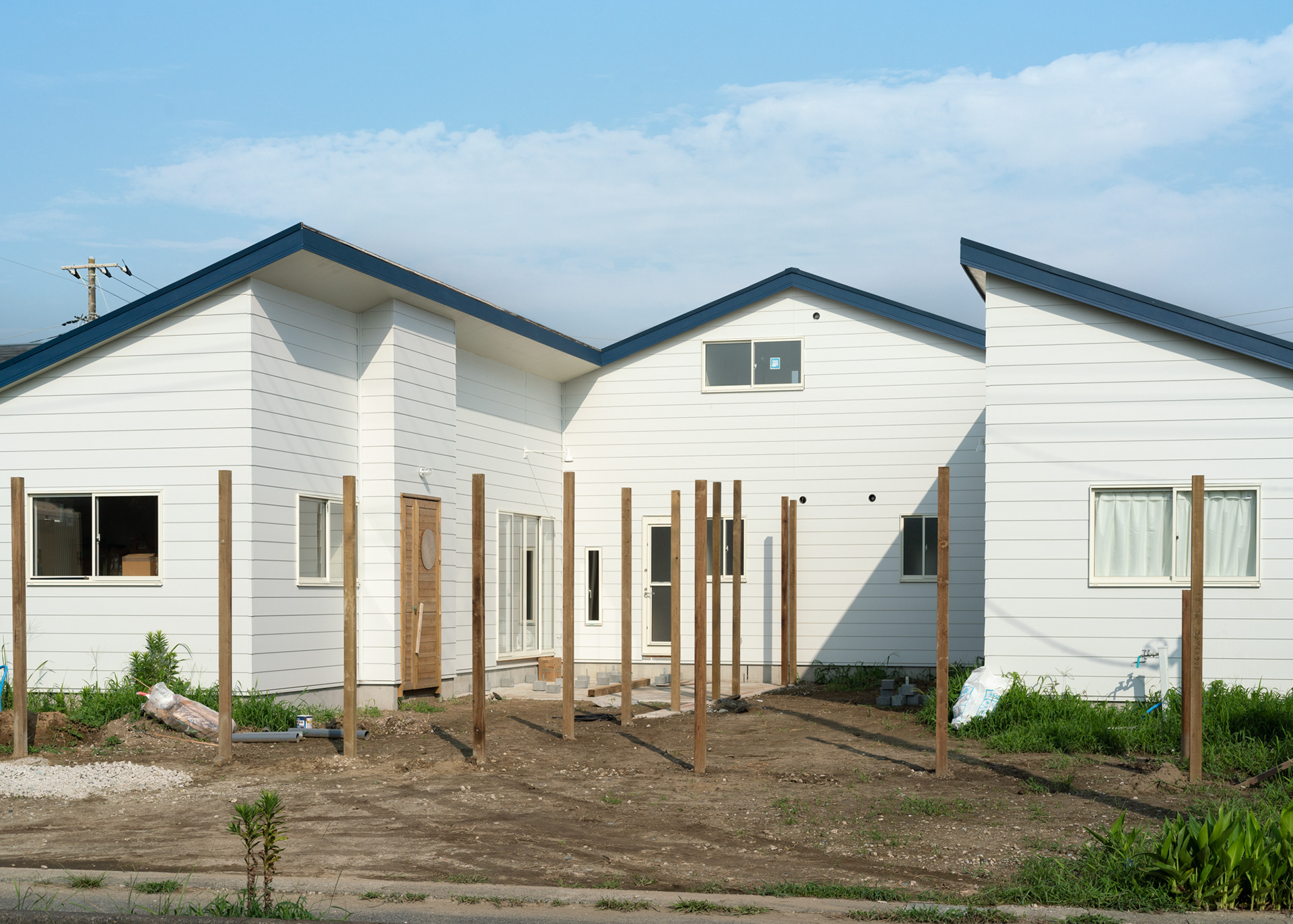
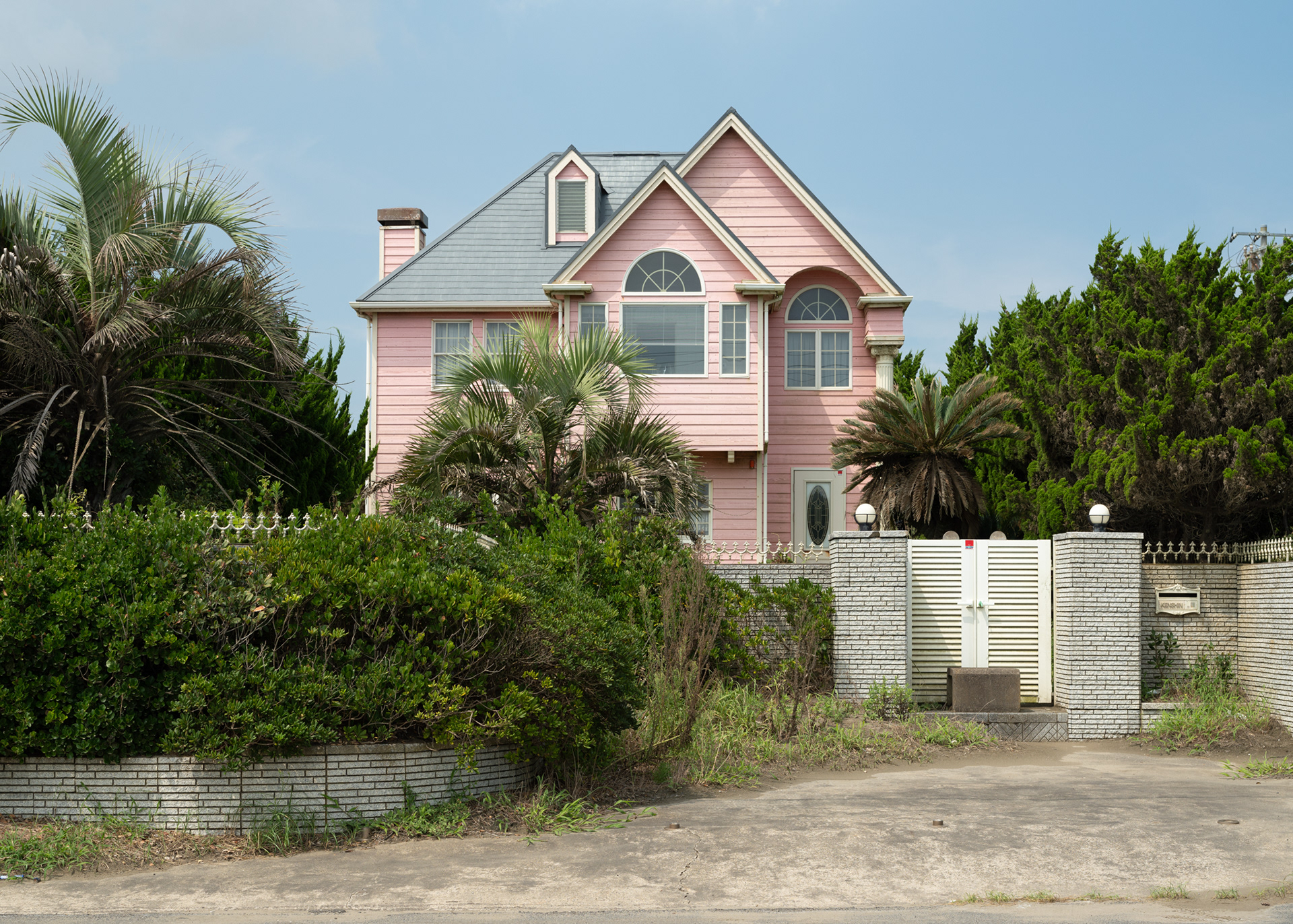
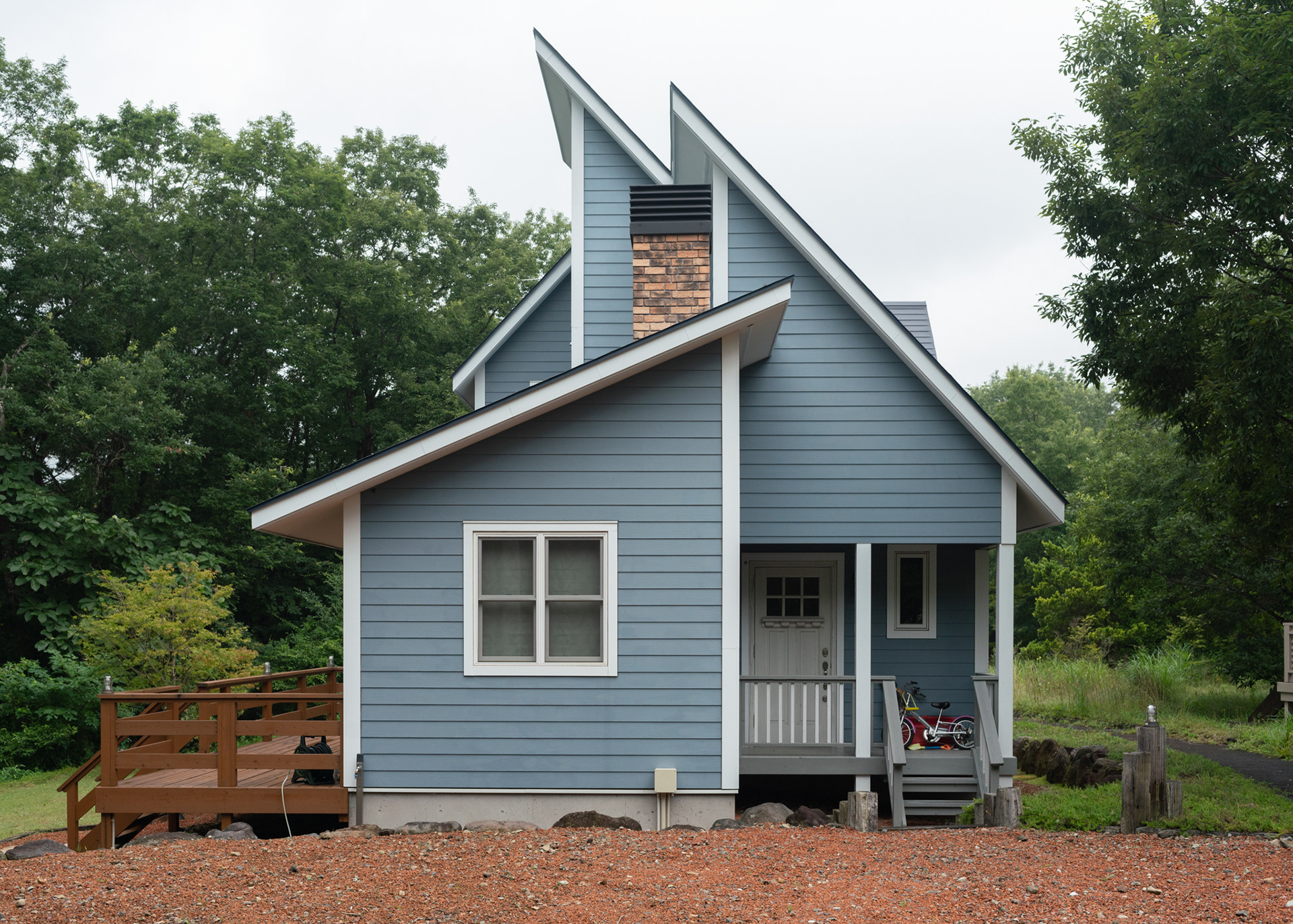
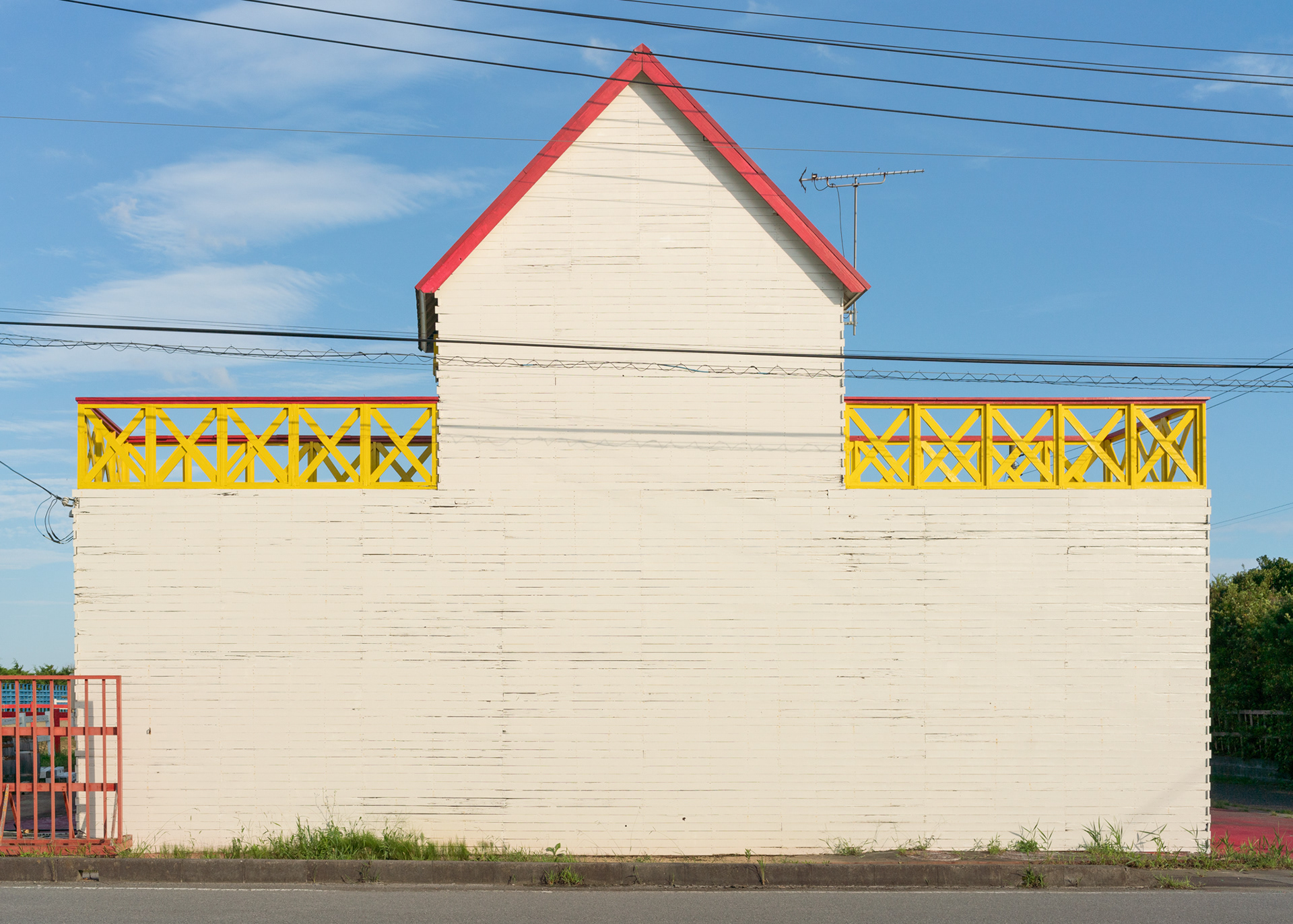
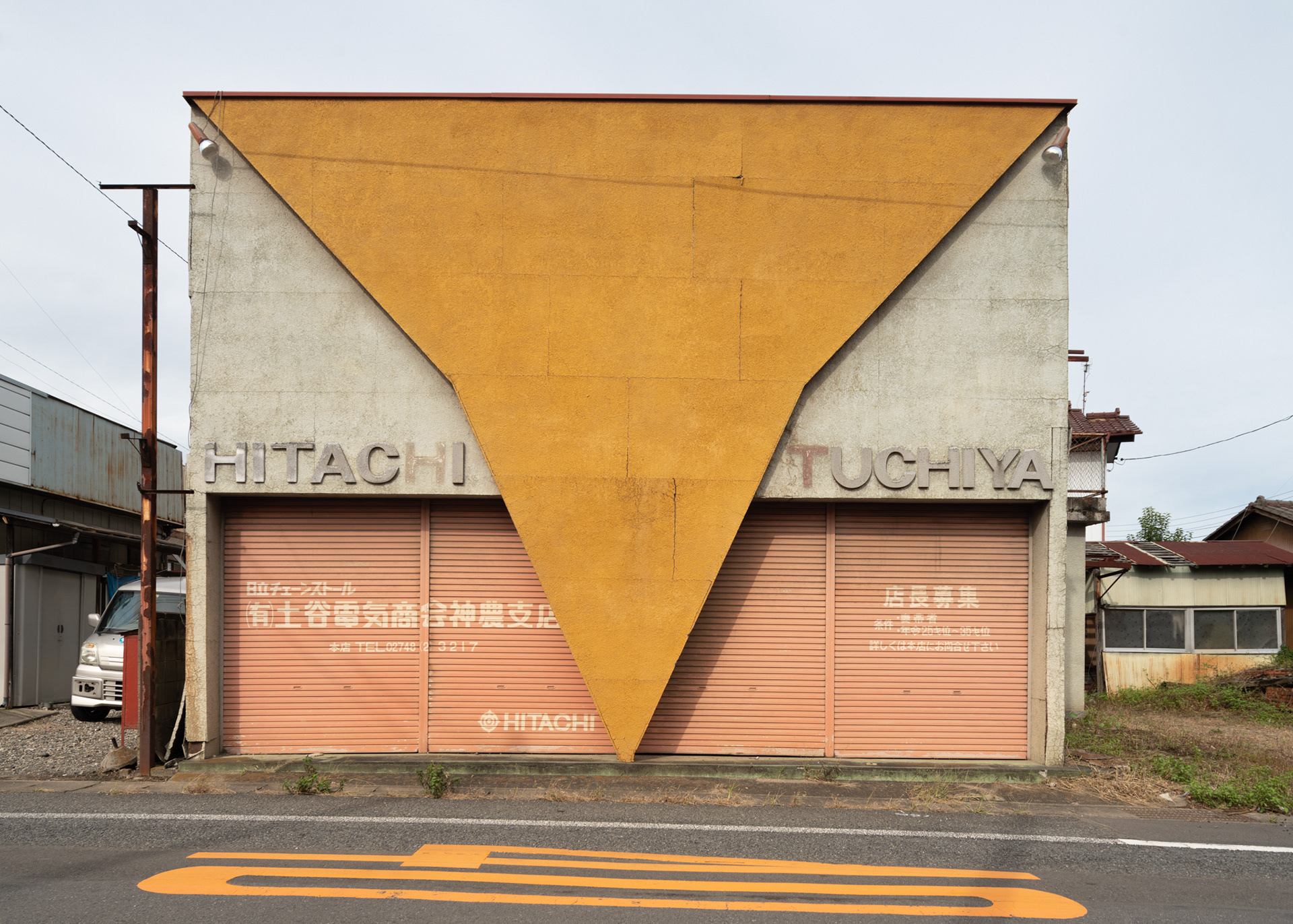
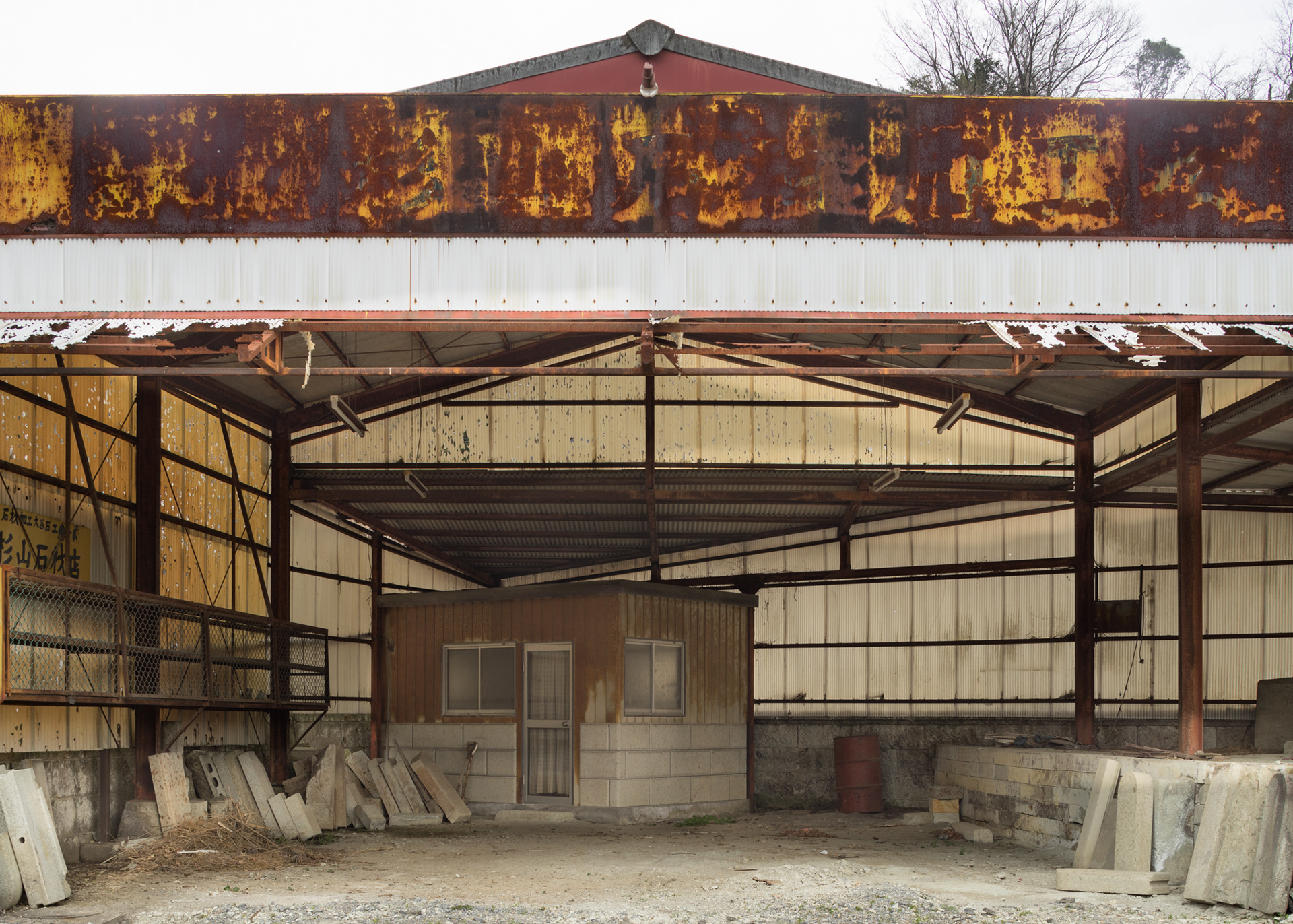
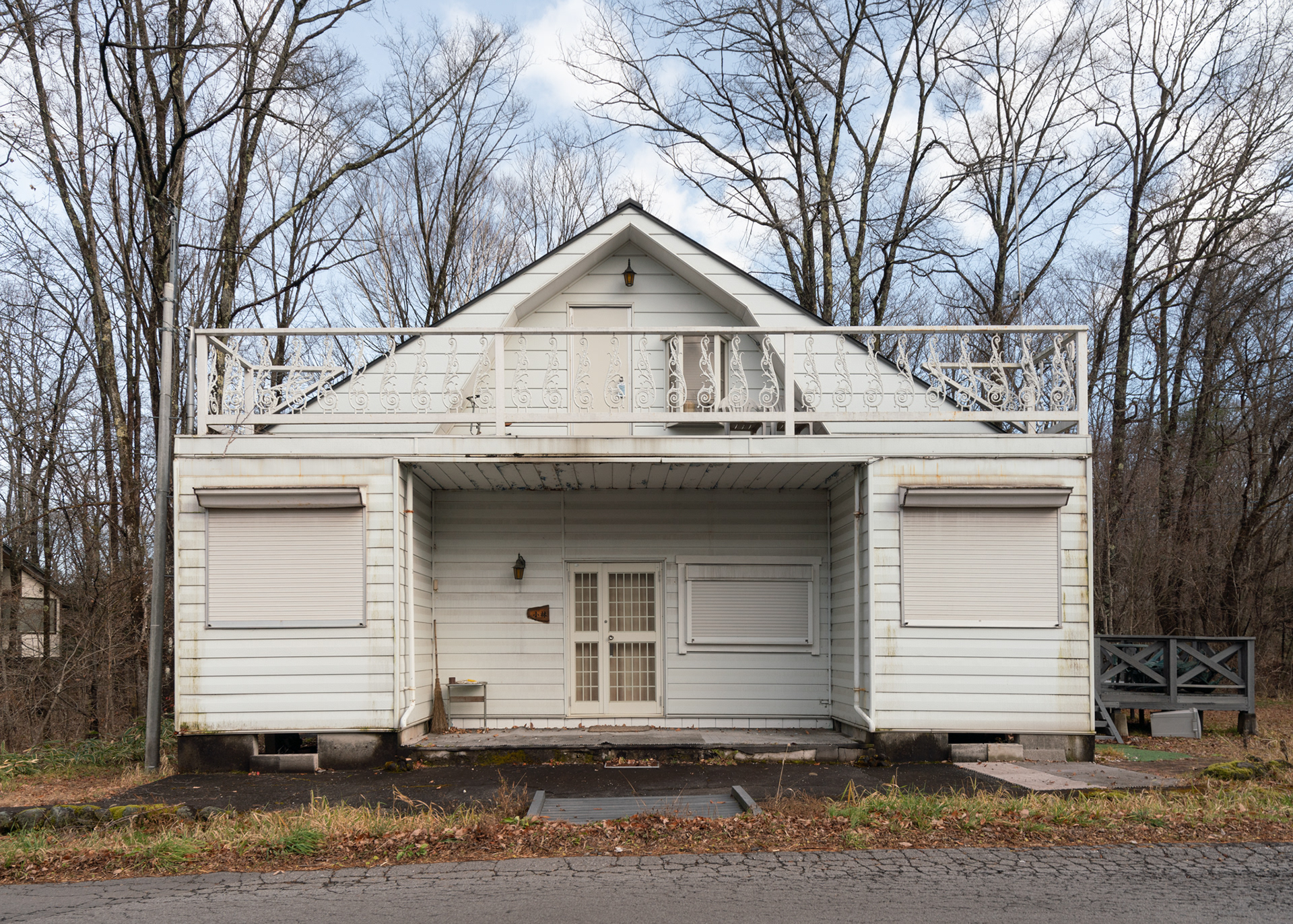
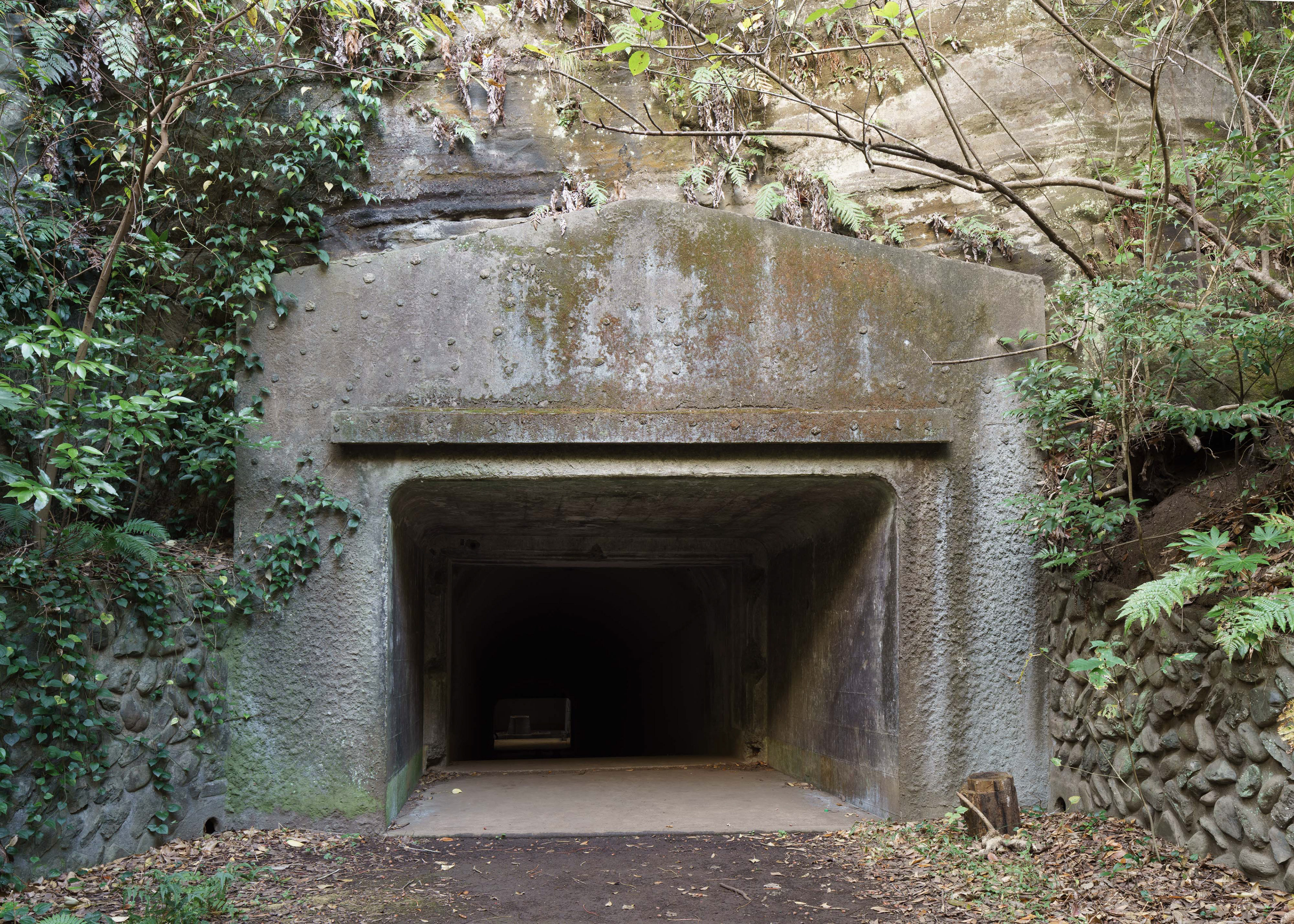
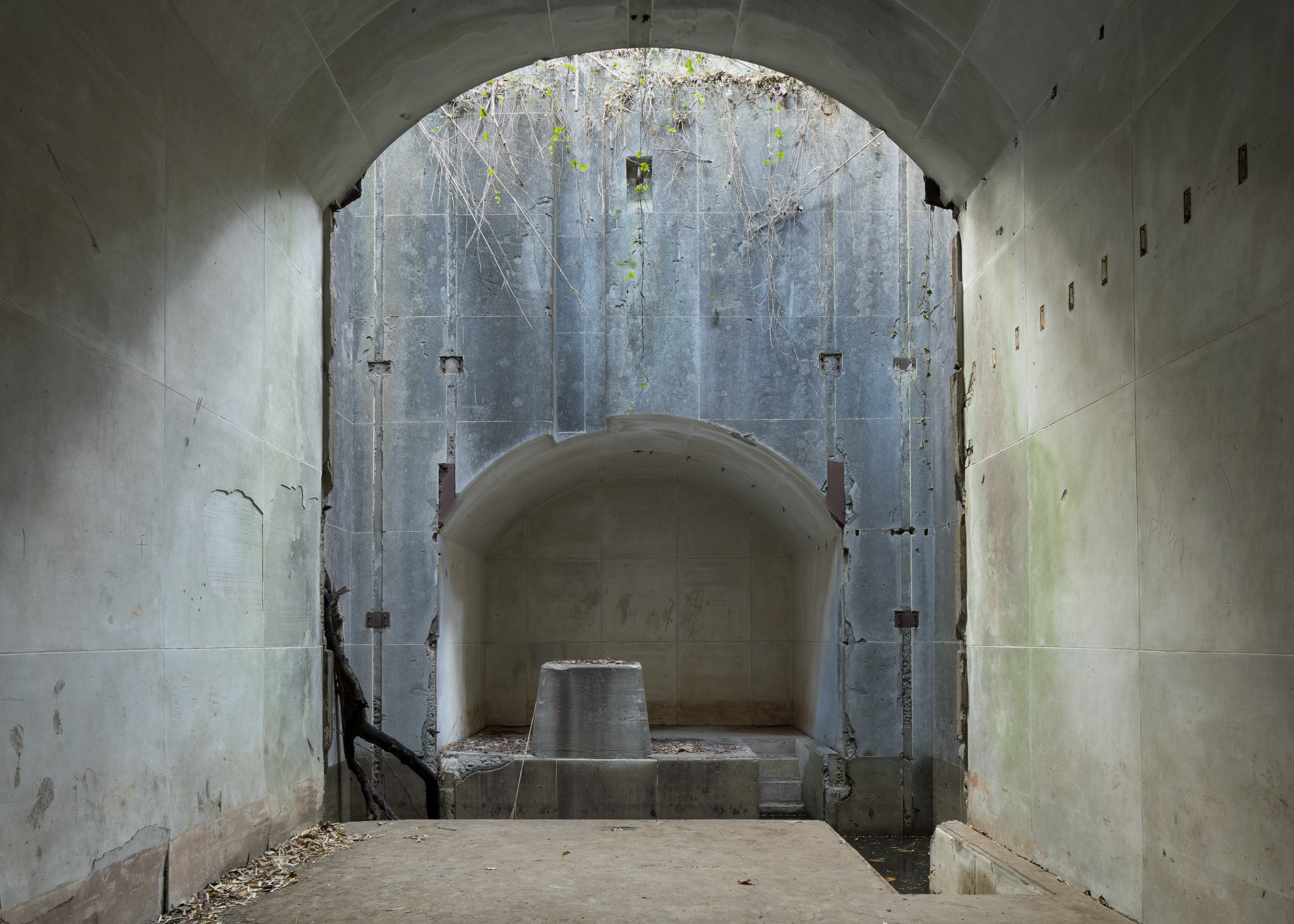
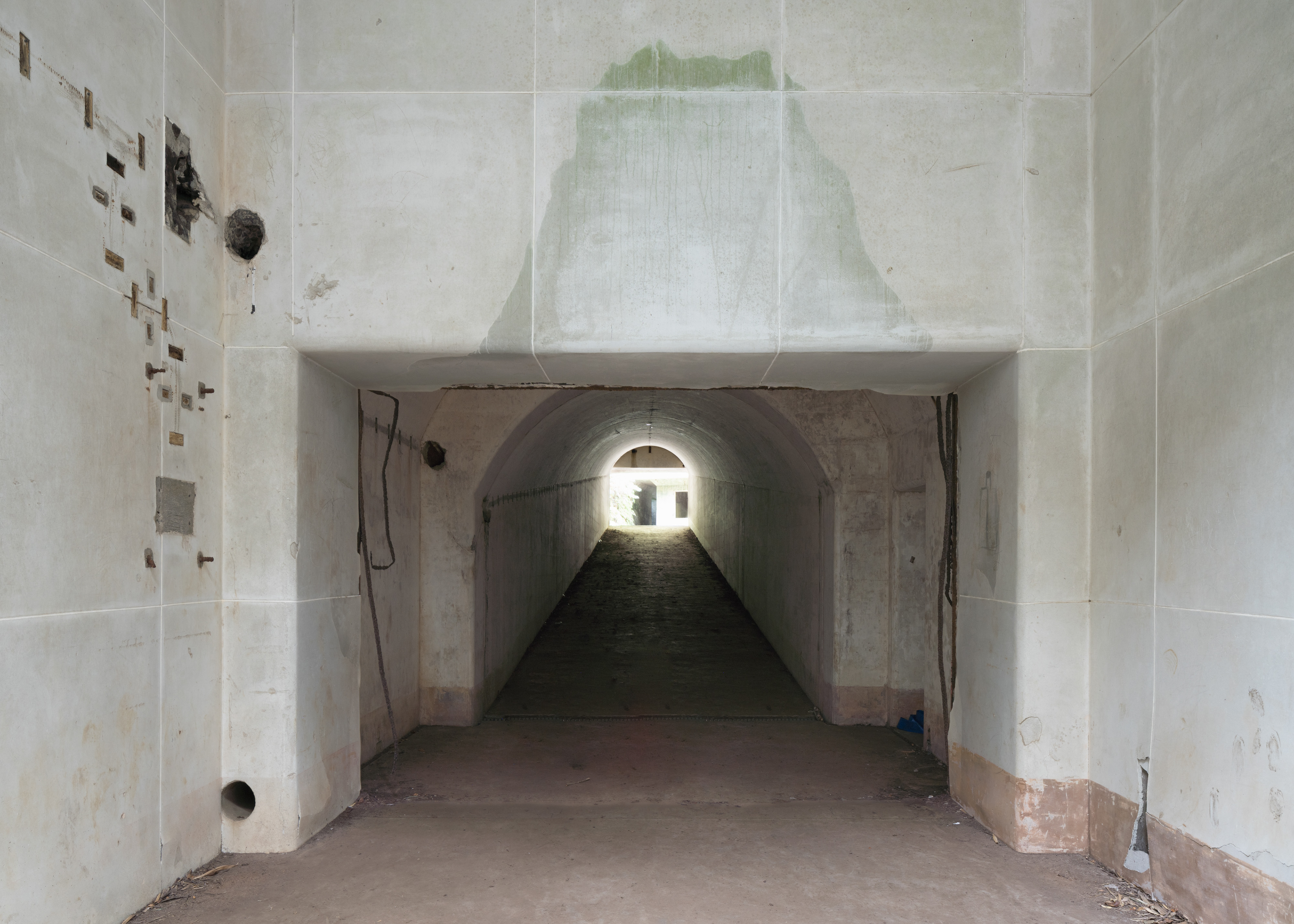
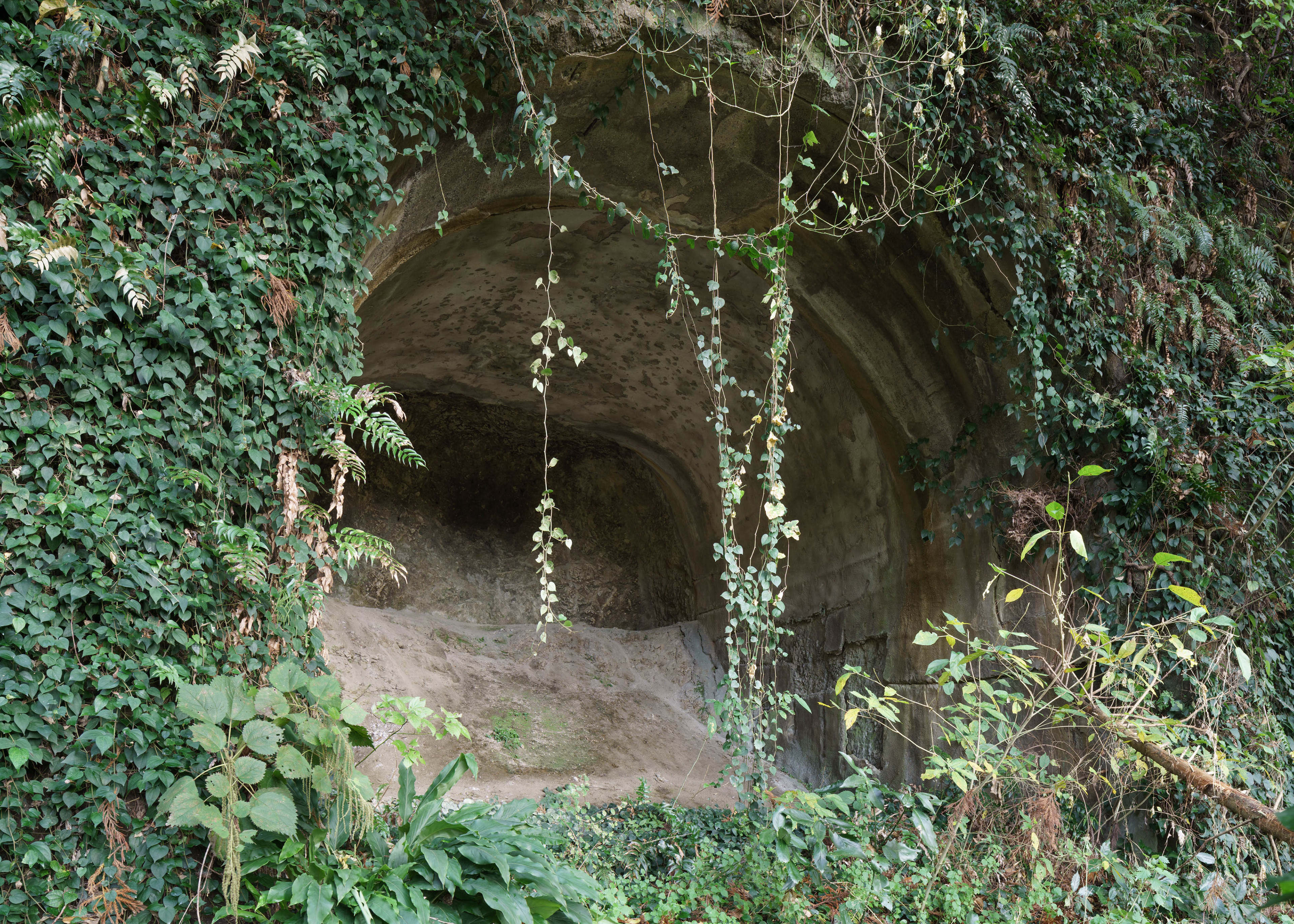
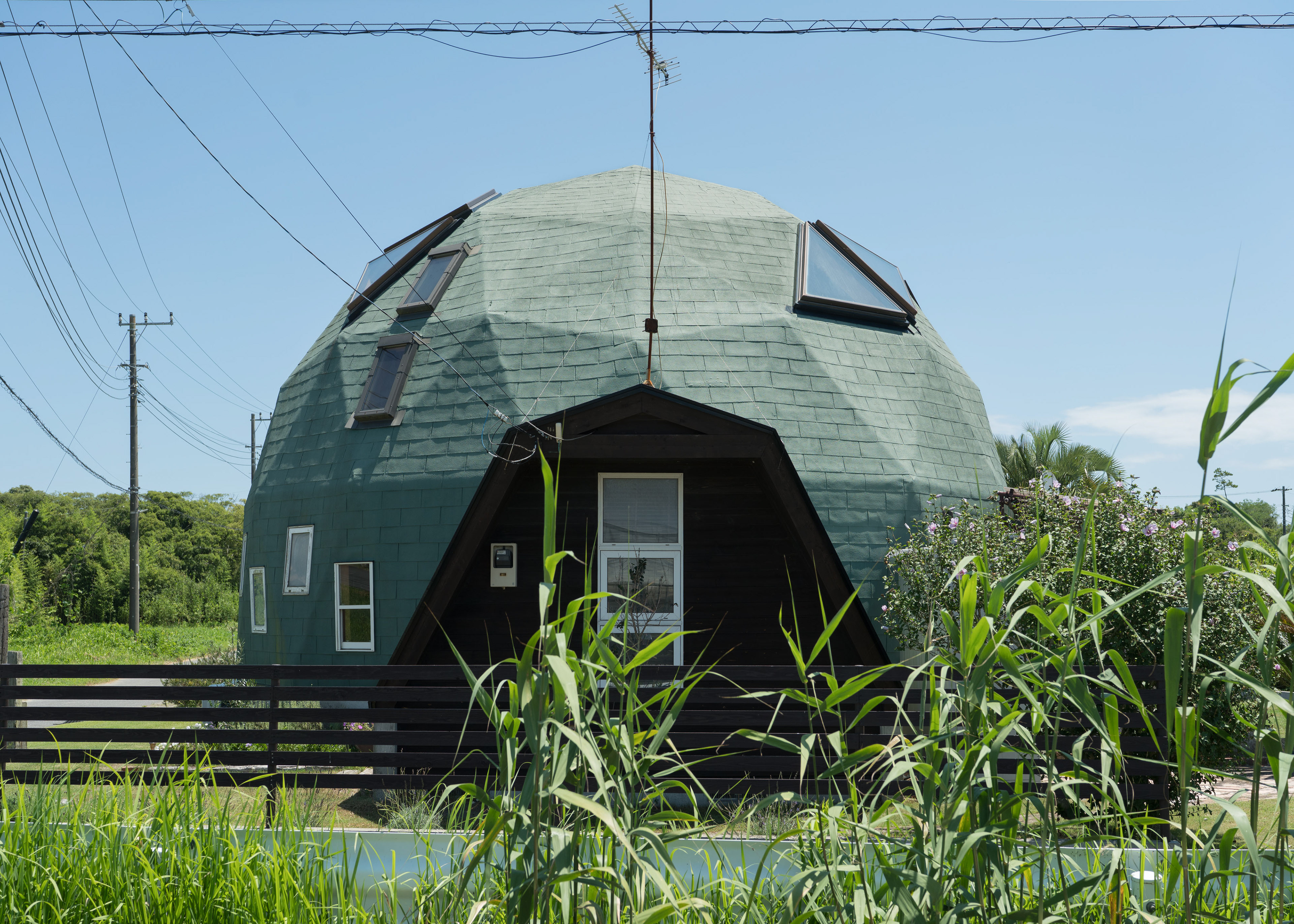
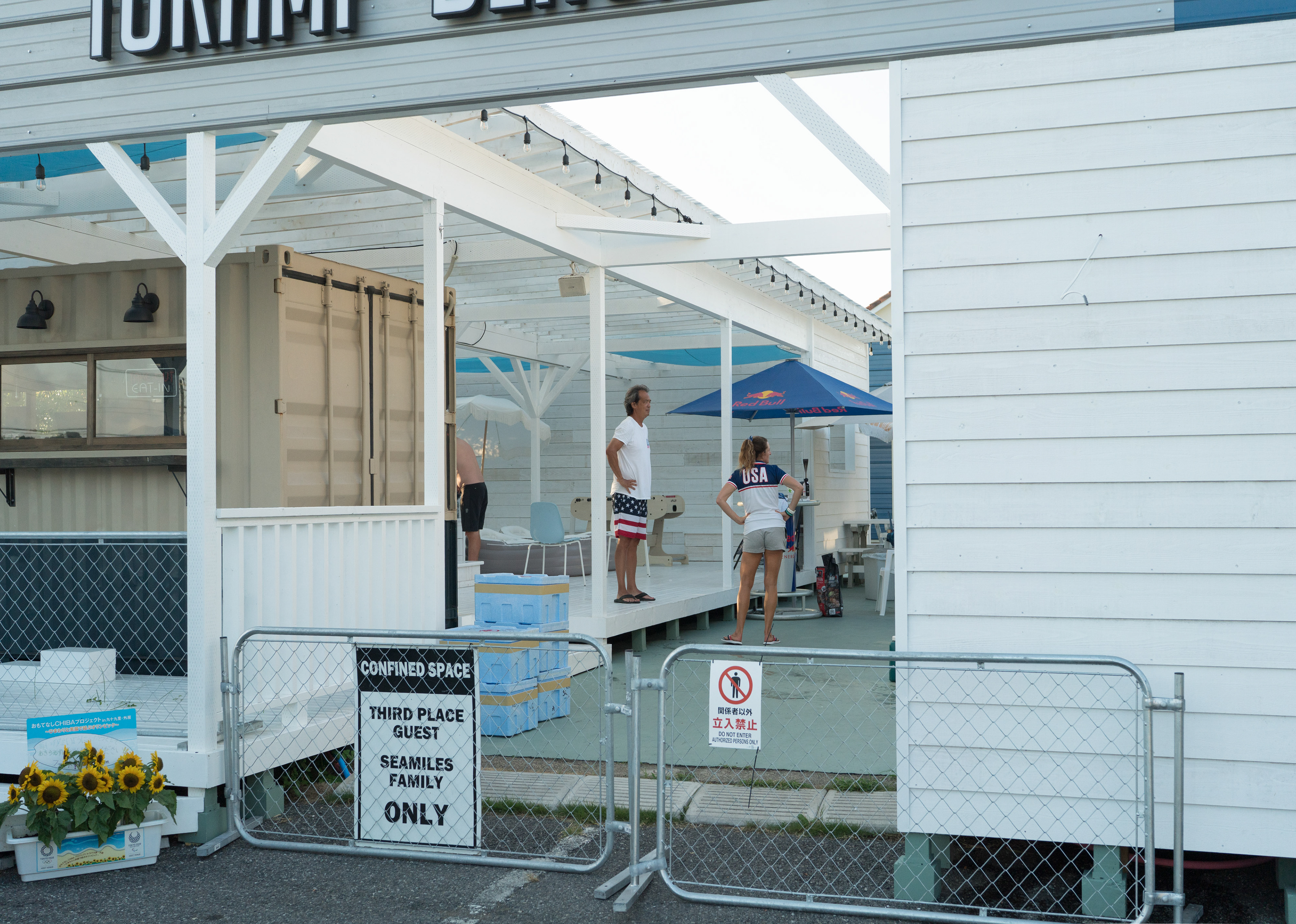
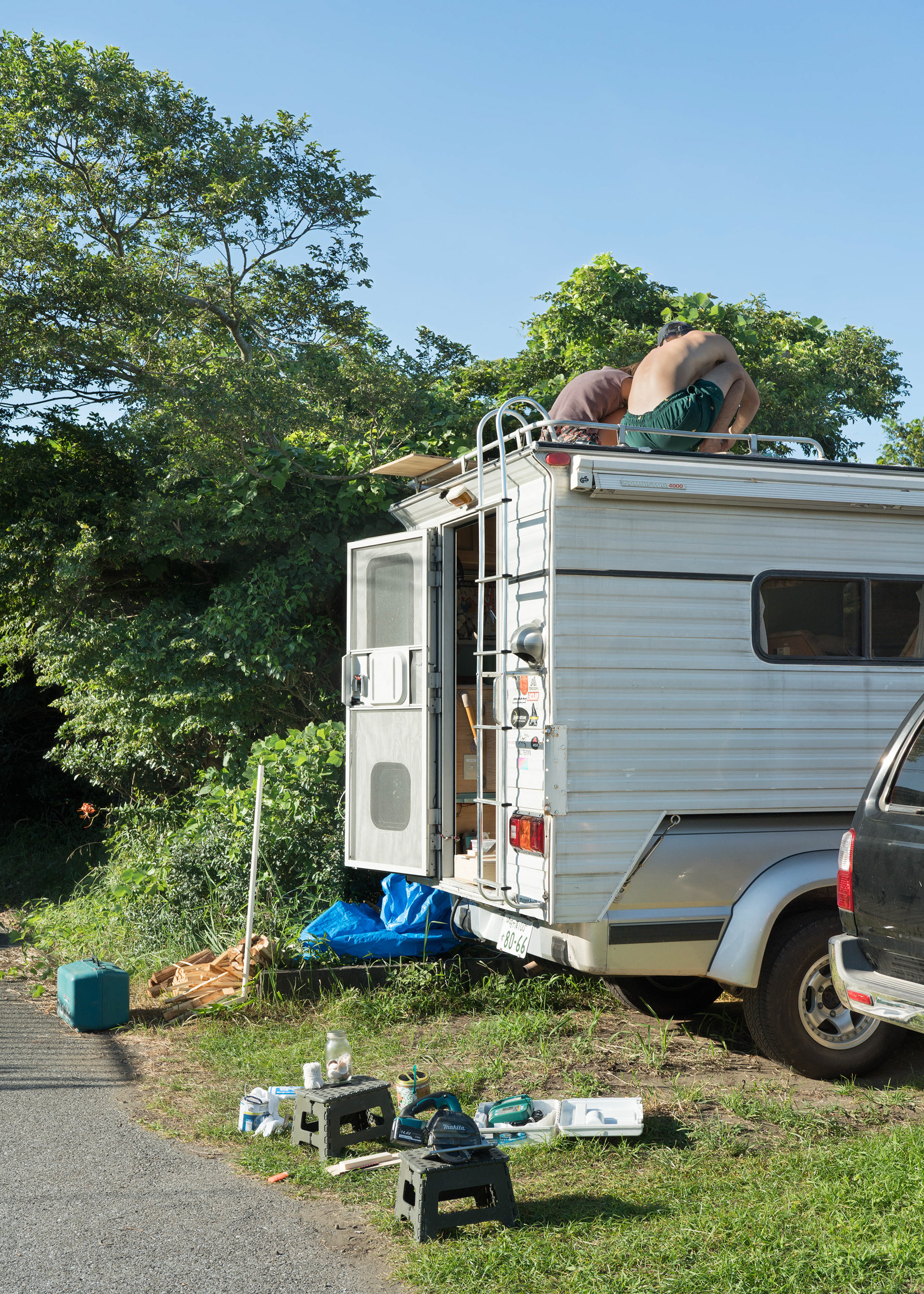
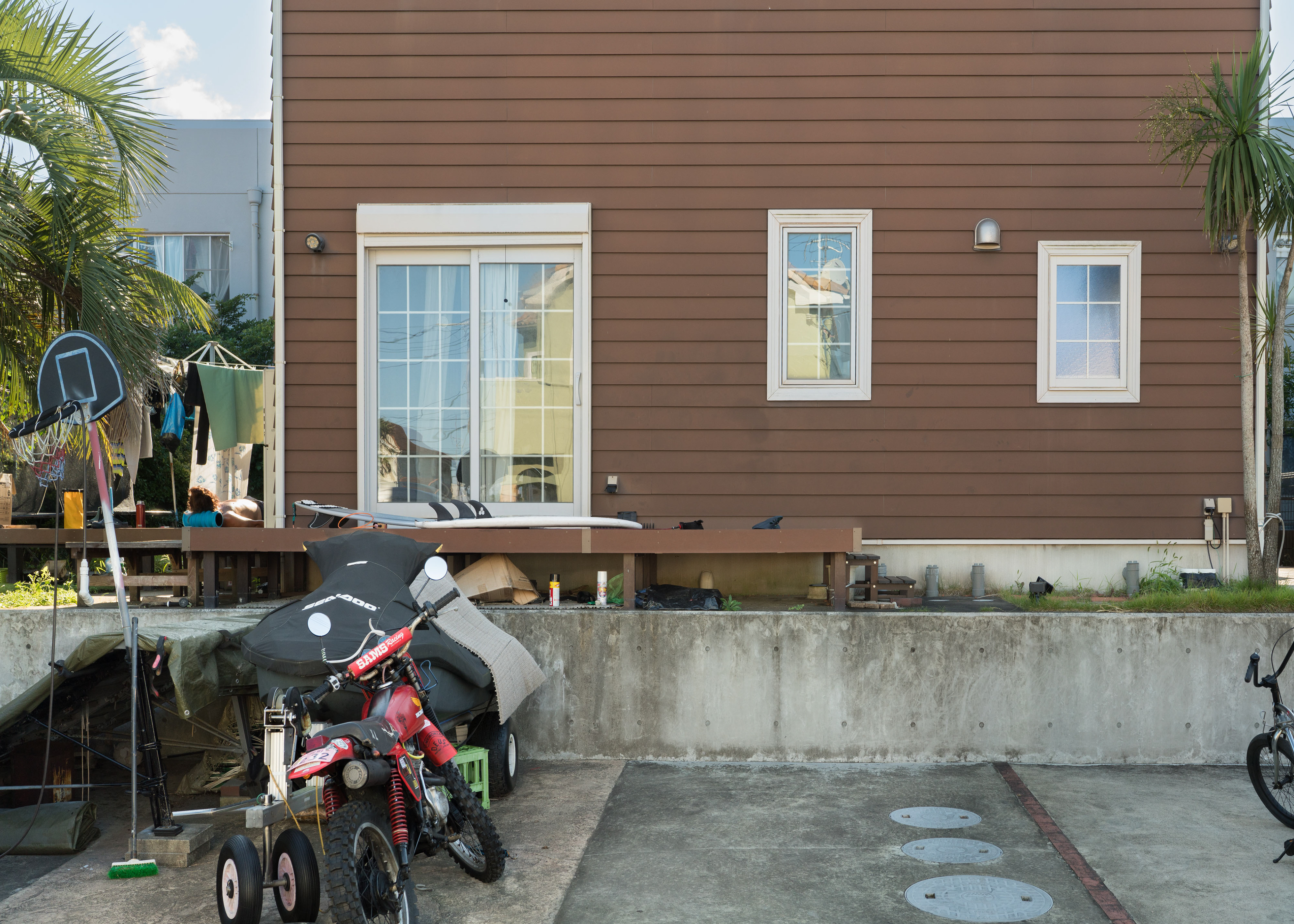
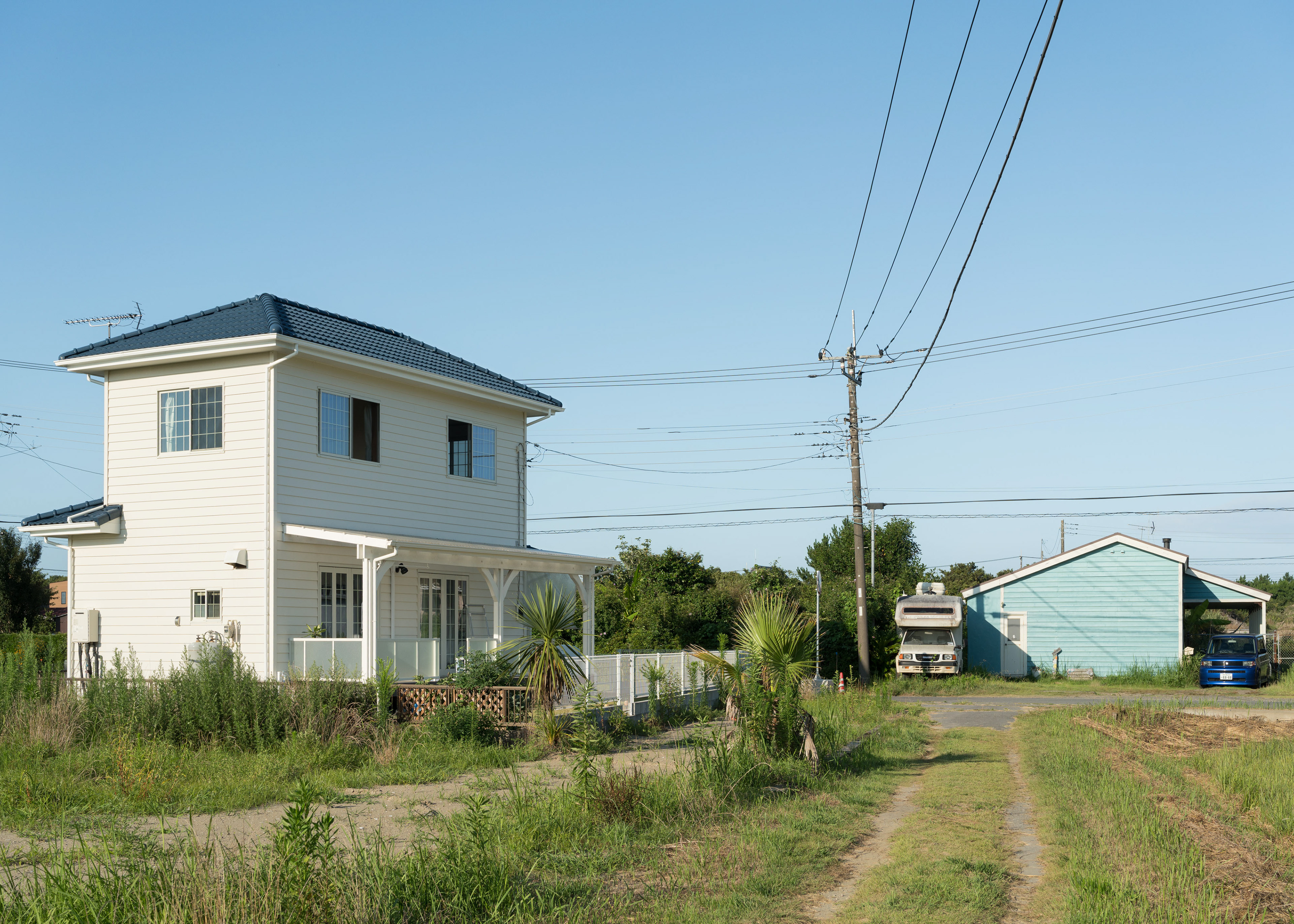
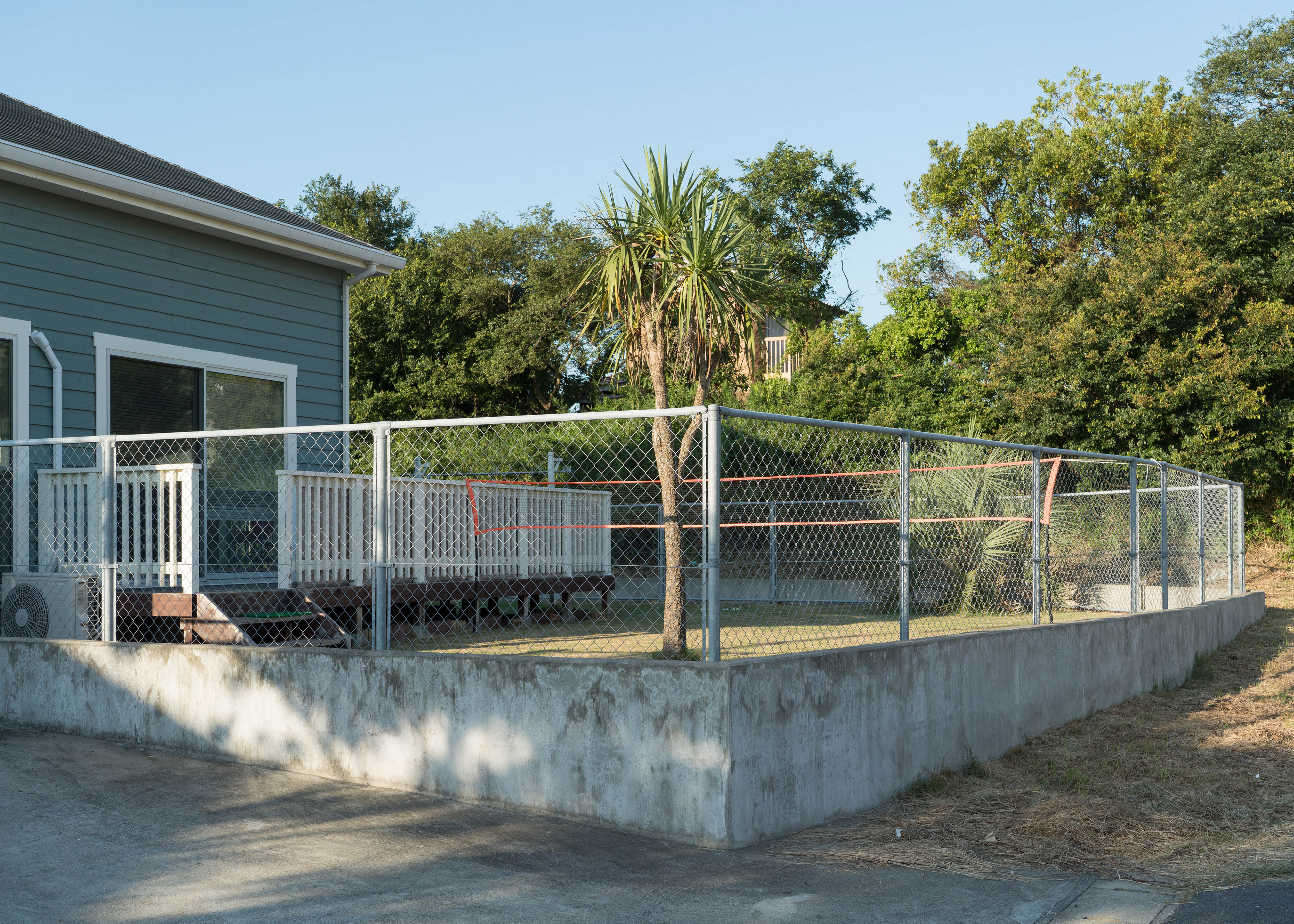
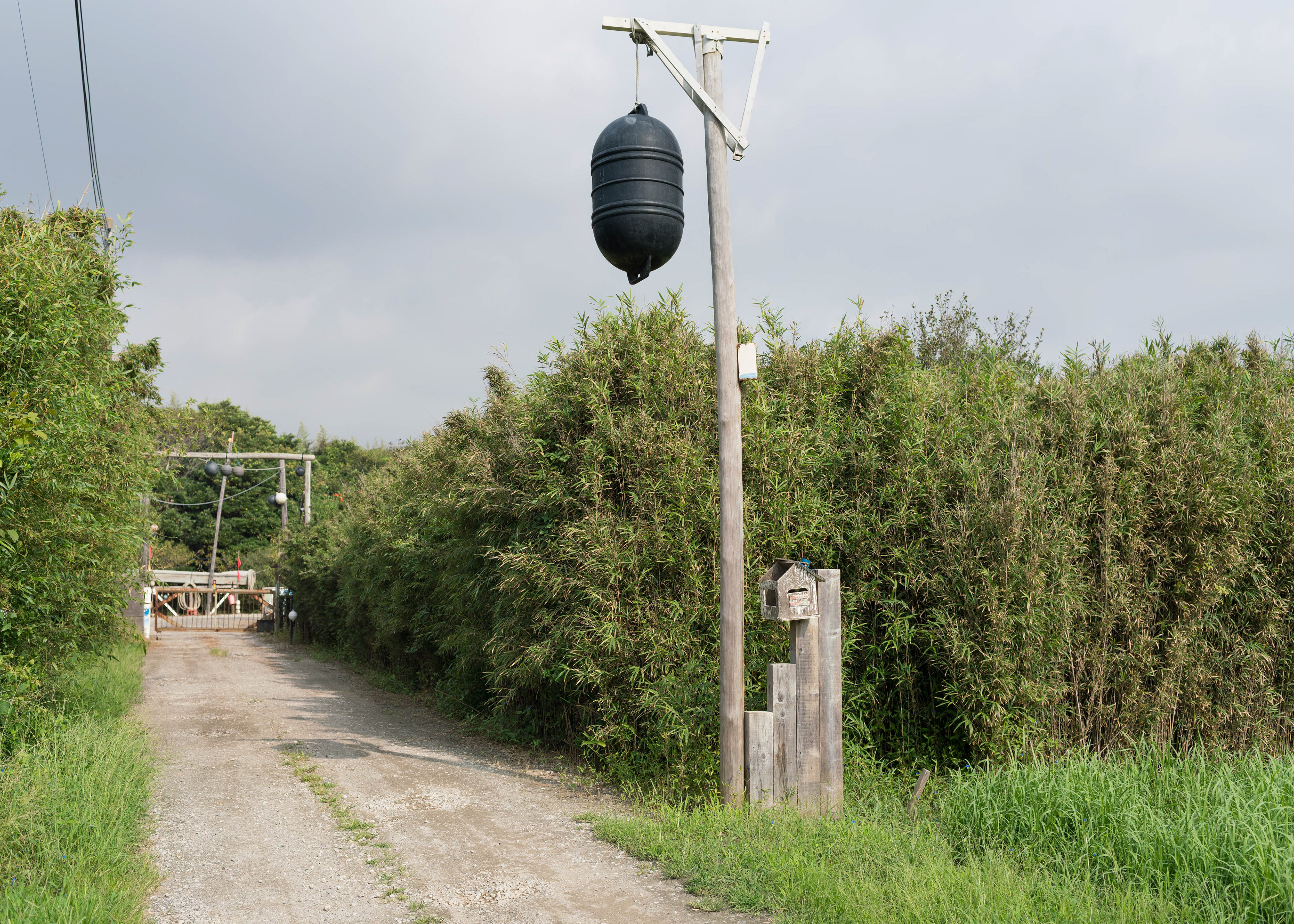
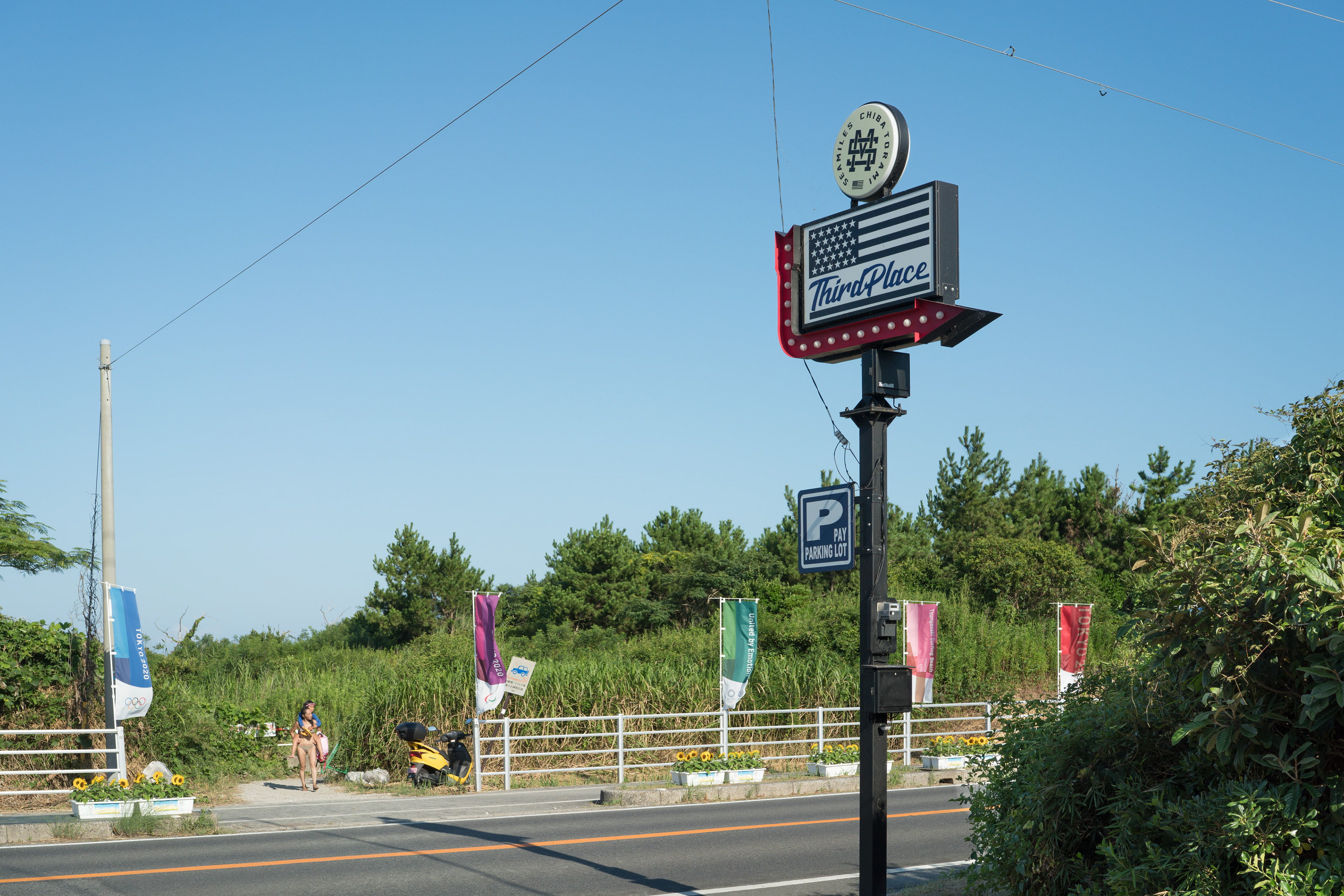
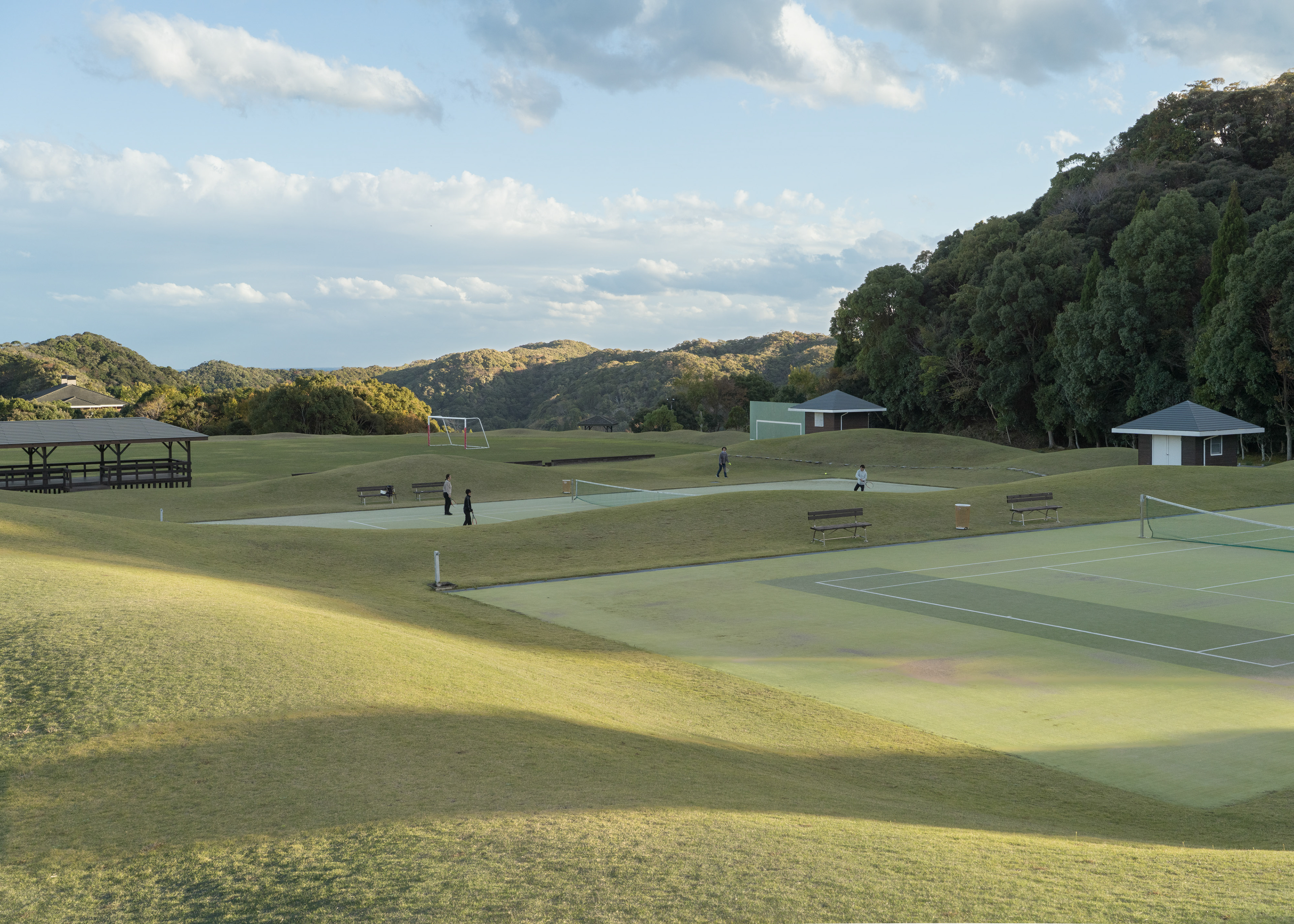
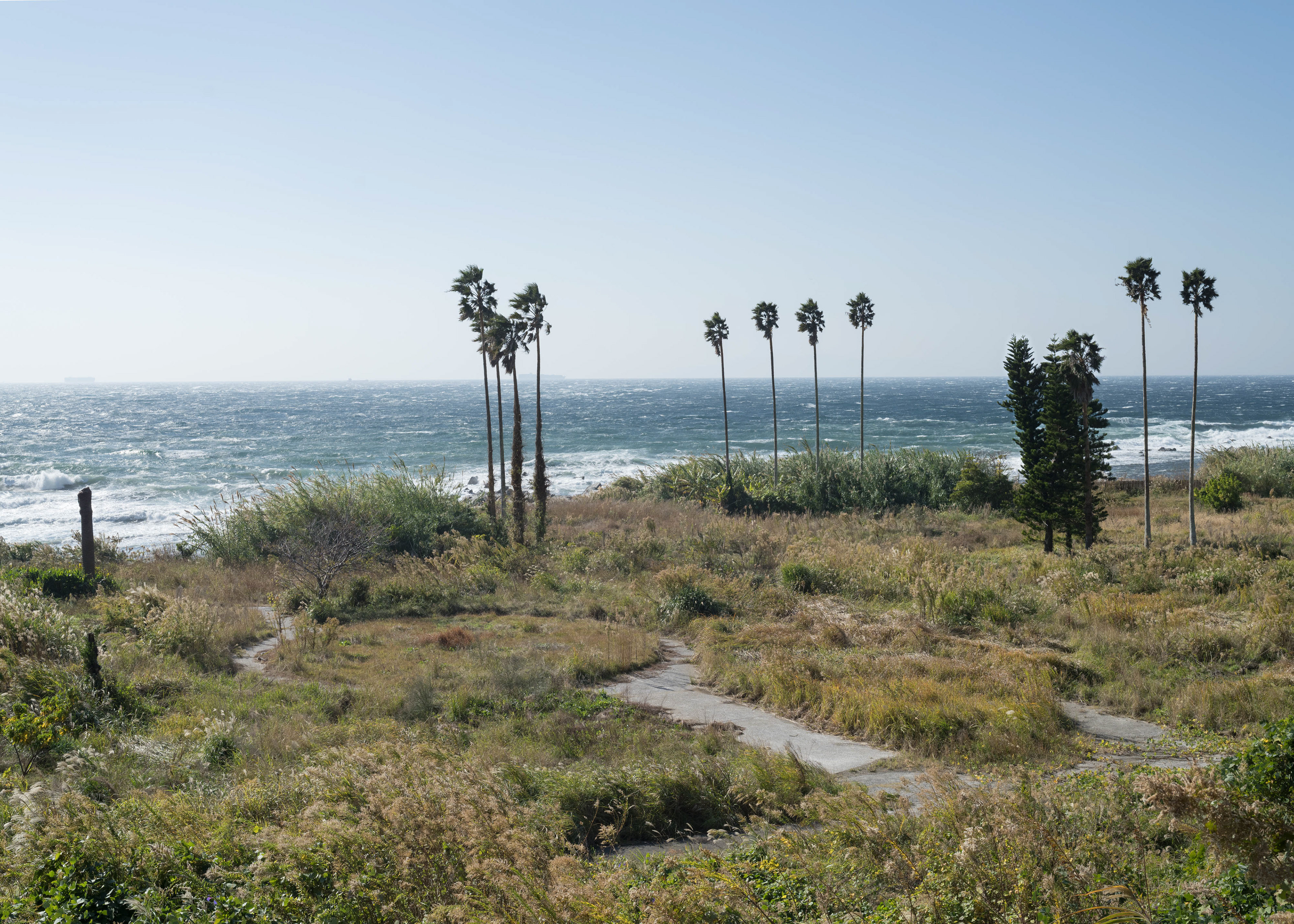
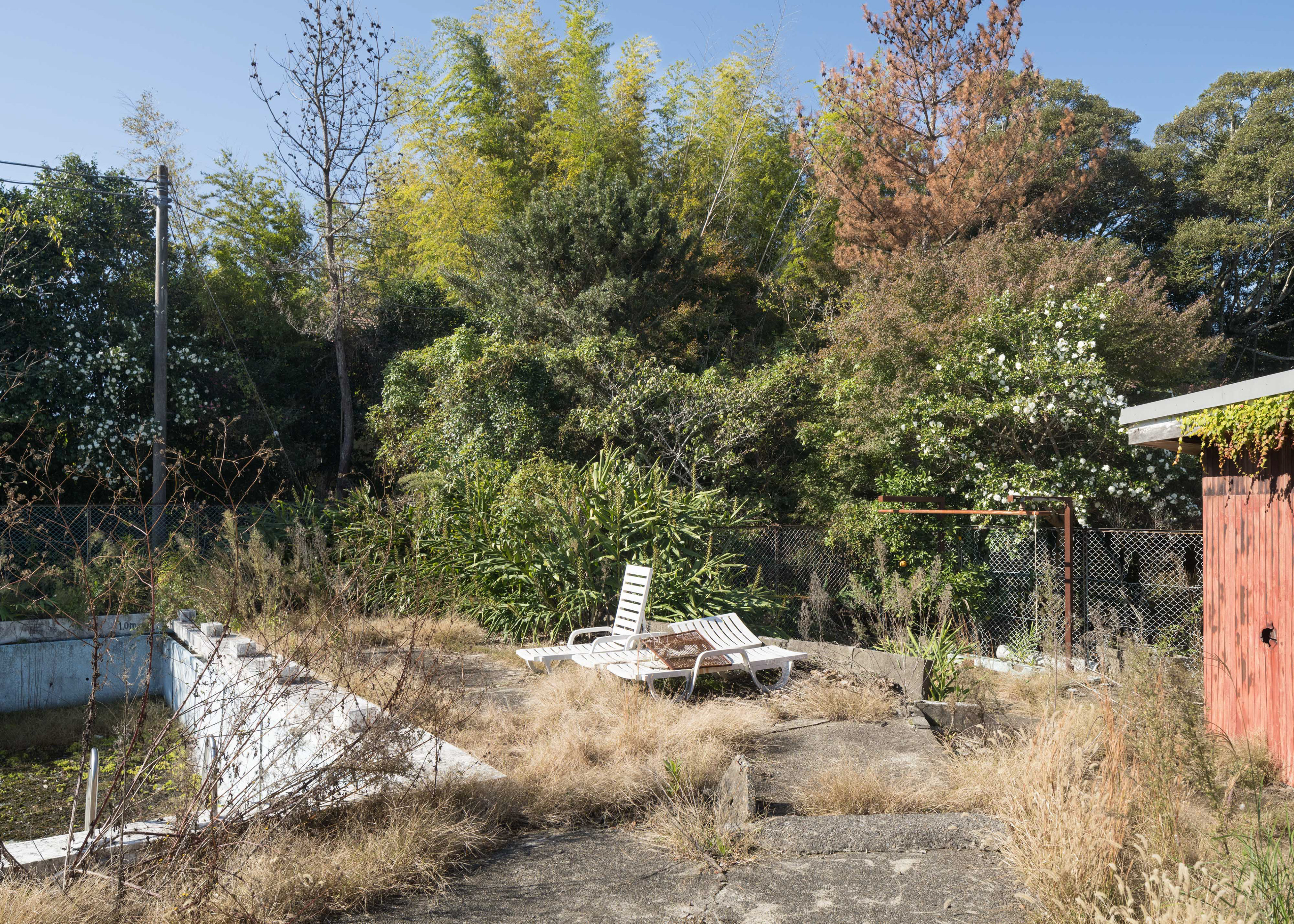
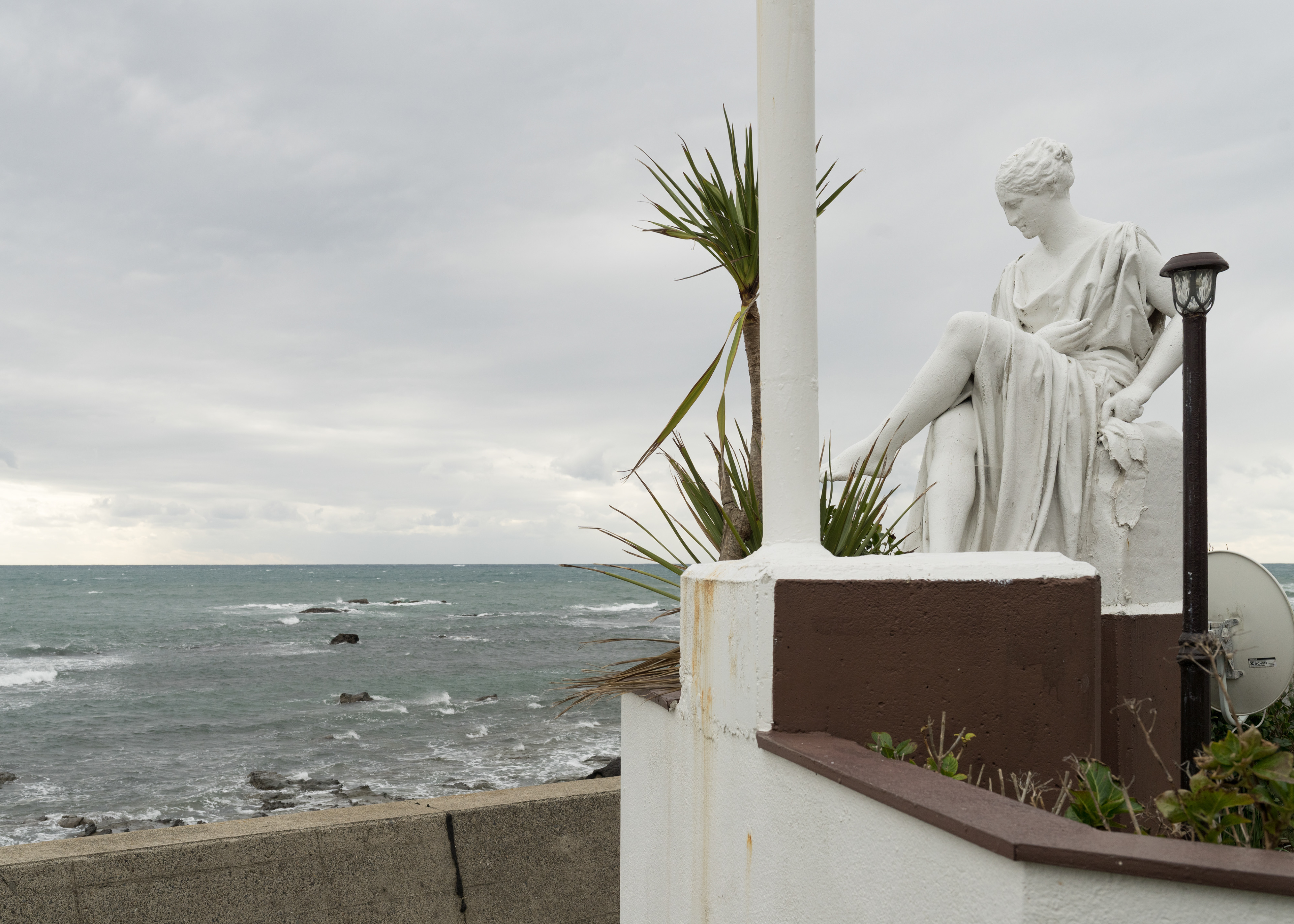
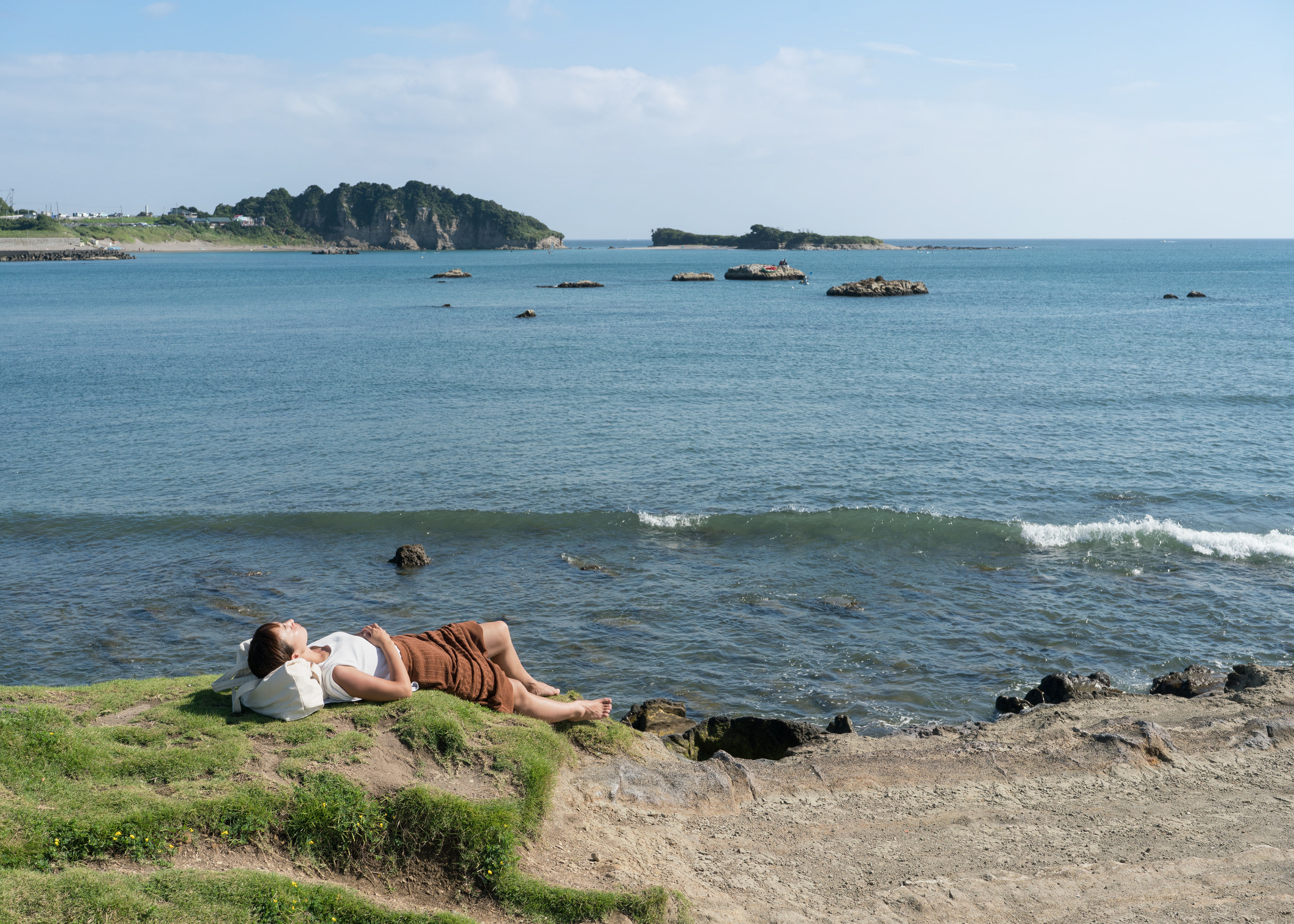
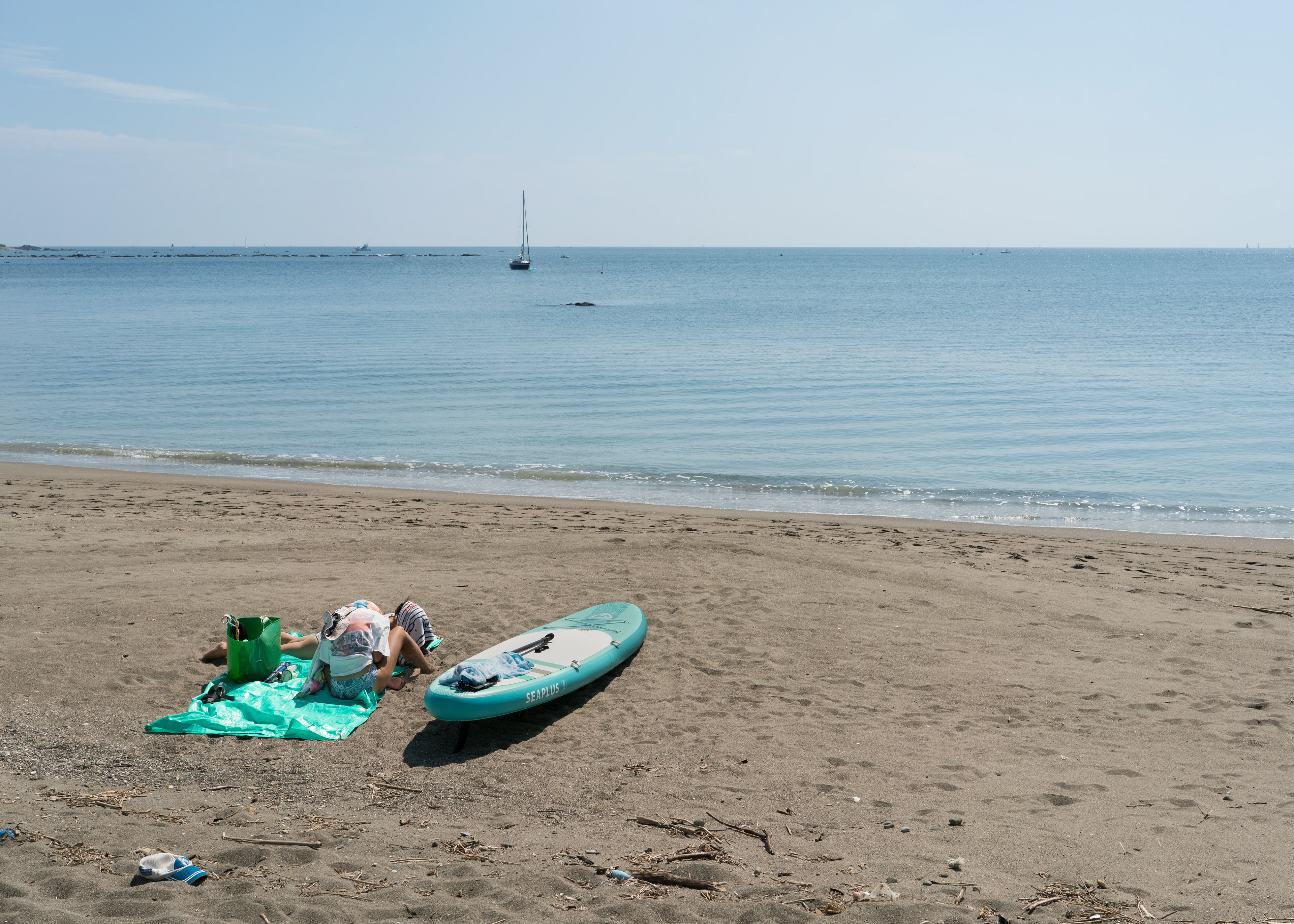
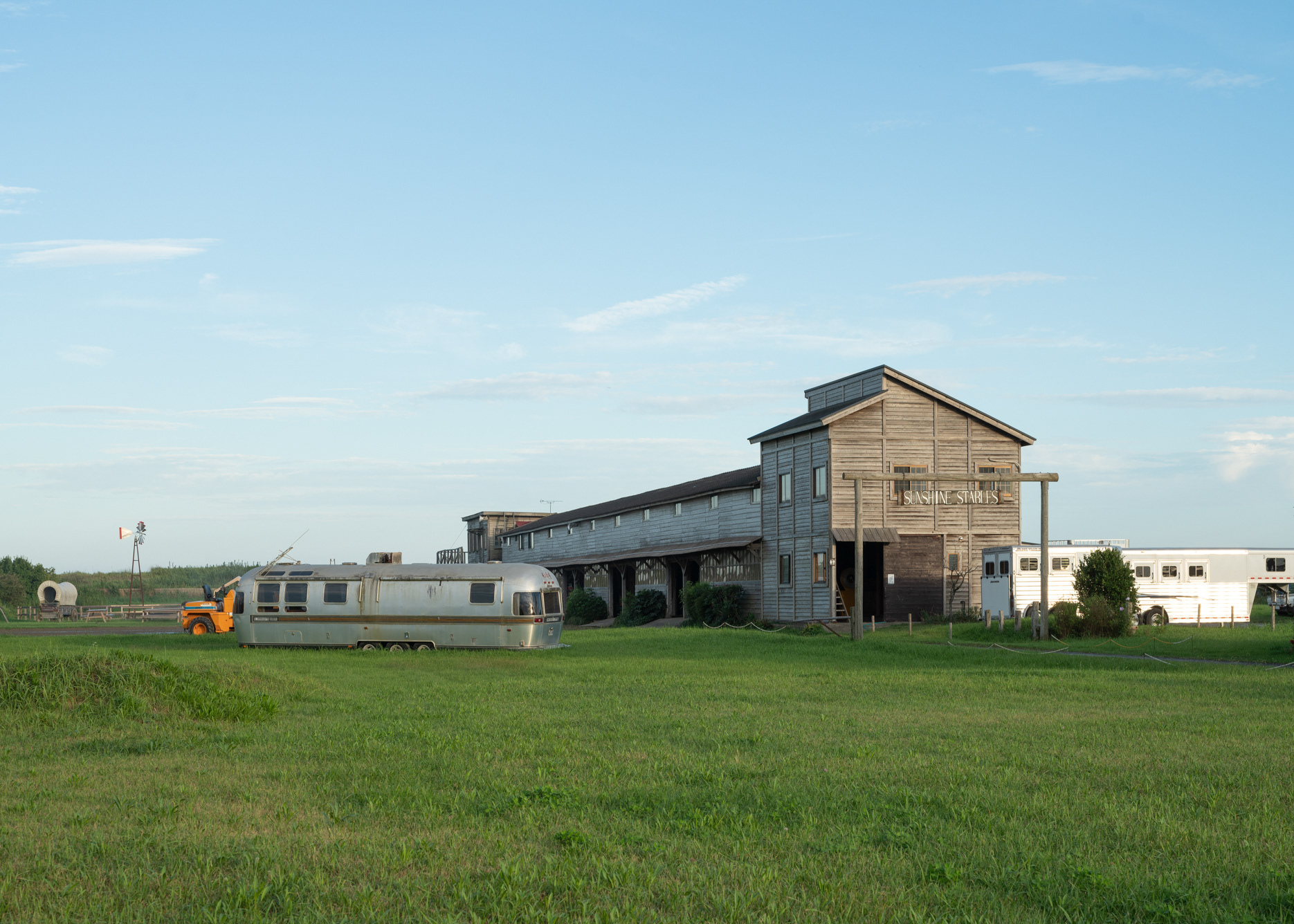
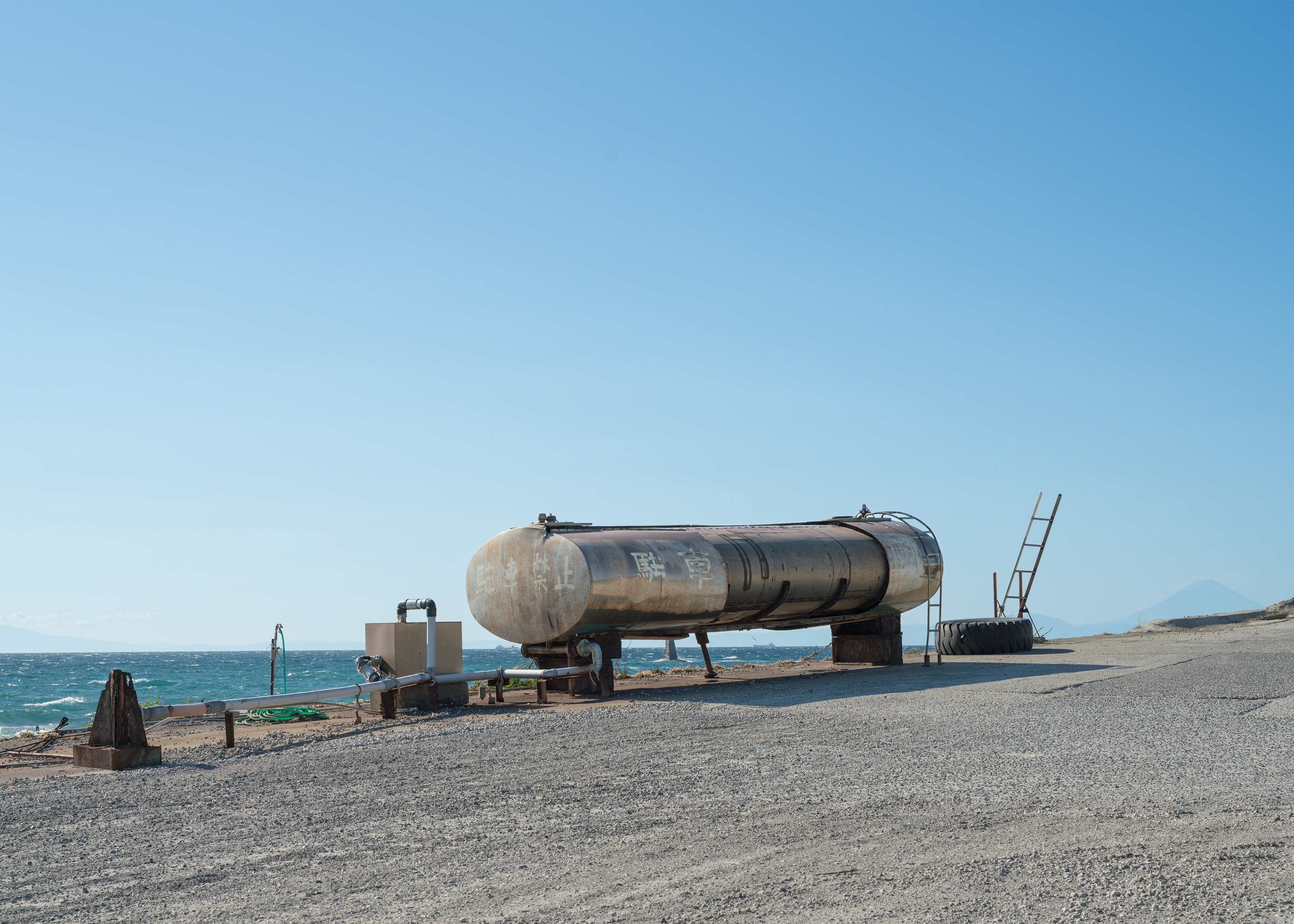
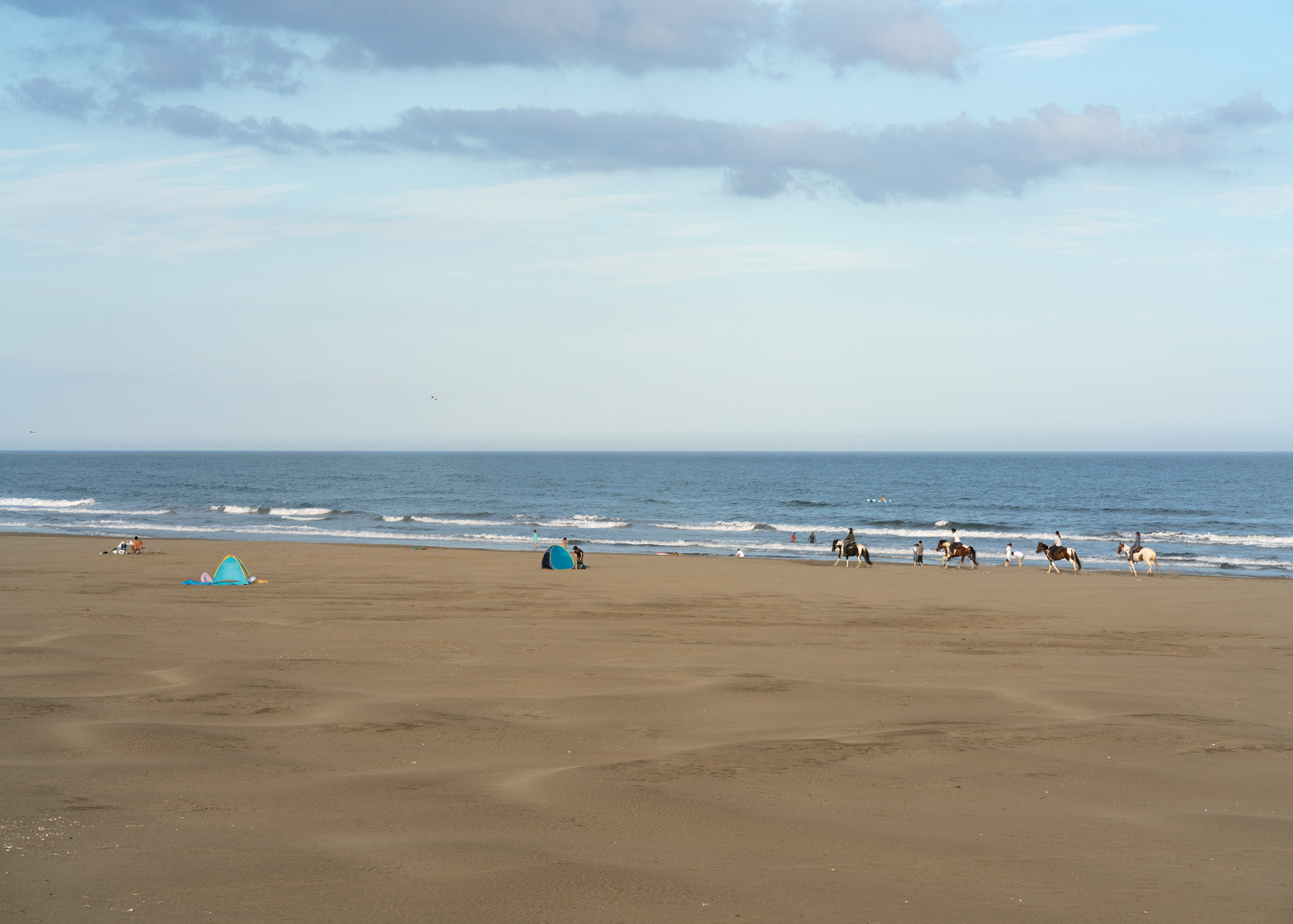
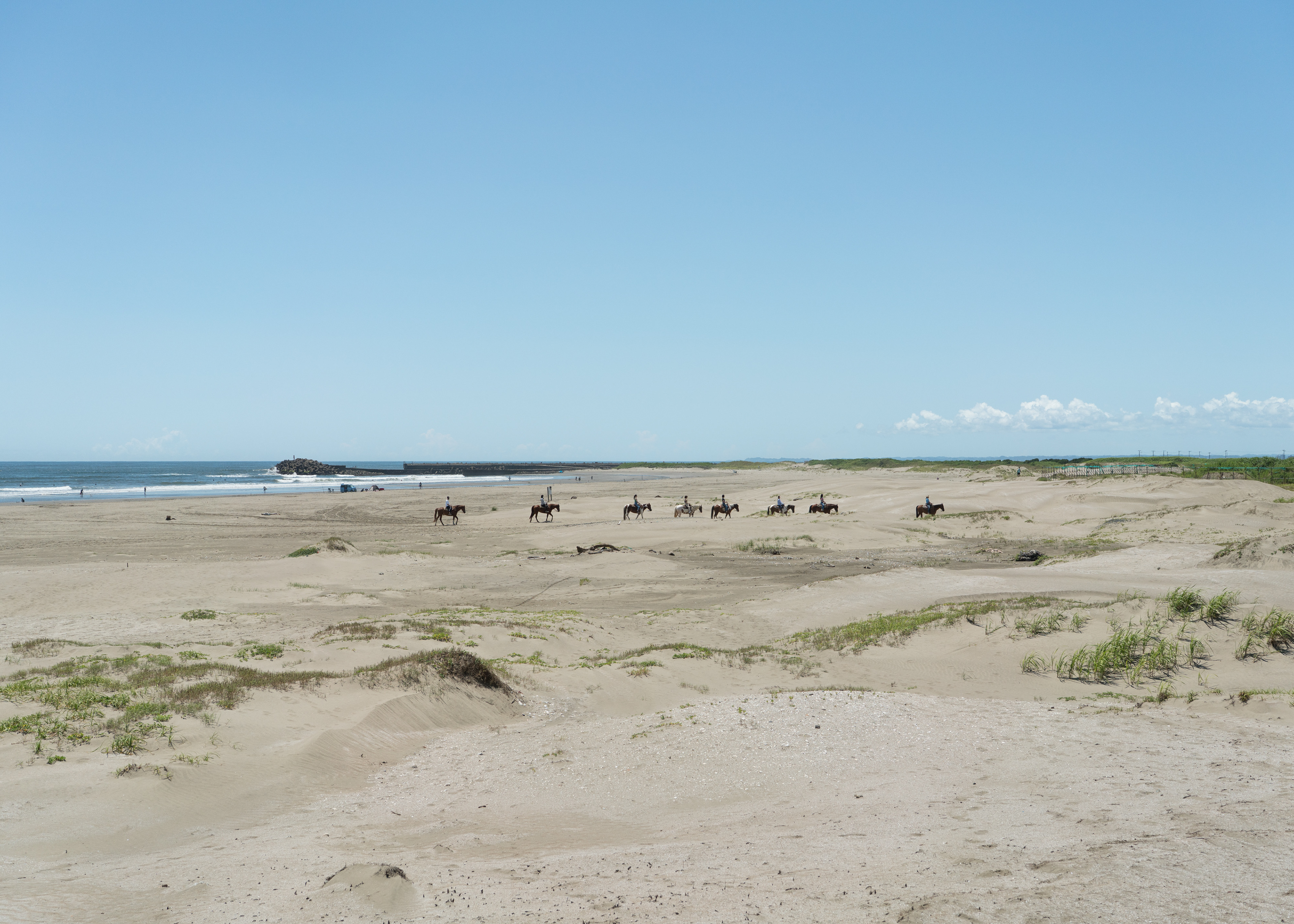
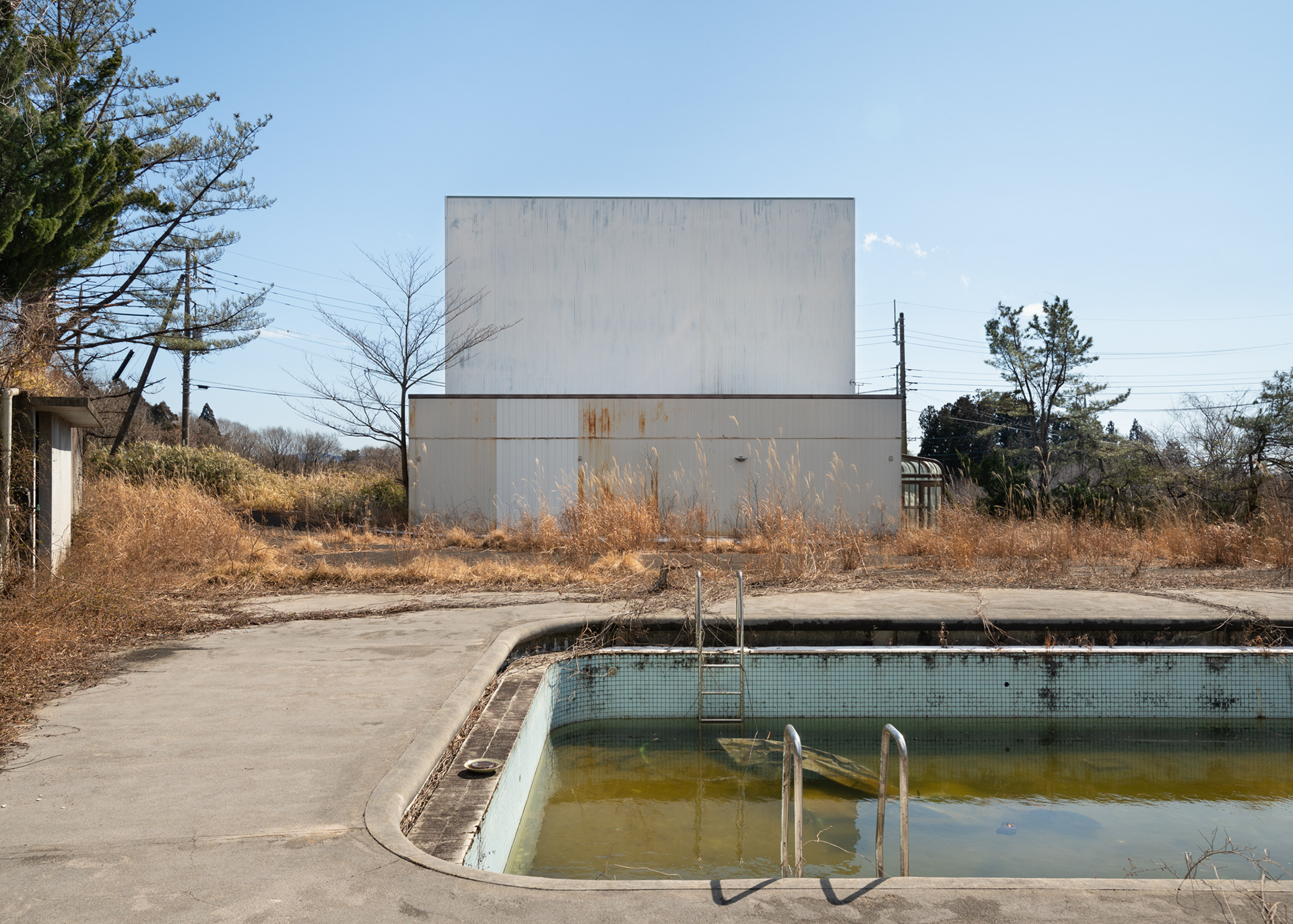
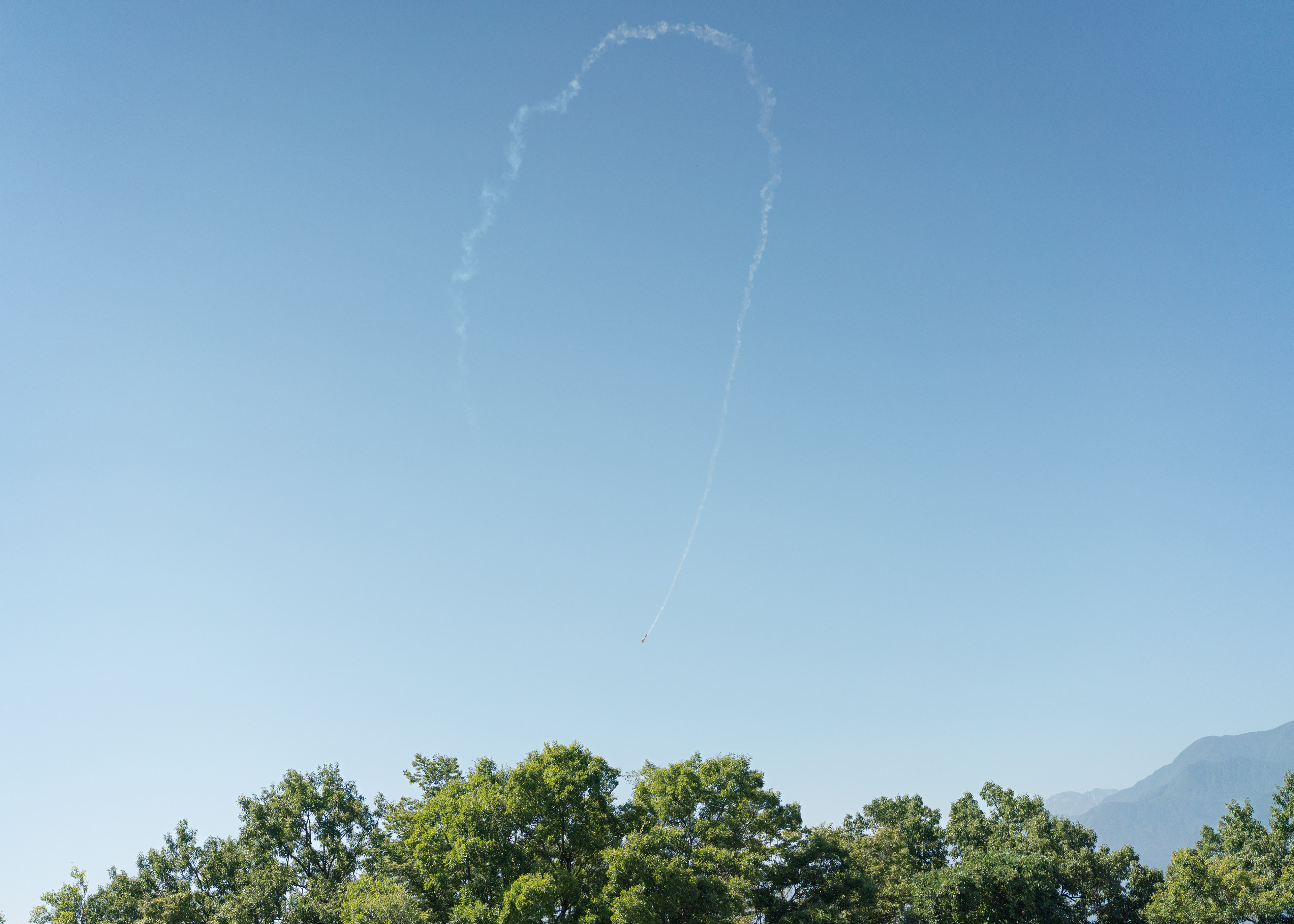
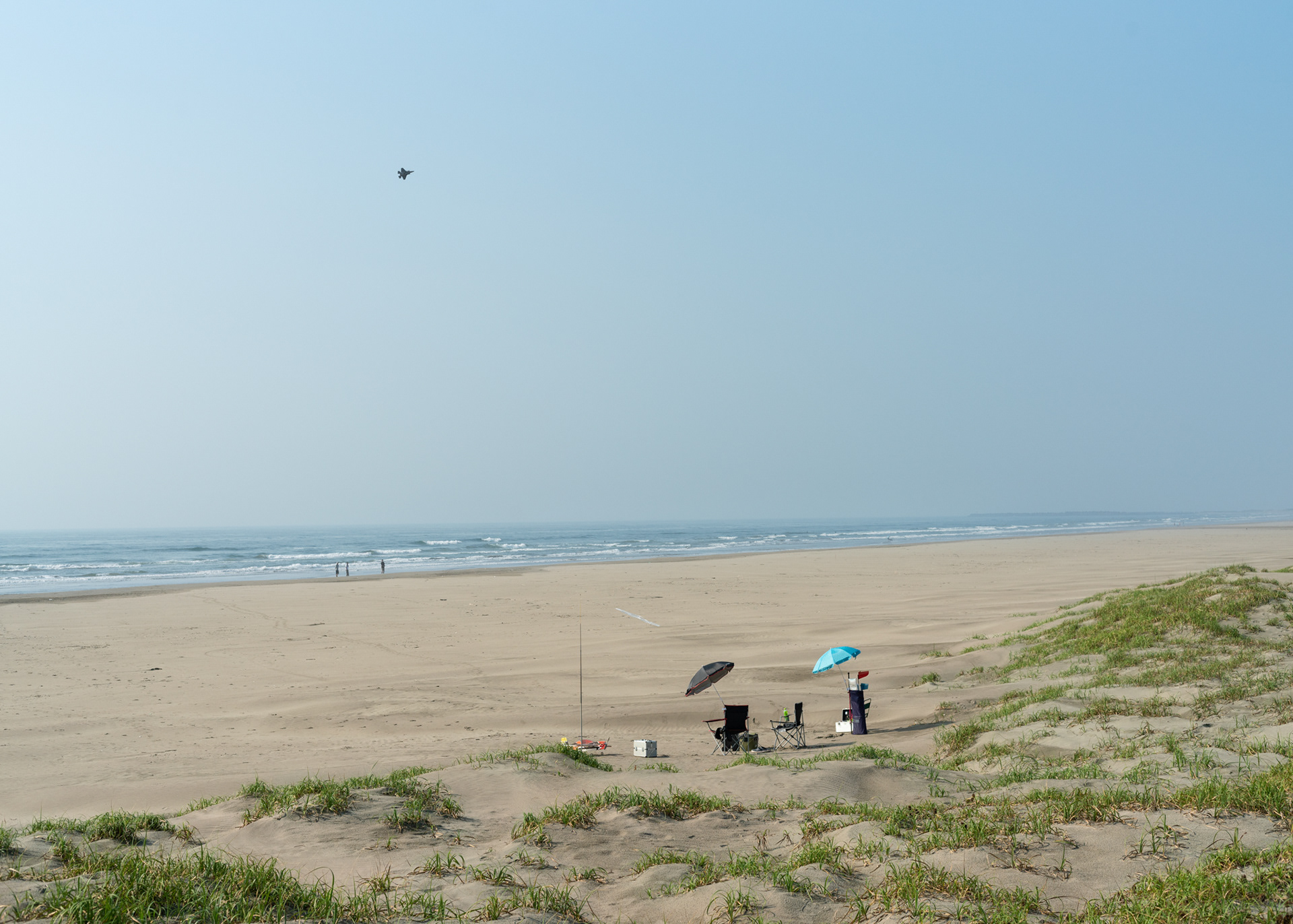
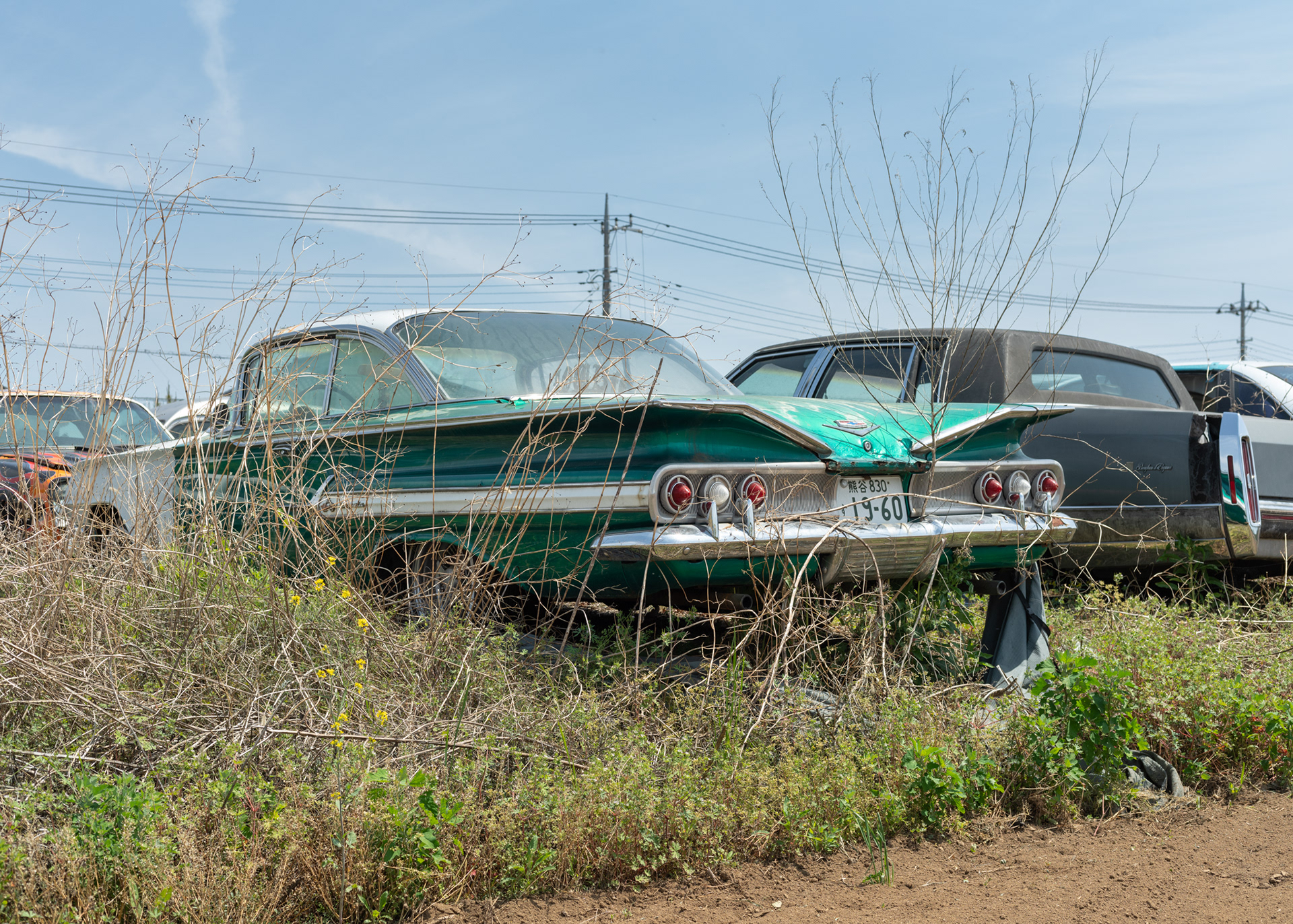
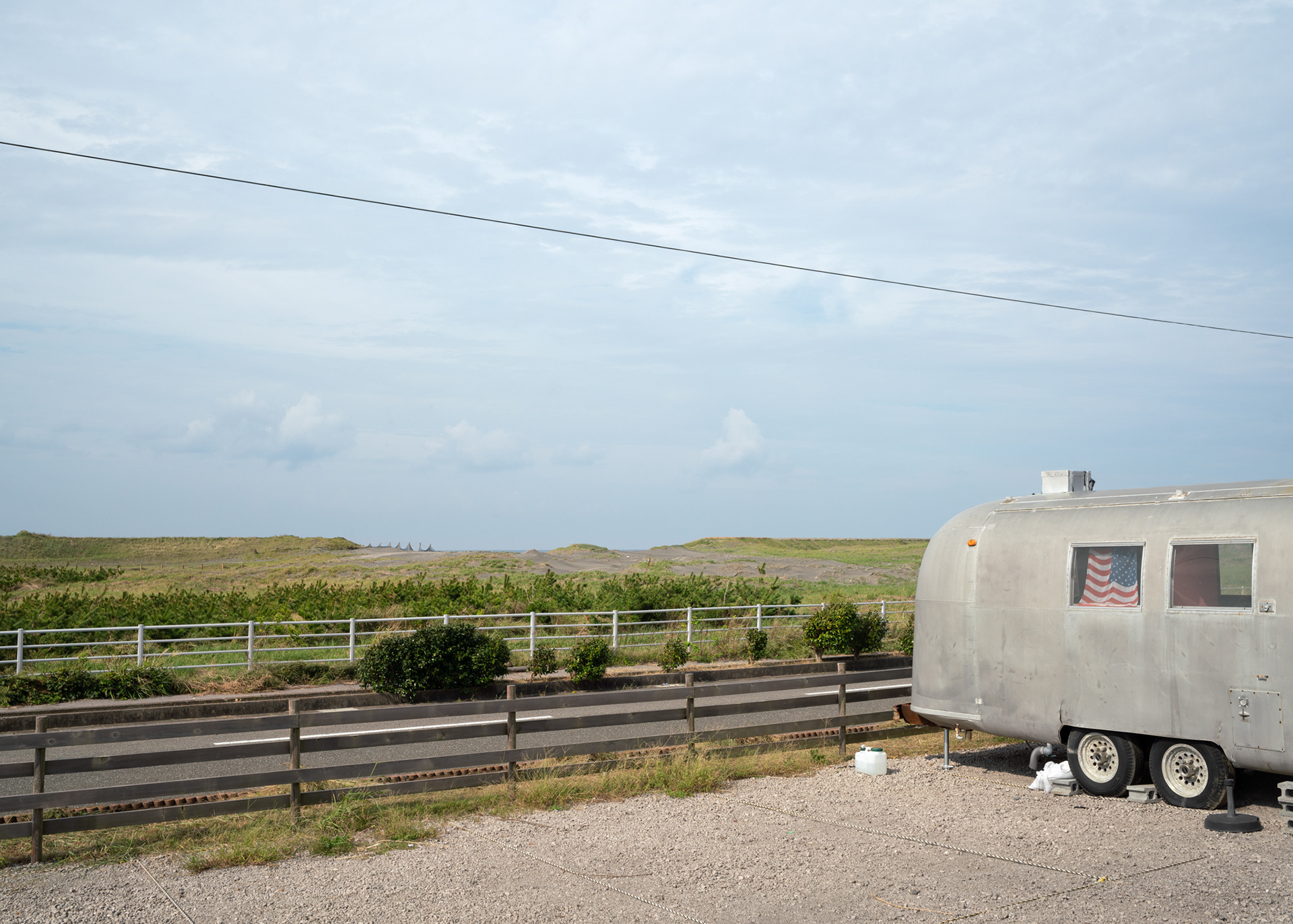
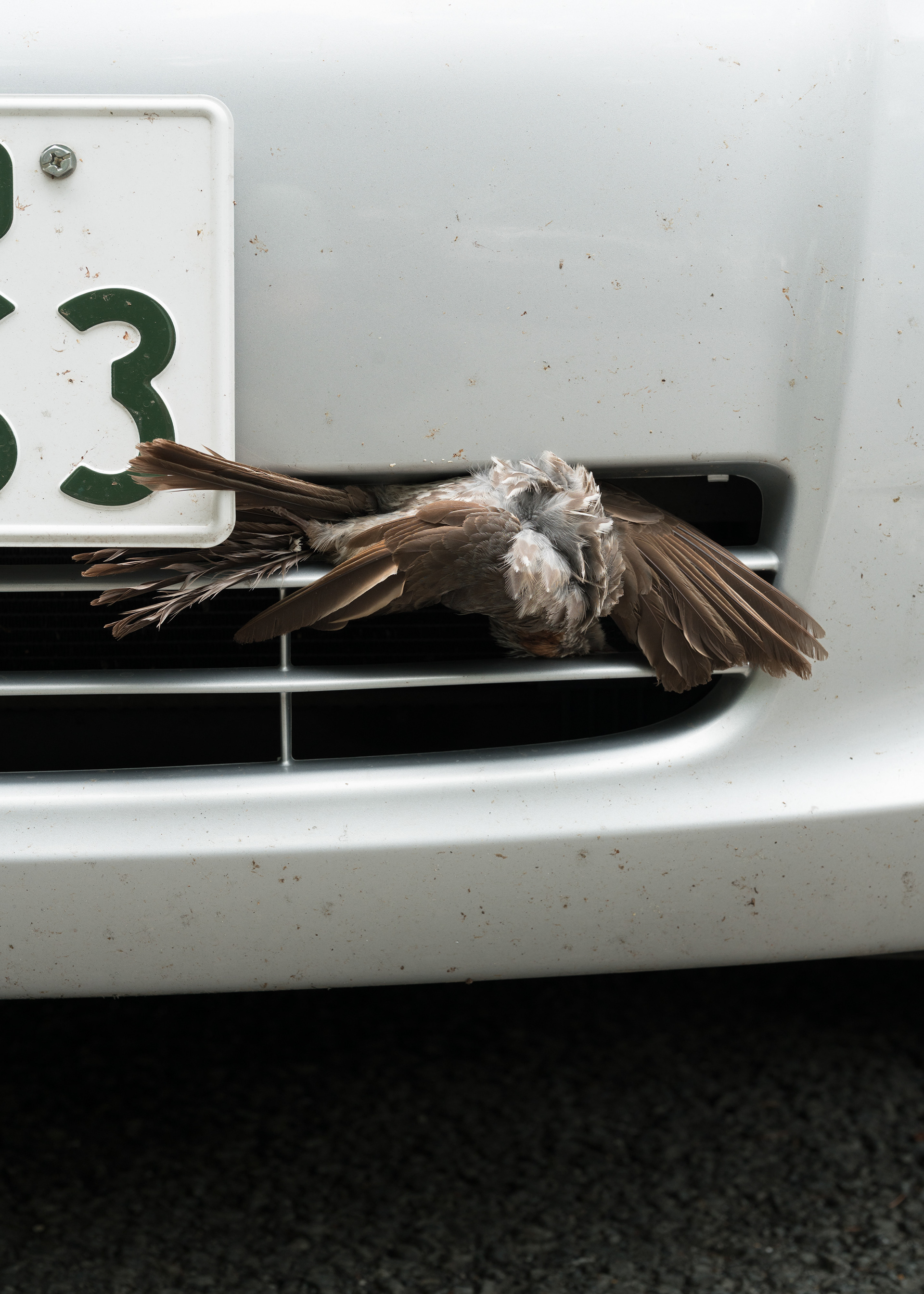
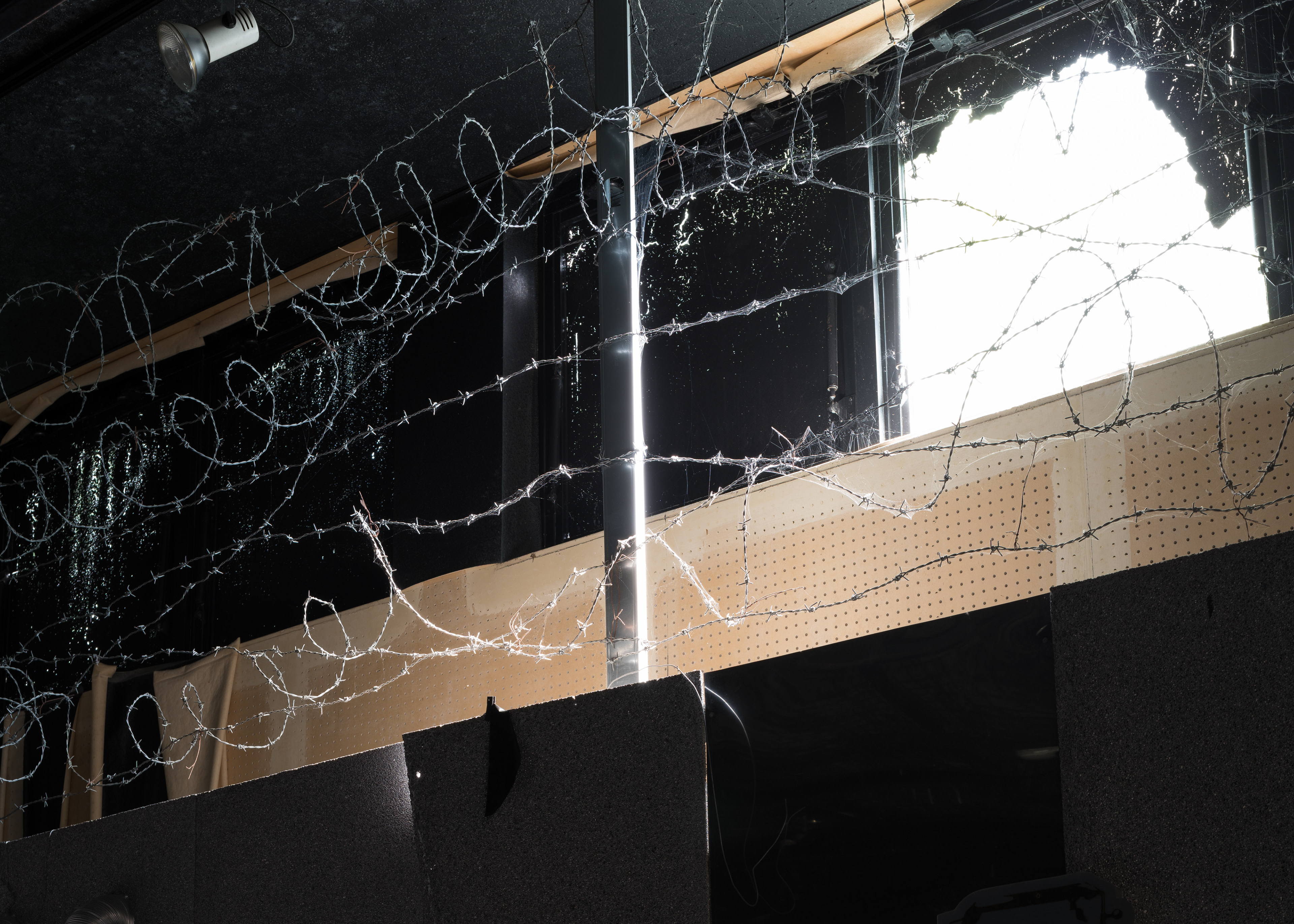
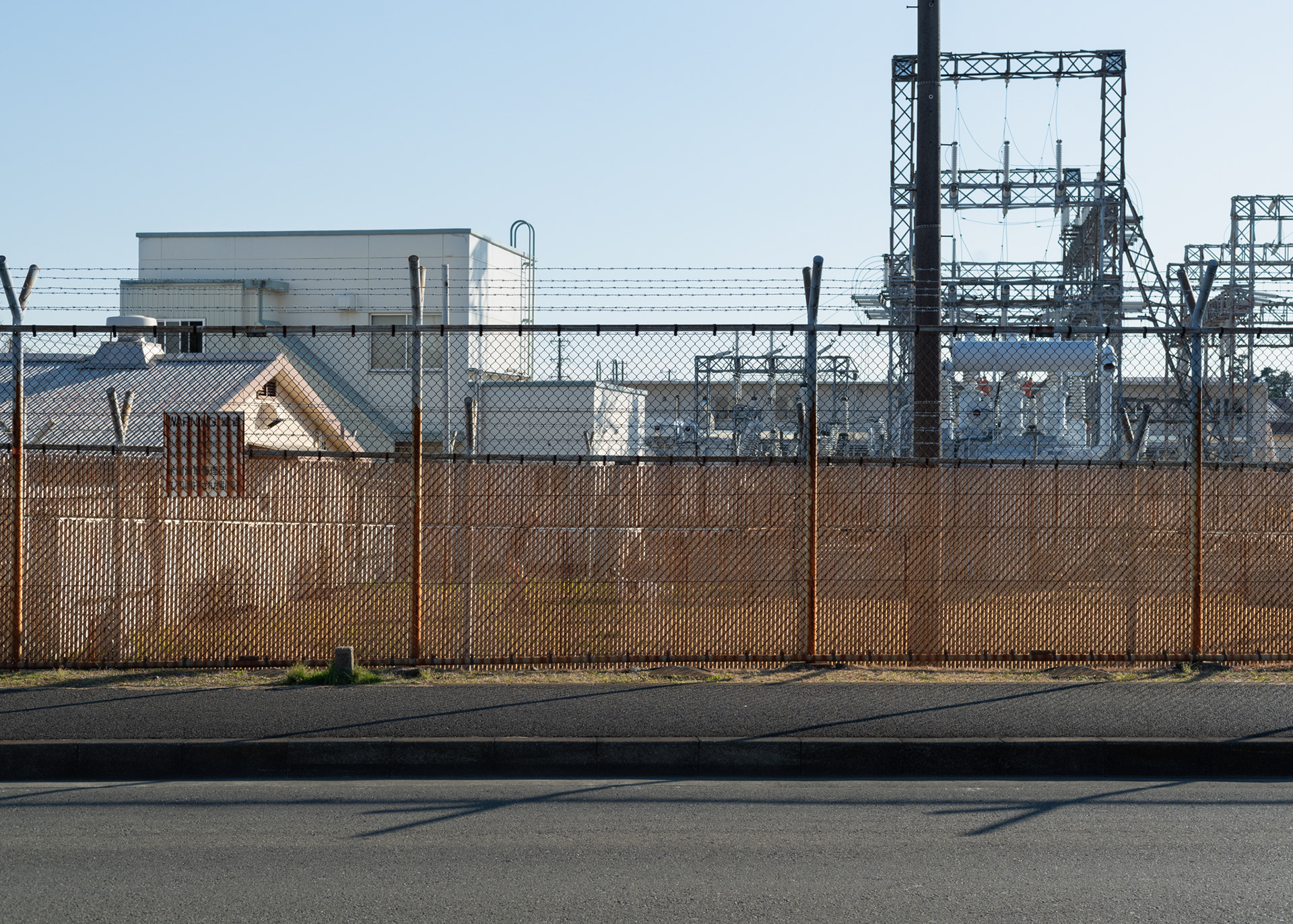
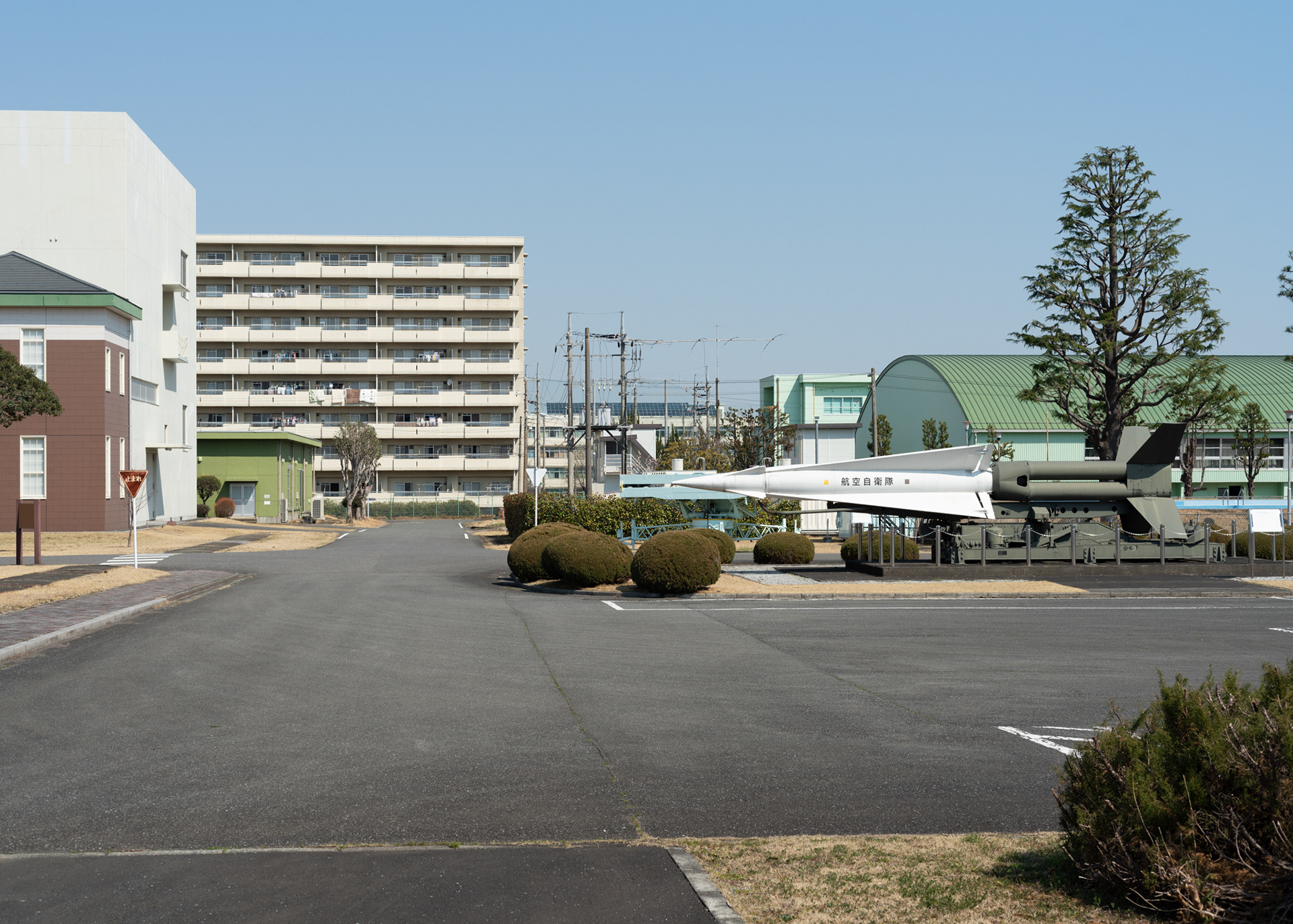
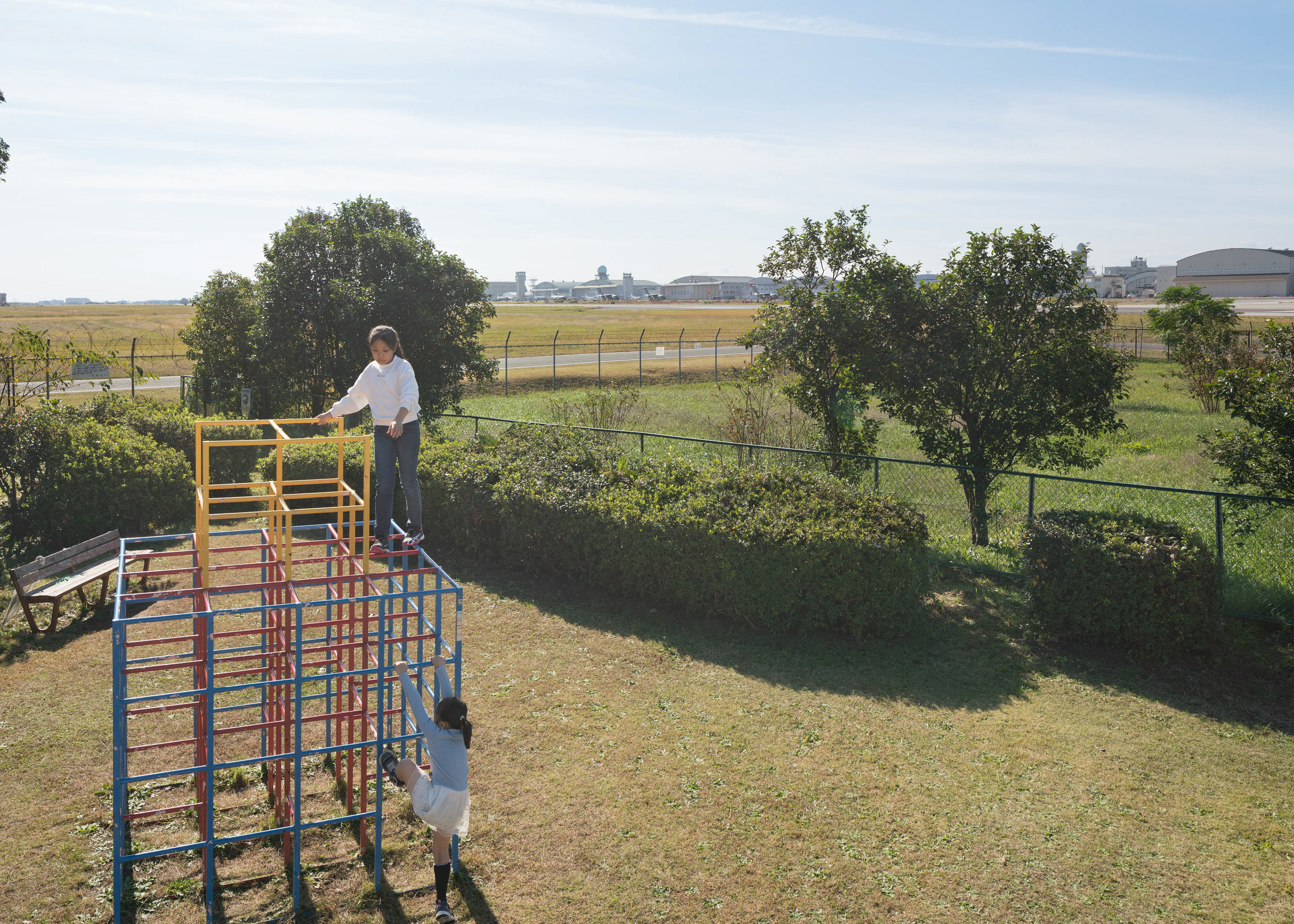
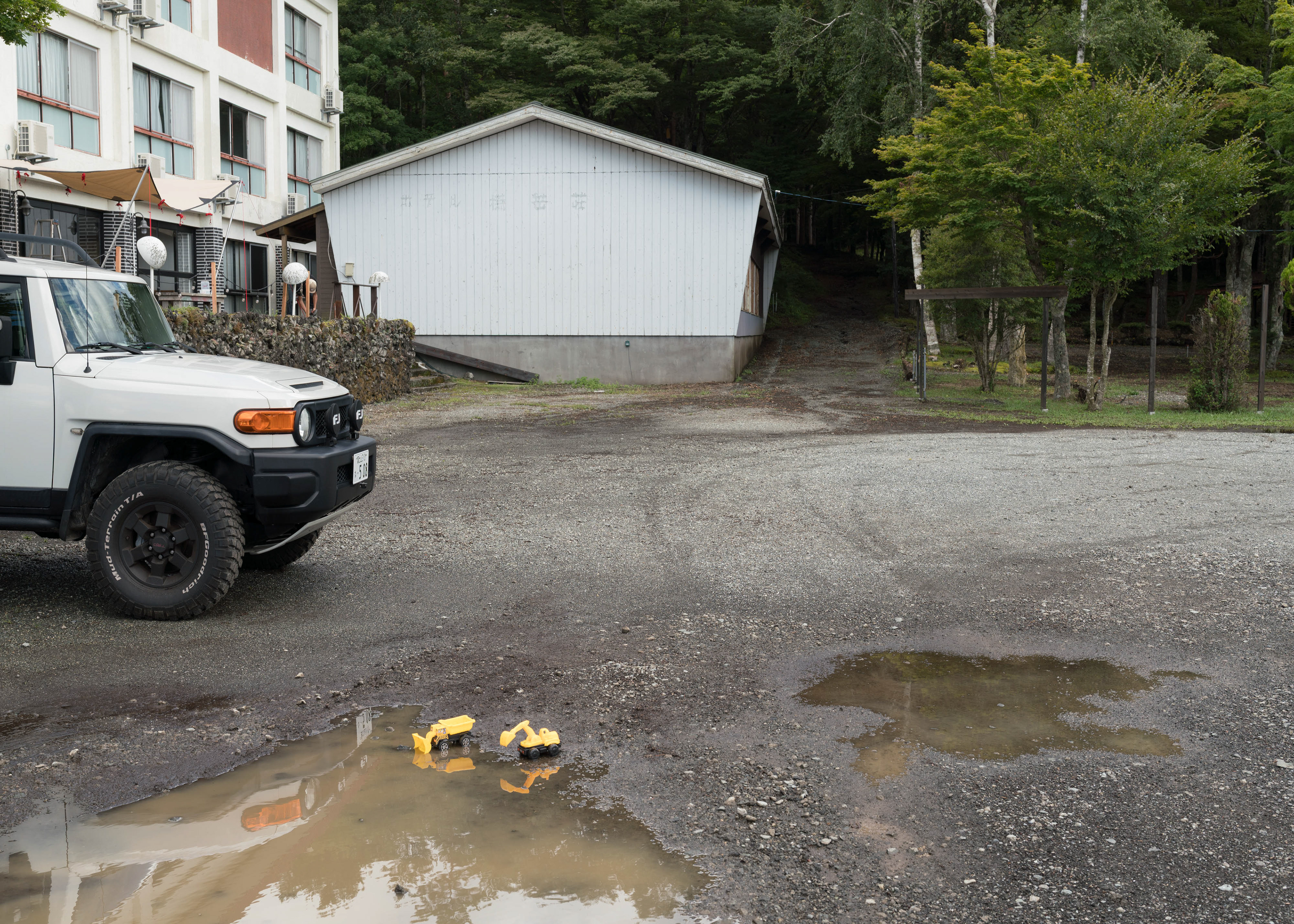
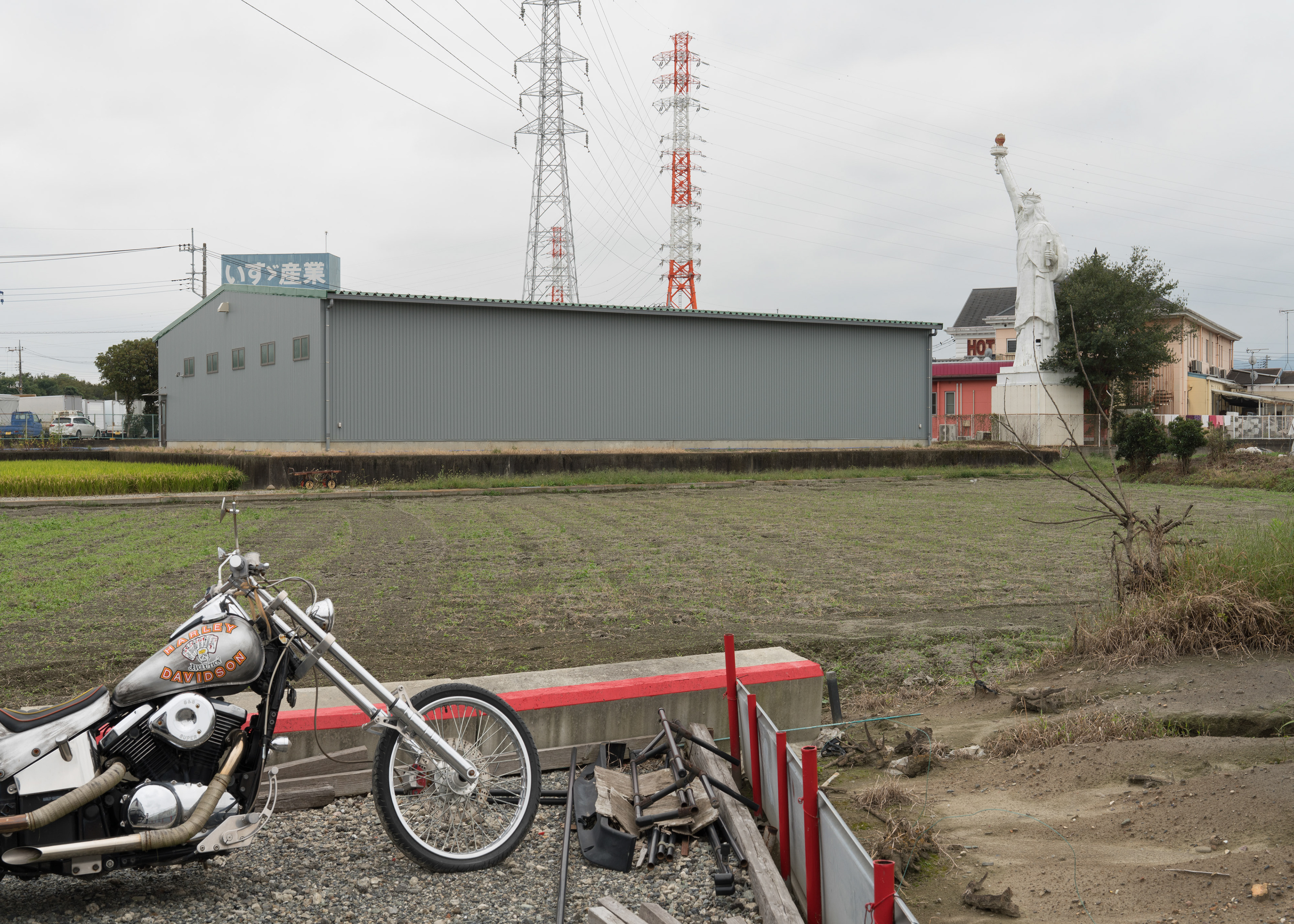
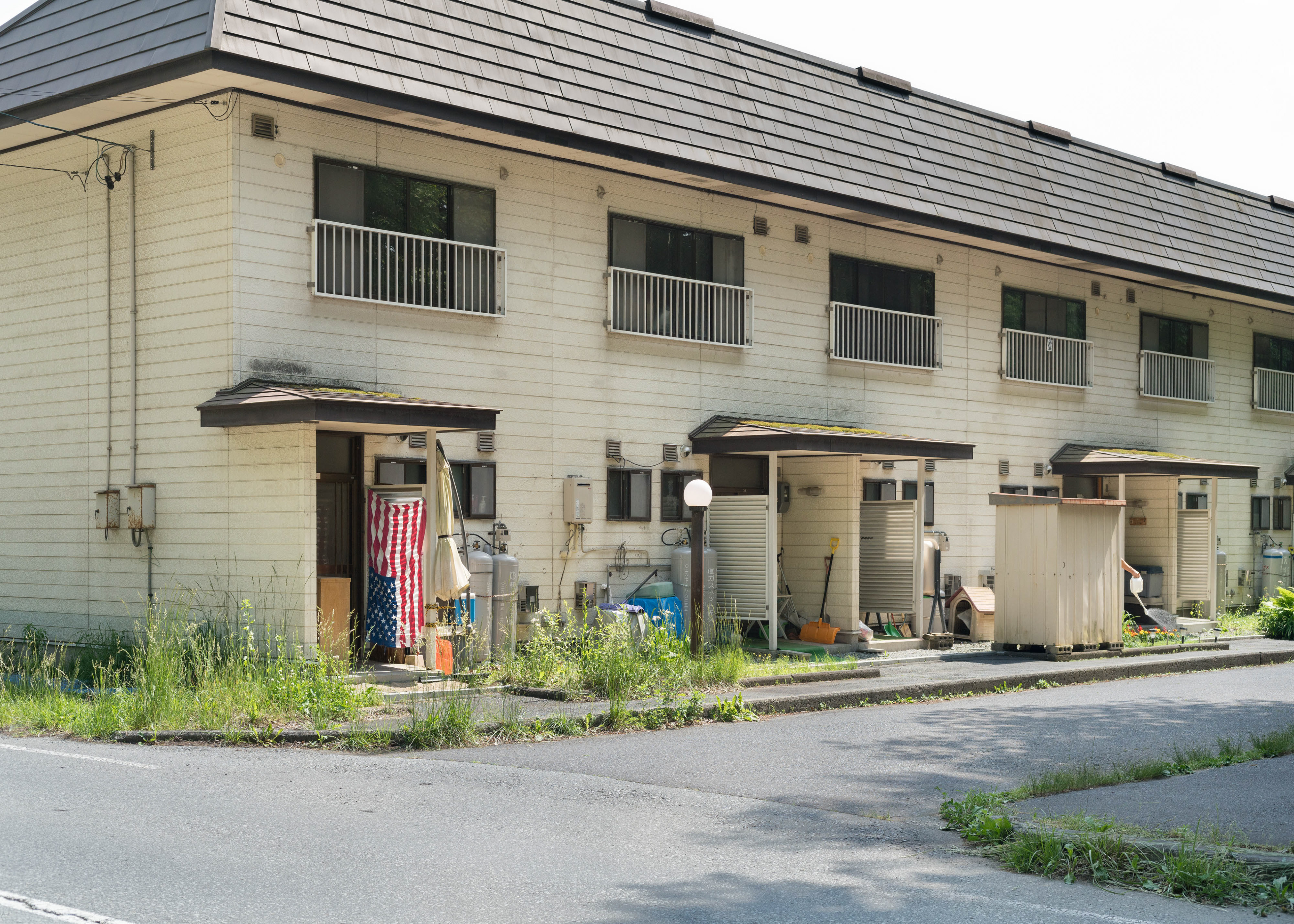
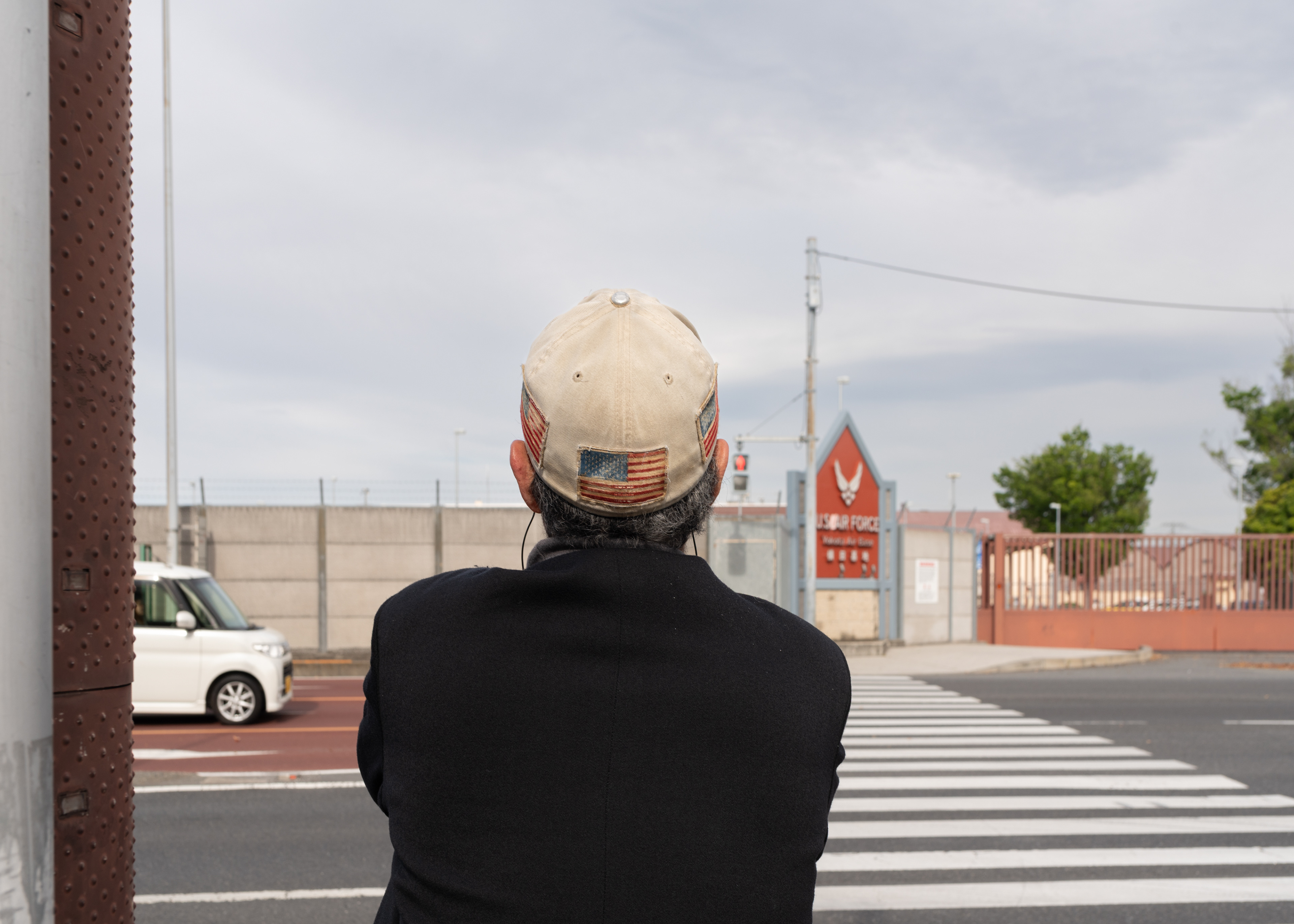
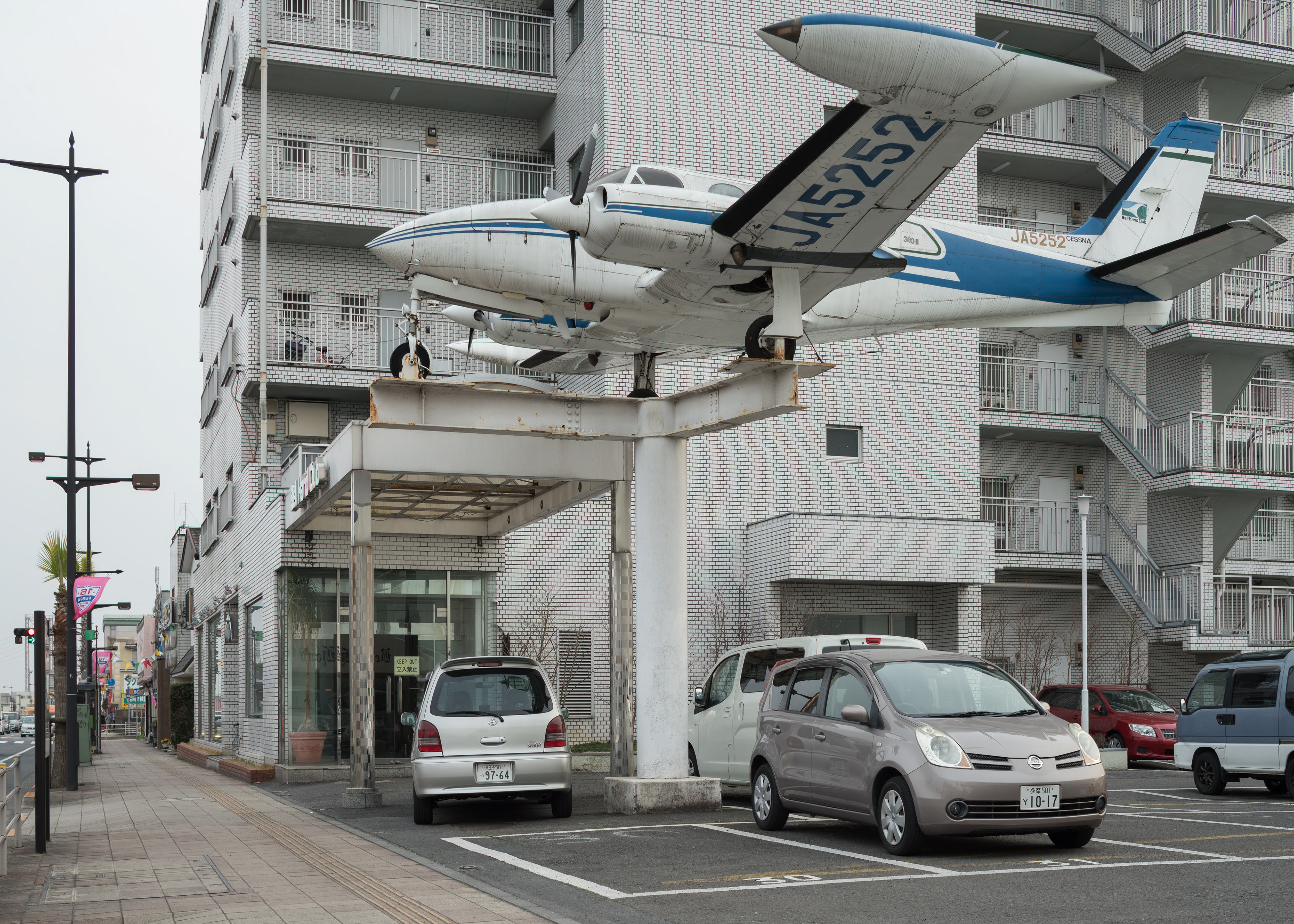
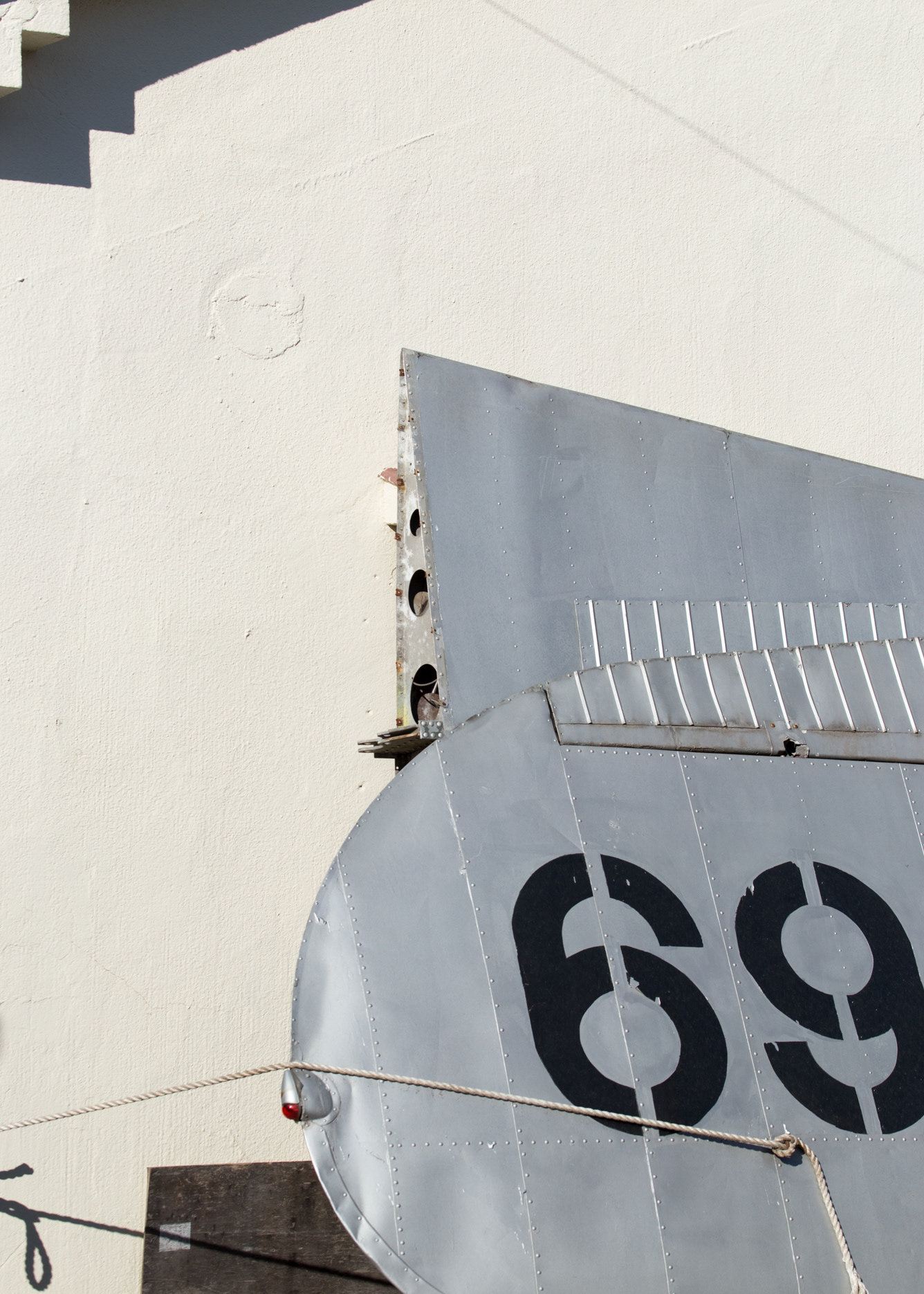
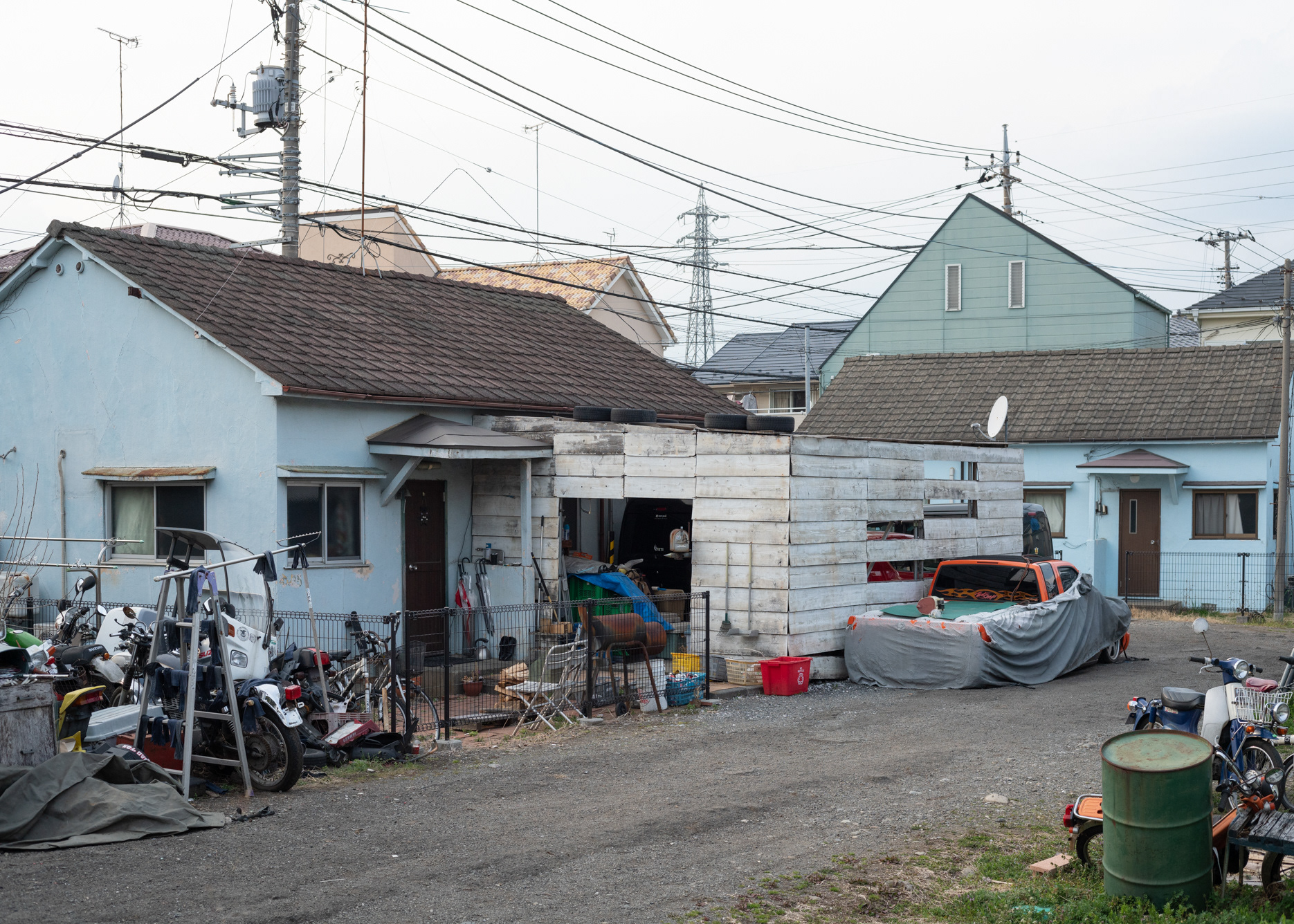
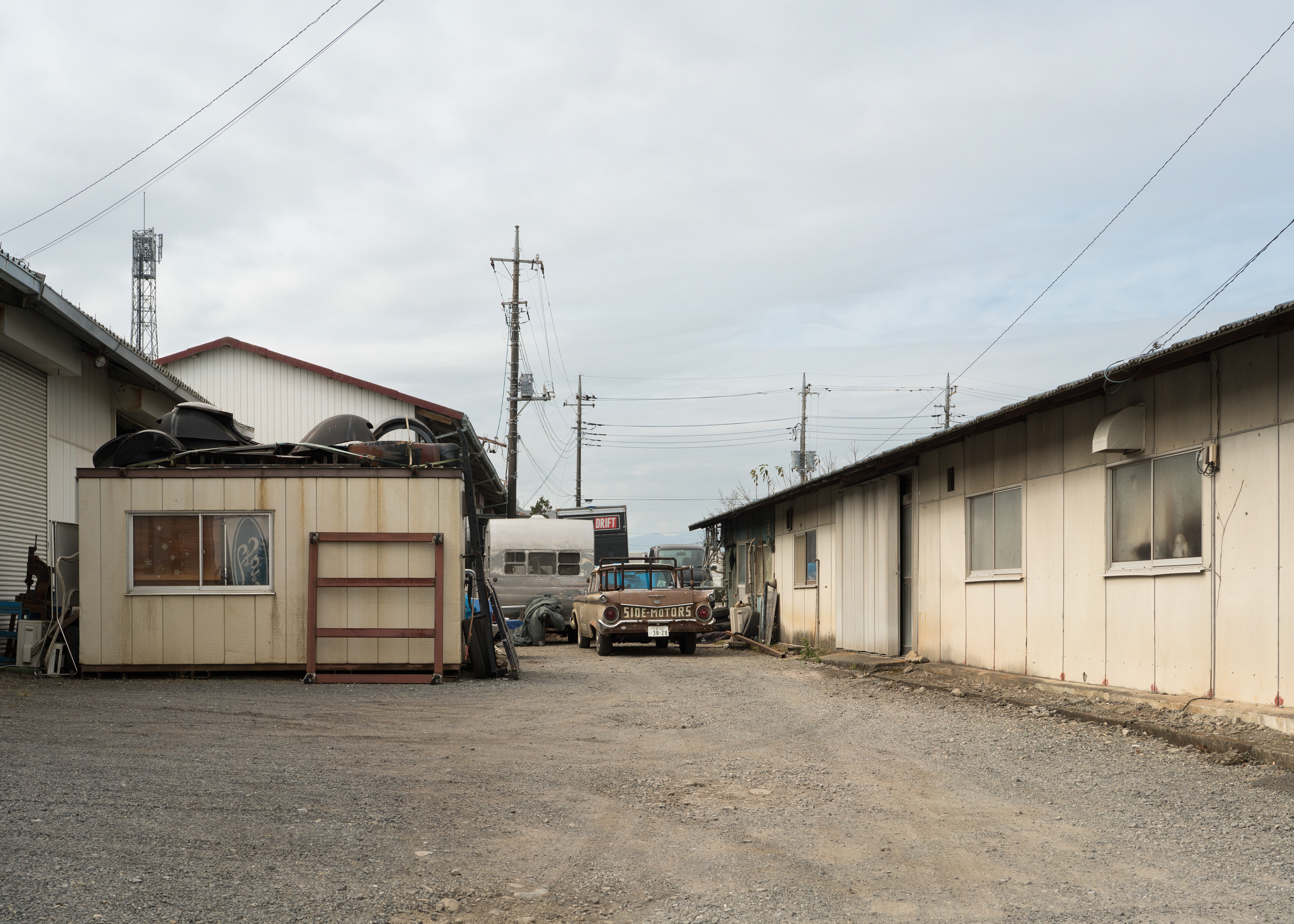
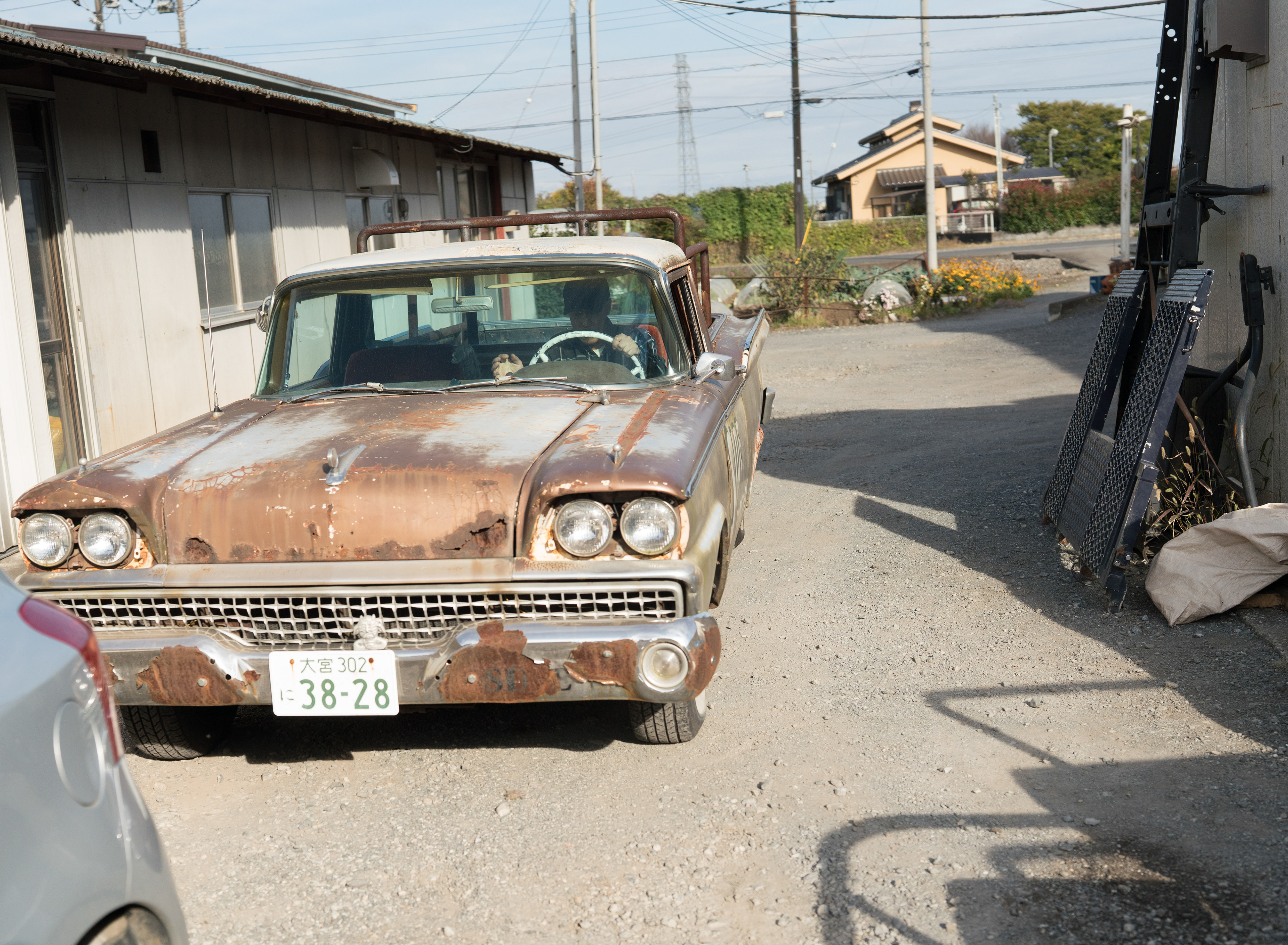
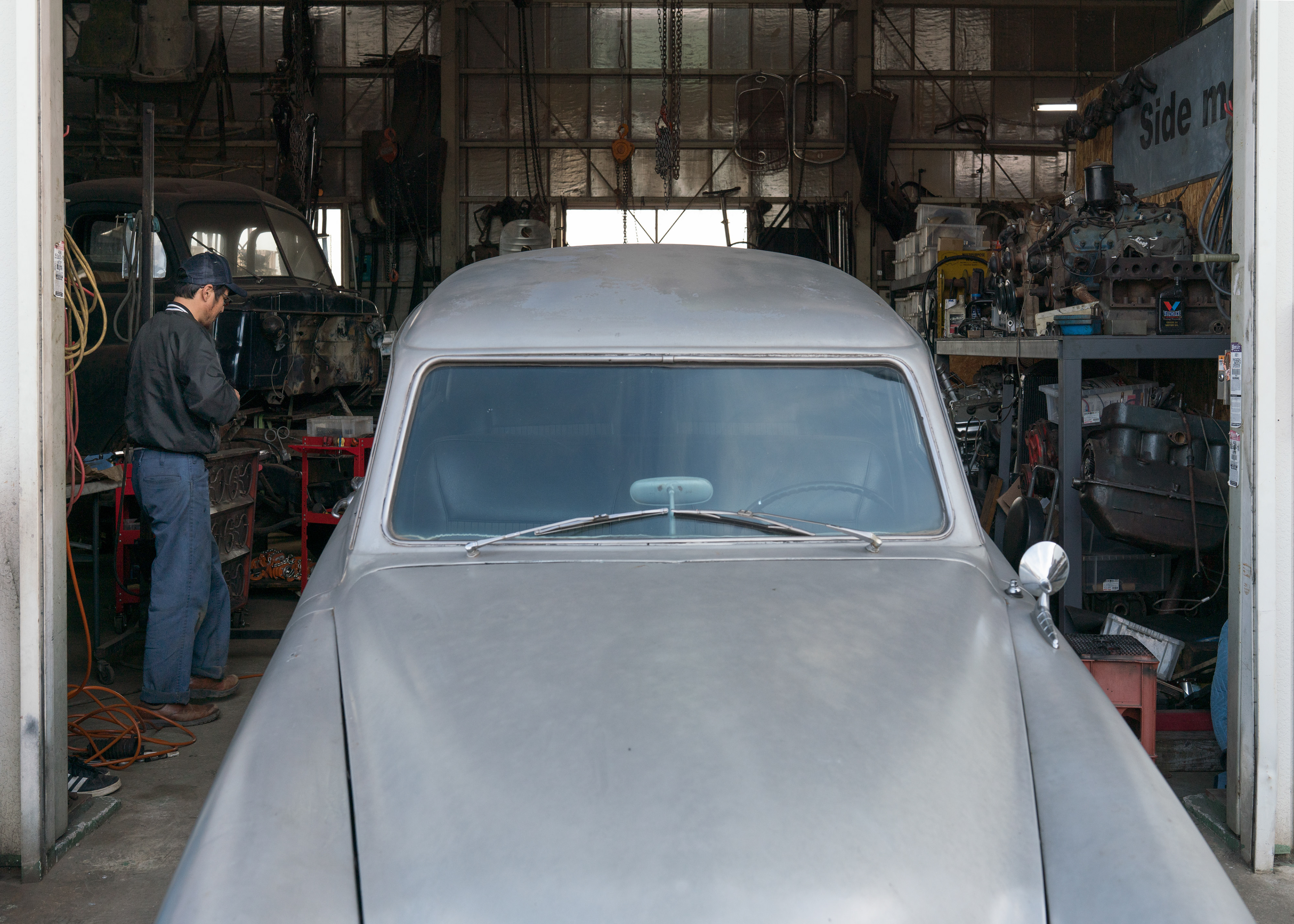
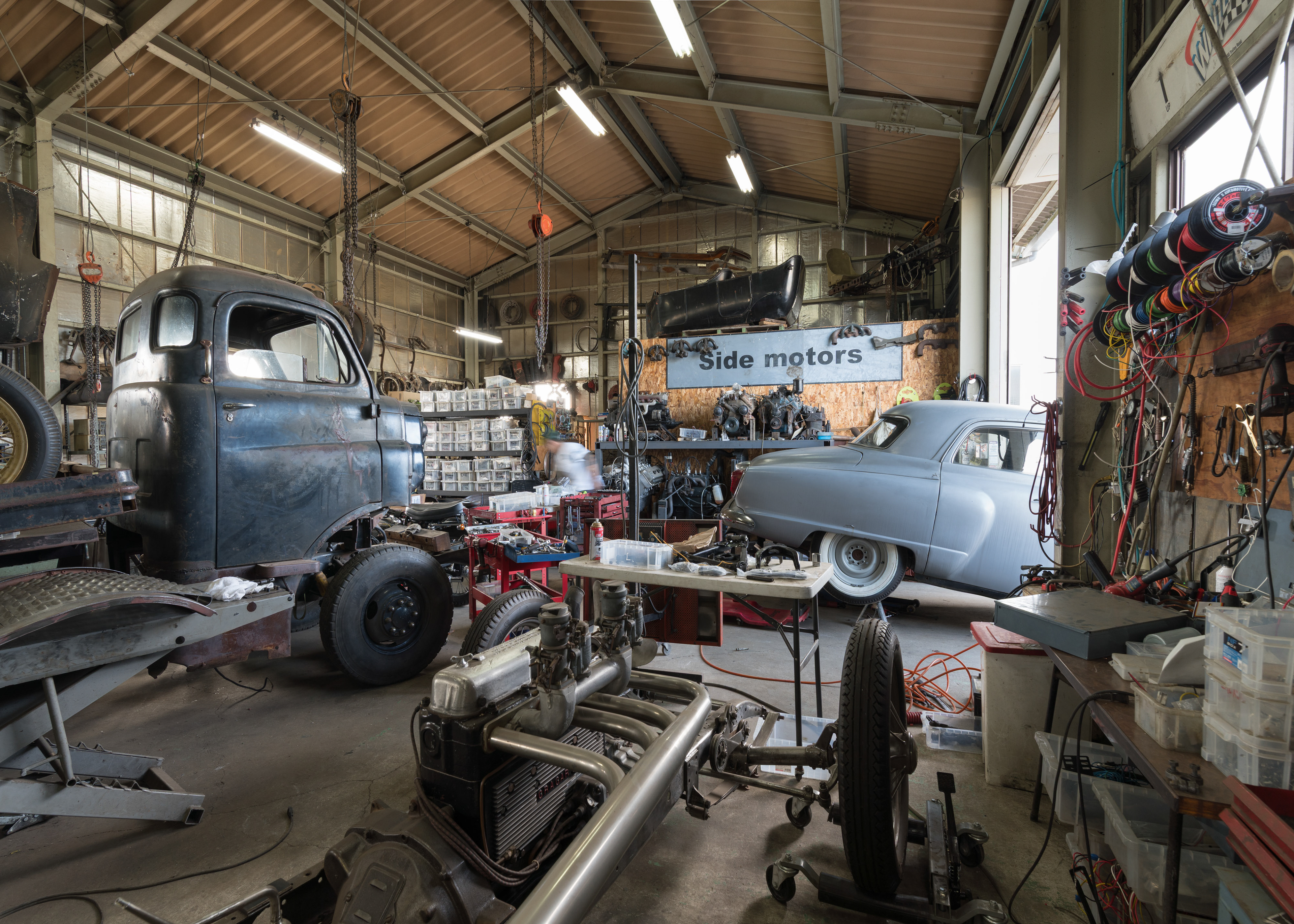
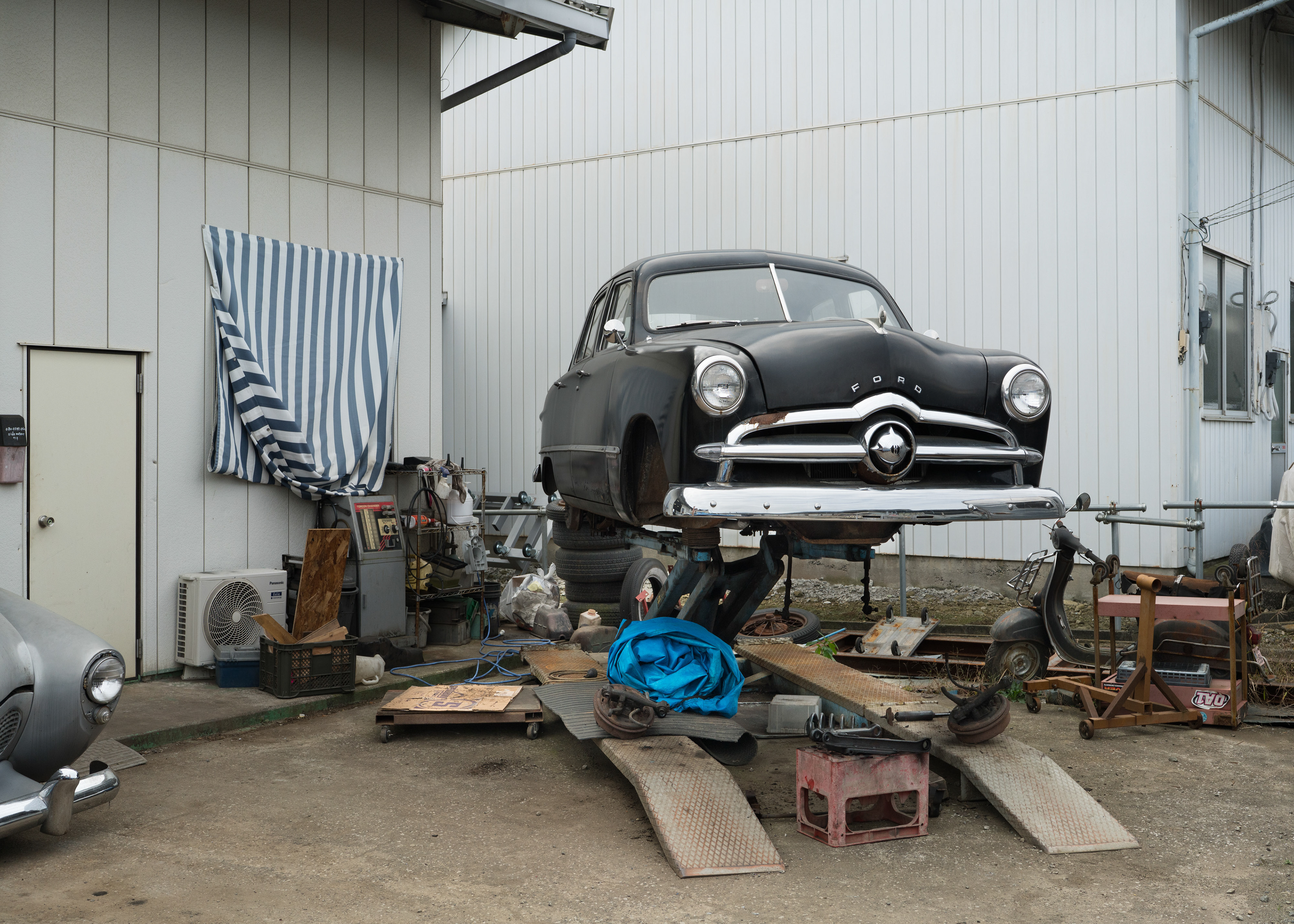
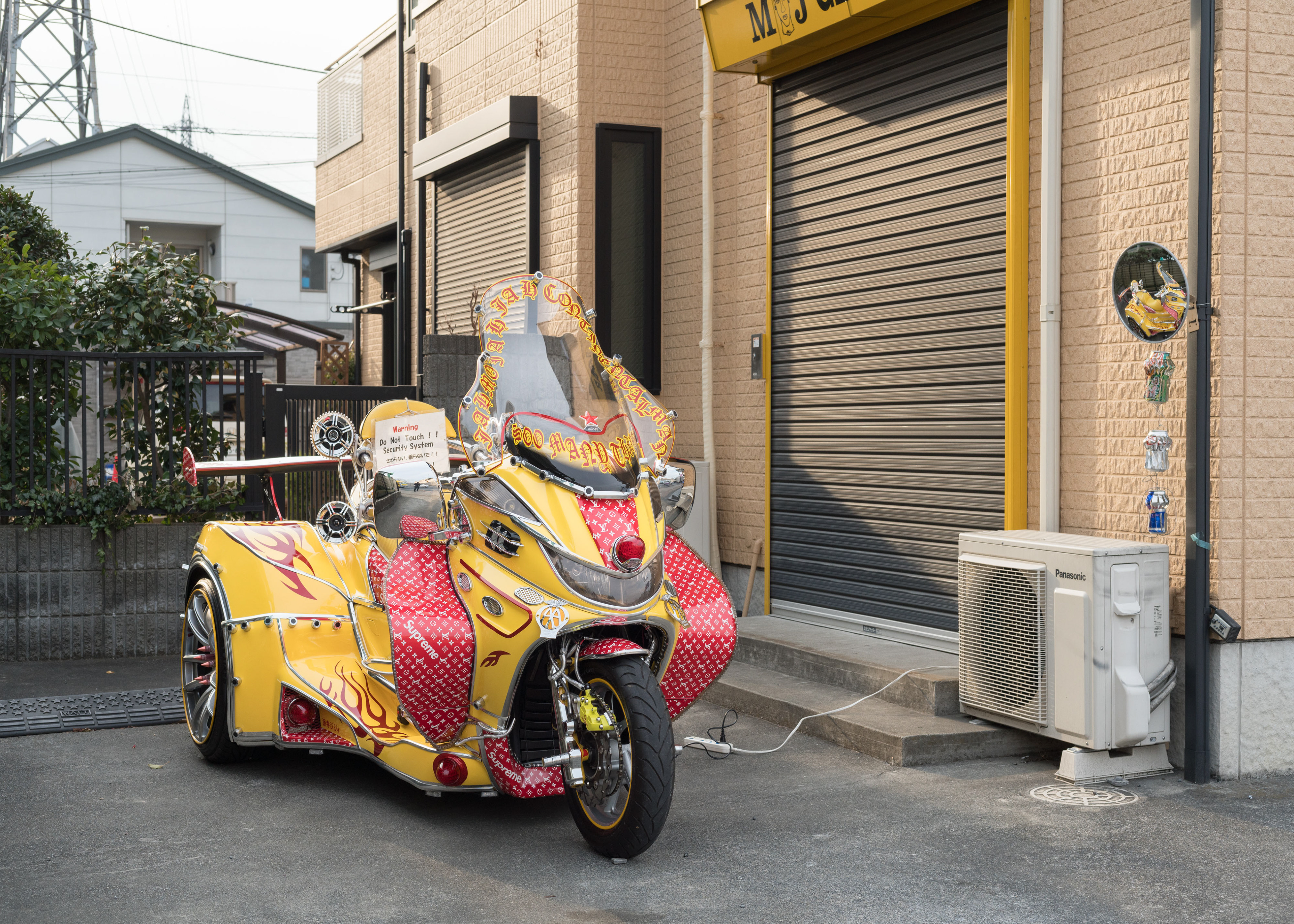
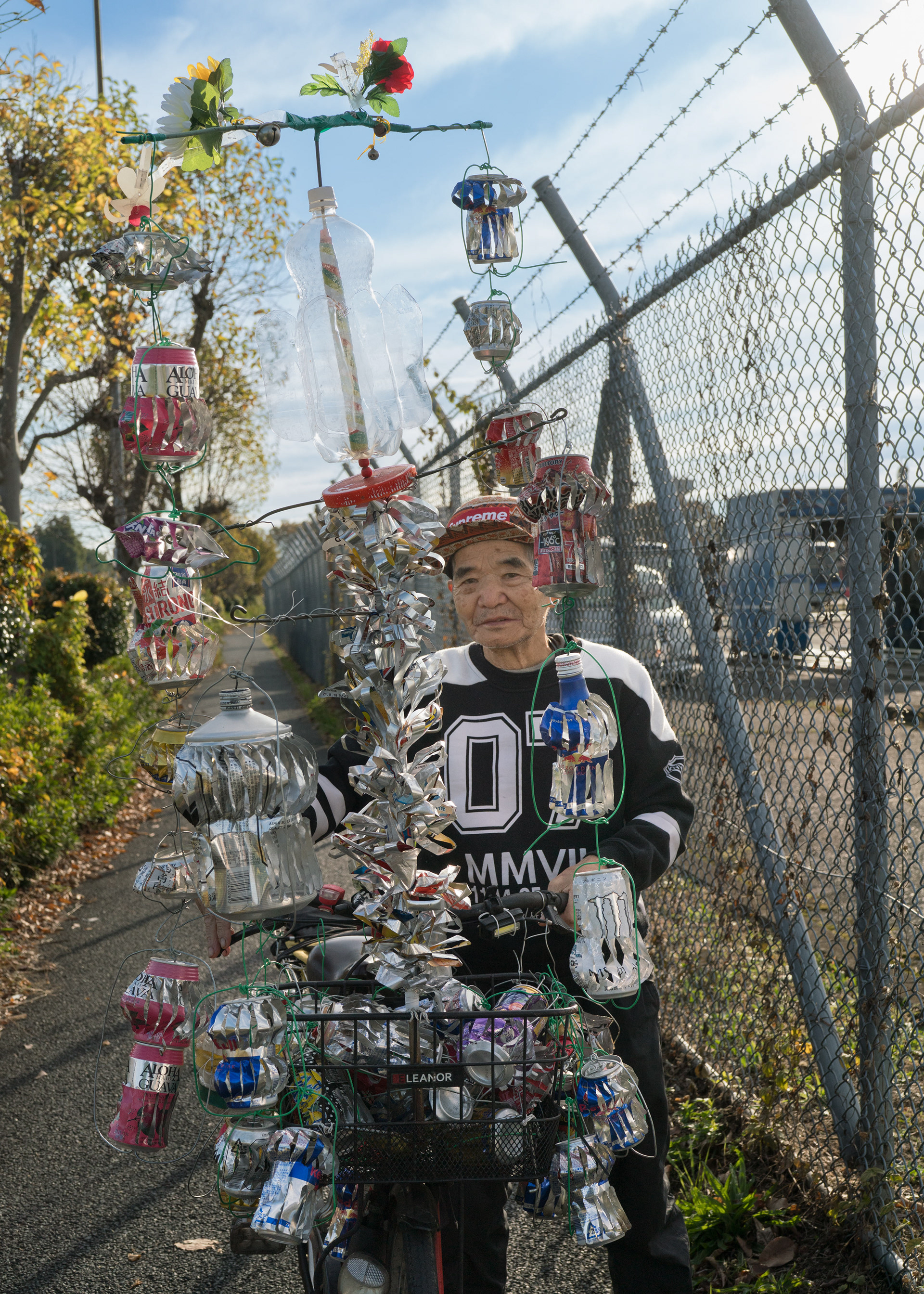
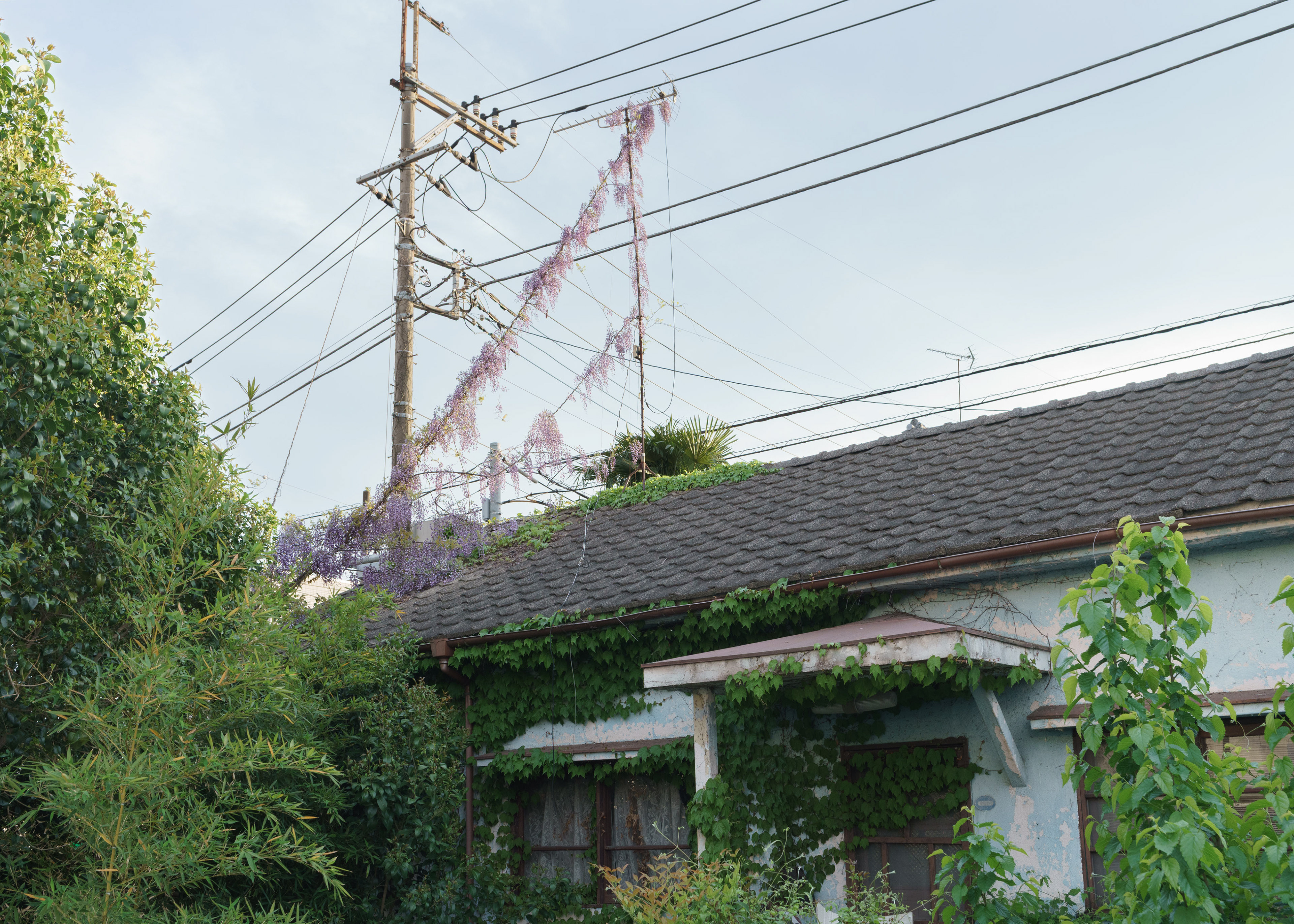
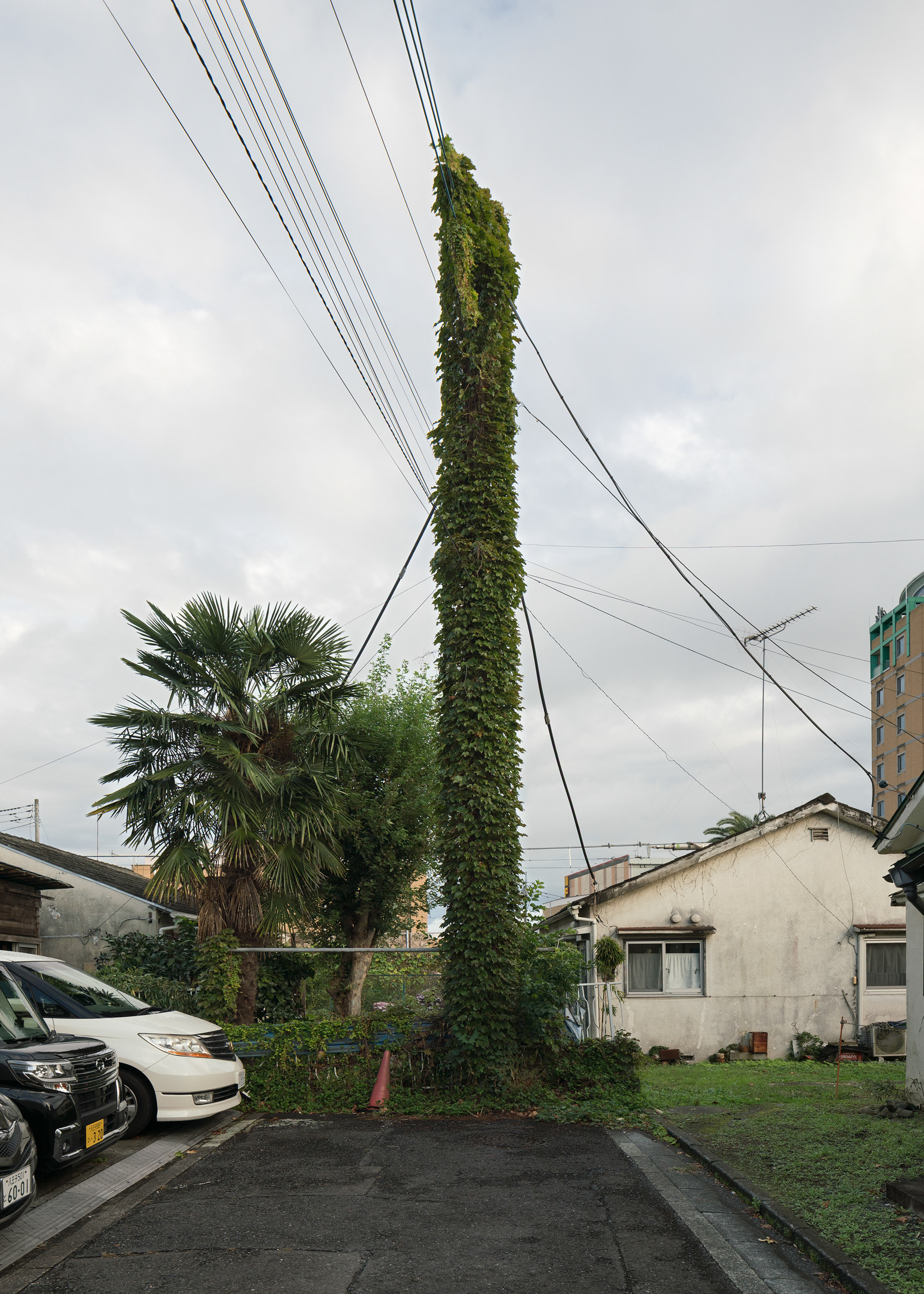
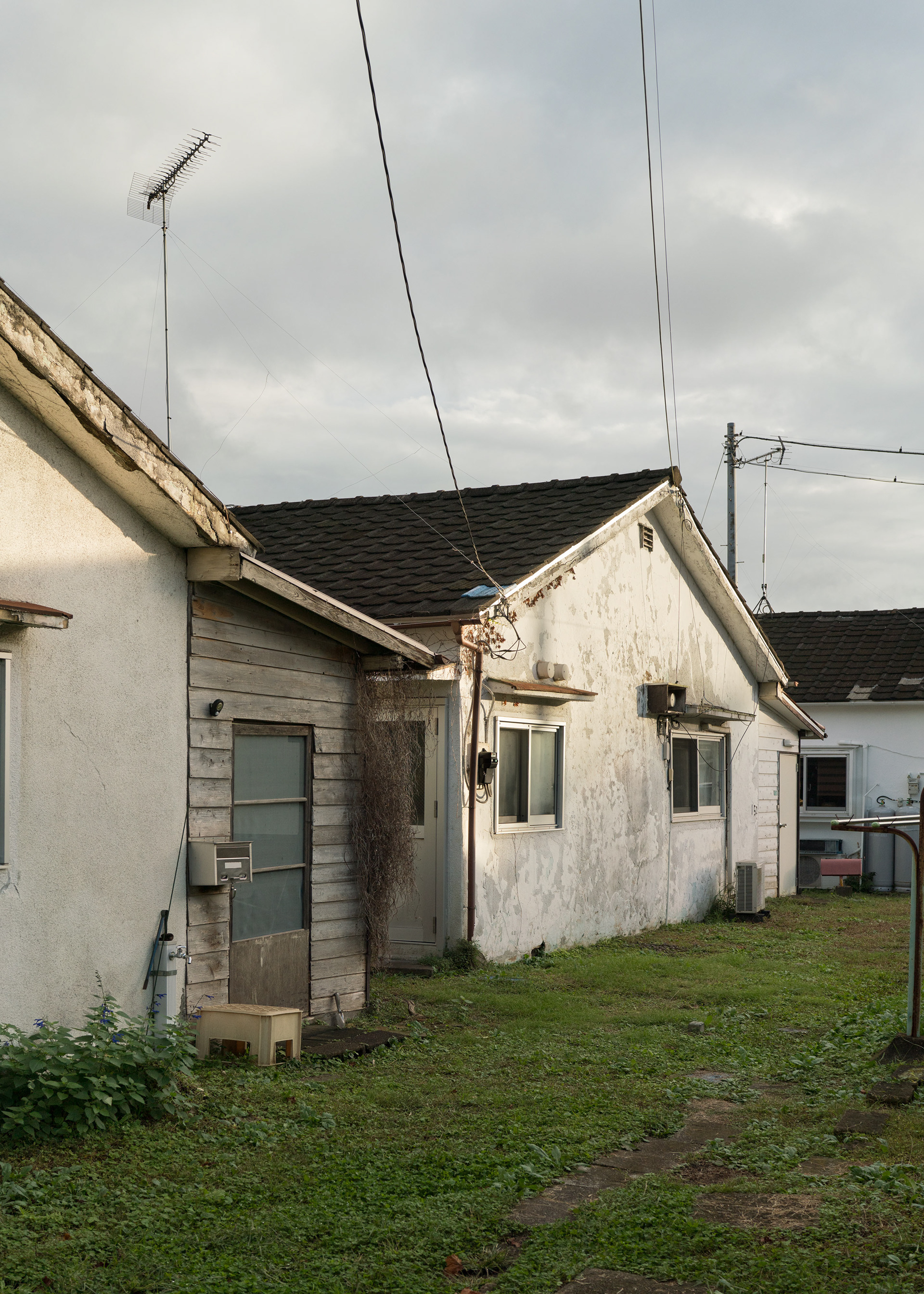
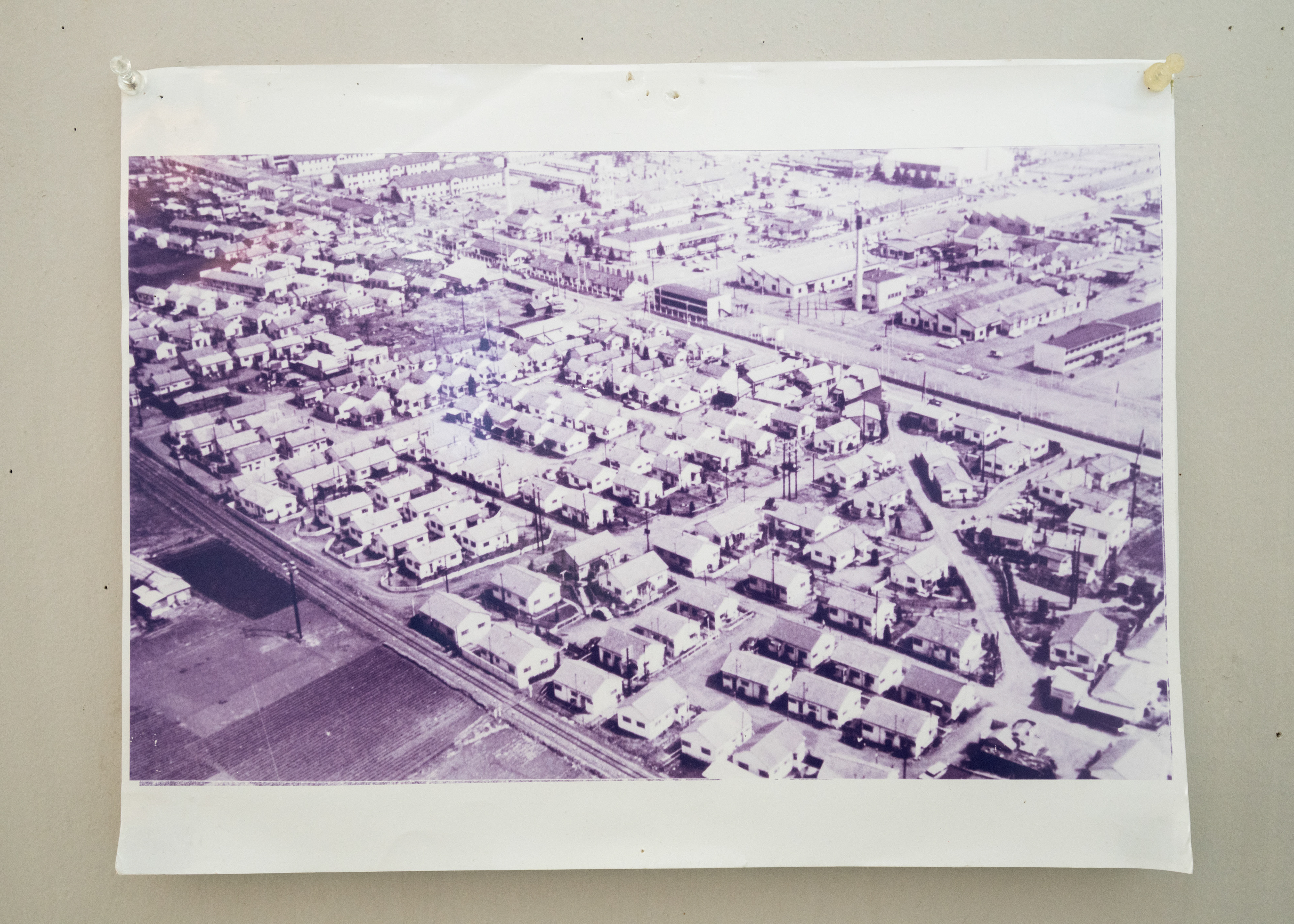
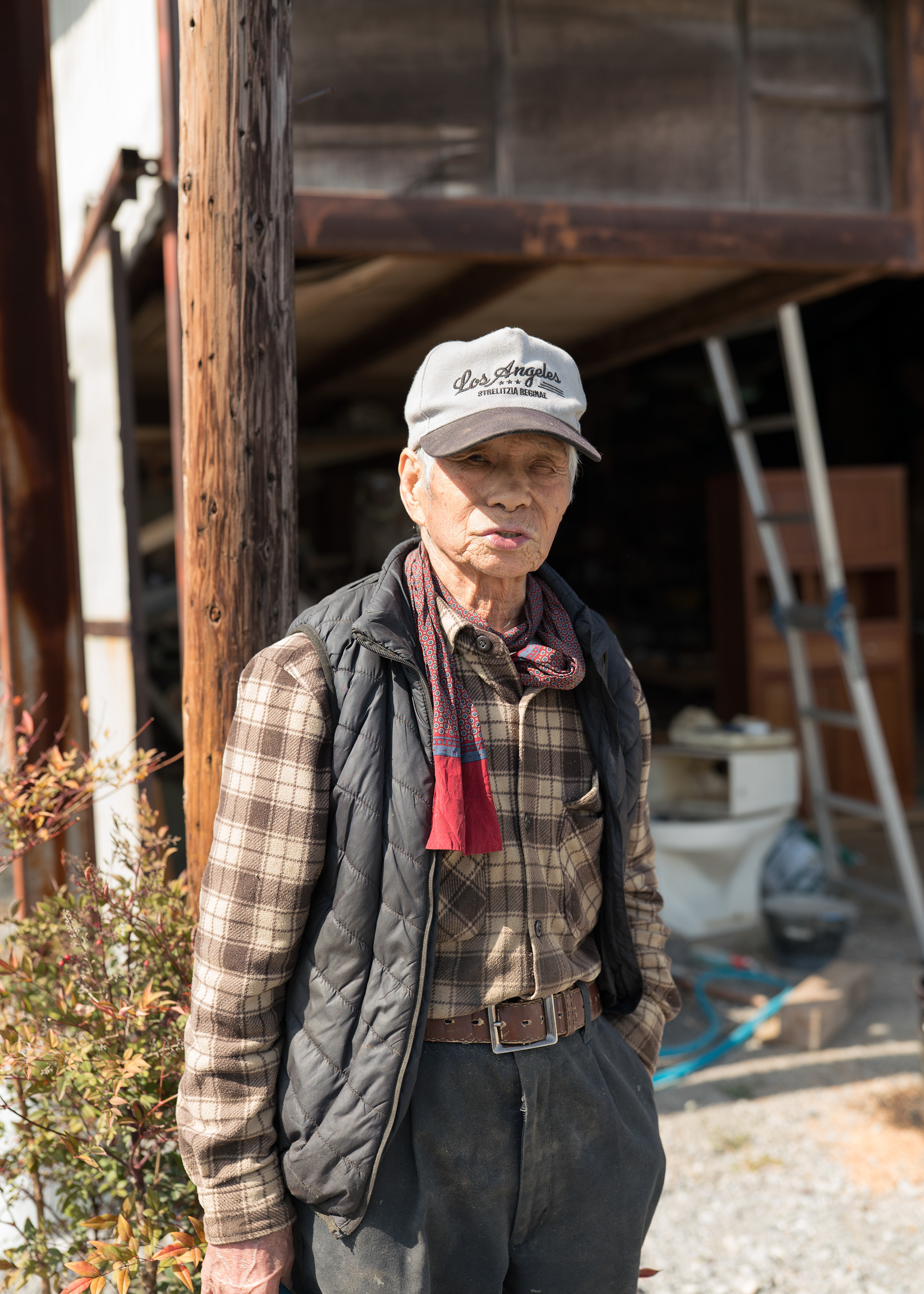
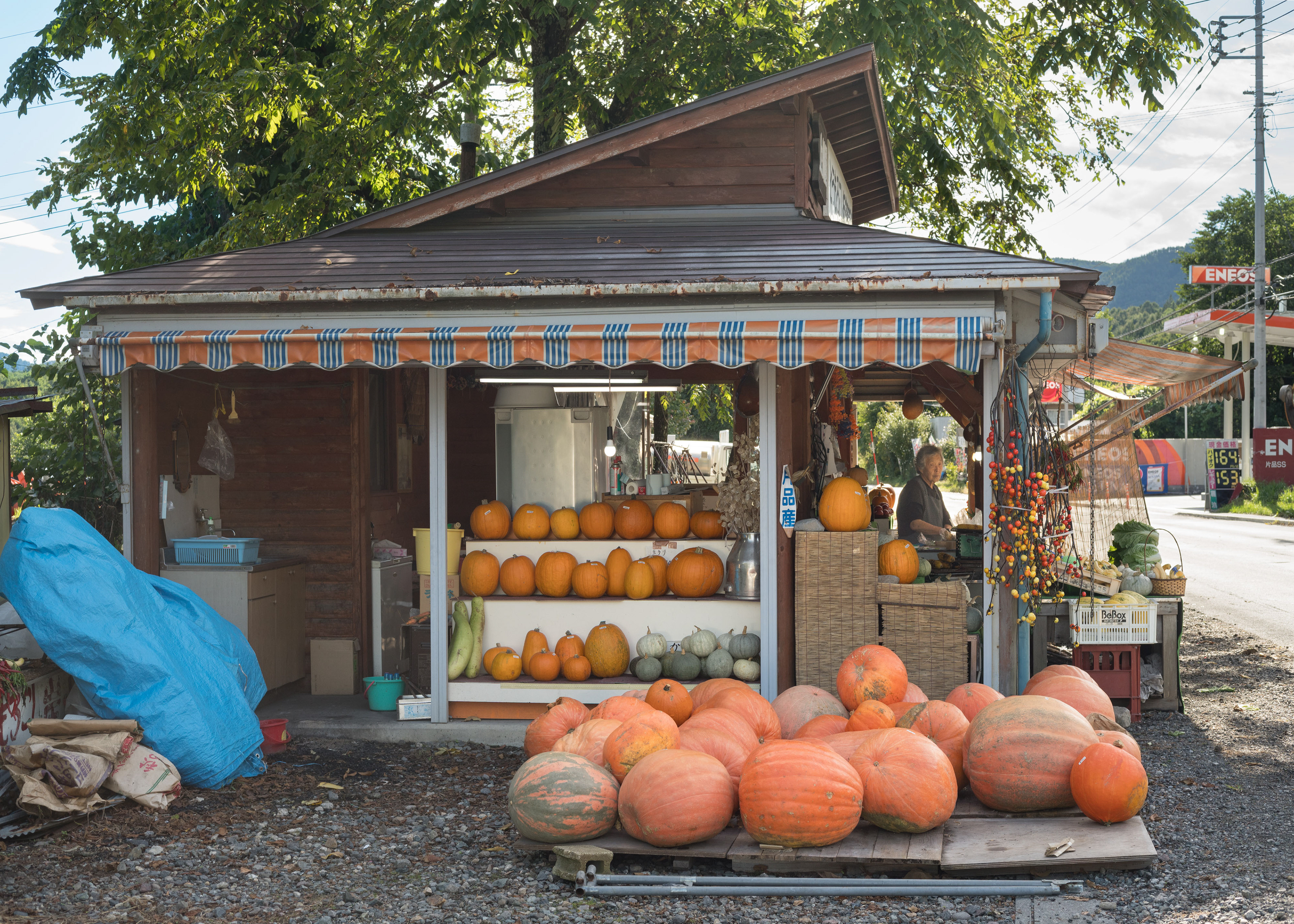
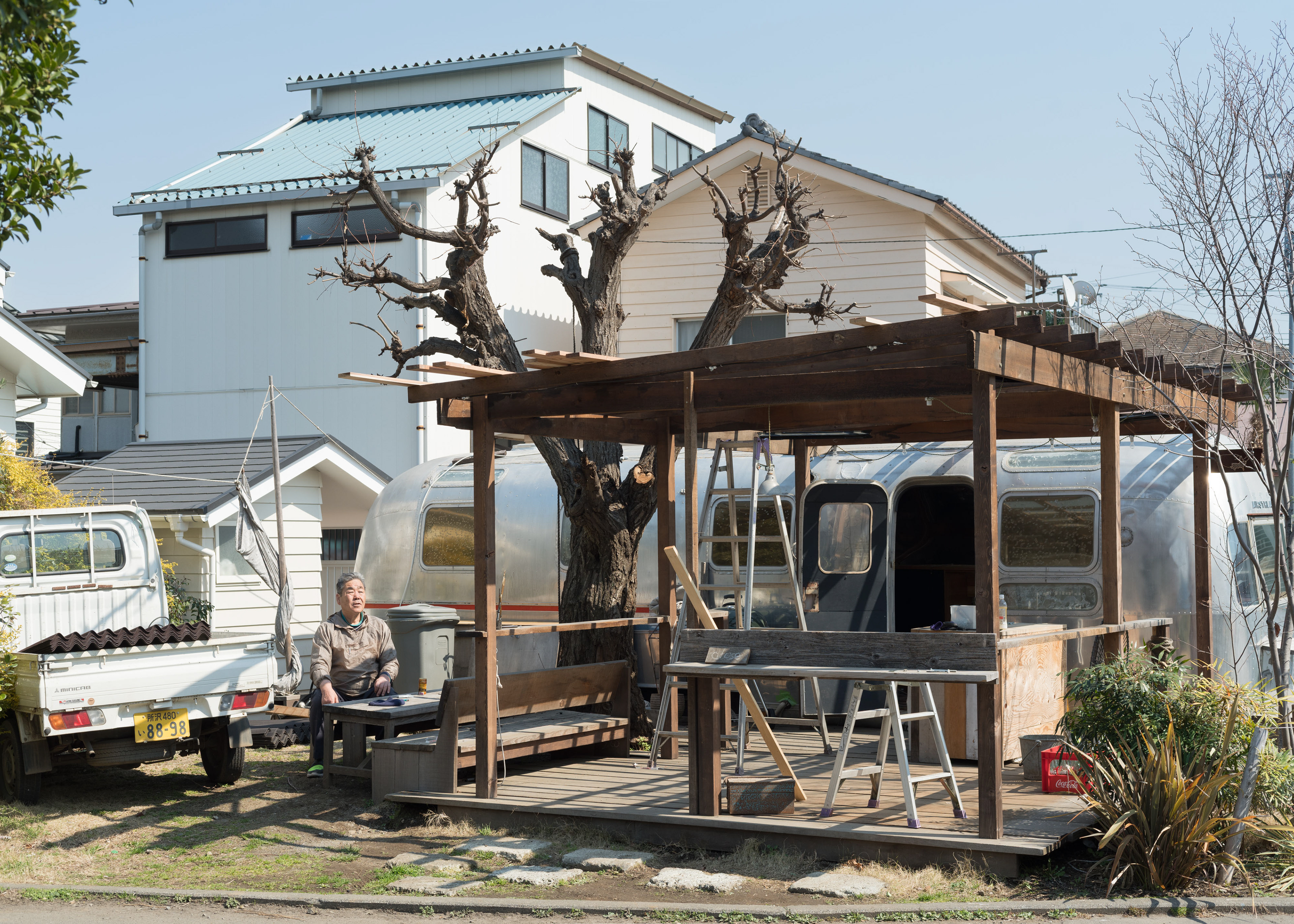
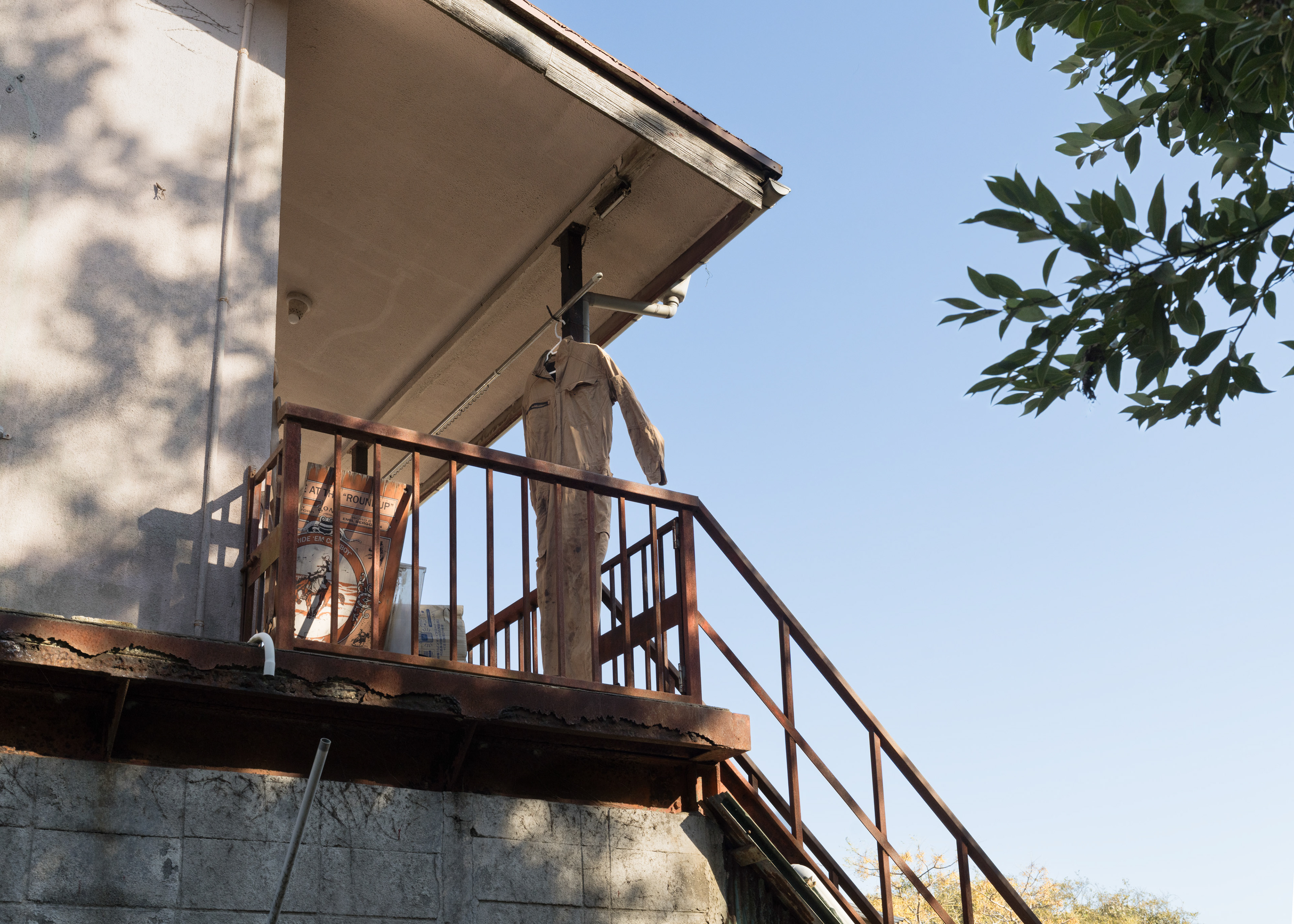
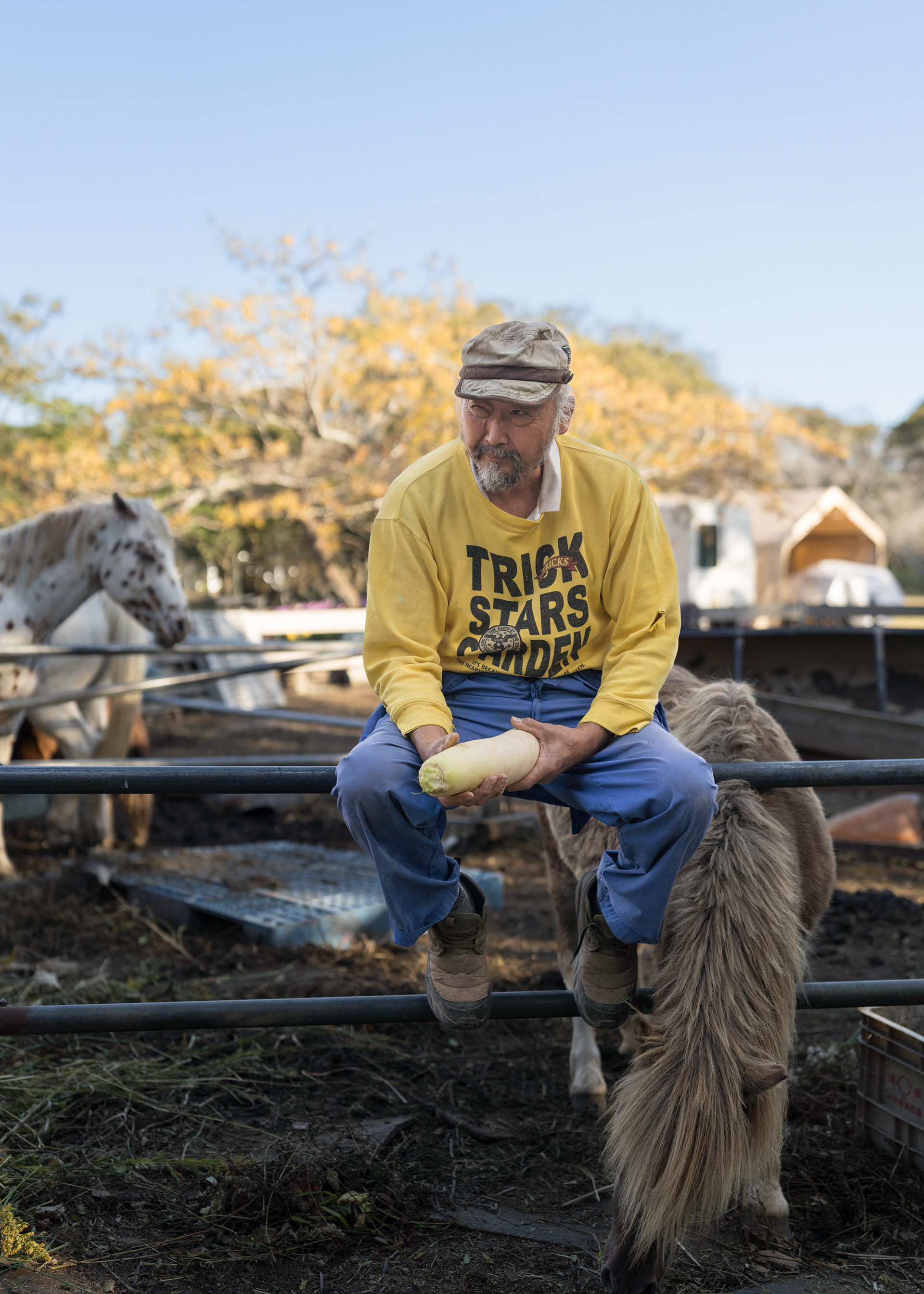
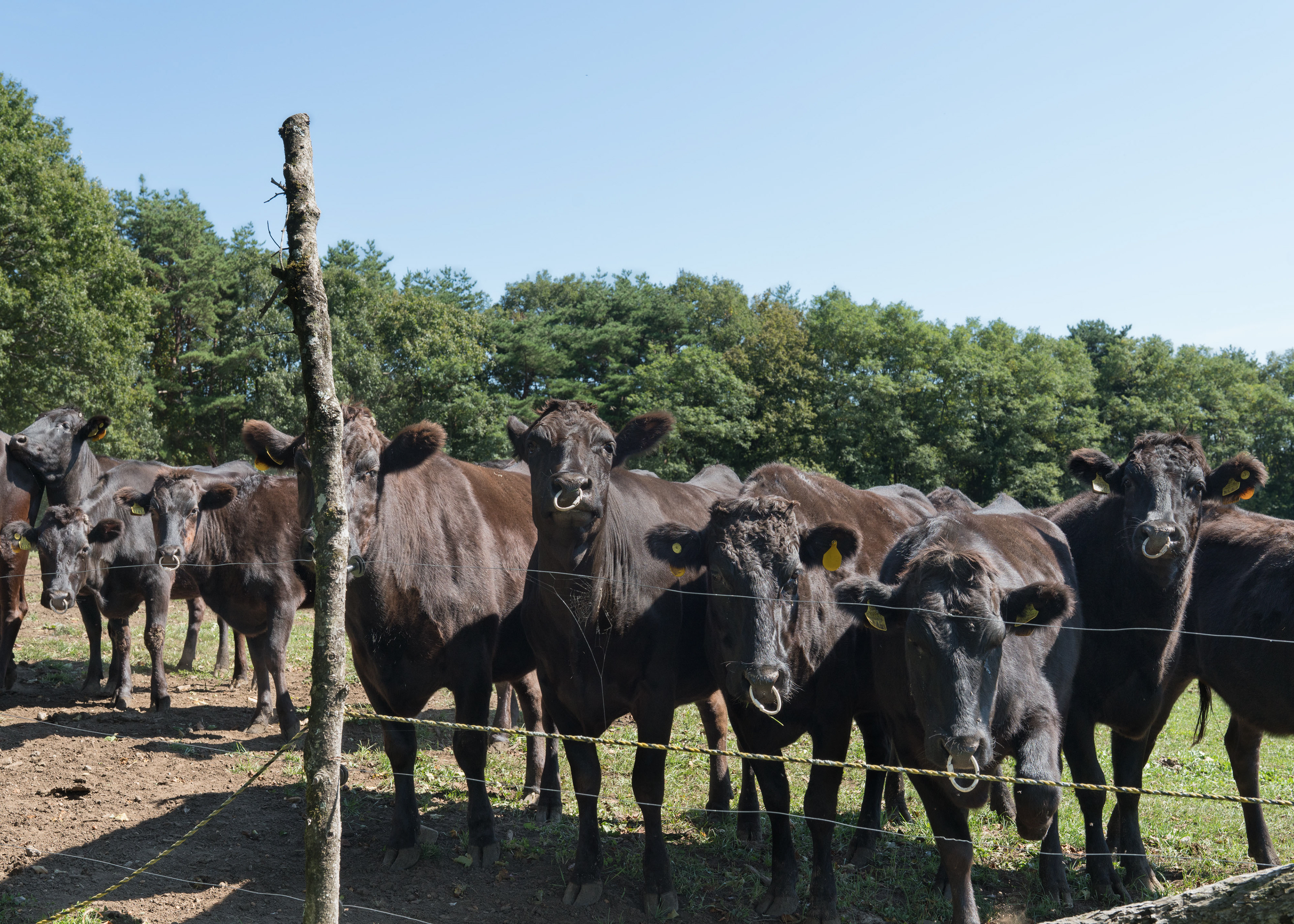
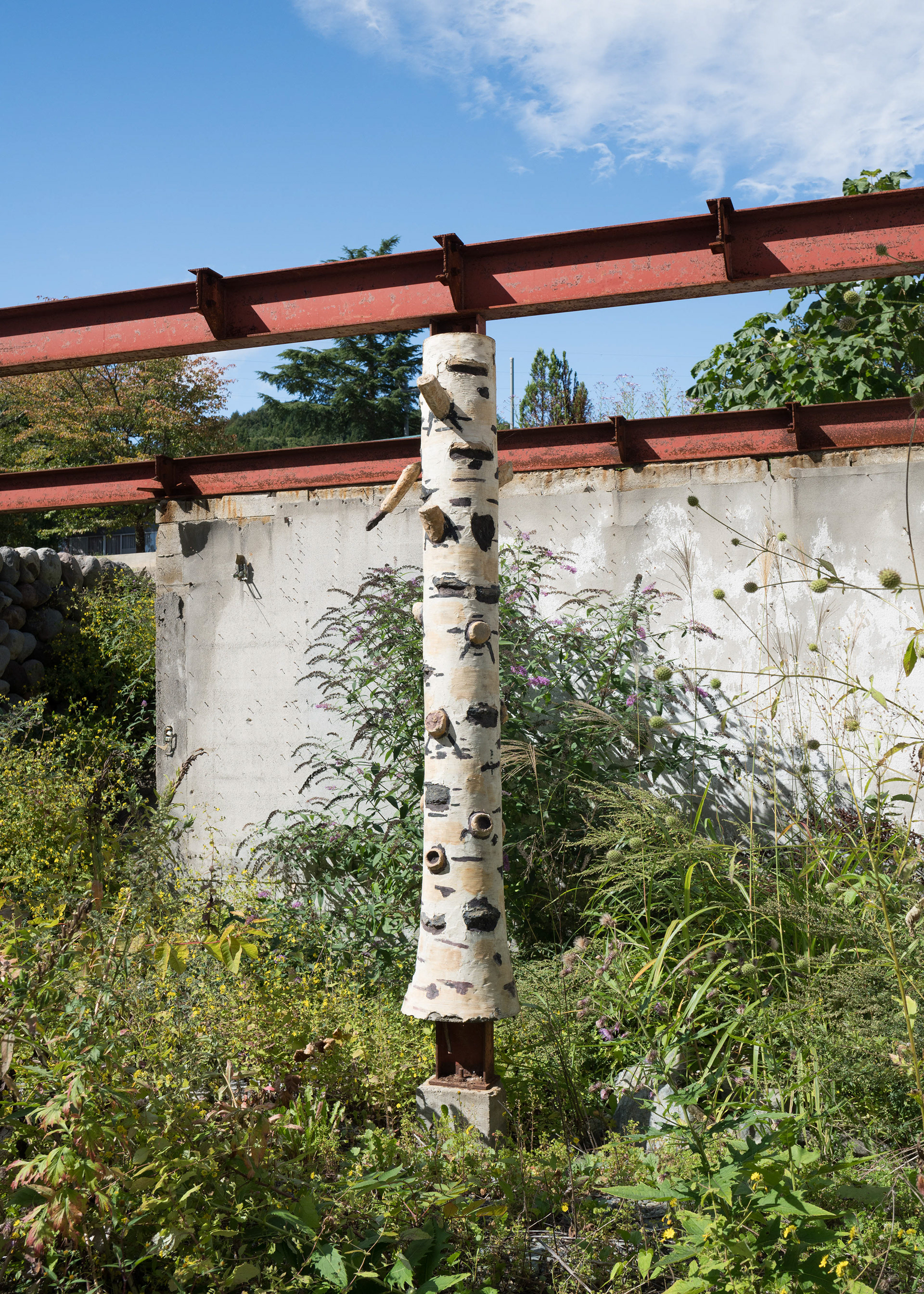
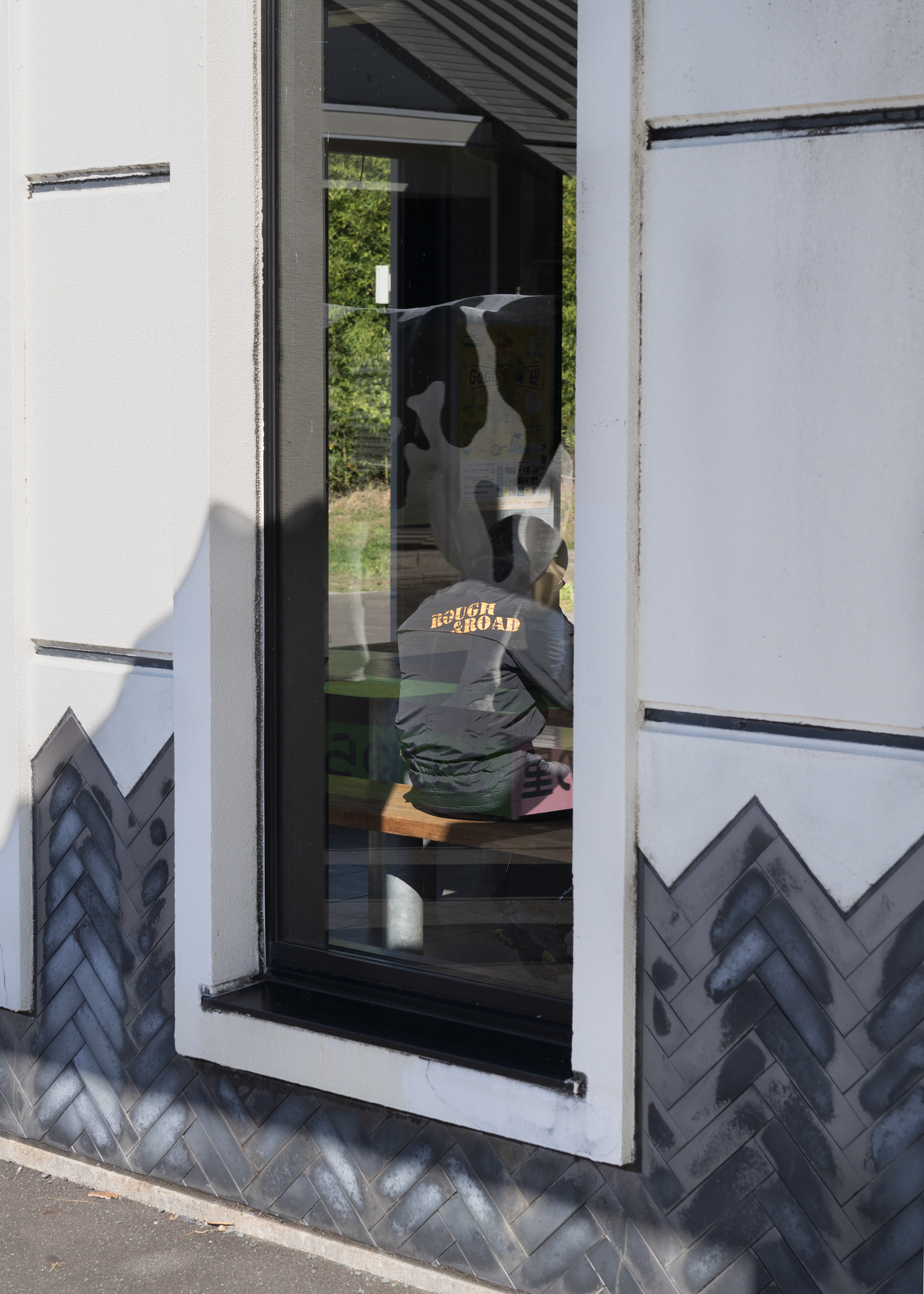
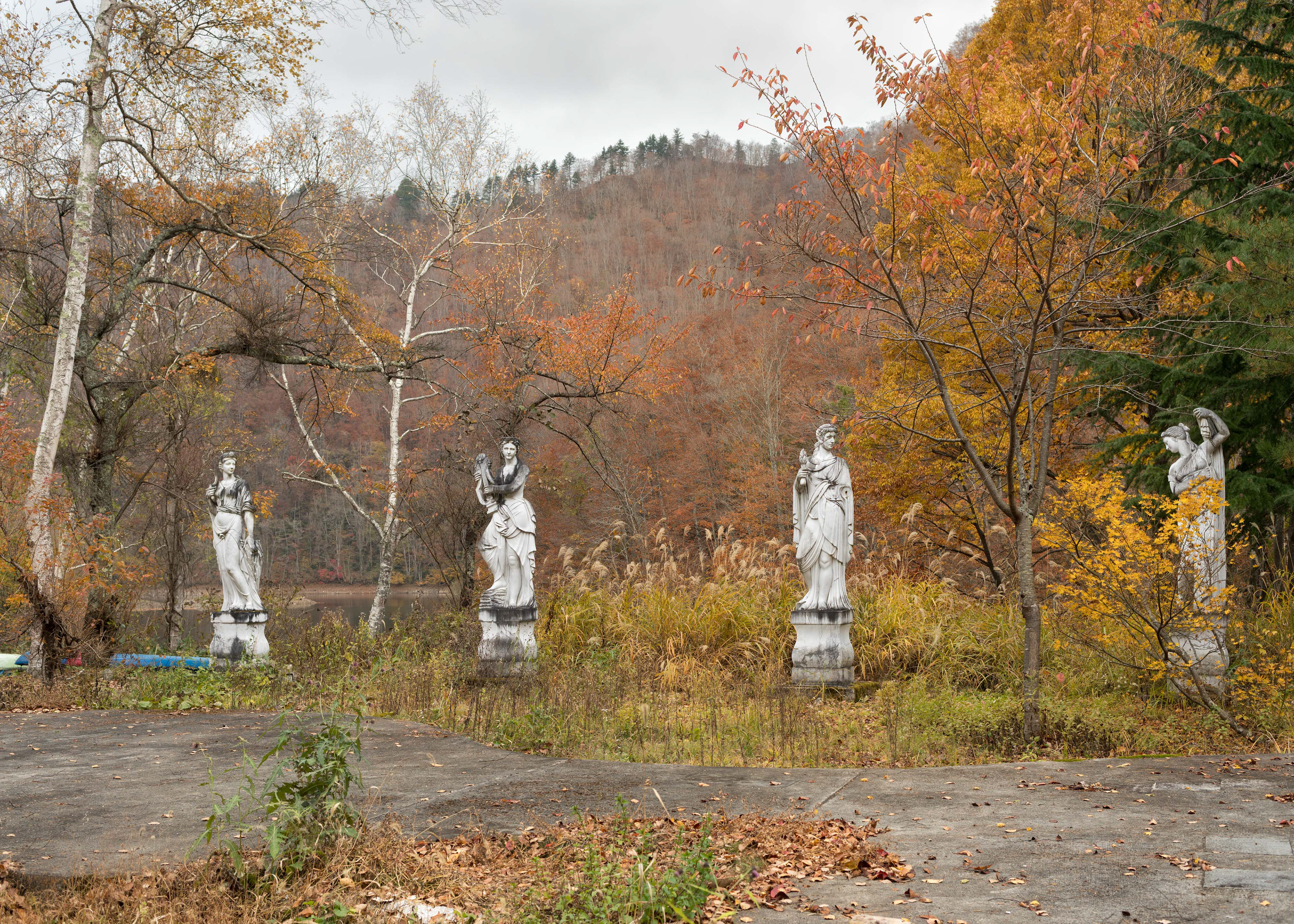
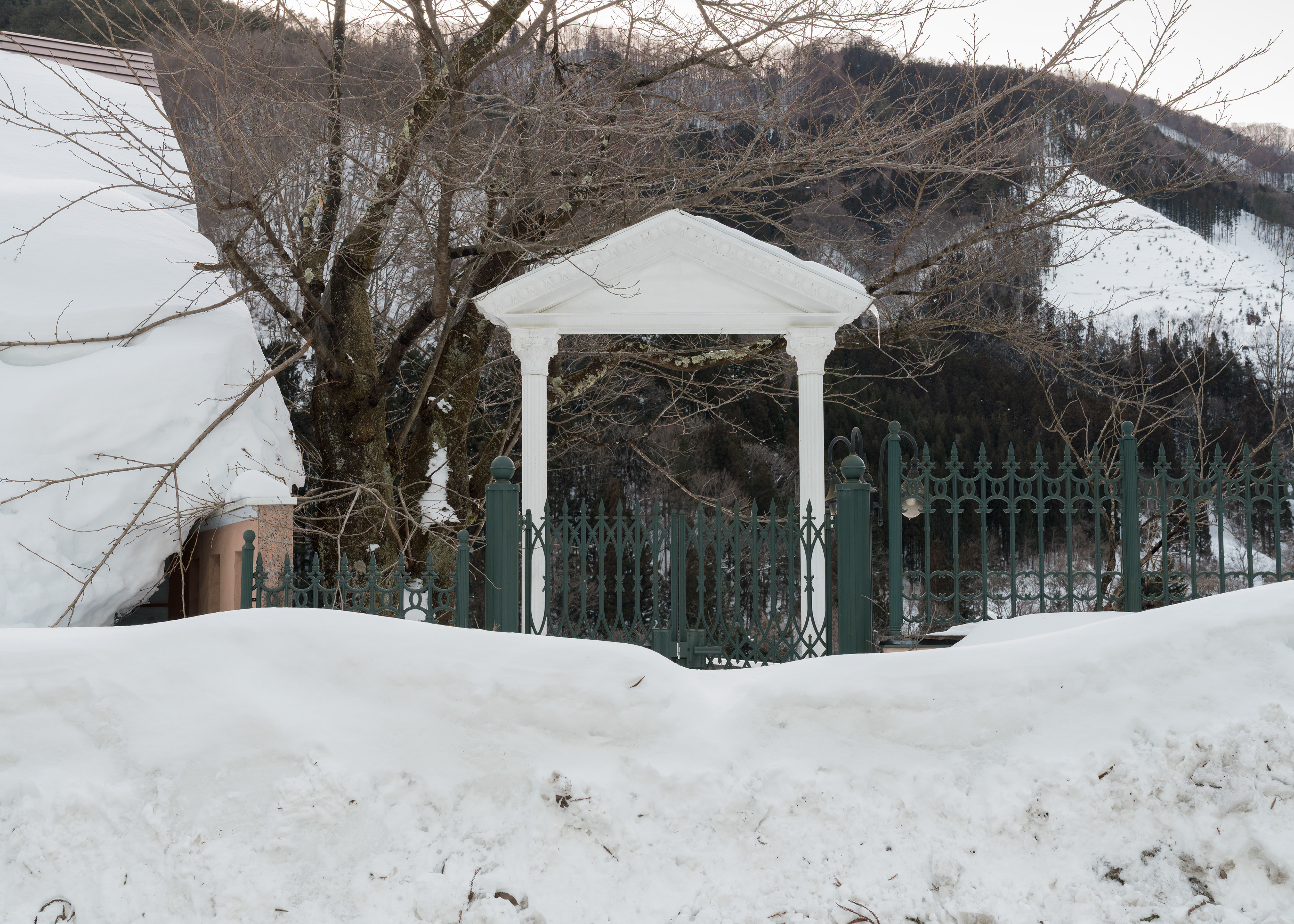
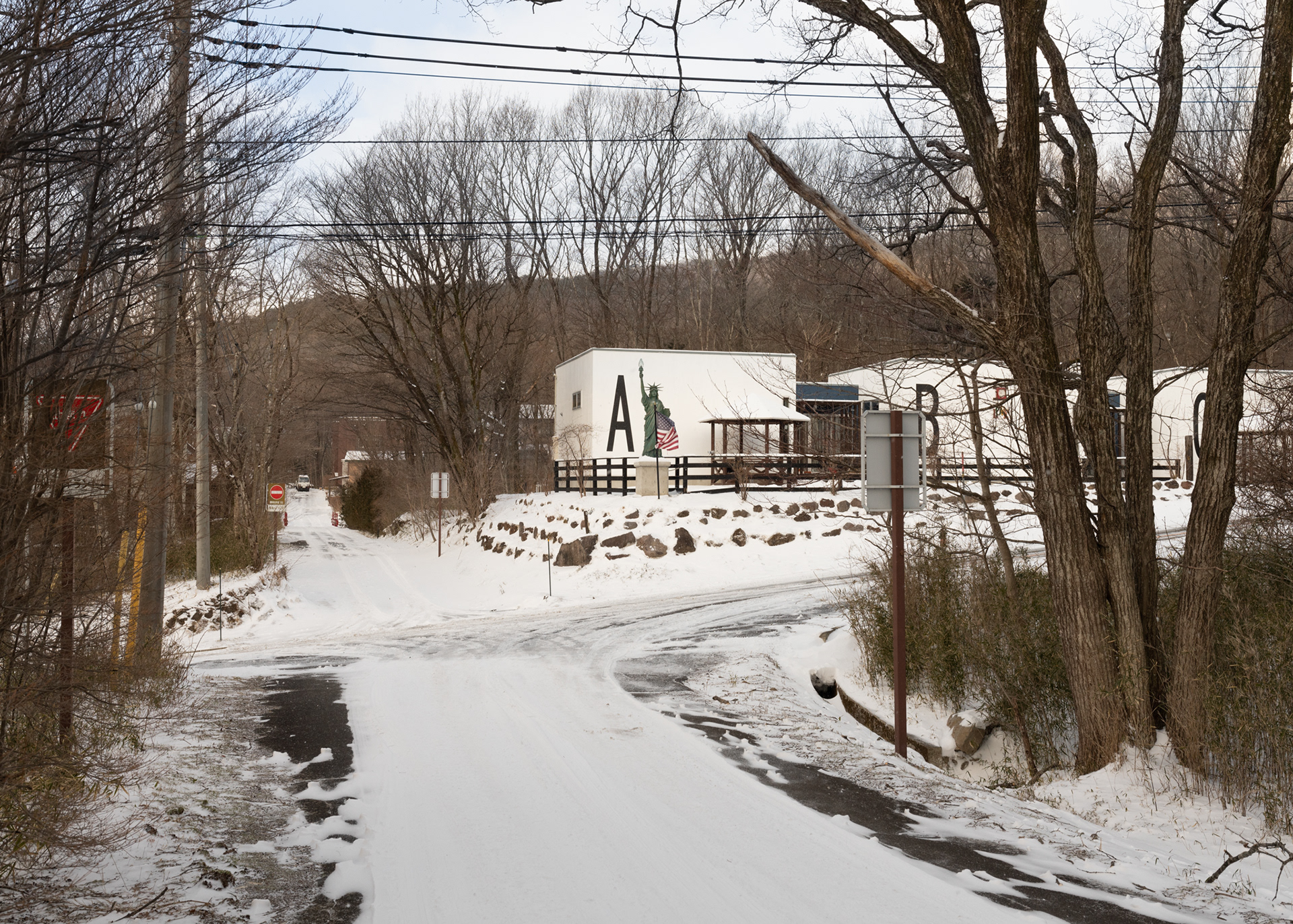
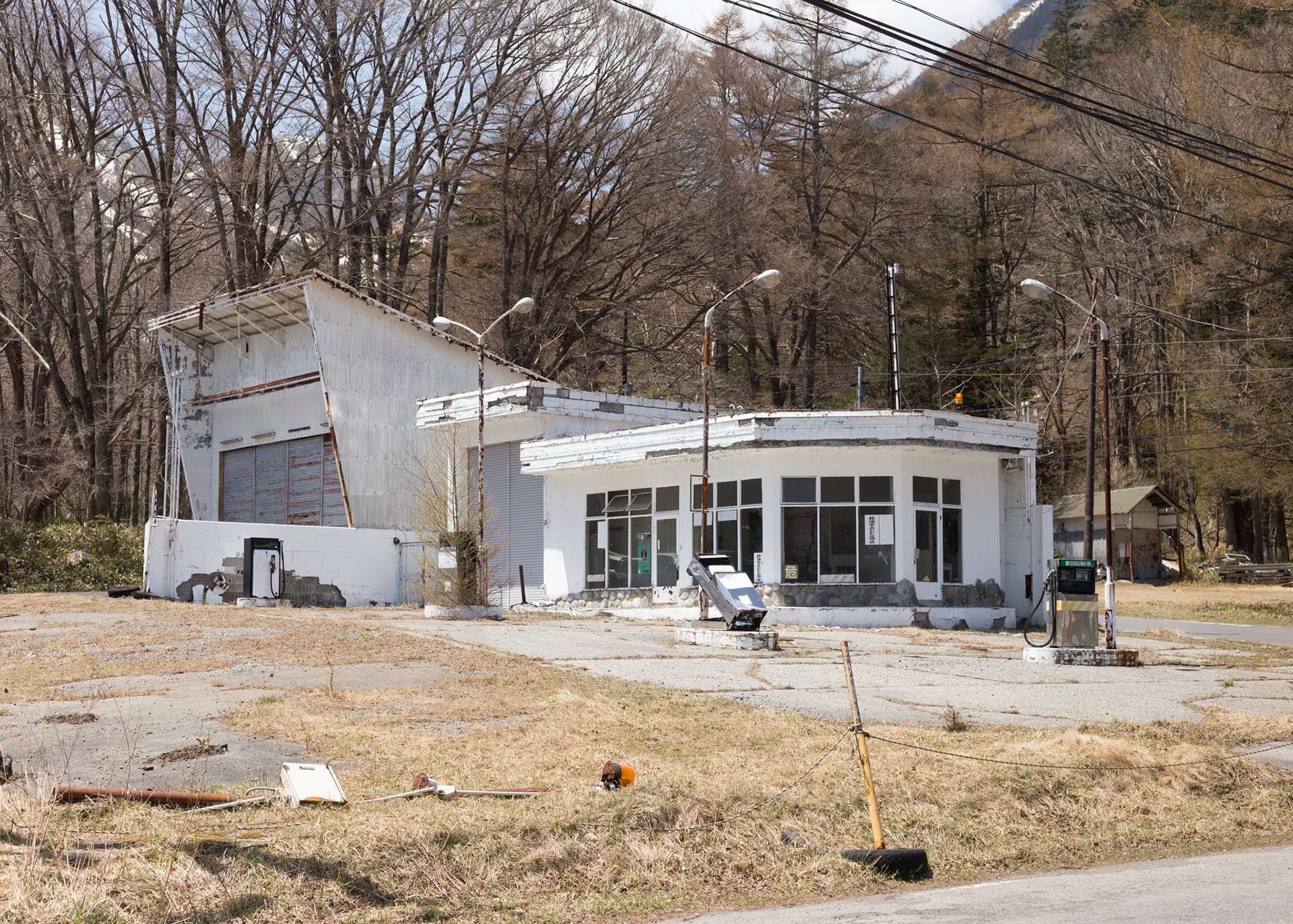
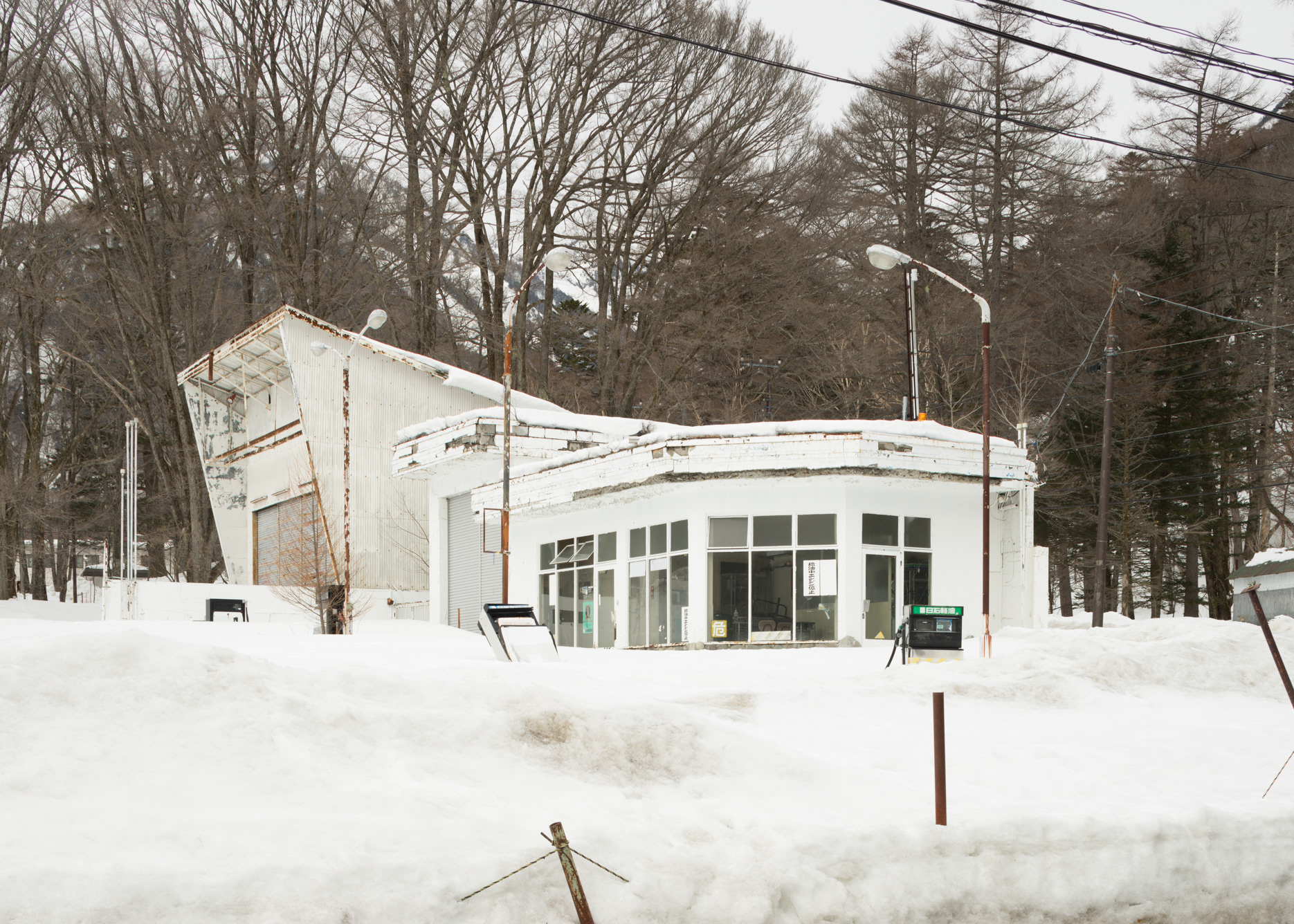
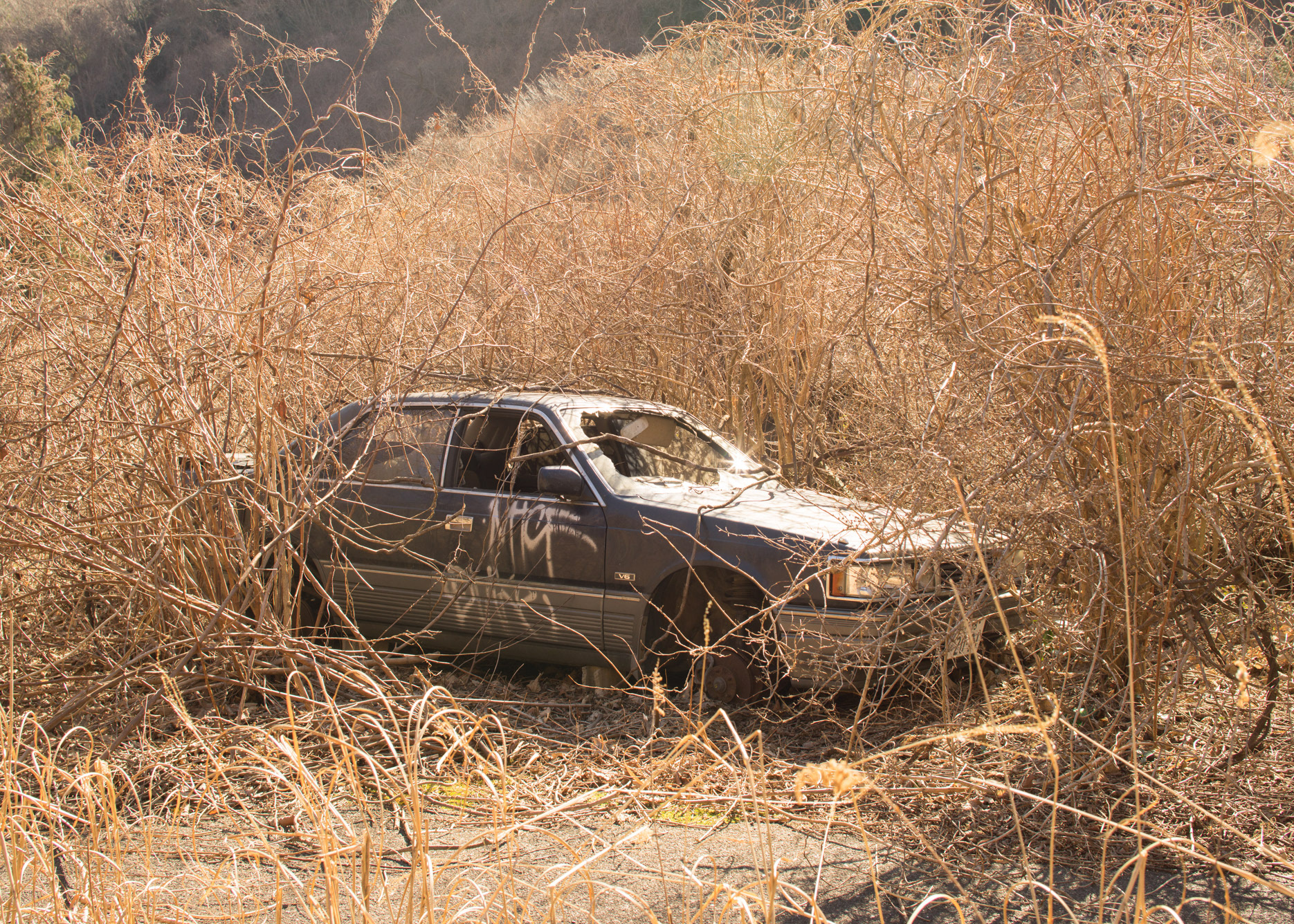
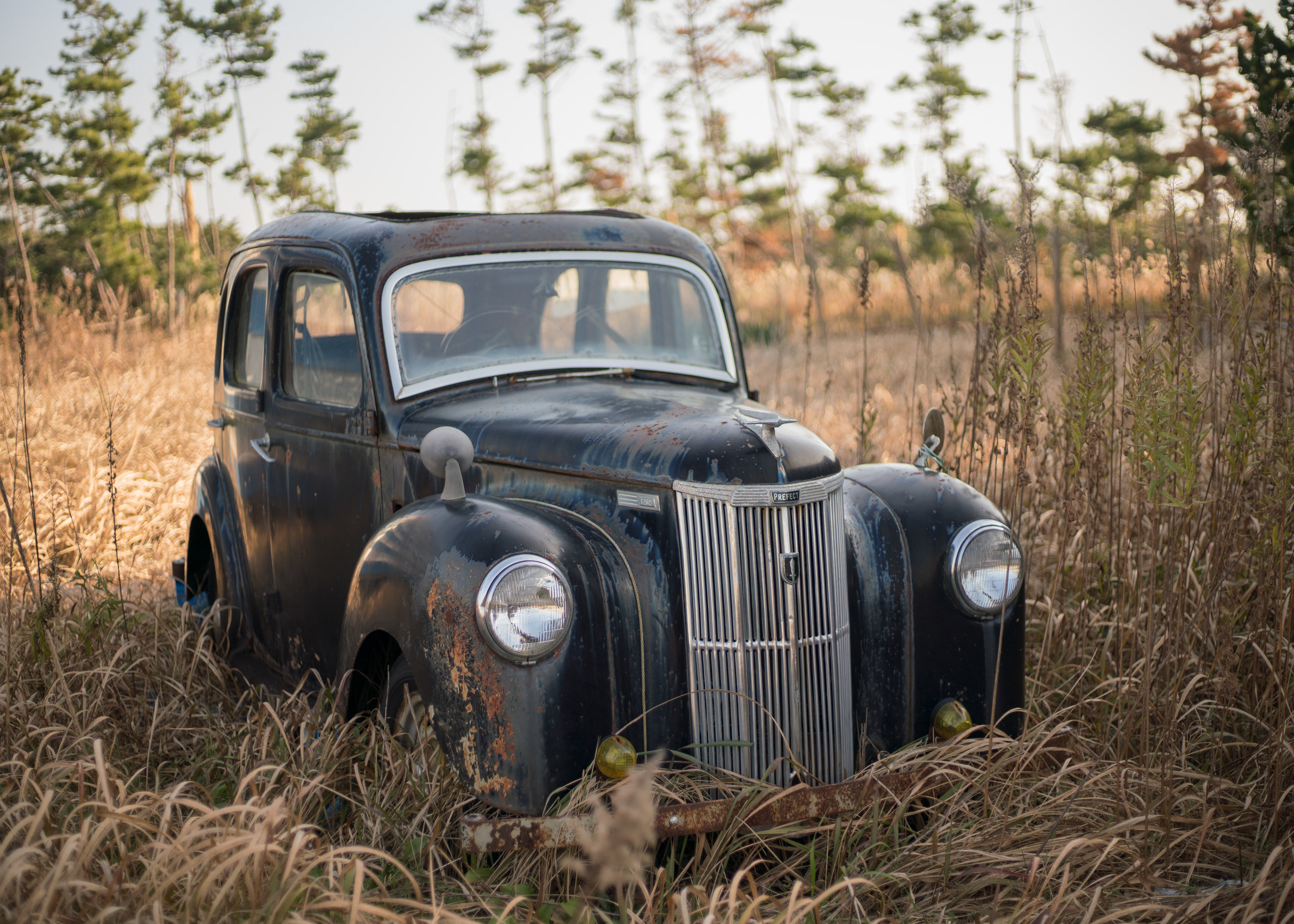
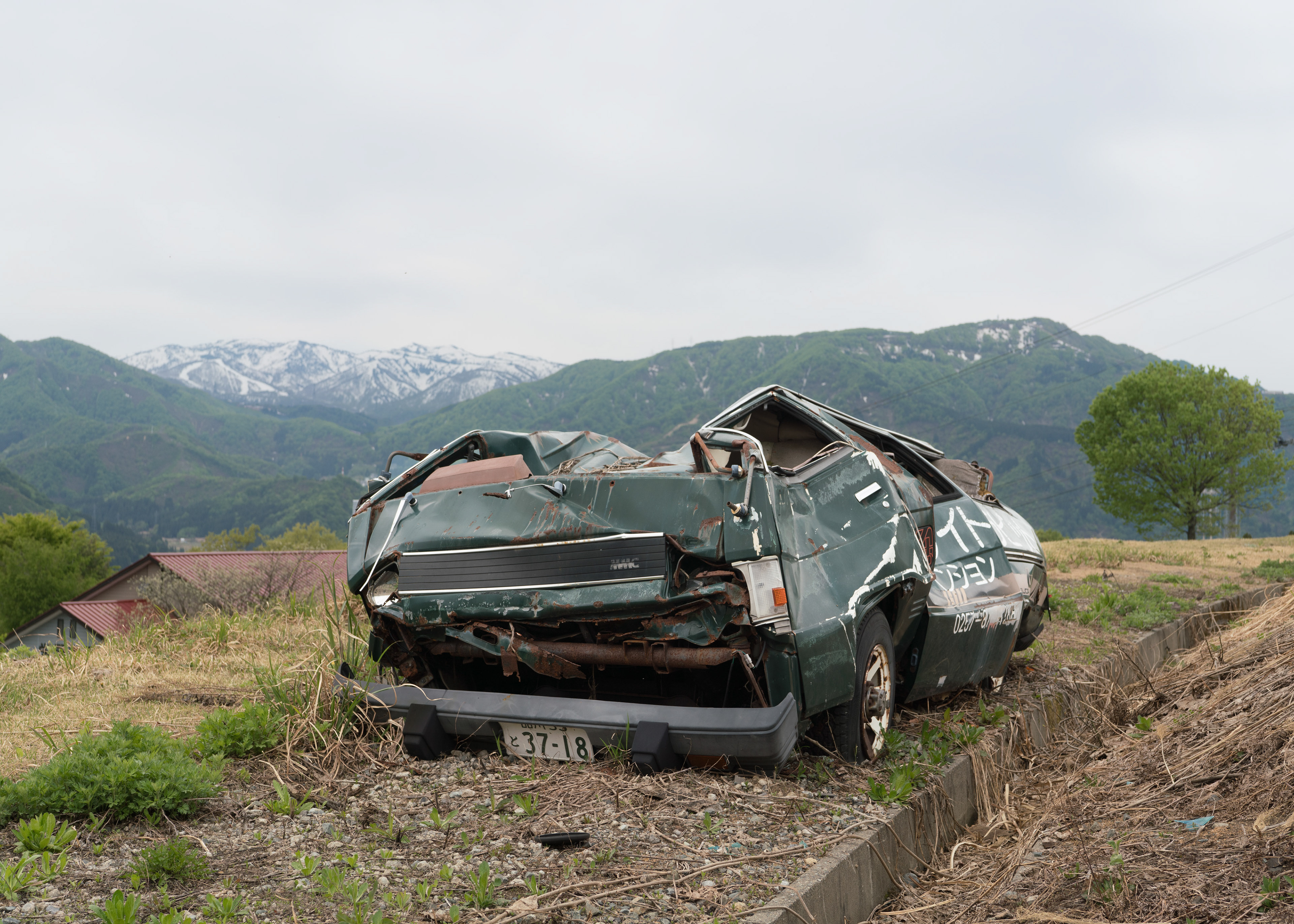
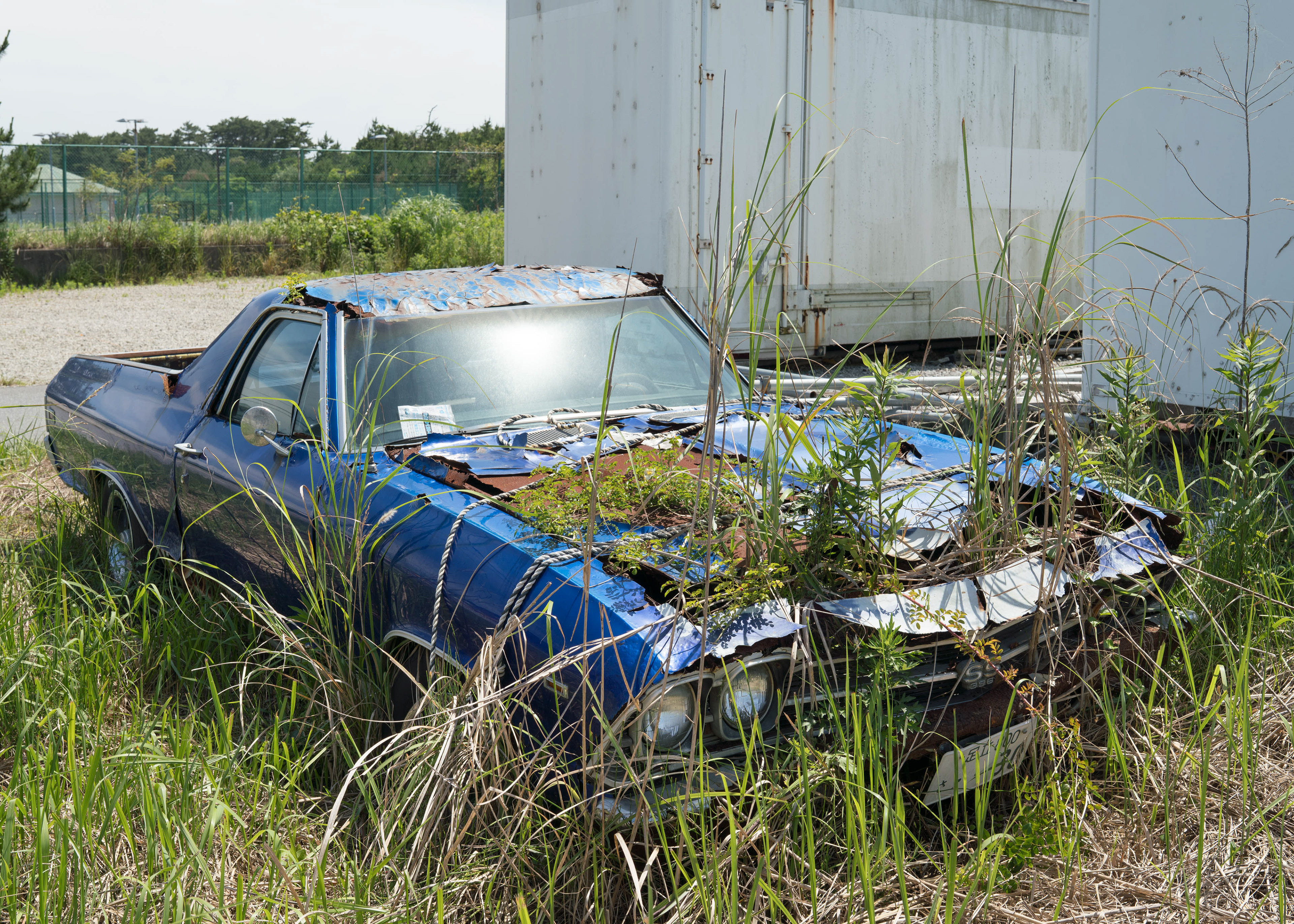
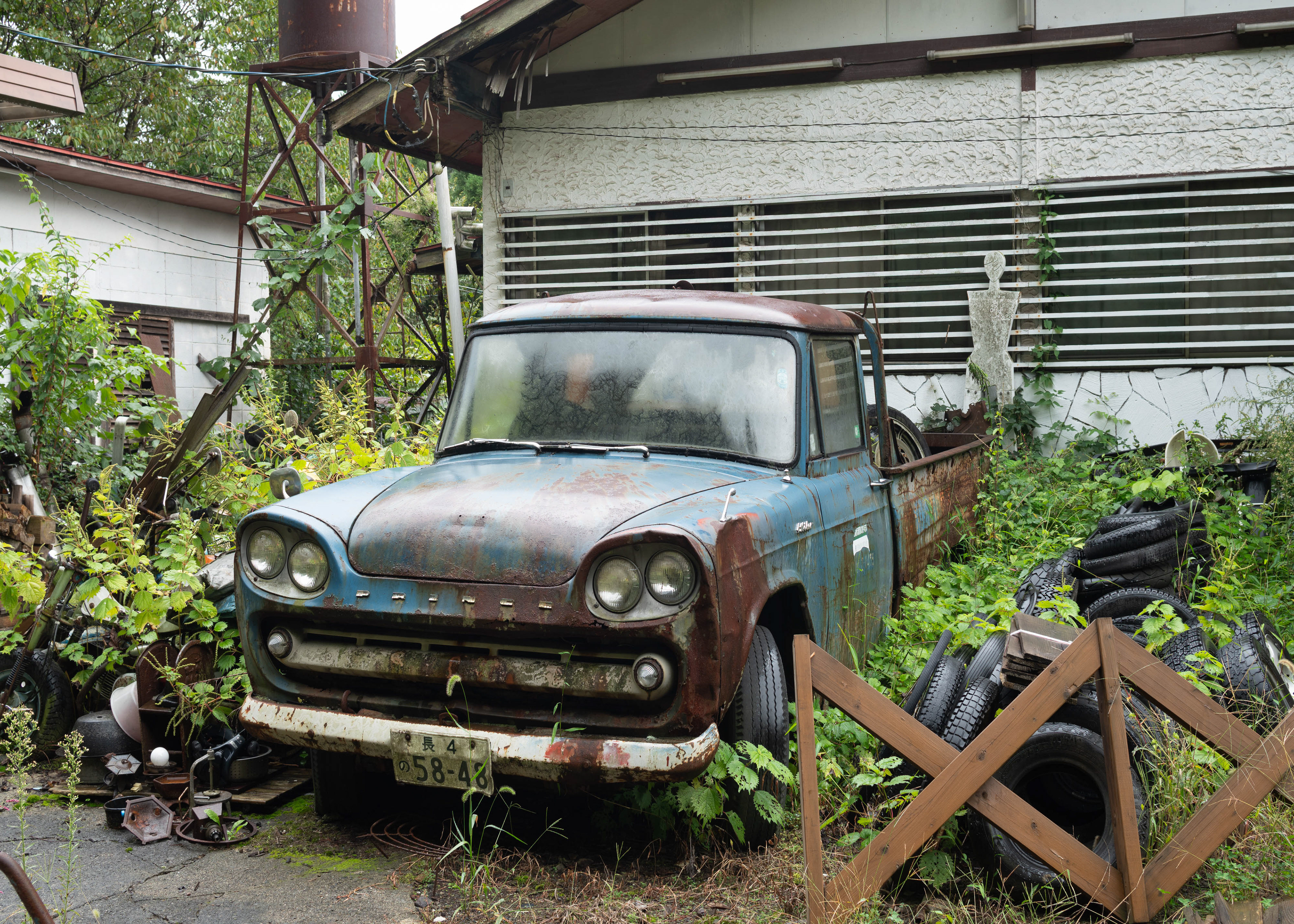
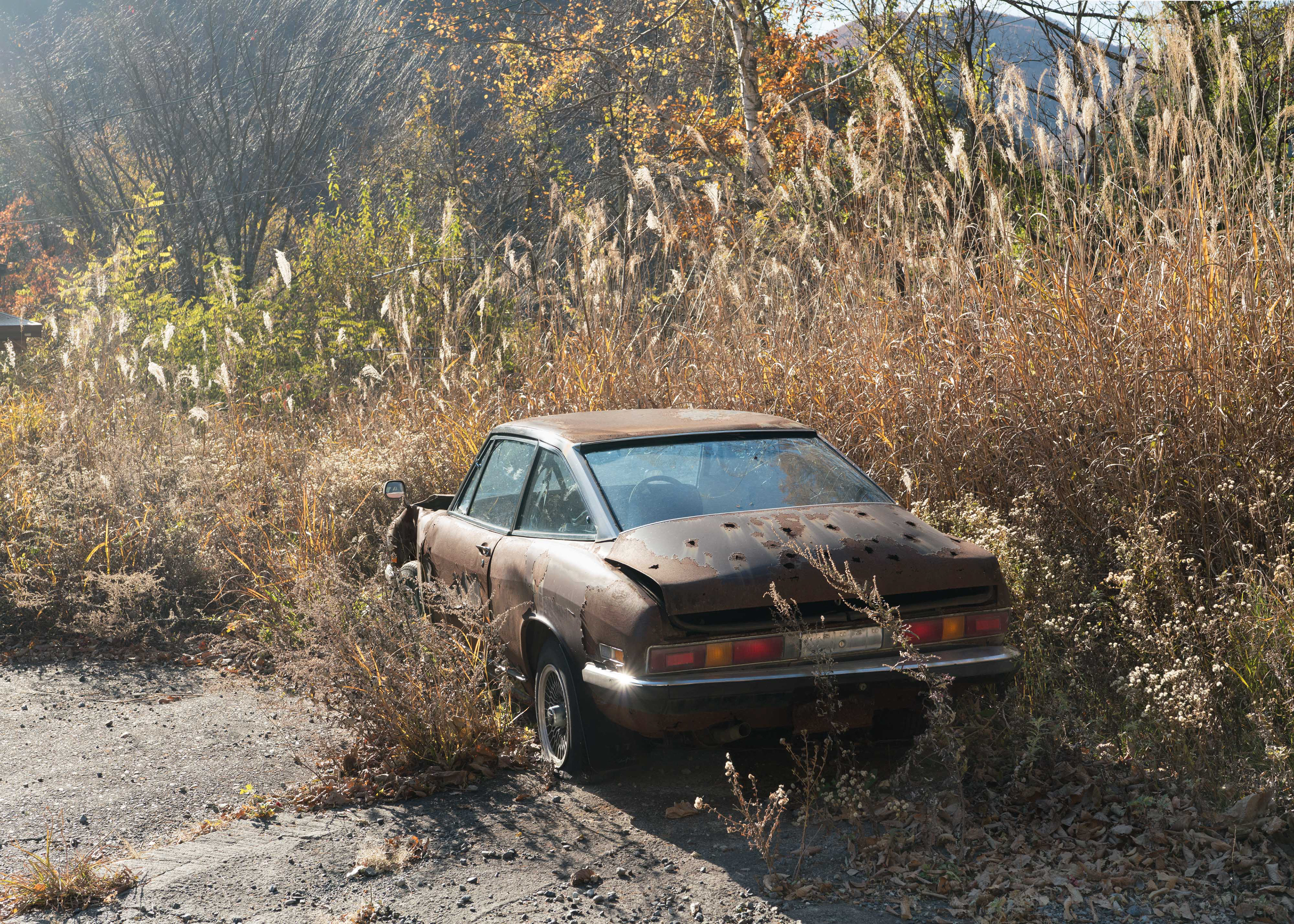
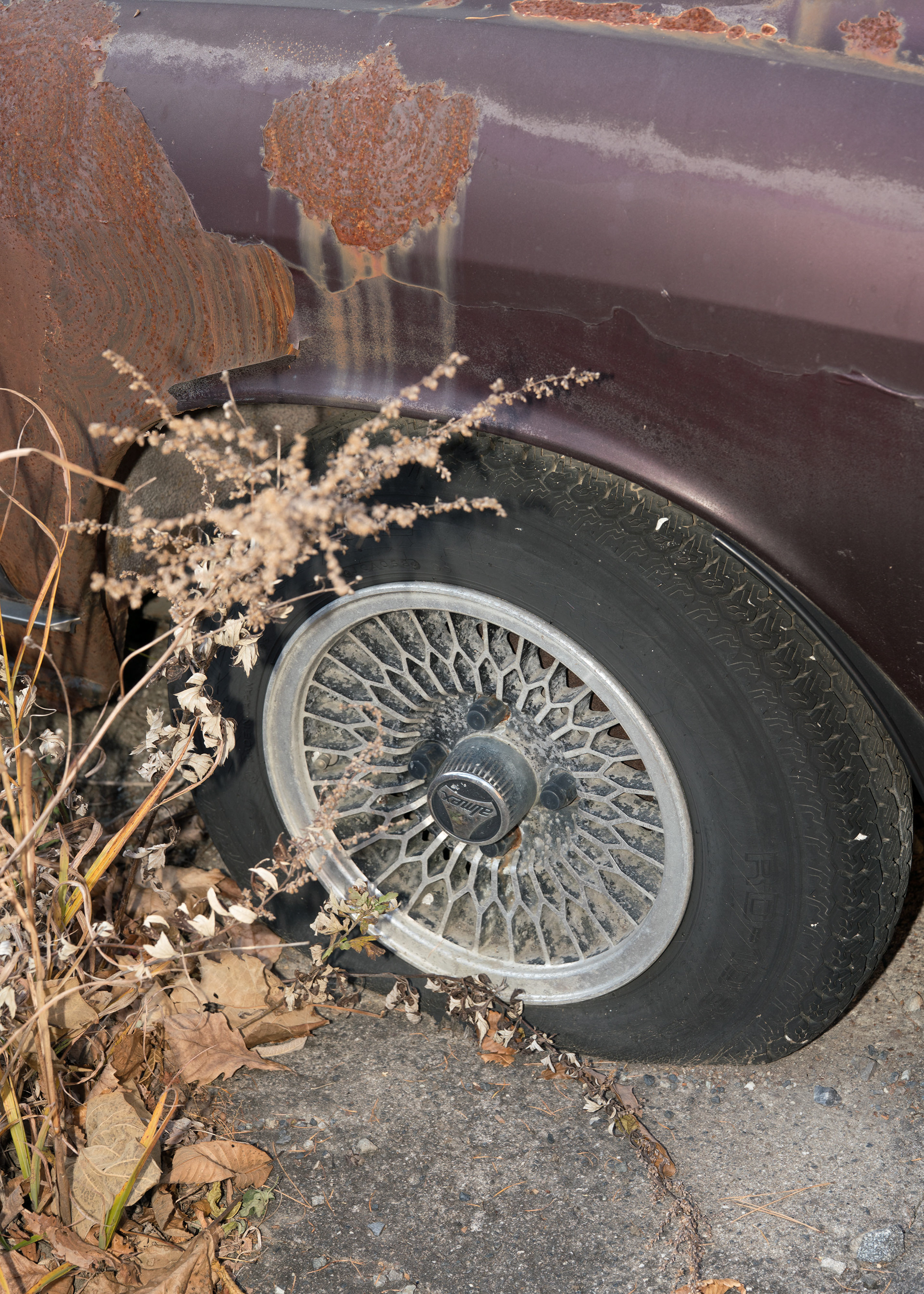
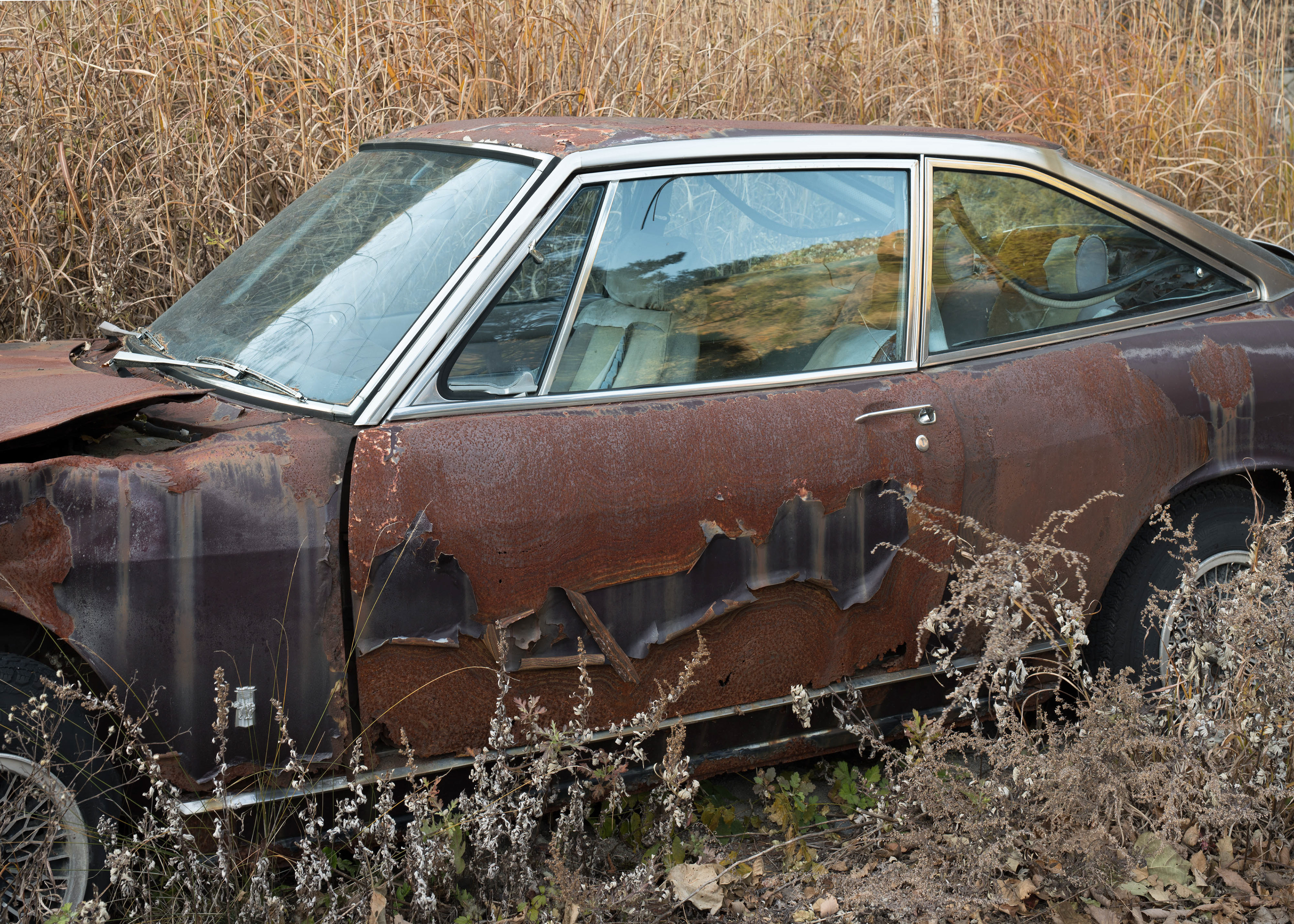
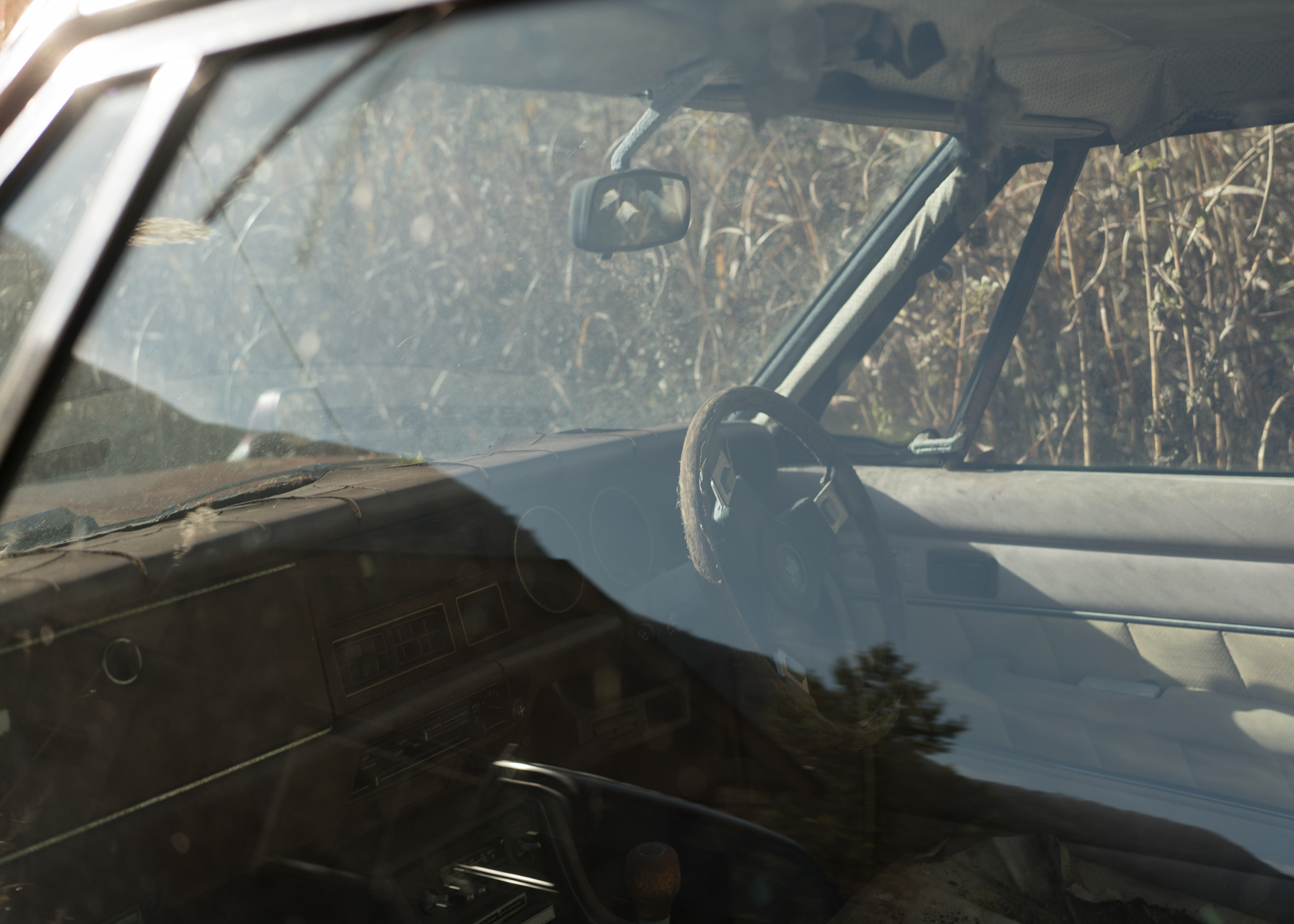
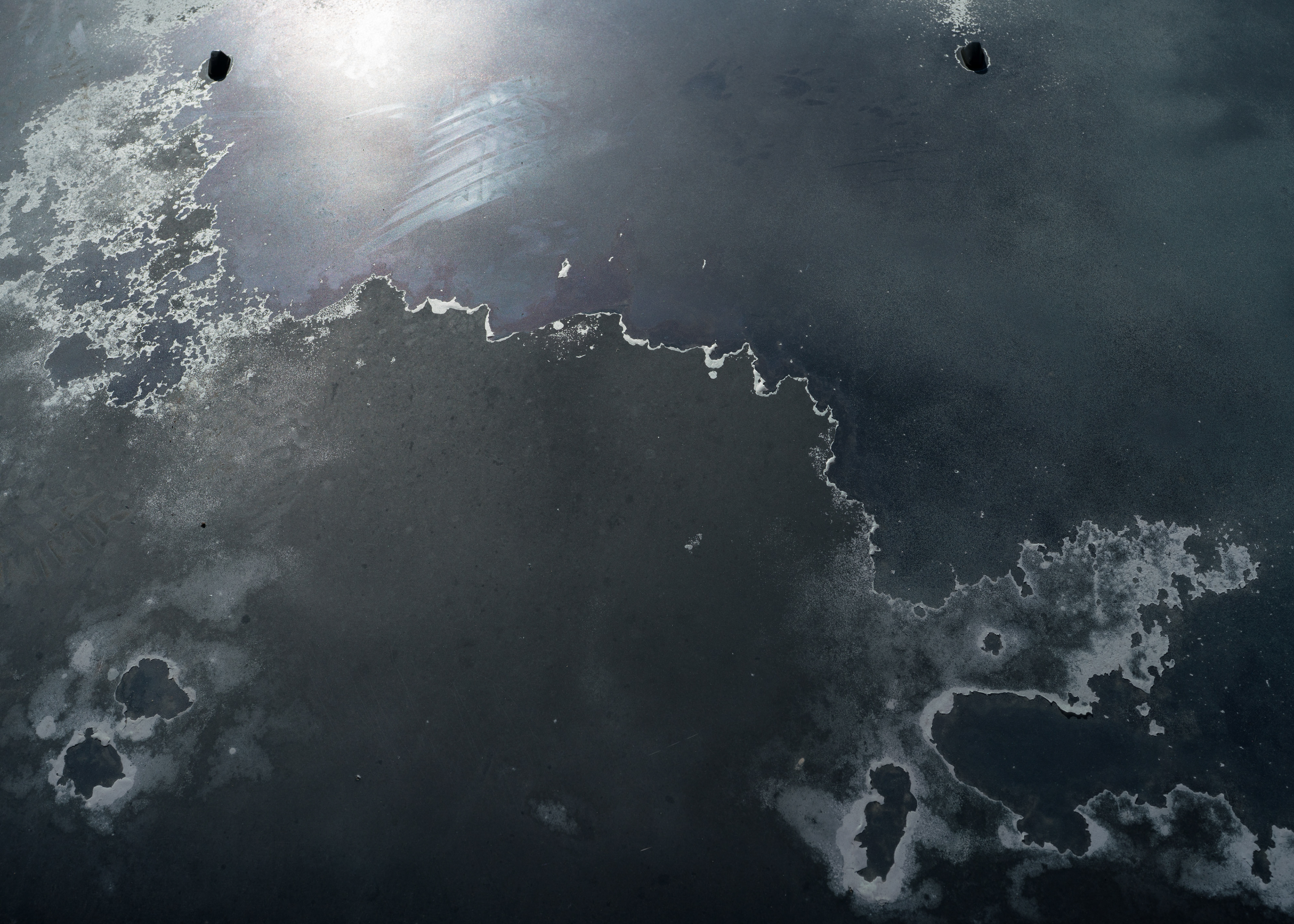
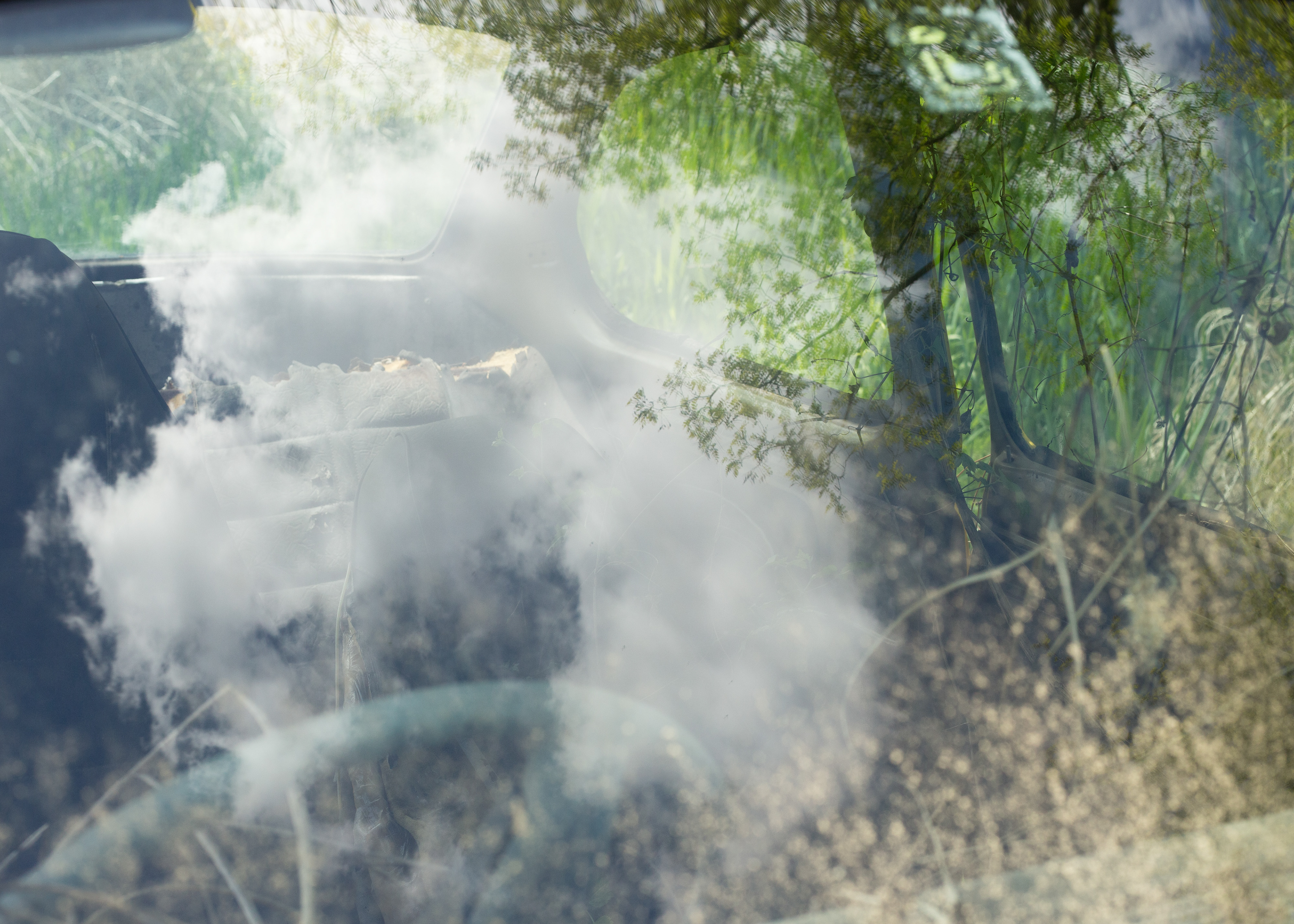
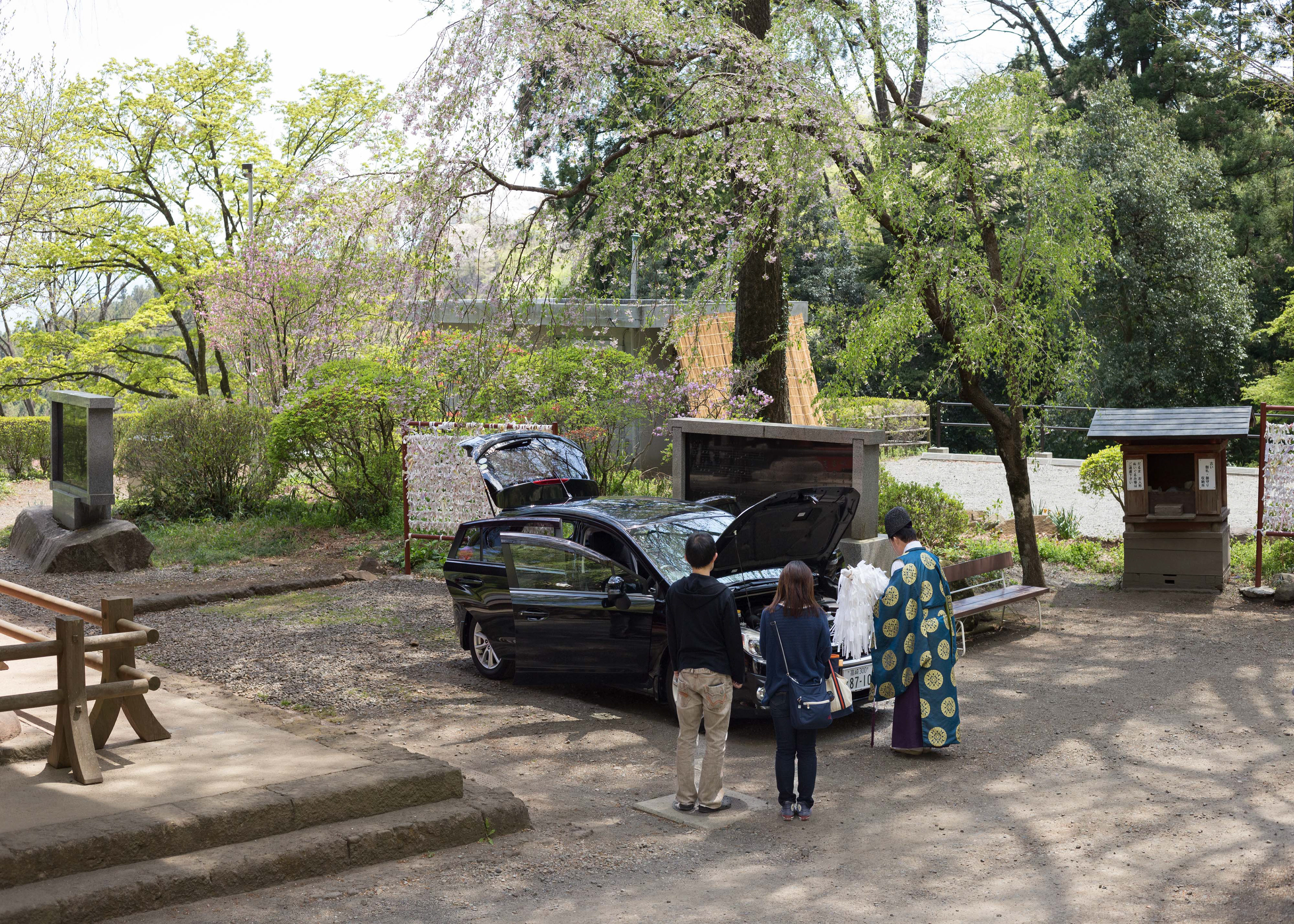
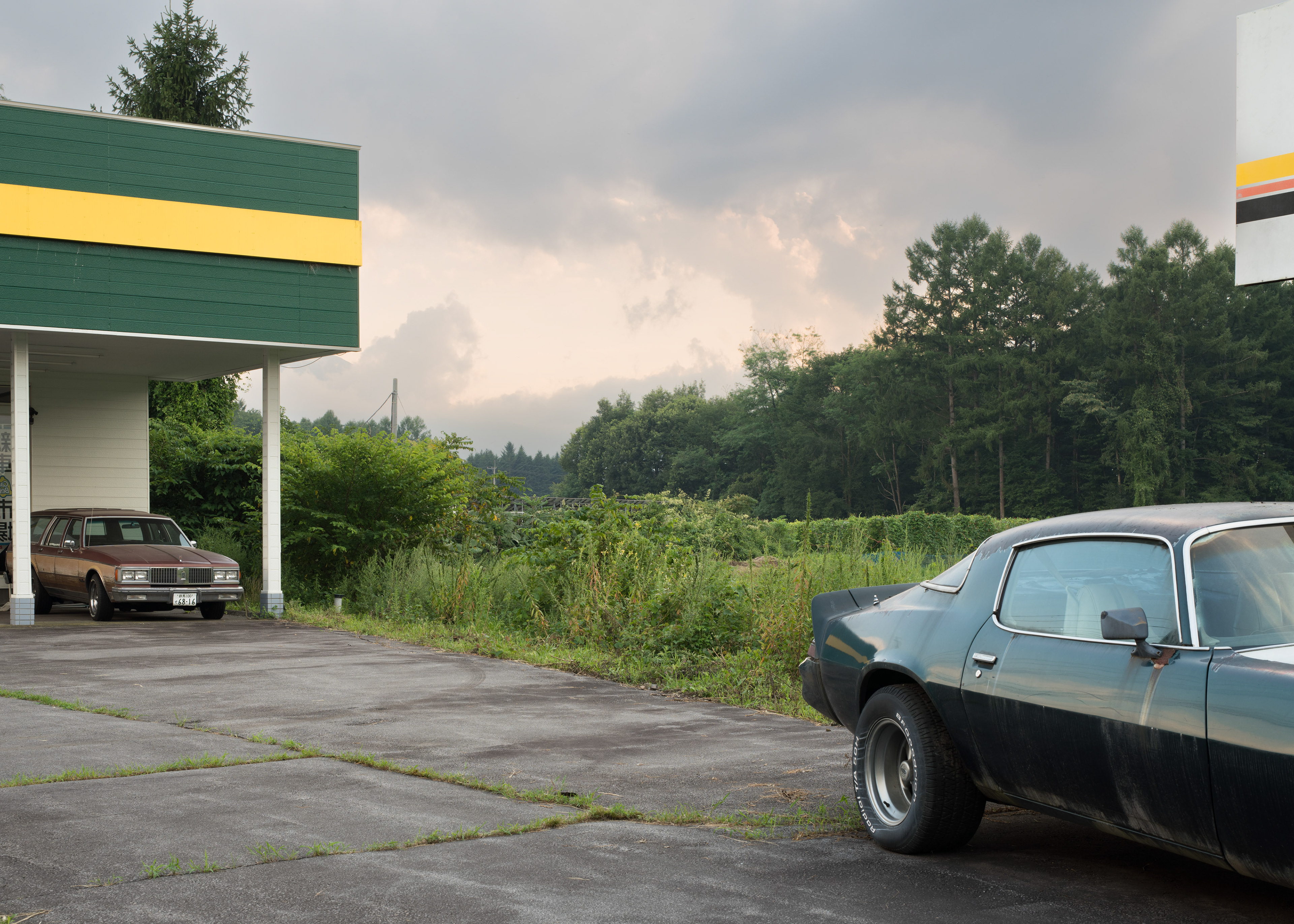
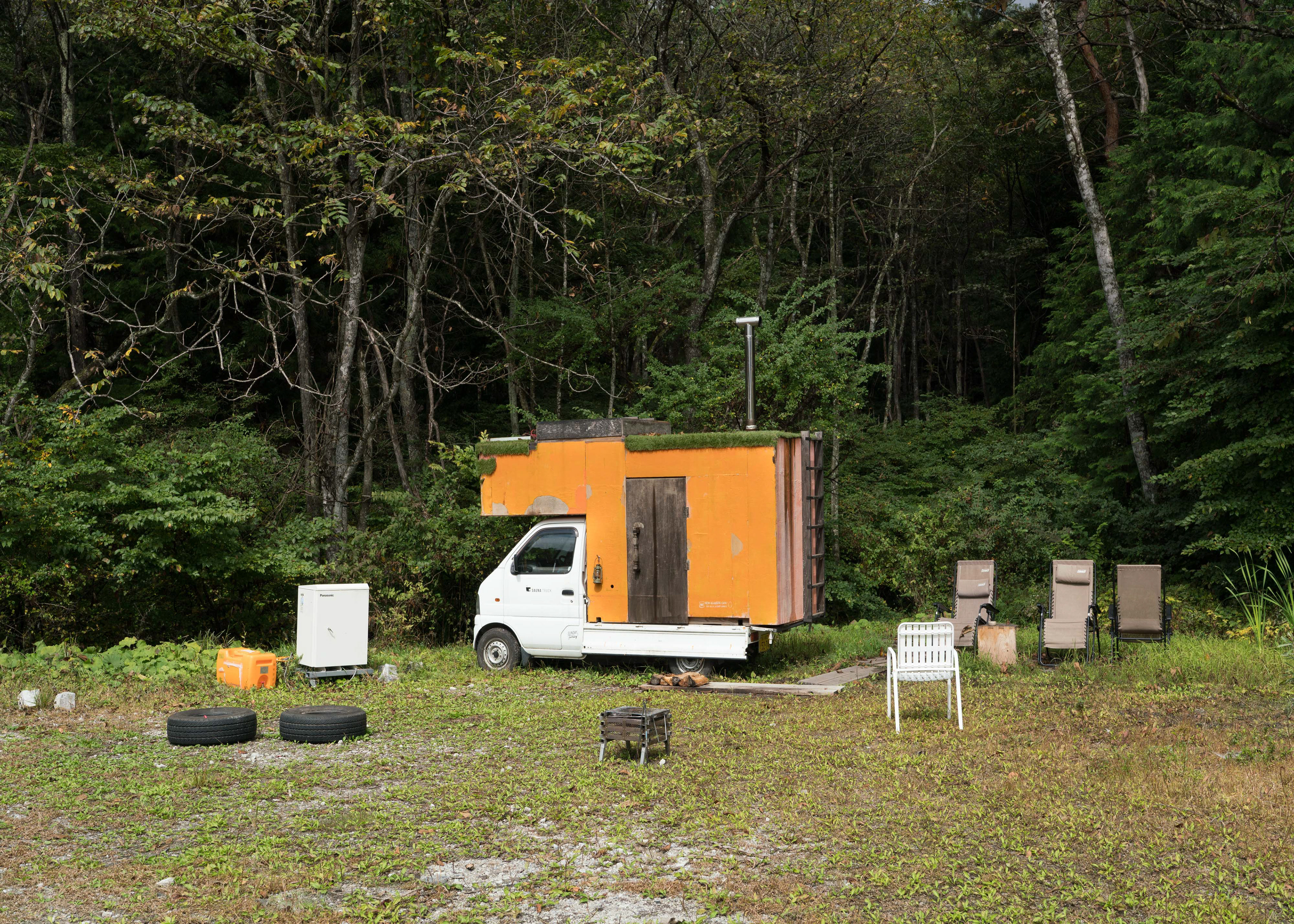
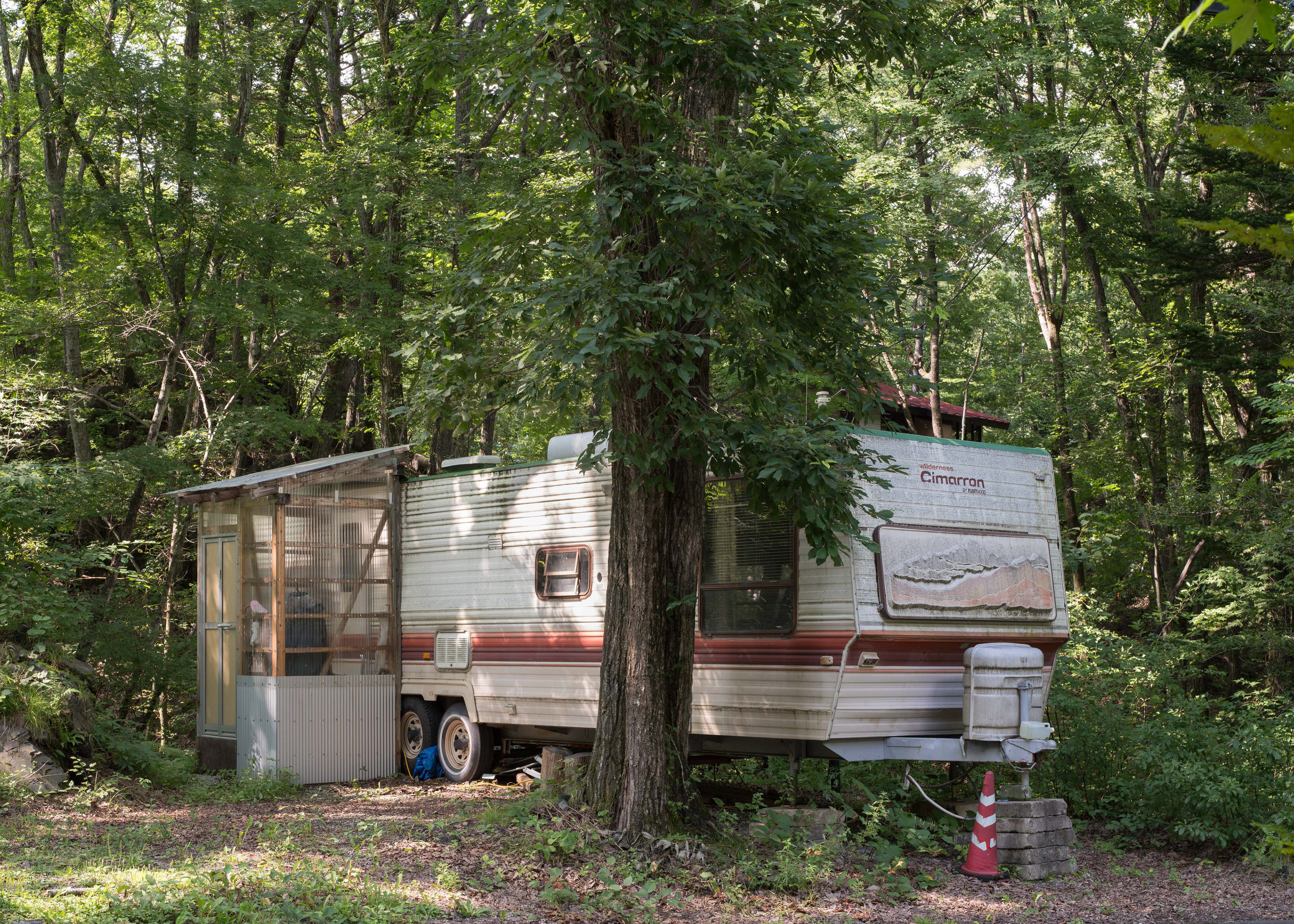
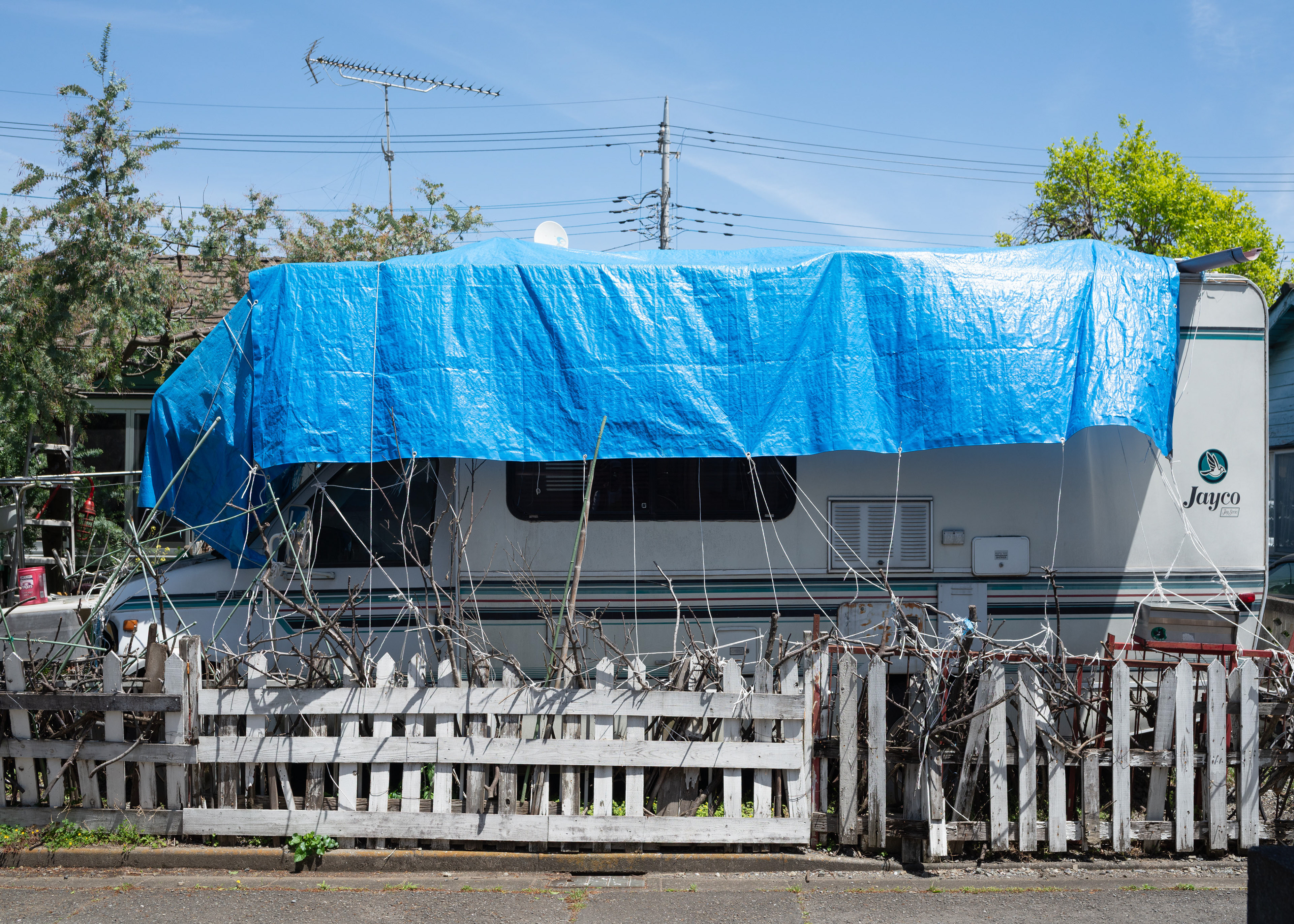
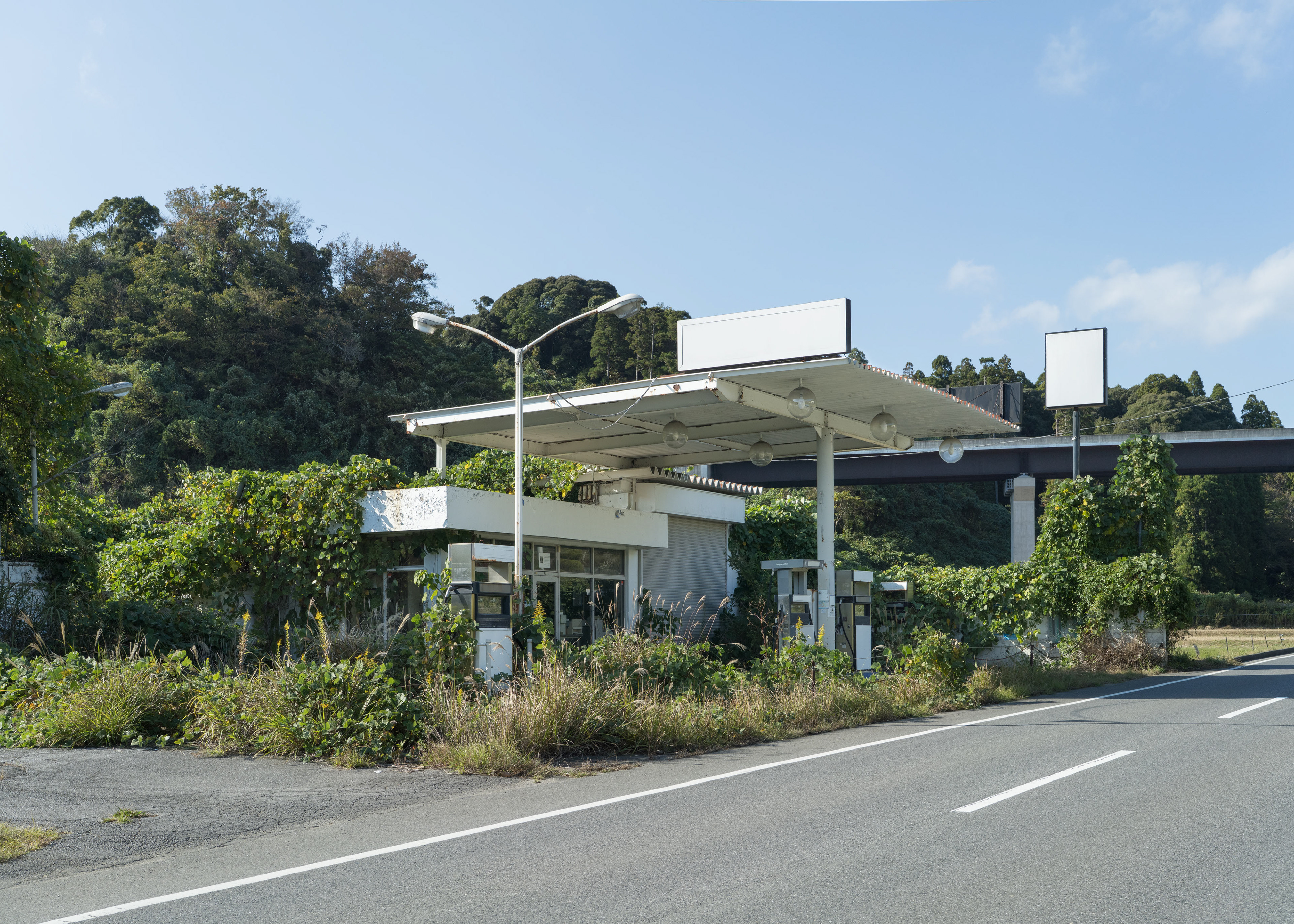
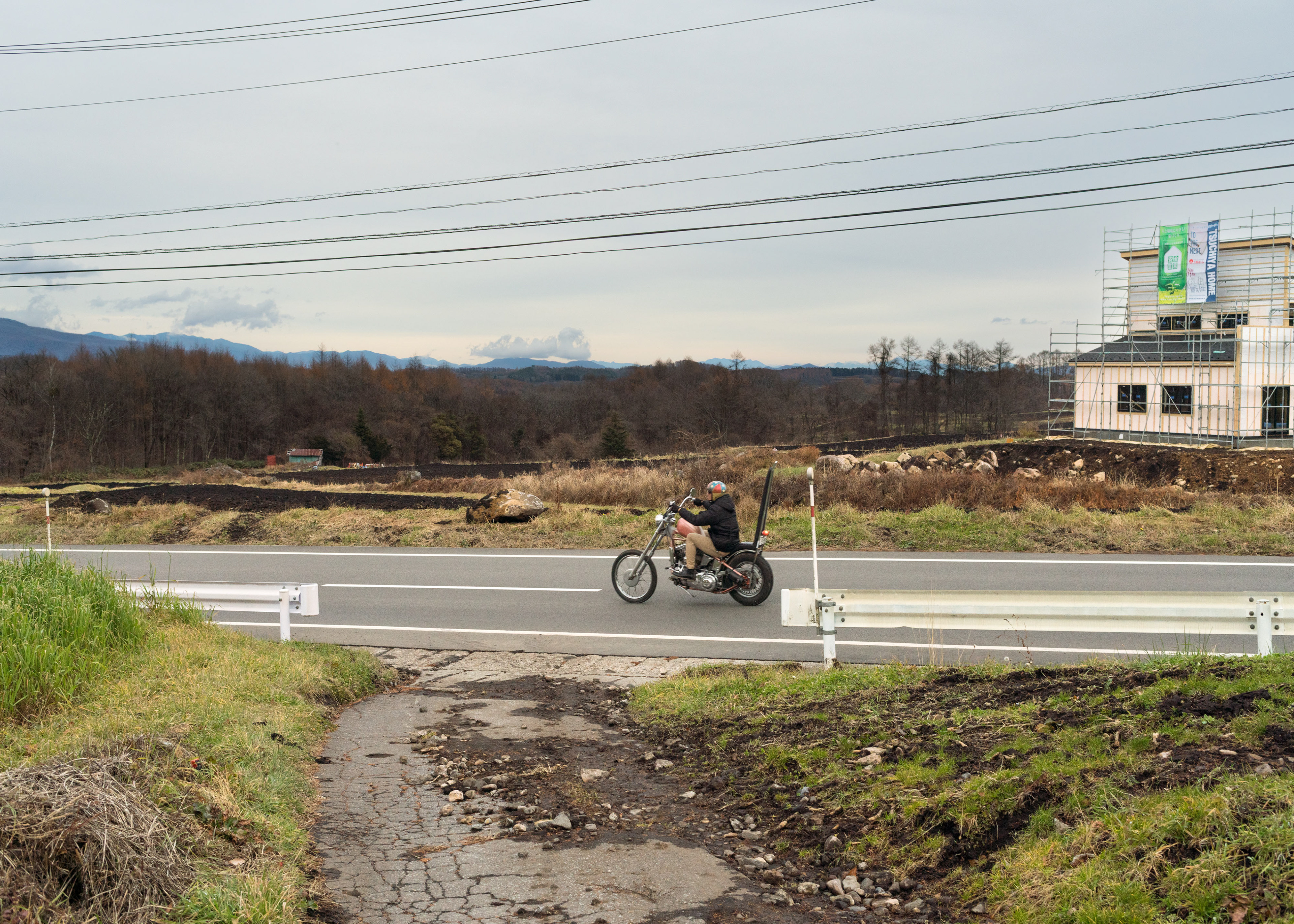
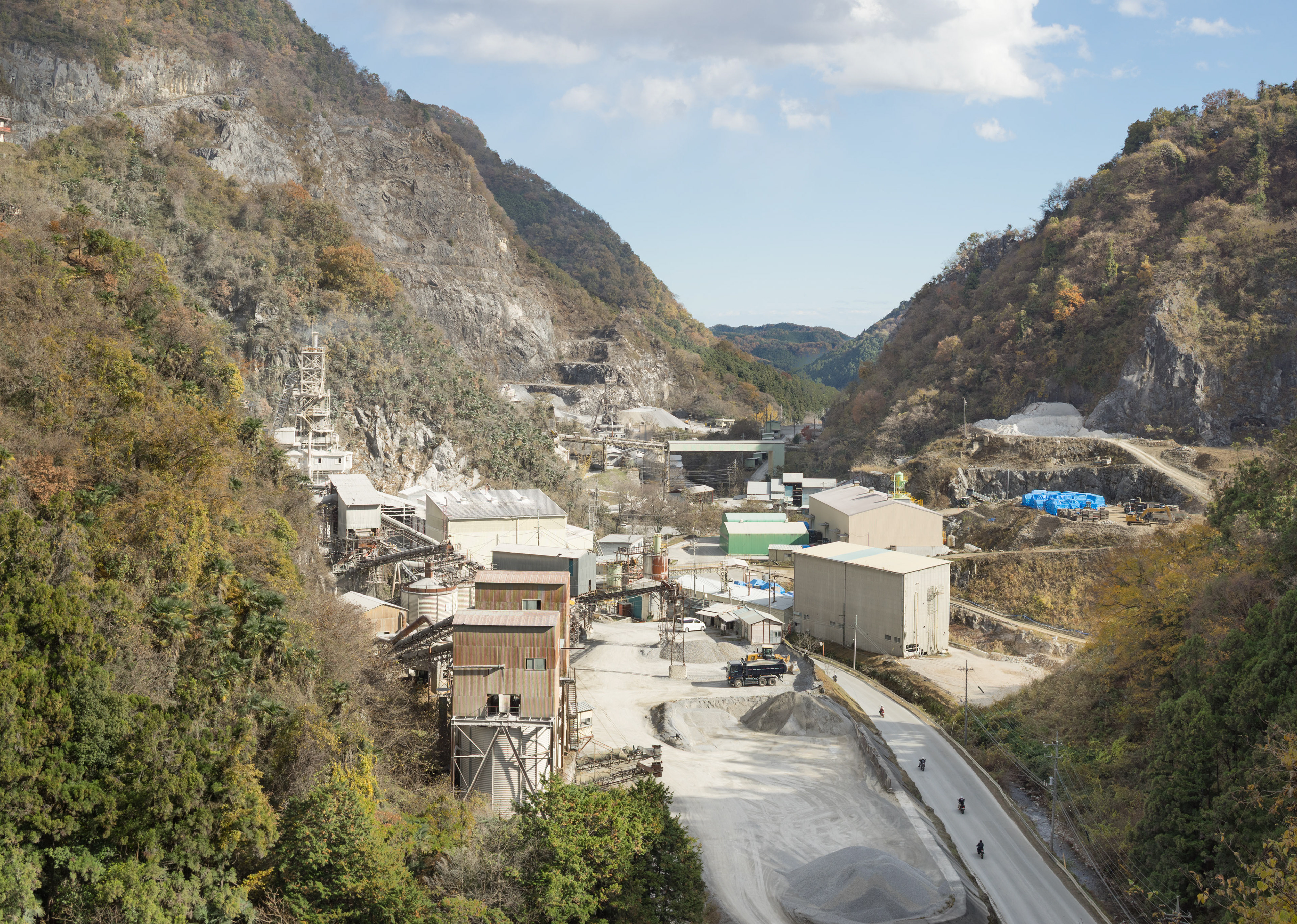
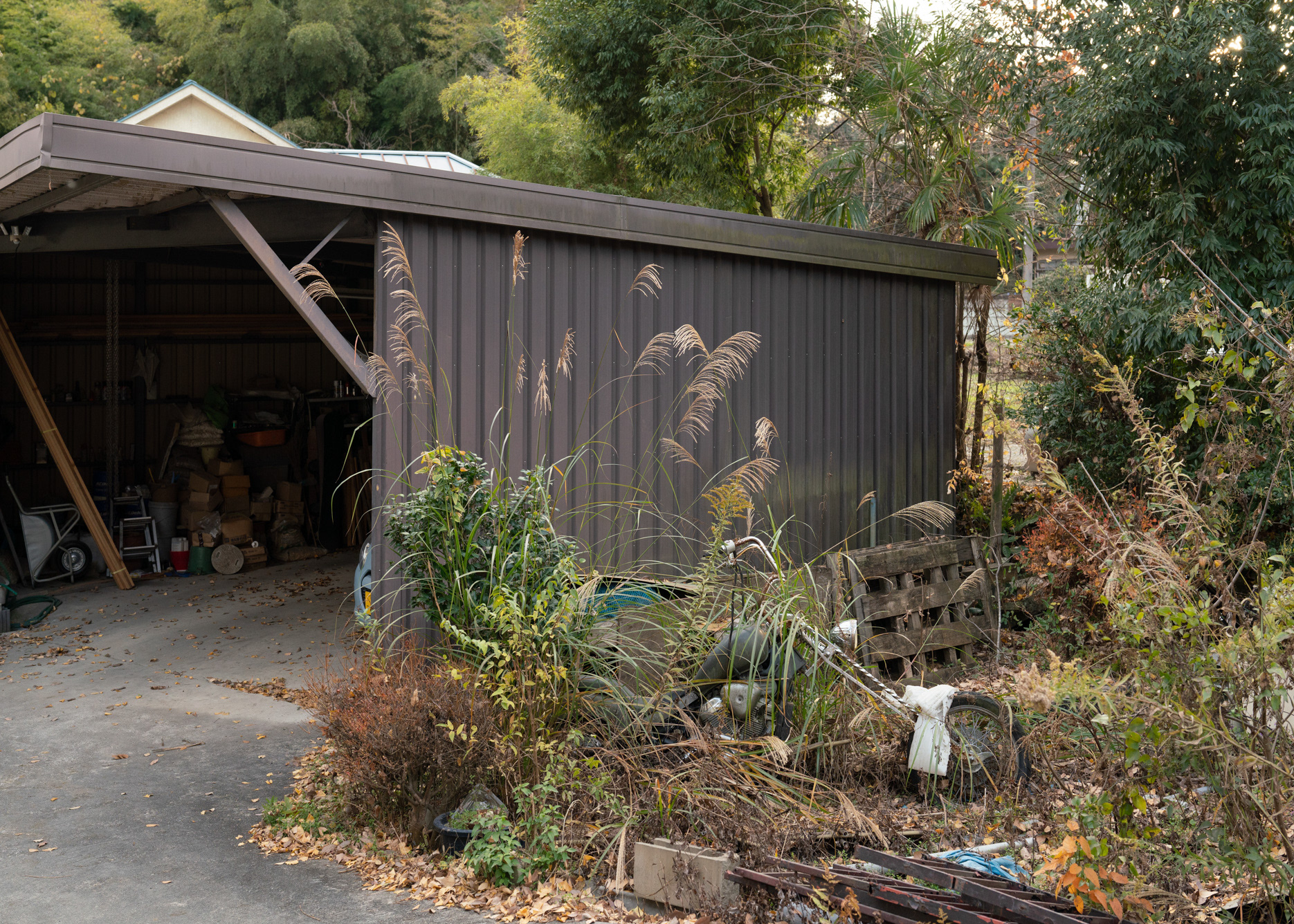
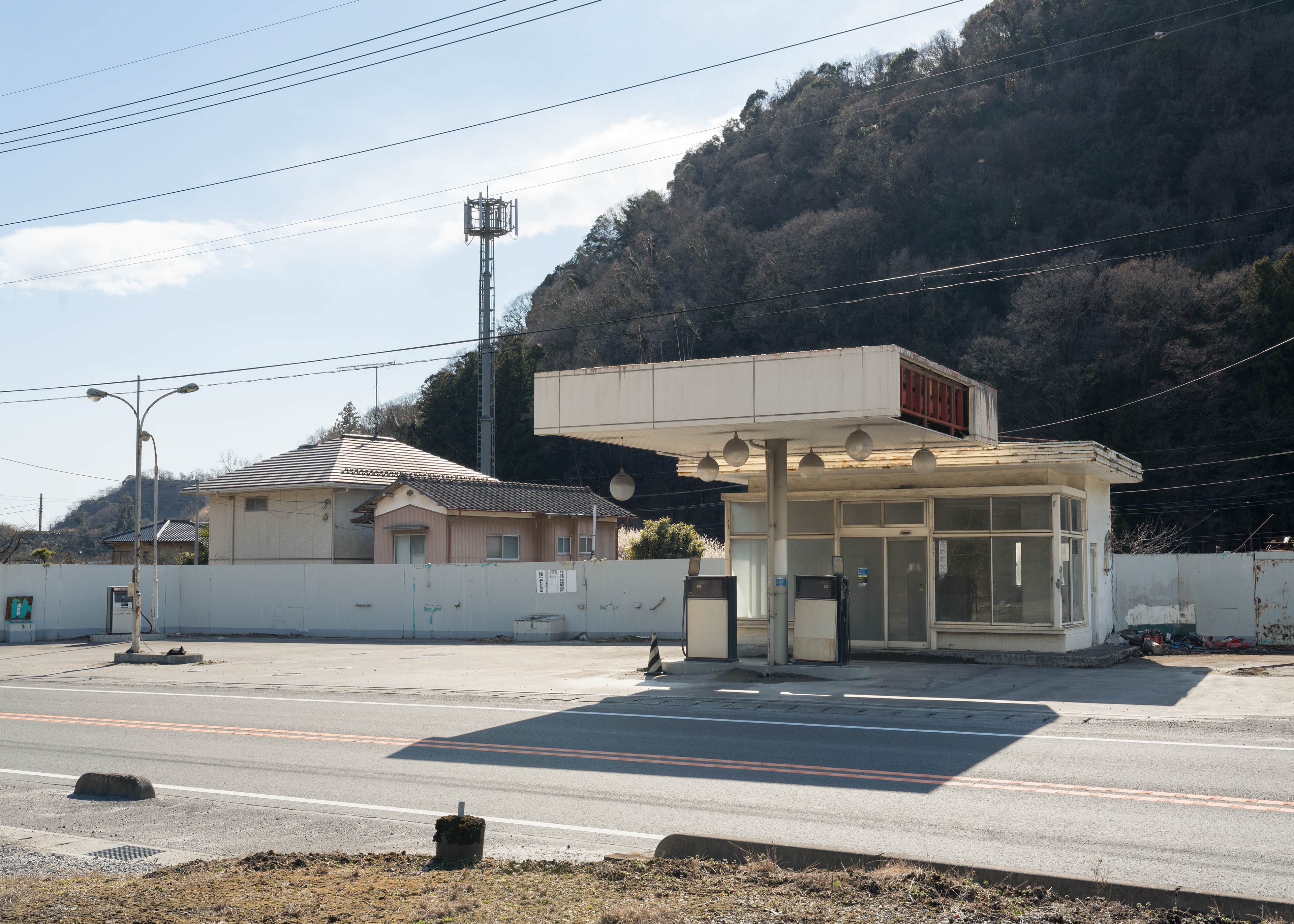
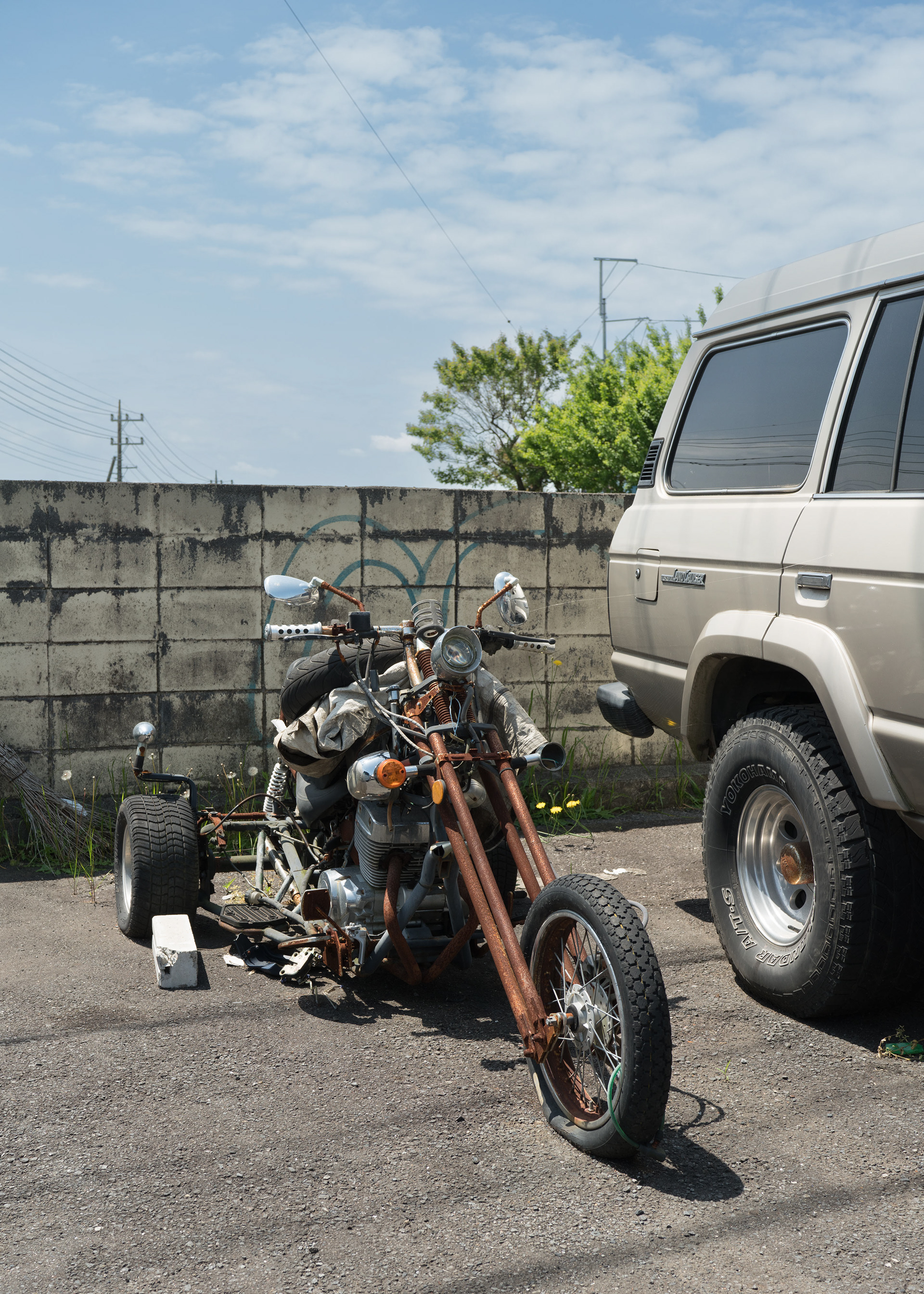
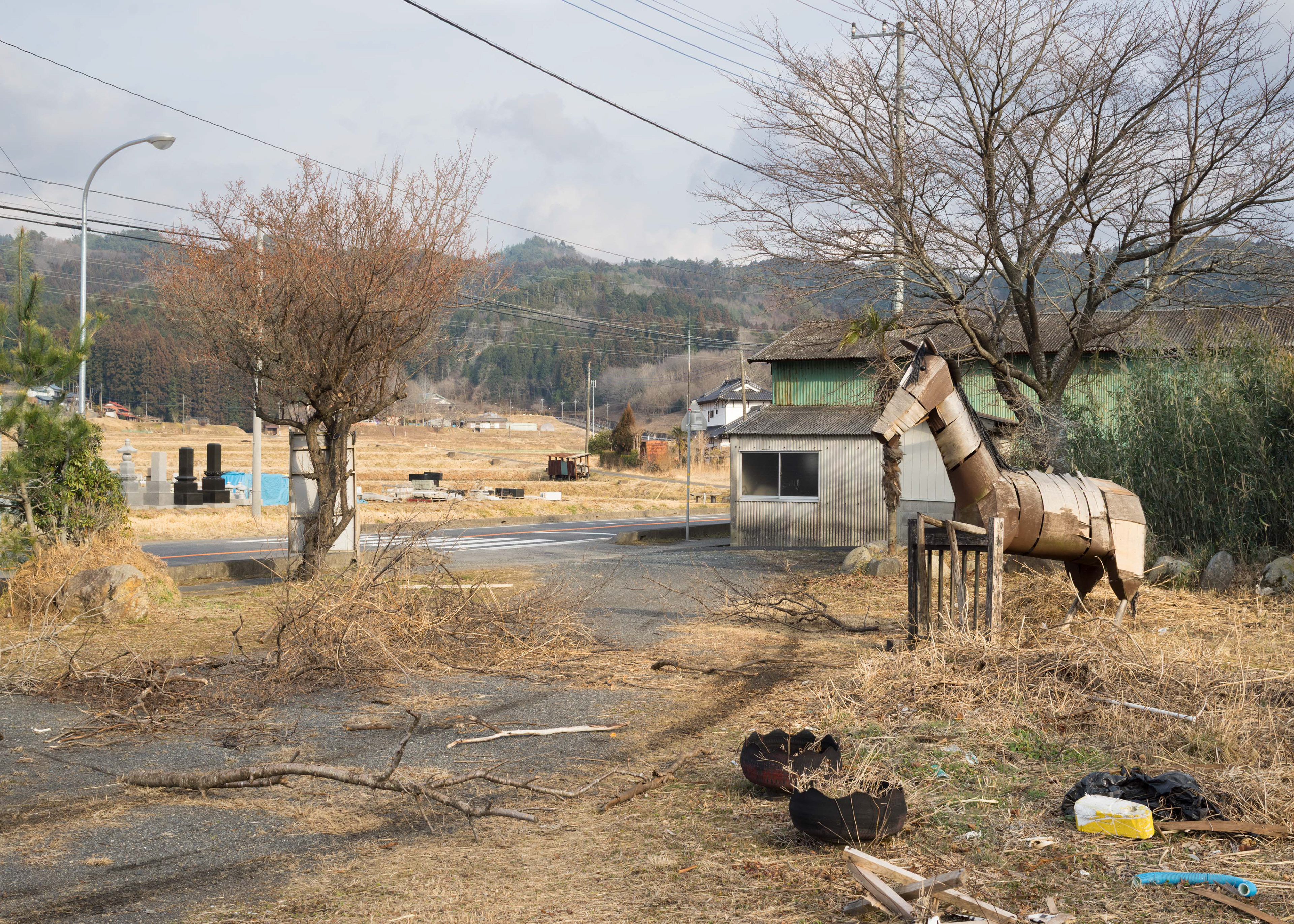
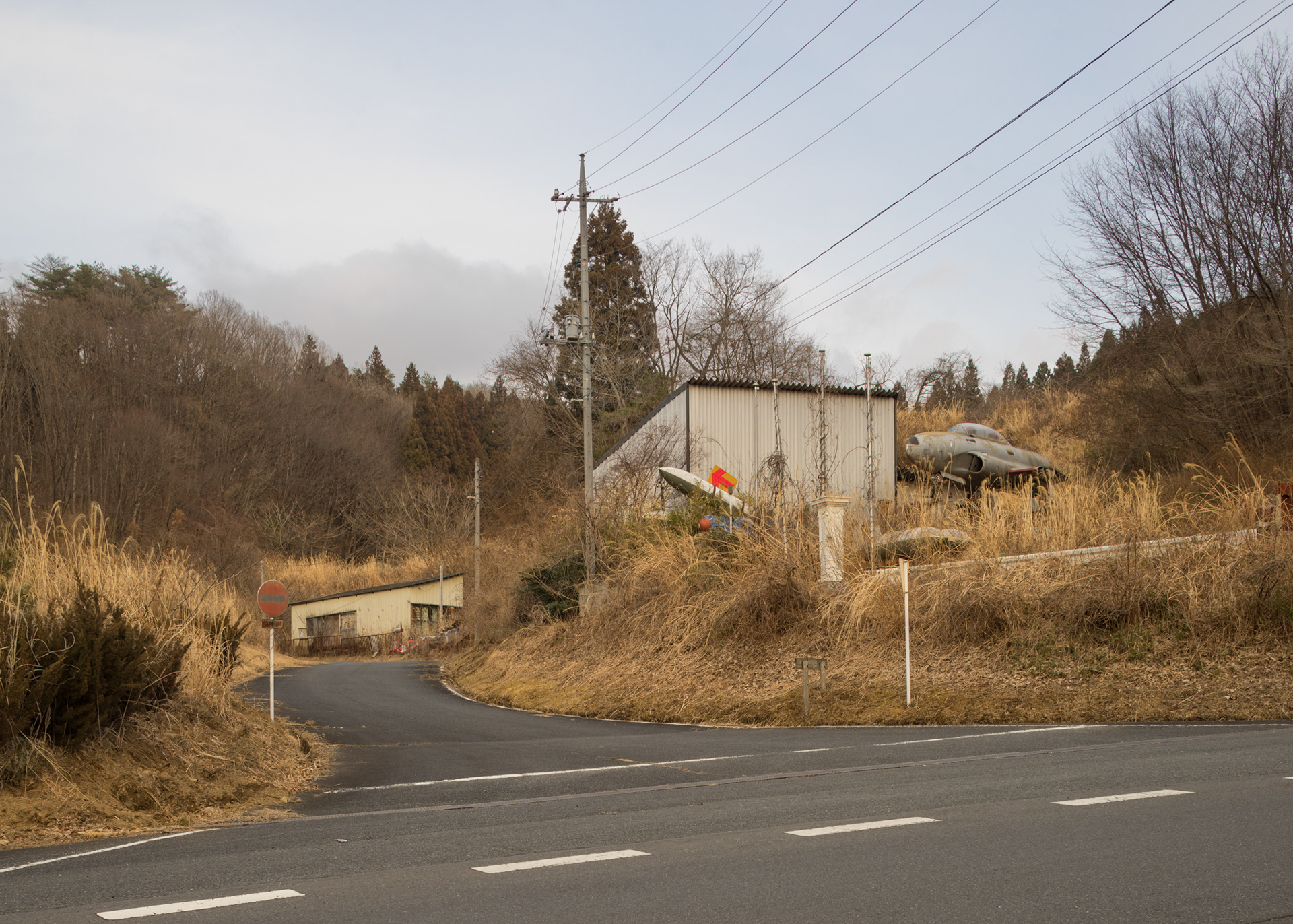
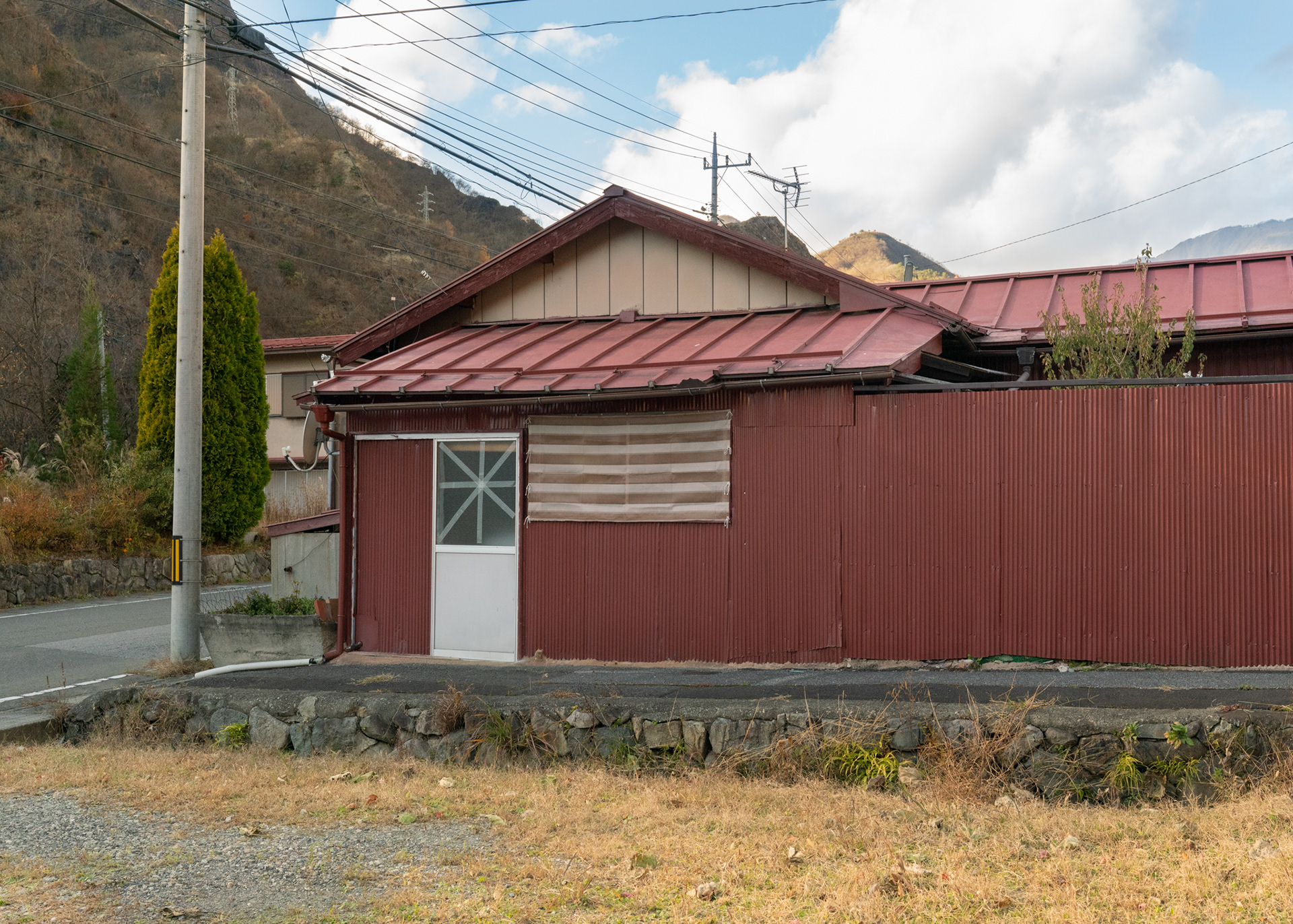
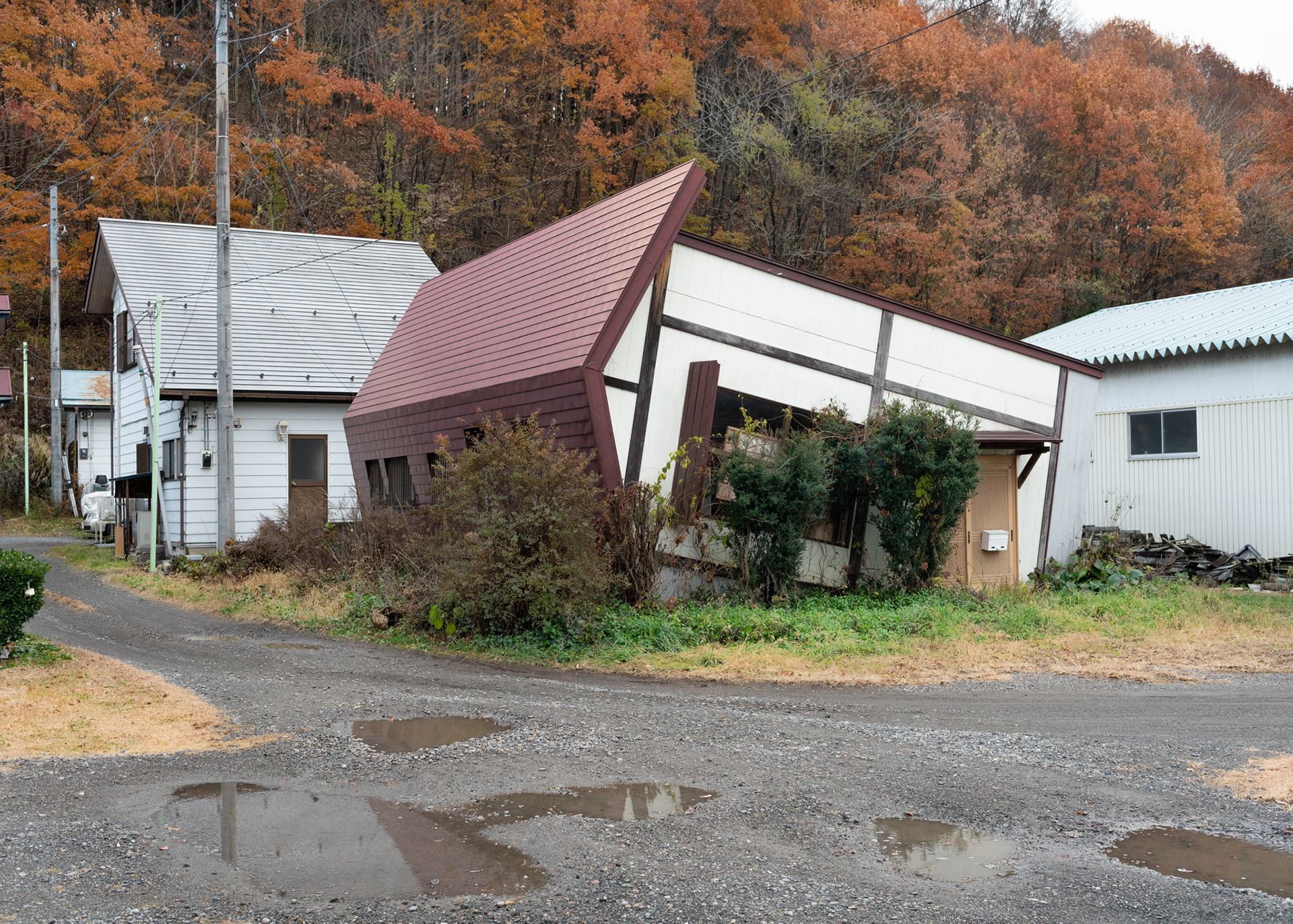
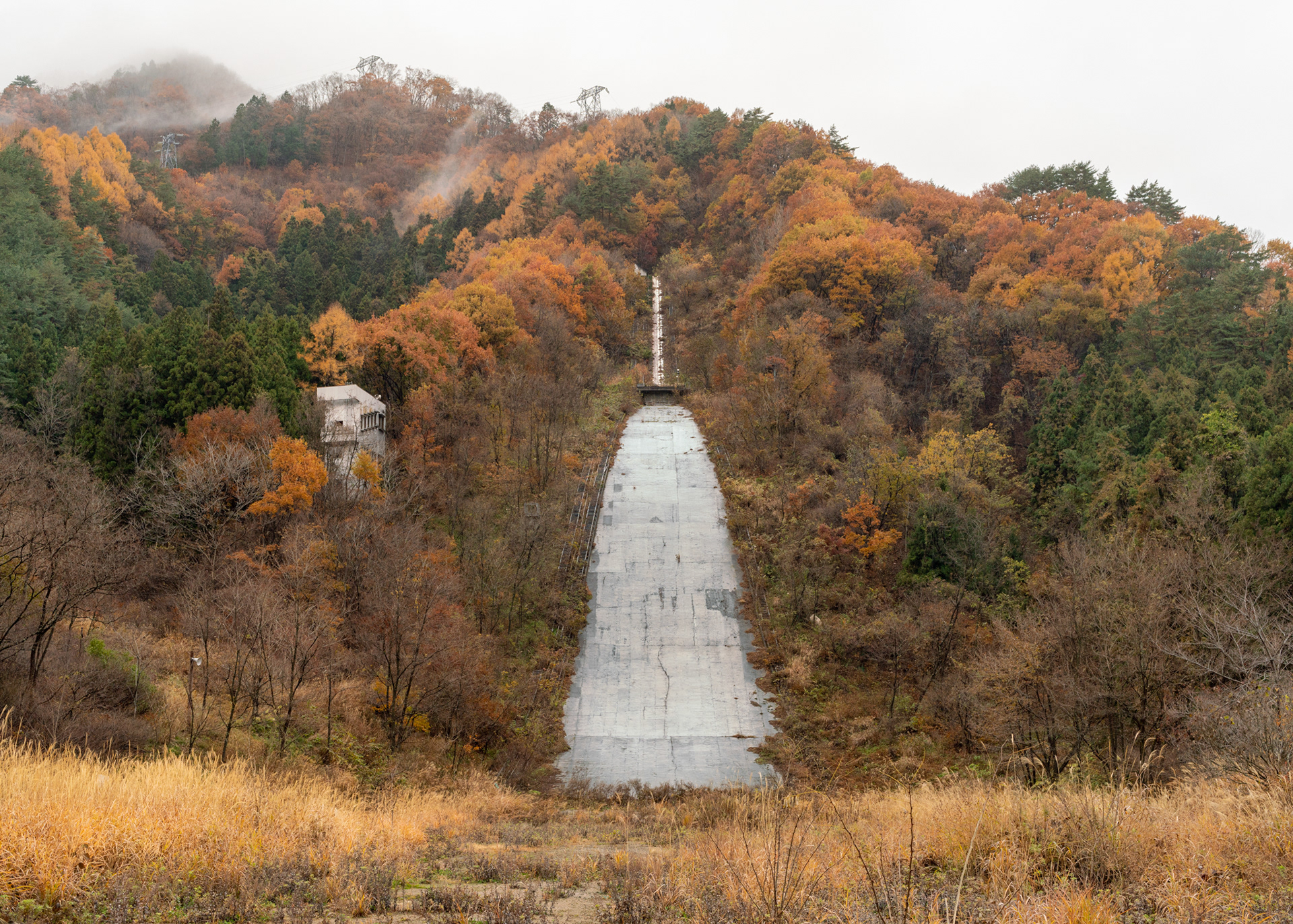
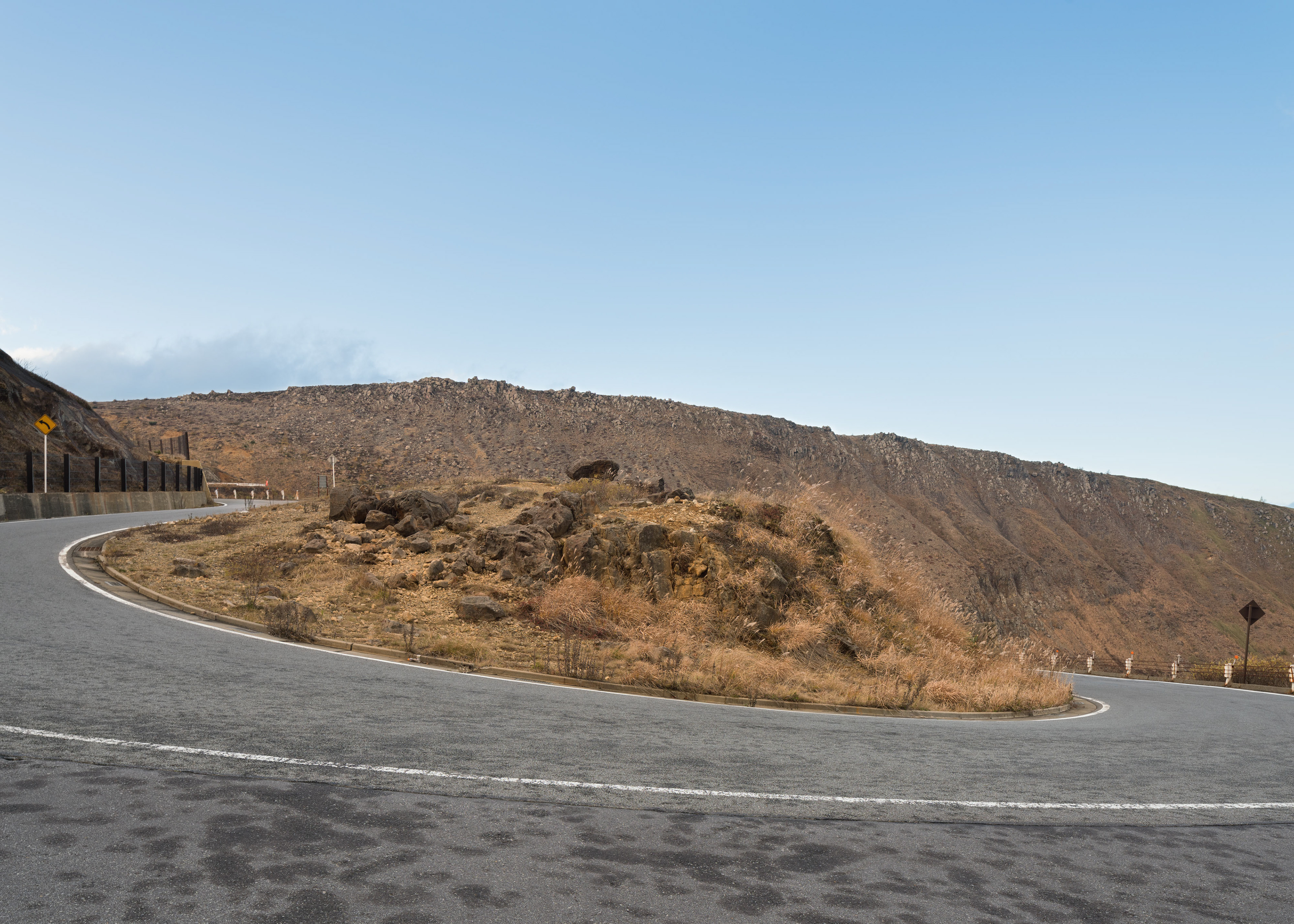
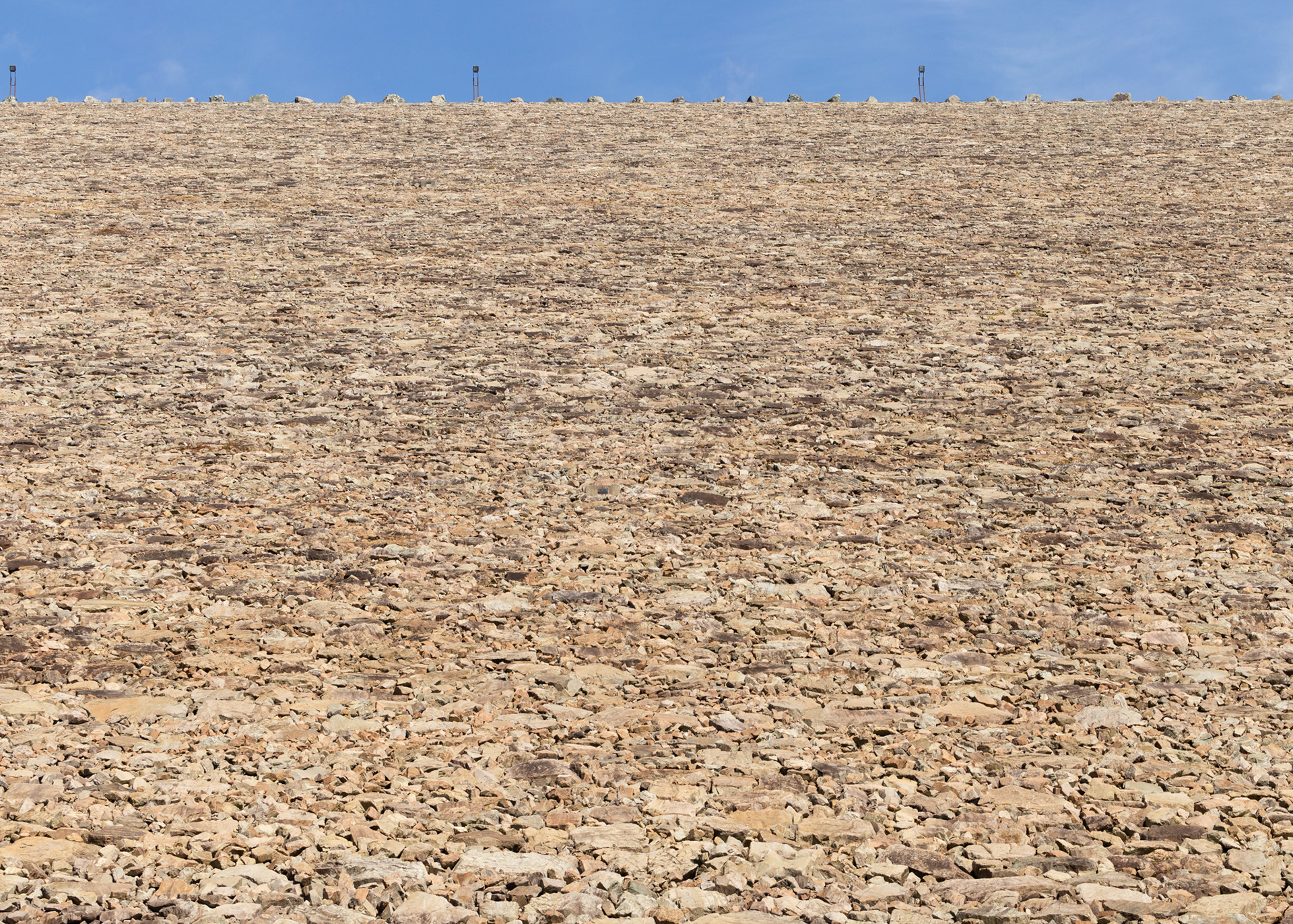
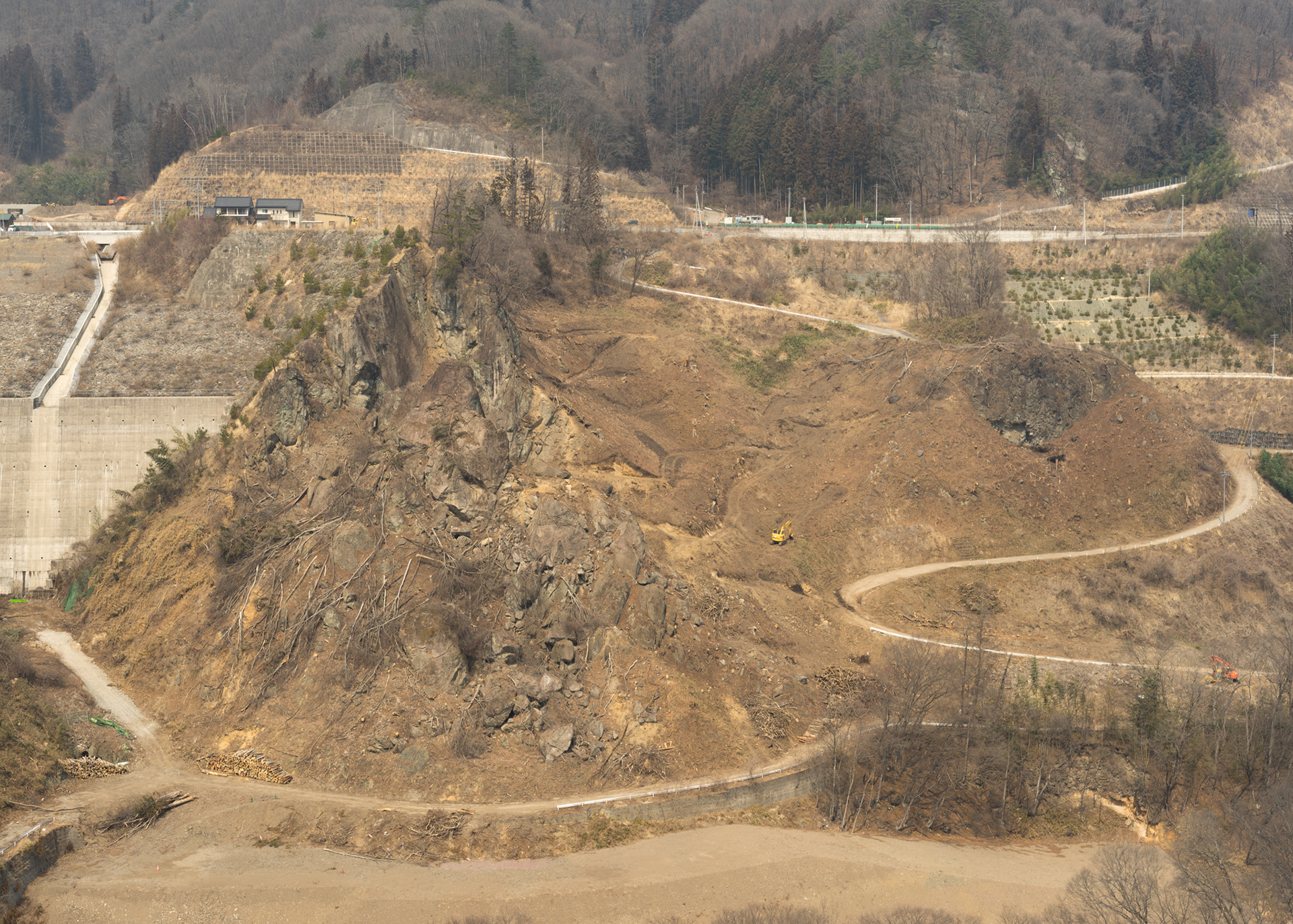
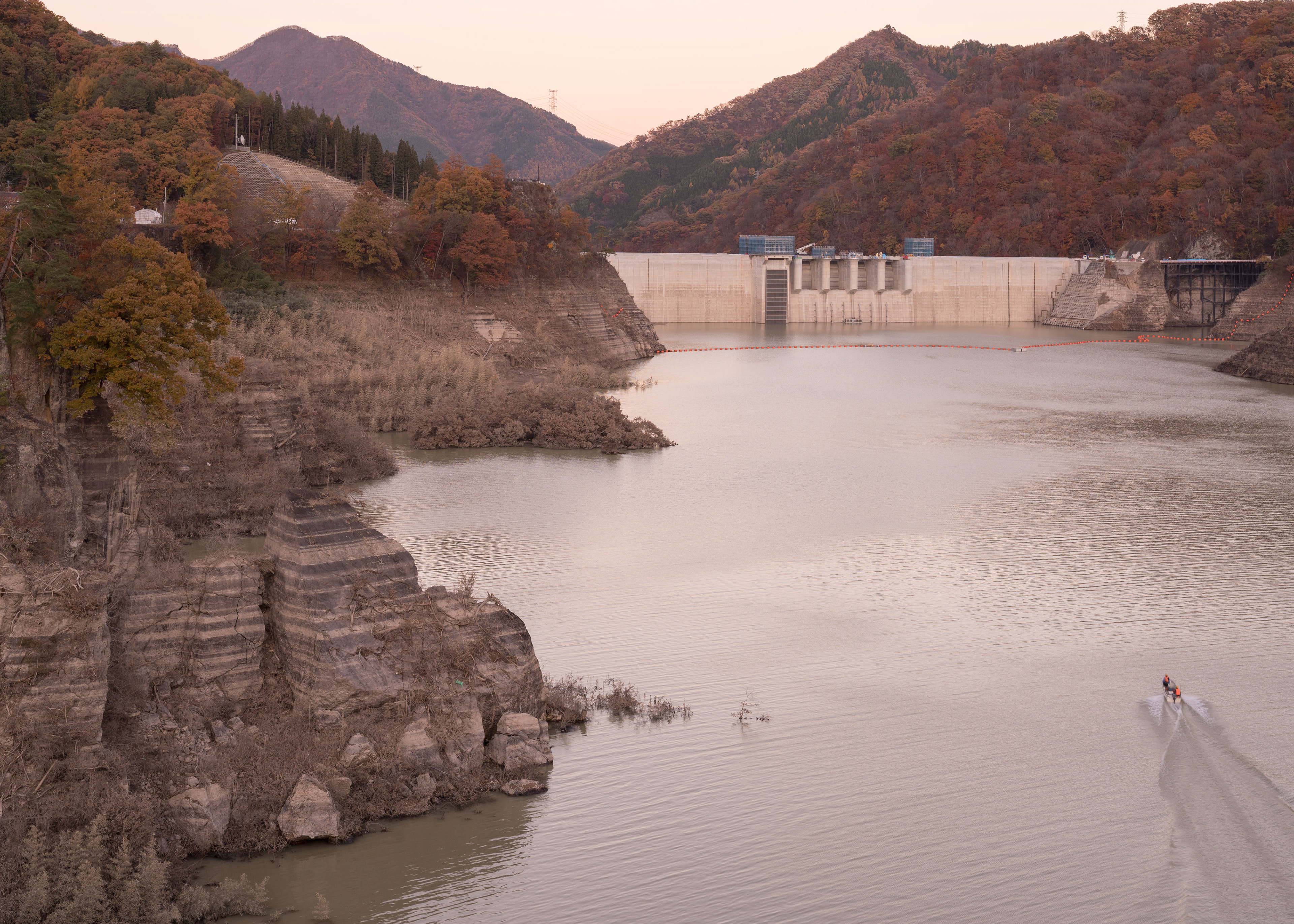
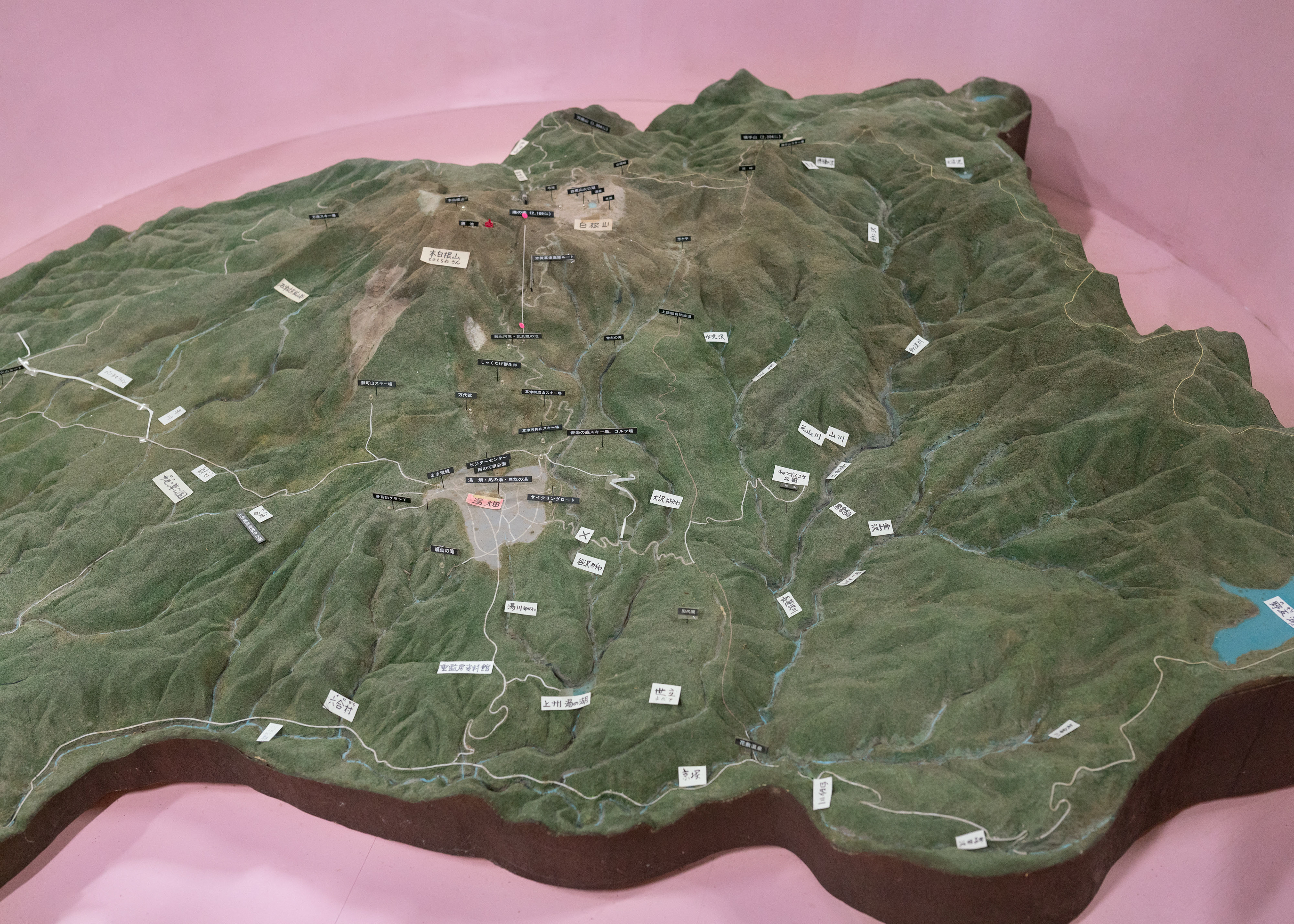
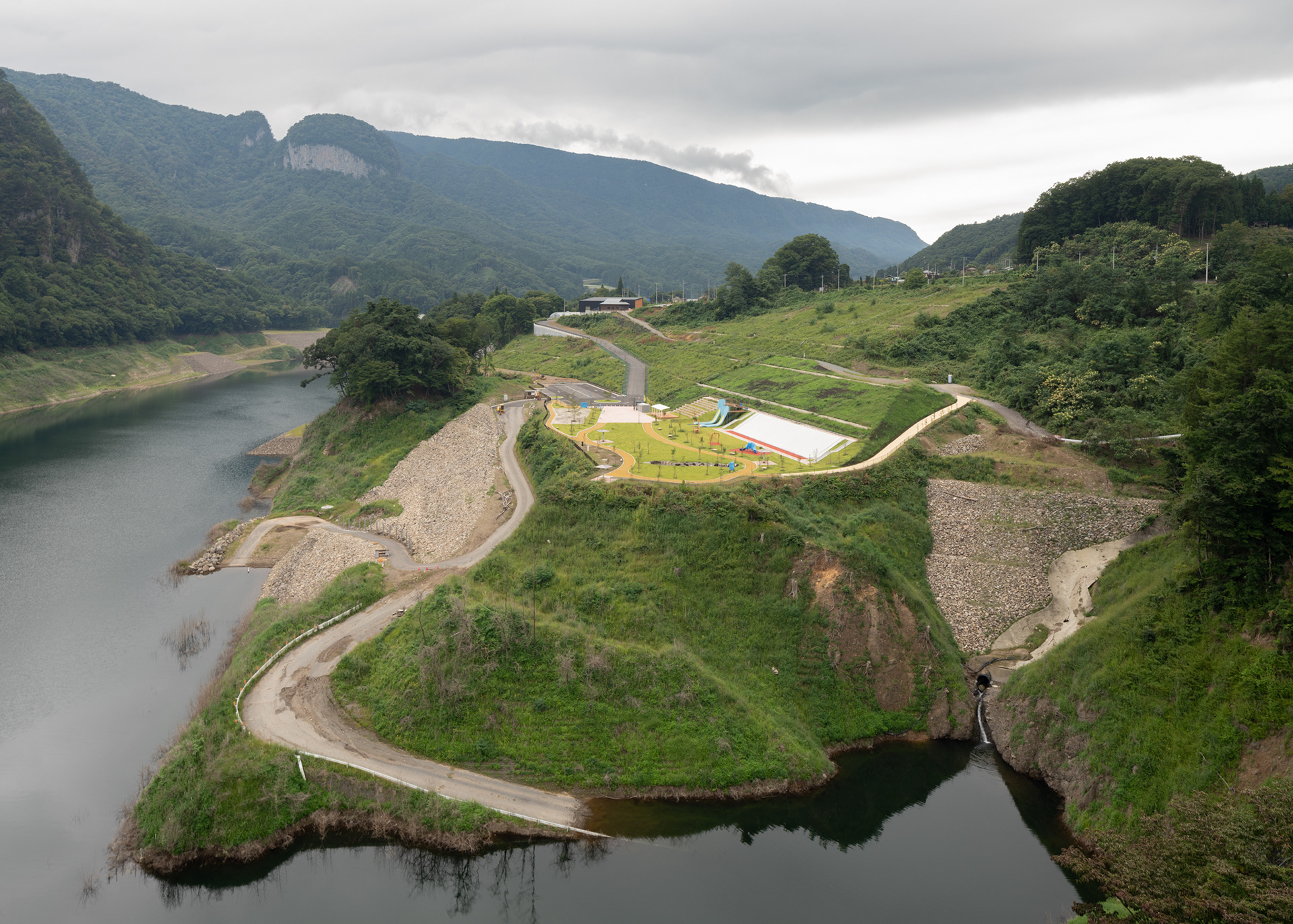
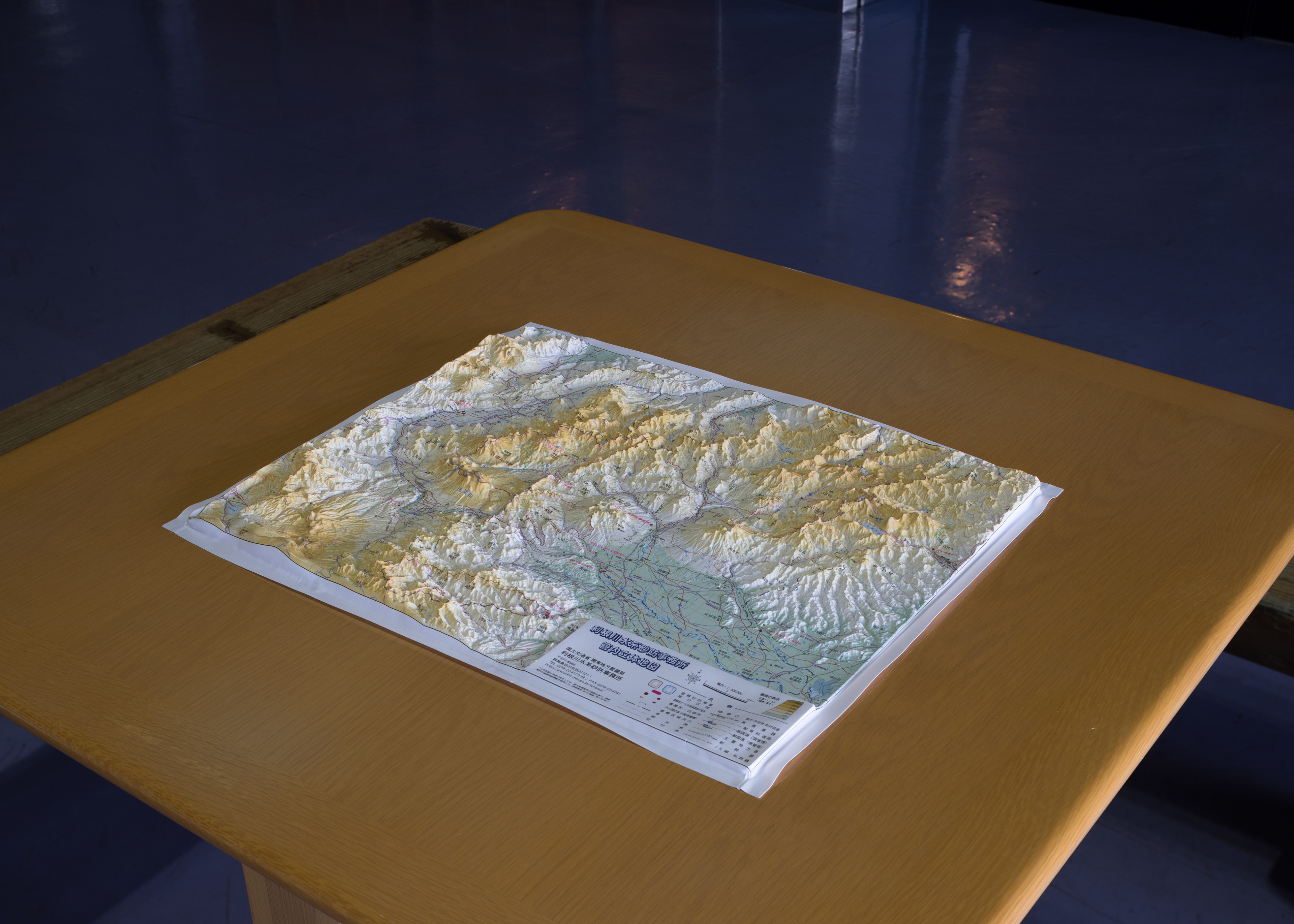
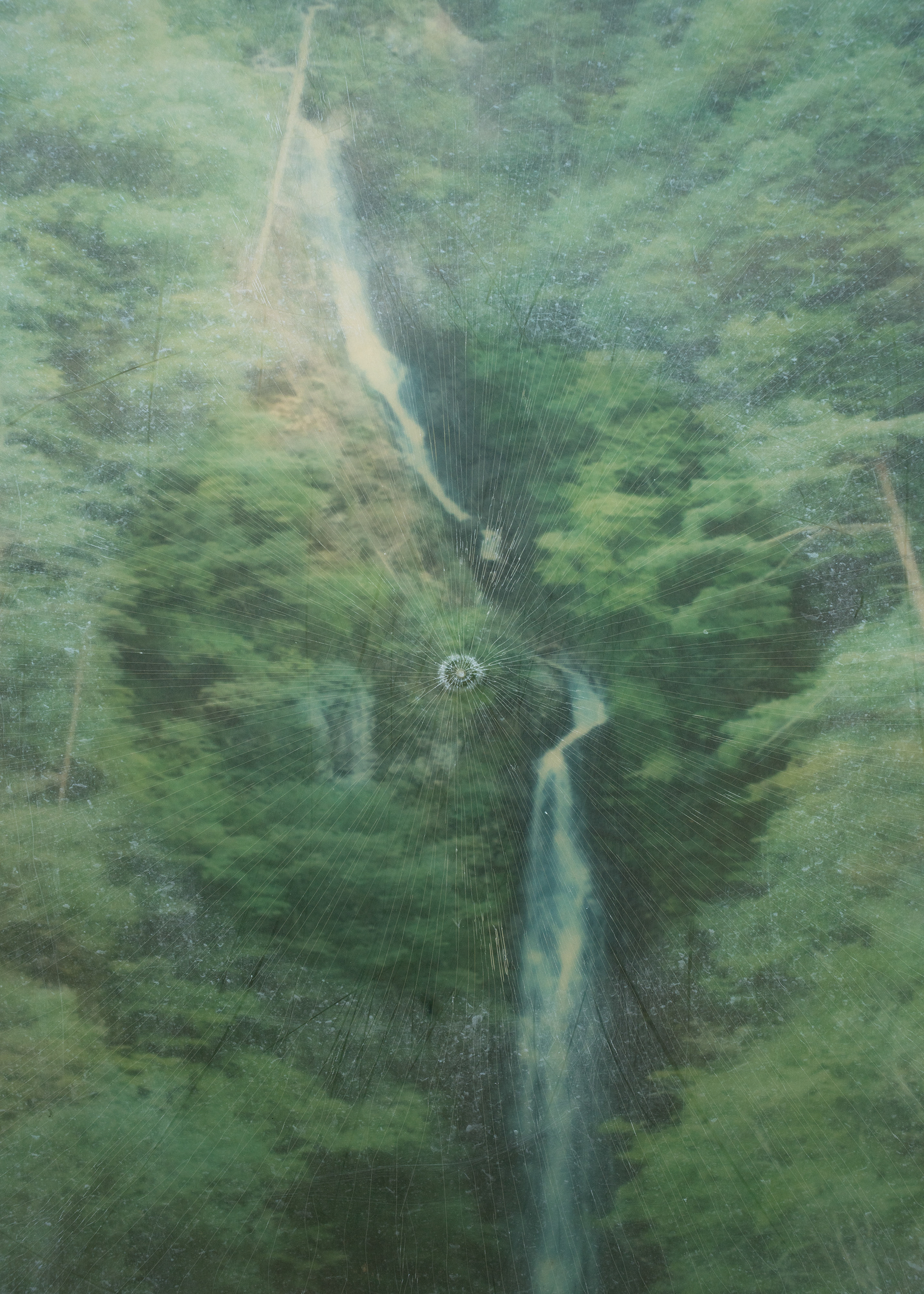
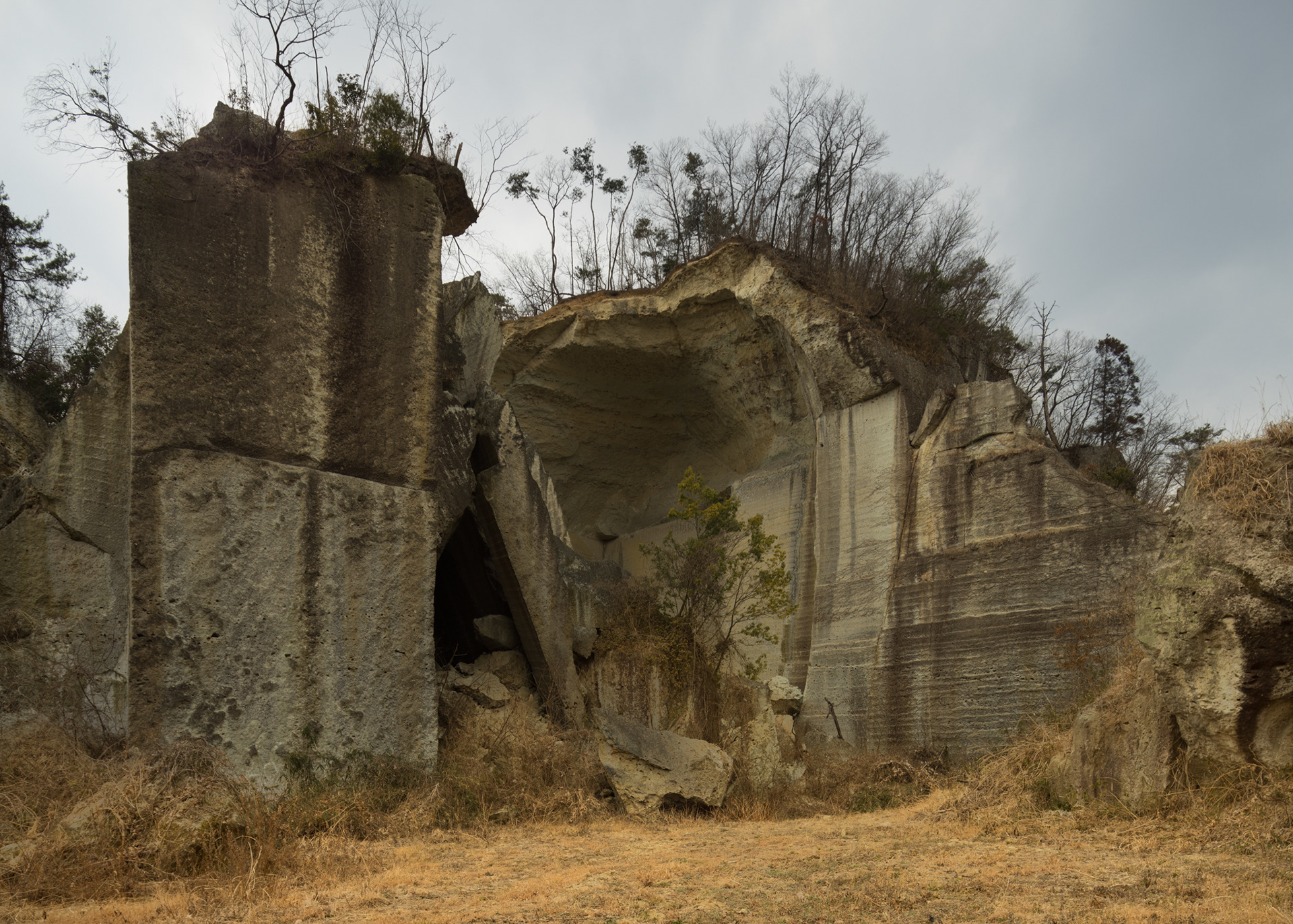
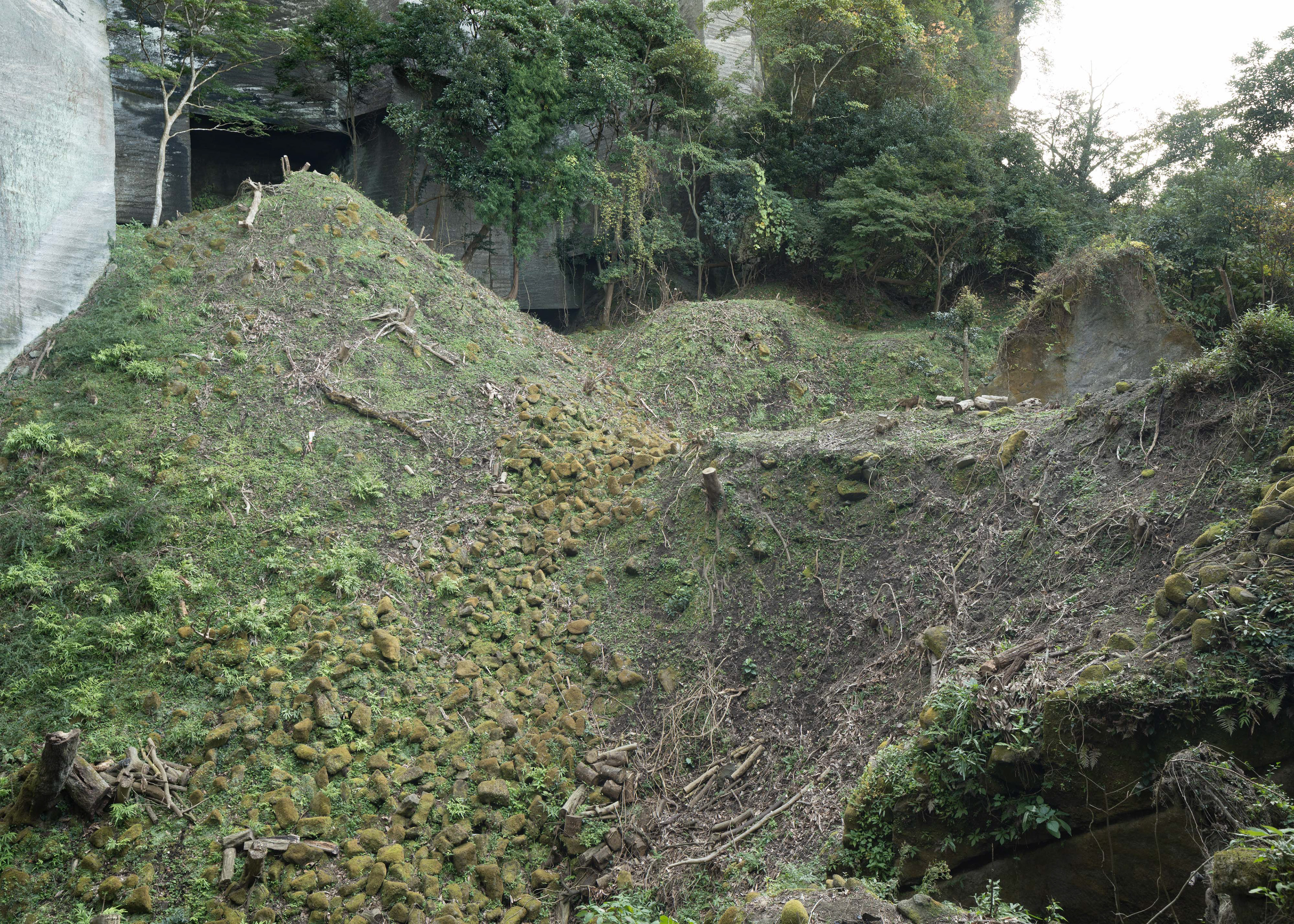
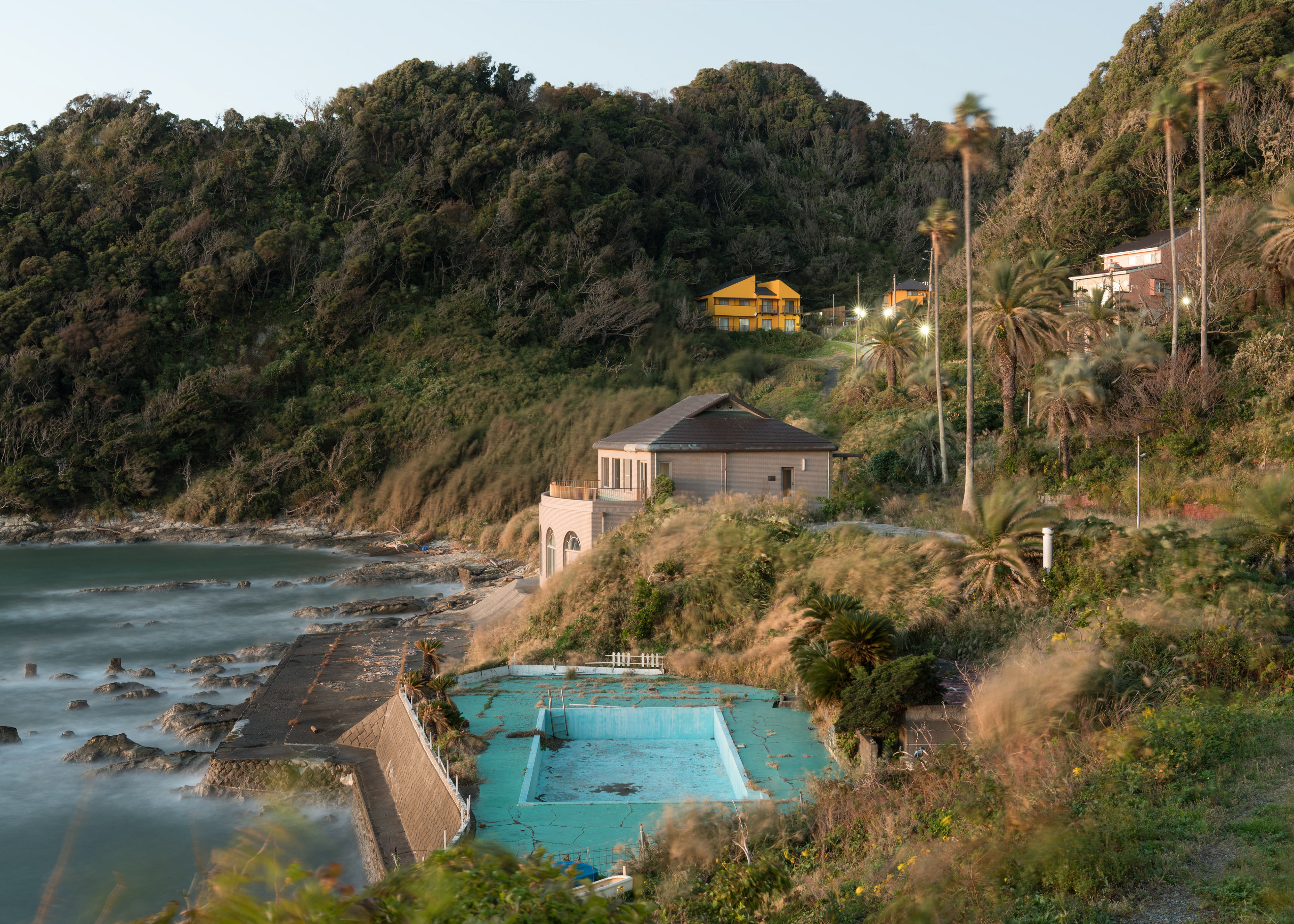
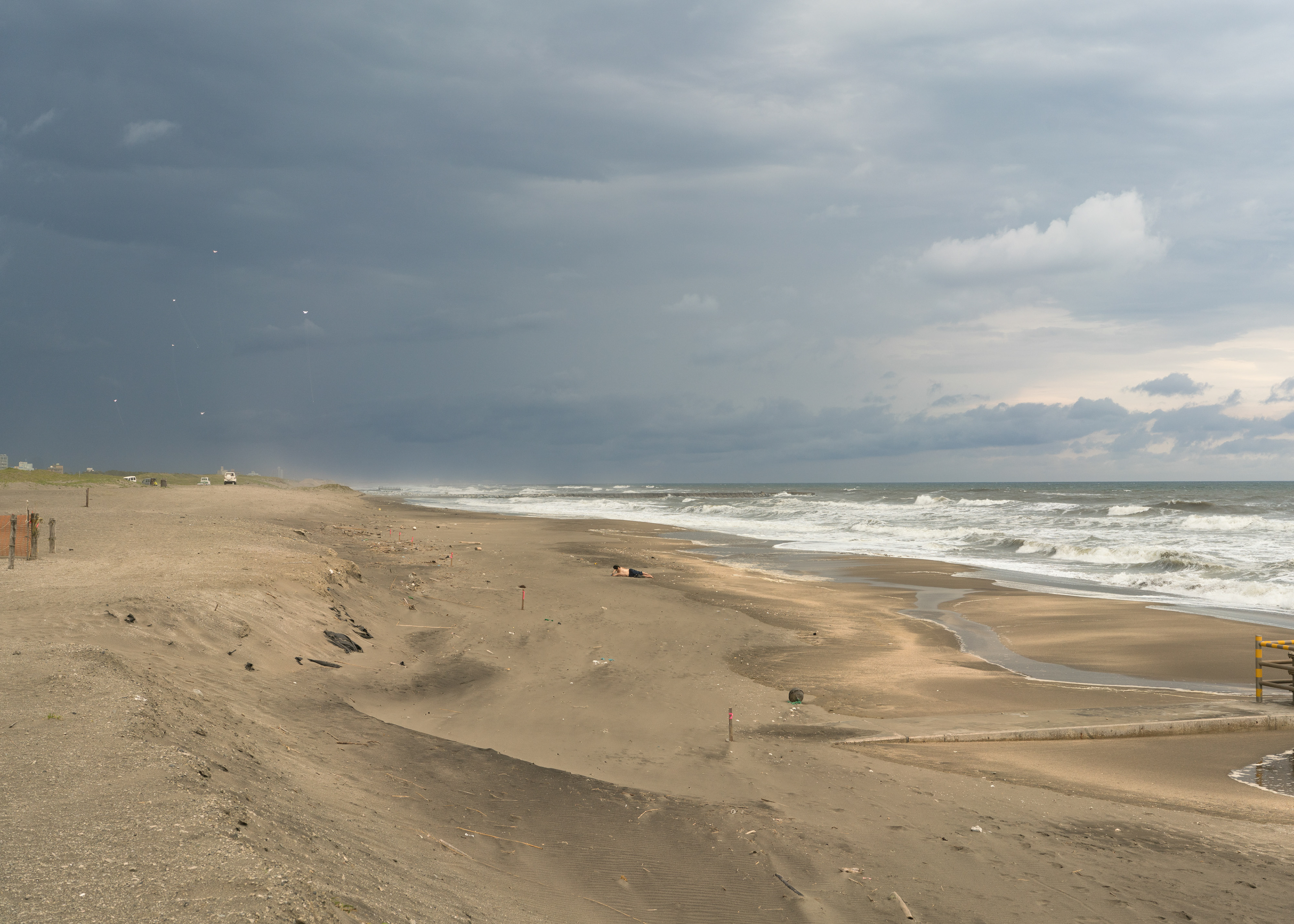
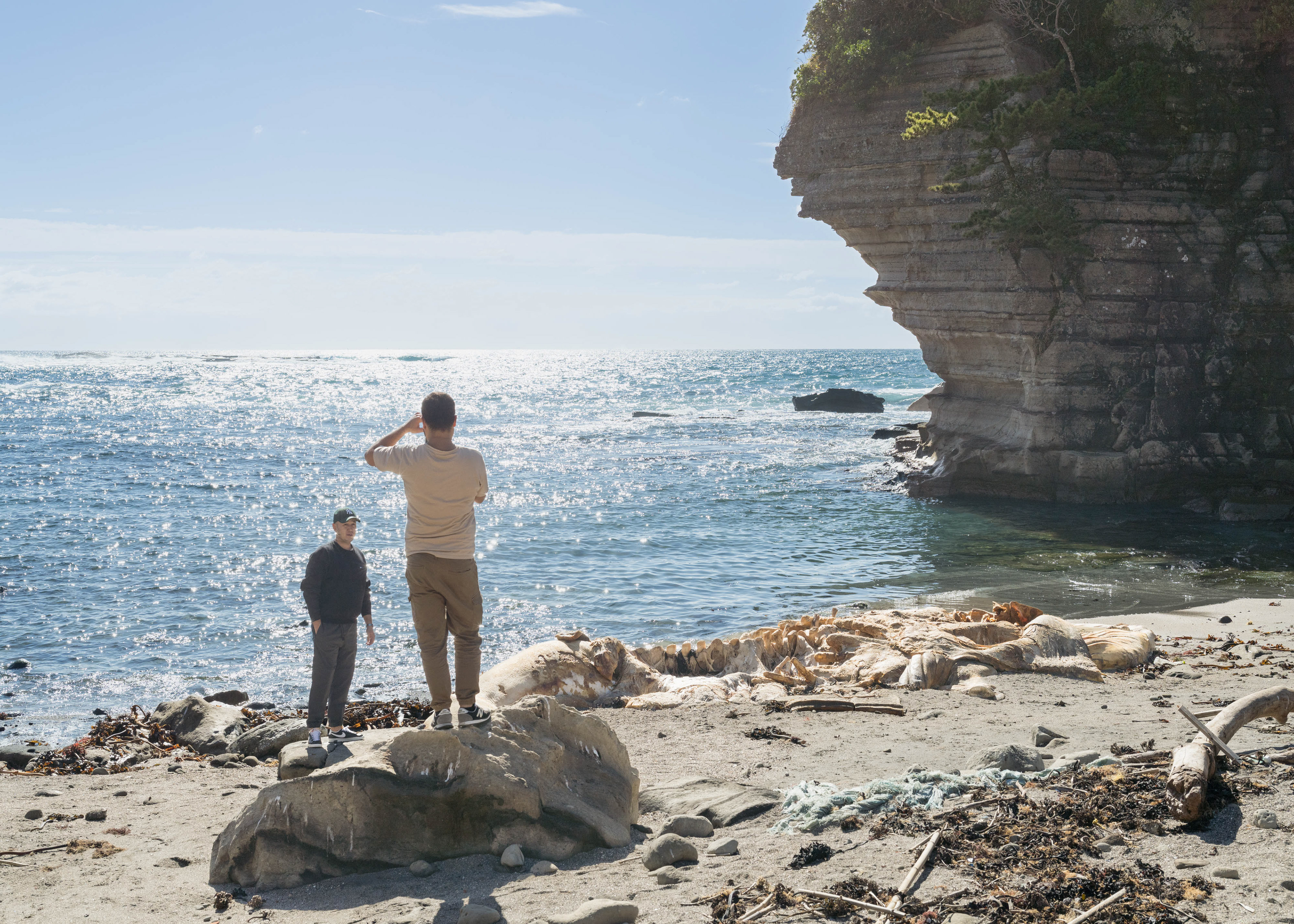
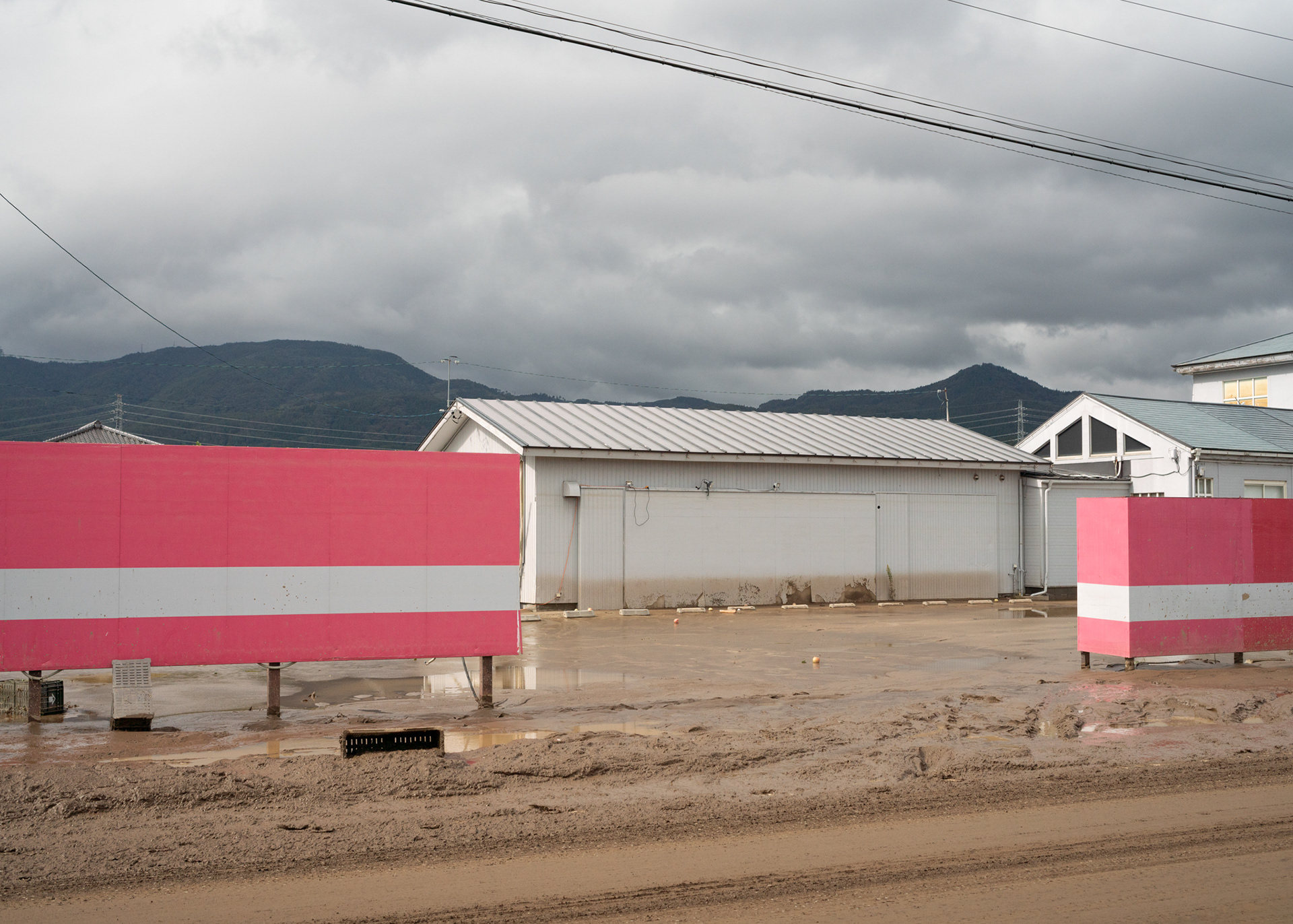
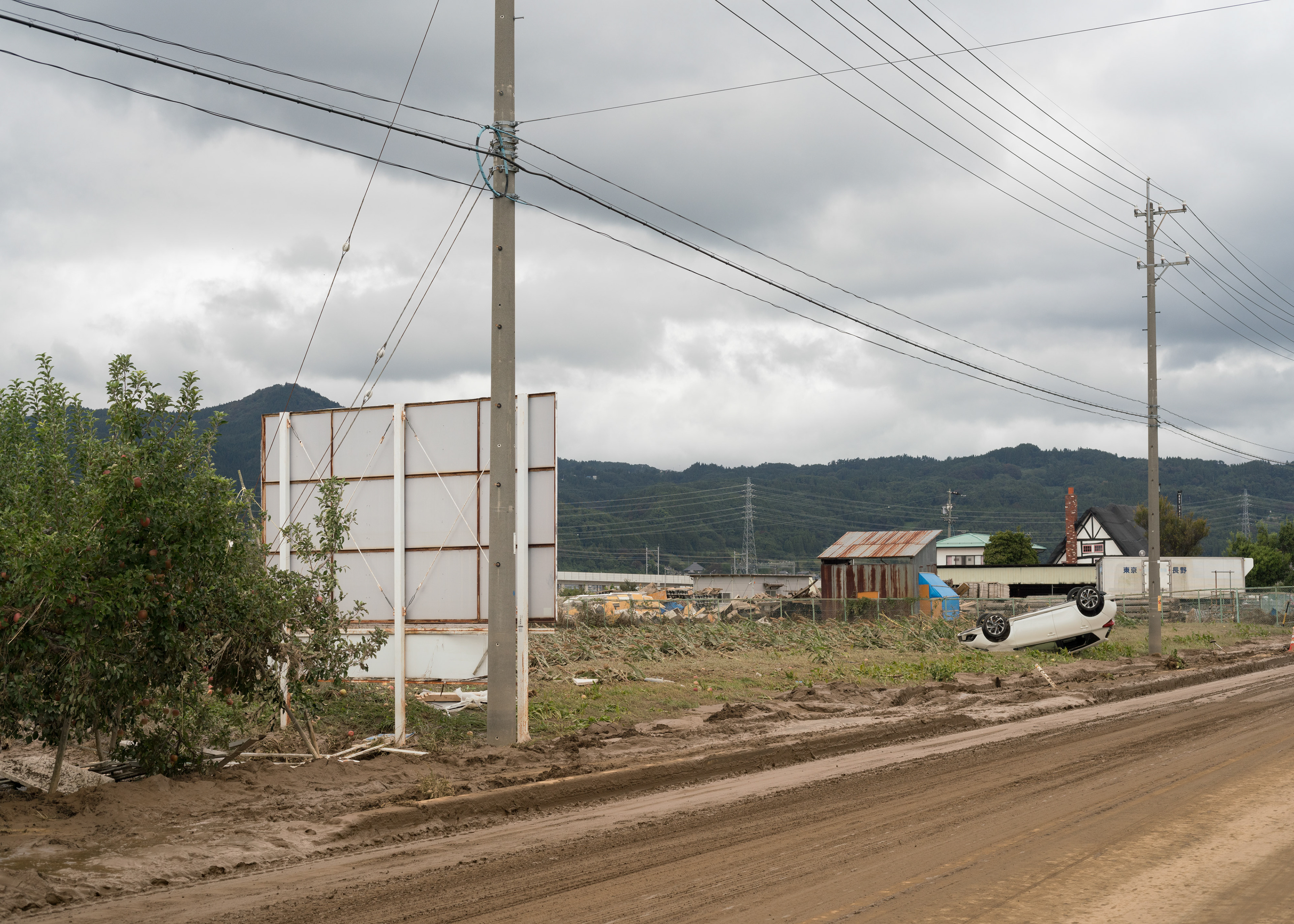
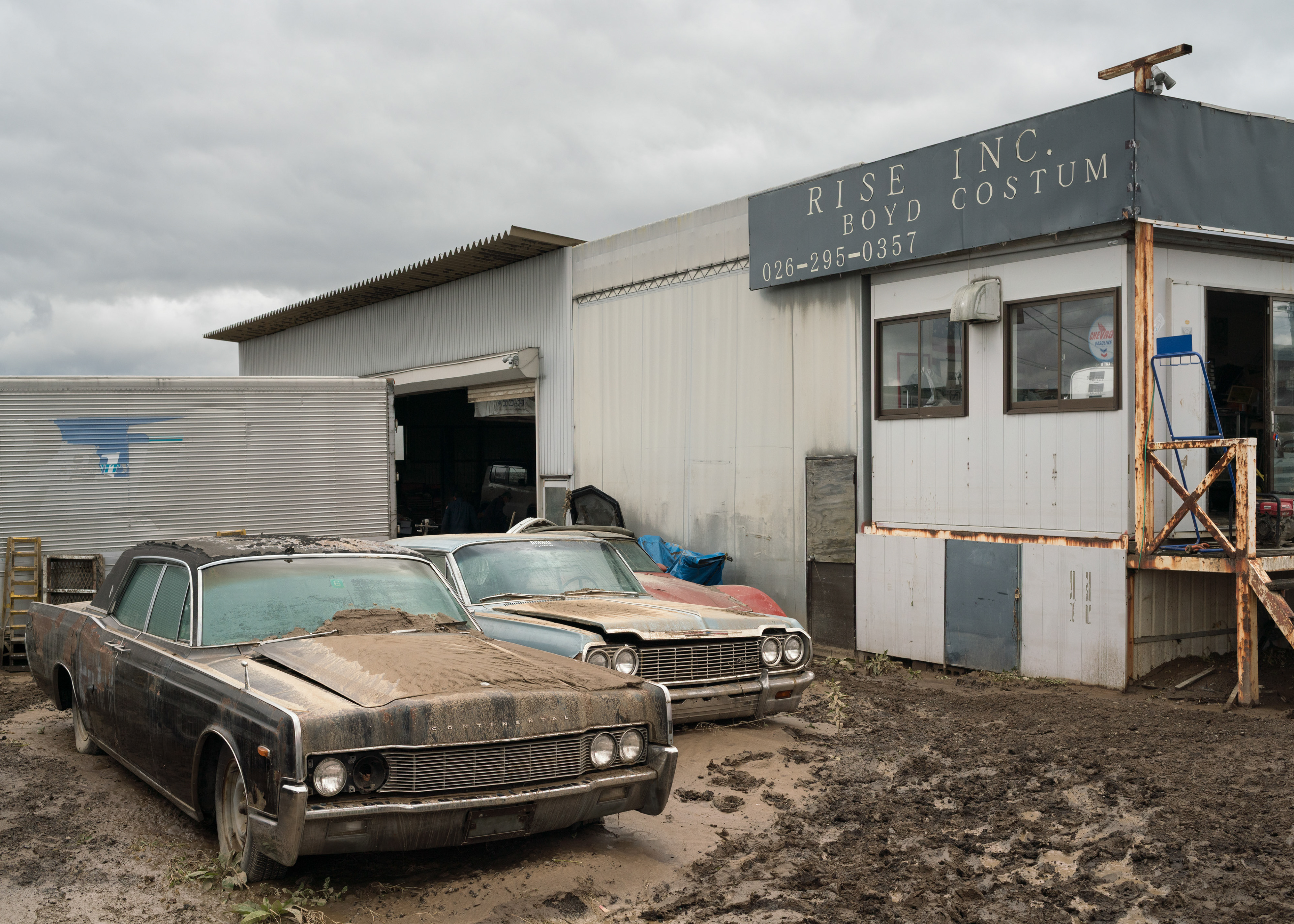
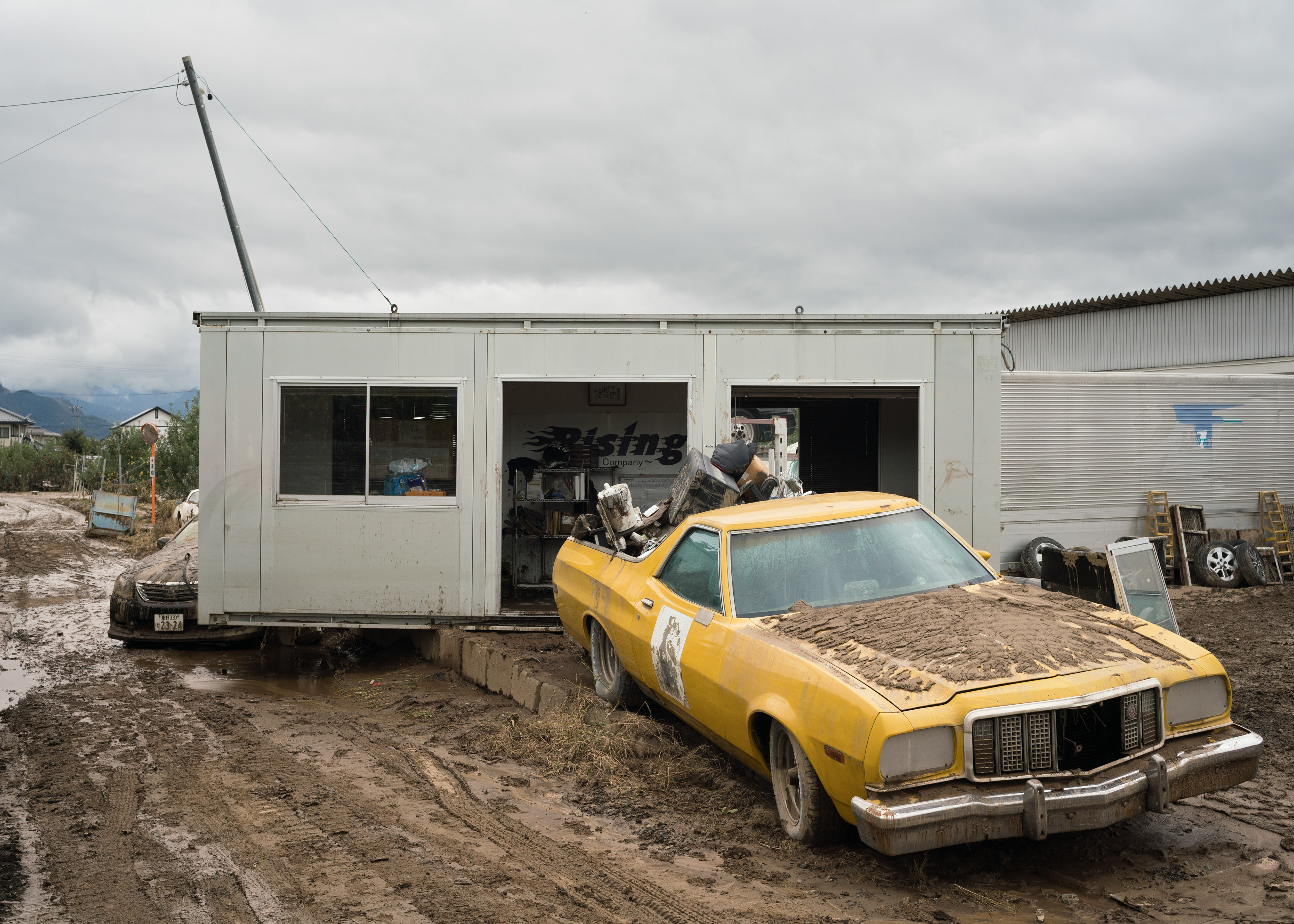
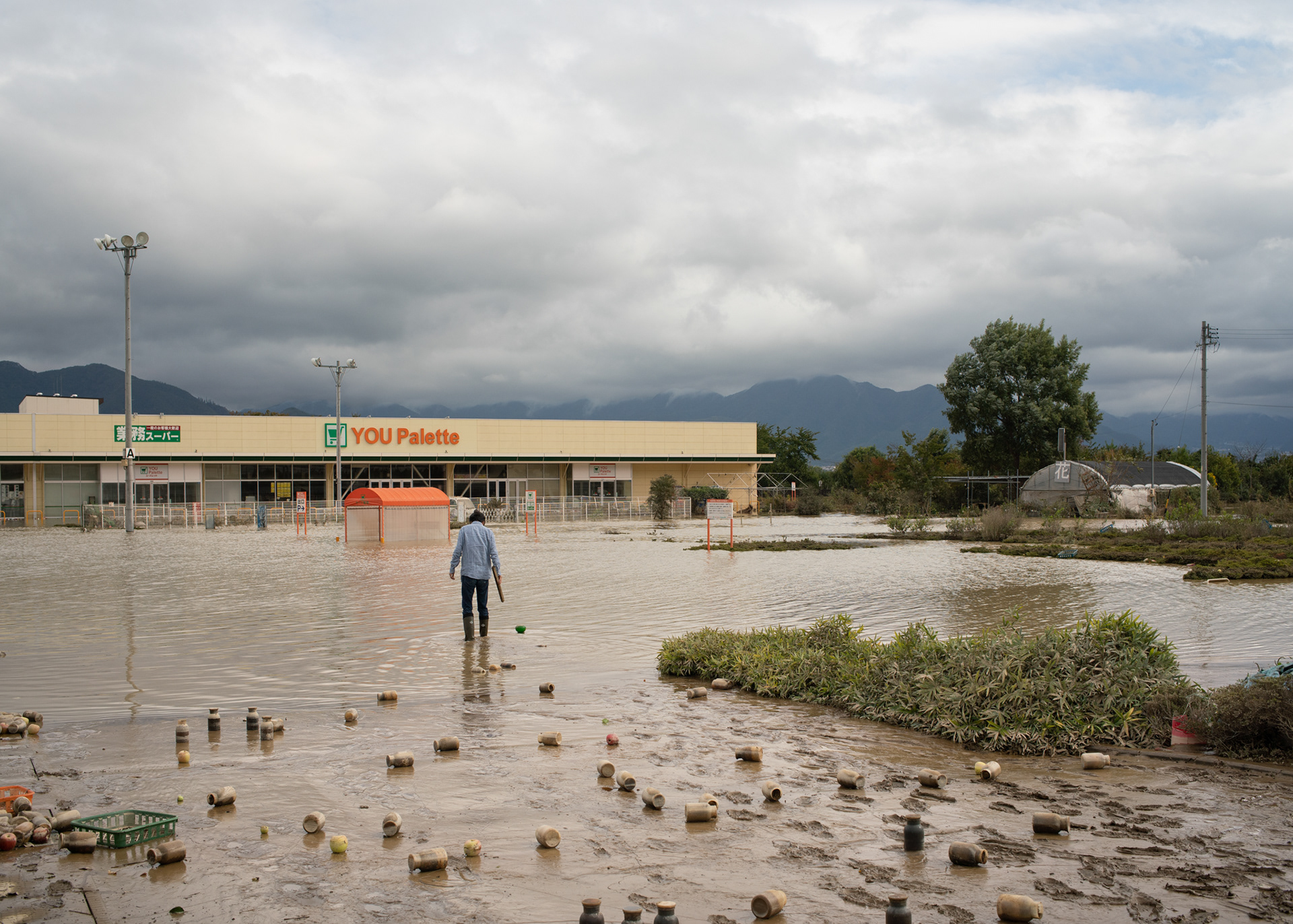
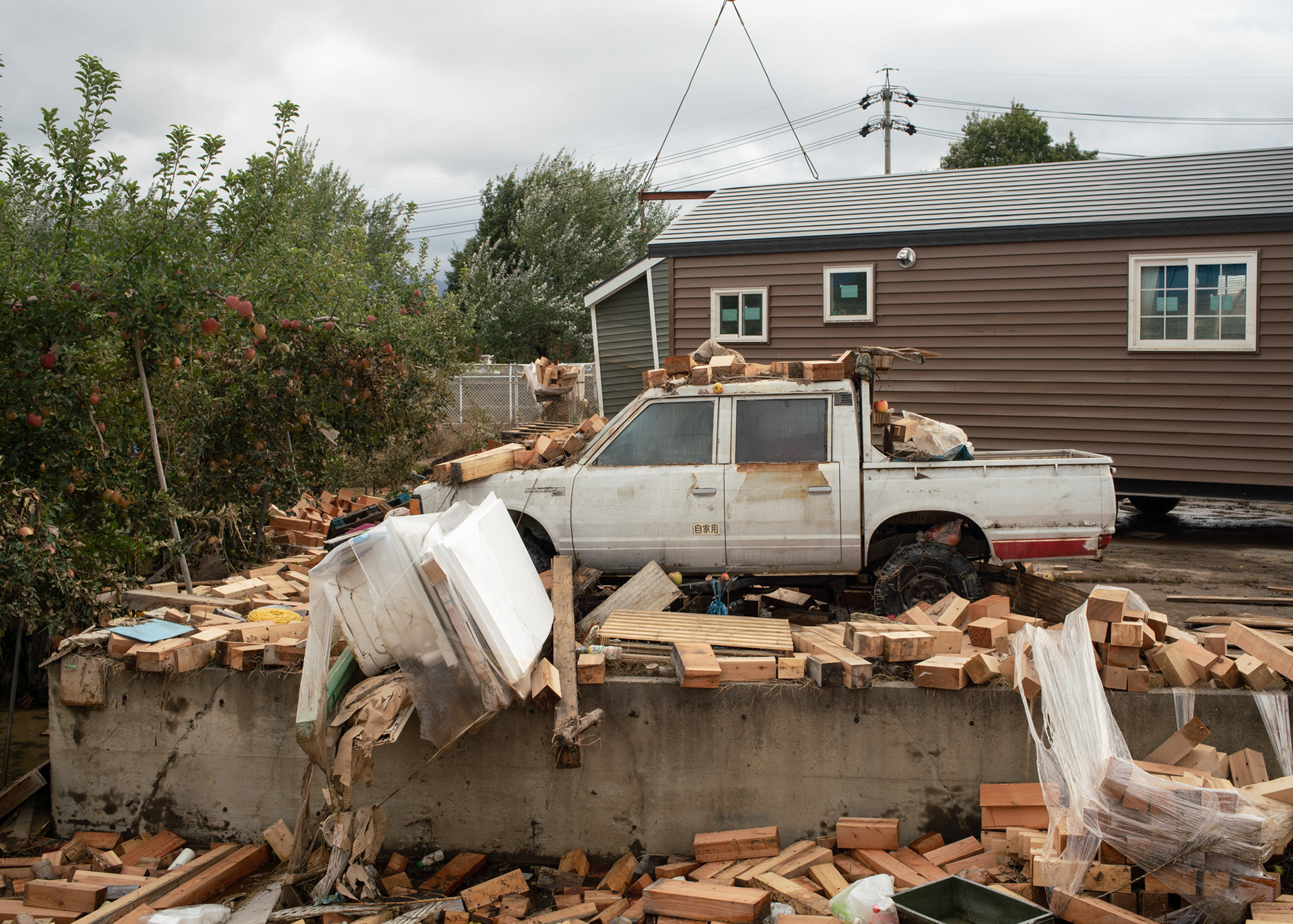
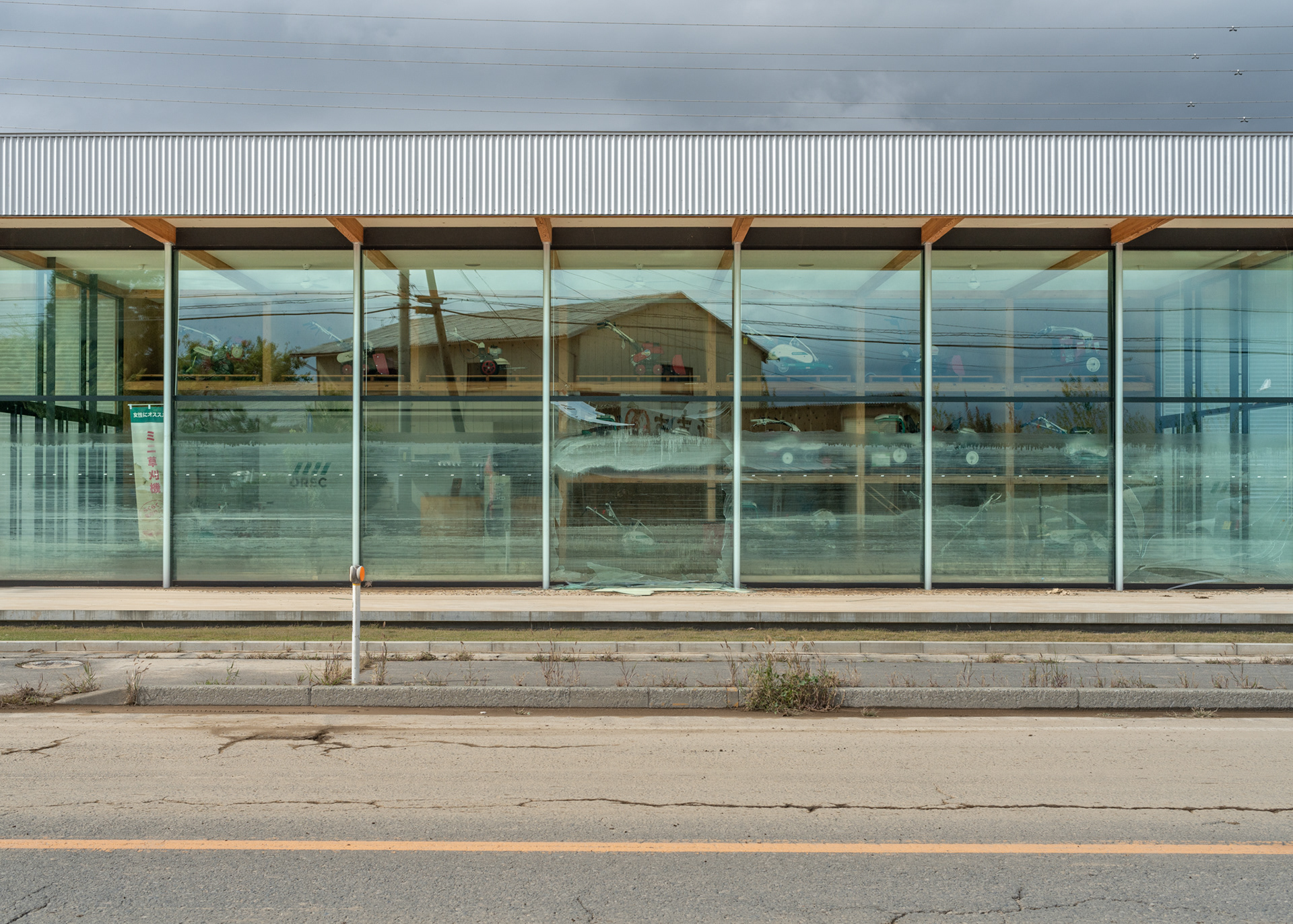
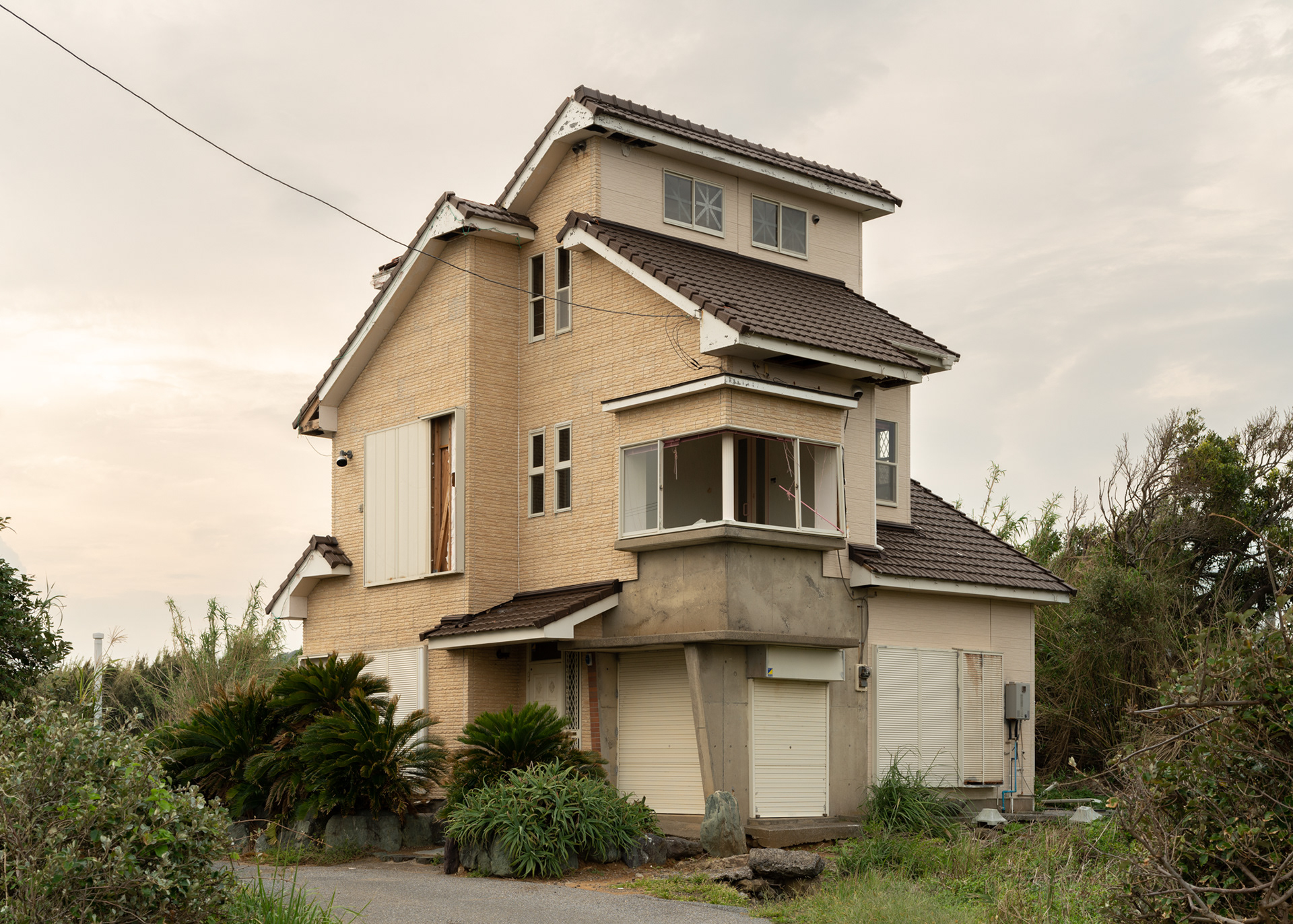
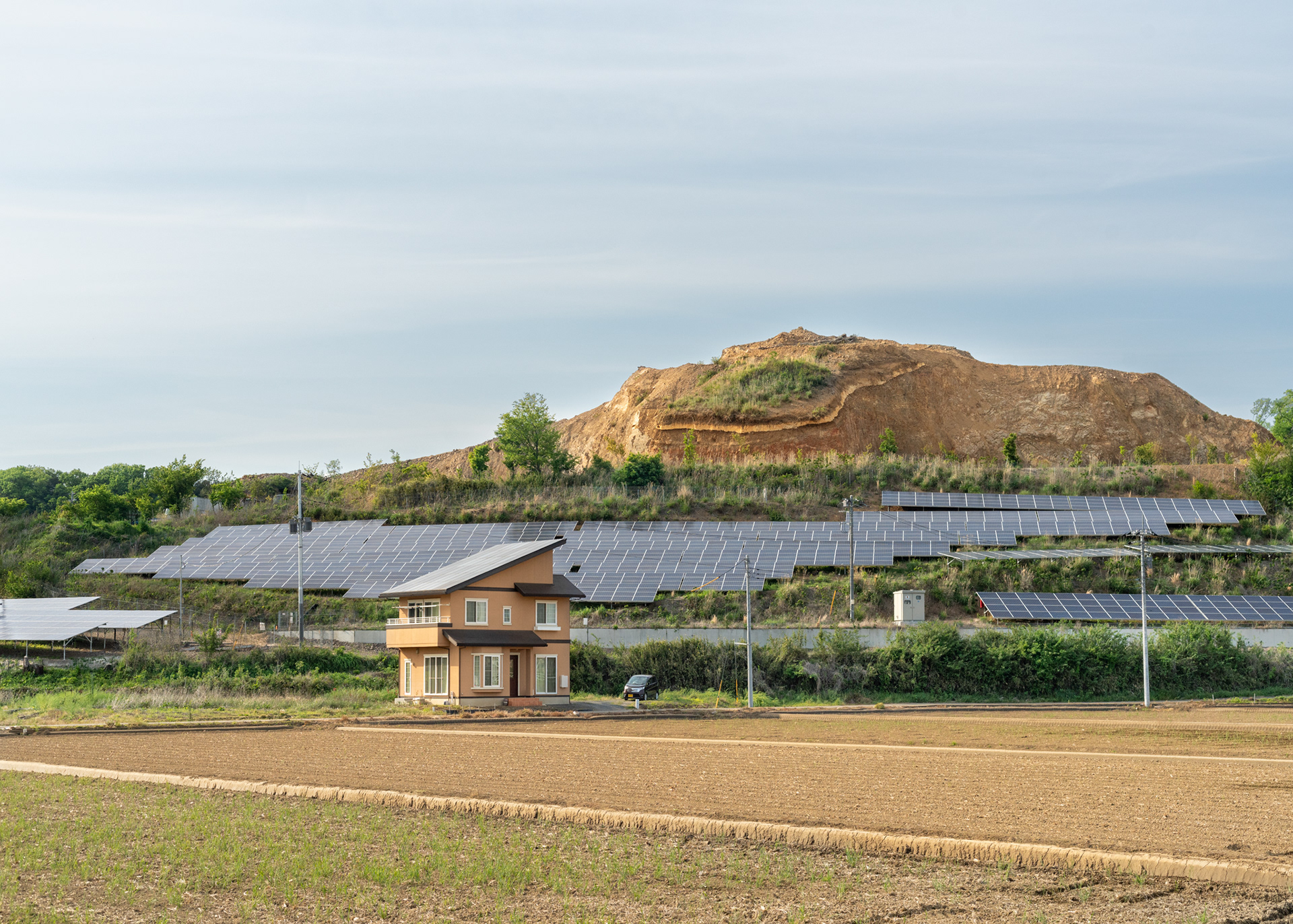
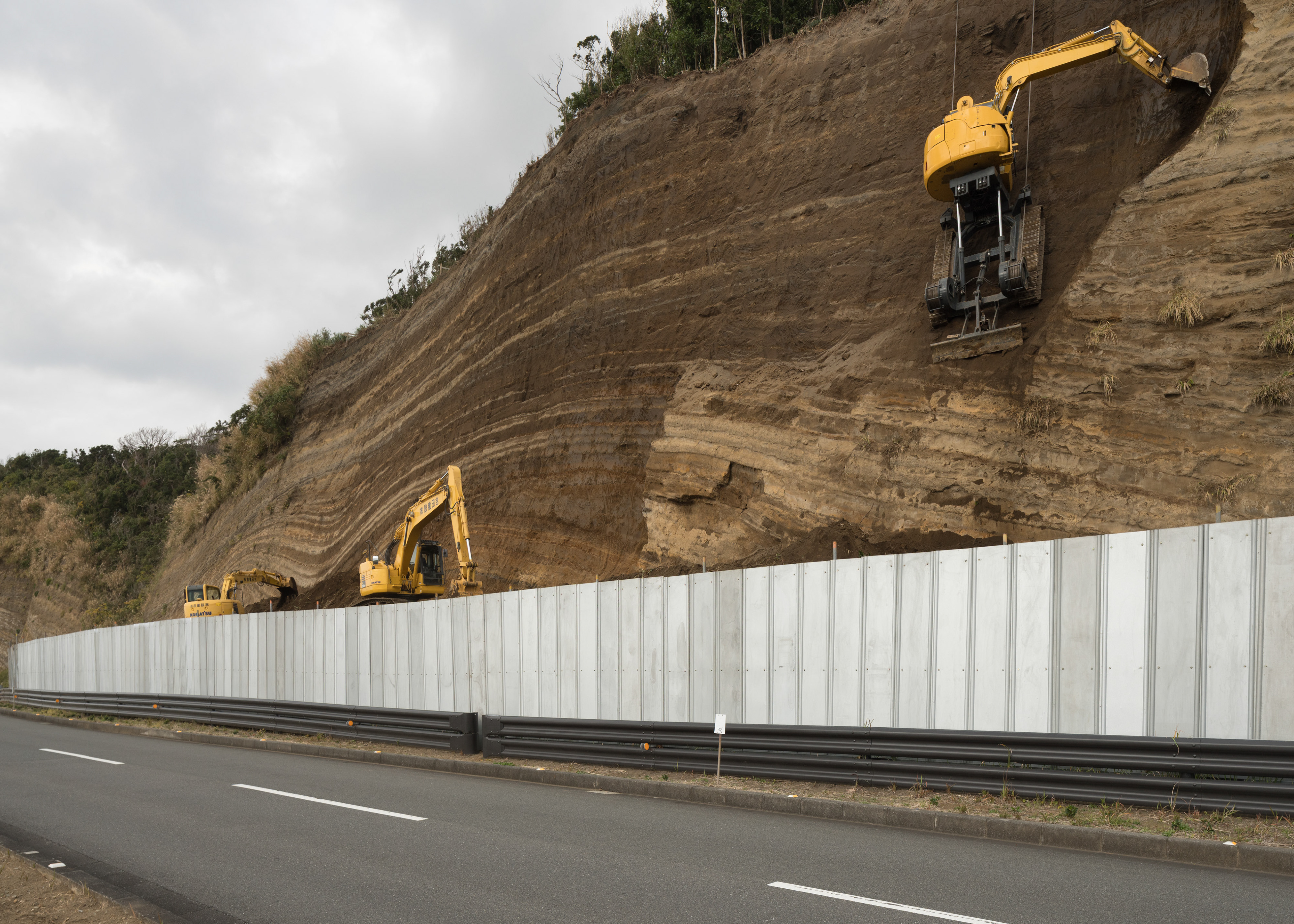
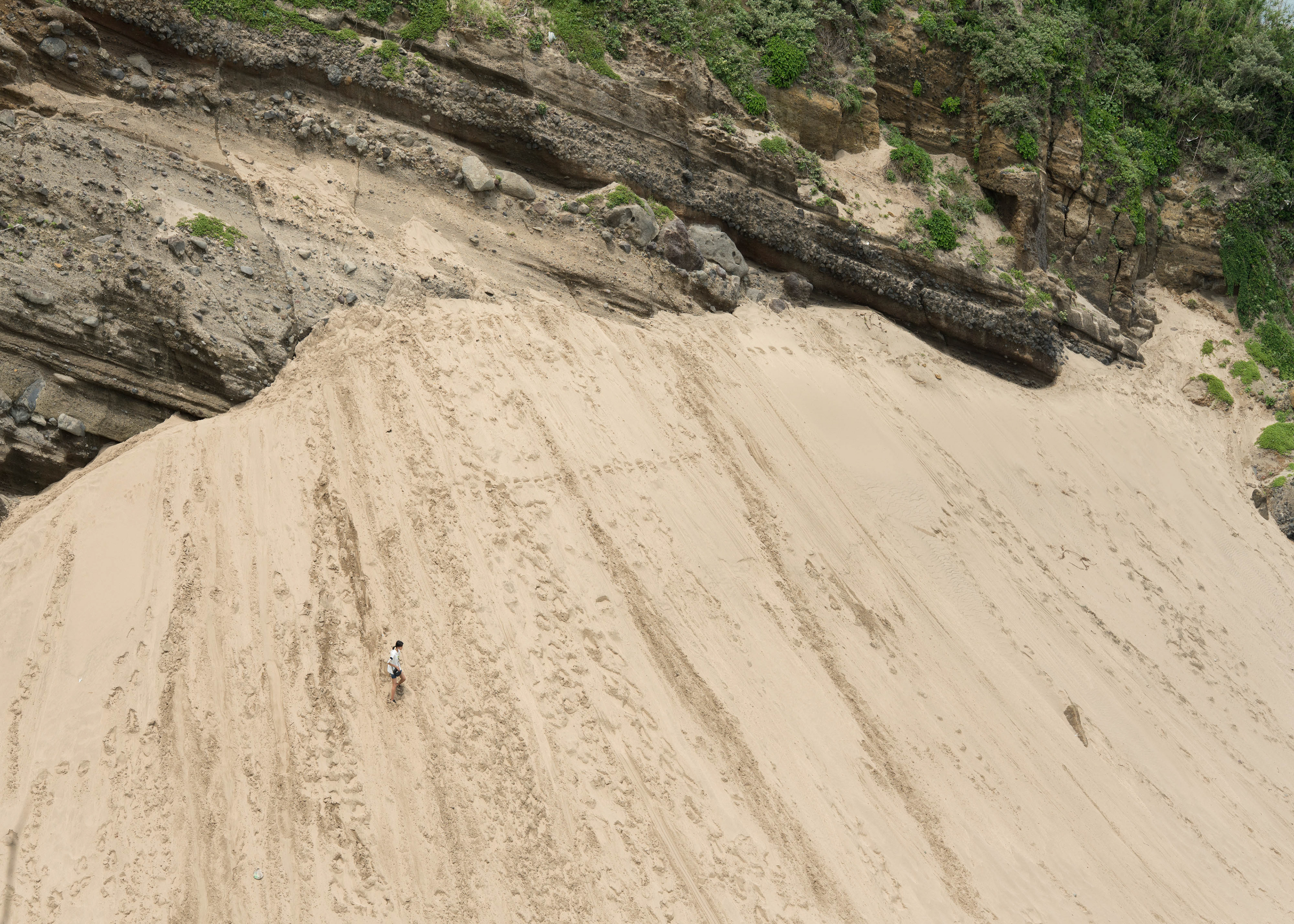
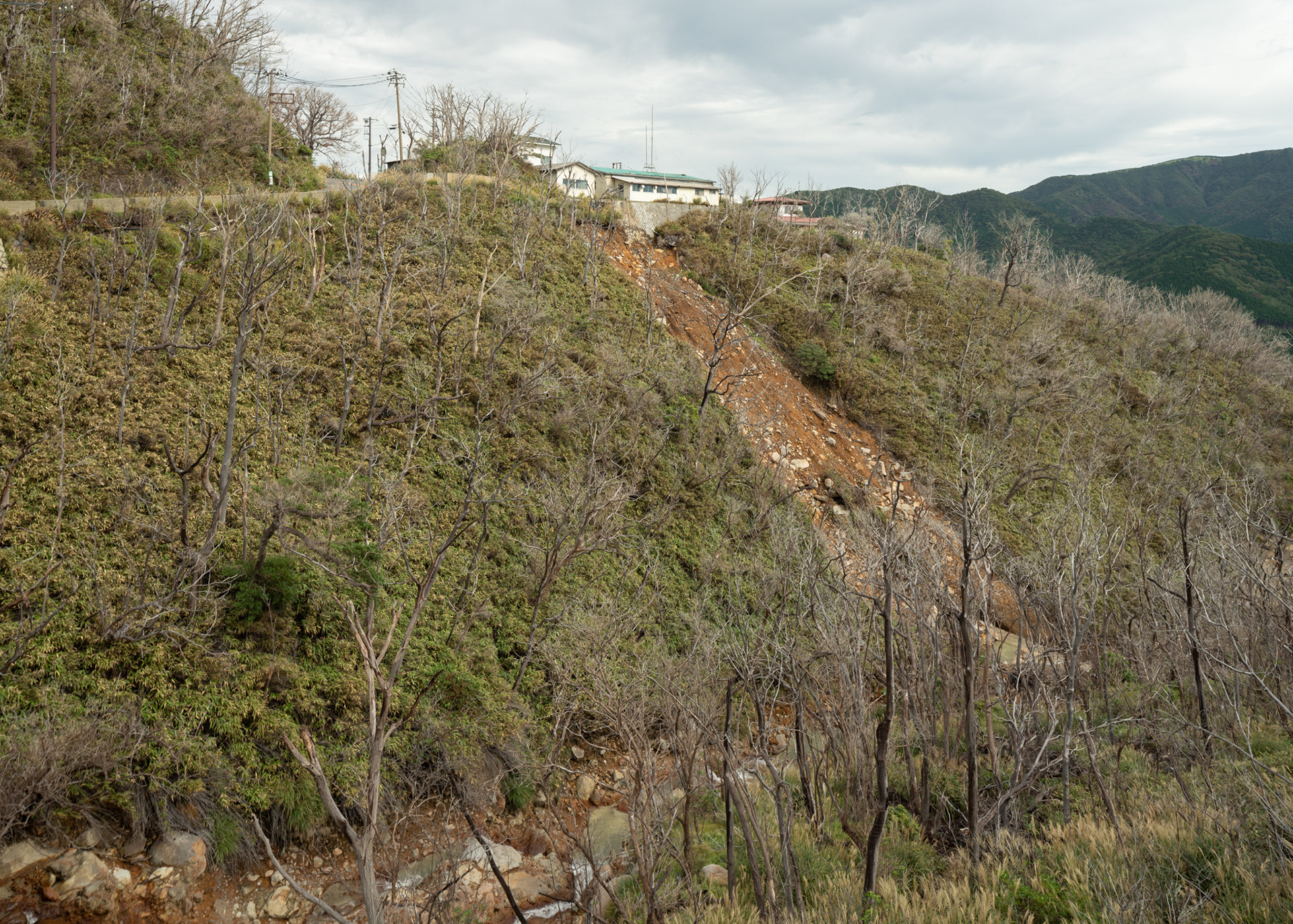
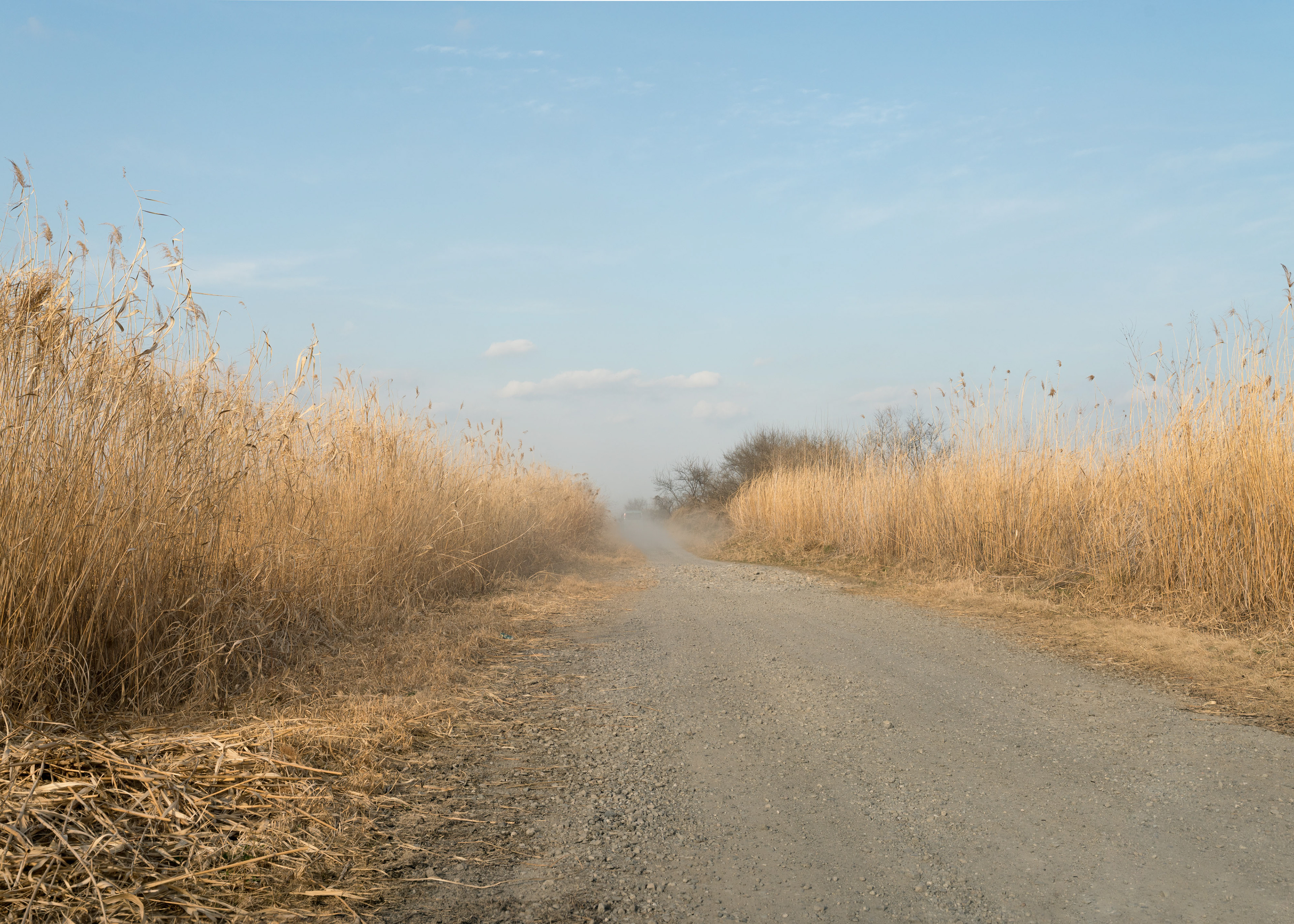
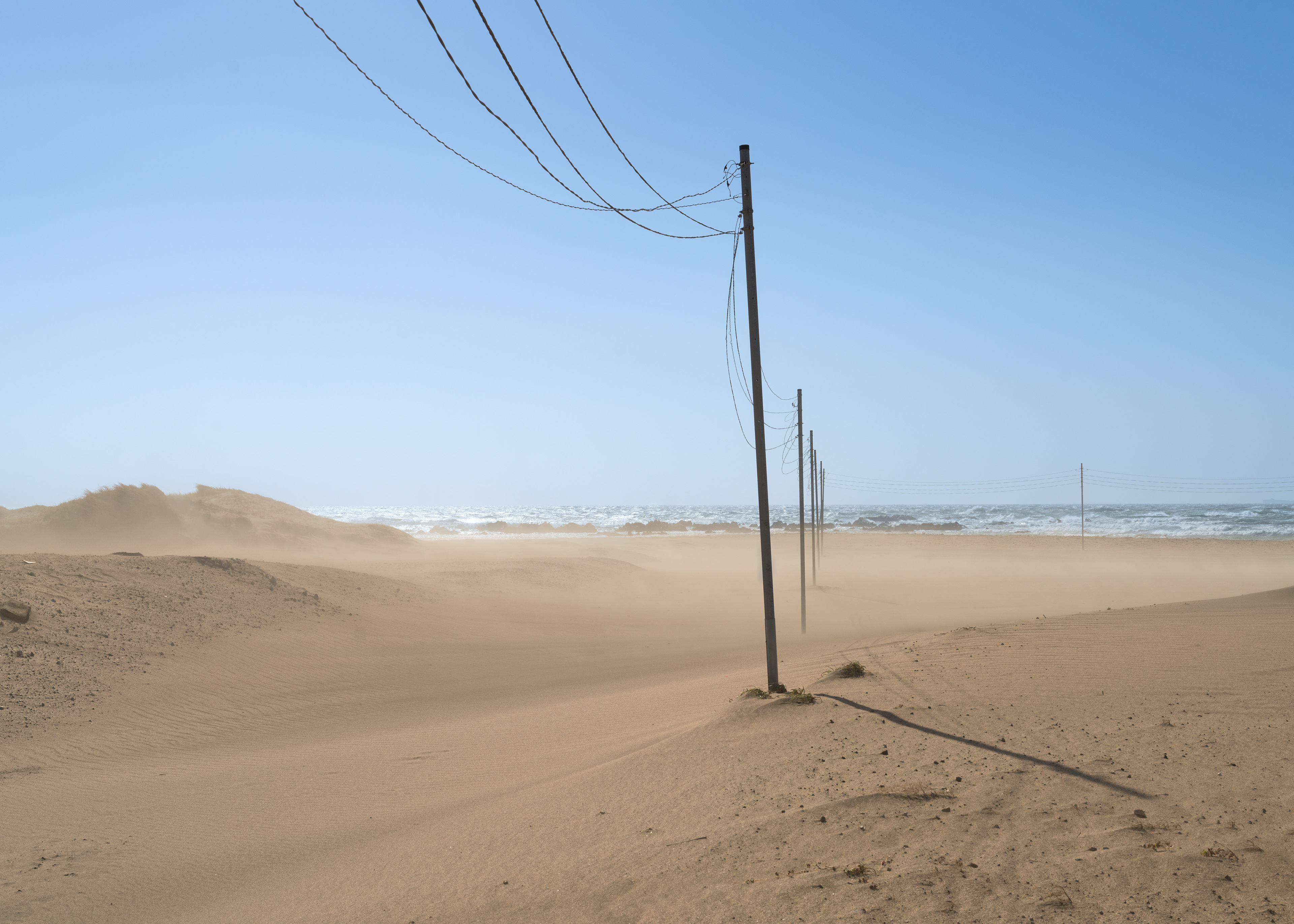
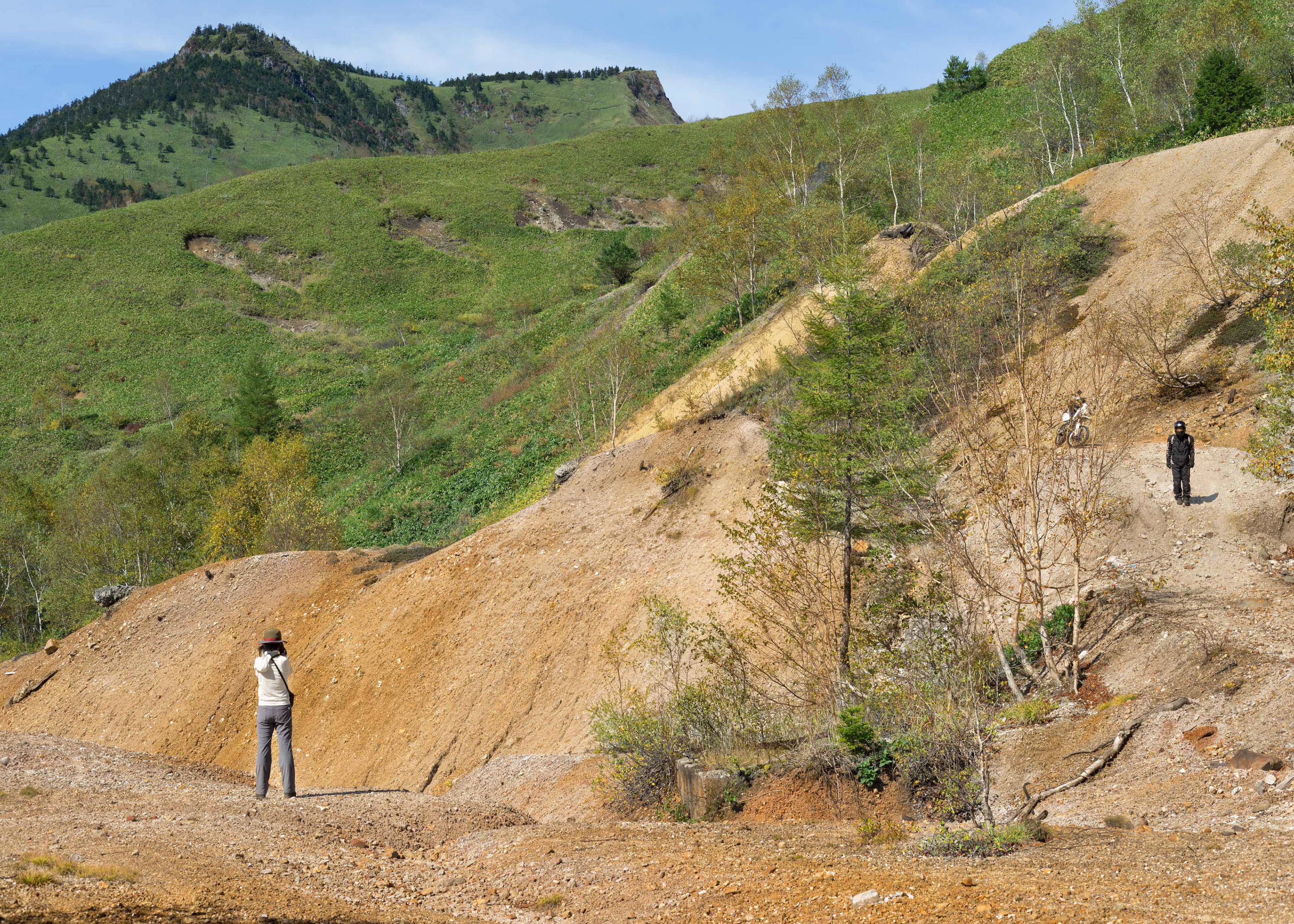
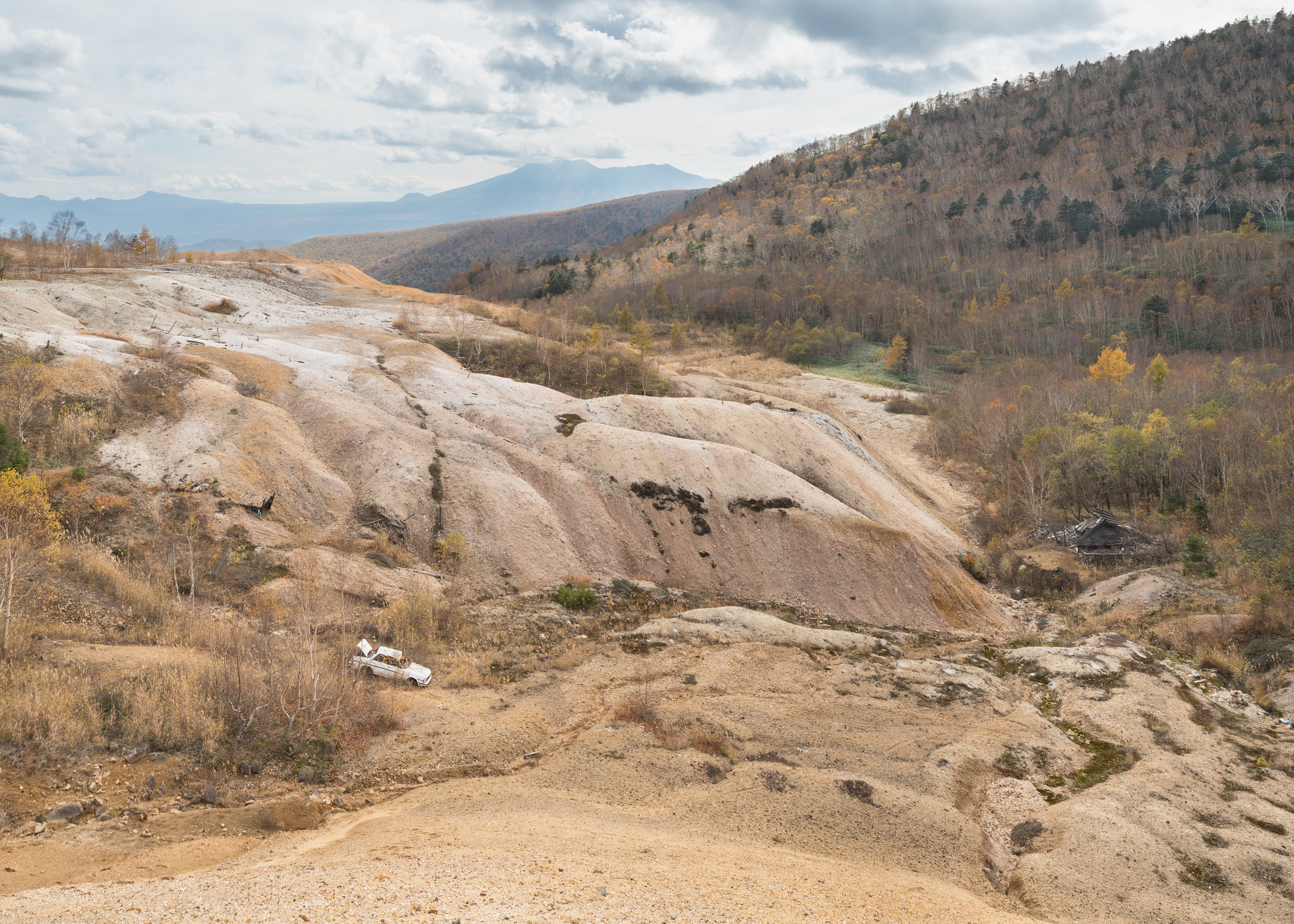
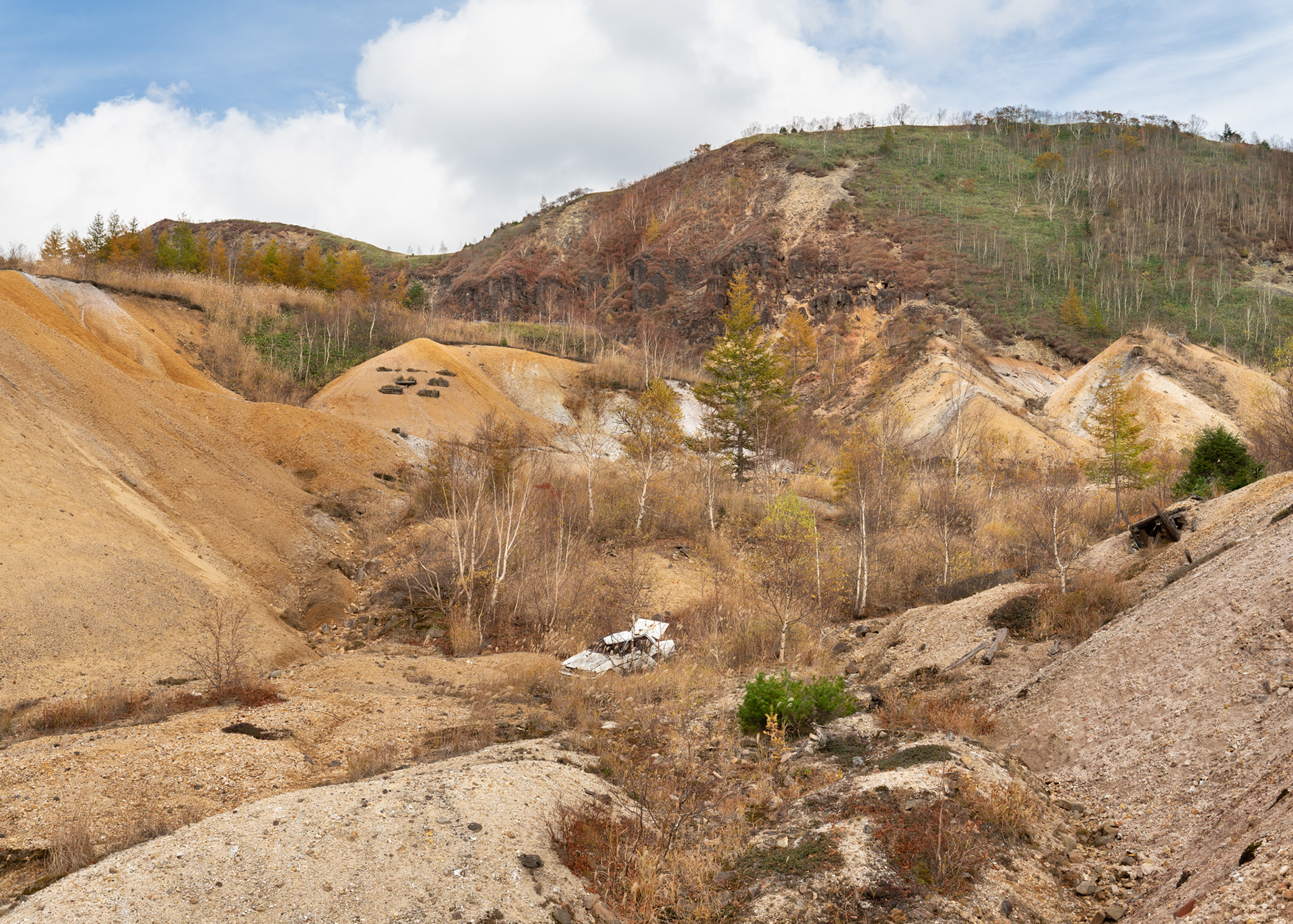
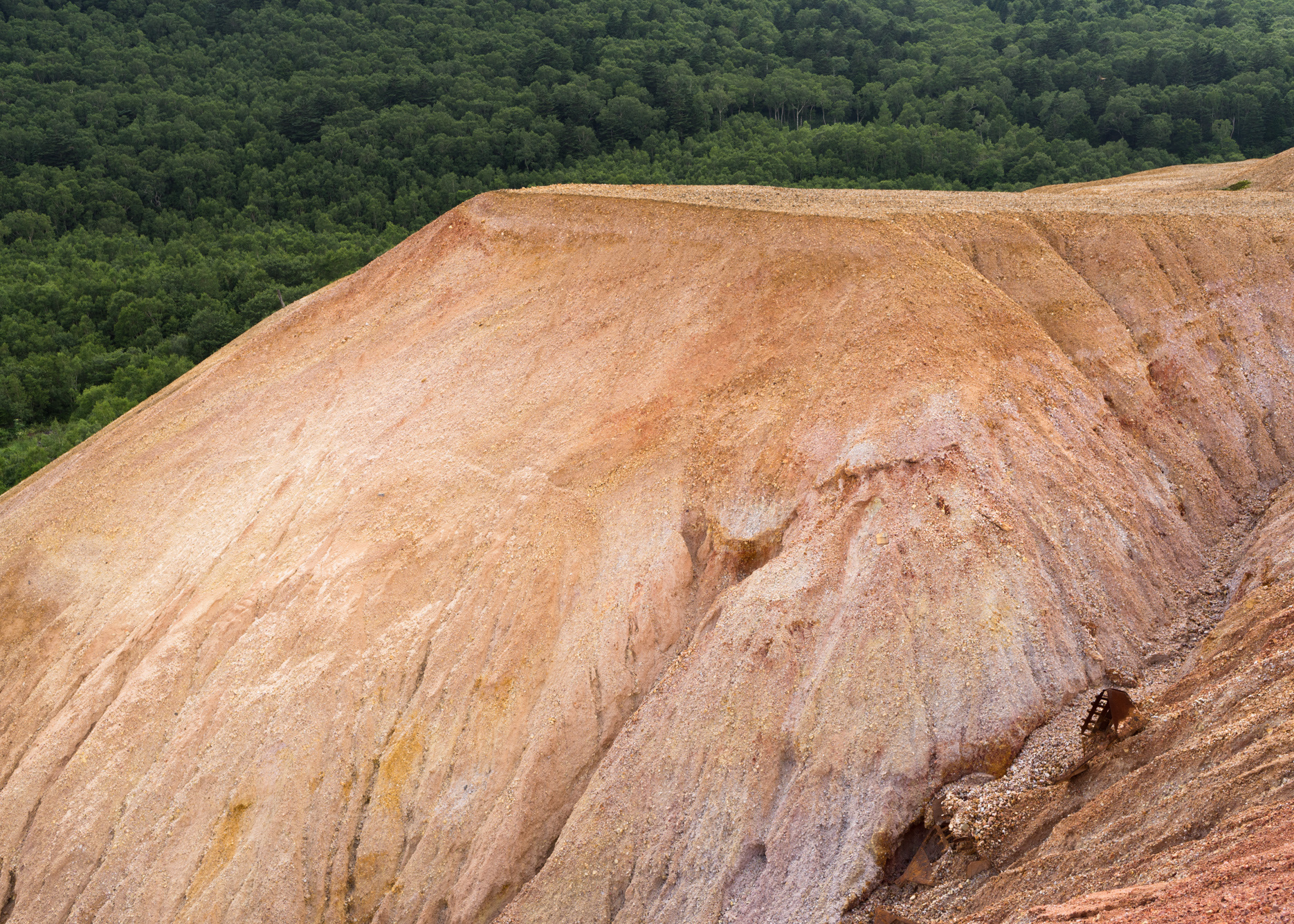
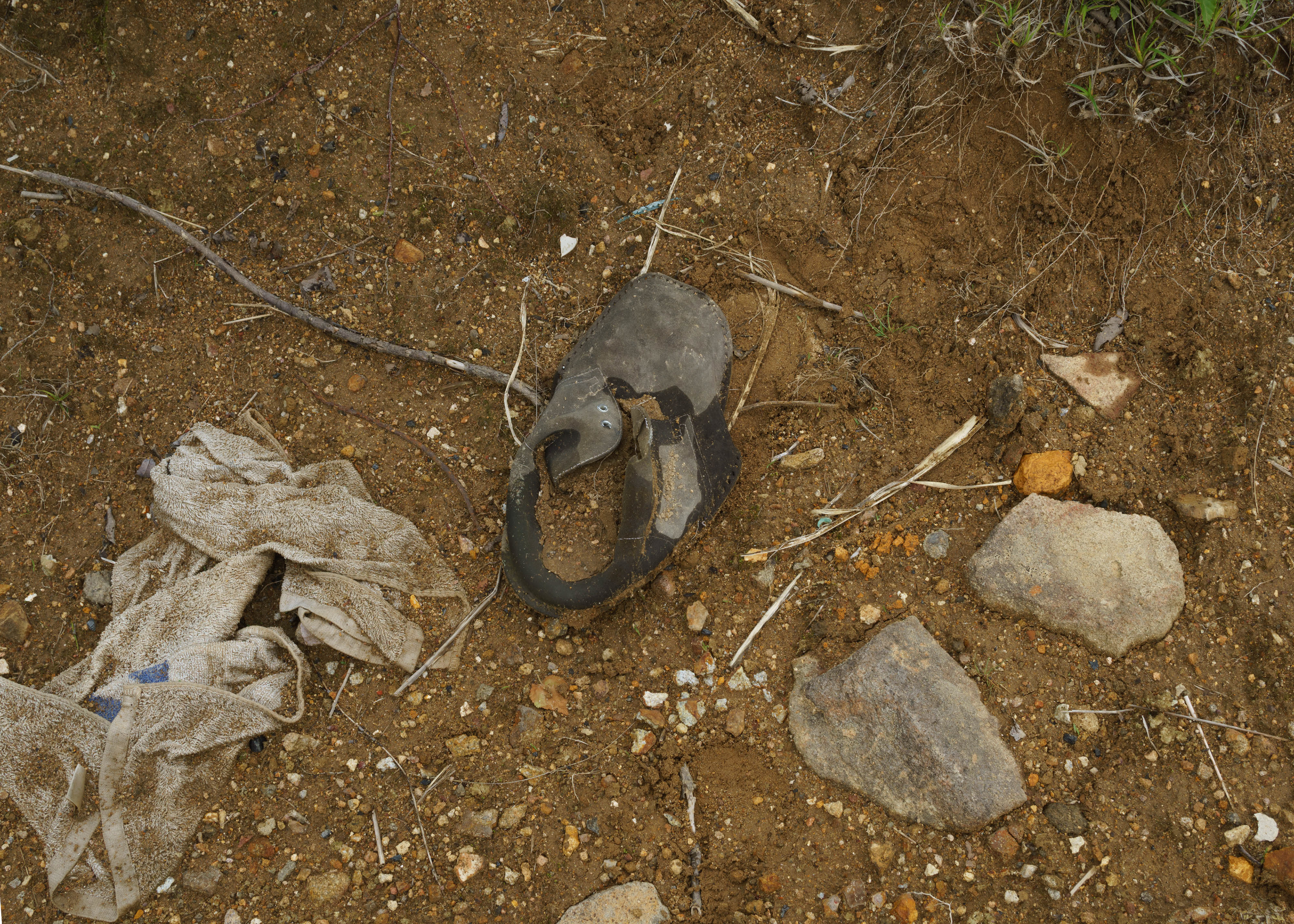
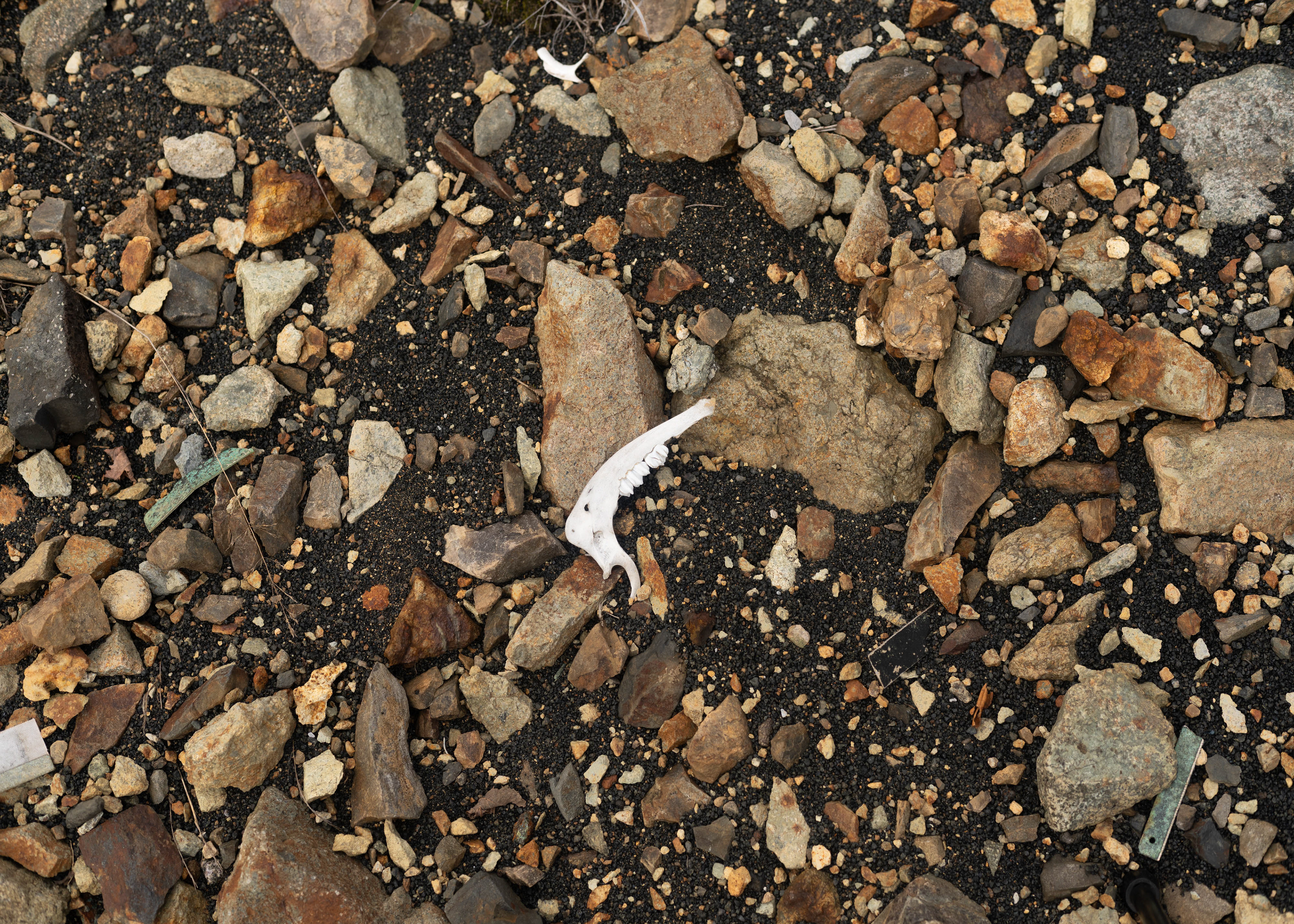
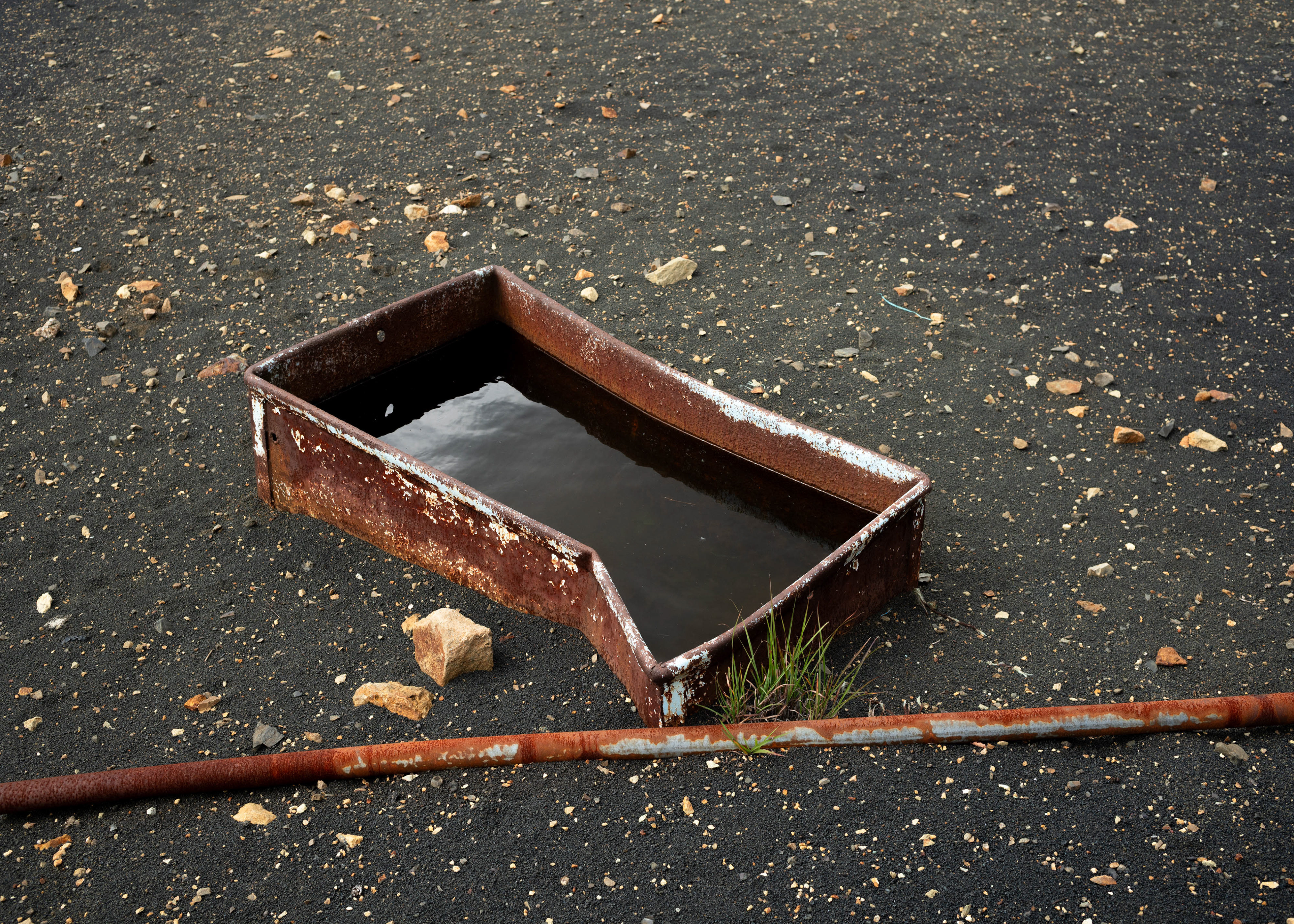
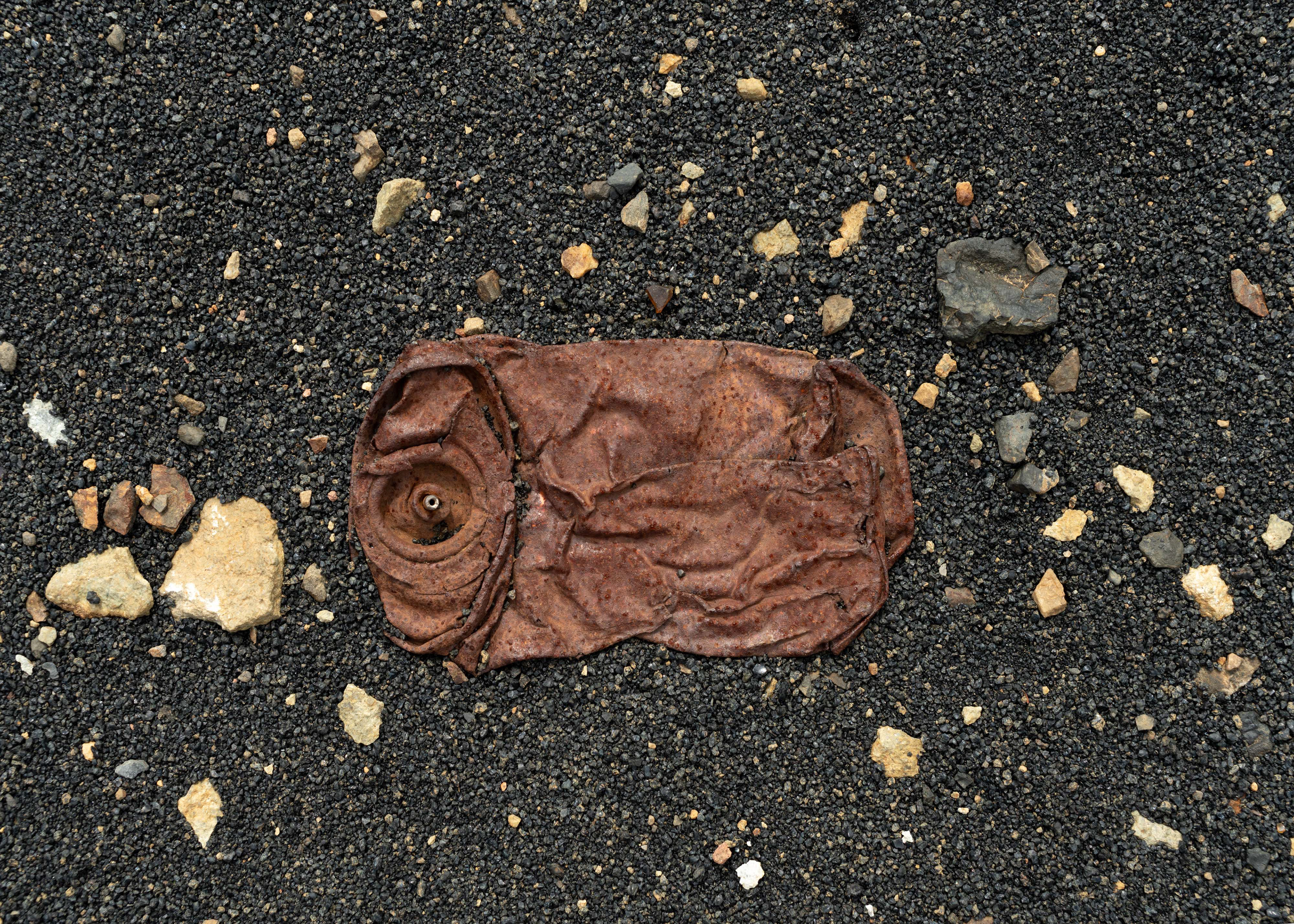
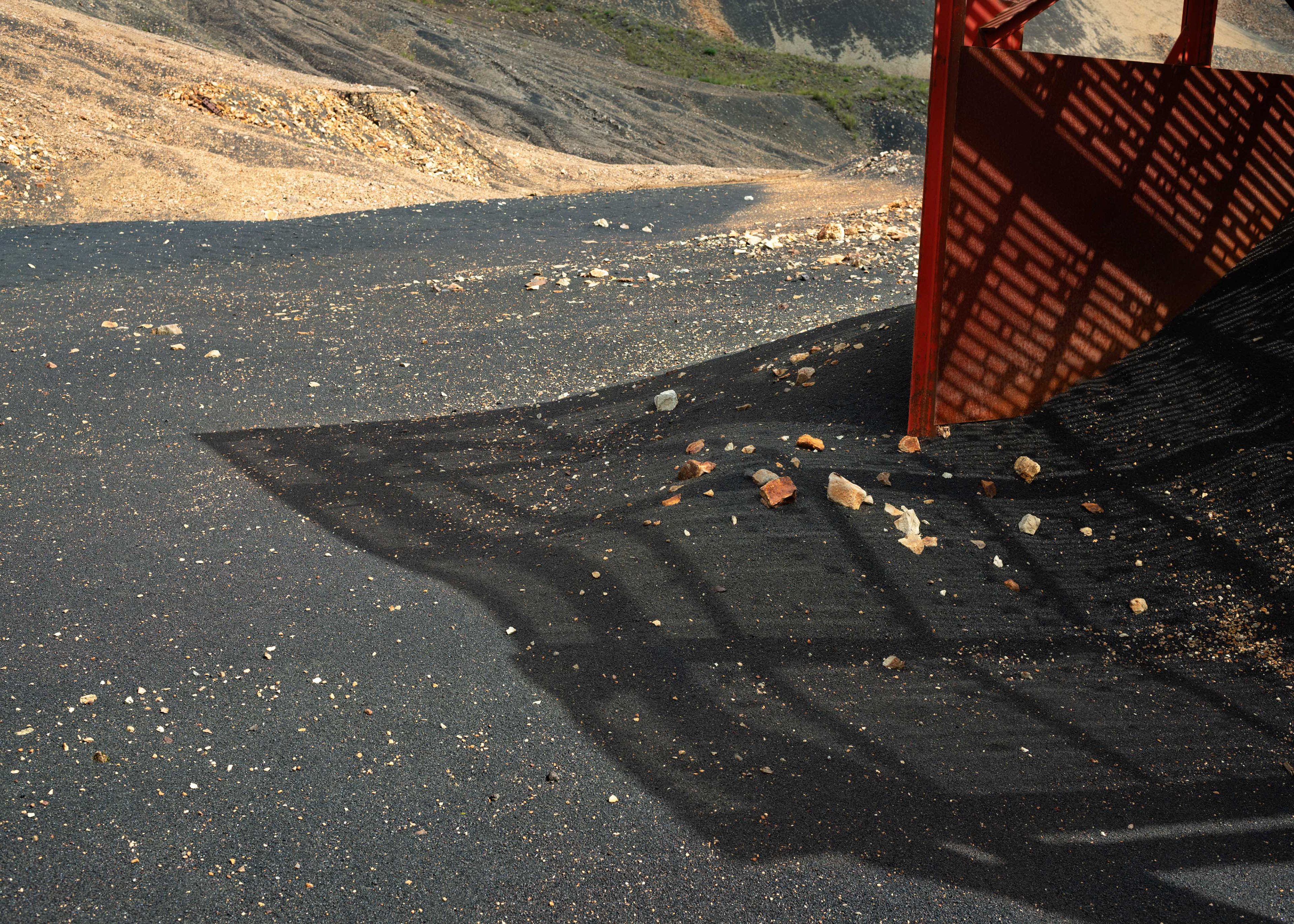
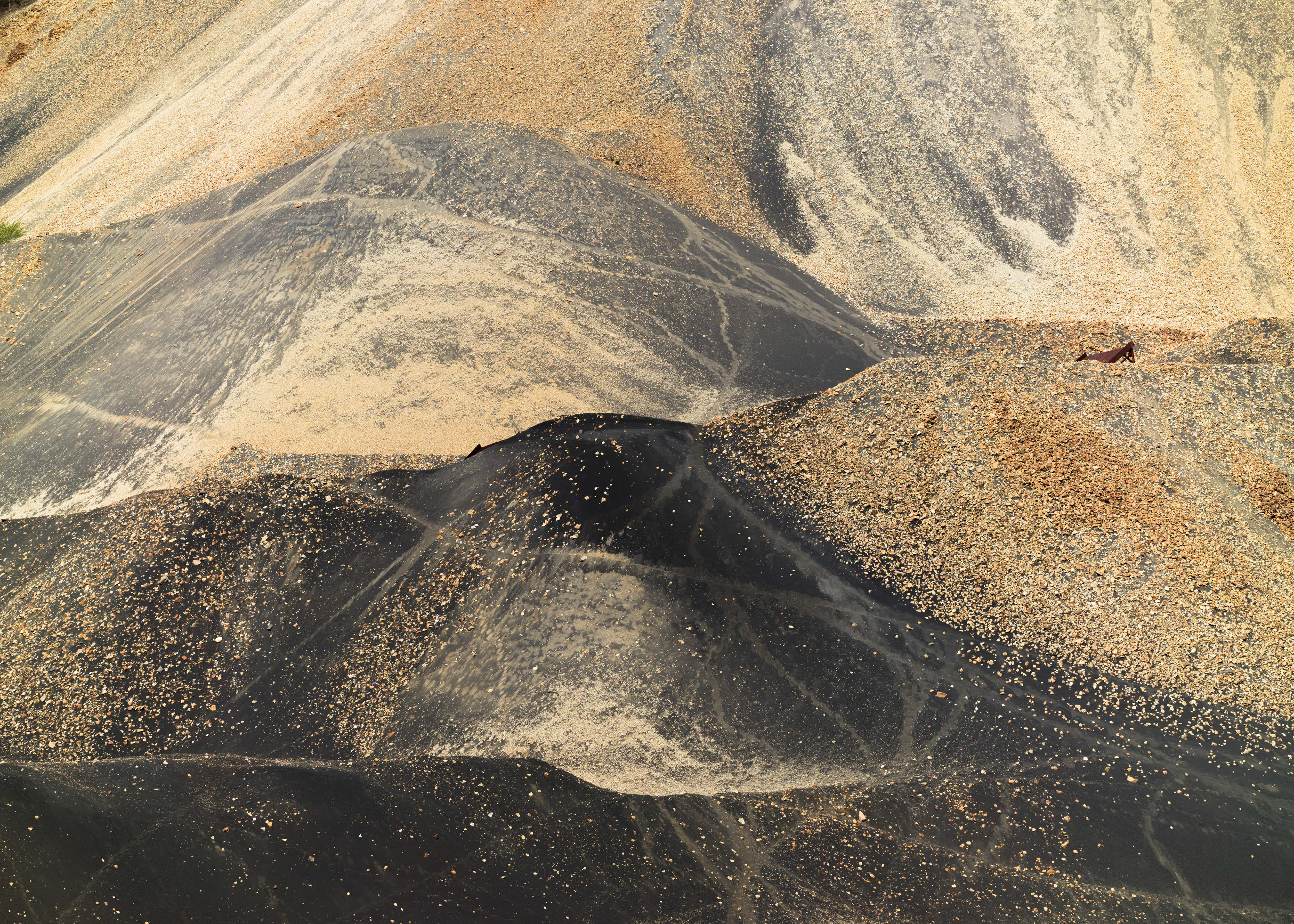
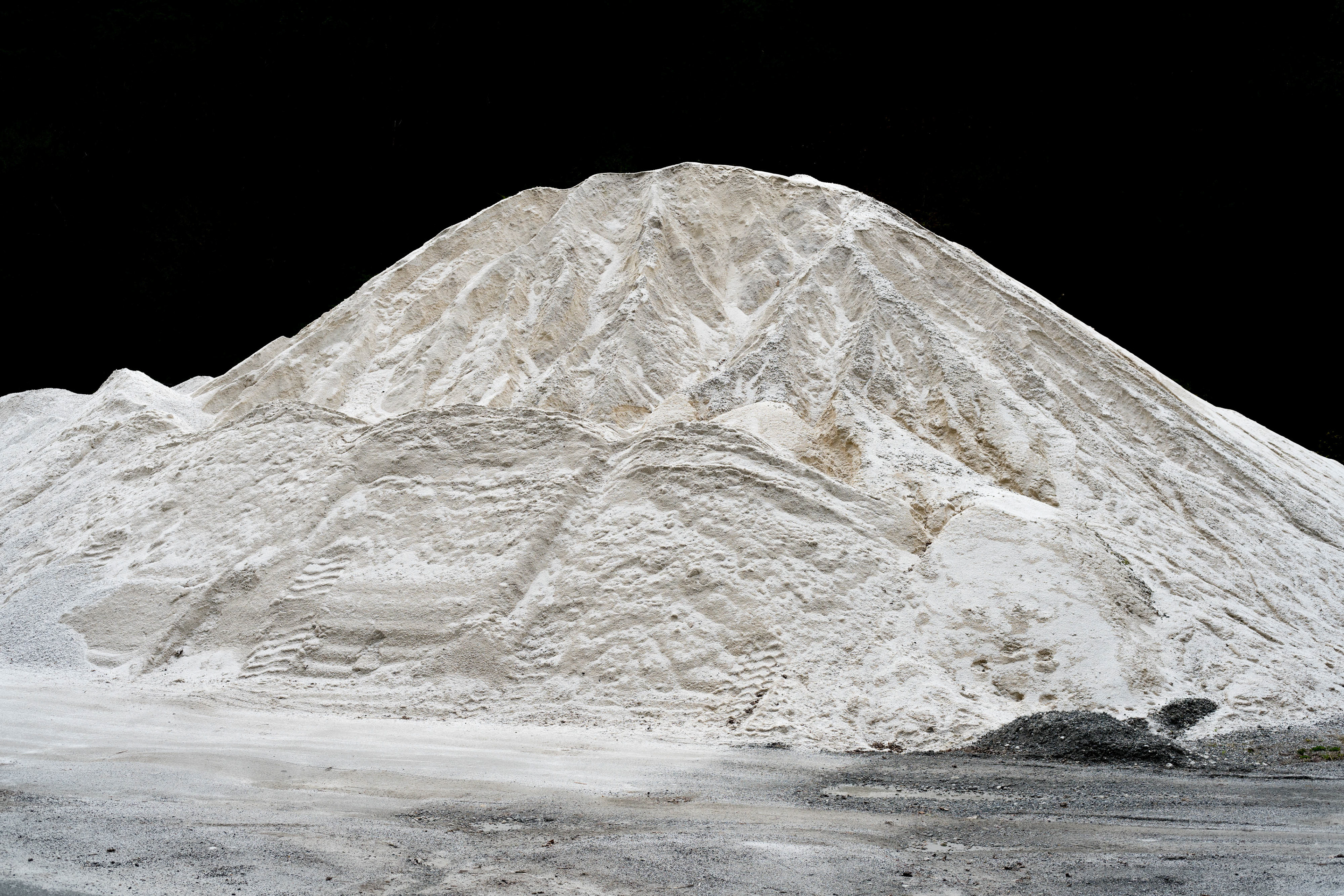
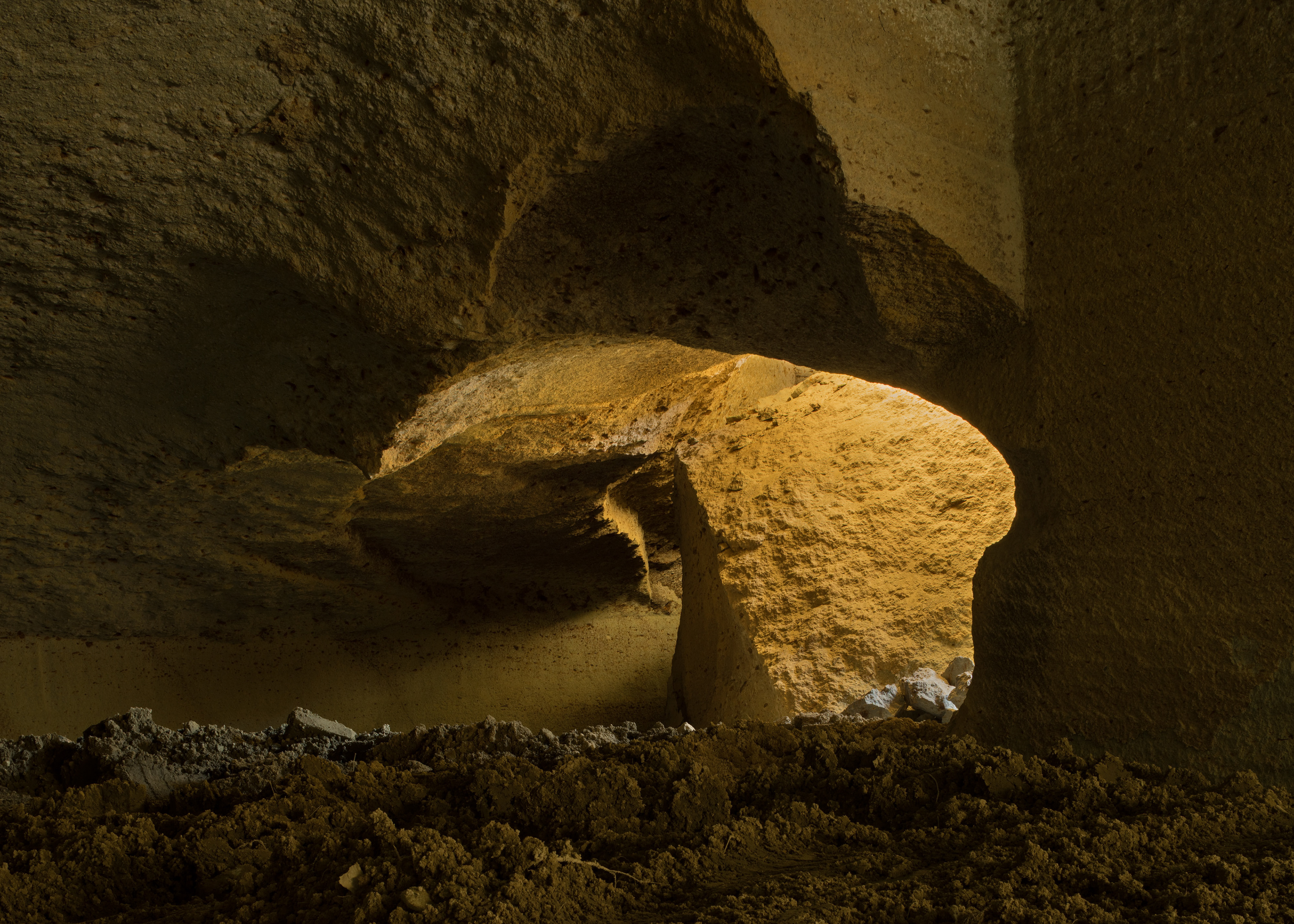
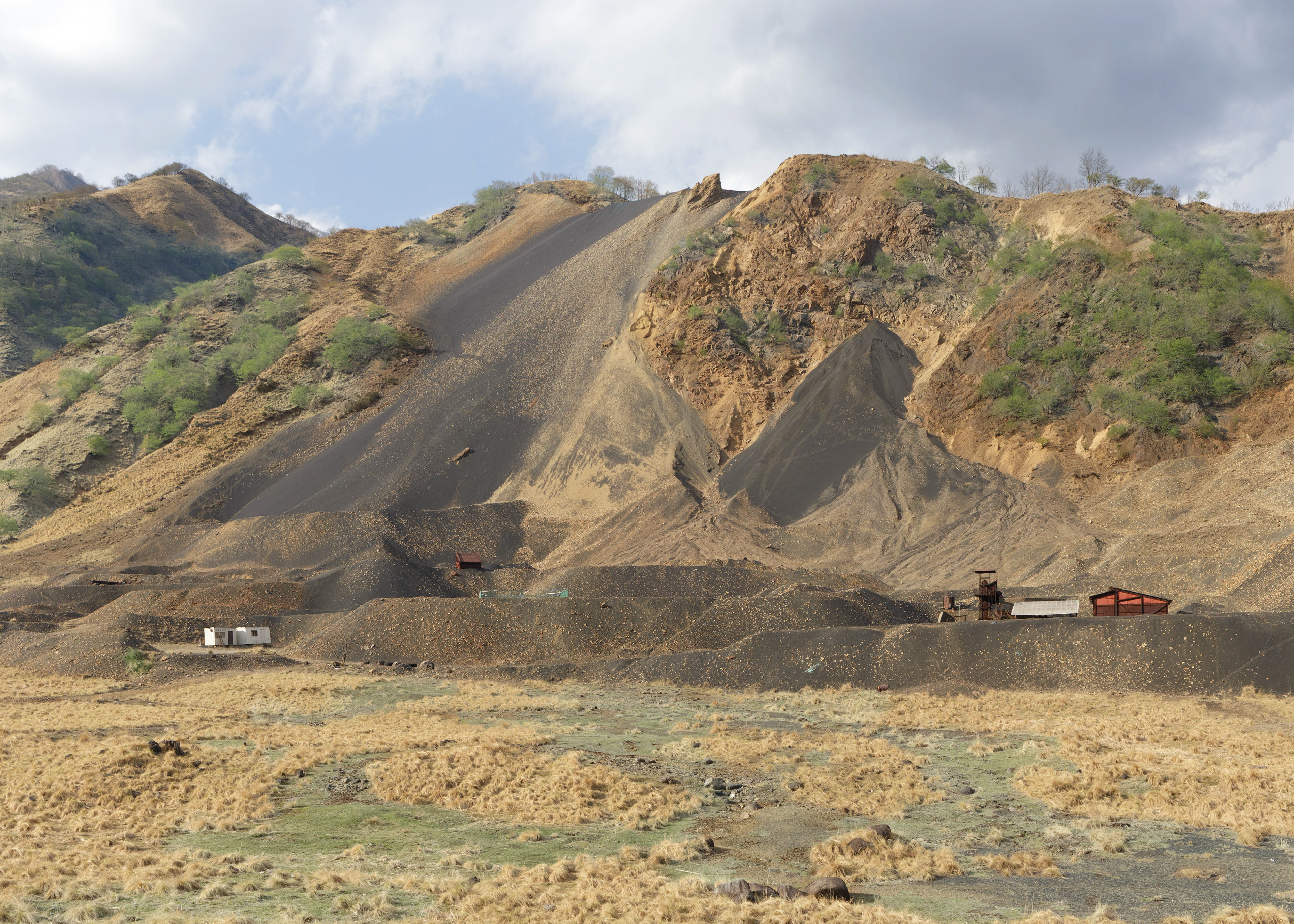
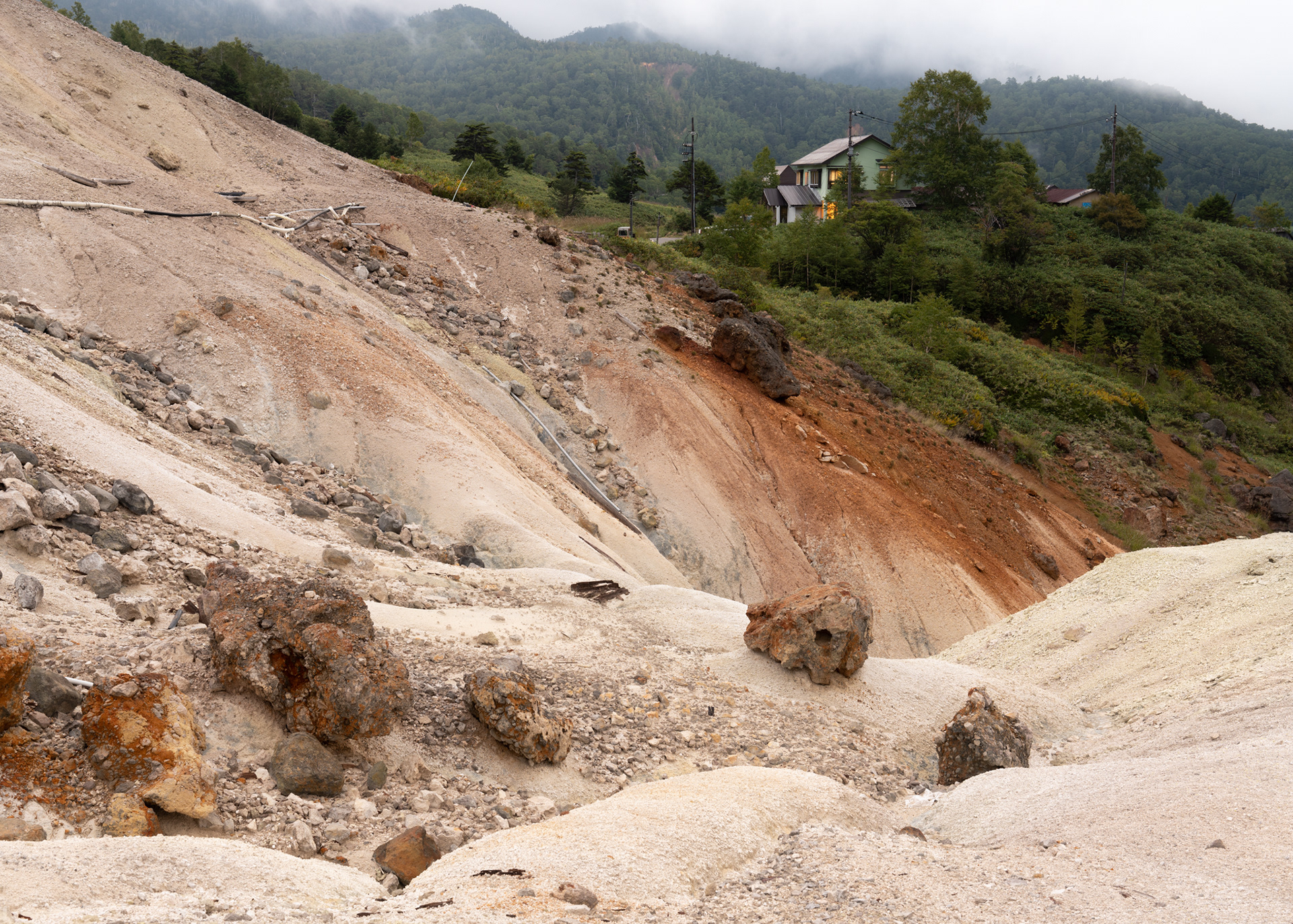
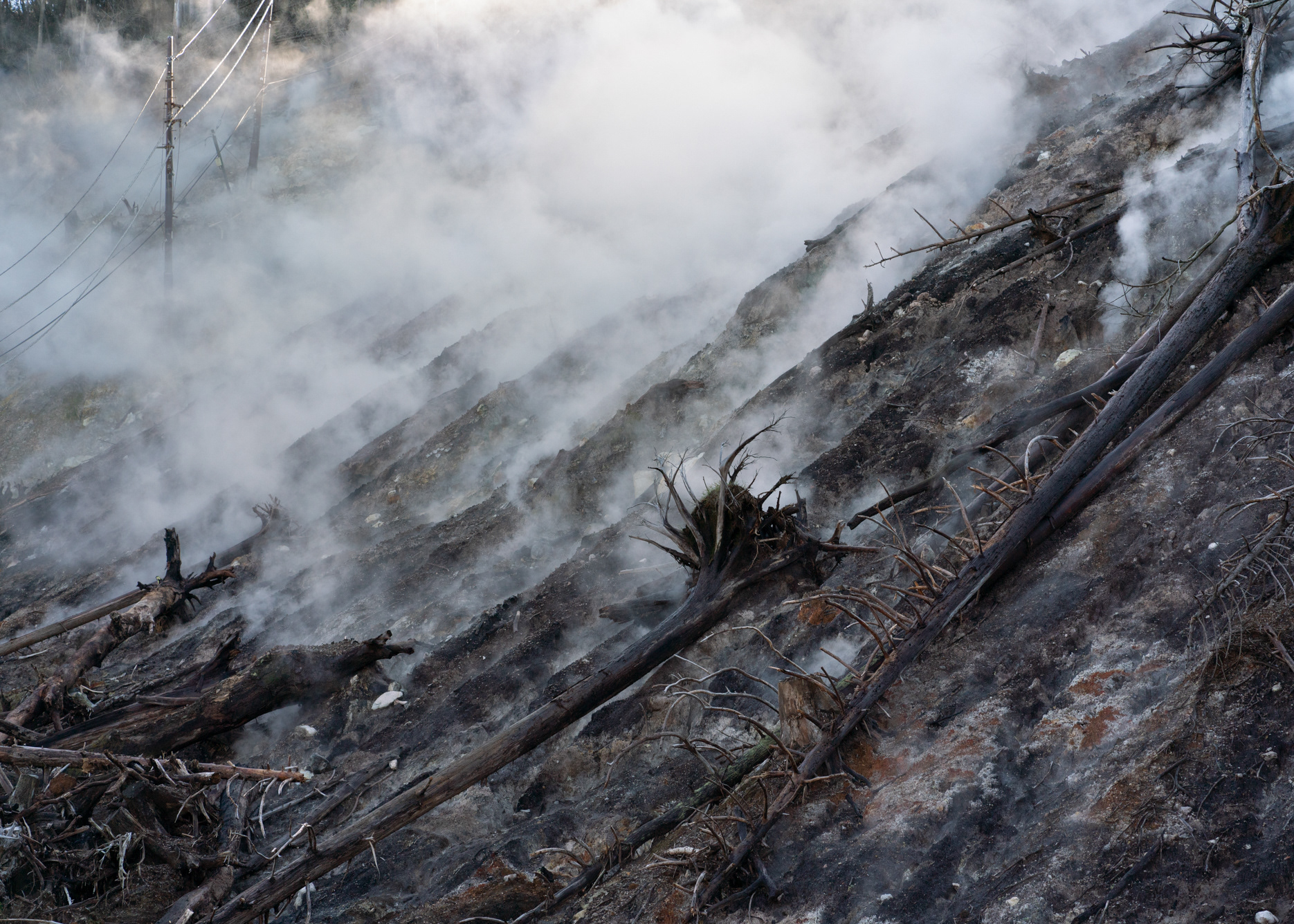
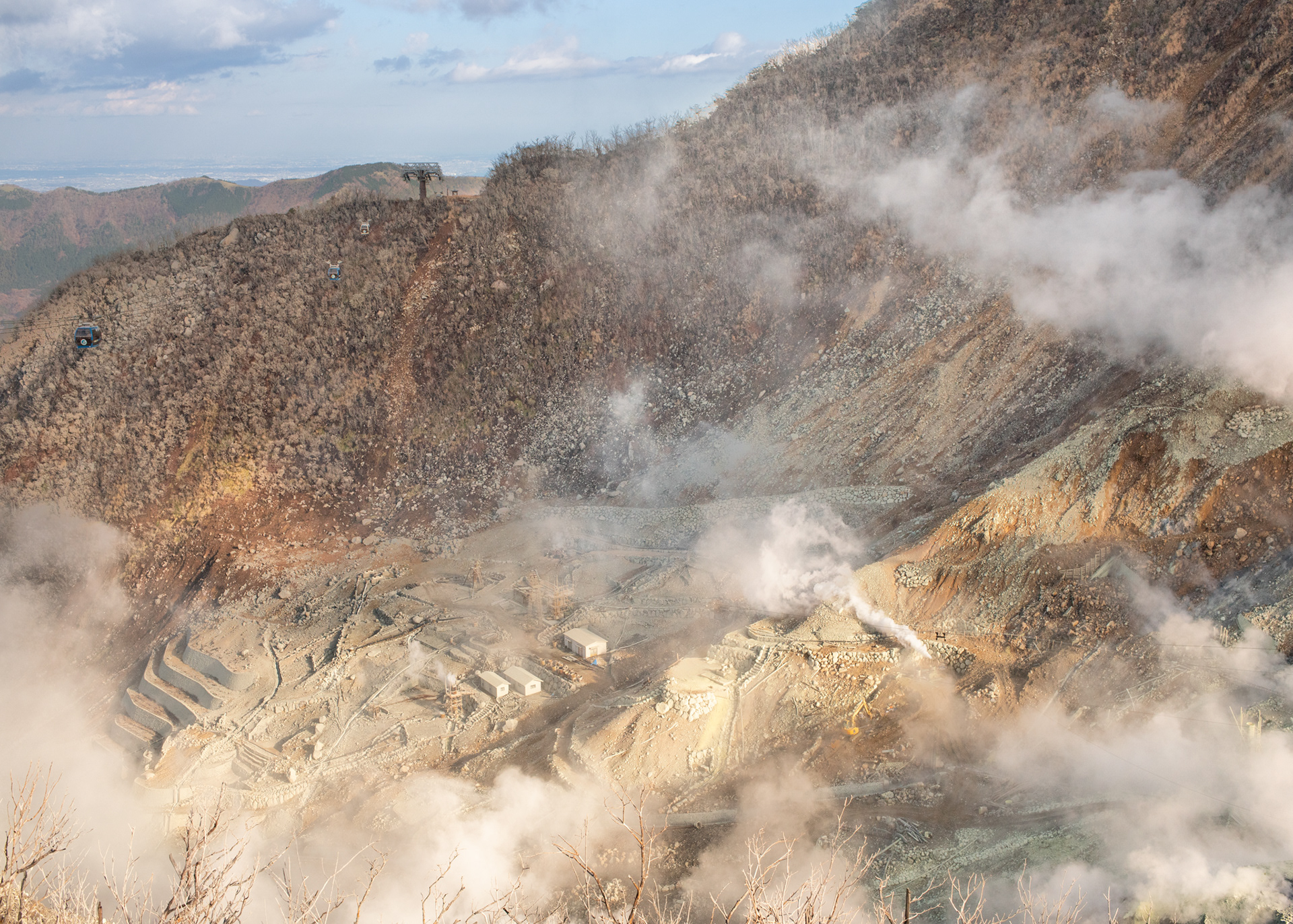
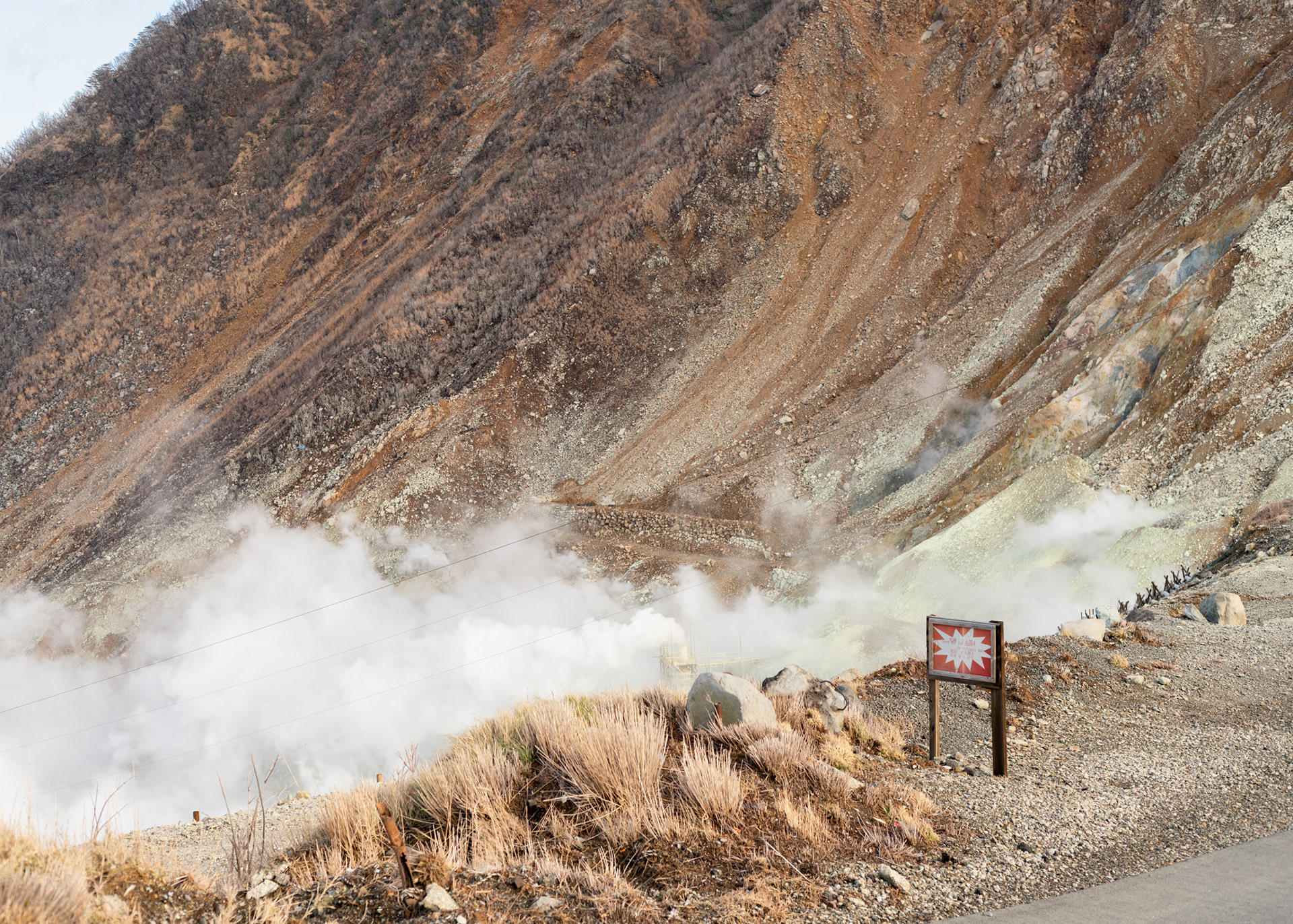
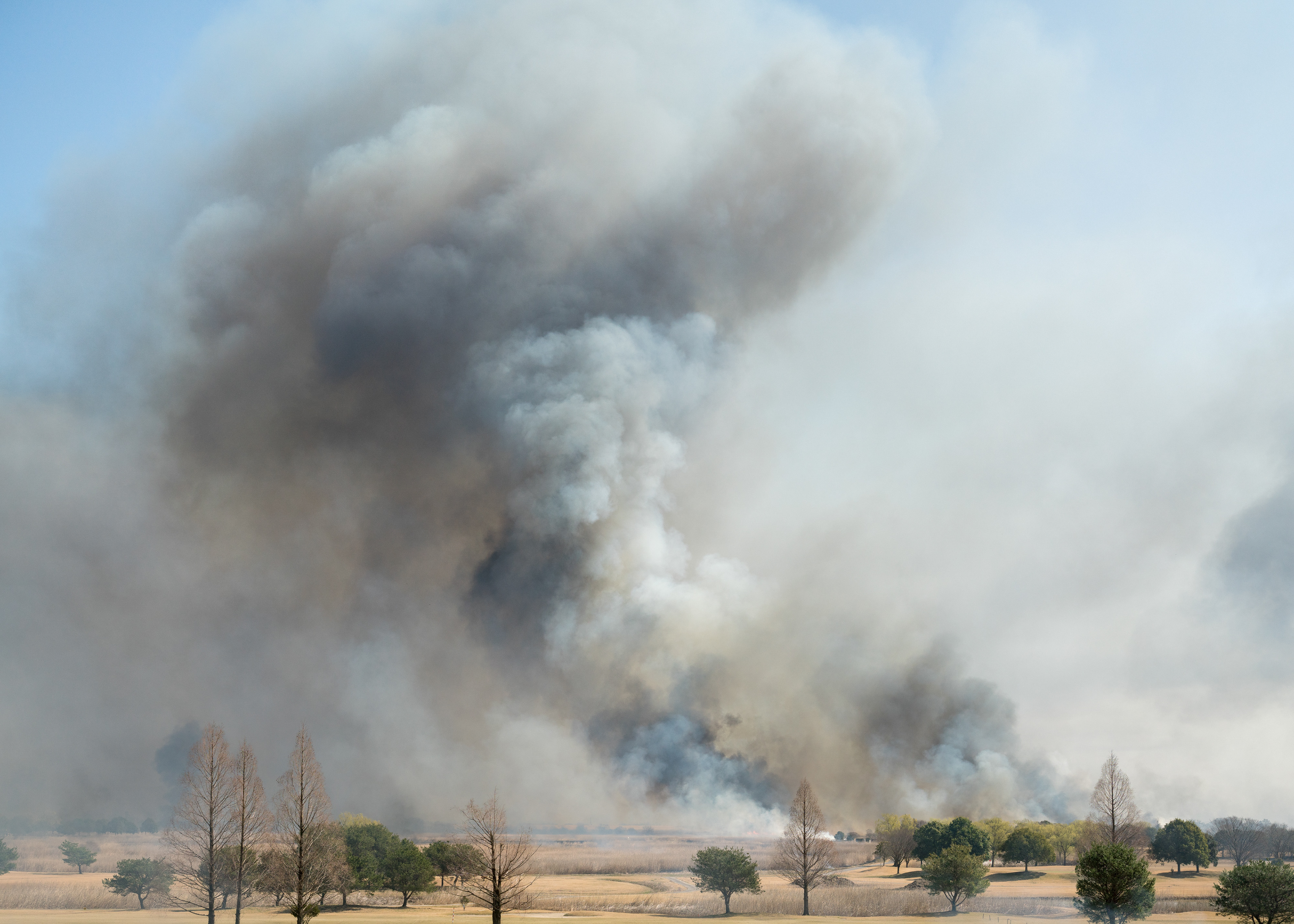
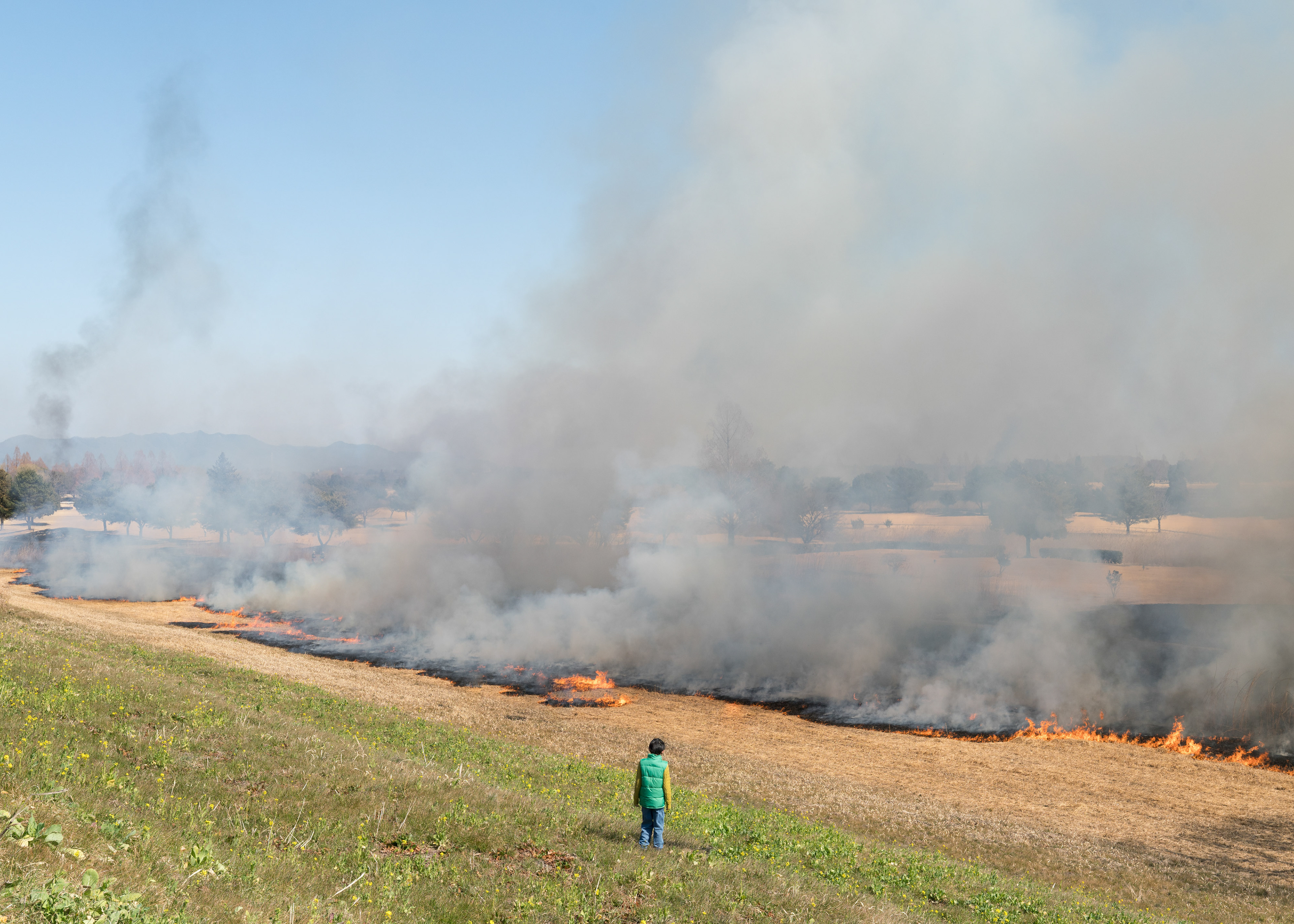
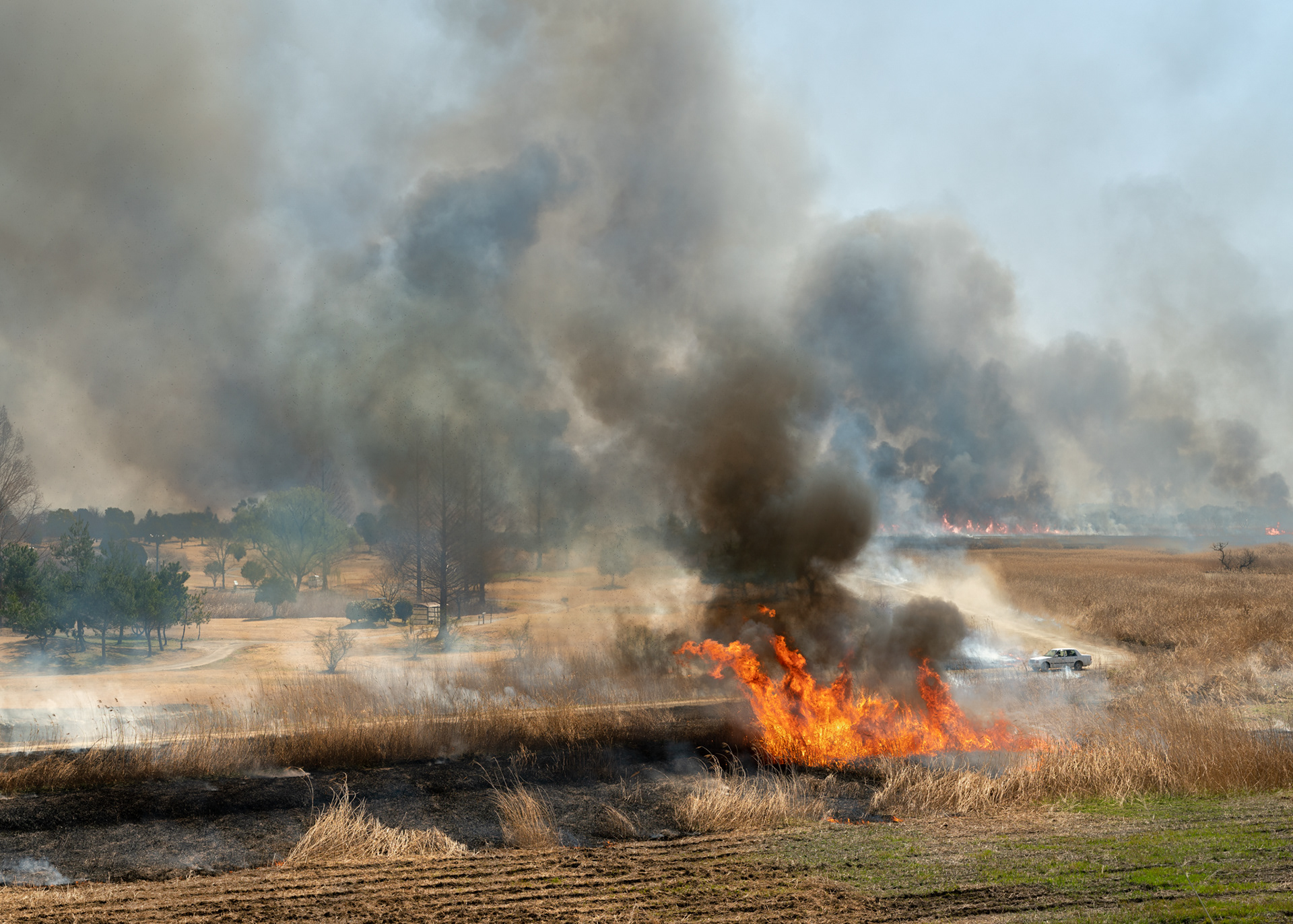
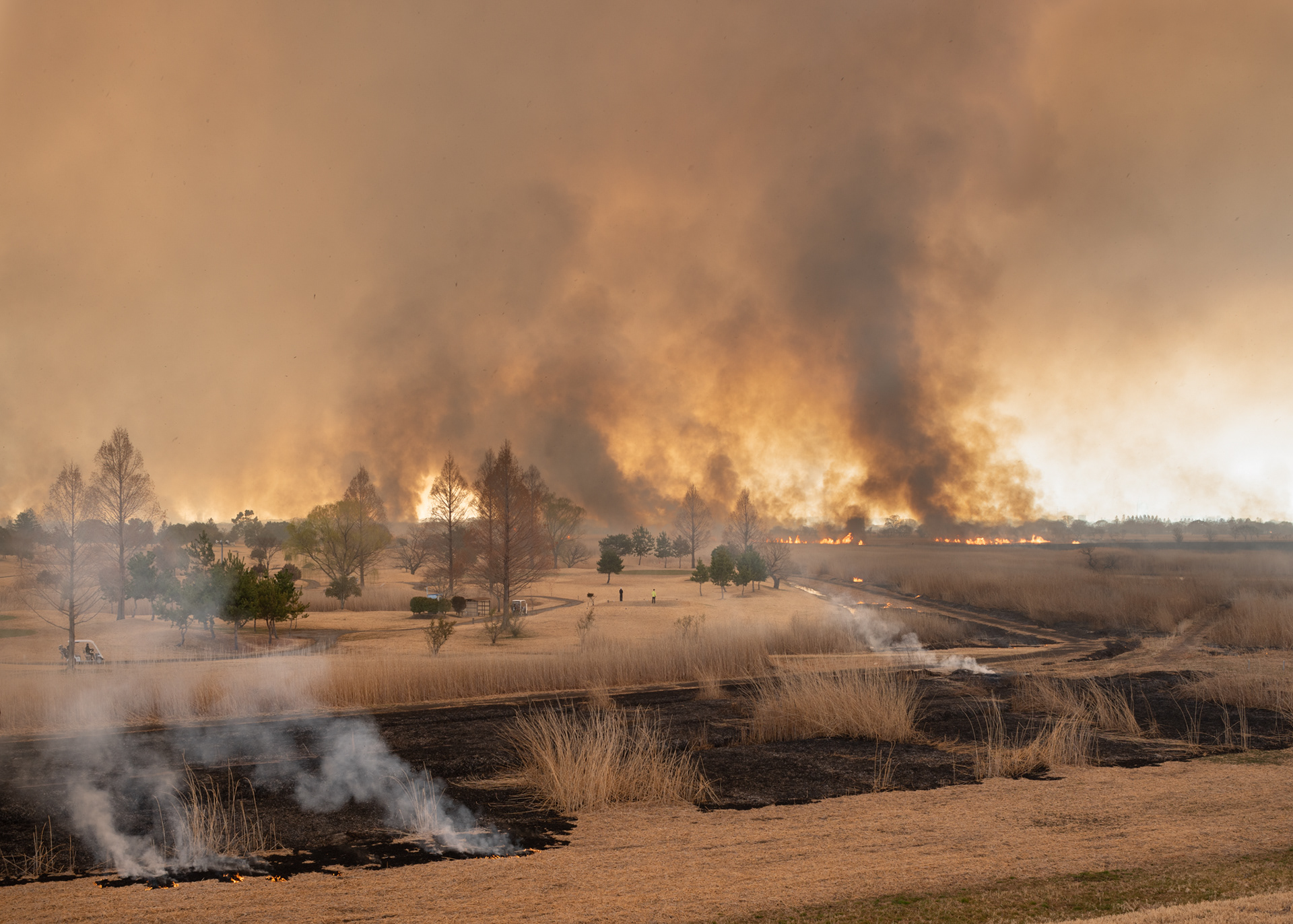
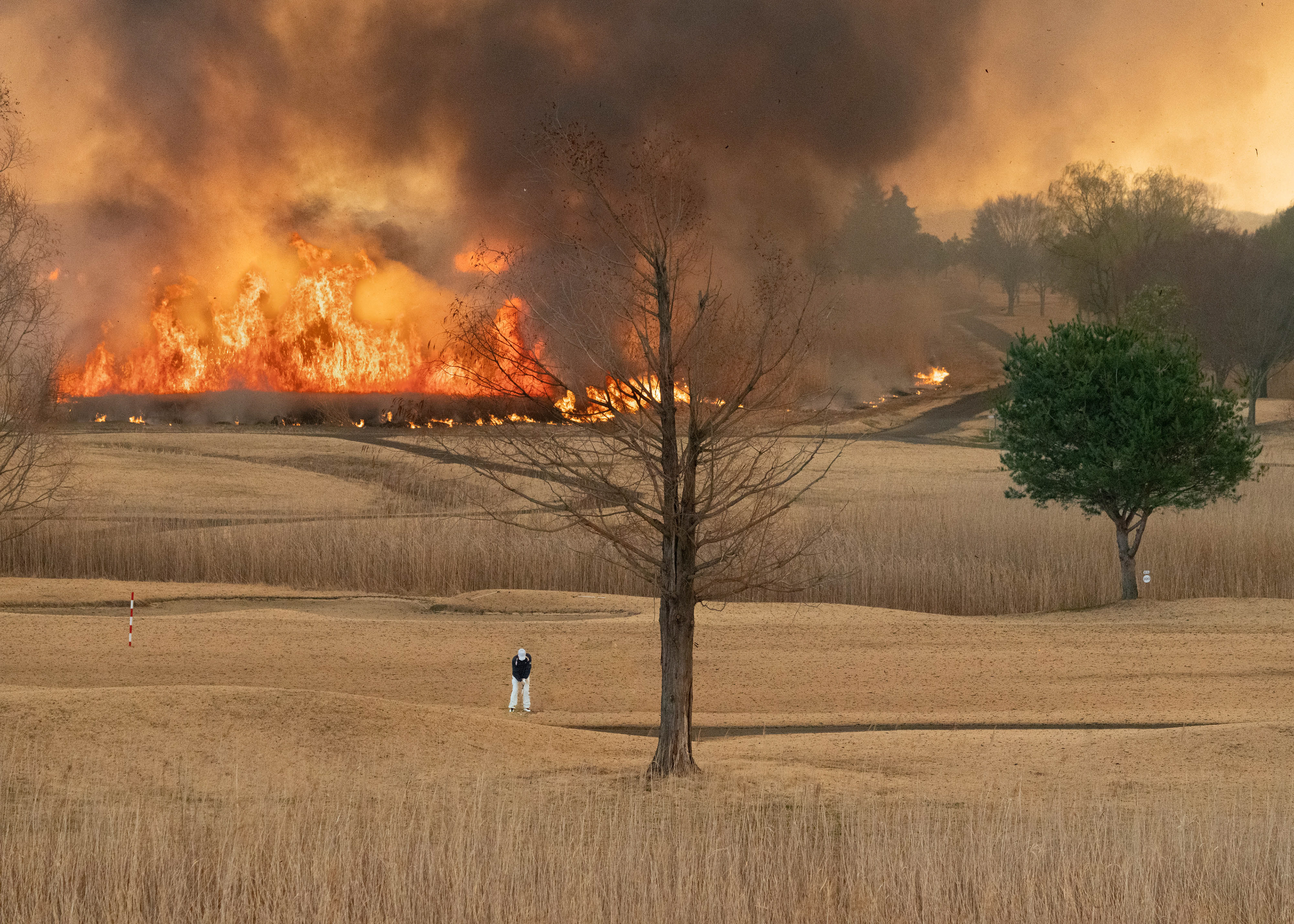
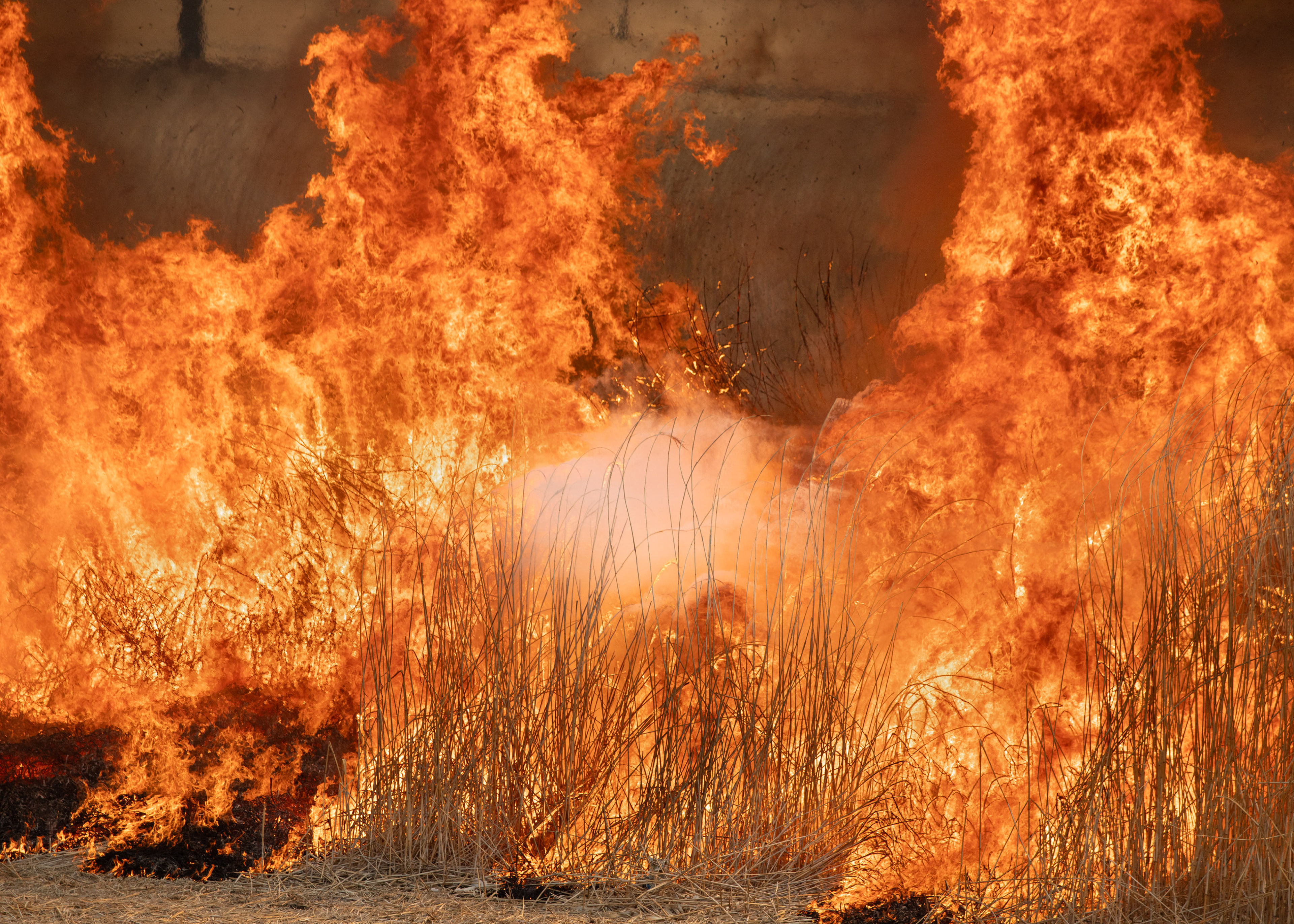
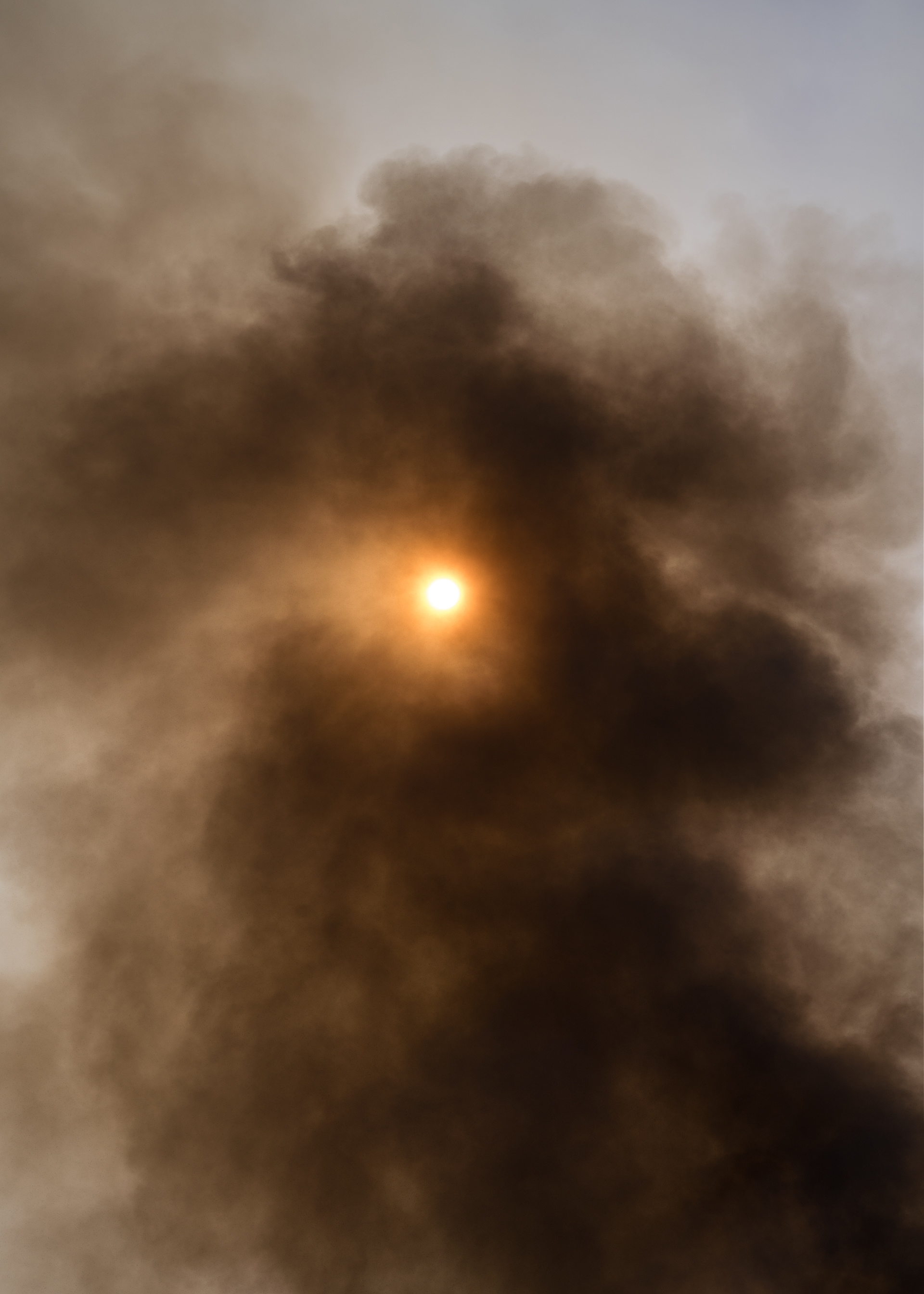
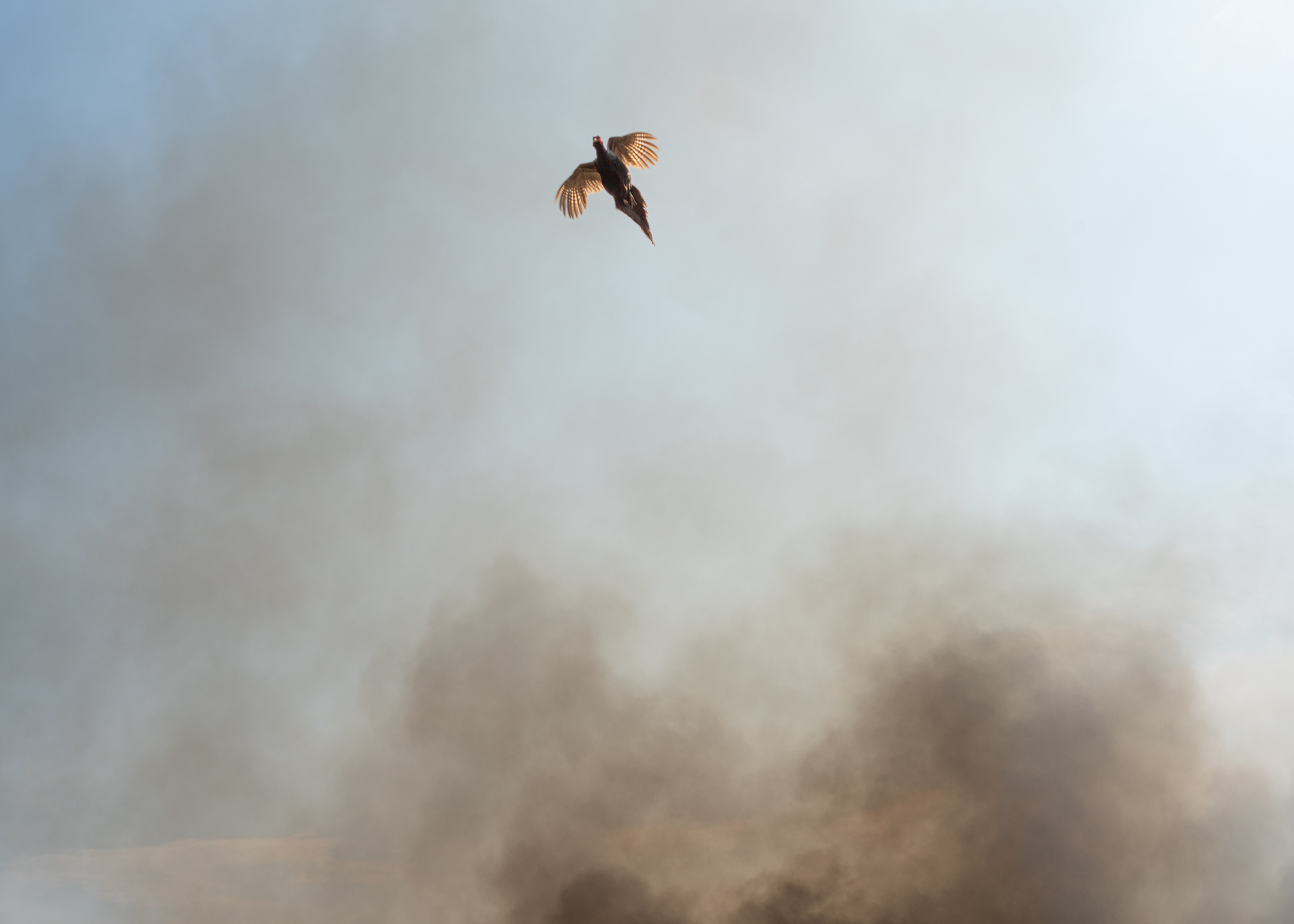
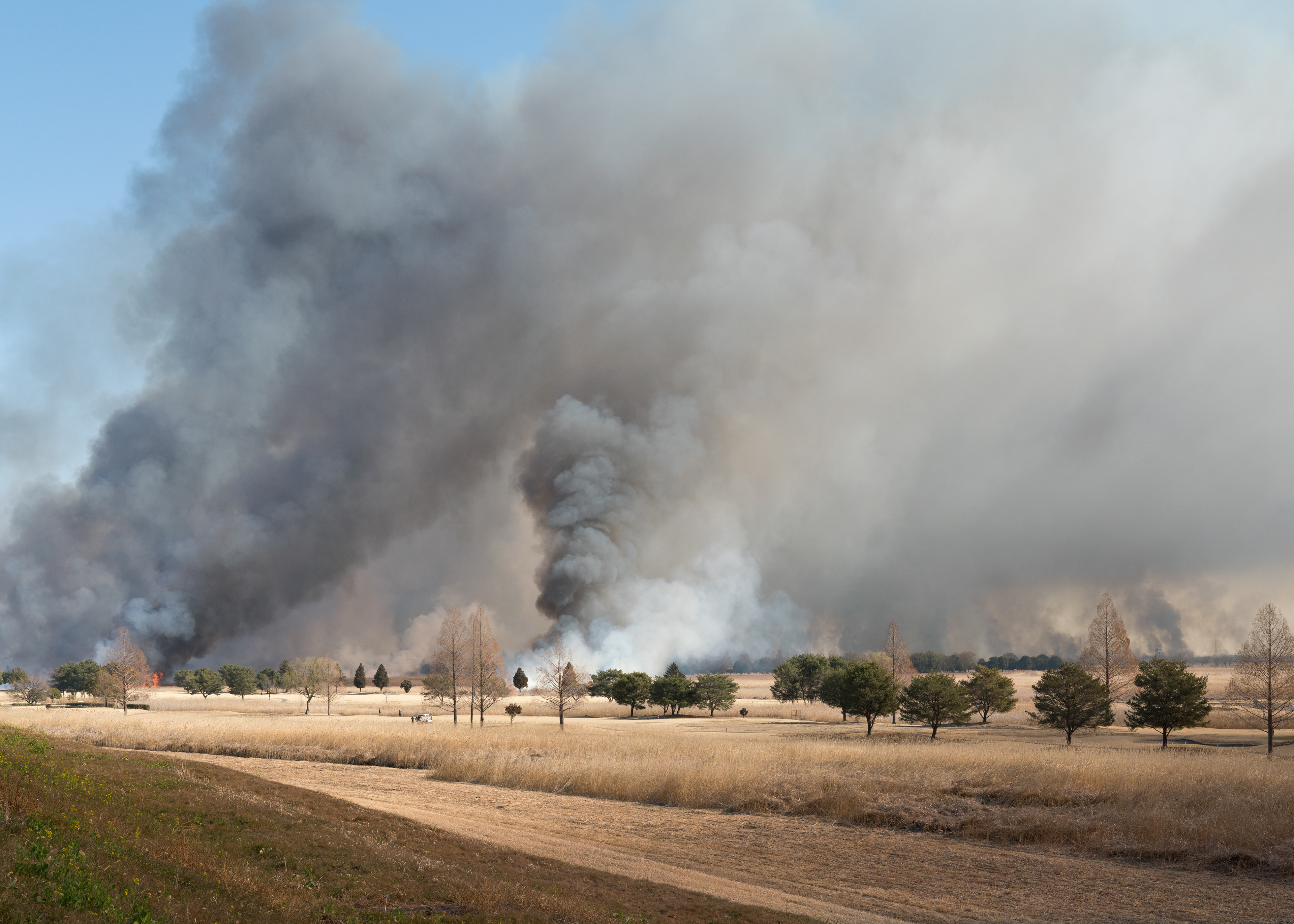
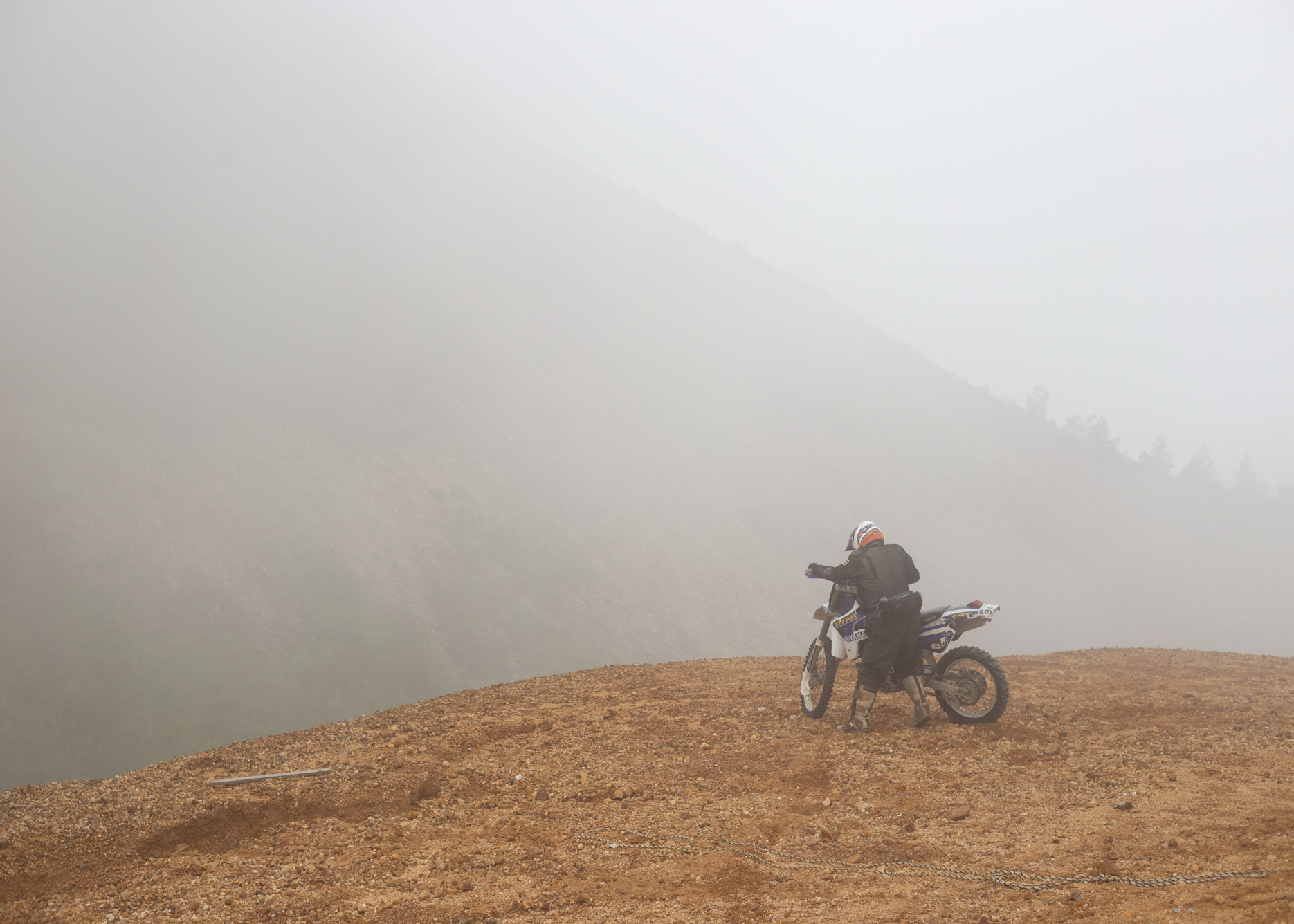
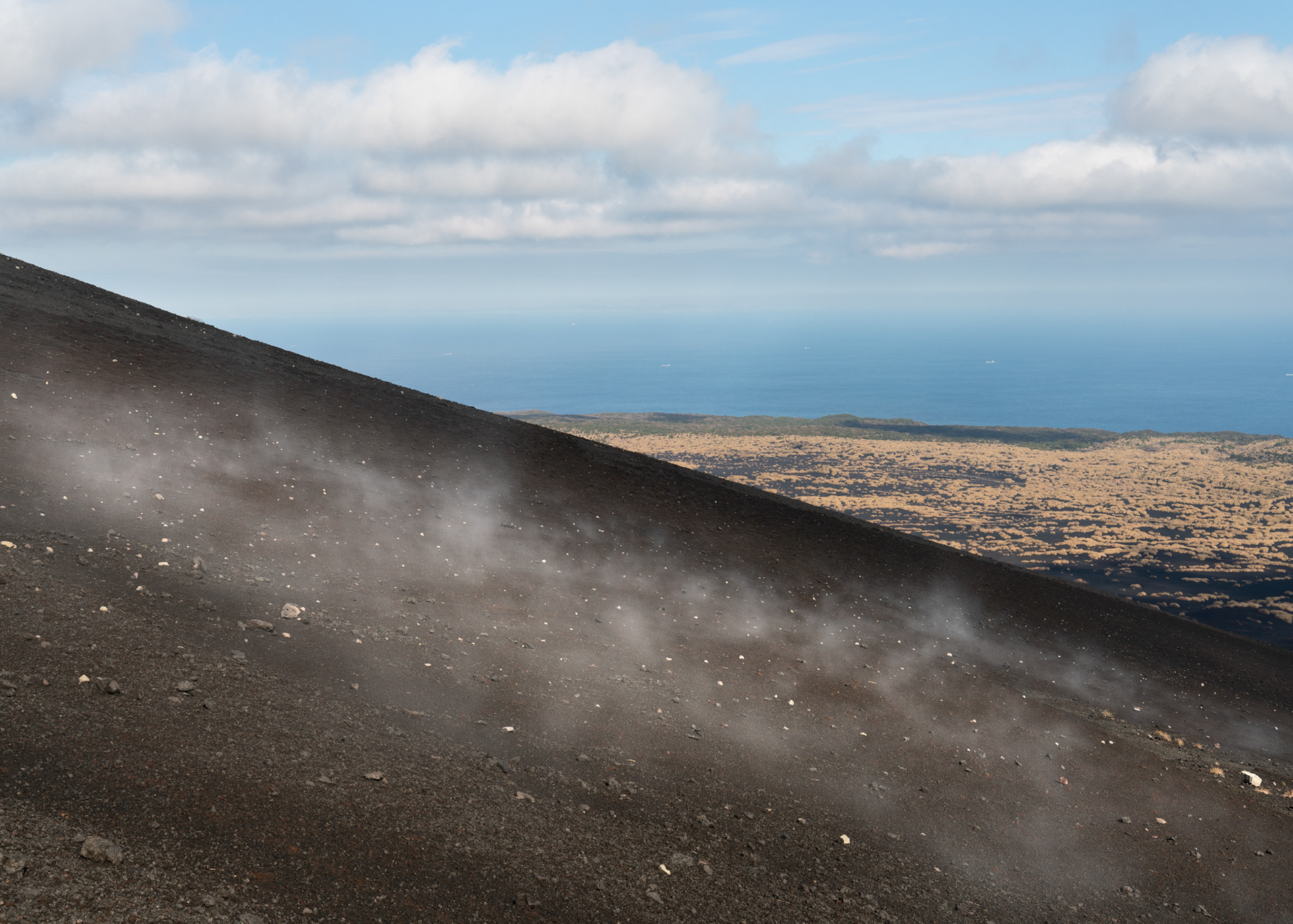
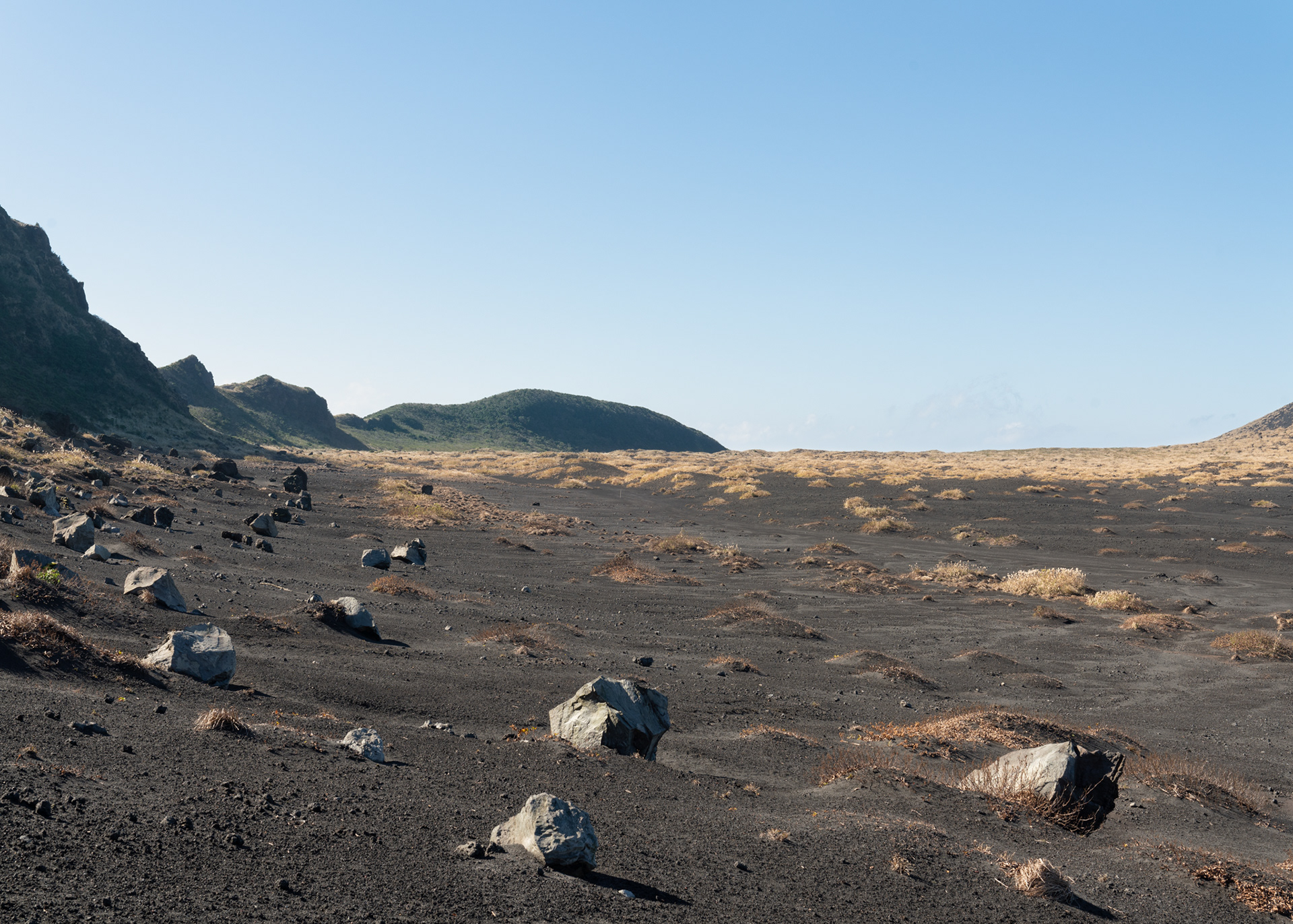
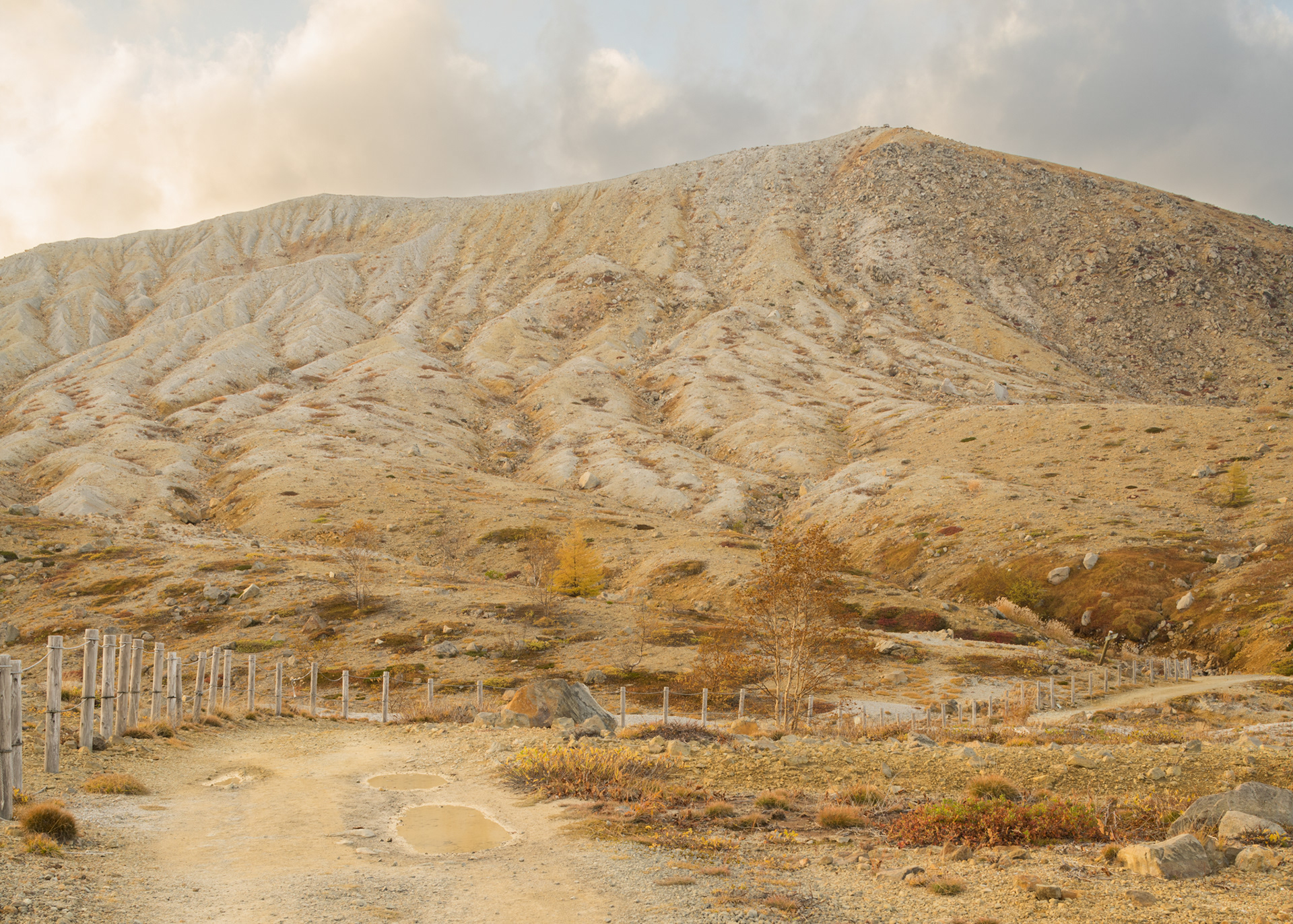
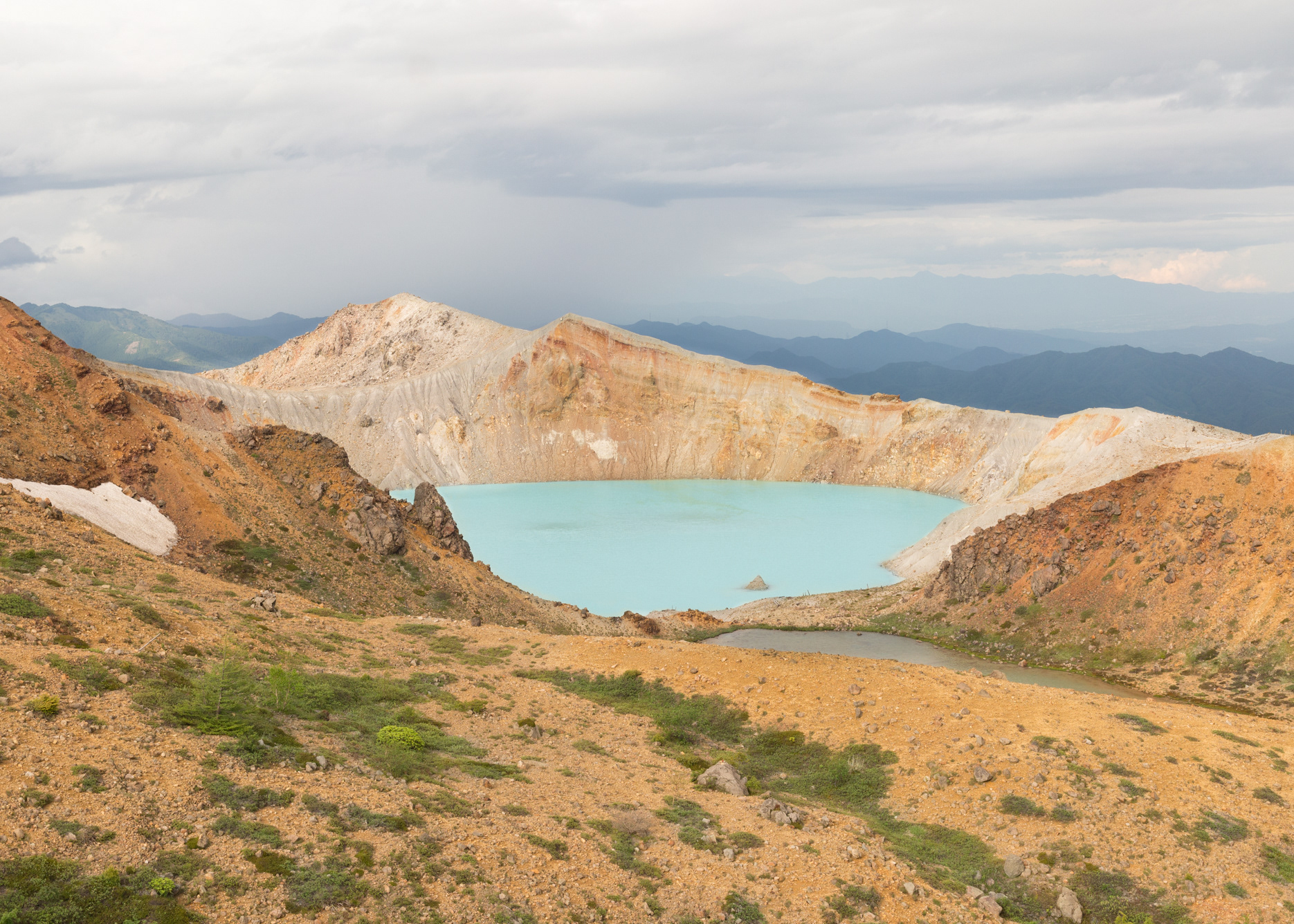
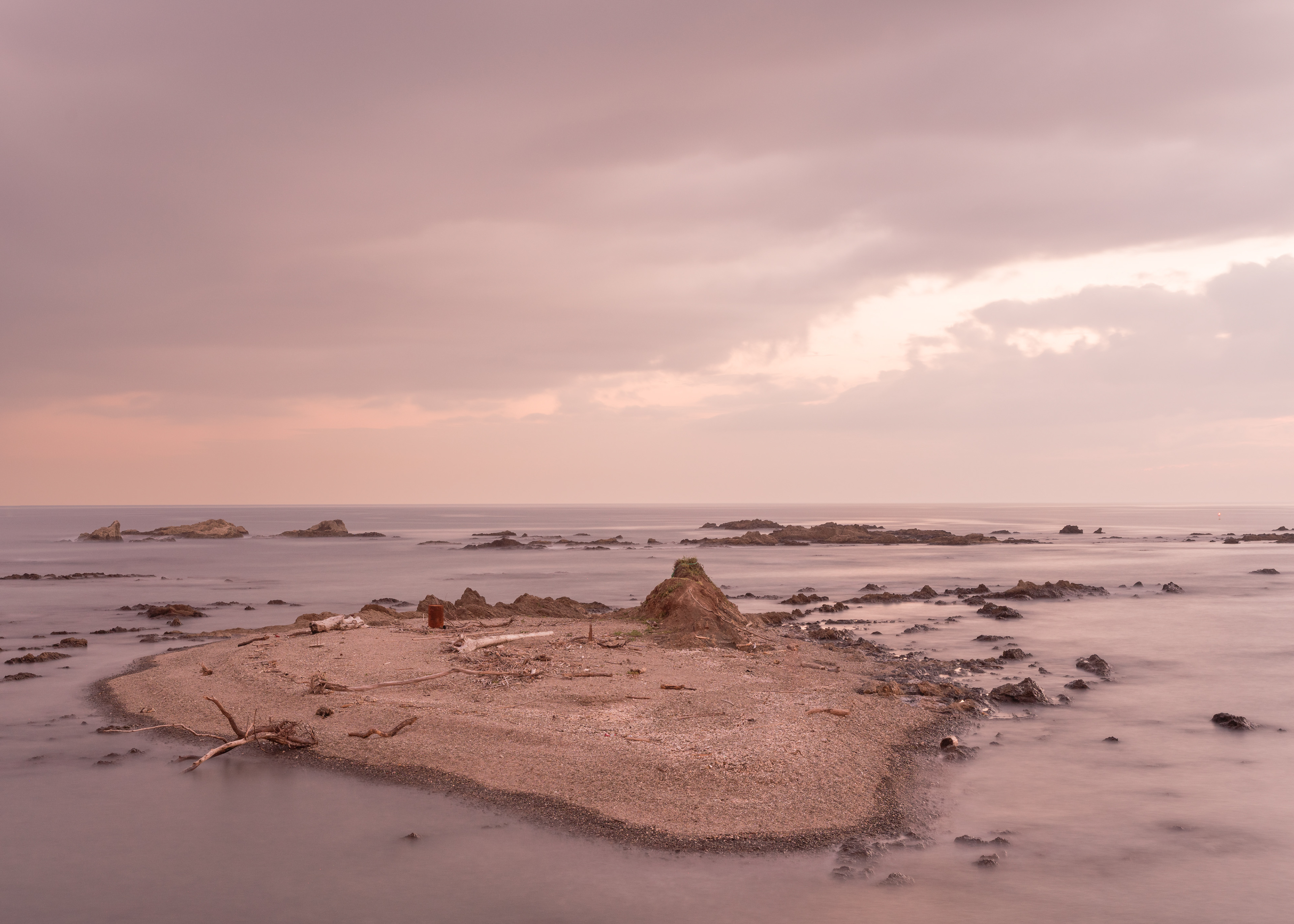
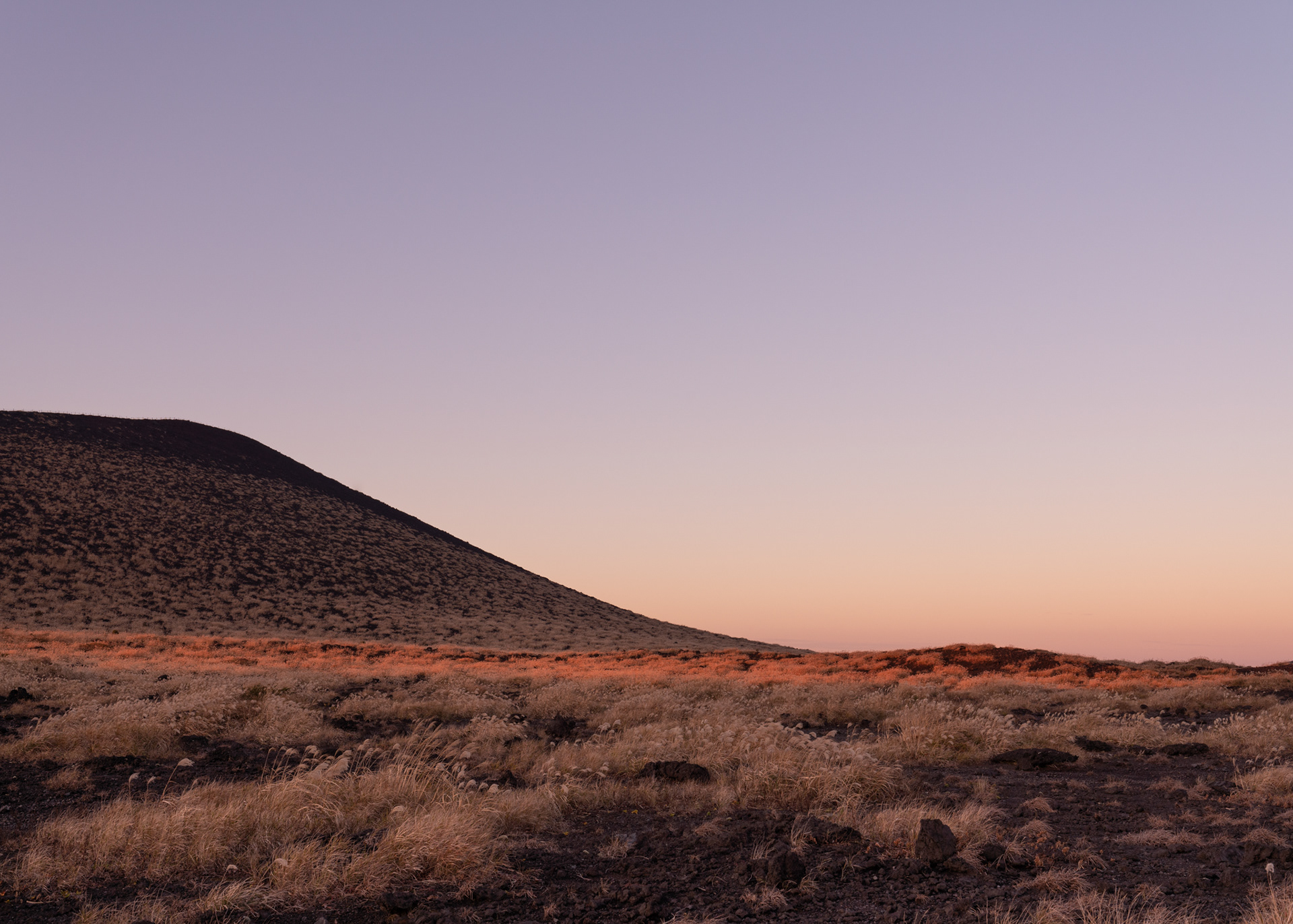
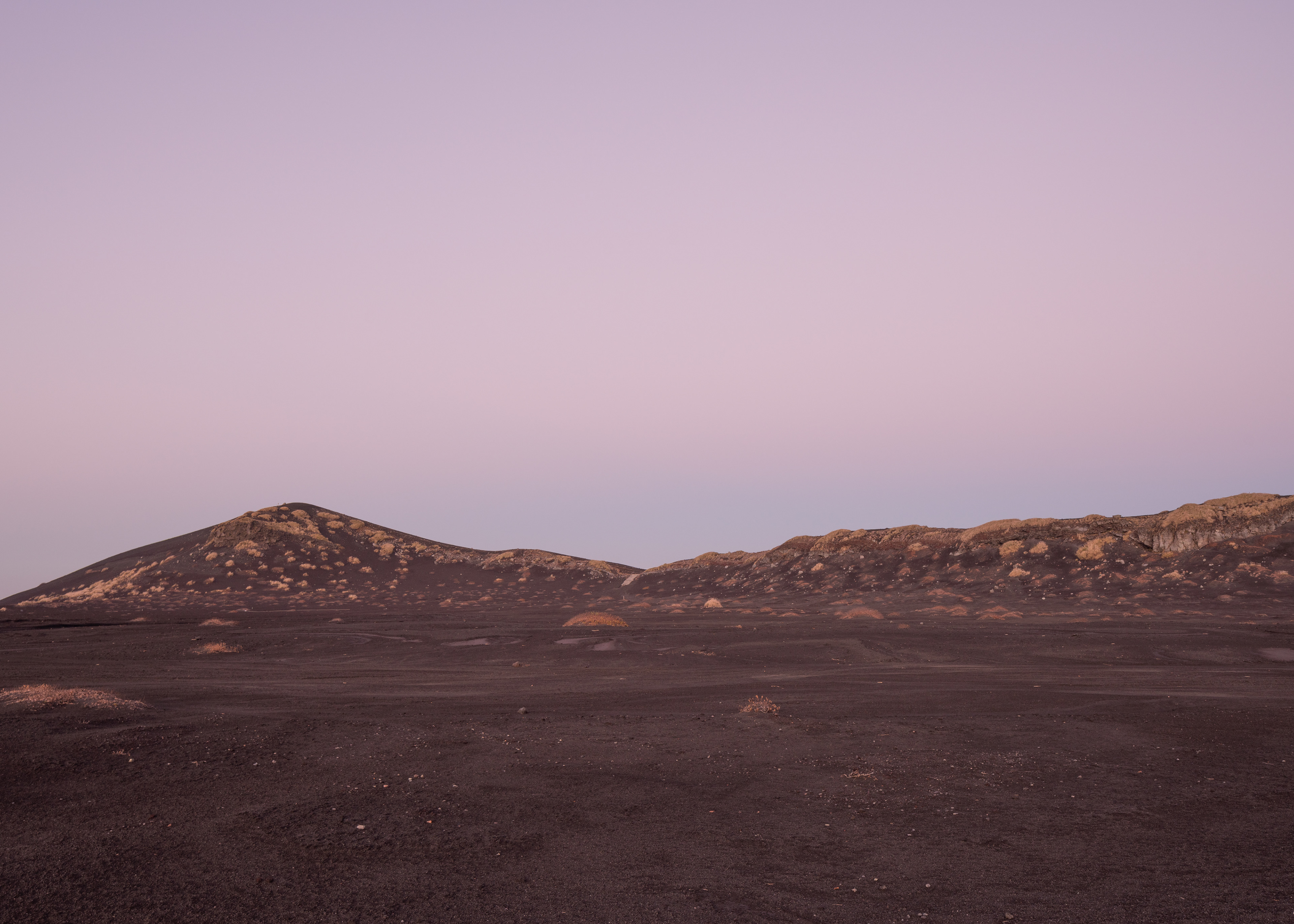
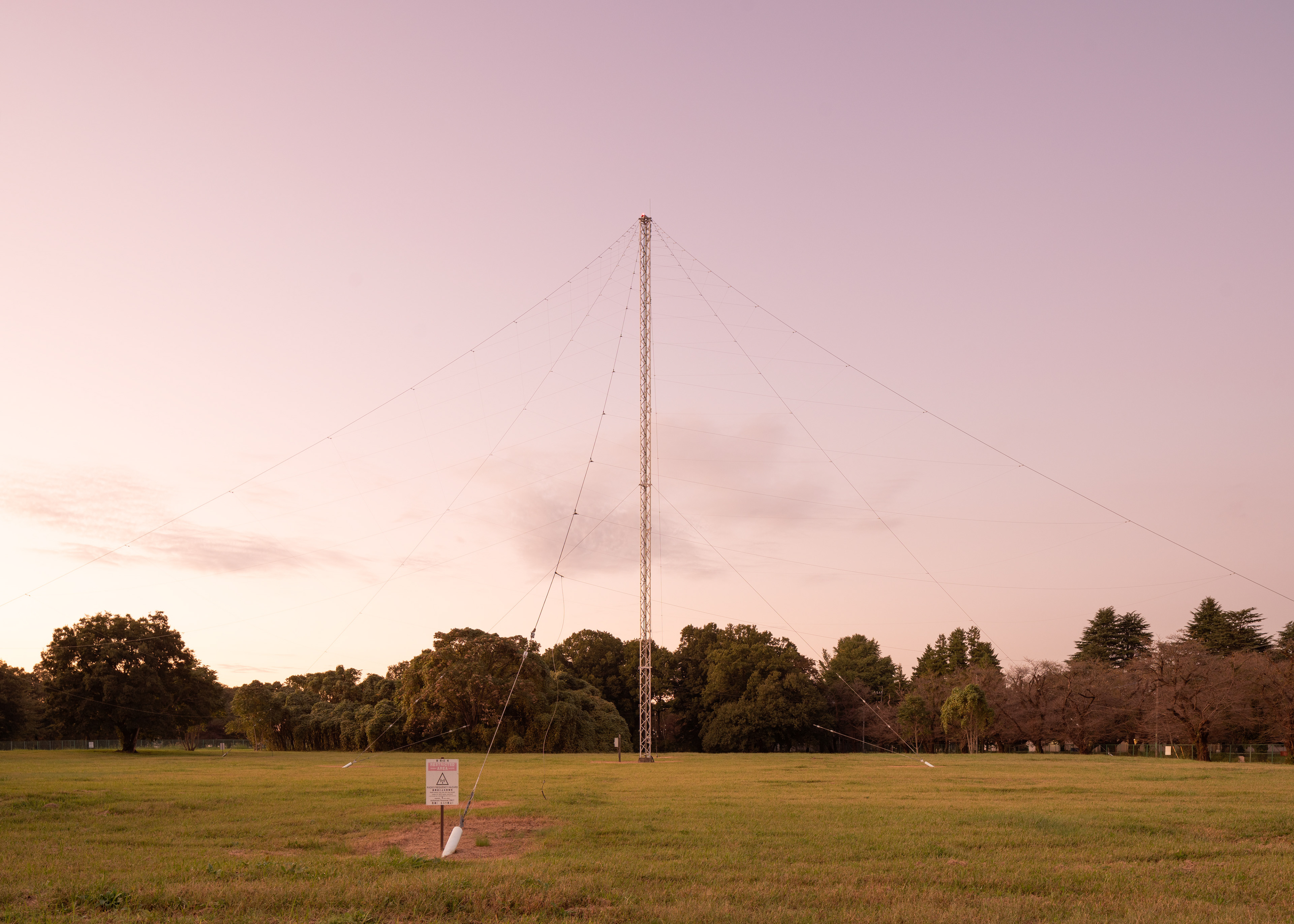
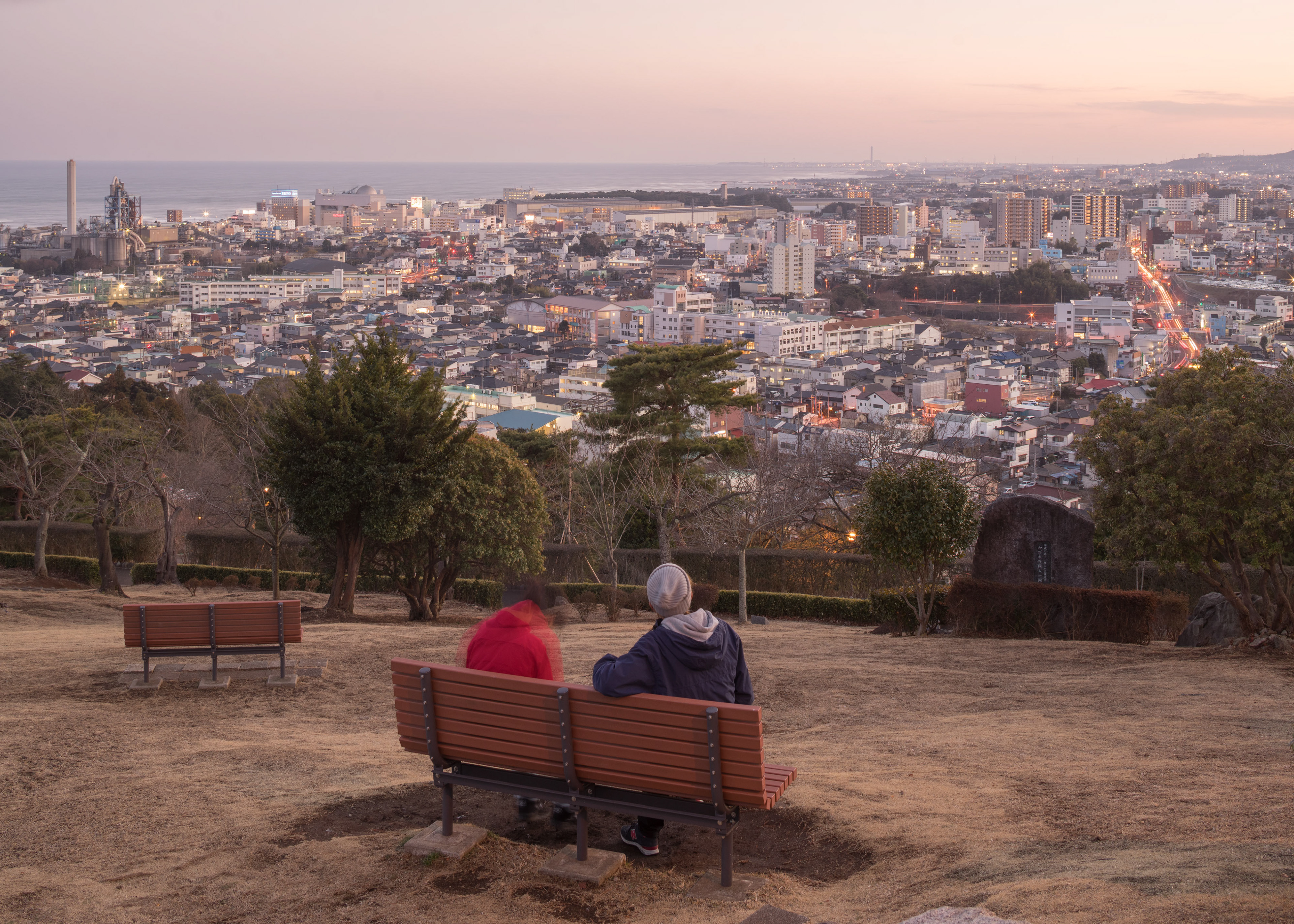
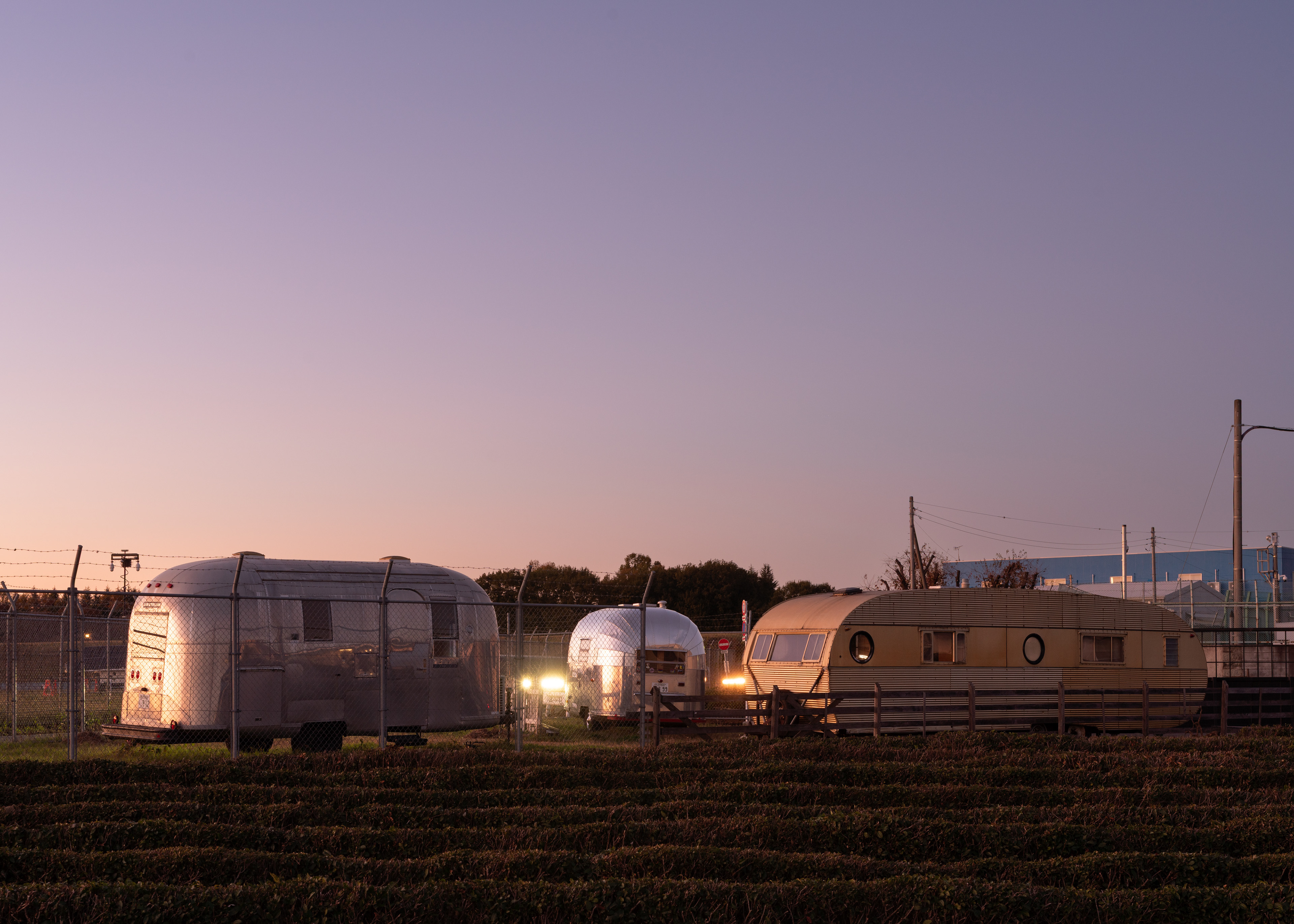
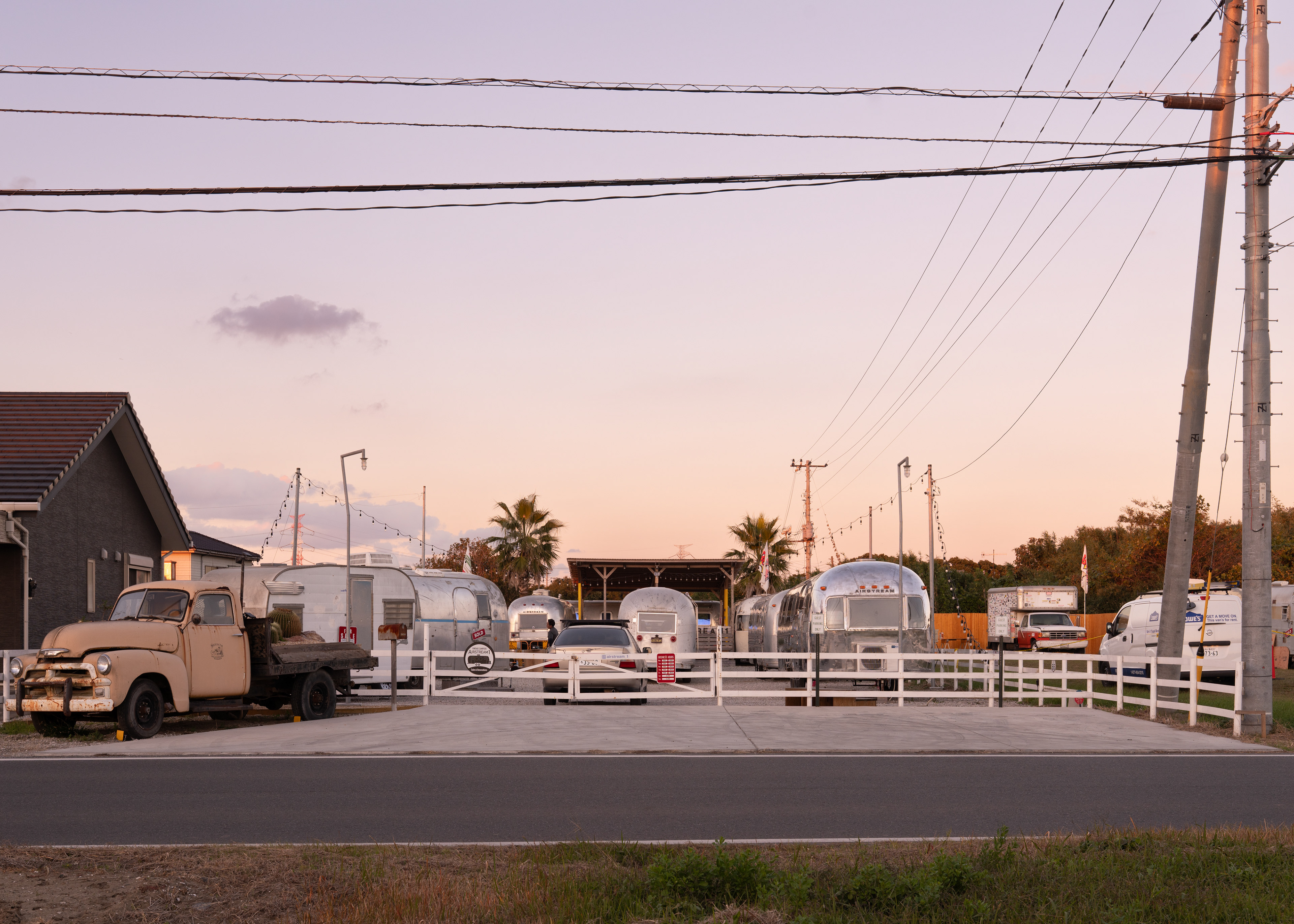
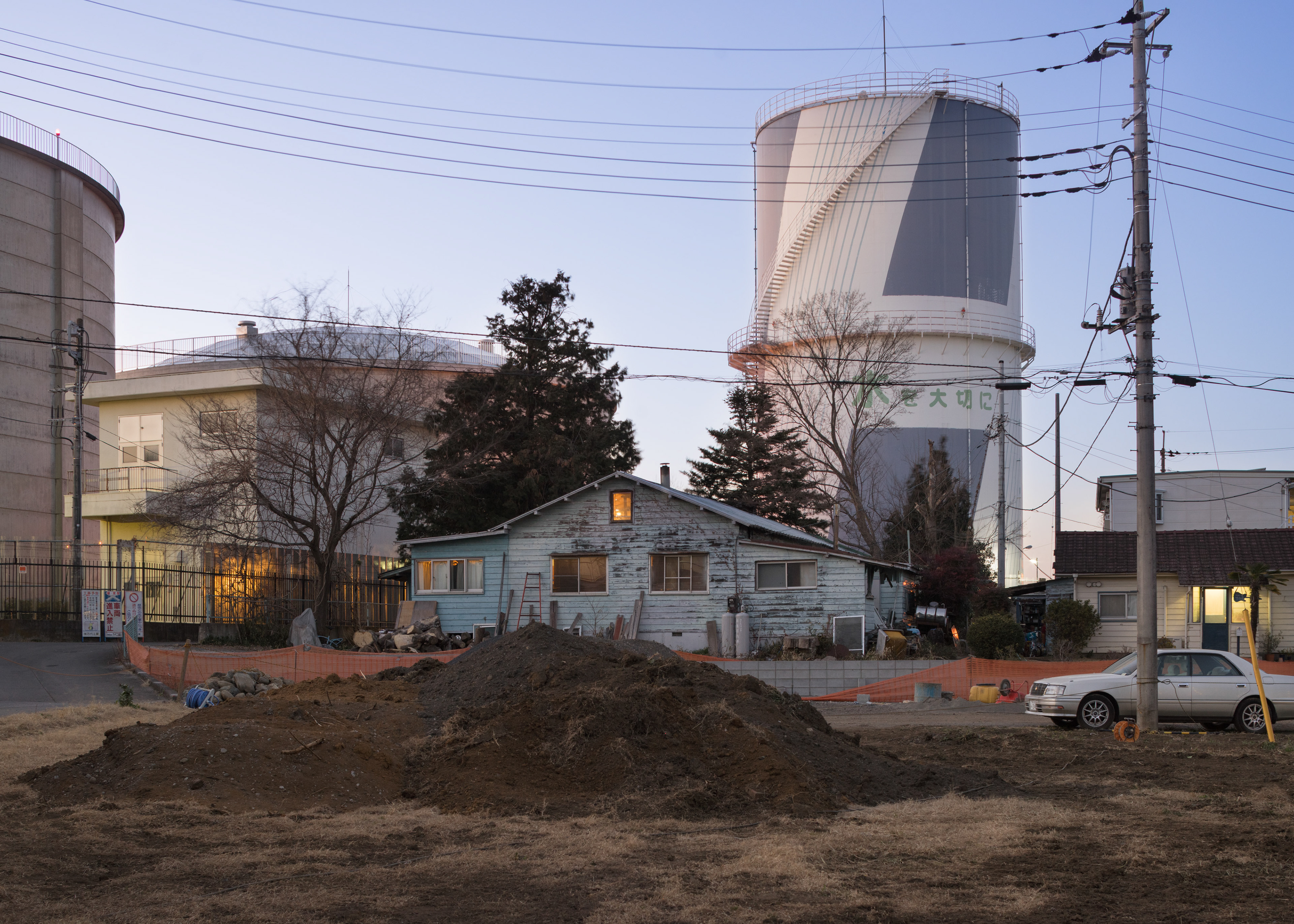
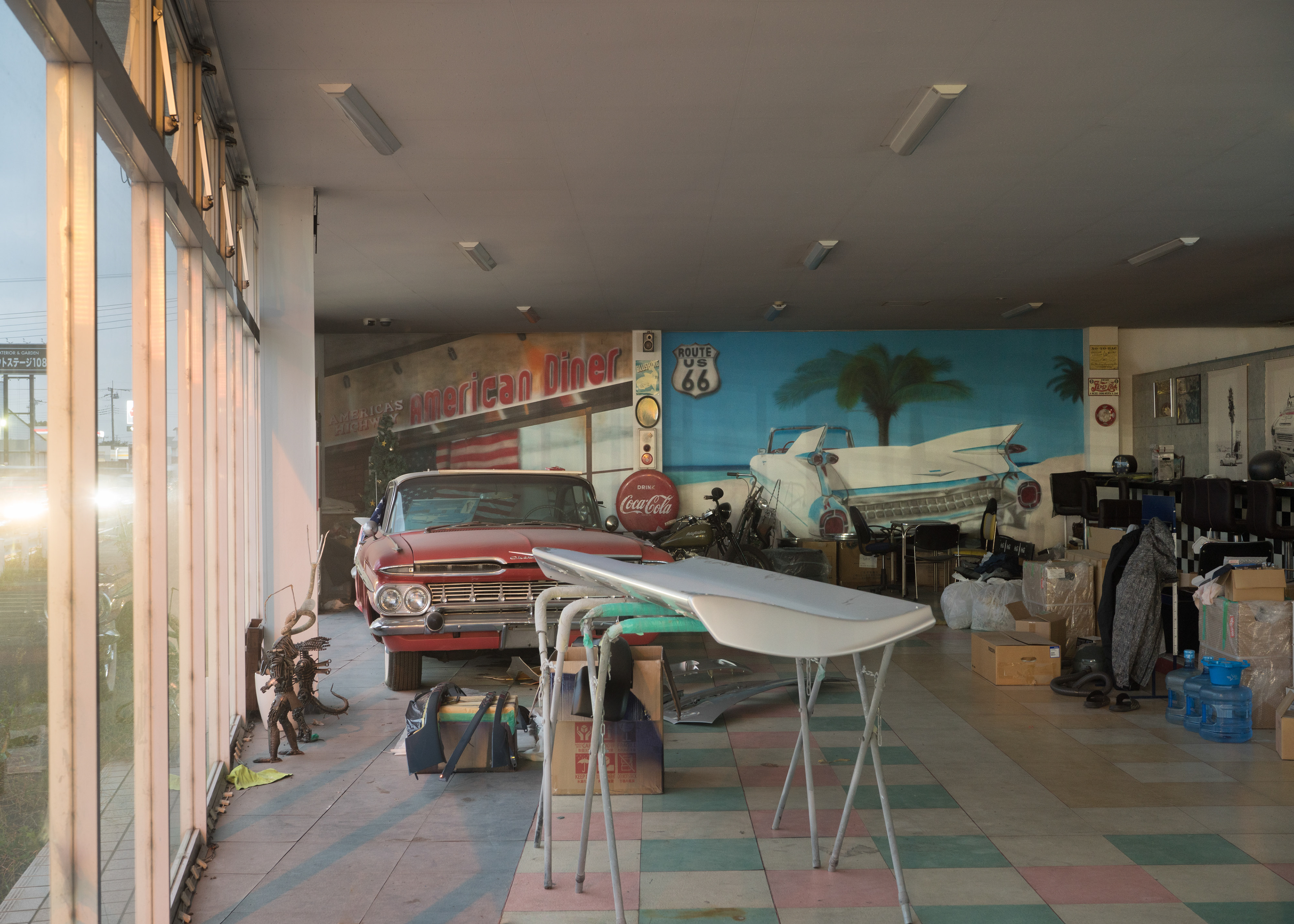
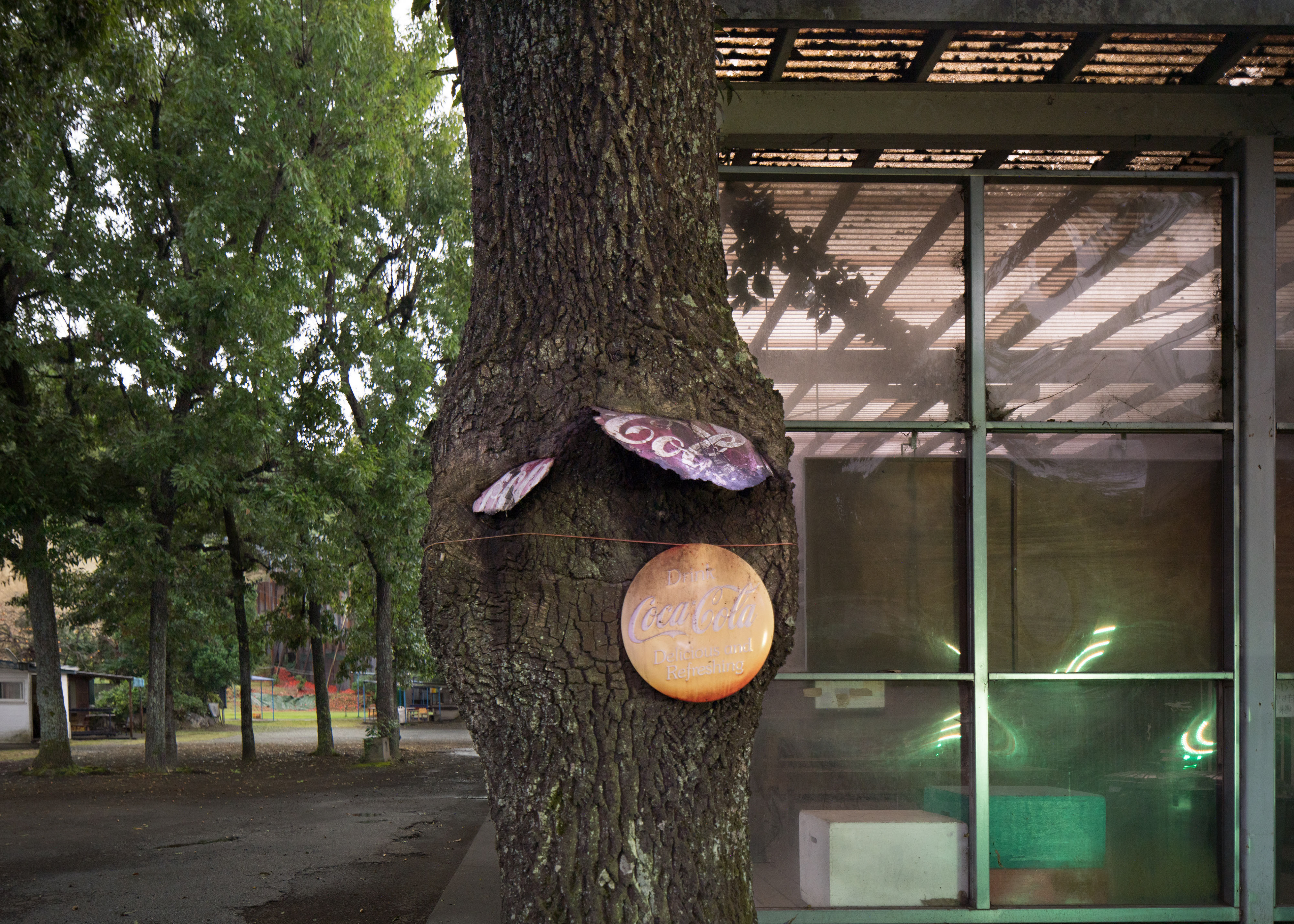
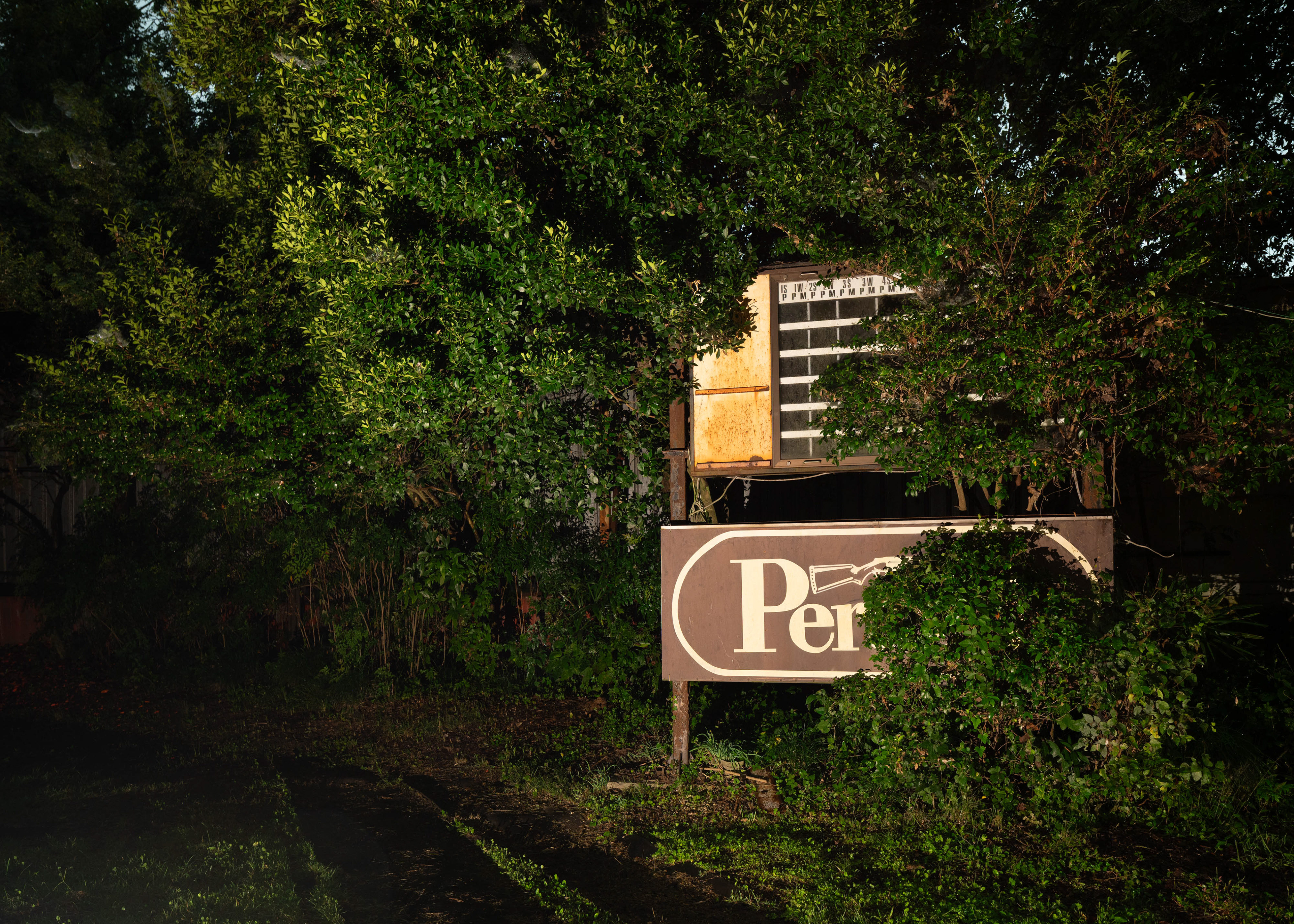
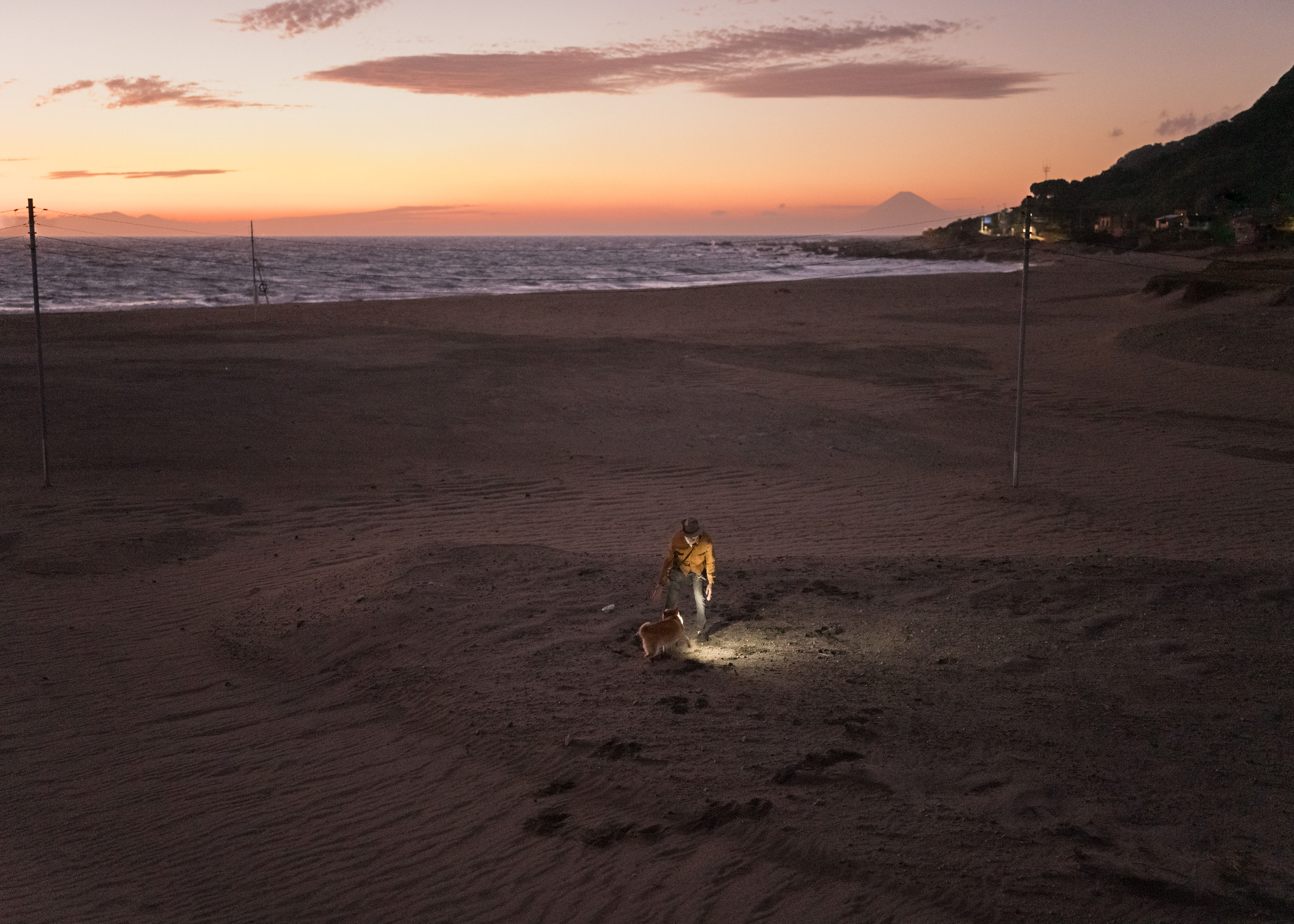
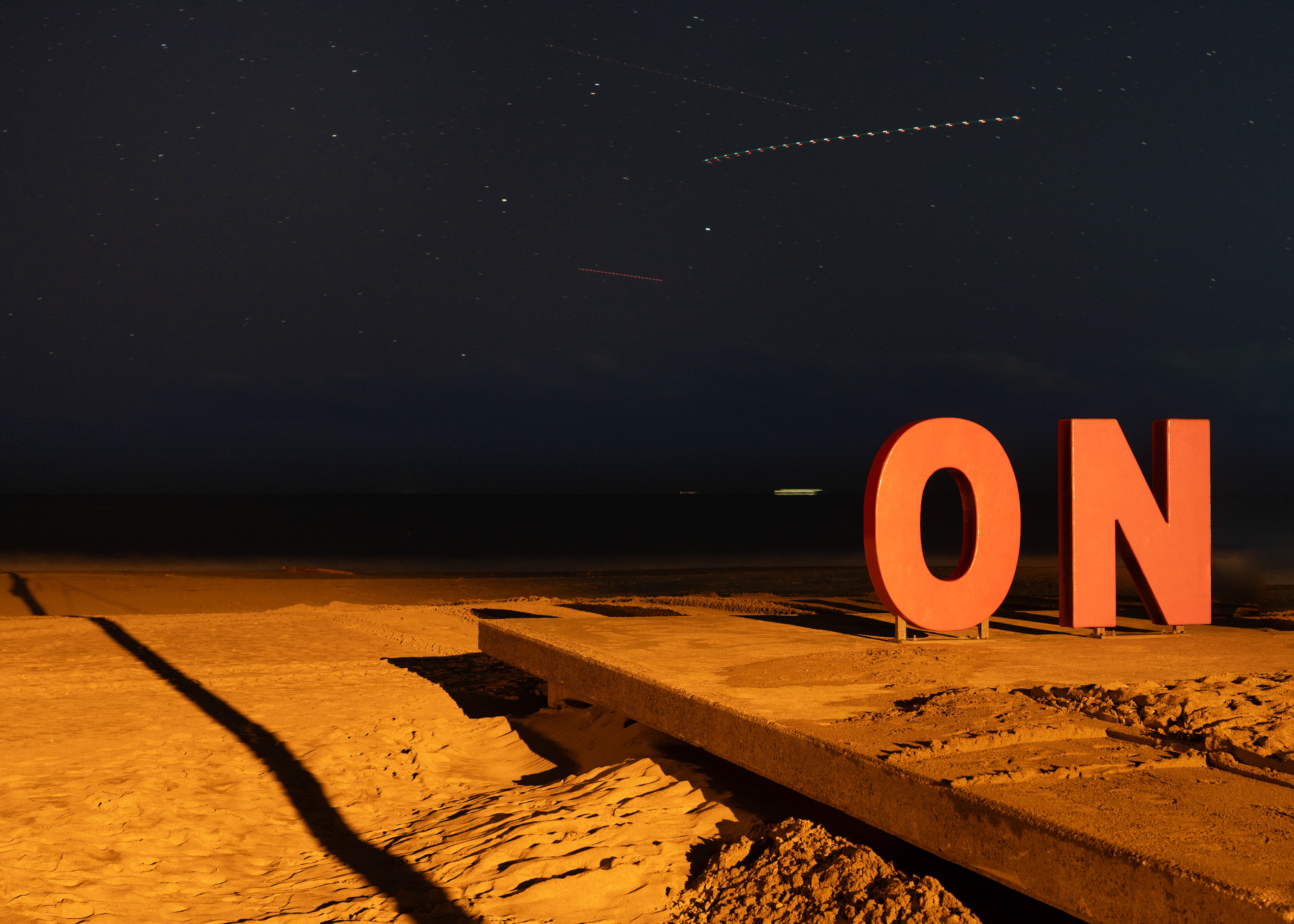
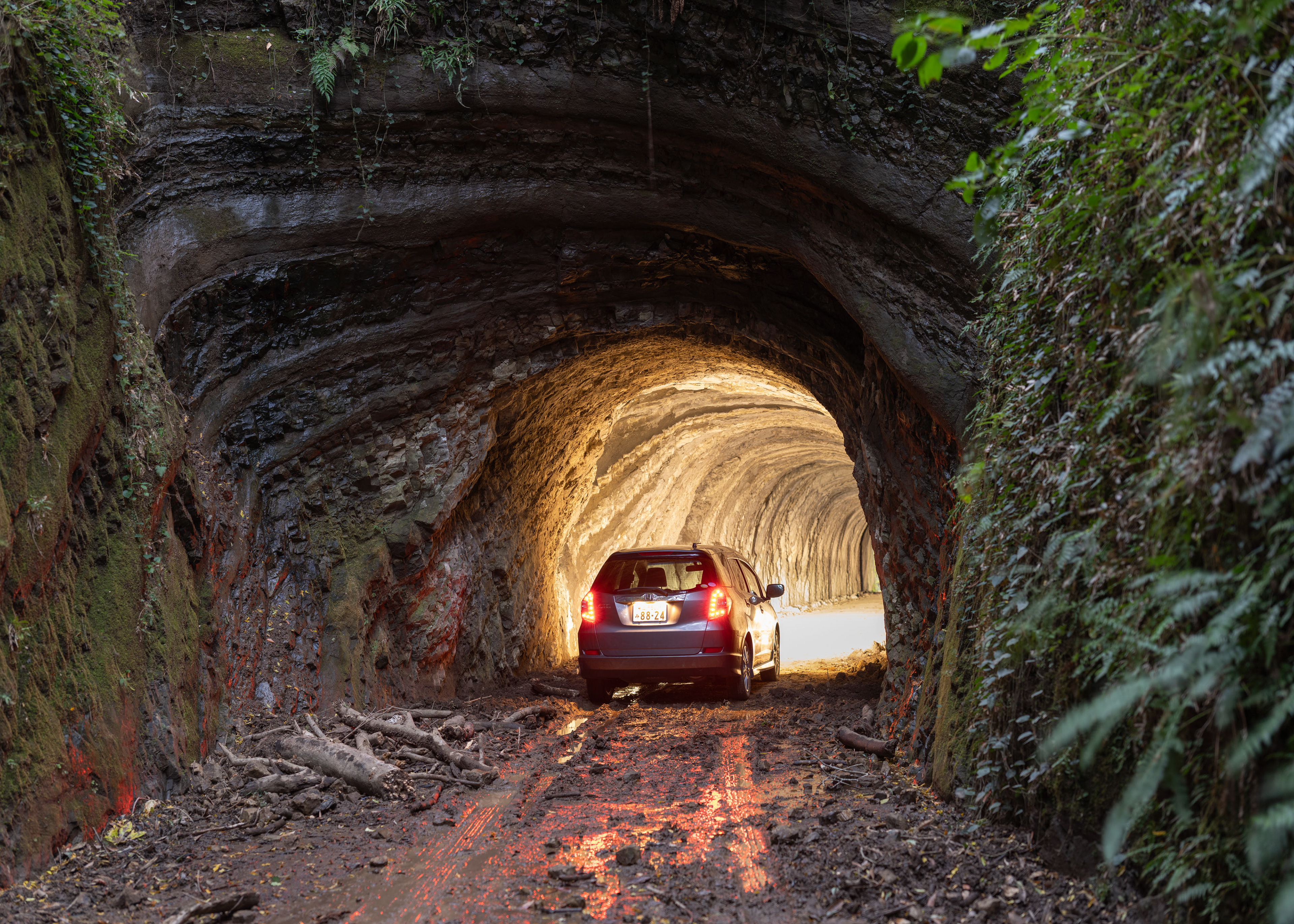
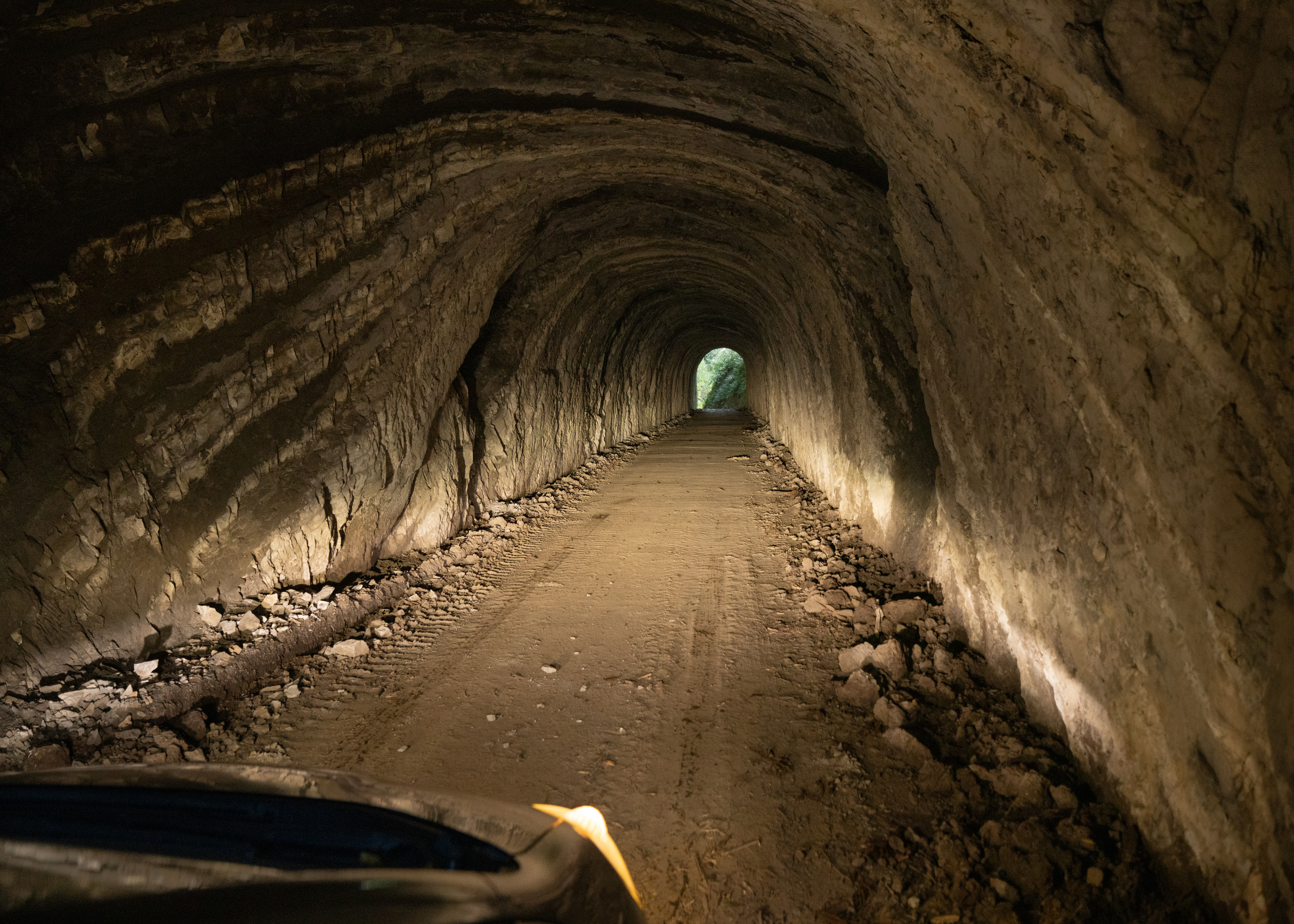
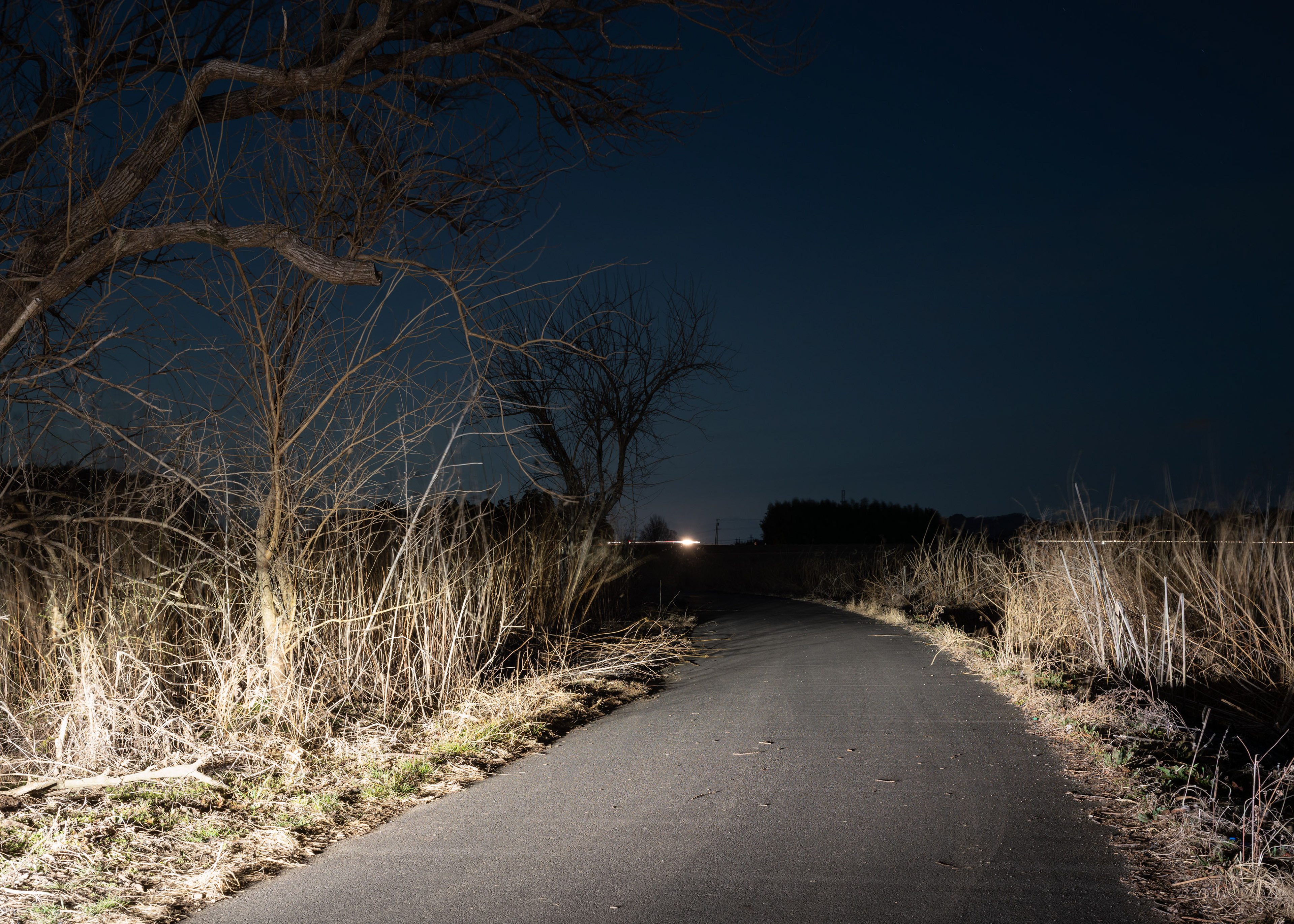
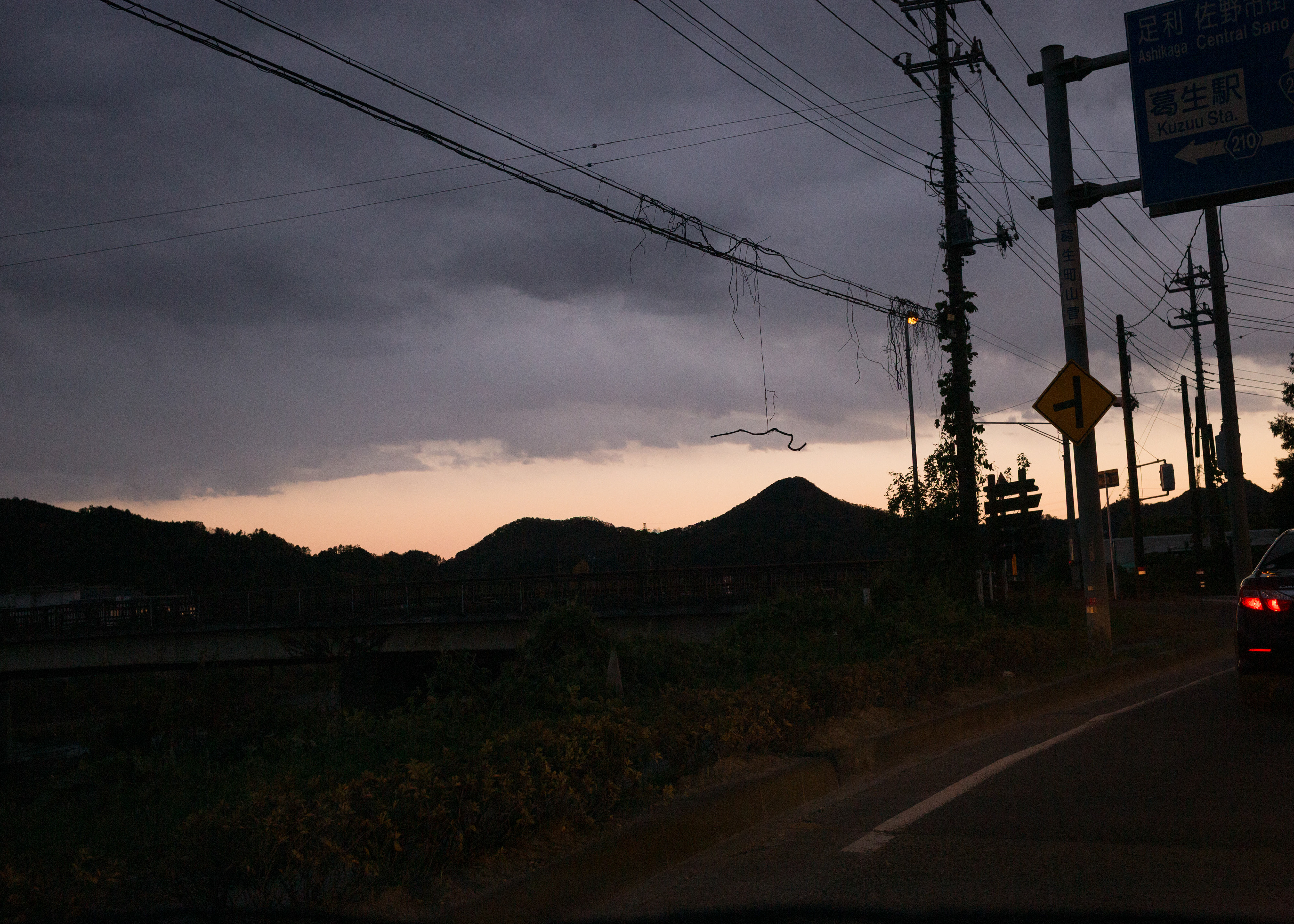
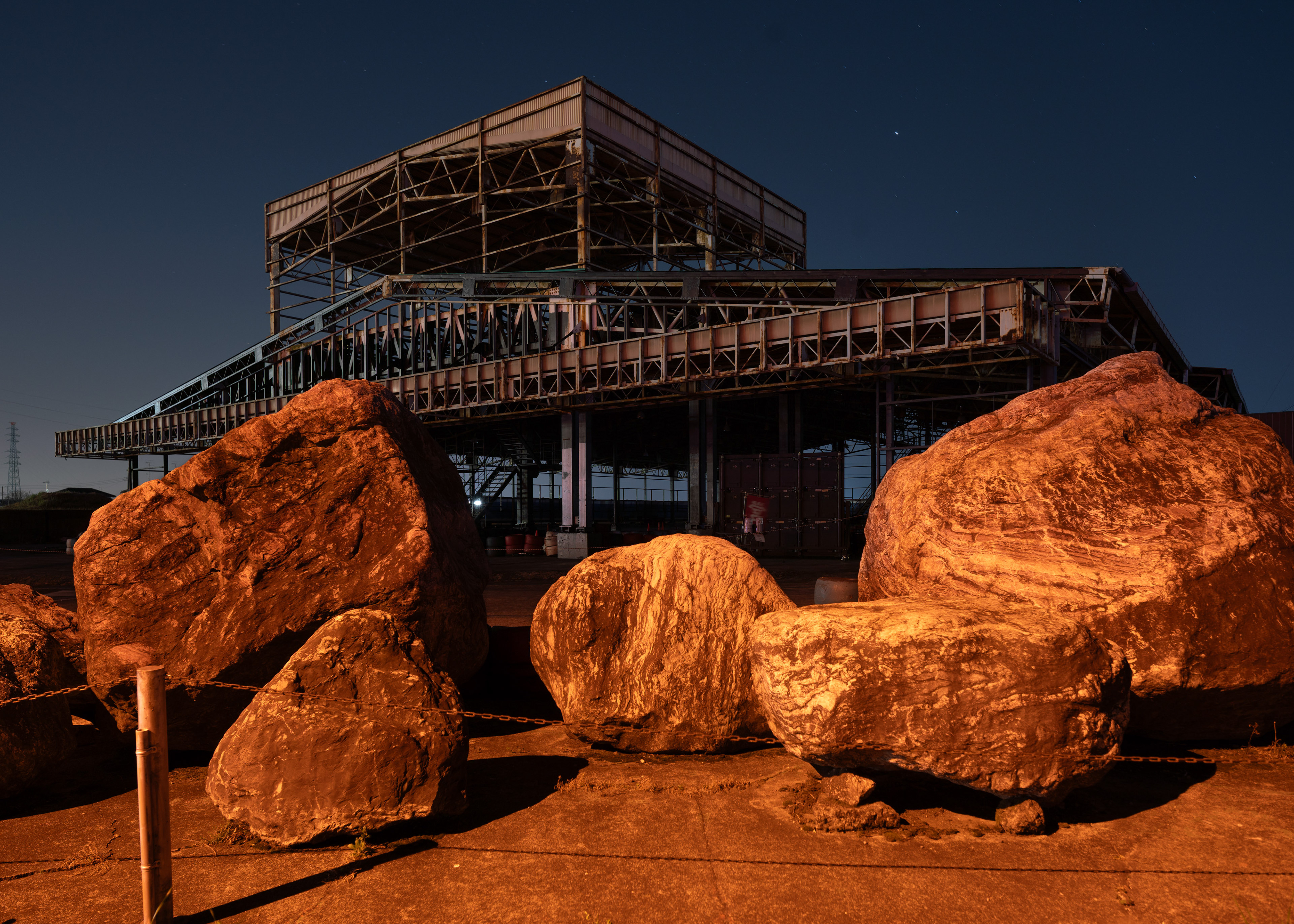
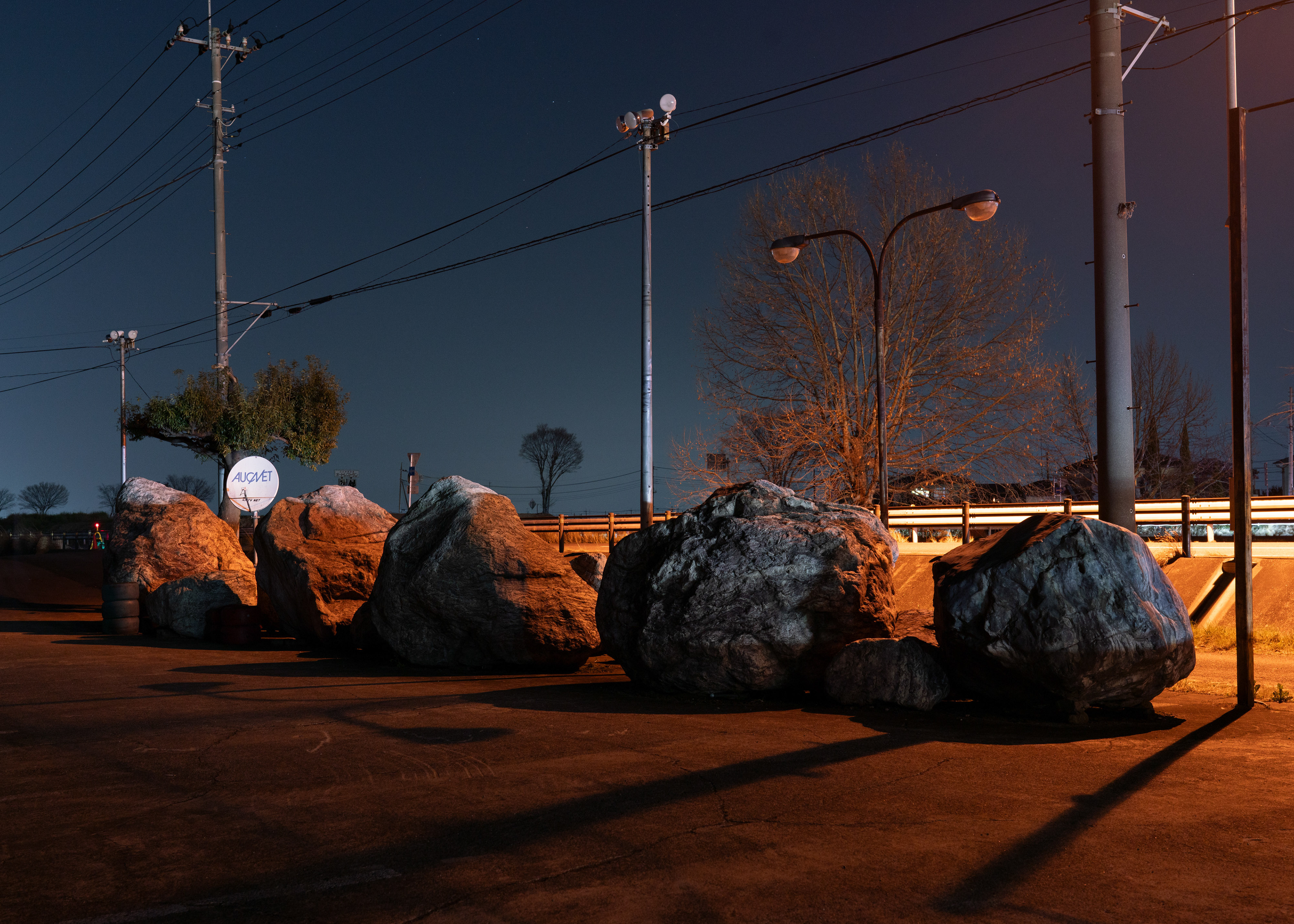
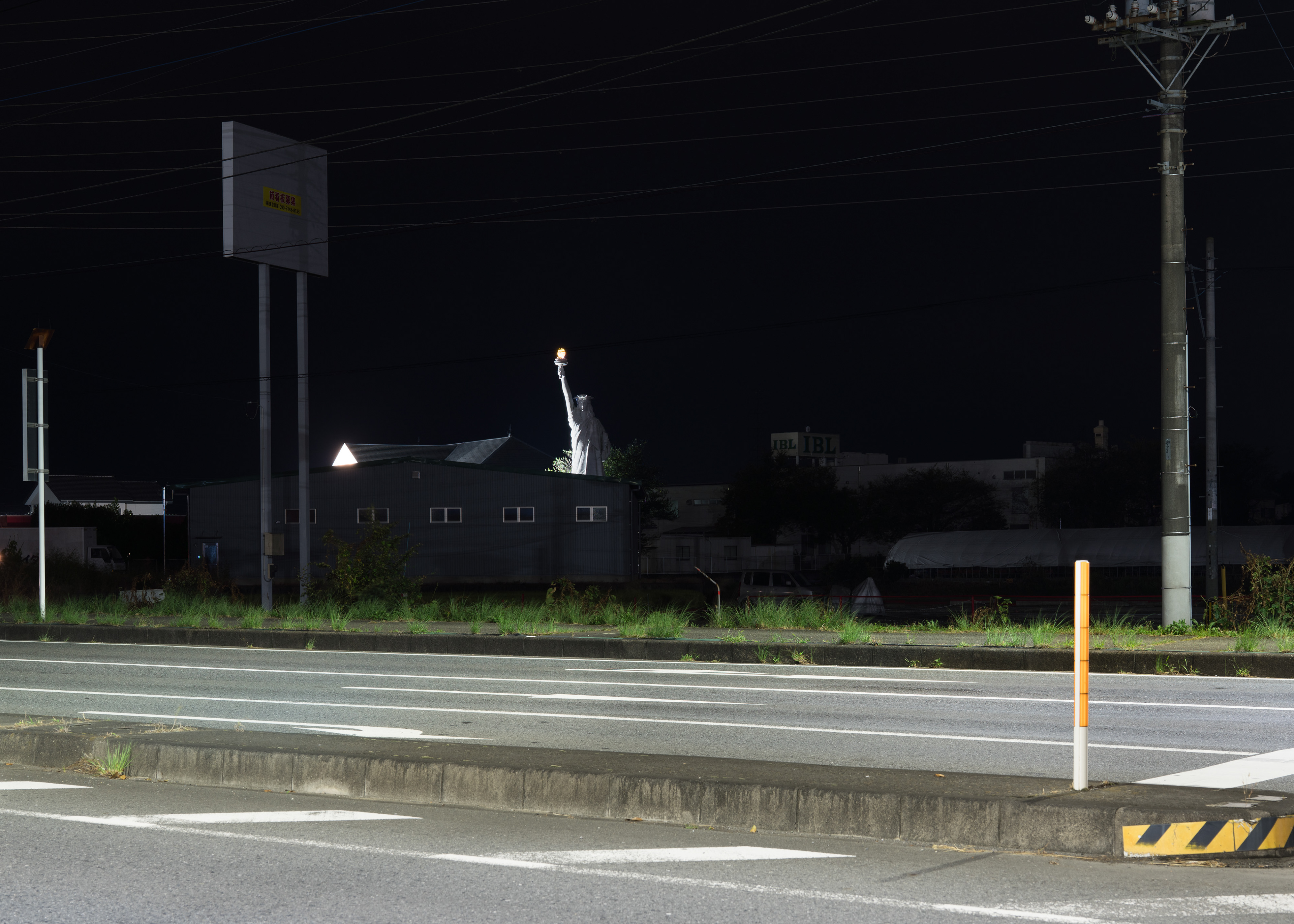
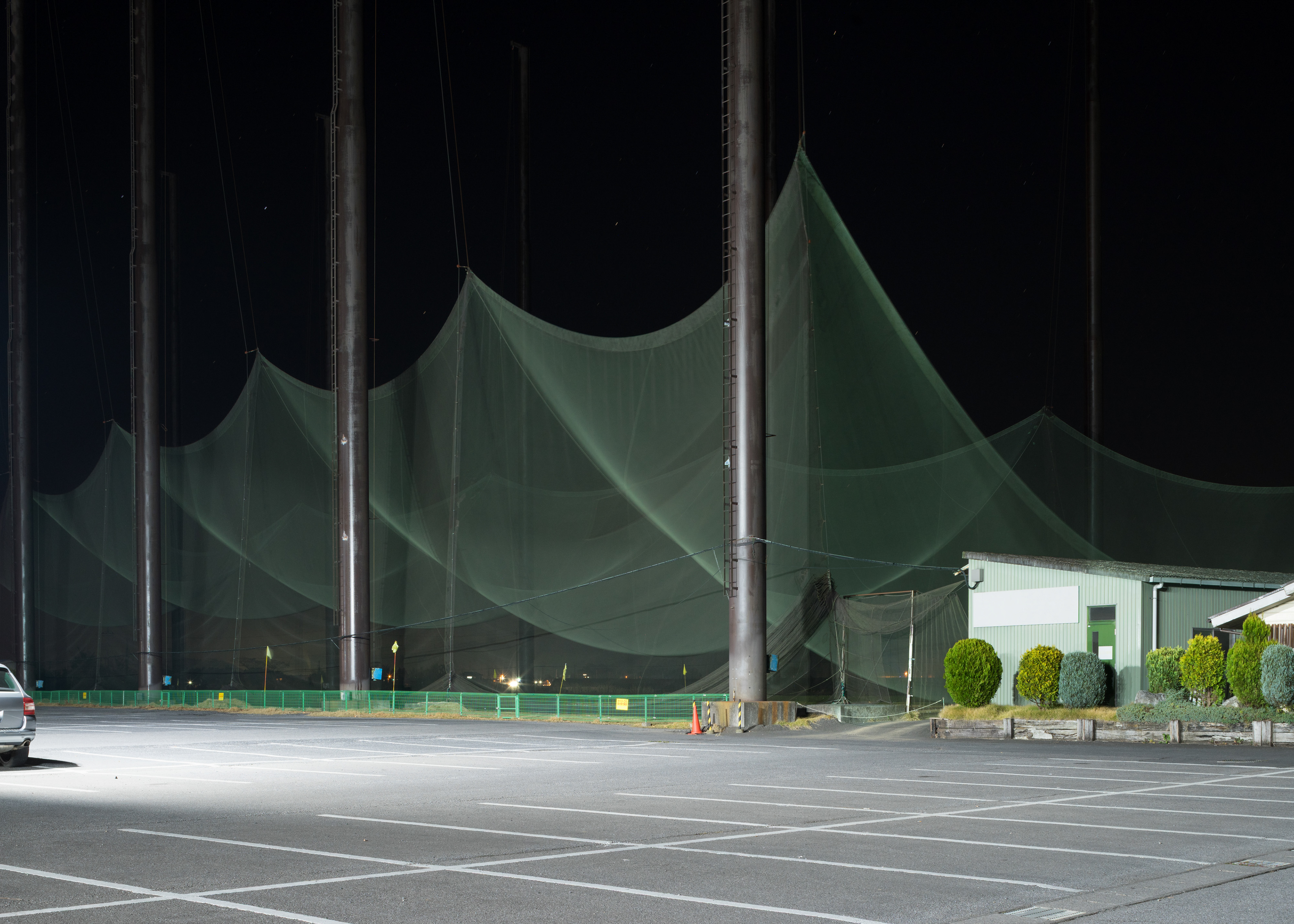
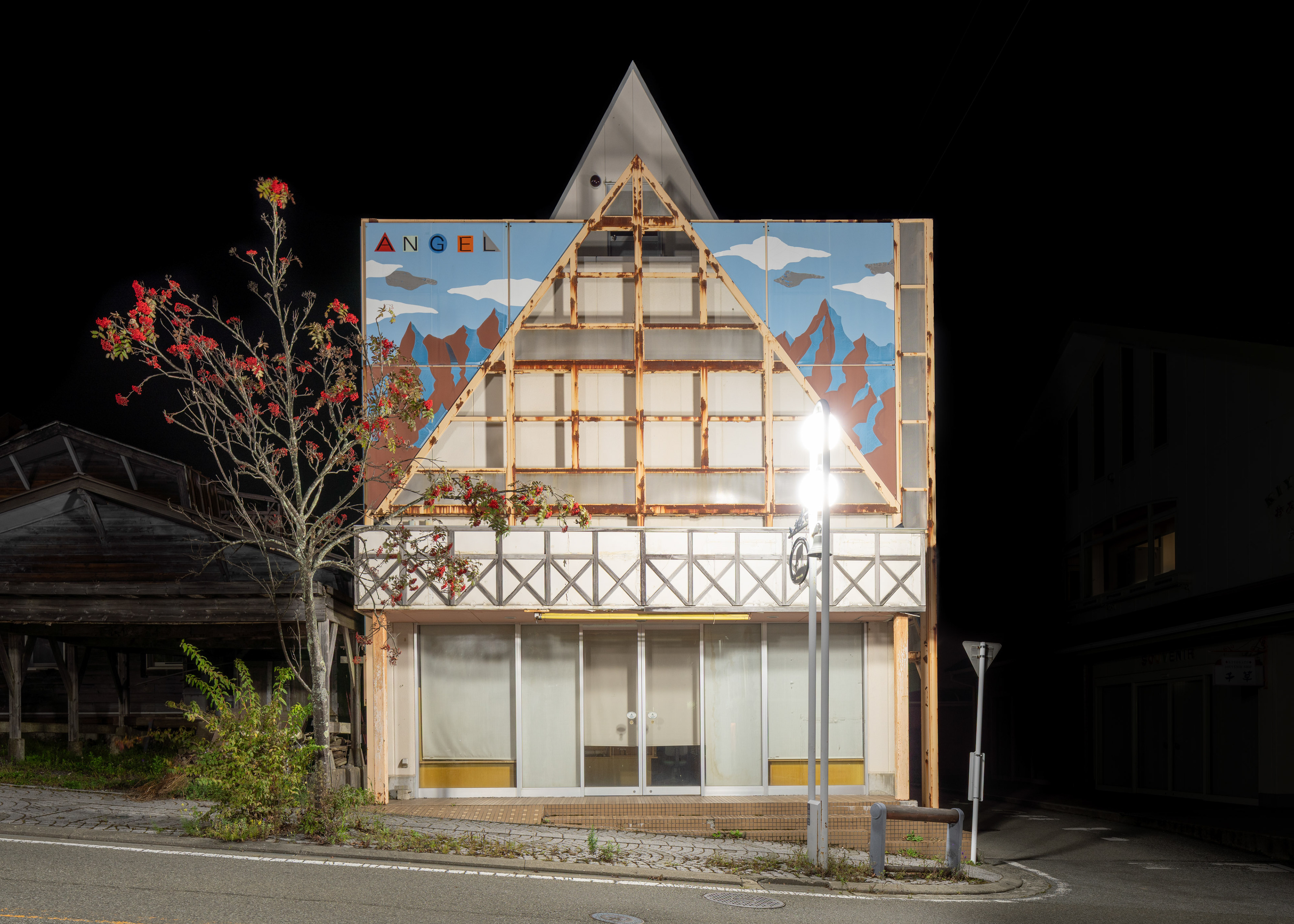
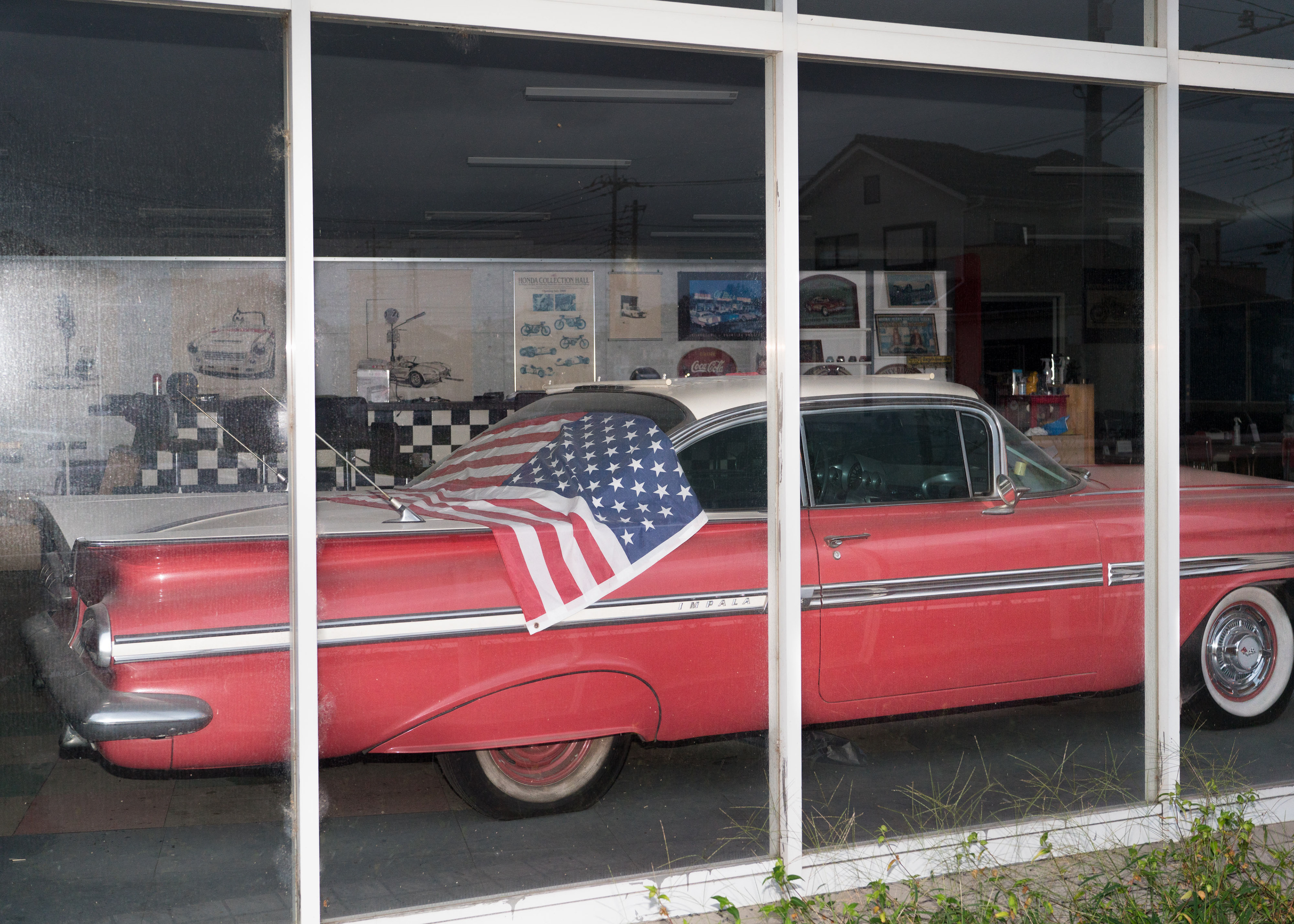
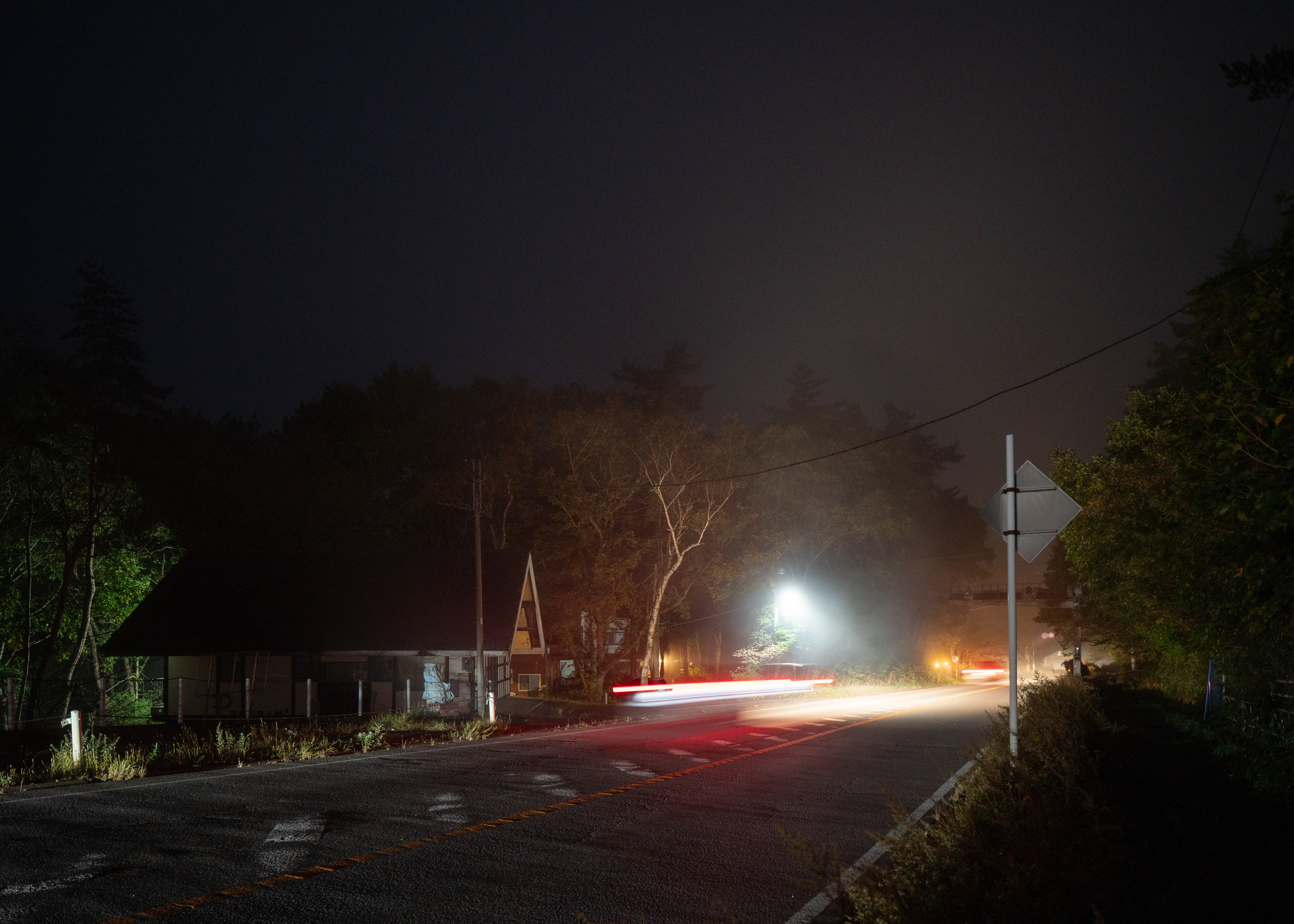
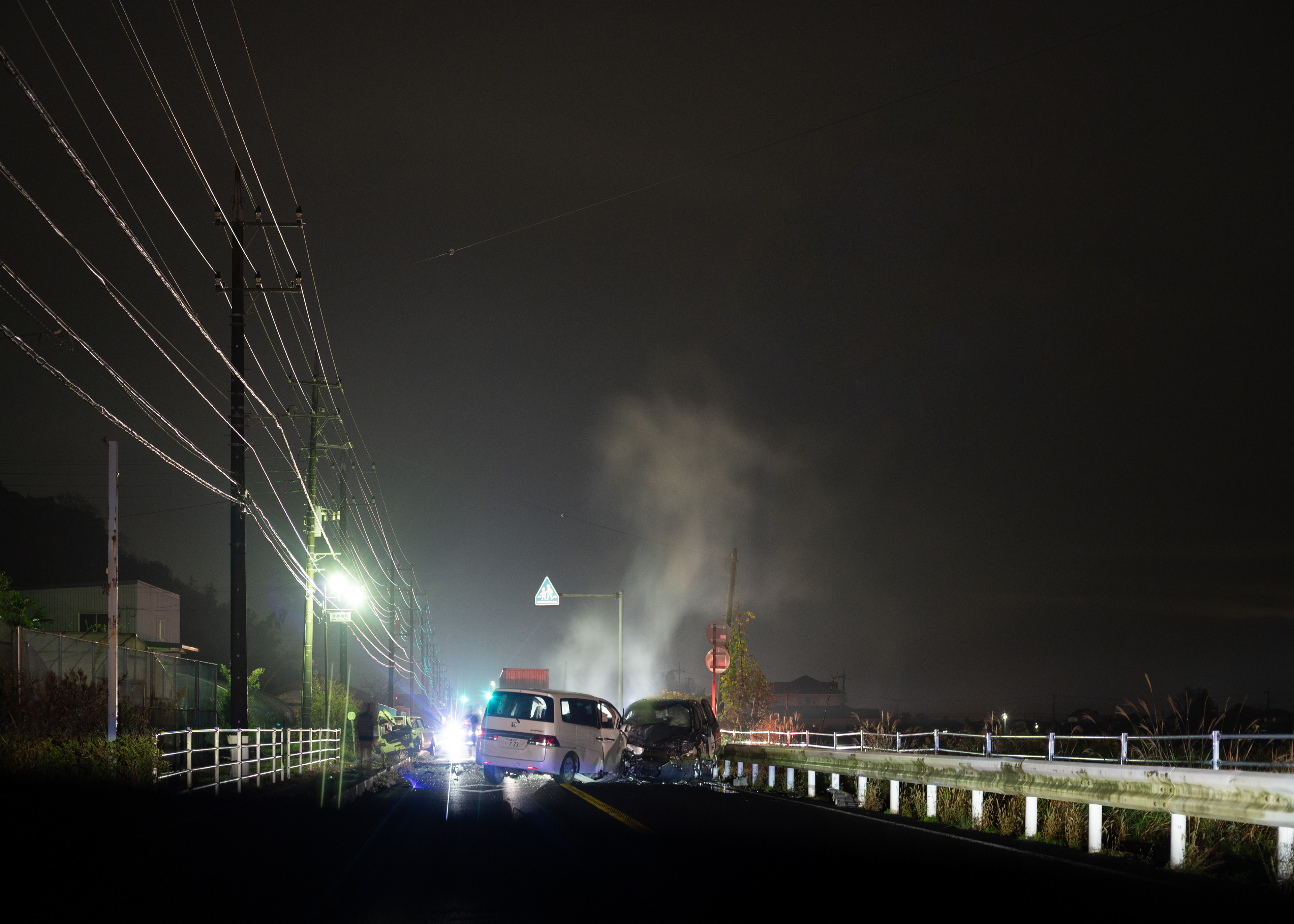
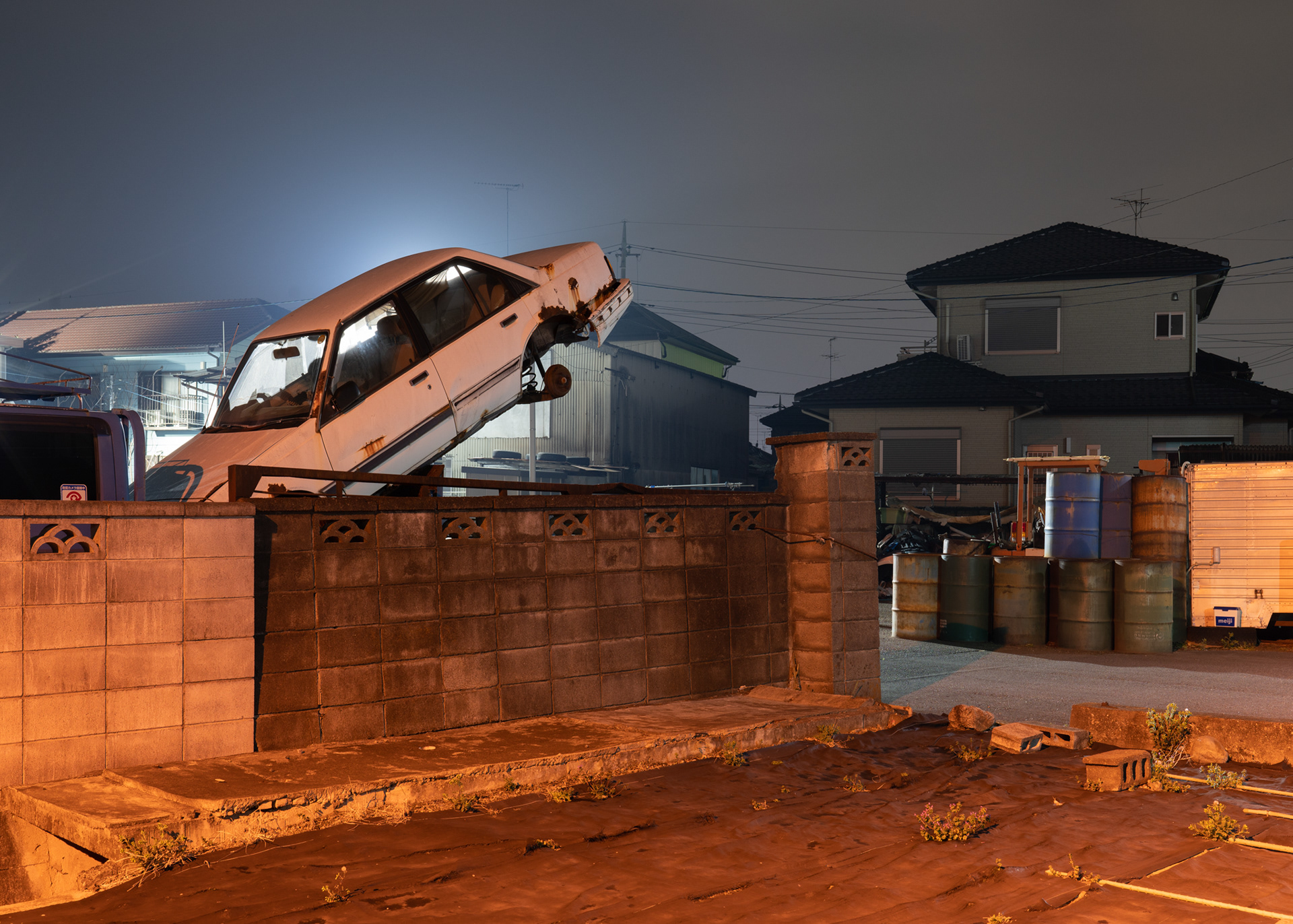
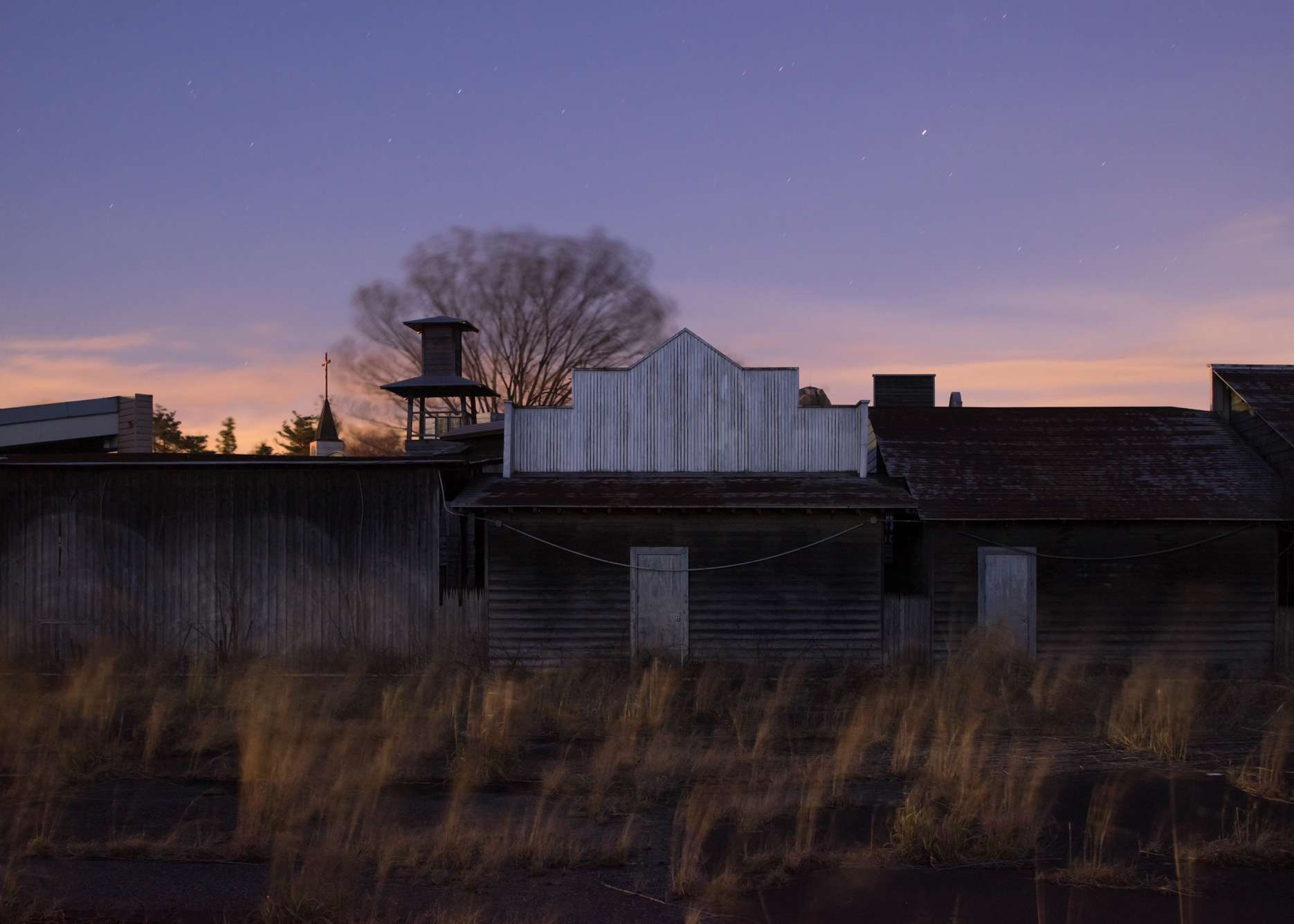
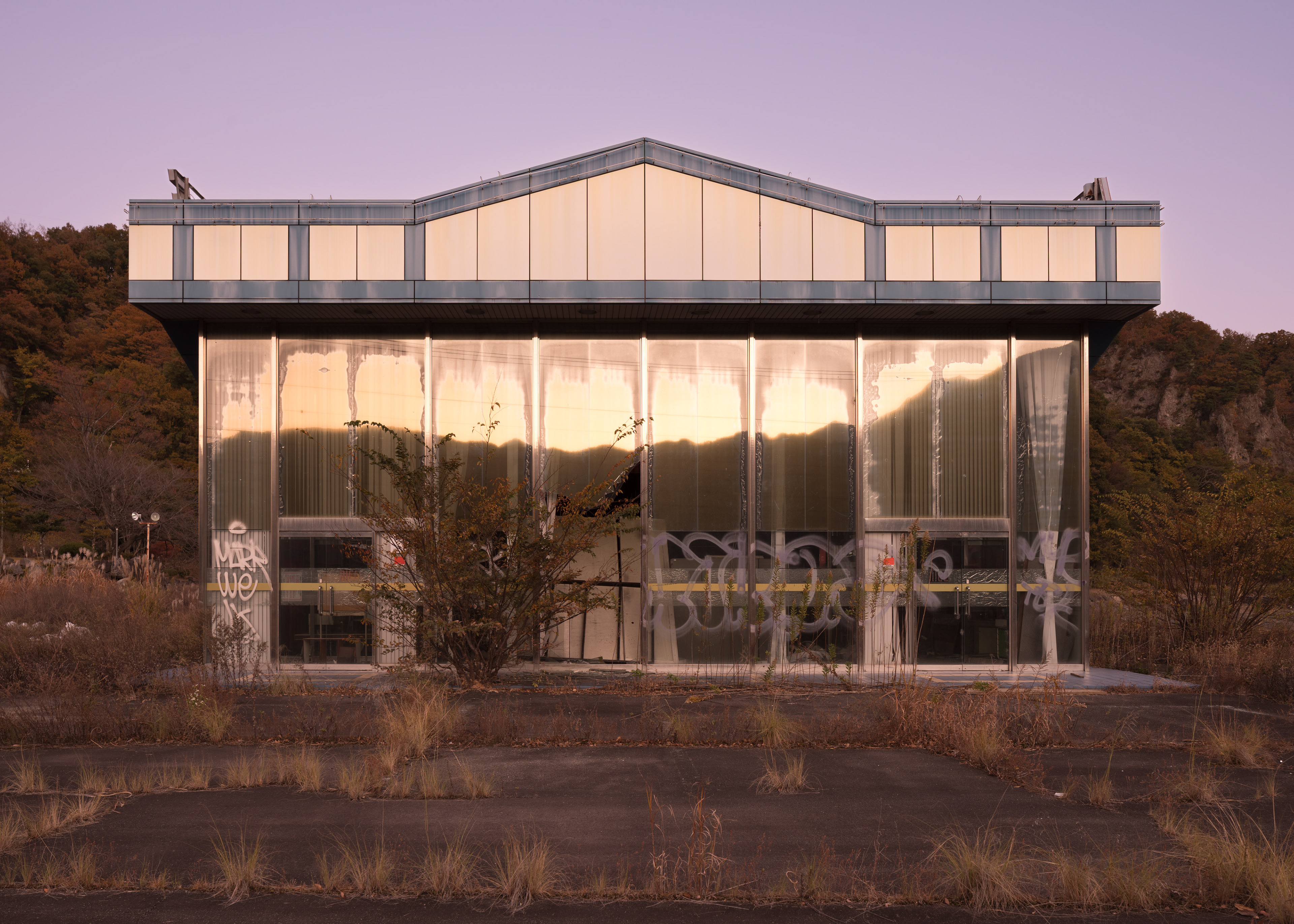
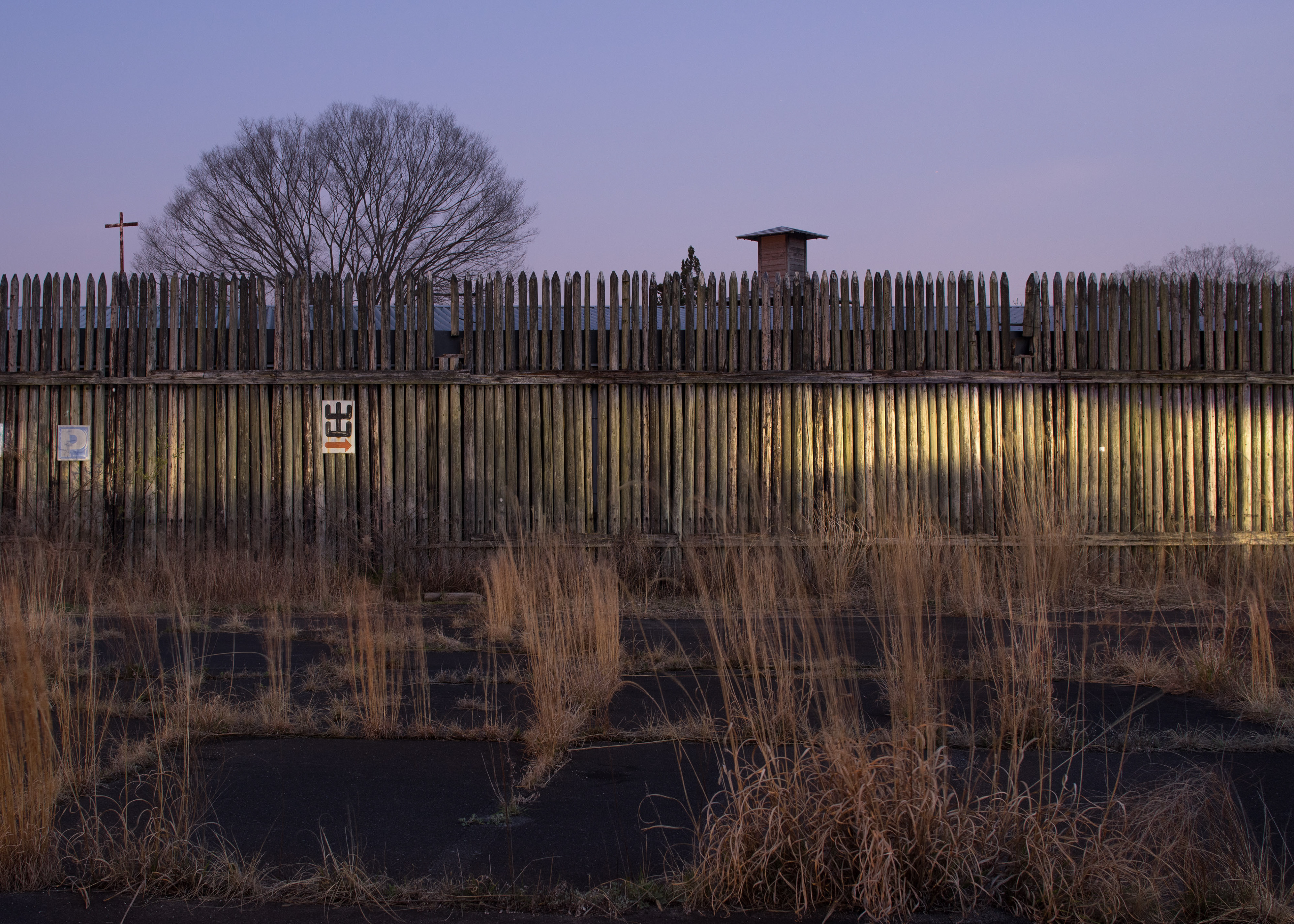
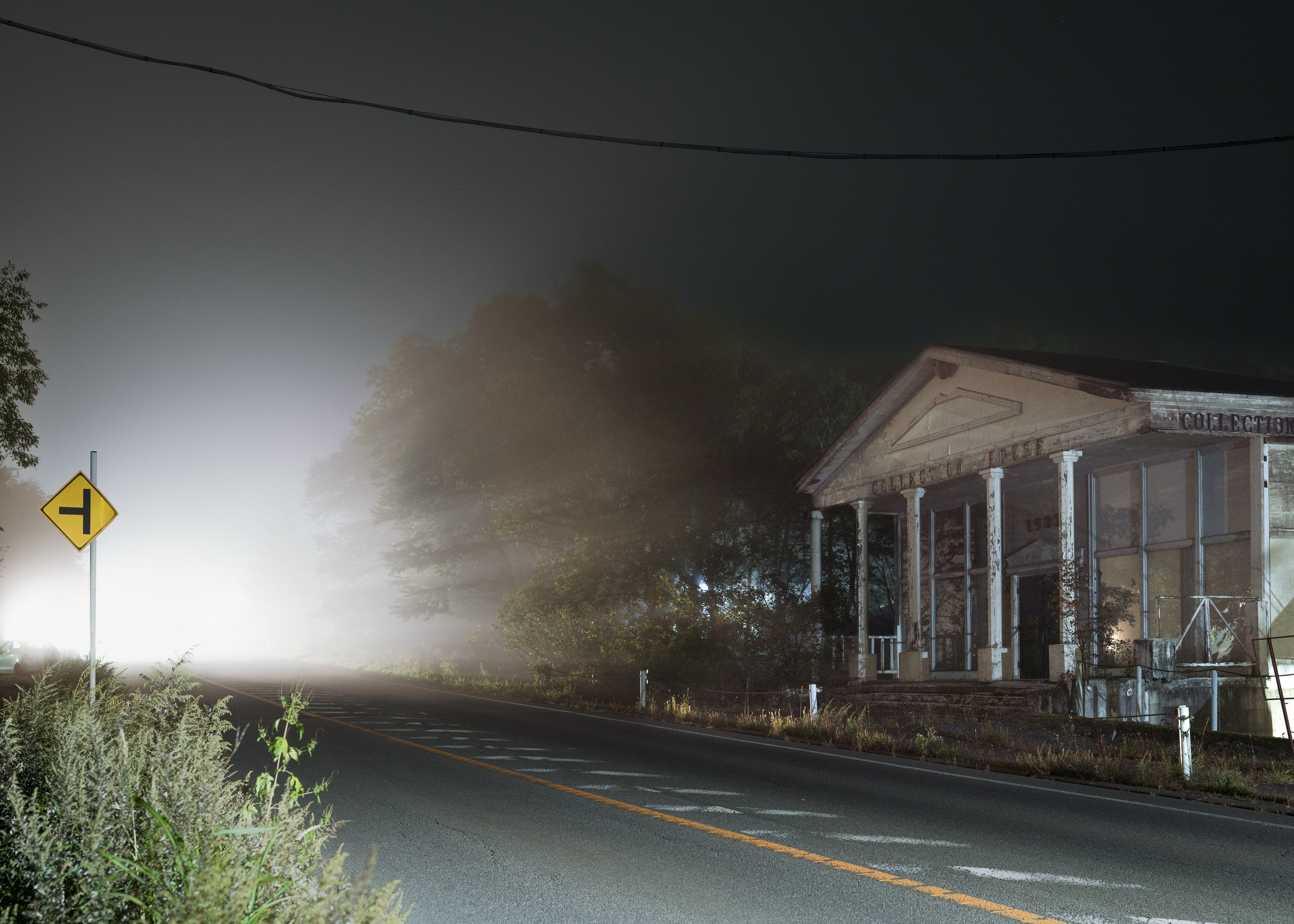
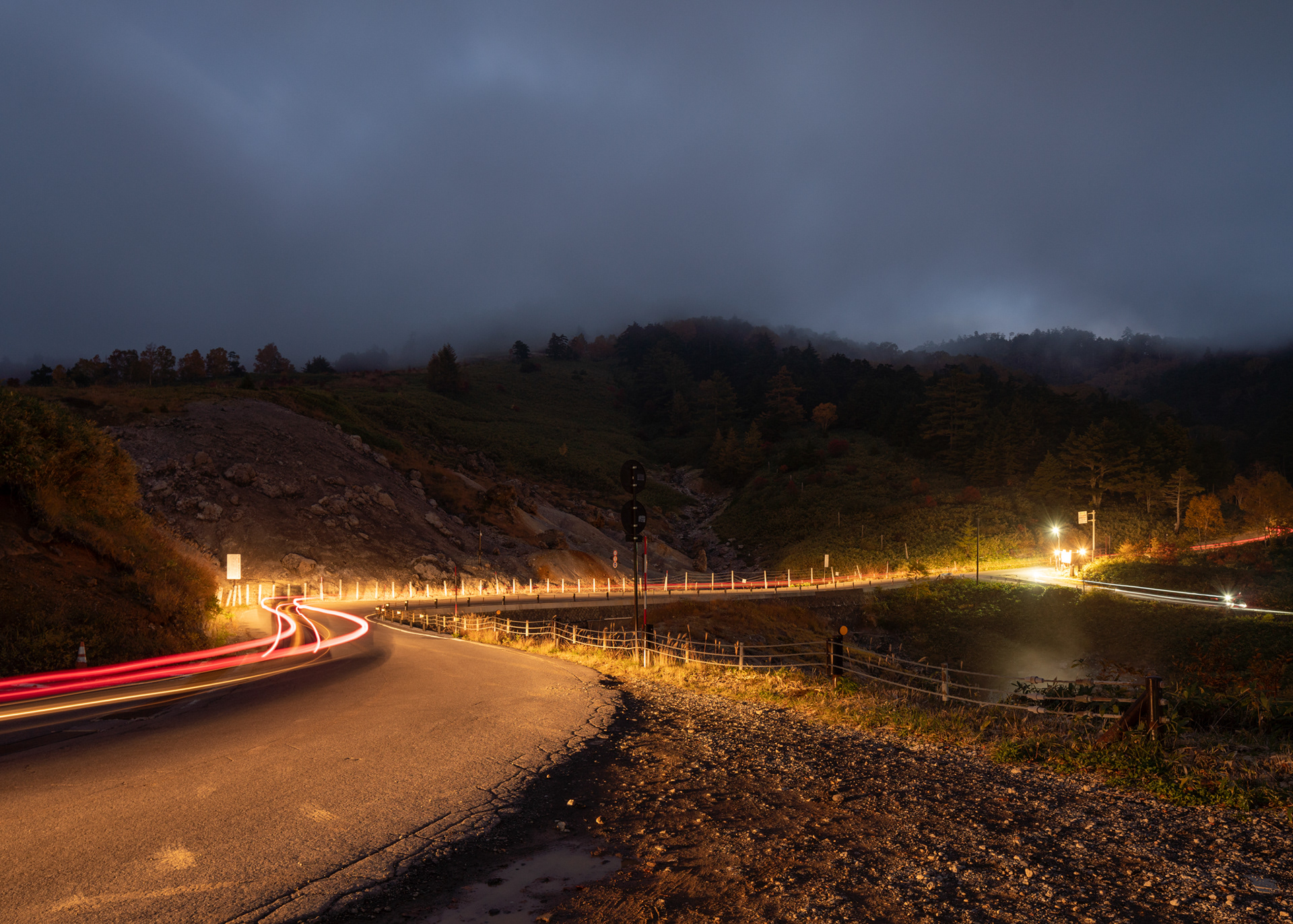
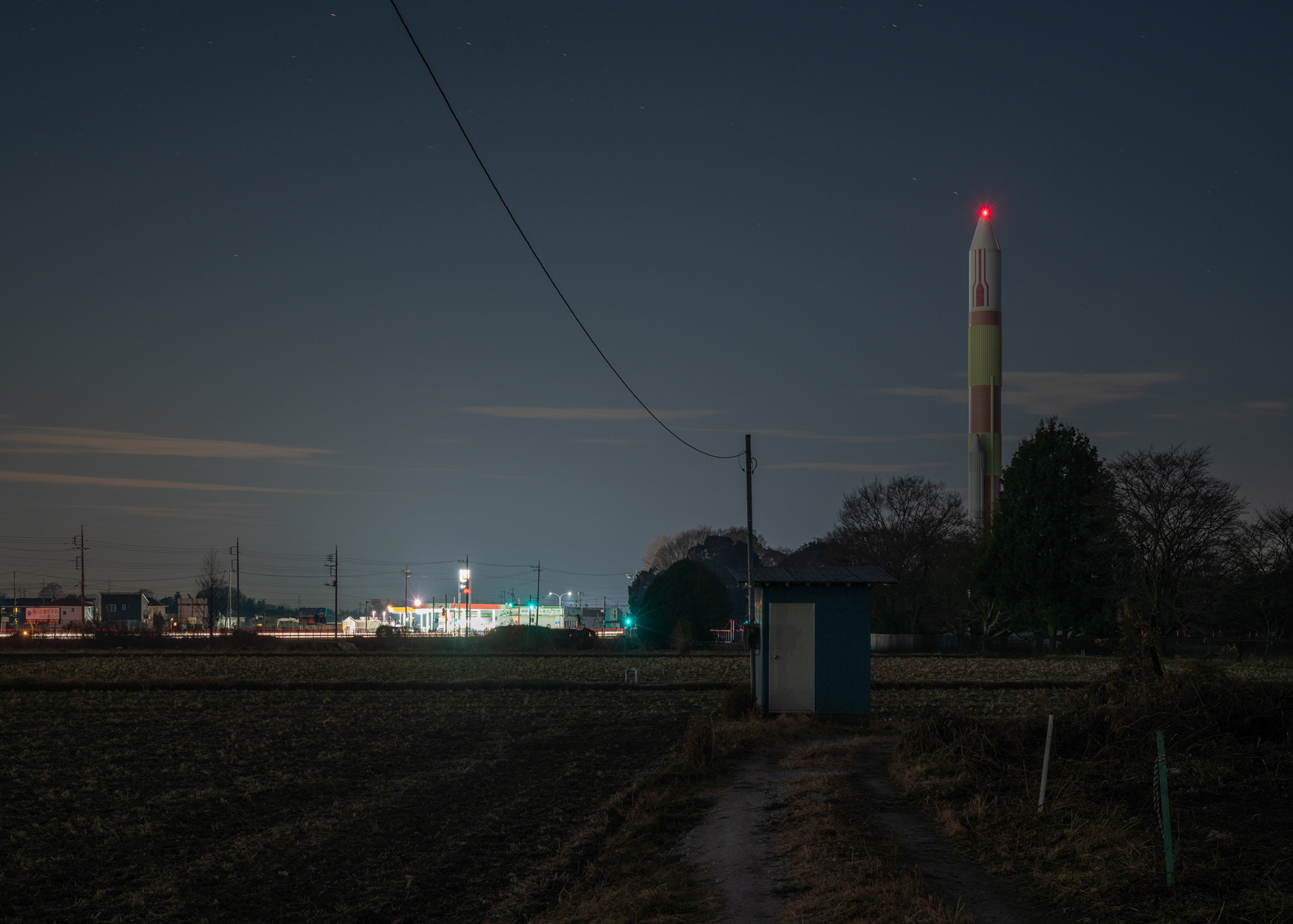
そのような問いを起点に2017年から、石川は繰り返し東京の周縁をロード・トリップしながら撮影を続けてきた。当時アメリカでは「Make America Great Again」を掲げたトランプが大統領に就任し、ラストベルトと呼ばれる地域の荒廃した状況やポスト・トゥールスの問題が大きくとりあげられていた。一方、日本では「美しい国、日本」をスローガンとして高度経済成長の再演を目論み二度目の東京オリンピックに向けて都心部では再開発が進んでいた。そのような状況で石川が主な撮影対象としたのは、時代から取り残され荒廃したバブル期の建物や、高度経済成長期の乱開発による荒れ地、日本の近代化を支えた鉱山や近年の気候変動による自然災害の跡、米軍基地周辺や幹線道路沿いで遭遇する奇妙な風景などであり、それらの暴力の痕跡を示す断片的な写真群を、ロード・ムービーのような形式に再構成し提示している。
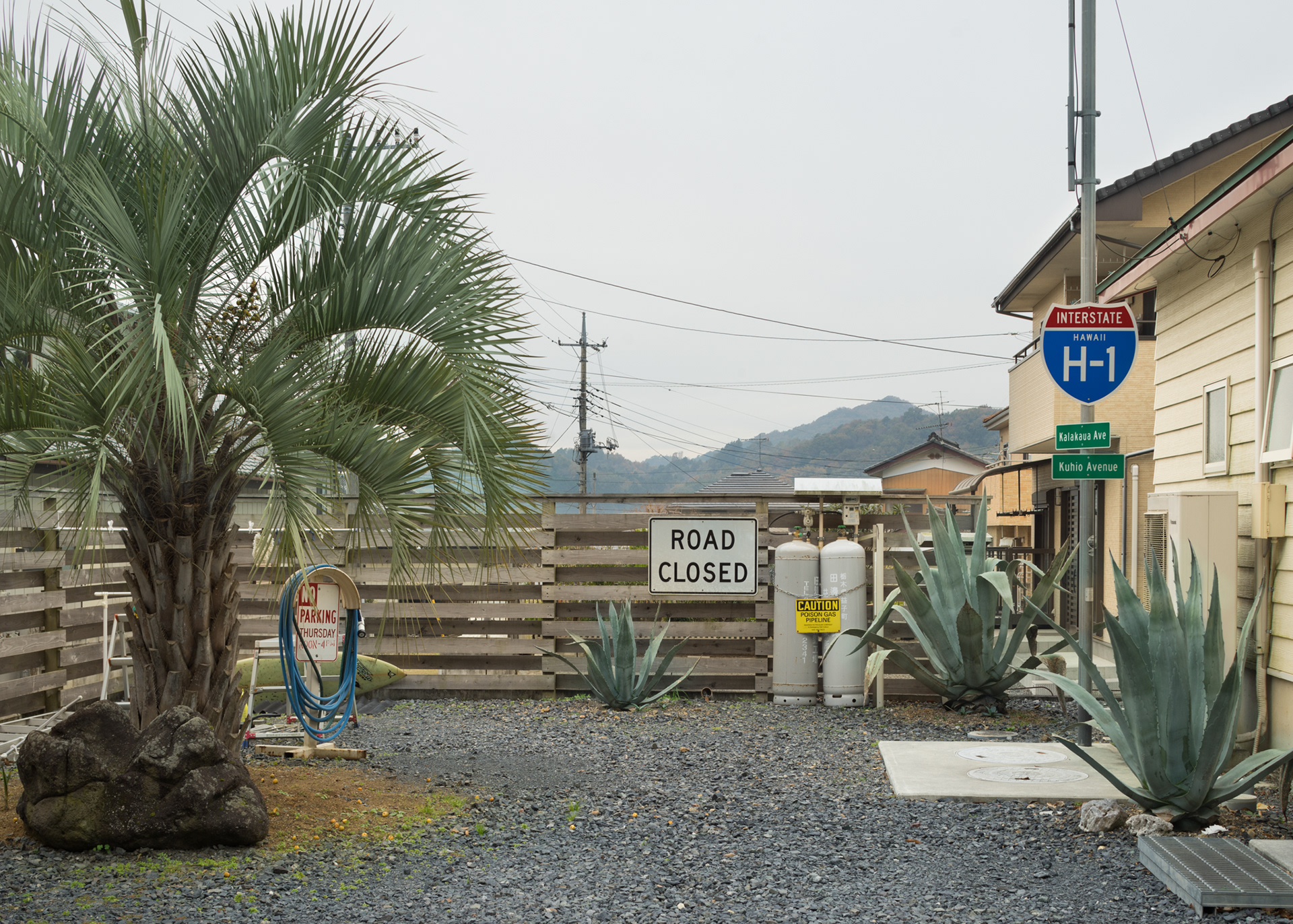
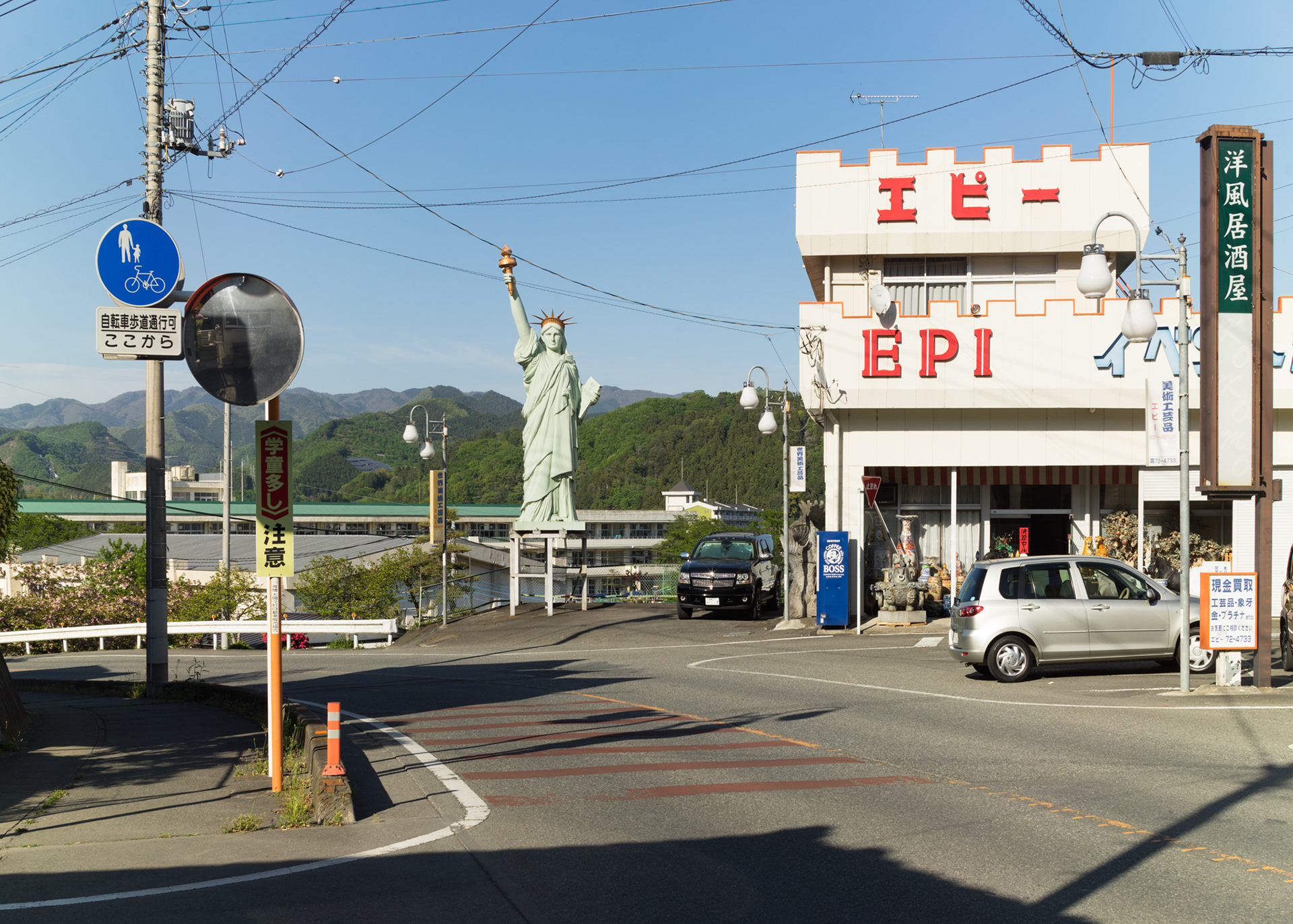
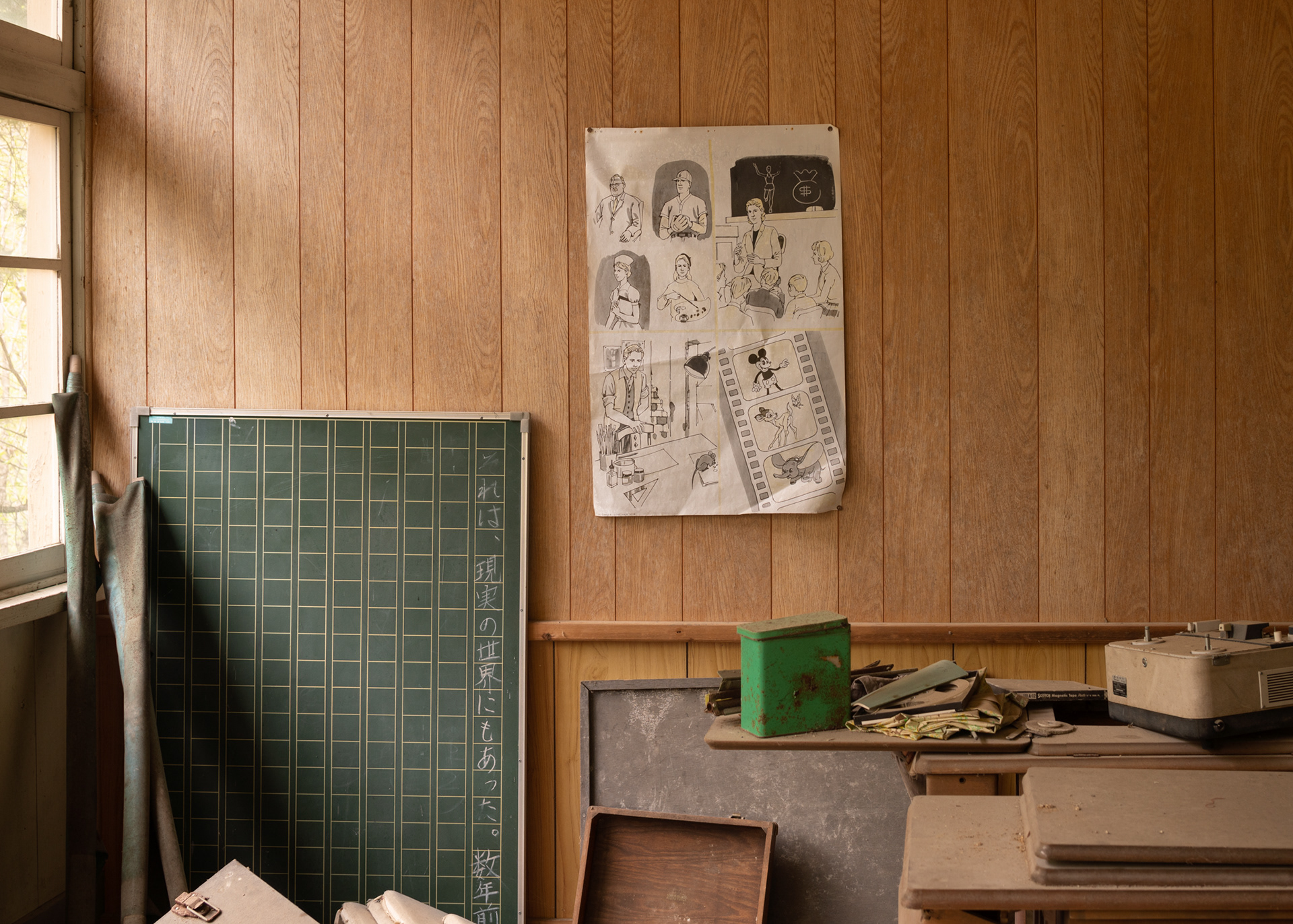
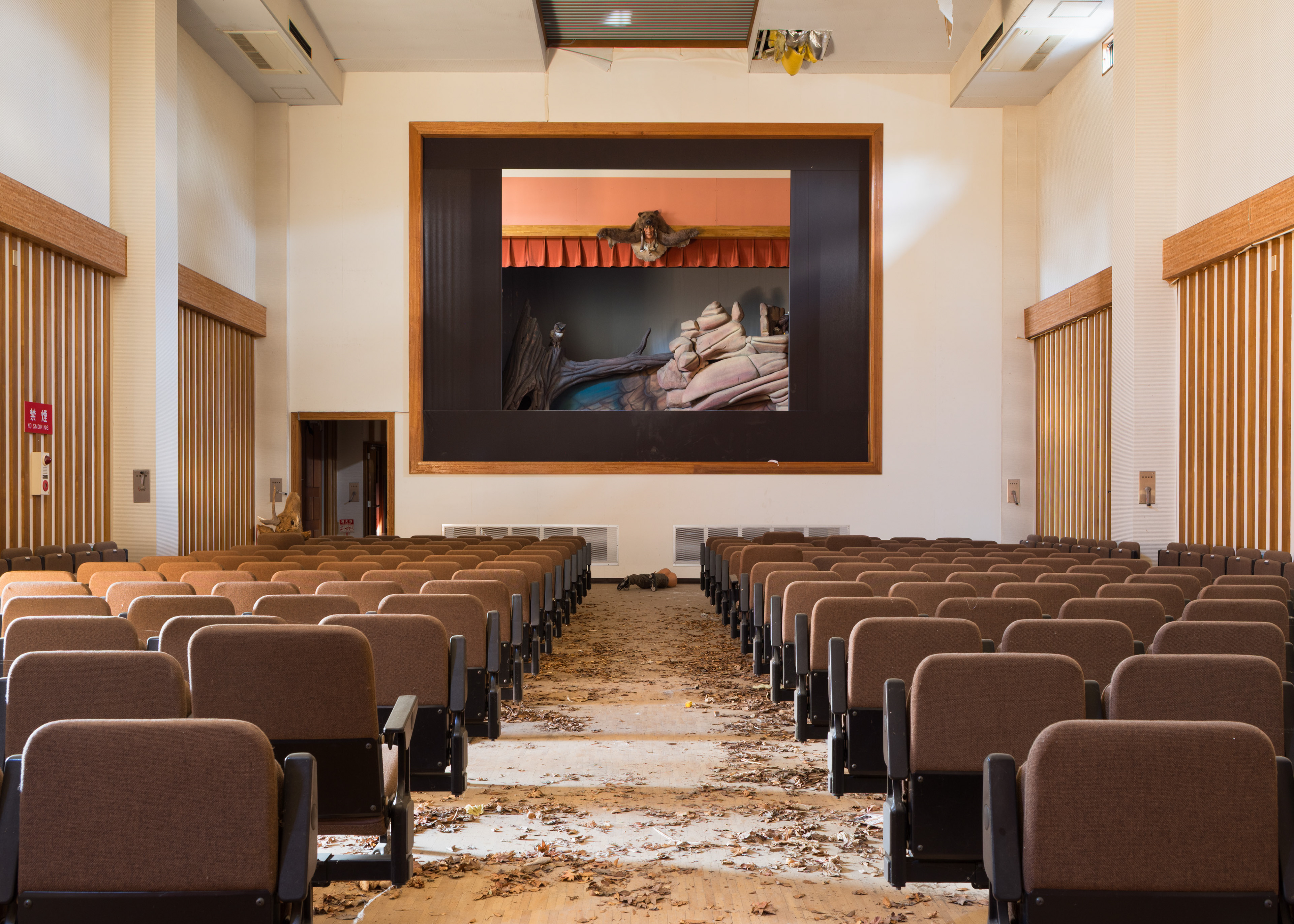
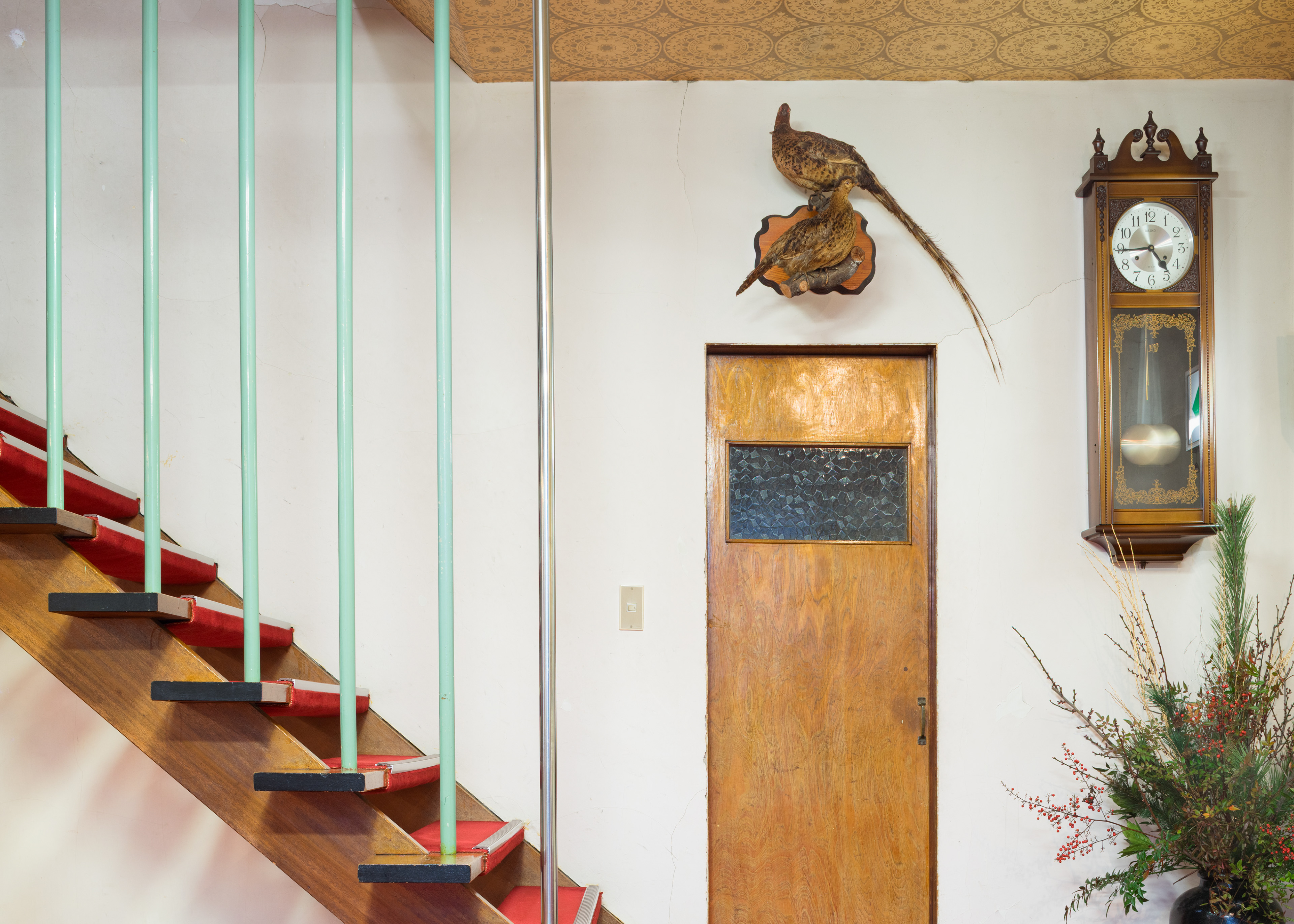
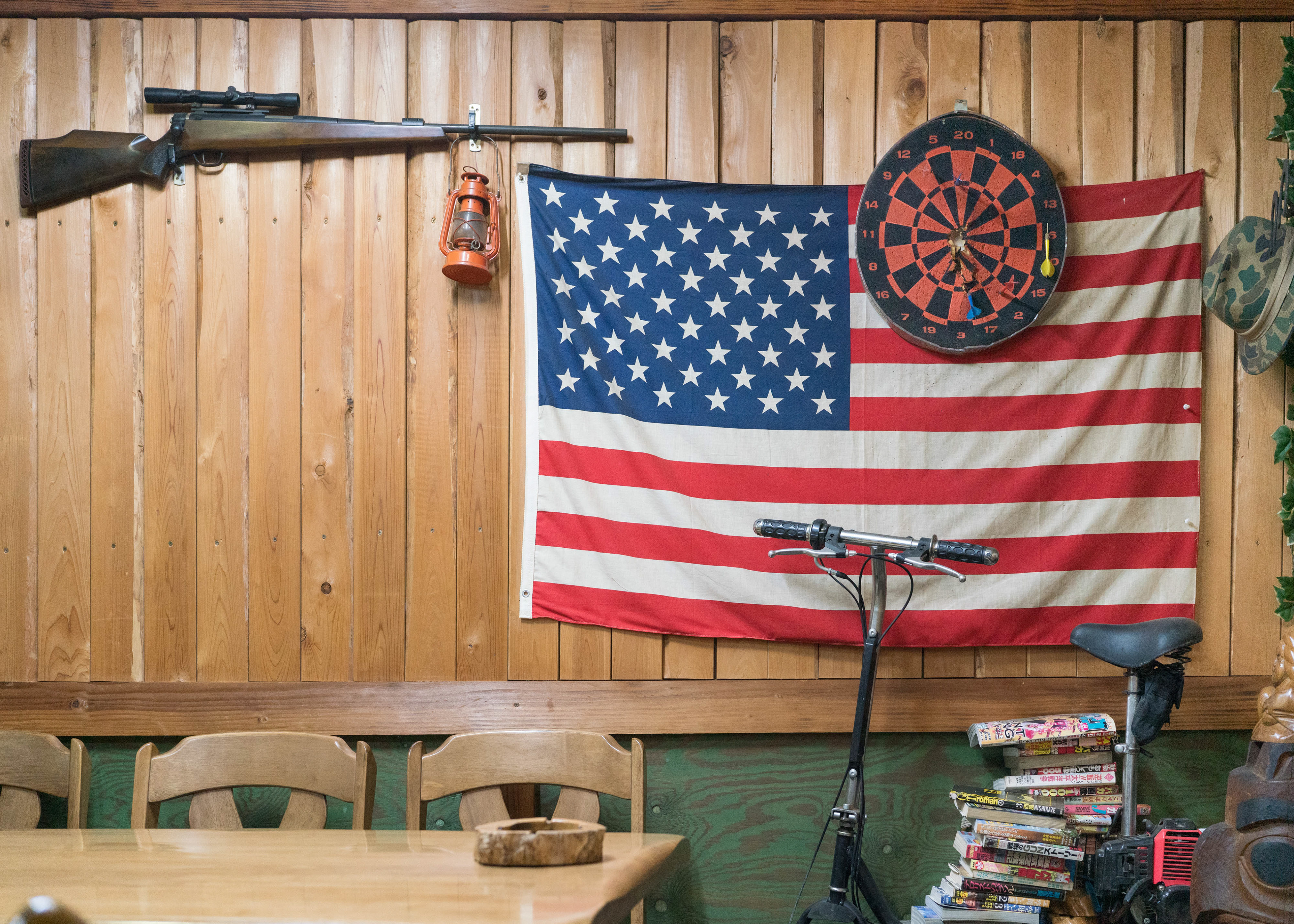
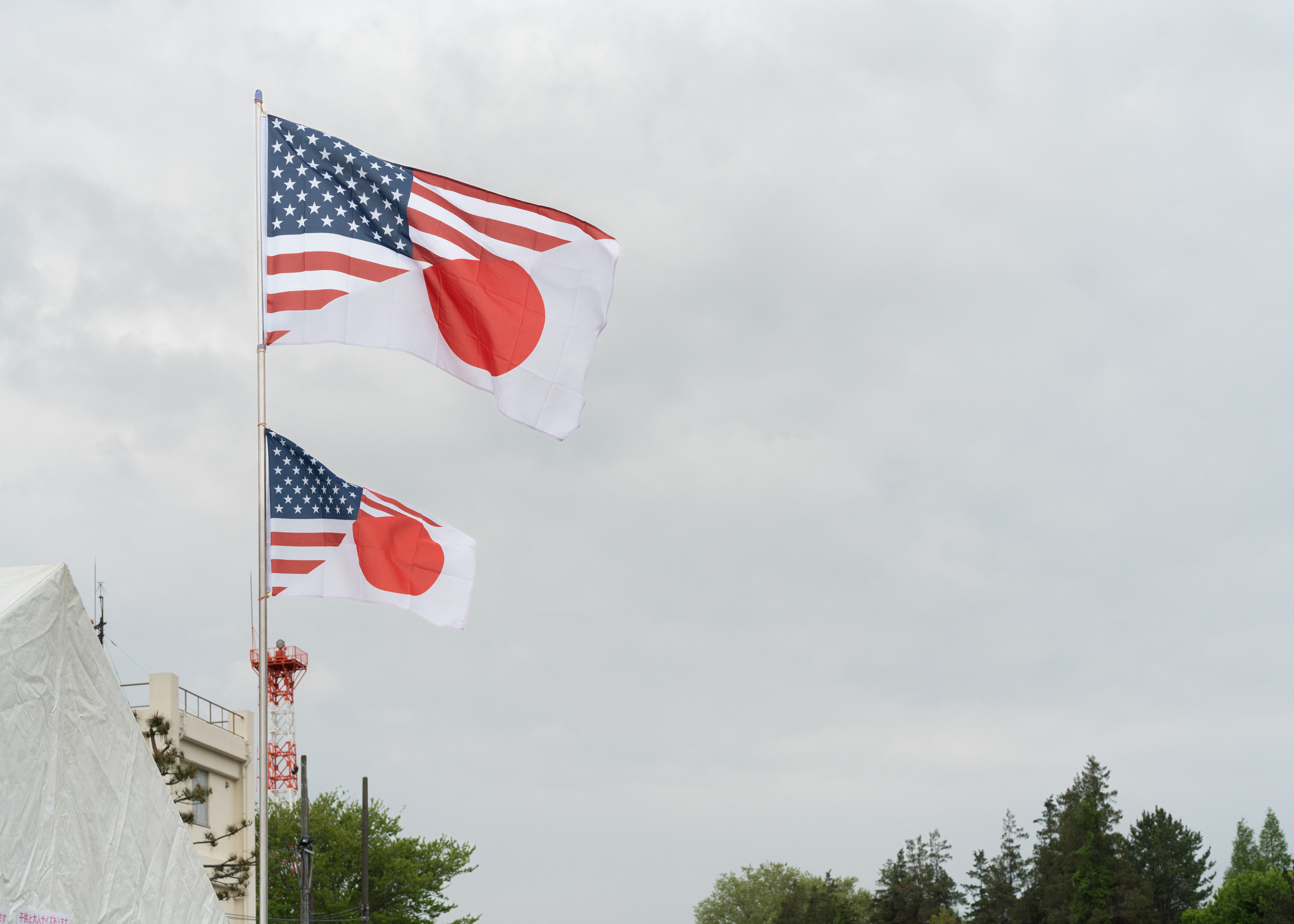
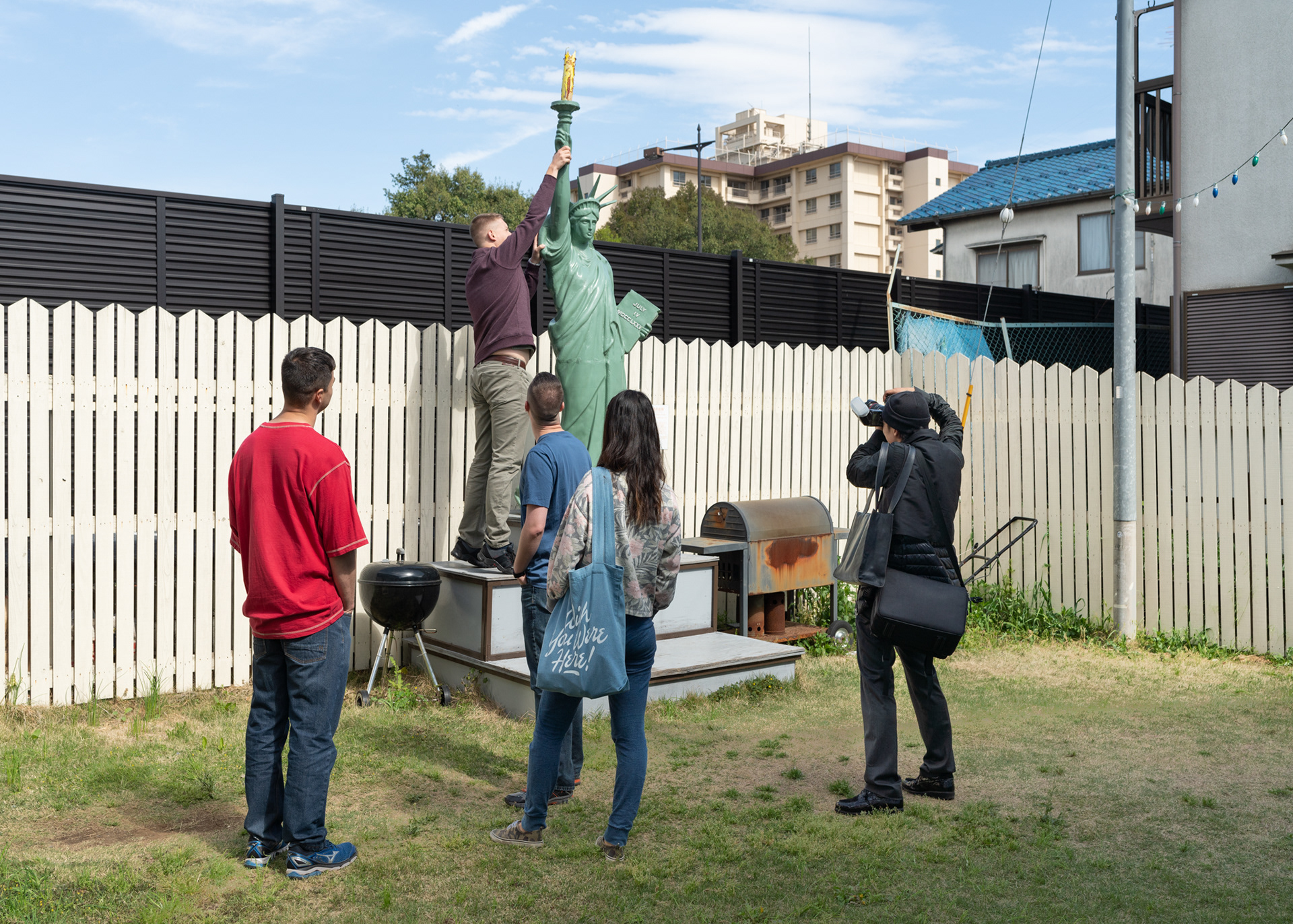
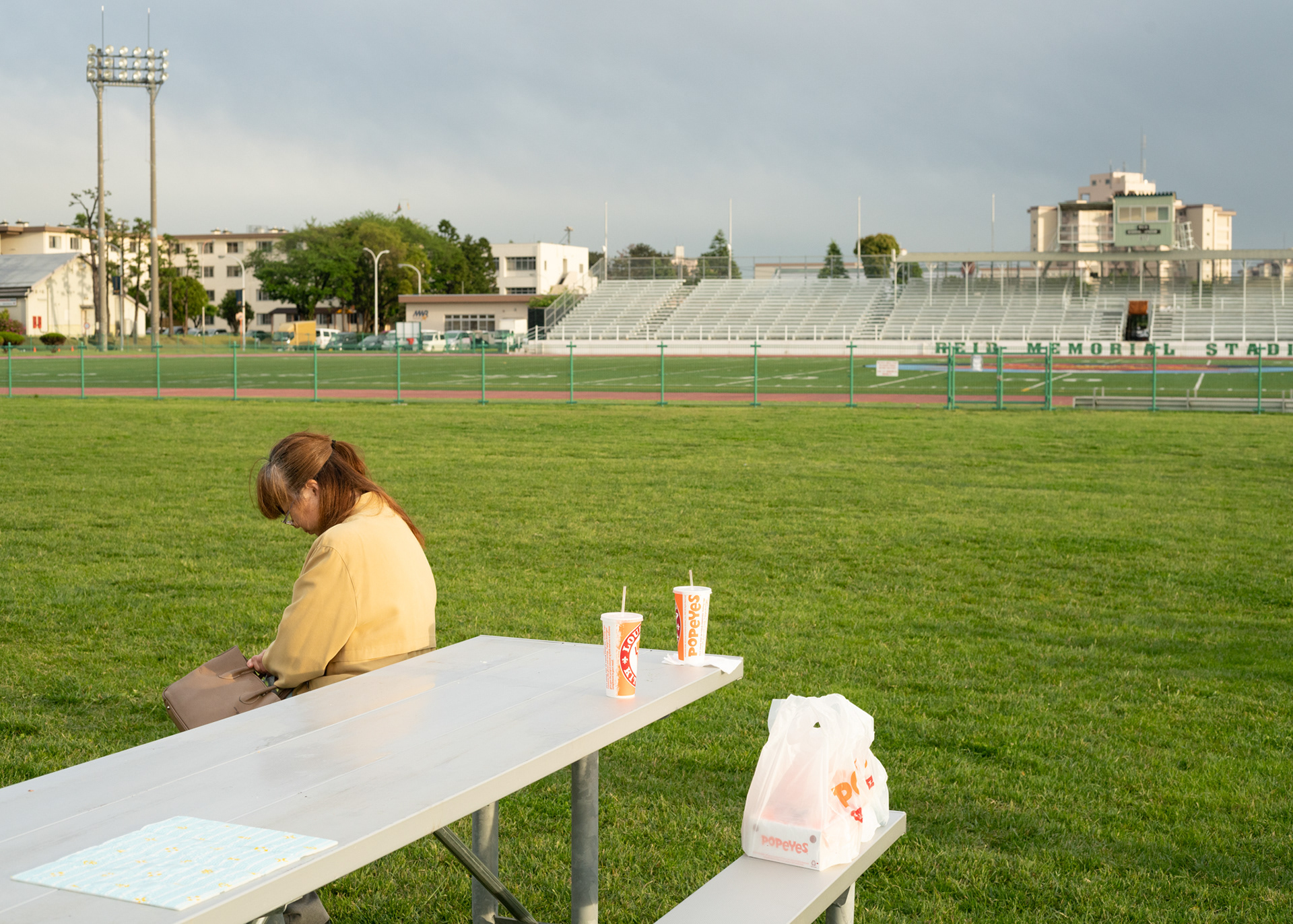
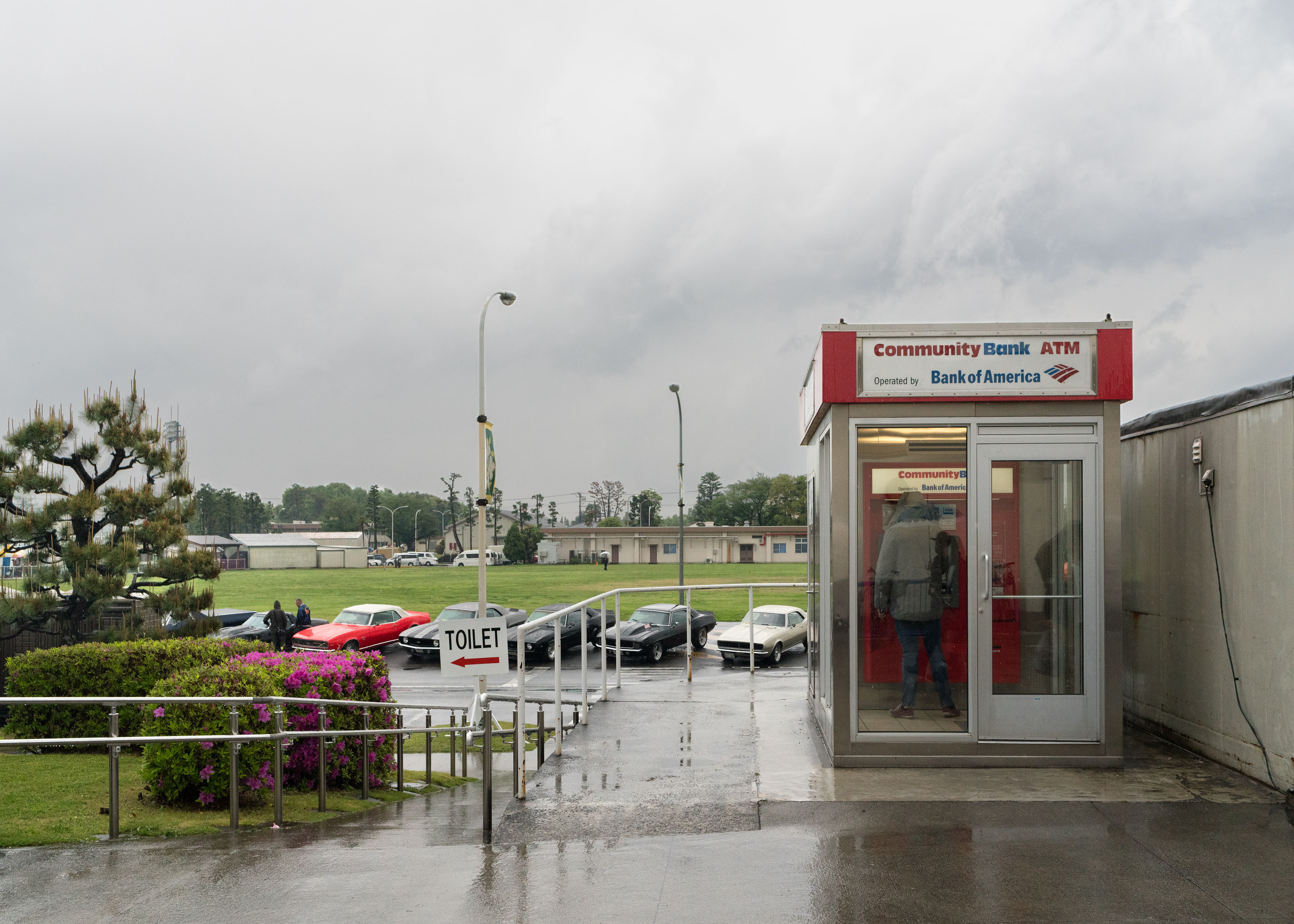
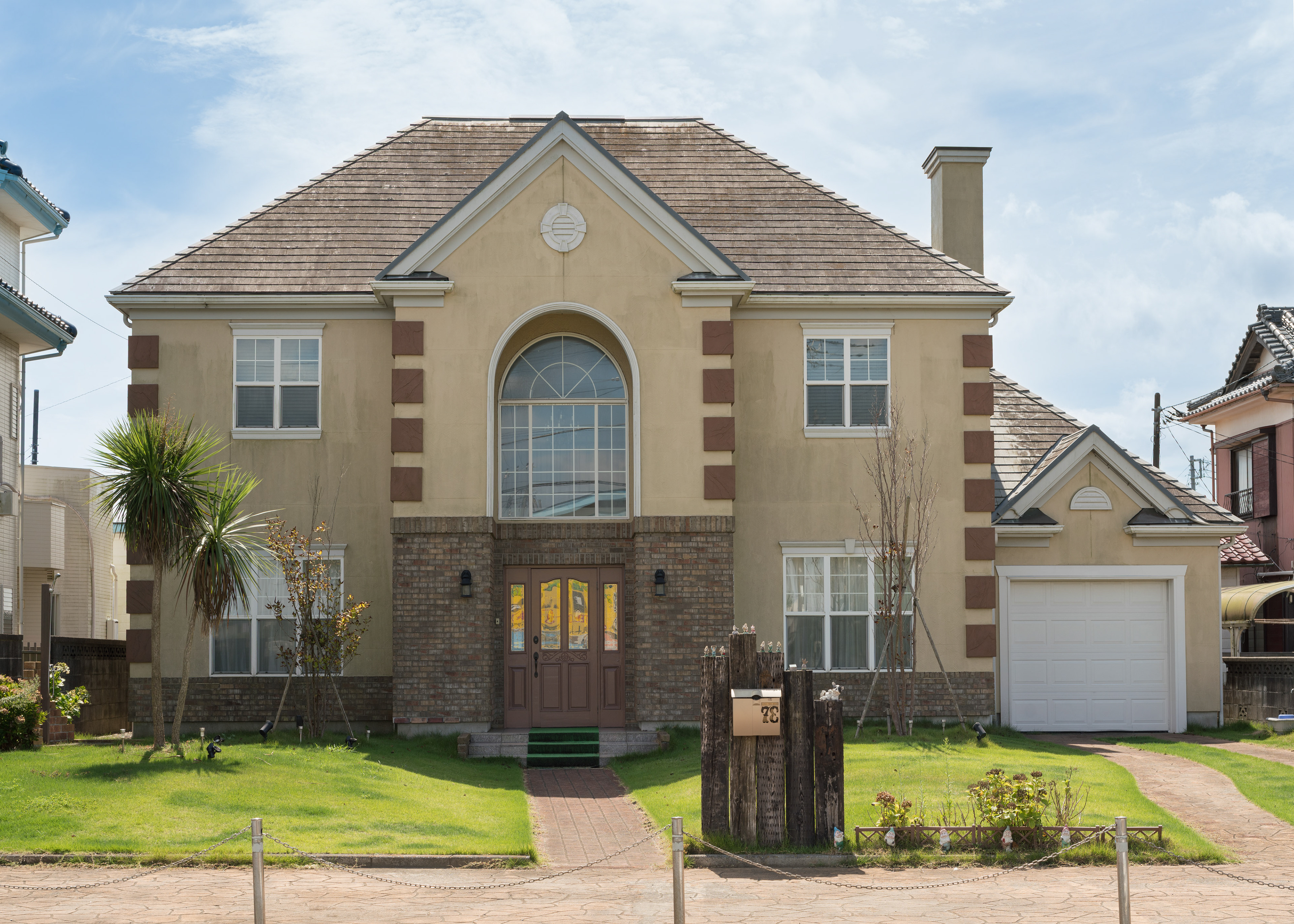
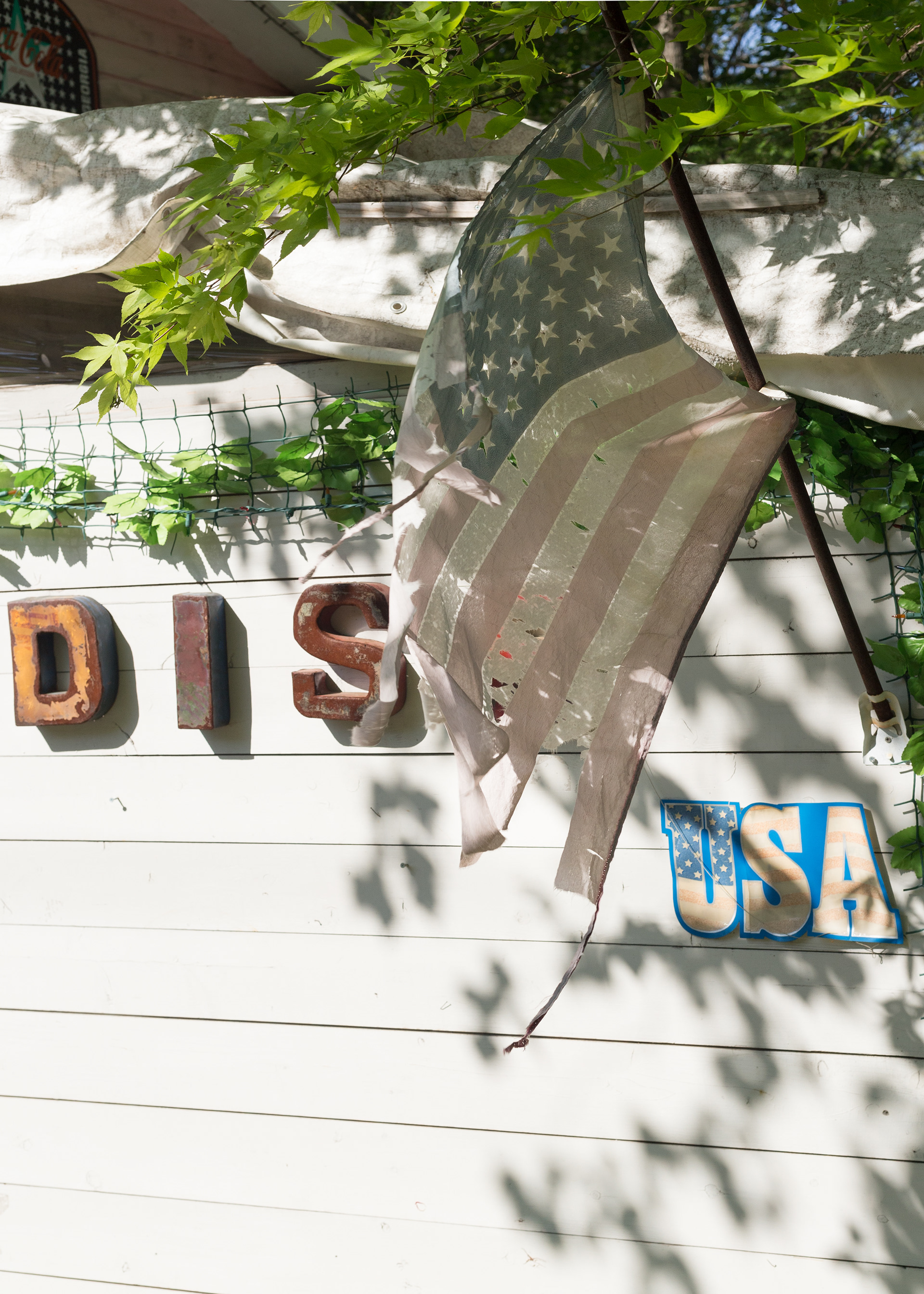
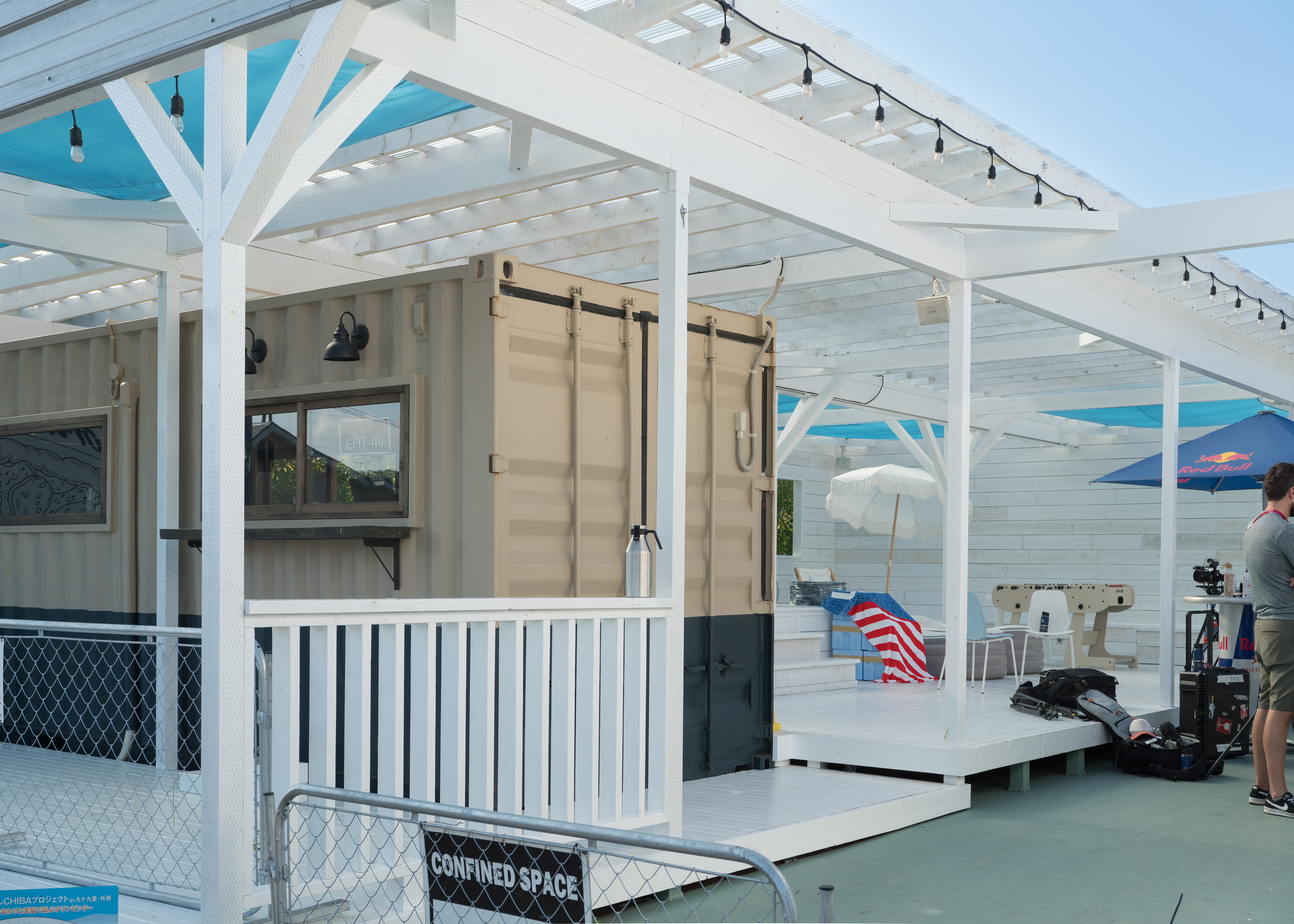
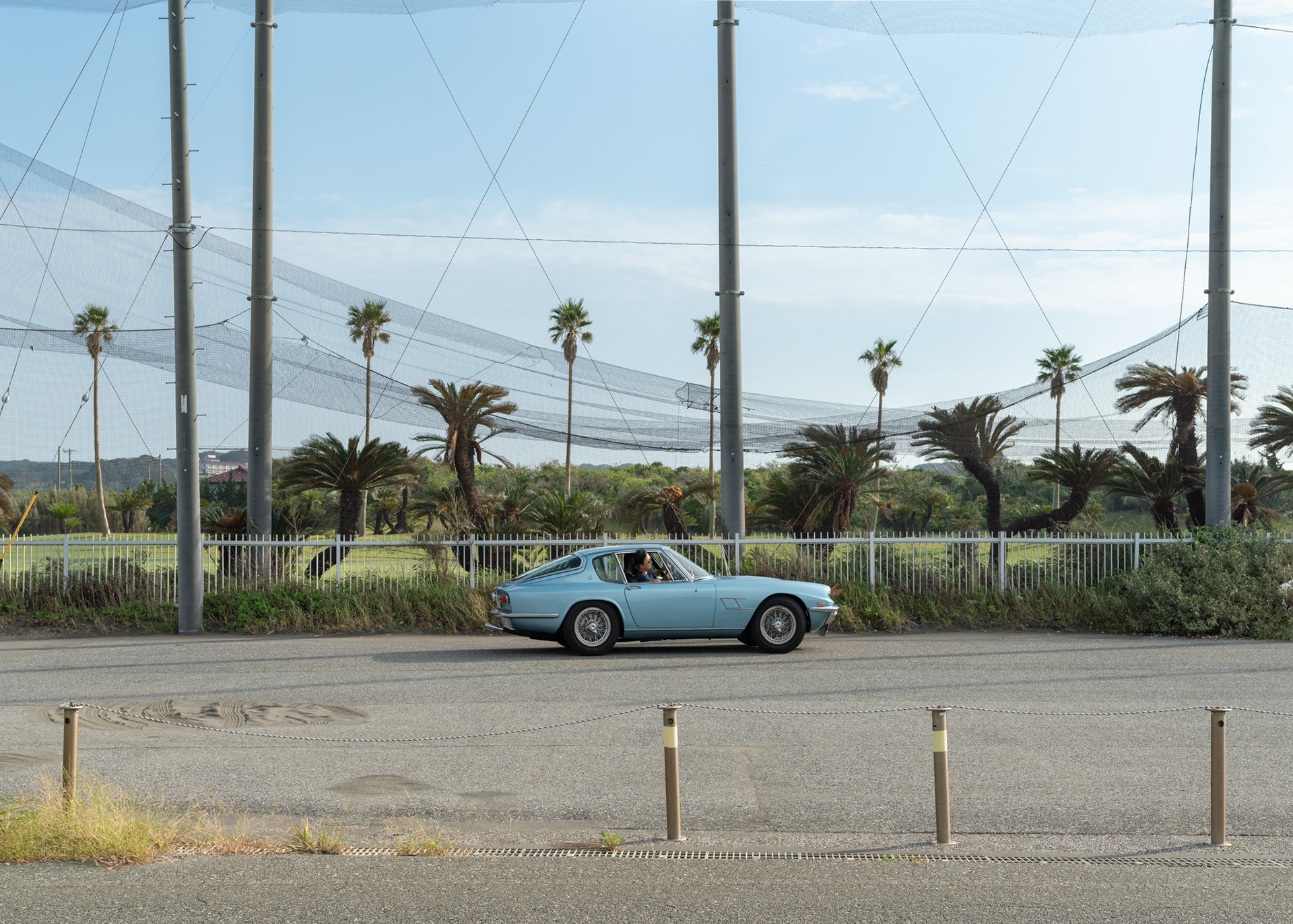
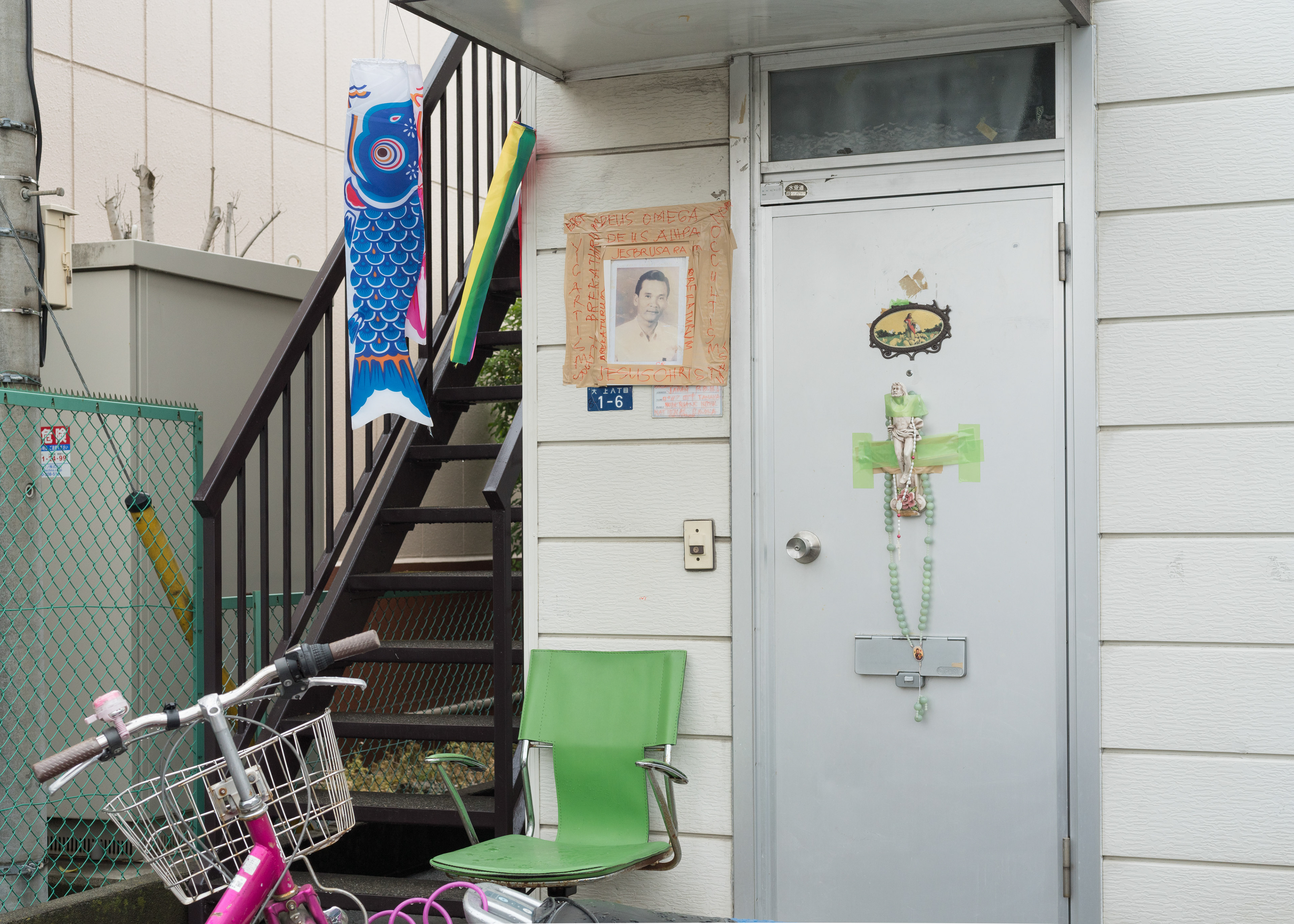
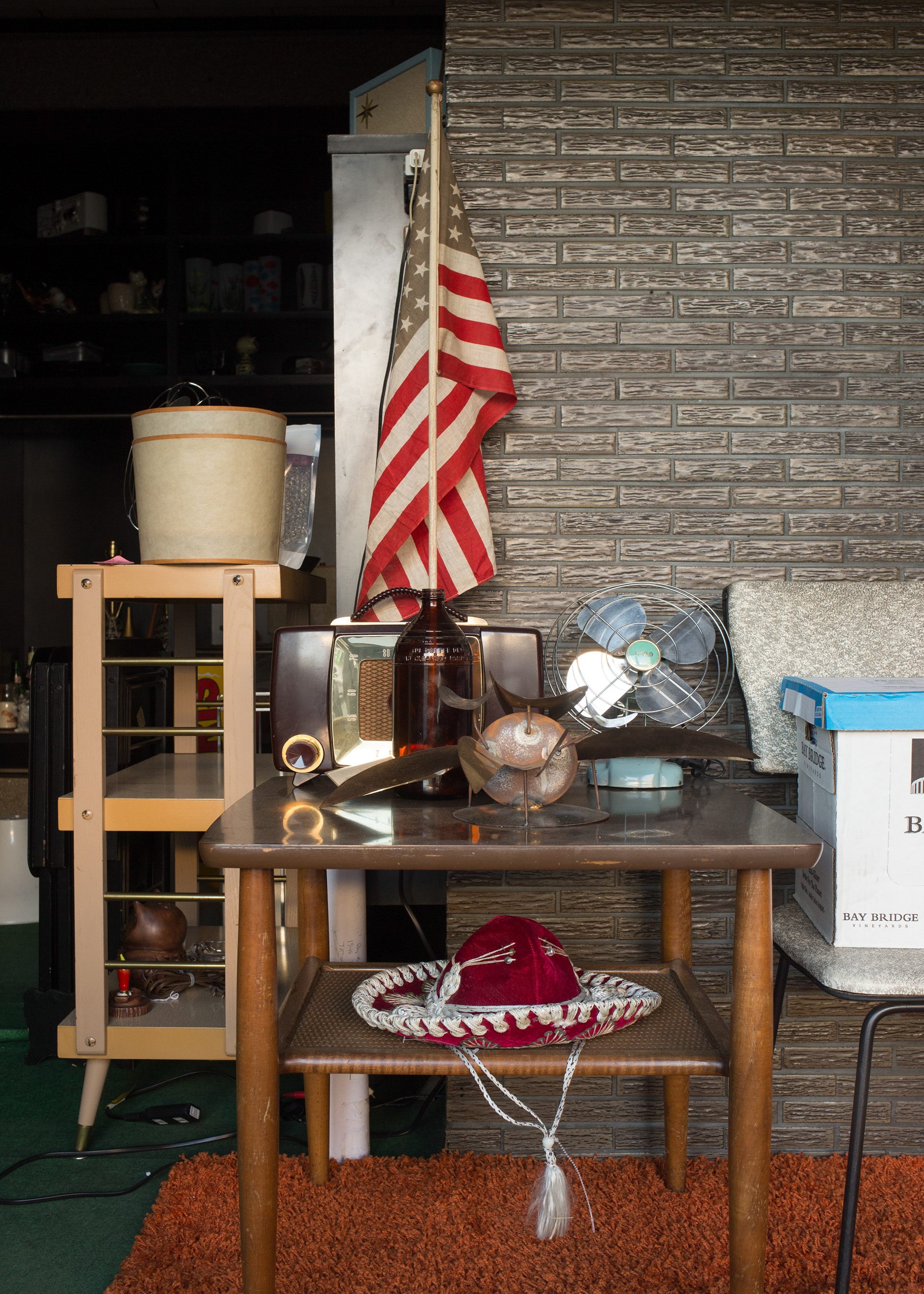
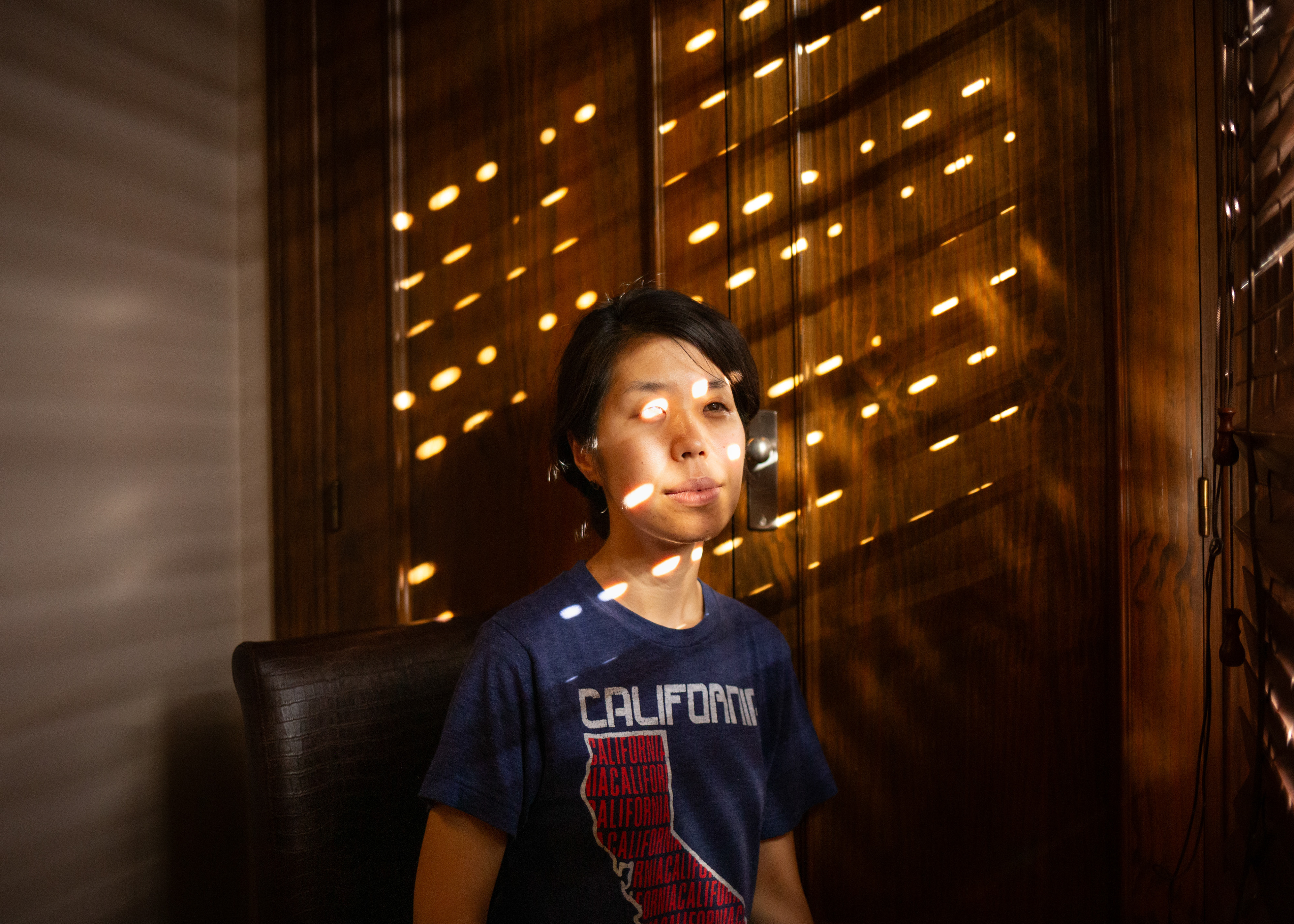
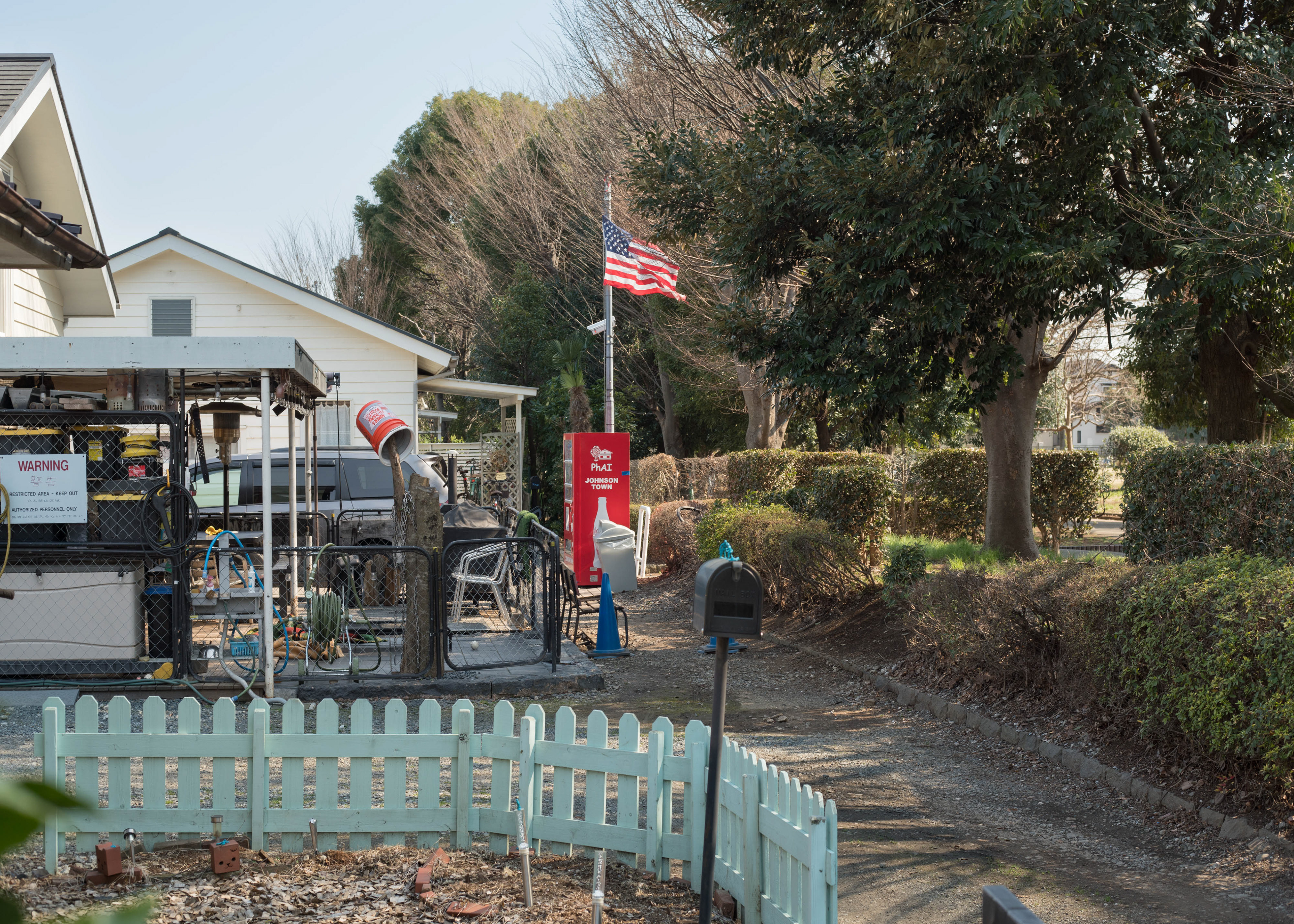
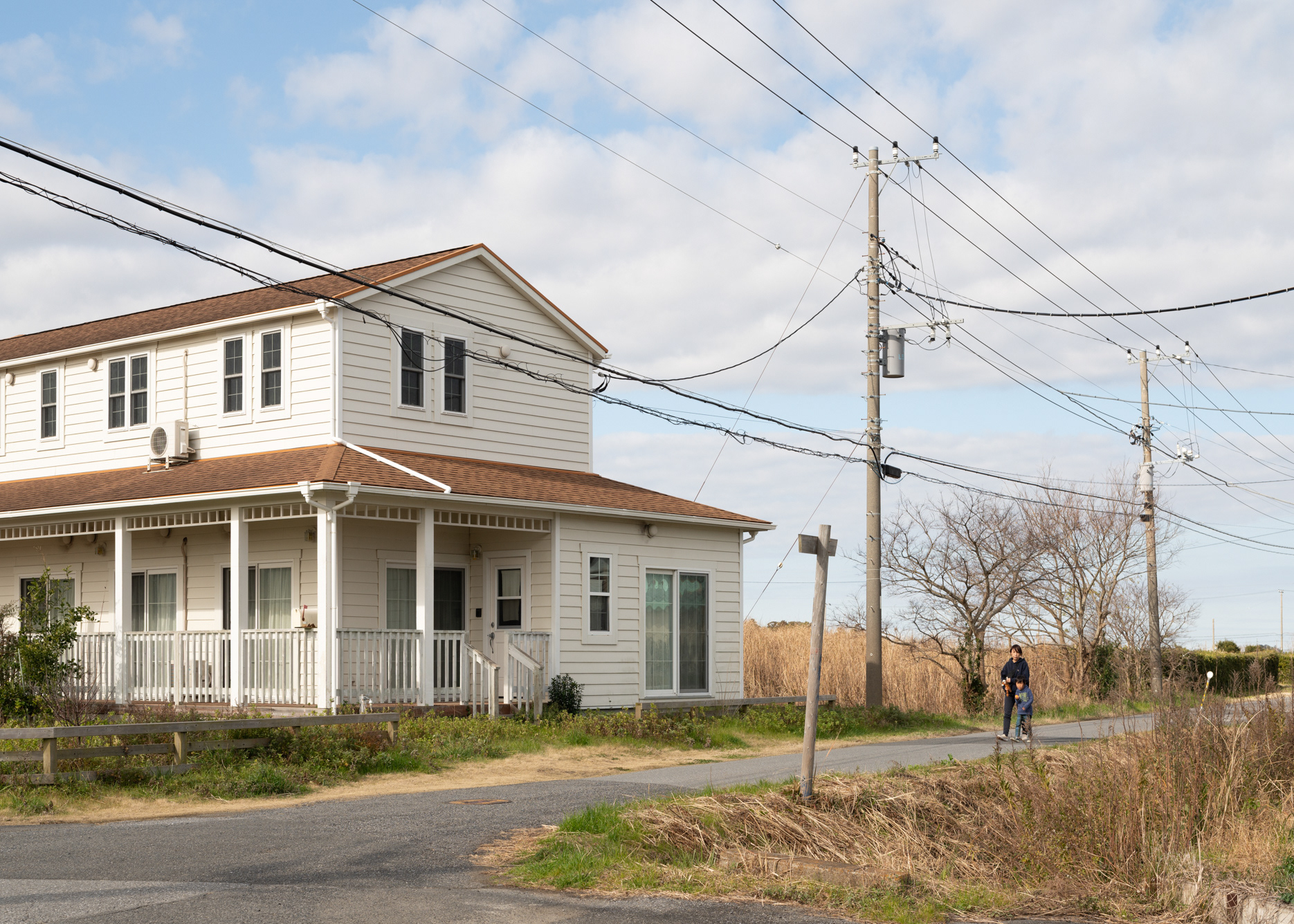
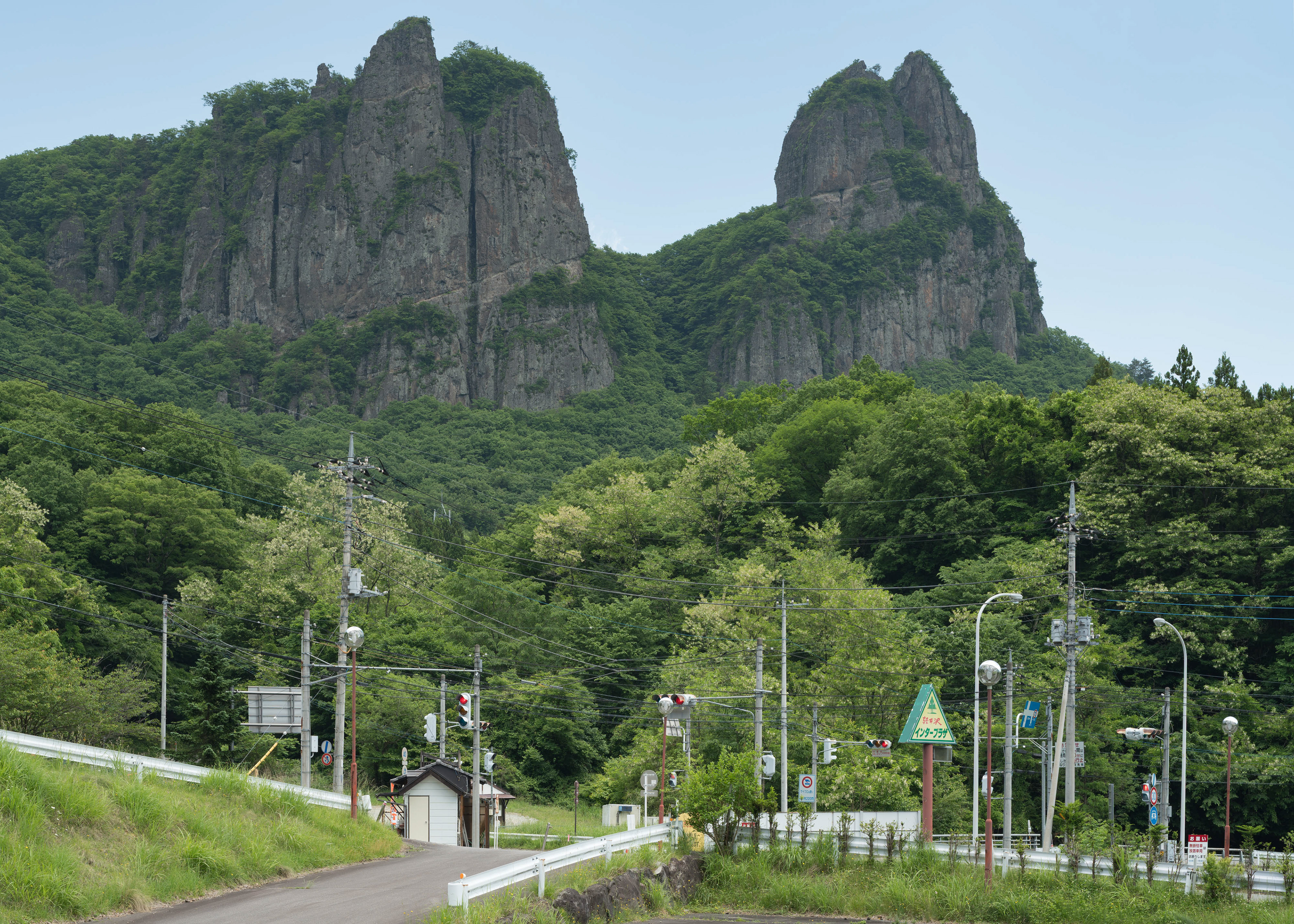
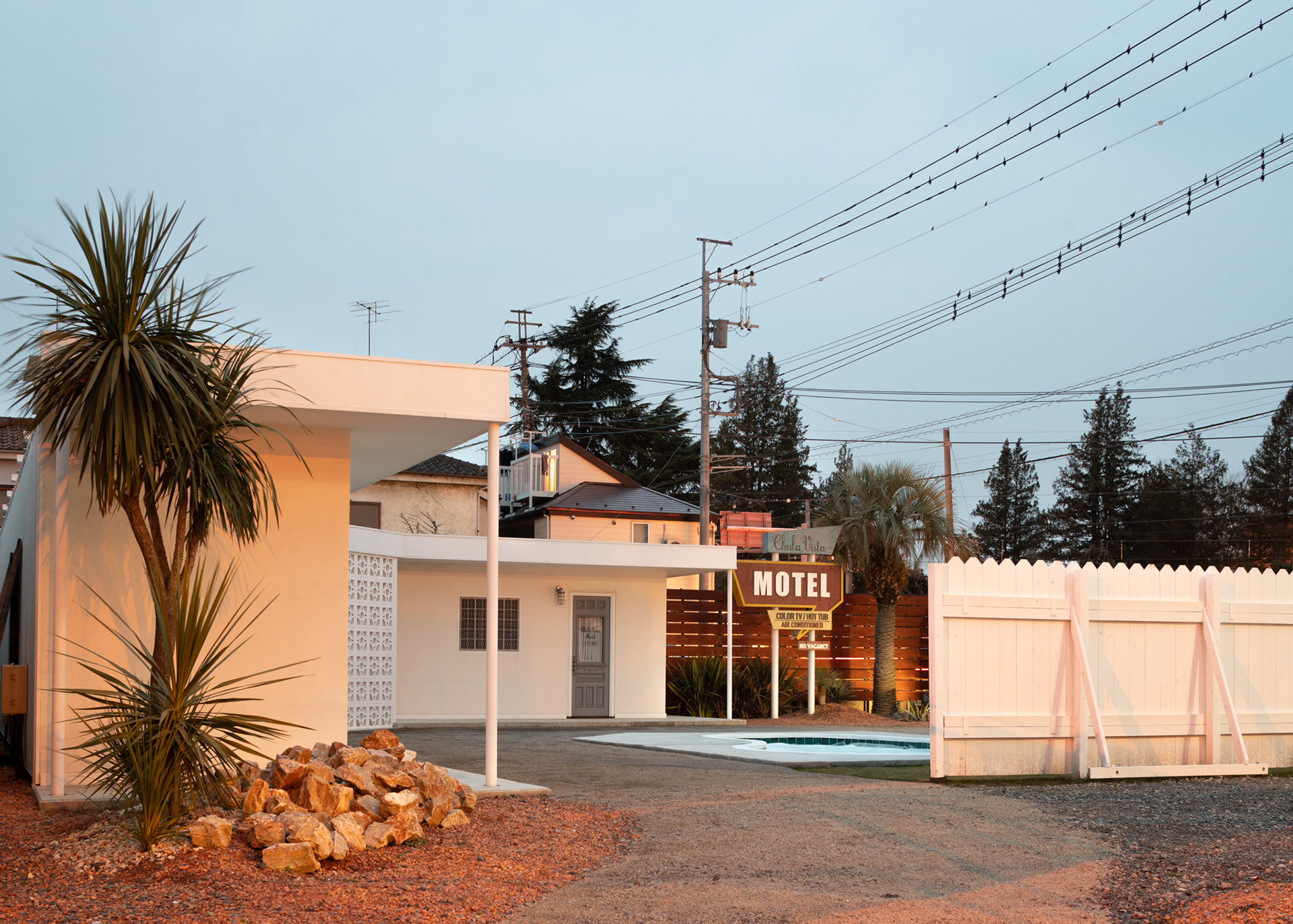
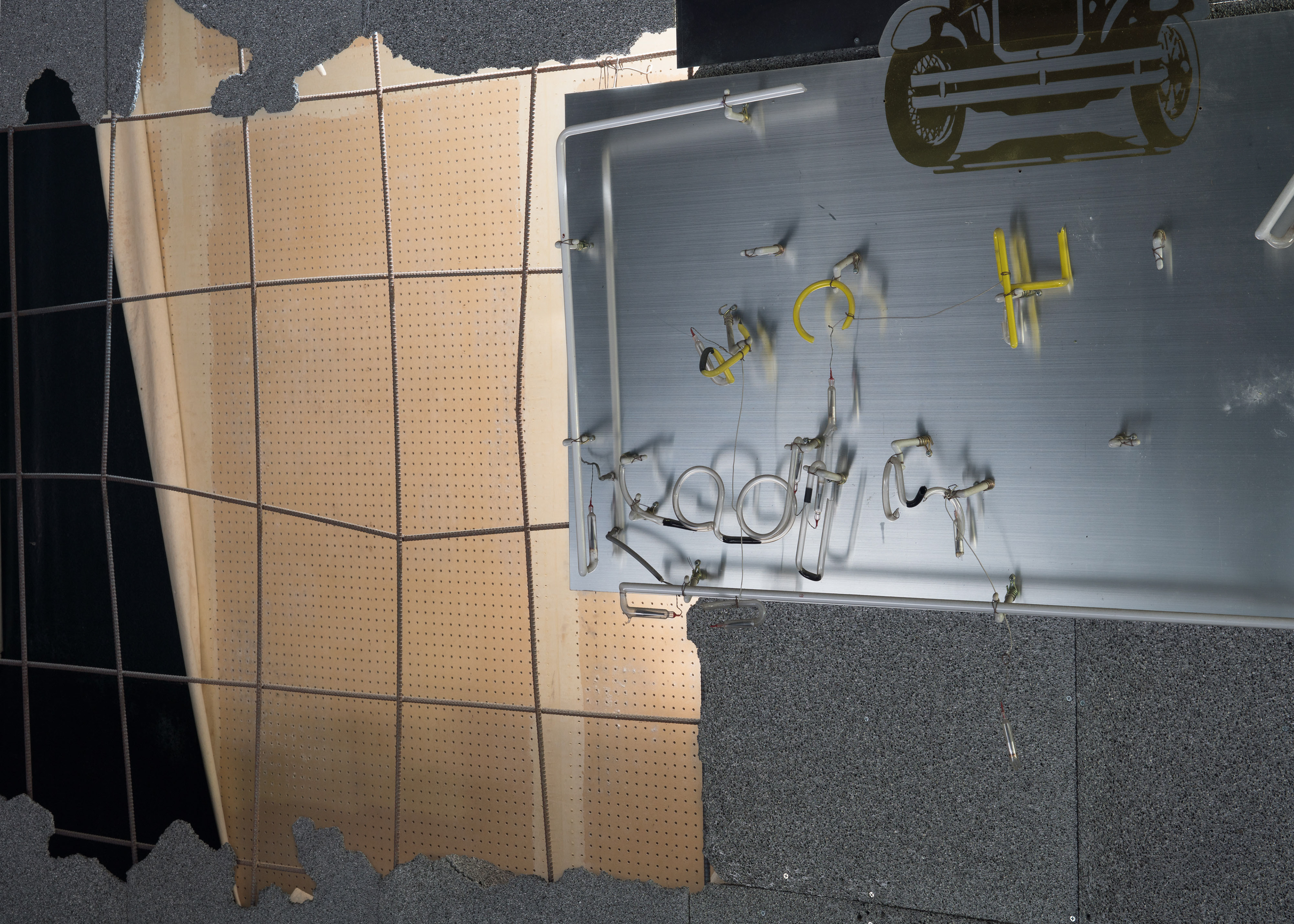
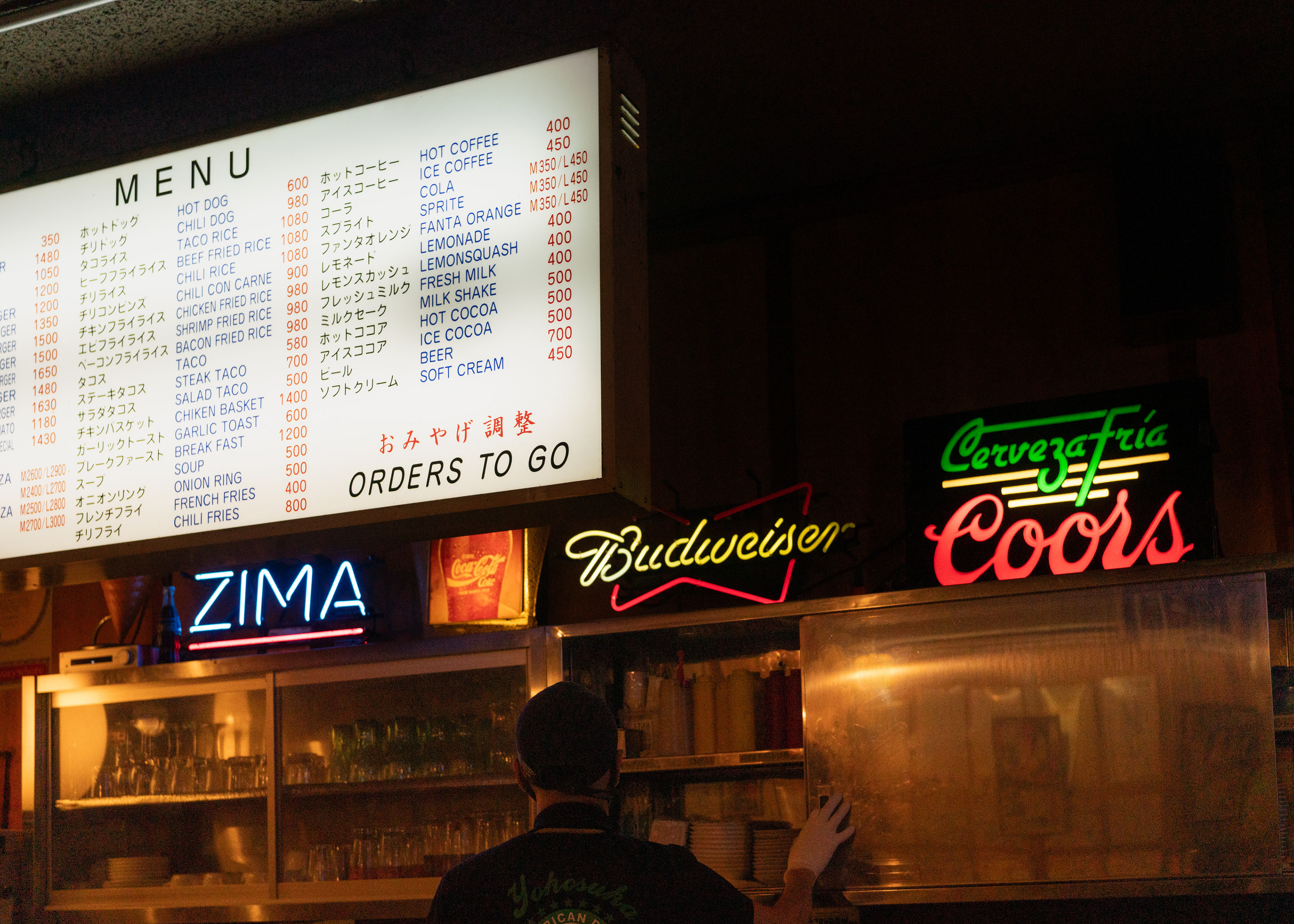
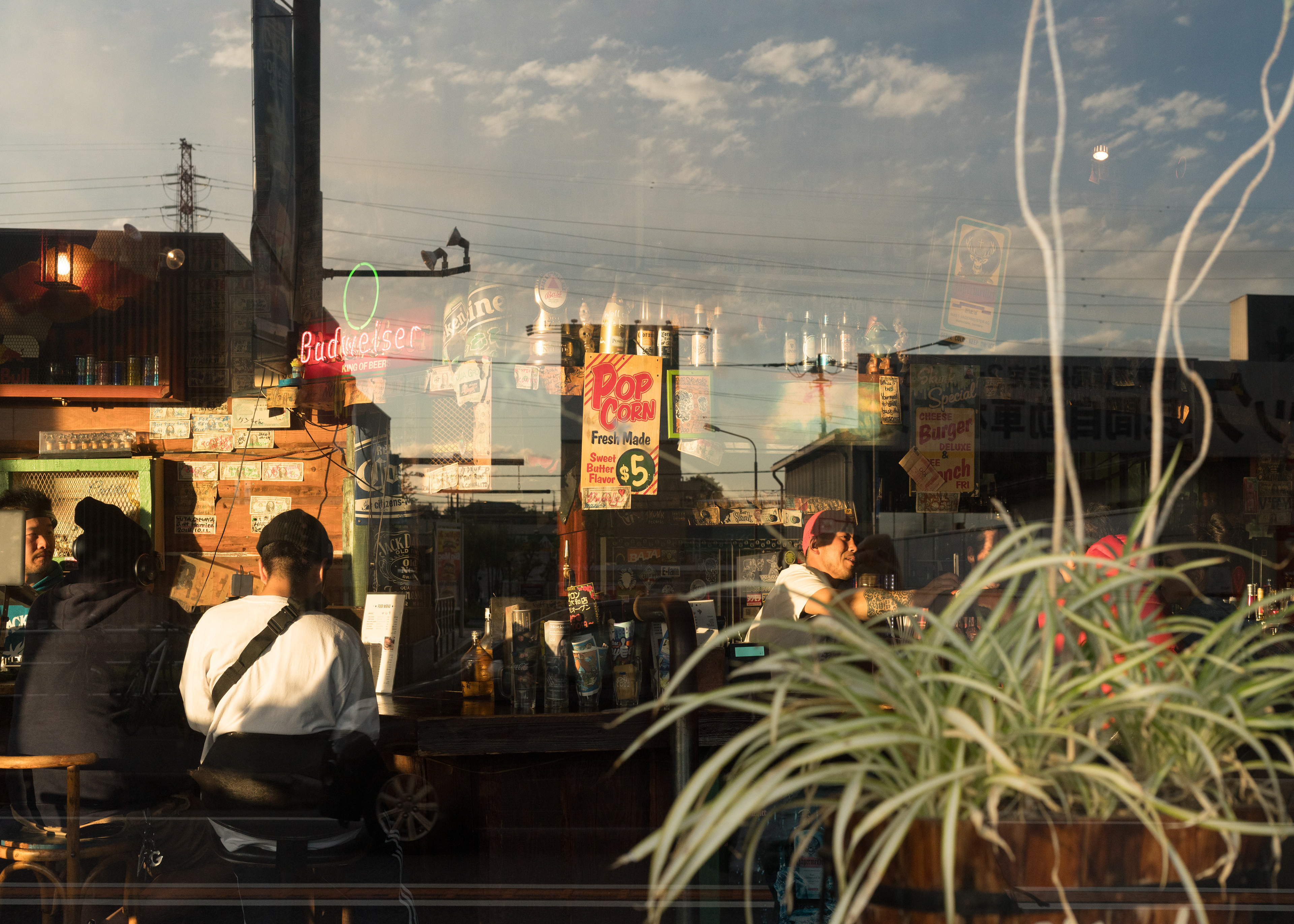
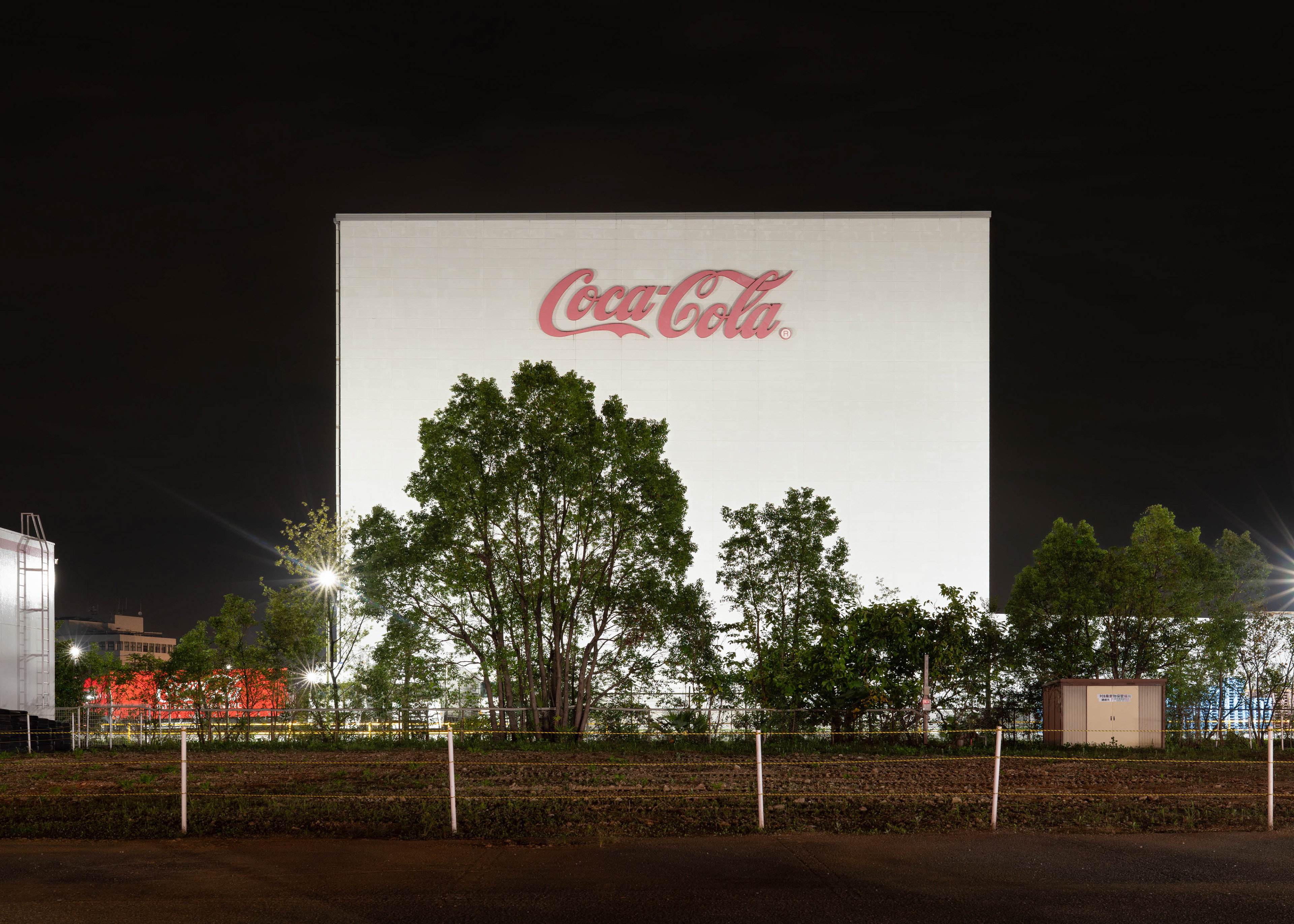
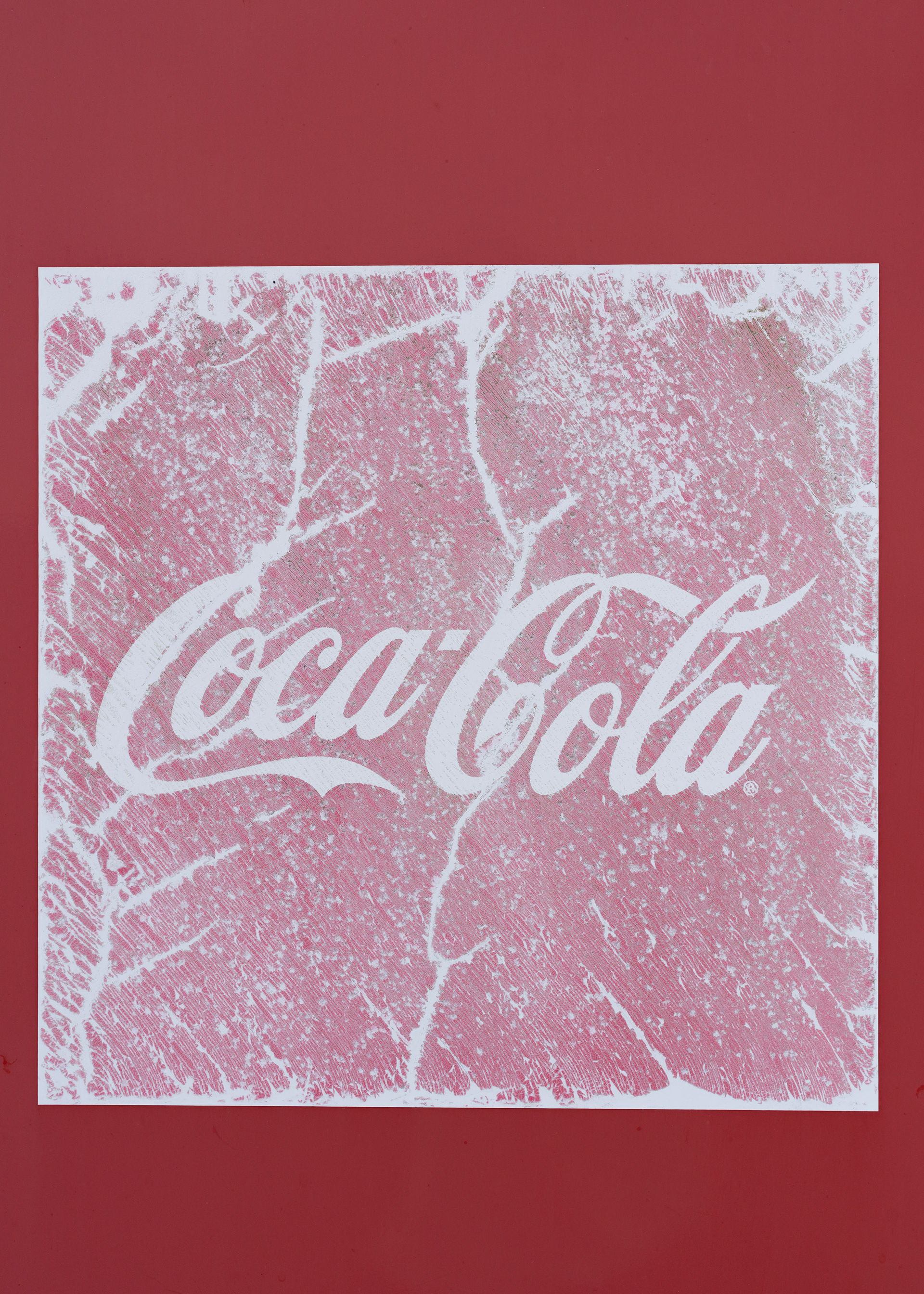
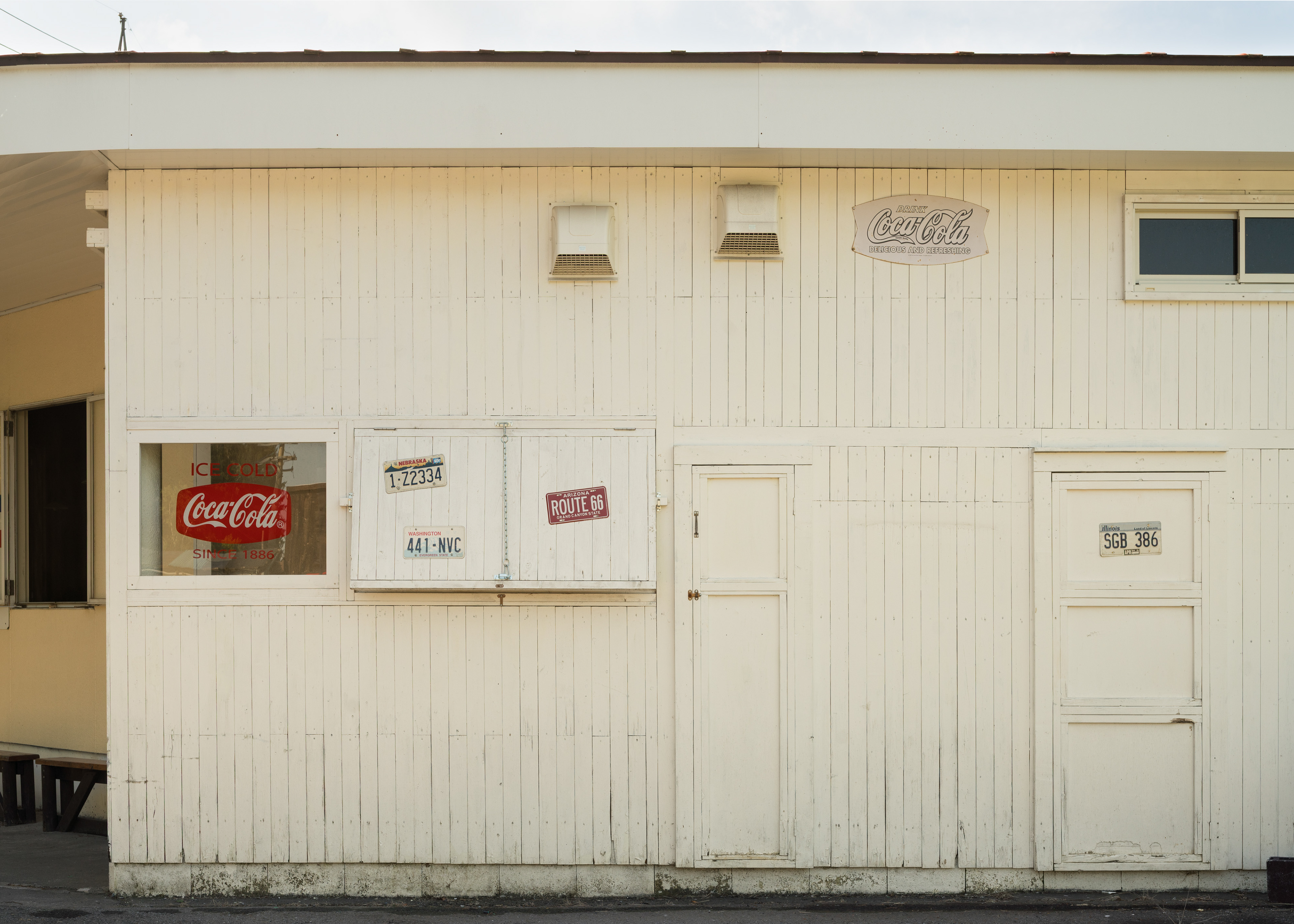
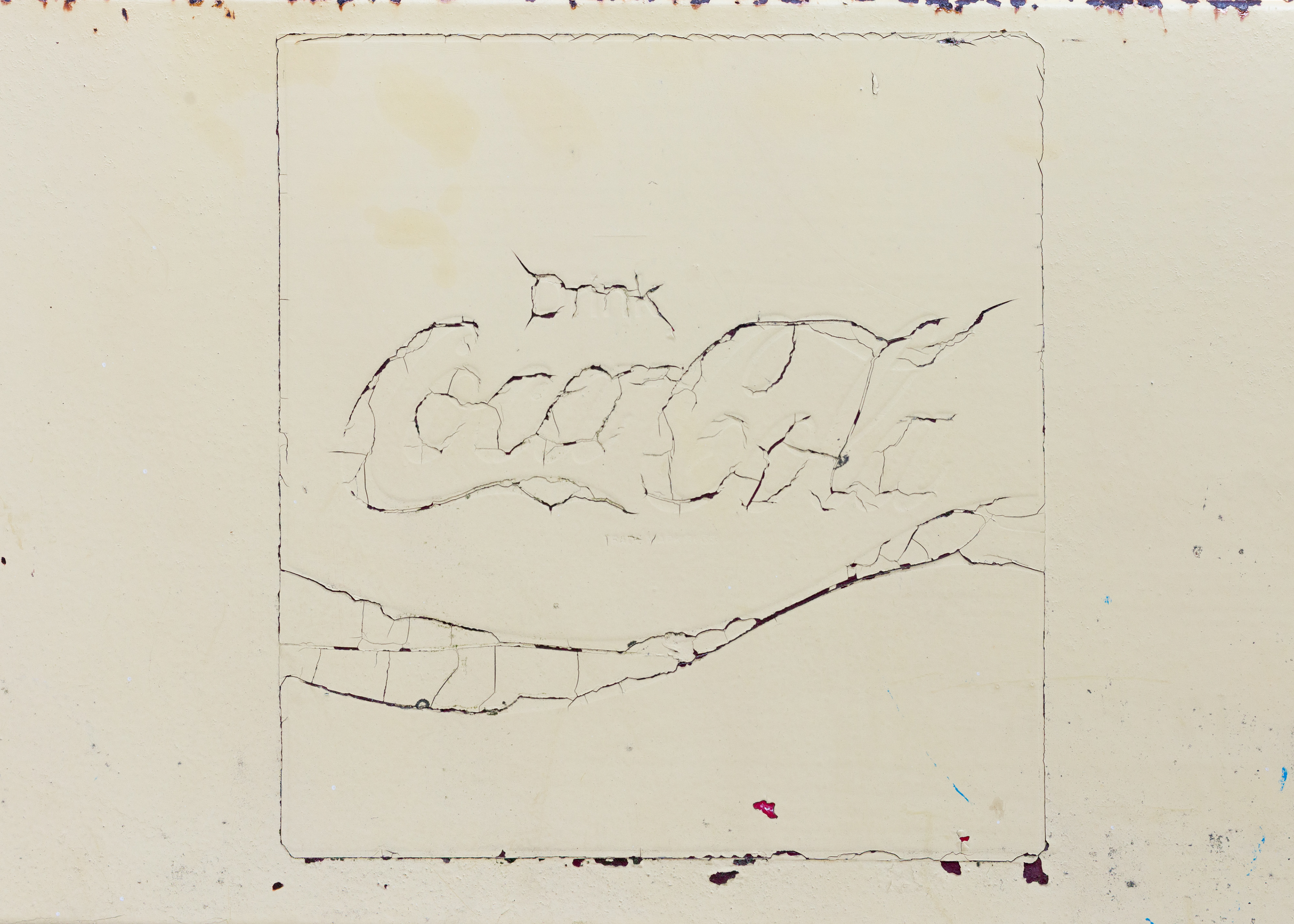
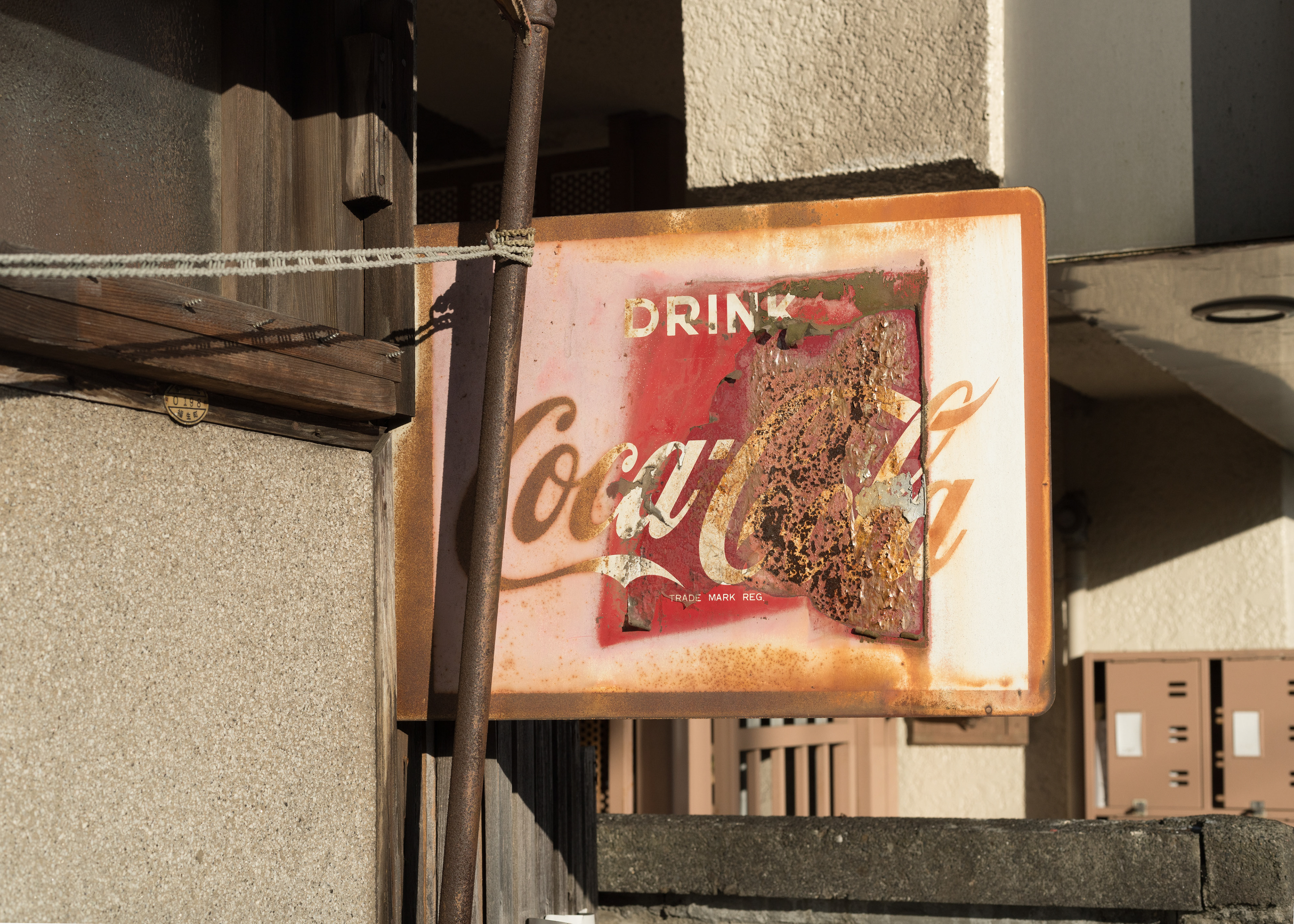
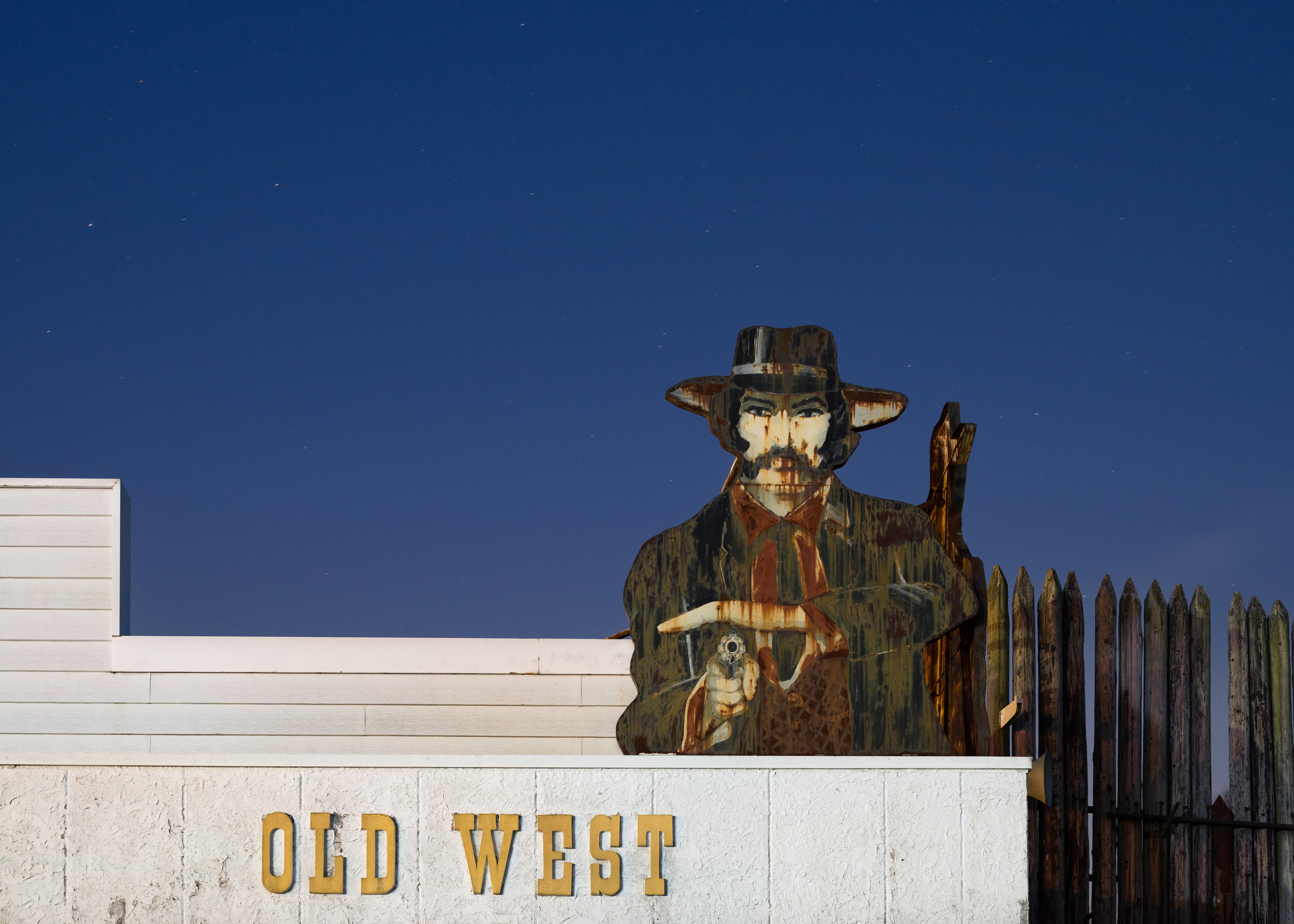
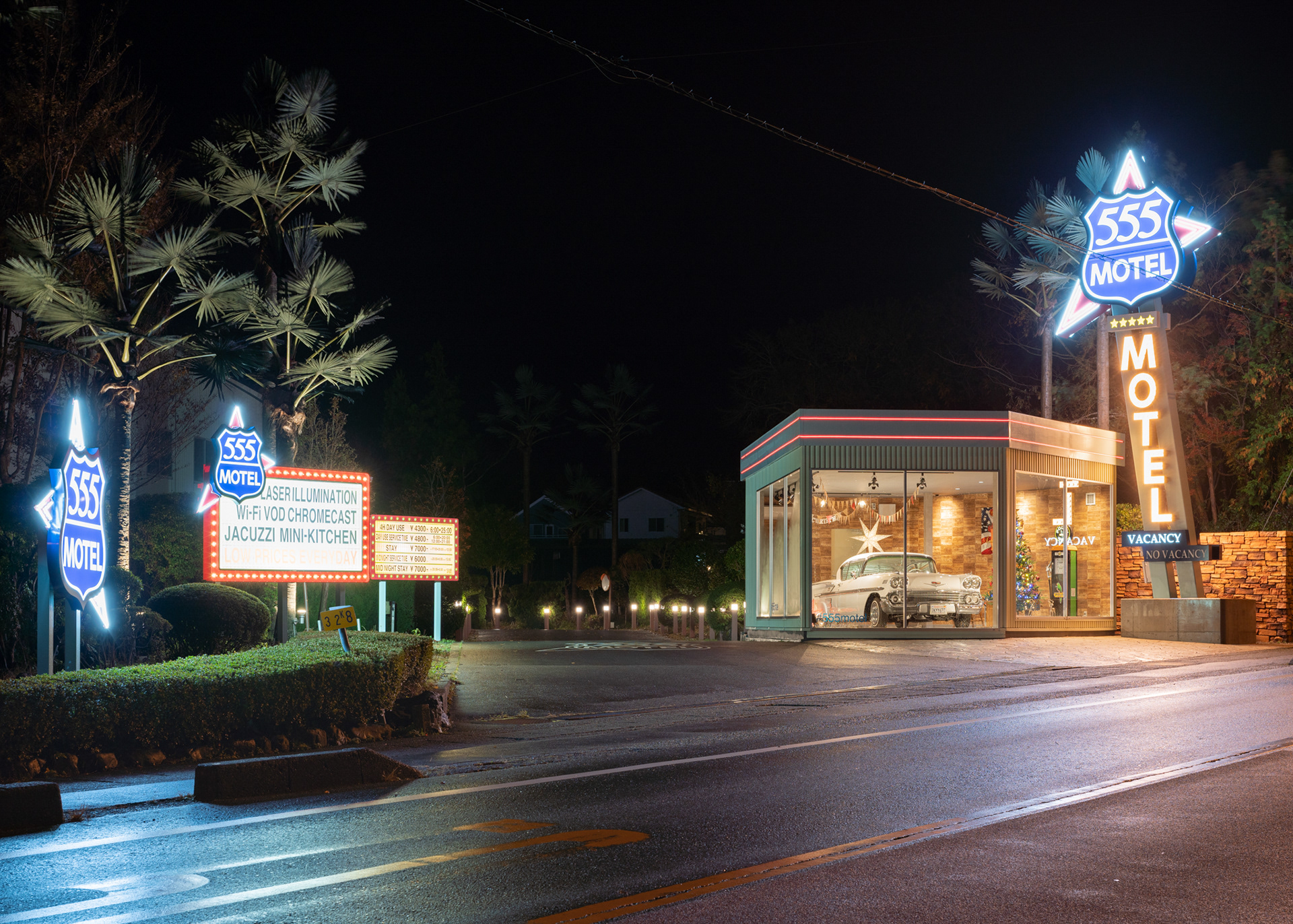
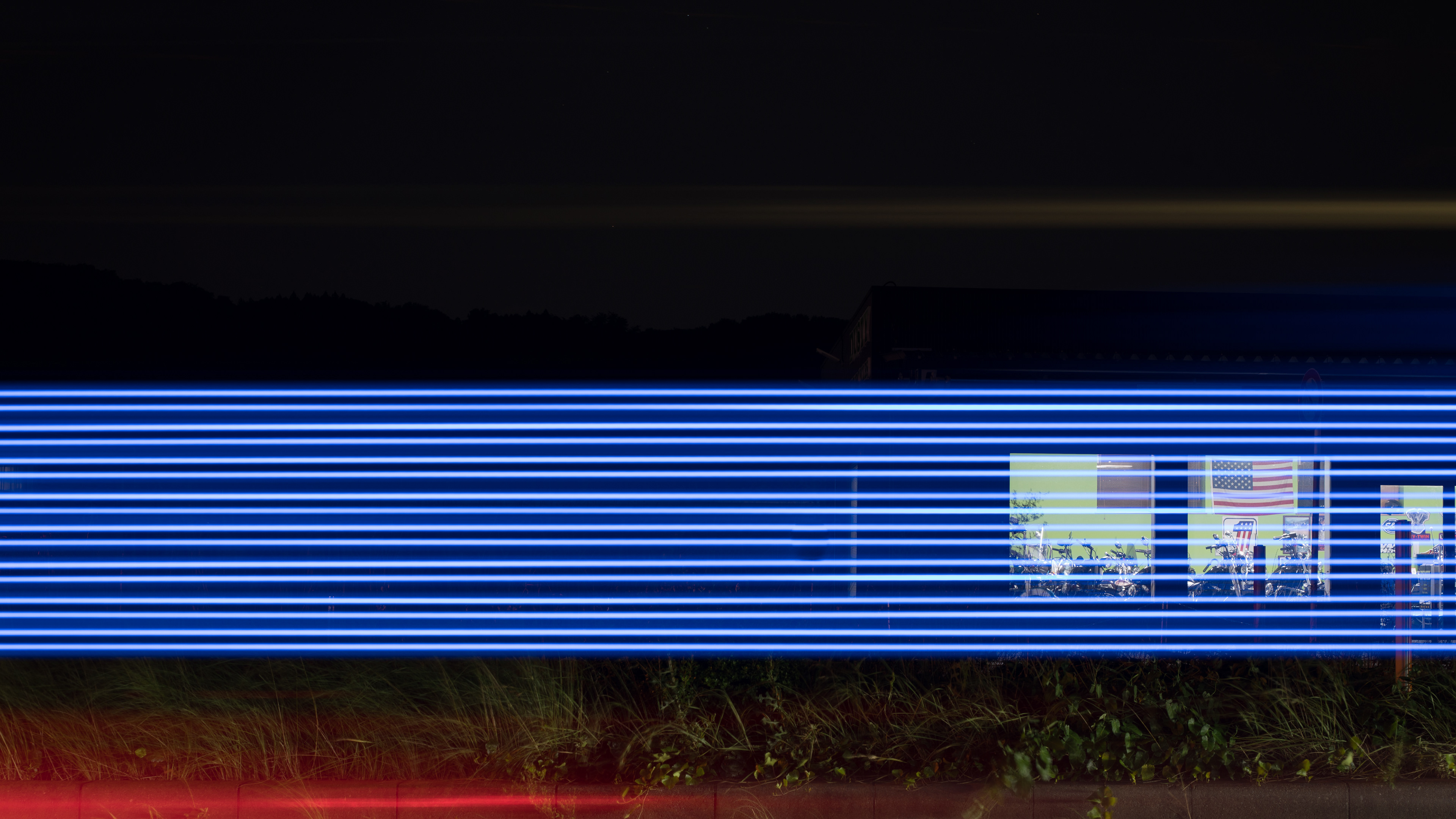
このシリーズでは、とりわけ戦後日本における「アメリカ化」とその神話的な作用に焦点が当てられている。アメリカ的なイメージは、様々な商品や映画や芸術などの文化を通じて模倣・複製され、メディアを介して日本の生活の隅々にまで浸透してきた。東京周辺の風土の中にも、それらは奇妙な形で定着し偏在している。こうしたアメリカ的なイメージは、文化的・物質的であると同時に、「自由」「平等」「民主的」「豊かさ」といった理念や政治性とも不可分であった。
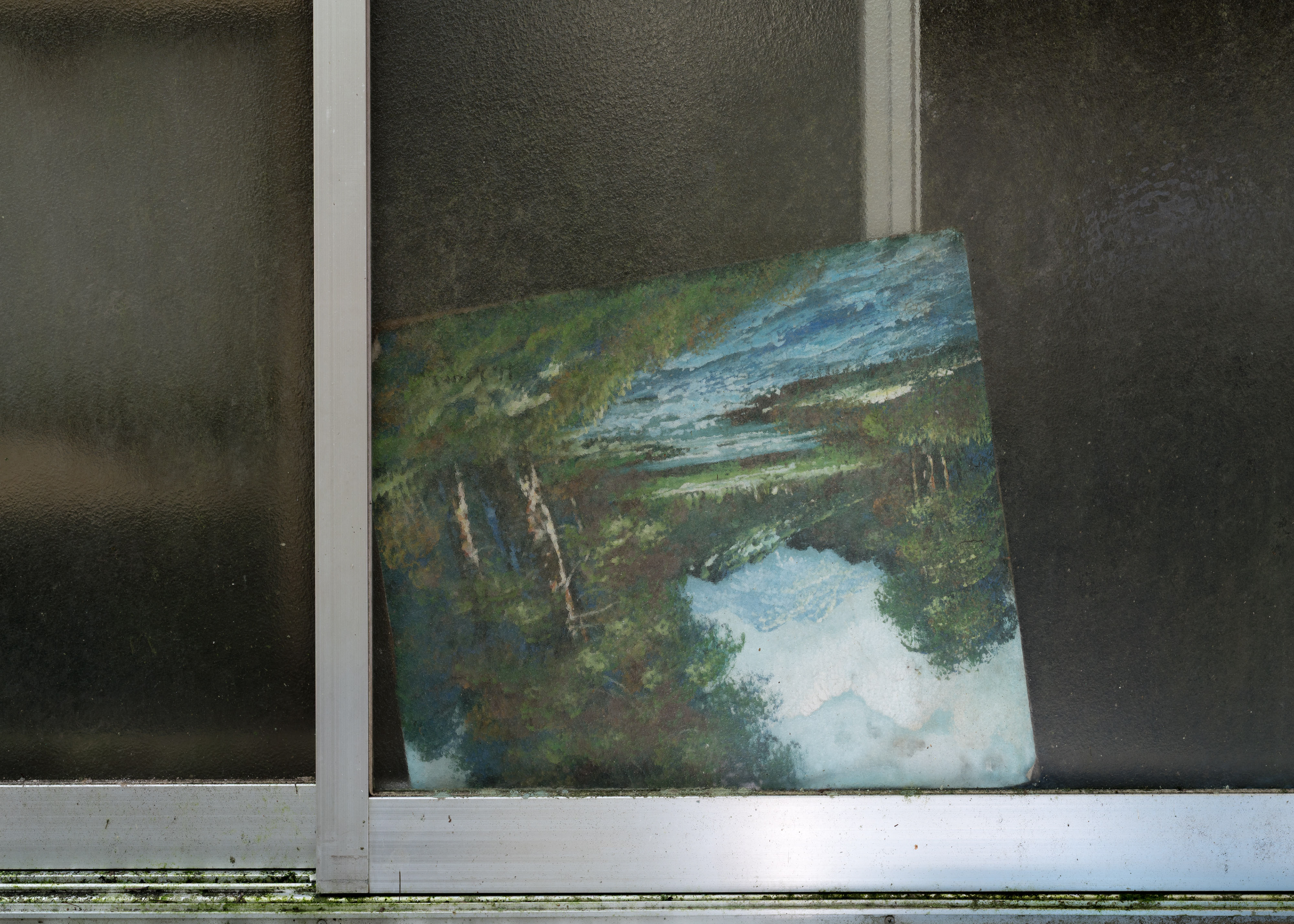
大都市近郊の郊外地域で幼少期を過ごした石川は、自身がなれ親しんできた様々なアメリカ文化の影響や私淑してきたアメリカン・フォトグラフィの写真家の系譜がもつ方法論や批評性を踏襲し、時には引用や偽装することで様々な関係性が絡み合い、虚構と現実の間を漂うような視点を提示している。そして、「今ここ」であると同時に「どこでもない場所」への憧憬を写し出すことで、「変わりゆくもの」の中に「変わらぬもの」を探求している。
2026年現在、前時代的で帝国主義的な軍事侵攻が横行し、米中による新たな緊張関係が顕在化している。パックス・アメリカーナの終焉やバブル期以降の日本経済の停滞を背景に、植民地主義的なイデオロギーや西洋中心的な近代という枠組みの再考が叫ばれている。こうした時代状況のなかで、このシリーズはナショナル・アイデンティティの曖昧さを示唆し、グローバルとローカルの差異と類似性を可視化しようとしている。また、経済におけるグローバル化と政治におけるナショナリズムという相反した現象が交錯し、メディア環境の変化によって現実と虚構の境界が曖昧になった今日のディストピア的状況に対して、アイロニカルな視点から問題提起することを試みている。
In the twentieth century, as the United States assumed global hegemony and constructed a new international order, perhaps no country was more profoundly influenced than Japan. The peculiar relationship between Japan and the United States has often even been described as an “unnatural intimacy.”
Since its founding through settlement and the establishment of the original thirteen colonies on the eastern seaboard, the United States has pursued frontier expansion as a national doctrine under the banner of Manifest Destiny, dispossessing Native American lands while extending its territory ever westward. This expansion eventually crossed the Pacific, leading to the annexation of Hawaii, the governance of Japan following the Pacific War, and further extensions of geopolitical dominance into the Korean Peninsula, Vietnam, and the Middle East within the postwar Cold War order. When postwar Japan’s Americanization is reconsidered as one waypoint within this imperial westward movement, what kind of presence do the familiar landscapes of suburbs and peripheries assume within the historical horizon of this era?
Beginning with this question, Ishikawa has continued photographing since 2017 while repeatedly undertaking road trips through the outskirts of Tokyo. At that time in the United States, Donald Trump had assumed the presidency under the slogan “Make America Great Again,” and widespread attention was directed toward the decline of the so-called Rust Belt and the problems of post-truth politics. Meanwhile in Japan, under the slogan “Beautiful Country, Japan,” large-scale urban redevelopment advanced in central Tokyo in anticipation of the second Tokyo Olympics, framed as a reenactment of the high economic growth era. Within this context, Ishikawa focused primarily on subjects such as decaying bubble-era architecture left behind by time, wastelands produced by reckless development during the period of rapid economic growth, mines that had supported Japan’s modernization, traces of recent natural disasters intensified by climate change, and uncanny landscapes encountered around U.S. military bases and along arterial highways. These fragmentary photographs—bearing the marks of various forms of violence—are reconfigured and presented in a structure reminiscent of a road movie.
This series places particular emphasis on the “Americanization” of postwar Japan and its mythological functioning. American imagery has been imitated and reproduced through commodities, cinema, and artistic culture, permeating every corner of Japanese daily life through media circulation. Within the cultural landscape surrounding Tokyo, these images have taken root in distorted and uneven ways. Such American imagery has been inseparable not only from material and cultural forms but also from political ideals and imaginaries such as “freedom,” “equality,” “democracy,” and “prosperity.”
Having spent his childhood in suburban areas on the outskirts of a major metropolis, Ishikawa draws upon both the influence of American culture that shaped his formative years and the methodological and critical lineage of American photography to which he has long felt an affinity. Through strategies of quotation and occasional mimicry or disguise, he presents a perspective in which multiple relationships intertwine, drifting between fiction and reality. By depicting a longing for places that are simultaneously “here and now” and “nowhere in particular,” the work seeks what remains unchanged within that which is constantly changing.
As of 2026, anachronistic and imperialistic military invasions continue to occur worldwide, while new tensions between the United States and China have become increasingly visible. Against the backdrop of the waning of Pax Americana and the prolonged stagnation of Japan’s economy since the collapse of the bubble era, calls have intensified to reconsider colonial ideologies and the framework of Western-centered modernity. Within this historical moment, the series suggests the ambiguity of national identity while attempting to visualize both the differences and similarities between the global and the local. It also adopts an ironic perspective to question today’s dystopian condition, in which economic globalization intersects with political nationalism and shifting media environments blur the boundary between reality and fiction.
Part1








part2



part3





part4
Part5


part6



part7


part8



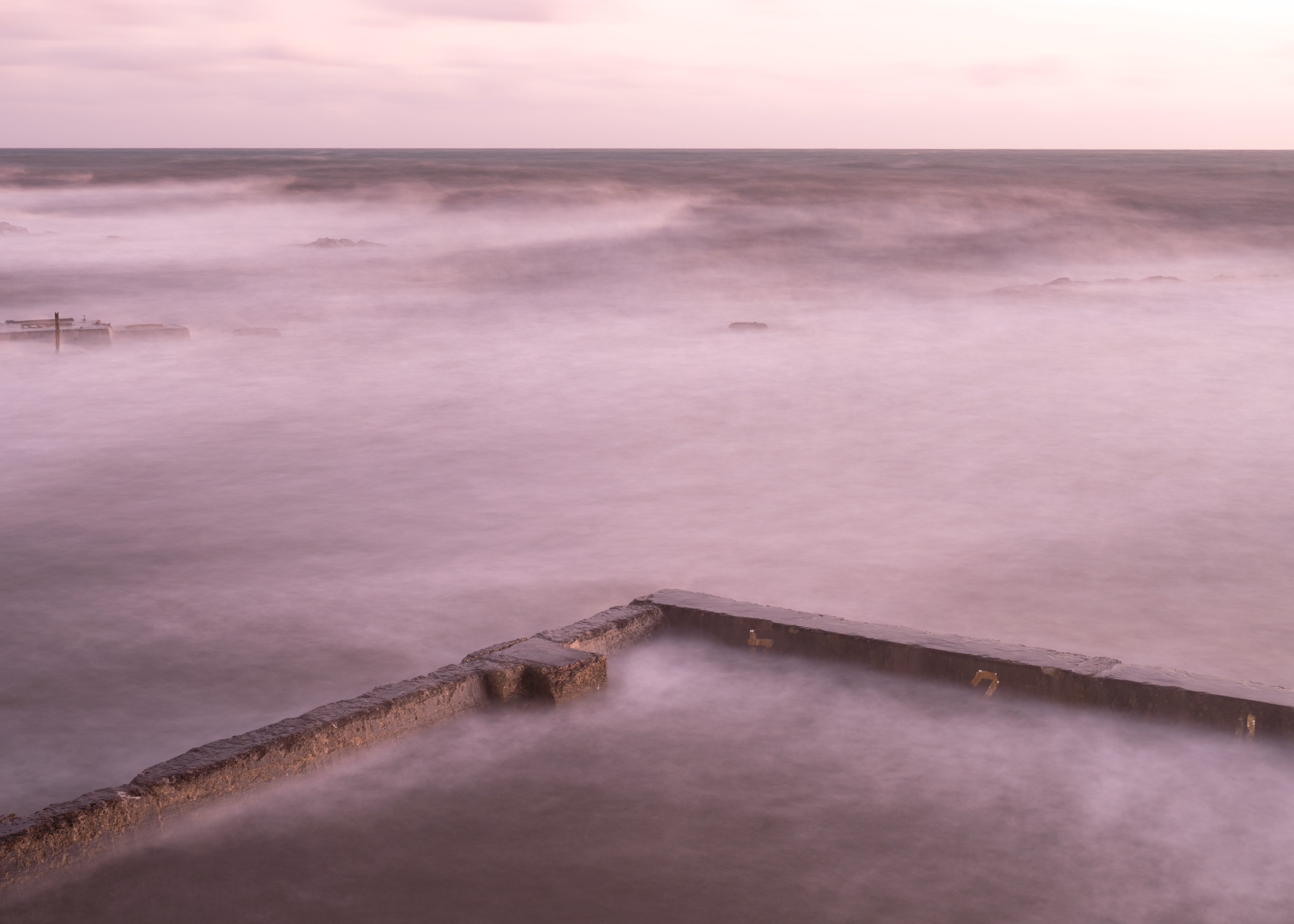
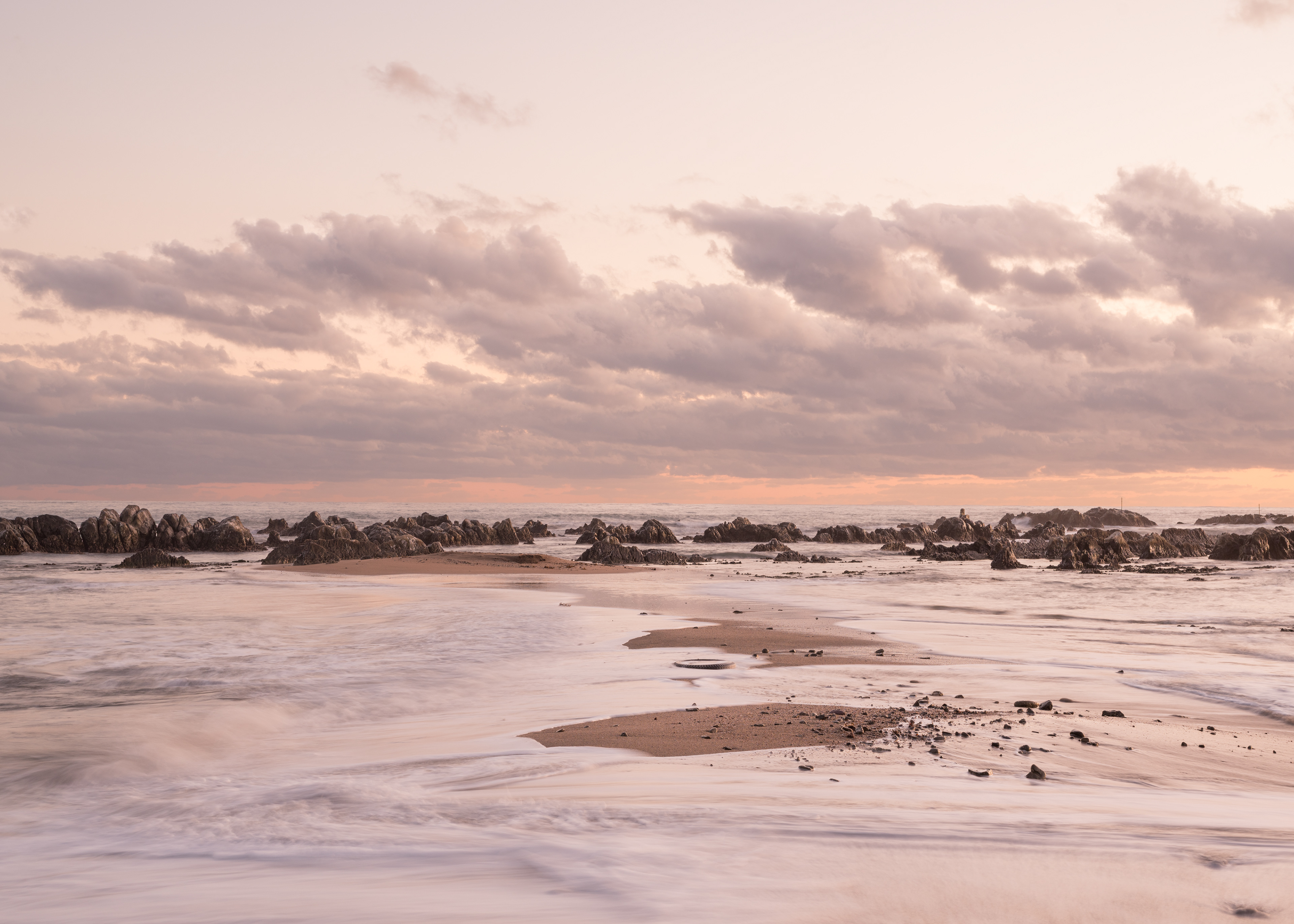
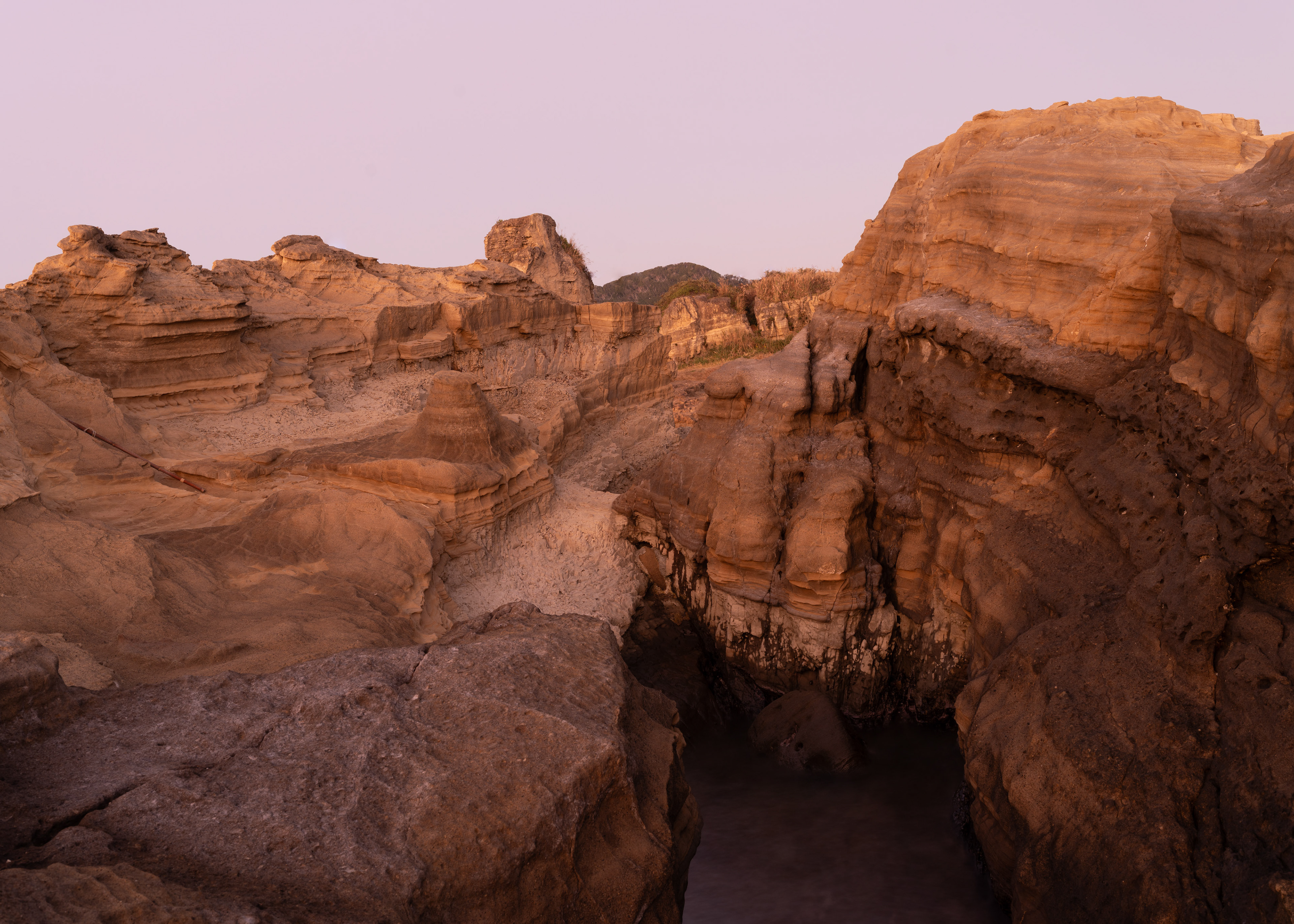
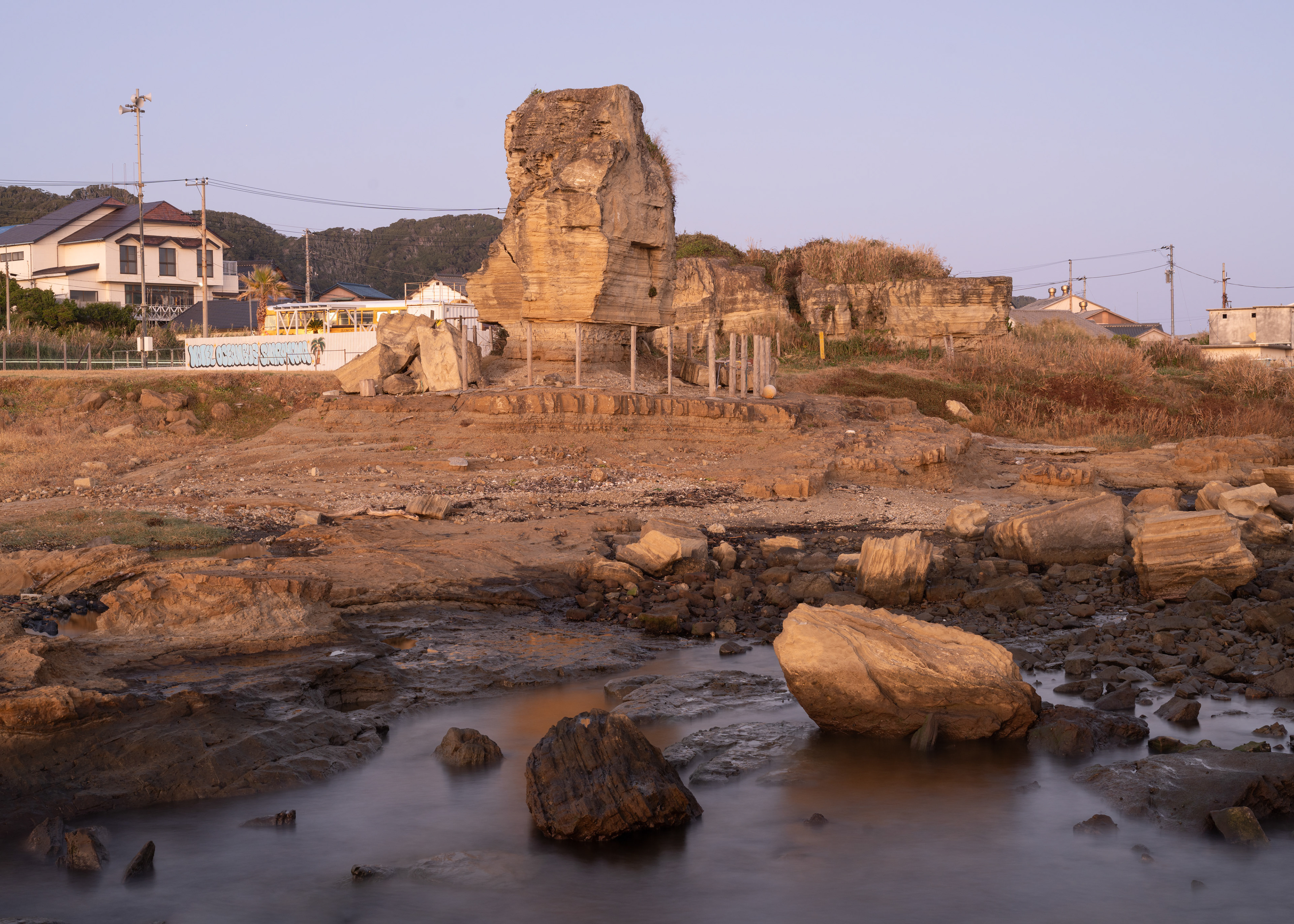
part 9
part 10